Why a Munchkin Needs a Litter Box It Can Walk Into
One of the first things you realize when you bring home a delightful Munchkin cat is that their unique physical structure changes everything you thought you knew about cat care. Suddenly, simple tasks like using the litter box become a genuine challenge for your little short-legged friend. This guide is dedicated to helping you understand why a standard litter box just won't do for a Munchkin and how you can set up their environment to ensure they live a comfortable, healthy, and dignified life, free from unnecessary strain or accidents.
Understanding the Munchkin's Unique Physical Challenges
Before we dive into the specifics of litter boxes, it’s crucial to truly grasp what makes a Munchkin different from your average house cat. Their adorable short legs are not just a cute aesthetic; they're the result of a specific genetic mutation that impacts their entire physiology and how they interact with their world. Ignoring these fundamental differences isn't just inconvenient for them; it can lead to significant health and behavioral problems down the line.
The Short Legs and Their Impact on Mobility
The defining characteristic of the Munchkin is, of course, their incredibly short legs. This is due to a form of dwarfism known as pseudoachondroplasia. Unlike some other forms of dwarfism that might affect overall body size, a Munchkin's body length and torso are actually proportional to a regular cat; it's just their limbs that are significantly shortened. Imagine trying to navigate your daily life if your legs were only half their usual length, while your body remained the same size. It would fundamentally change how you move, how you reach, and how you overcome obstacles.
For a Munchkin, this means a drastically altered gait and a reduced ability to jump and climb. While they are incredibly agile and can still zoom around the house and play with gusto, their movement is optimized for speed on flat surfaces, not for vertical leaps. A standard cat might effortlessly hop into a high-sided litter box with a graceful spring, but for a Munchkin, that same action can feel like climbing a mountain. They can't just 'step over' the edge like a long-legged cat; they have to actively climb or pull themselves up and over, using their shoulders and spine in ways that can be strenuous. It's not just a matter of effort; it's a matter of leverage and biomechanics.
This short-legged reality impacts every aspect of their mobility, making seemingly simple tasks surprisingly complex. Think about how a standard cat would crouch to relieve itself. Now imagine a Munchkin trying to achieve the same posture in a box designed for a taller cat. Their short legs mean they're already closer to the ground, and any significant height on the litter box entry or sides makes squatting comfortably a real challenge. They might try to compensate by leaning or shifting their weight awkwardly, all of which puts unnecessary strain on their little bodies, especially their delicate spines. If you're looking for more detail on this, exploring What Pseudoachondroplasia Does to a Munchkin's Legs can be incredibly insightful.
The Low Body Carriage and Belly Clearance
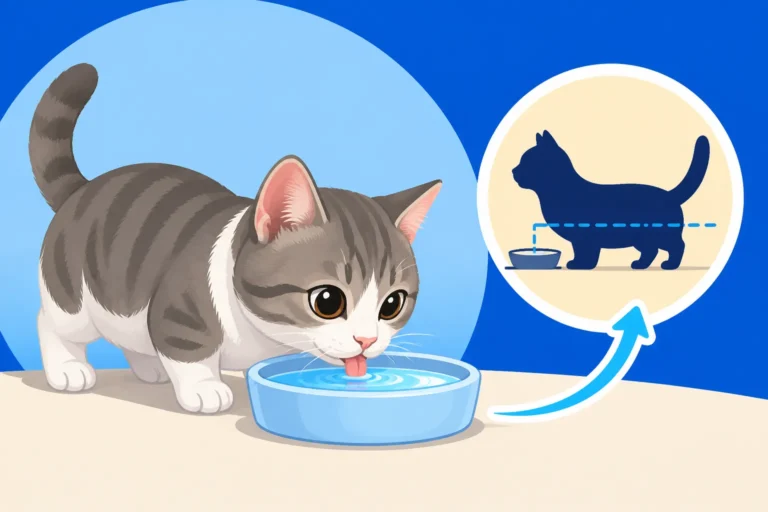
Beyond just the length of their legs, a Munchkin's entire body carriage is lower to the ground. Their chest and belly often sit remarkably close to the floor, giving them that characteristic "low rider" appearance. This adorable trait, however, comes with its own set of practical considerations, particularly when it comes to hygiene and the litter box. When a standard litter box has sides that are even a few inches high, that's a significant barrier for a Munchkin.
Imagine your Munchkin attempting to step over a 5-inch lip. Their belly, which might only clear the ground by a couple of inches itself, is going to drag directly across that edge. And it's not just the edge; it's the possibility of their entire underside scraping along the litter itself as they try to maneuver inside. This isn't just uncomfortable; it's a major hygiene risk. Their fur can easily pick up soiled litter particles, leading to irritation, matting, or even infections if not addressed promptly. Why a Munchkin's Belly Nearly Touches the Floor explains this physical reality further.
This low body carriage also means that when they squat to go to the bathroom, they are much closer to the litter than a regular cat. While some might think this is a benefit, it actually increases the chances of their belly fur making contact with the urine or feces, especially if the litter level is too high or the box is too small. This makes selecting the right depth of litter and the right box dimensions even more critical for a Munchkin's well-being and cleanliness. It's about providing them with a space where they can naturally and cleanly relieve themselves without having to perform acrobatic feats or risk getting dirty.
Why Standard Litter Boxes Just Don't Work for Munchkins
It's a common misconception that all cat products are universal, but for Munchkins, this simply isn't true. Standard litter boxes, designed with the average long-legged feline in mind, can be a source of constant frustration and potential health issues for your short-statured companion. Understanding these specific drawbacks is the first step in creating a truly accessible home environment for them.
The Obstacle Course of High Edges
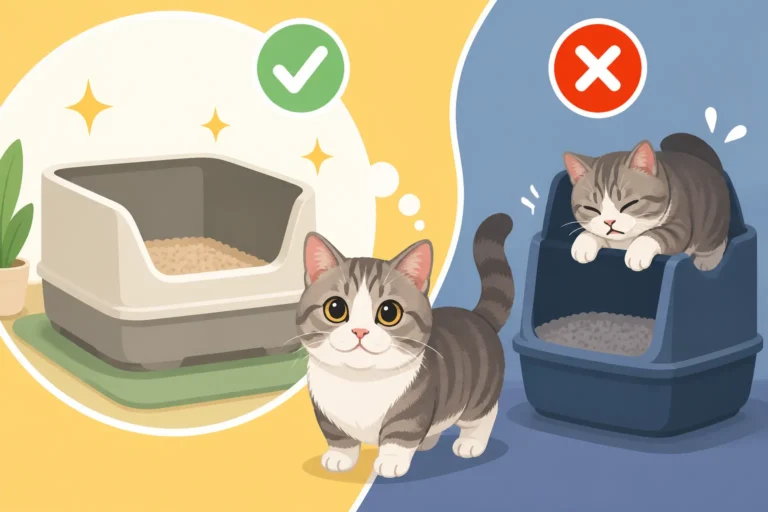
For a standard cat, the high sides of a typical litter box might offer privacy and help contain litter scatter. For a Munchkin, however, these same high sides transform the litter box into a formidable obstacle course. Picture a cat trying to climb over a wall that comes up to their chest every single time they need to use the bathroom. They have to launch themselves, brace with their front paws, and then pull their entire body weight up and over, twisting their spine and straining their shoulders.
Repeatedly performing this kind of strenuous movement multiple times a day puts immense stress on their joints, particularly their front legs and spine. We're talking about their elbows and shoulders, which bear the brunt of the landing and pulling motion. Over time, this constant impact and strain can contribute to the premature development of arthritis and other musculoskeletal problems. It's not just about a single jump; it's the cumulative effect of hundreds, if not thousands, of difficult entries and exits over their lifetime. This is a crucial point, and articles like Why a Munchkin's Shoulders Wear First or Why a Munchkin's Spine Carries a Load a Normal Cat's Does Not offer deeper insights into the biomechanical challenges.
Beyond the physical toll, there's a psychological one. A cat that finds its litter box difficult or painful to use will, quite naturally, start avoiding it. This can lead to inappropriate urination or defecation outside the box, which is not only frustrating for owners but a clear sign of distress from your cat. They aren't being naughty; they're trying to communicate that their current setup isn't working for them. It's a solvable problem, but it requires us, as their caretakers, to acknowledge their unique needs and make appropriate adjustments to their environment.
Covered Boxes and Their Hidden Hurdles
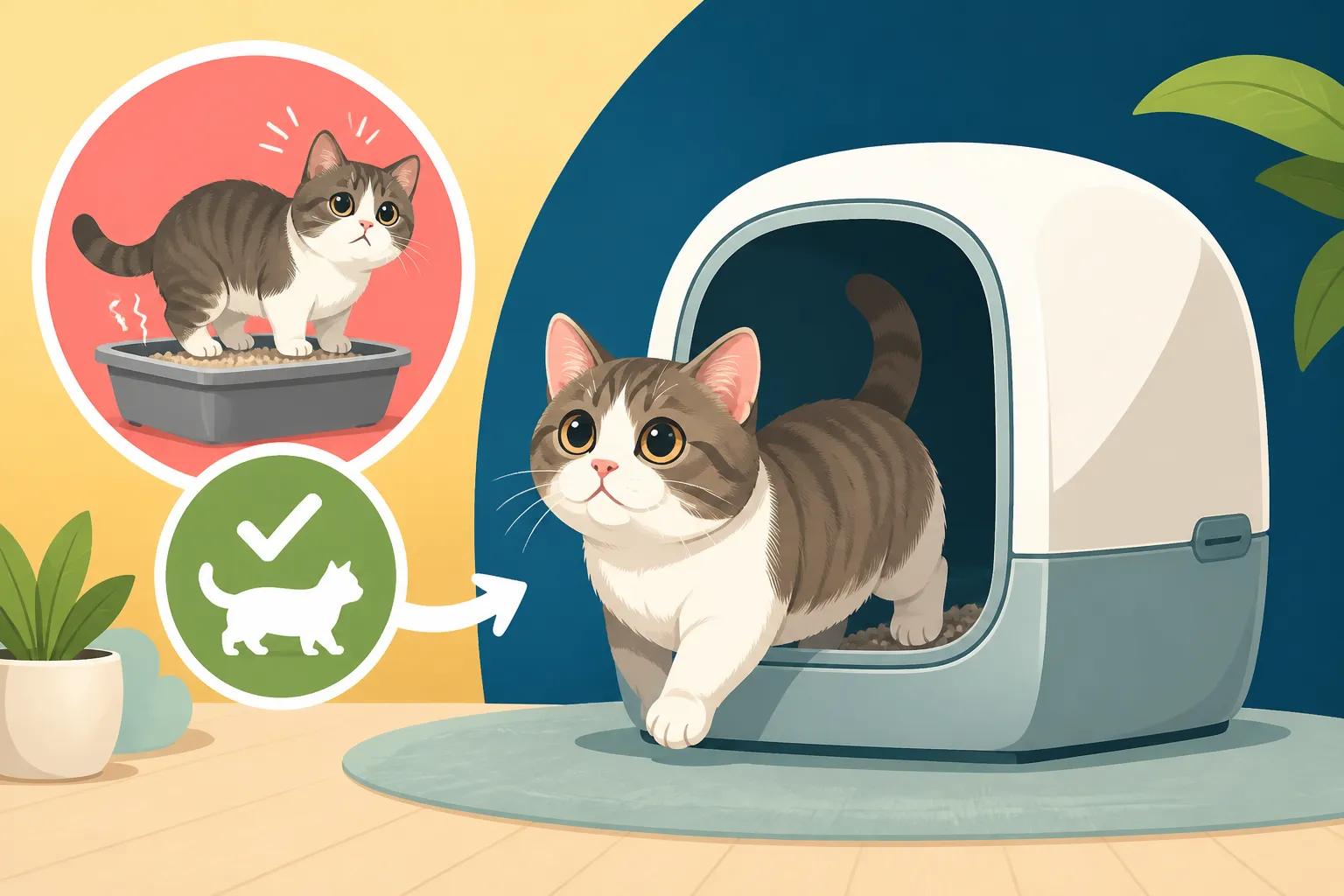
Many cat owners opt for covered litter boxes for aesthetic reasons or to contain odors and litter scatter. While these might be perfectly acceptable for many cats, they often present additional, unforeseen challenges for Munchkins, turning a seemingly helpful feature into another hidden hurdle. The primary issue remains the entry point: even if the main opening seems adequately sized, the lip or step required to get into the covered enclosure is frequently too high for a Munchkin's short legs and low belly.
Think about it: covered boxes often have a raised threshold, sometimes with a swinging door or a small tunnel entrance. For a Munchkin, this means not only navigating the height but also maneuvering within a confined space. A standard cat can easily step into the opening, turn around, and position themselves. A Munchkin, with their limited reach and lower perspective, might struggle to gauge the depth and height of the entry. Once inside, the enclosed nature can make it difficult for them to turn around comfortably, especially if they are a larger Munchkin or have a long coat. They might feel trapped or find it hard to maintain their balance while squatting.
Moreover, covered boxes restrict visibility, which can be disorienting for any cat, but perhaps more so for a short-legged one who already has a different vantage point of the world. They can't easily peek out to ensure their surroundings are safe before exiting, or even see clearly where they are placing their paws. This lack of clear escape routes or environmental awareness can create anxiety, further contributing to litter box aversion. While the idea of a tidy, contained litter area is appealing, it’s vital to prioritize your Munchkin's comfort and accessibility over purely human-centric design preferences.
The Health and Hygiene Risks of Inaccessible Litter Boxes
When a Munchkin struggles to use their litter box, the problems extend far beyond mere inconvenience or occasional accidents. An inaccessible litter box can directly impact their physical health and hygiene, leading to a cascade of issues that can be both painful for the cat and costly for the owner in terms of vet visits and extra cleaning.
Soiling and Skin Irritation
The most immediate and visually apparent problem arising from a difficult-to-enter litter box is soiling. Because a Munchkin's belly and hindquarters sit so low to the ground, and because they may struggle to comfortably squat in a high-sided box, they are at a much higher risk of coming into contact with their own waste. Imagine their short legs barely making it over the edge, their belly dragging across the soiled litter as they enter or exit. Or consider them squatting awkwardly, leading to urine or feces getting on their fur.
This isn't just unpleasant; it's a serious hygiene concern. The dampness and bacteria from soiled fur, particularly around the sensitive genital and anal areas, create a perfect breeding ground for skin irritation, infections, and unpleasant odors. Over time, if not meticulously cleaned, this can lead to painful skin conditions like dermatitis or yeast infections. For long-haired Munchkins, the problem is compounded by matting. Urine and feces can become trapped in their longer fur, forming hard, painful mats that pull at the skin. These mats are incredibly difficult to remove and often require professional grooming or even veterinary intervention, as they can hide severe skin inflammation or open sores underneath. Checking Whether Matting Becomes a Health Problem in a Munchkin can give you more context on this particular issue.
Therefore, ensuring an easy-to-access litter box isn't just about preventing accidents on your floor; it's a proactive measure to protect your Munchkin's delicate skin and keep them comfortable and healthy. A clean cat is a happy cat, and for a Munchkin, a clean cat often starts with a litter box that doesn't force them into unsanitary contact with their own waste.
Joint Strain and Pain
As we touched upon earlier, the repeated physical exertion of climbing into a high-sided litter box takes a significant toll on a Munchkin's musculoskeletal system. Their unique conformation means their short limbs and spine are already under different loads compared to a standard cat. Every time they hoist themselves over a high lip, they are subjecting their shoulders, elbows, and spine to unnatural stresses. These aren't movements their bodies are ideally designed for repeatedly, day in and day out, over many years.
This cumulative strain can lead to chronic pain and accelerate the onset of degenerative joint diseases like osteoarthritis. You might start noticing subtle signs: a reluctance to jump even small heights they once managed, stiffness after resting, or even a change in their gait. They might limp slightly, avoid using the litter box altogether, or even cry out when attempting to enter or exit. Their spine, while appearing normal in length, carries a load differently due to their short legs, making proper posture and movement even more critical to avoid issues later in life. This is why discussions around topics like Why a Munchkin's Shoulders Wear First and Why a Munchkin's Spine Carries a Load a Normal Cat's Does Not are so vital.
It's heartbreaking to see a beloved pet in pain, and a simple change to their litter box setup can prevent a great deal of this suffering. By providing a truly low-entry or ramped litter box, you minimize the physical stress on their joints and spine, helping to preserve their mobility and quality of life for as long as possible. Early preventative measures in their environment are far more effective and compassionate than trying to manage chronic pain once it has set in.
Litter Box Aversion and Accidents
A cat that consistently experiences discomfort or pain when using its litter box will inevitably develop an aversion to it. This is a natural animal response: if a place causes negative sensations, avoid that place. For Munchkins, a difficult-to-access litter box can quickly become that negative place, leading to a frustrating cycle of accidents around the house. They aren't trying to be defiant; they are simply seeking a more comfortable or less painful alternative, even if that alternative is your rug, your bed, or a quiet corner of the floor.
Imagine the confusion and stress for a cat that wants to be clean and use its designated potty area but physically struggles every time. This can lead to anxiety, fear, and a breakdown of their natural toileting habits. Owners often misinterpret these accidents as behavioral problems, when in reality, they are usually a cry for help related to either a medical issue or an environmental inadequacy. Before you ever get frustrated with your Munchkin for an accident, always check their environment and consider a vet visit.
The solution to litter box aversion almost always starts with identifying and eliminating the source of discomfort. For a Munchkin, this often means addressing the accessibility of their litter box first and foremost. Creating a low-stress, easy-to-use toileting environment is paramount for their mental well-being and for maintaining a harmonious household. It validates their needs and reinforces positive habits, rather than forcing them into a struggle that undermines their instincts.
What Makes a Litter Box "Munchkin-Friendly"?
So, if standard litter boxes are problematic, what exactly does a Munchkin-friendly litter box look like? It's not just about aesthetics; it's about functionality, accessibility, and designing a space that respects their unique physical dimensions. Thinking from your cat's perspective is key here, putting their comfort and ease of use at the forefront.
Low Entry Height – The Non-Negotiable Feature
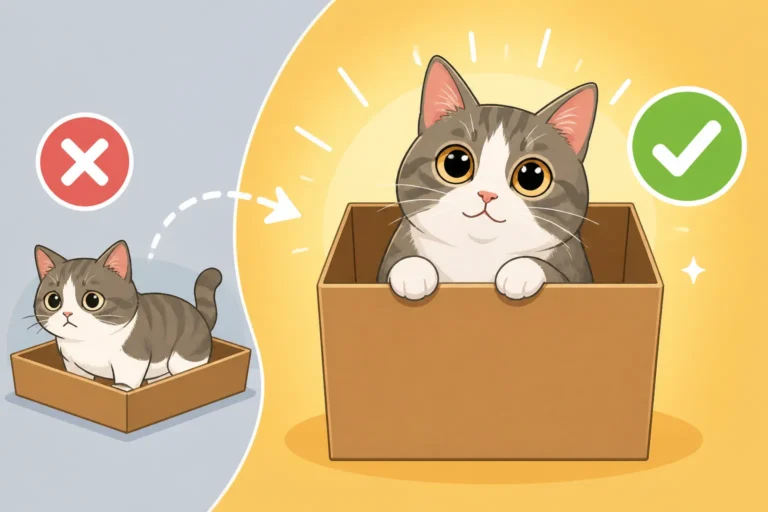
When it comes to a Munchkin's litter box, the absolute most critical feature is a low entry height. This isn't just a recommendation; it's a non-negotiable requirement for their comfort, health, and consistent use of the box. Ideally, the entry lip should be no more than 2-3 inches from the ground. This allows them to simply step into the box rather than having to climb or jump over an obstacle. For many Munchkins, especially as they age or if they have any existing joint issues, even 4 inches can be too much.
Why is this so crucial? Because it eliminates the strain on their shoulders, elbows, and spine that we've discussed. It means they can maintain a natural, comfortable posture as they enter, exit, and squat, drastically reducing the risk of pain, injury, and subsequent litter box aversion. Think of it as creating a smooth, inviting transition rather than a hurdle. If your Munchkin can walk in without an elaborate maneuver, they are much more likely to use it consistently and happily.
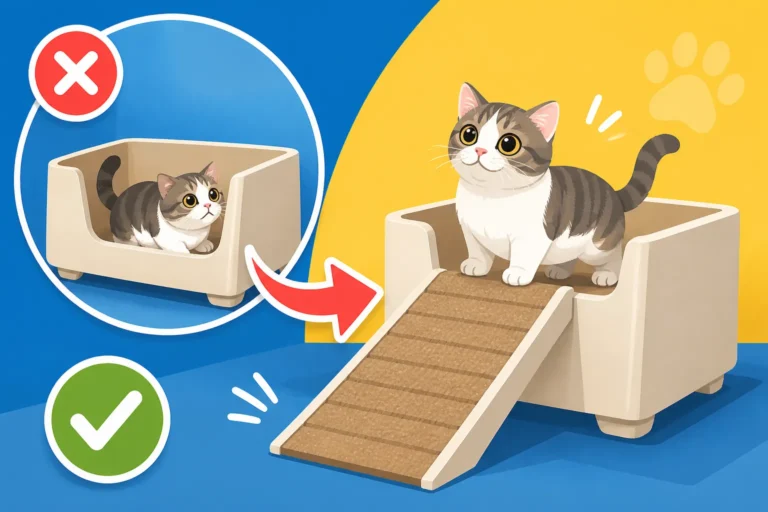
For kittens and older Munchkins, an even lower entry might be necessary. Some owners even opt for litter boxes with a ramp leading up to a slightly higher entry, providing a gradual incline rather than a step. Whether it's a built-in ramp or a custom solution, the goal is always the same: to make entry and exit as effortless as possible. This is the foundation upon which all other Munchkin litter box considerations are built.
Open Tops vs. Covered Designs
While covered litter boxes often appeal to humans for their ability to hide mess and odor, they generally pose more problems than solutions for Munchkins. As discussed, the restricted visibility and potential for feeling trapped are significant concerns for a short-legged cat who cannot easily peer out or quickly escape. For these reasons, an open-top litter box is almost always the superior choice for a Munchkin.
An open-top design provides clear sightlines, allowing your Munchkin to assess their surroundings before entering and exiting, which reduces anxiety. It also ensures proper air circulation, which can be more pleasant for them. More importantly, it means they don't have to navigate any tricky internal structures or doors, simplifying the process of getting in, turning around, and doing their business. With an open top, the only real barrier is the entry lip itself, which we've already established needs to be very low.
If you absolutely must have a covered box for your household, look for designs that feature an exceptionally wide, low-set opening that is more of a walk-through than a step-over. Some designs marketed as "senior cat" covered boxes might fit this criterion. However, always observe your Munchkin using it to ensure they aren't struggling. If they hesitate, appear cramped, or try to avoid it, it's a clear sign that an open-top solution would be better for their well-being. Prioritizing their comfort and ease of use over personal aesthetic preferences is always the most compassionate choice for your unique feline friend.
Size and Interior Space
Beyond entry height, the overall dimensions of the litter box — specifically its length, width, and interior space — are crucial for a Munchkin's comfort. While their legs are short, their bodies are generally of normal length, meaning they need adequate room to stand, turn around, and squat comfortably without feeling cramped. A box that is too small might force them into awkward positions, leading to further strain or even soiling outside the box if they can't maneuver properly.
As a general guideline, the litter box should be at least 1.5 times the length of your cat from nose to tail. This allows them enough space to enter, turn 180 degrees, and find a suitable spot to relieve themselves without stepping in their own waste. For width, ensure they have enough room to comfortably squat without their rear touching the sides. Many standard litter boxes are surprisingly compact, which can be problematic for a Munchkin who needs to spread out a bit more to achieve a stable, comfortable squatting posture.
| Feature | Standard Litter Box | Munchkin-Friendly Litter Box | Why it Matters for Munchkins |
|---|---|---|---|
| Entry Height | 5-8 inches | 2-3 inches (or lower) | Prevents joint strain, belly dragging, and box aversion. |
| Top Design | Often covered | Open top (preferred) | Improves visibility, air circulation, reduces feeling trapped. |
| Interior Space | Can be compact | 1.5x cat's body length | Allows comfortable turning, squatting, and less accidental soiling. |
| Litter Depth | Deep fill (3-4in+) | Shallow fill (1-2 inches) | Reduces risk of belly contact with soiled litter. |
| Material/Texture | Varies | Smooth, non-stick | Easier to clean, less residue clinging to fur. |
When selecting a litter box, err on the side of larger dimensions. A spacious interior makes the experience more pleasant for your Munchkin, reducing stress and promoting consistent use. Remember, they spend a significant portion of their lives using this space, and ensuring it's comfortable and spacious is an investment in their long-term health and happiness.
Practical Solutions for Munchkin Litter Box Setups
Now that we understand the "why" behind Munchkin-friendly litter boxes, let's explore the practical "how." There are several ways to provide your short-legged friend with an accessible and comfortable toileting area, ranging from readily available commercial products to clever DIY solutions.
Commercial Low-Entry Boxes
Thankfully, as awareness of feline special needs grows, the market has started to offer more options for cats with mobility challenges. The best commercial solutions for Munchkins are often marketed as "senior cat litter boxes" or "handicap accessible litter boxes." These designs inherently feature a much lower entry point, typically in the 2-4 inch range, which is exactly what your Munchkin needs. Brands like Chewy and Amazon often carry a variety of these types of litter boxes, making them relatively easy to find.
When you're browsing for these, pay close attention to the specifications, especially the height of the lowest entry point. Some might have one side significantly lower than the others, creating that crucial walk-in access. Look for sturdy plastic construction that is easy to clean and resist odor absorption. Many of these senior cat boxes are also designed to be a bit larger, which, as we discussed, is an added benefit for a Munchkin who needs ample space to maneuver comfortably.
The main advantage of commercial low-entry boxes is convenience. They are purpose-built, often aesthetically pleasing, and require no modification on your part. It's a plug-and-play solution that immediately addresses the primary accessibility issue. While they might cost a bit more than a basic standard box, the investment in your Munchkin's comfort and health is invaluable, preventing potential vet bills and cleaning frustrations down the line.
DIY Modifications and Hacks
If you're on a budget or simply enjoy a good DIY project, there are plenty of ways to create a Munchkin-friendly litter box using readily available materials. This can be especially useful if you already have a collection of standard litter boxes that you'd like to repurpose.
One popular hack involves taking a large, sturdy plastic storage bin (like those found on Amazon for general household storage) and modifying it. You can use a utility knife or a Dremel tool to carefully cut a low entry point into one of the longer sides. The key here is to make the cut smooth and free of sharp edges, perhaps by sanding them down or covering them with a protective trim. Ensure the entry is wide enough for comfortable passage. The beauty of a storage bin is that it often has high sides around the low entry, which helps contain litter scatter while still providing easy access.
Another simple solution is to use shallow baking pans or boot trays as temporary or supplementary litter boxes. While these might not have very high sides to contain litter, they offer an incredibly low entry, which can be a lifesaver for a Munchkin struggling with severe mobility issues or during the training phase. For a more permanent solution, consider pairing a standard high-sided box with a specially designed ramp. You can buy pet ramps, or even create one yourself from wood or sturdy cardboard covered with carpet for grip, leading directly into the box. Just ensure the ramp is stable and not too steep, as mentioned in How to Teach a Munchkin to Use a Ramp.
Strategic Placement and Multiple Boxes
Having the right litter box is only half the battle; where you place it is equally important, especially for a Munchkin. Their limited vertical mobility means that accessibility from their perspective is paramount. You need to think about their daily routes and ensure a comfortable, easy-to-reach litter box is always within a short, non-strenuous distance.
First and foremost, avoid placing litter boxes in areas that require your Munchkin to climb stairs. Even if they can manage stairs, repeated ascents and descents to reach the litter box will put undue strain on their joints, particularly as they age. If you live in a multi-story home, it is absolutely essential to have at least one litter box on each floor your Munchkin inhabits. This cannot be stressed enough; expecting them to climb stairs for a bathroom break is setting them up for discomfort and accidents. Why a Munchkin Should Not Climb Stairs to Its Box delves deeper into this issue.
Place boxes in quiet, accessible areas where your Munchkin won't feel ambushed or stressed. Avoid high-traffic zones, laundry rooms with loud appliances, or cramped corners. Ensure there's enough clear space around the box for them to approach and exit without feeling confined. Remember the "one box per cat plus one extra" rule of thumb? This applies doubly to Munchkins. Having multiple, easily accessible boxes distributed throughout your home increases the likelihood of consistent use and reduces the urgency of a long journey to the nearest facility, especially important for small bladders or sudden urges. By thoughtfully considering placement, you can significantly enhance your Munchkin's comfort and reduce the chances of accidents.
Optimizing the Litter and Surrounding Environment
The litter box itself is just one component of a successful Munchkin toileting setup. The type of litter you choose and how you maintain the surrounding environment play an equally significant role in ensuring your short-legged cat's comfort, hygiene, and willingness to use their designated area.
Choosing the Right Litter for a Low Rider
For a Munchkin, the choice of litter is far more critical than for a standard cat, largely because of their low body carriage. Since their belly and hindquarters sit so close to the ground, they are more prone to coming into contact with the litter itself, both when entering/exiting and when squatting. This means texture, dust, and clumping ability all need careful consideration.
Firstly, opt for a fine-grained, soft litter. Coarse or sharp litters can be uncomfortable on their sensitive paws and can cause irritation if it rubs against their belly fur. Clay litters with a very fine texture or even some soft, plant-based litters like corn or wheat can be good options. Avoid dusty litters at all costs. Dust can irritate their respiratory system, but more immediately, it can cling to their fur and create a mess that's difficult to clean and potentially irritating to their skin. The last thing you want is a fine layer of dusty litter adhering to their already low-slung body.
Secondly, a good clumping litter is generally preferred. When urine forms a tight, hard clump, it's easier to scoop out completely, ensuring the box remains hygienic. This is vital because soiled litter can stick to a Munchkin's belly or hindquarters, leading to the hygiene issues we discussed earlier. A quick, clean clump means less chance of their fur getting wet or dirty. Consider reputable clumping litters known for low dust and fine texture. The goal is to minimize adherence to their fur and maintain a pristine environment that respects their unique physical needs.
Keeping the Area Clean and Hygienic
Given a Munchkin's propensity for their low belly and hindquarters to make contact with the litter, maintaining impeccable hygiene in and around their litter box is paramount. This isn't just about smell; it's about preventing skin issues and encouraging consistent box use. You'll likely find yourself scooping more frequently than you might with a long-legged cat.
Daily scooping, at minimum, is essential. For some Munchkins, especially those who are particular or if you have multiple cats, scooping twice a day might be necessary. The goal is to ensure they always step into a clean area, reducing the chances of their fur picking up soiled litter or getting wet. If a Munchkin encounters a dirty box, they are more likely to seek alternative (and inappropriate) spots for relief. Beyond scooping, the entire litter box should be emptied, thoroughly cleaned with mild, pet-safe soap and water, and refilled with fresh litter at least once a week, or more often if needed.
Furthermore, consider the area immediately surrounding the litter box. A litter mat designed to catch stray litter particles is a smart investment. For a Munchkin, this can reduce the amount of litter tracked out, which might otherwise cling to their low-hanging fur. Some owners even gently wipe their Munchkin's belly and hindquarters with a pet-safe wipe after they use the litter box, especially for long-haired cats, to prevent any residue buildup. This might sound like a lot, but these proactive measures significantly contribute to your Munchkin's long-term health and comfort. If you have a long-haired Munchkin, or one prone to getting dirty, you might also consider Whether a Munchkin Needs a Sanitary Clip to keep the fur around their rear shorter and cleaner.
Incorporating Ramps and Steps for Entry/Exit
Even with a low-entry litter box, some Munchkins, particularly seniors or those with more pronounced pseudoachondroplasia, might benefit from additional assistance. This is where ramps and steps come into play, providing a gentle and comfortable incline or a series of manageable platforms to facilitate effortless entry and exit.
When selecting or building a ramp, the angle is crucial. It should be gradual, not steep, to minimize strain. A steep ramp can be just as challenging as a high step for a Munchkin, as it requires more effort and balance. The surface of the ramp needs to be non-slip, ideally carpeted or covered with a textured material to provide good traction for their paws. A smooth, slippery surface like plastic can be intimidating and even dangerous. The ramp should also be wide enough for them to walk on comfortably and securely anchored to prevent wobbling or slipping, which could scare your cat away from using it. If you're looking for guidance, How to Teach a Munchkin to Use a Ramp can provide helpful tips.
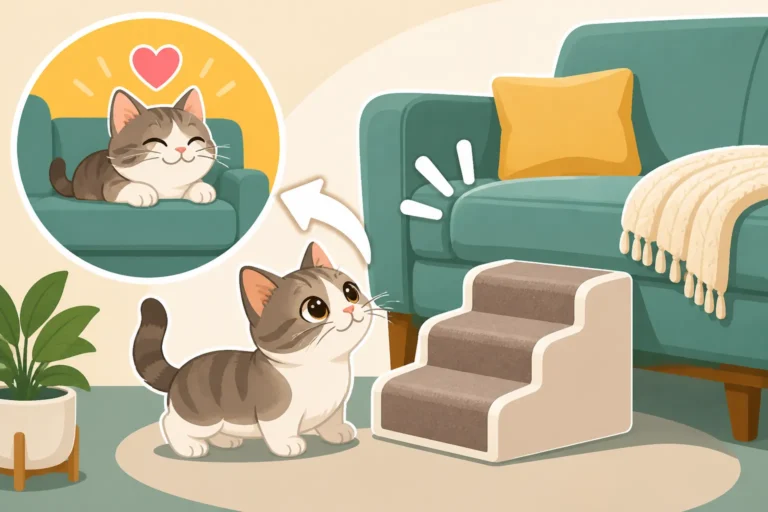
For steps, ensure the risers (the vertical height of each step) are very low, perhaps no more than 2-3 inches, and the treads (the horizontal depth) are deep enough for their whole body to comfortably sit on, providing a secure platform. Again, a non-slip surface is essential. Steps can be particularly useful if your litter box is slightly higher than an ideal low-entry box but not so high that a ramp is impractical. By strategically incorporating these aids, you are not just making the litter box accessible; you are actively preserving your Munchkin's joint health and promoting a positive, stress-free toileting experience throughout their lives.
Recognizing and Addressing Litter Box Problems
Despite your best efforts to create the perfect Munchkin-friendly litter box setup, sometimes issues can still arise. It's important to be observant, understand the signs your cat might be struggling, and know when to seek professional help to address any underlying problems.
Signs Your Munchkin Is Struggling
Your Munchkin can't verbally tell you if their litter box isn't working for them, so it's up to you to recognize the subtle cues and behavioral changes that signal distress. The most obvious sign, of course, is inappropriate urination or defecation outside the litter box. This isn't usually a spiteful act; it's a desperate attempt to find a more comfortable or accessible place to relieve themselves. If your cat suddenly starts having accidents, the litter box should be the first thing you investigate.
Beyond overt accidents, look for more subtle indicators. Does your Munchkin hesitate before entering the box? Do they spend an unusual amount of time circling the box before going in, as if trying to psych themselves up for the climb? Do they assume an awkward or strained posture while eliminating, perhaps leaning heavily or squatting in an uncomfortable way? You might notice them vocalizing more around the box, or even showing signs of pain like crying out when trying to jump in or out. They might also rush out of the box immediately after finishing, indicating discomfort.
Other clues can be physical: matted fur around their hindquarters or belly (especially if they're long-haired), a distinct smell of urine on their fur, or visible skin irritation in those areas. If you notice any of these signs, don't dismiss them. They are clear signals that something needs to be addressed with their litter box setup or their health.
When to Consult Your Veterinarian
While environmental adjustments are often the first line of defense for litter box issues, it's absolutely crucial to rule out any underlying medical conditions, especially if problems arise suddenly or persist despite improvements to the litter box. A change in litter box habits, including struggling to get in or accidents, can be a symptom of several common feline health problems.
Urinary tract infections (UTIs) are a frequent culprit, making urination painful and leading cats to associate the litter box with that discomfort. Kidney disease, bladder stones, or even diabetes can also manifest with changes in urination frequency or urgency. For a Munchkin specifically, chronic joint pain or early-onset arthritis can make climbing into or even squatting in the litter box incredibly painful. Whether a Munchkin Gets Arthritis Earlier provides more information on this. If their joints ache, they'll naturally try to avoid movements that exacerbate the pain.
Therefore, if you observe any persistent litter box issues, or if your Munchkin shows signs of pain, lethargy, or changes in appetite, a trip to the veterinarian is non-negotiable. Your vet can perform a thorough examination, including urine tests, blood work, and potentially X-rays, to identify or rule out medical causes. Only once medical issues have been addressed or excluded can you confidently focus solely on environmental and behavioral solutions. Early intervention can prevent minor issues from becoming major health crises.
Patience and Positive Reinforcement
Addressing litter box problems, especially those stemming from previous discomfort, requires a good deal of patience and a commitment to positive reinforcement. Your Munchkin might have already developed negative associations with the litter box, and it will take time and consistent effort to re-establish a positive relationship with their designated toileting area.
Never, ever punish your cat for accidents outside the box. Punishment will only increase their anxiety and fear, making the problem worse and damaging your bond. They don't understand why they are being punished, only that you are the source of negativity, and that feeling insecure makes them even less likely to feel comfortable enough to use the box you want them to. Instead, clean accidents thoroughly with an enzymatic cleaner to eliminate odors that might attract them back to the same spot.
When introducing a new, more accessible litter box, praise your Munchkin generously when they use it. You can even offer a small, healthy treat immediately after they've finished. The goal is to create a positive association, so they learn that using the new, comfortable box leads to good things. You might need to gradually transition them if they're hesitant, perhaps by placing the new box right next to the old one initially, and then slowly removing the old one once they're consistently using the new one. Remember, consistency and positive reinforcement are powerful tools in reshaping a cat's behavior and rebuilding their confidence in their toileting routine.
Long-Term Care and Adaptations for Aging Munchkins
Just like people, cats experience changes as they age, and for a Munchkin, these changes can significantly impact their mobility and, consequently, their ability to use a litter box. Planning for these inevitable shifts is a crucial part of providing compassionate long-term care for your short-legged friend.
Anticipating Future Mobility Challenges
Even if your Munchkin is currently a spry and agile little ferret, it's wise to anticipate that their mobility will likely decrease as they enter their senior years. The same genetic factors that give them their short legs also mean their joints and spine may be subject to more wear and tear over their lifetime. What they can easily step over at five years old might become an impossible hurdle at twelve. You can find more information about this in articles such as What an Old Munchkin Stops Being Able to Do.
As your Munchkin ages, watch for subtle signs of stiffness, reduced flexibility, or a reluctance to jump even short distances. Their gait might become more deliberate, and they might spend more time resting. These are all indicators that their joints are feeling the effects of time, and their need for easy access to everything, including the litter box, will become even more pronounced. The entry lip that was "just right" in their prime might now be too high. Their ability to turn and balance within the box might diminish.
Being proactive means not waiting for problems to arise. Even if your senior Munchkin isn't showing obvious signs of struggle, consider upgrading to an even lower-entry box, or introducing a gentle ramp now. Think about their future comfort and how you can make their environment as effortless as possible. This foresight helps them maintain their dignity and independence, ensuring they can continue to use the litter box comfortably without pain or accidents as they gracefully age.
Specialized Senior Cat Products
The good news is that the pet industry has recognized the specific needs of aging animals, and there are many specialized senior cat products that can directly benefit an older Munchkin. When it comes to litter boxes, those marketed for "senior cats" are usually ideal, as they prioritize ultra-low entry points. These are often designed with features like textured surfaces for better grip and ample interior space, which is perfect for a cat that might move a bit slower or need more room to maneuver.
Beyond the litter box itself, think about the wider environment. Heated beds placed near the litter box can provide comforting warmth for stiff joints, encouraging your Munchkin to rest comfortably and reducing the chill that might discourage them from making the trip. Easy-to-clean litter mats are still important, and you might even consider disposable litter box liners for extra convenience and hygiene, reducing the physical effort required for deep cleaning.
These specialized products aren't just luxuries; they are essential tools for maintaining your aging Munchkin's quality of life. They acknowledge and accommodate their changing physical capabilities, allowing them to continue performing essential functions like using the litter box with ease and comfort. By investing in these thoughtful adaptations, you show your senior Munchkin that their needs are still being met, helping them age gracefully and happily.
Maintaining Dignity and Comfort
Ultimately, long-term care for an aging Munchkin, especially concerning litter box access, is about maintaining their dignity and comfort. Cats are incredibly fastidious creatures, and losing the ability to properly relieve themselves can be incredibly distressing for them. As they get older, the effort required for tasks that were once simple can become overwhelming, leading to a decline in their overall well-being.
This means continuously monitoring their behavior around the litter box and being ready to make further adjustments. Perhaps the ramp needs to be even less steep, or you might need to add more litter boxes in even closer proximity to their favorite sleeping spots. Regular grooming assistance, particularly for their hindquarters, becomes even more critical as they might struggle to reach those areas themselves. How to Take Over an Old Munchkin's Grooming is a good resource for this. It's about ensuring all their essential needs are met without them having to struggle or feel embarrassed.
The goal is to create an environment where your senior Munchkin can continue to thrive, even with reduced mobility. This holistic approach, which encompasses accessible litter boxes, thoughtful placement, appropriate litter, and consistent hygiene, allows them to live out their golden years with as much independence and comfort as possible. Caring for an older Munchkin, especially one that has stopped climbing, involves a deep commitment to their physical and emotional well-being, recognizing that their unique physical attributes require a unique level of attention and adaptation throughout their entire life. Referencing Caring for an Old Munchkin That Has Stopped Climbing can provide further insights into this comprehensive approach.
Disclaimer
This article is for general informational purposes only and does not constitute professional advice. Laws, prices and regulations vary by location and change over time. Consult a qualified professional for guidance on your specific situation.