Why a Munchkin’s Food and Water Belong at Floor Level
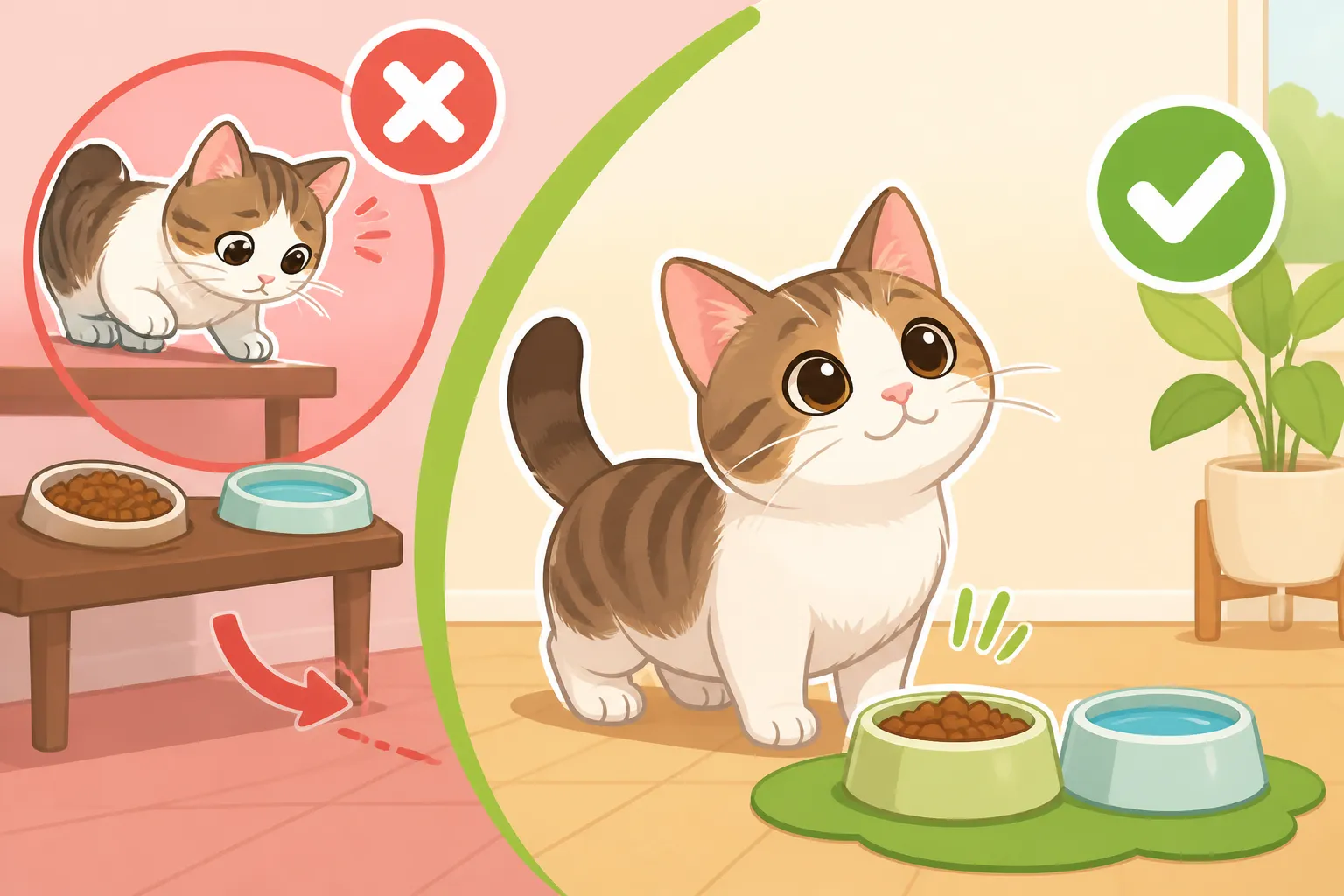
If you've ever found yourself wondering if your short-legged Munchkin cat is truly comfortable craning its neck down into a bowl, or stretching up towards one, you're not alone. Many cat owners, used to traditional feeding setups, struggle with how best to accommodate their low-slung companions. This comprehensive guide will explain exactly why a Munchkin's food and water bowls absolutely belong at floor level, ensuring their comfort, supporting their unique anatomy, and safeguarding their long-term health.
The Unique Anatomy Dictating Floor-Level Dining
Munchkin cats are truly special, and their most defining characteristic – those adorably short legs – is also the primary reason their feeding setup needs careful consideration. Their unique body structure means that standard cat bowls, whether on the floor or slightly elevated for a typical feline, simply don't work the same way for them. Understanding this distinction is the first step to providing optimal care.
Understanding the Munchkin's Short Stature
A Munchkin's short legs are the result of a genetic mutation known as chondrodysplasia, which affects the length of their long bones. However, it's crucial to remember that while their legs are short, their body and spine are generally of normal length. This creates a distinct body type where they are much closer to the ground than a regular cat. Imagine a standard-sized cat chassis riding on much smaller wheels; that's essentially the Munchkin's physical reality. This compact form is what makes them so endearing, but it also dictates a lot about how they interact with their environment, including how they eat and drink. Their entire approach to movement and posture is adapted to this lower profile, which means we, as their caregivers, need to adapt our homes to match.
Why a Normal Cat's Eating Position Doesn't Work
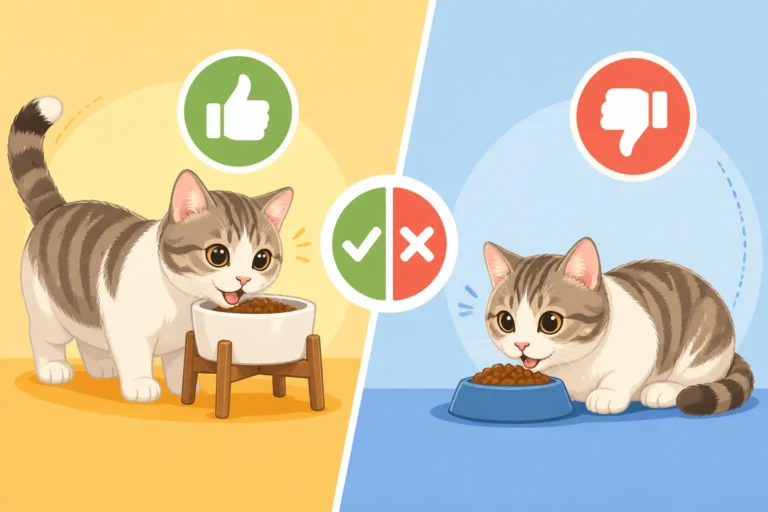
For a cat with average leg length, bending slightly forward to eat from a floor-level bowl is a natural and comfortable posture. Their spine curves gently, their neck extends easily, and their front legs support their weight without strain. But for a Munchkin, this simple act is transformed. If a bowl is placed on the floor for a regular cat, it might be too far down for a Munchkin to comfortably reach without bowing their short front legs and hunching their shoulders. Conversely, if a bowl is elevated, even slightly, to what might be a comfortable height for a longer-legged cat, it forces a Munchkin to crane its neck upwards, creating an unnatural and sustained extension of the spine. Neither of these positions is ideal, and both can lead to unnecessary strain on their delicate structure.
The Impact on Neck and Shoulder Joints
The continuous, repetitive strain from eating or drinking in an awkward position can have significant consequences for a Munchkin's neck and shoulder joints. Their short front legs already bear a unique load, and asking them to constantly stretch or contort their neck and shoulders adds an additional, avoidable stressor. Think about what happens if you try to work at a desk that's too high or too low for you; over time, you'd develop aches and pains in your neck and shoulders. Our Munchkins experience similar discomfort. This constant, small stress, repeated several times a day over months and years, can contribute to chronic muscle tension, stiffness, and potentially accelerate the onset or severity of joint issues. Why a Munchkin's Spine Carries a Load a Normal Cat's Does Not due to its unique mechanics, making careful consideration of posture during feeding paramount.
The Risks of Elevated Food and Water Bowls for Munchkins
It might seem like a small thing, just a bowl of food or water, but the height at which a Munchkin eats and drinks carries real risks for their long-term health and comfort. We want our furry friends to be as pain-free and happy as possible, and avoiding these risks is a straightforward way to contribute significantly to their well-being.
Straining the Spine and Neck
When a Munchkin cat is forced to eat or drink from an elevated bowl, even if it's just a few inches off the ground, it often requires them to crane their neck and extend their cervical spine (the neck region) upwards. This isn't just a mild inconvenience; it puts persistent and unnatural stress on the delicate structures of their neck and upper back. Unlike a regular cat that can easily adjust its posture, a Munchkin's short legs mean they have limited flexibility in how they can position themselves. This leads to a constant, low-level strain that can accumulate over time.
Imagine trying to eat your dinner off a high shelf, forcing you to tilt your head back and crane your neck with every bite. You wouldn't do it for long before feeling the discomfort. Our little Munchkins face a similar challenge. This awkward posture disrupts the natural alignment of their spine and can lead to muscle tension, stiffness, and even pain in the neck and shoulders. Over the course of many years, this repetitive strain can contribute to chronic discomfort and potentially exacerbate any predisposition to spinal issues. What Pseudoachondroplasia Does to a Munchkin's Legs is the core of their physical difference, meaning that their entire skeletal system demands a thoughtful, ergonomic approach to their daily life.
Digestive Discomfort and Regurgitation
Beyond skeletal strain, eating with an unnaturally extended neck can also impact a Munchkin's digestive process. When a cat's neck is craned upwards, the esophagus, the tube that carries food from the mouth to the stomach, isn't in its most efficient alignment. This can make swallowing more difficult and less smooth. You might notice your Munchkin coughing, gagging, or even regurgitating food immediately after eating or drinking, especially if they seem to be struggling to get the food down. This isn't just messy; it indicates a real physical challenge during mealtime.
A natural, slightly downward angle allows gravity to assist in the passage of food and water, ensuring a smoother journey to the stomach. When this natural process is hindered by an awkward posture, it can lead to food sitting uncomfortably in the esophagus or an increased likelihood of reflux. While not every Munchkin will experience severe issues, avoiding anything that makes digestion harder is a simple step towards better overall health. By keeping bowls at floor level, we allow their bodies to function as naturally as possible, promoting comfortable swallowing and efficient digestion, reducing the likelihood of mealtime distress.
The Cumulative Effect on Joint Health
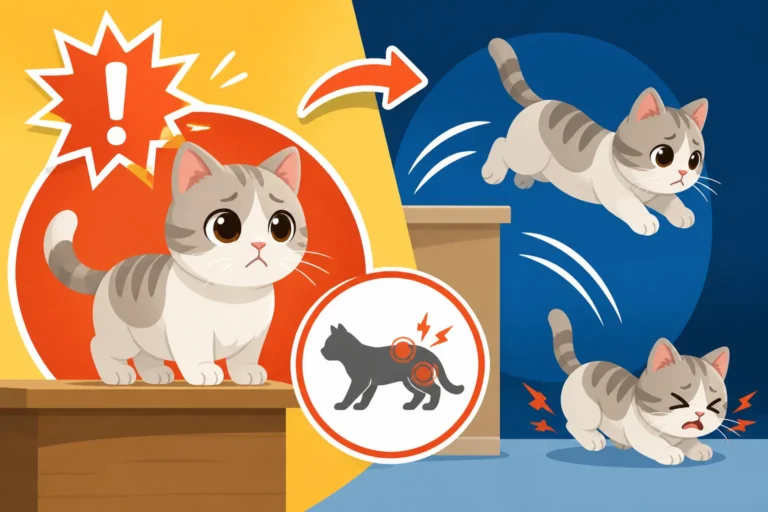
The short legs of a Munchkin cat mean that their joints, particularly those in their front limbs and shoulders, already carry a unique burden. Every jump, every landing, and even every step places a specific type of stress on these joints. When you add the repetitive strain of reaching upwards for food and water, you're introducing additional, unnecessary wear and tear. This cumulative effect is a major concern for their long-term mobility and comfort.
Think of it as micro-trauma occurring multiple times a day. While one meal won't cause lasting damage, thousands of meals over several years, all eaten in a less-than-ideal posture, can contribute significantly to the development or acceleration of degenerative joint diseases. Conditions like osteoarthritis, which can manifest in stiffness, reduced range of motion, and pain, are something we strive to prevent or delay for as long as possible. How Arthritis Shows in a Munchkin's Front Legs is a very real concern as they age. By consistently providing floor-level access to food and water, you are actively reducing this repetitive strain, essentially giving their hardworking joints a much-needed break during a routine daily activity. This proactive measure is a fundamental part of preserving their comfort and mobility throughout their entire lifespan.
| Bowl Feature | Benefits for Munchkin | Considerations |
|---|---|---|
| Shallow Depth | Prevents whisker fatigue, makes food/water more accessible | May require more frequent refills for water; monitor for spills |
| Wide Base/Non-Slip | Prevents tipping and chasing the bowl across the floor | Choose durable, non-toxic materials; easy to clean |
| Ceramic/Stainless Steel | Durable, hygienic, less likely to harbor bacteria | Ceramic can chip if dropped; stainless steel can be noisy when scraped |
| Silicone Mat | Provides extra grip for bowls, catches spills | Must be cleaned regularly to prevent bacterial growth |
| Puzzle Feeder (Floor Level) | Mental enrichment, slows down eating | Ensure the puzzle design is truly accessible for short legs; avoid deep crevices |
Creating the Perfect Floor-Level Dining Experience
Now that we understand why floor-level dining is essential, let's talk about how to set up the ideal eating space for your Munchkin. It's not just about putting a bowl on the ground; it's about choosing the right bowls, ensuring stability, and placing them strategically for maximum comfort and accessibility.
Choosing the Right Food Bowl Design
When selecting a food bowl for your Munchkin, think "low and wide." Shallow bowls are ideal because they allow your cat to access their food without having to dip their head too far down or scrape their sensitive whiskers against the sides. Many cats, including Munchkins, can experience "whisker fatigue" if their whiskers are constantly touching the edges of a deep bowl, which can lead to discomfort and even a reluctance to eat. A wide bowl ensures there's ample space for their face without crowding their whiskers.
As for materials, ceramic and stainless steel are often the best choices. They are non-porous, making them easy to clean and less likely to harbor bacteria compared to plastic. They are also heavier, which adds to stability. You'll find a wide selection of these types of low-profile, wide-rimmed dishes at pet supply retailers like Chewy, which caters to a variety of feline needs. Whatever you choose, ensure it's food-grade safe and designed for pets.
Securing Bowls for Stability and Comfort
A stable feeding environment is crucial for a Munchkin. Because they are low to the ground and sometimes use their front paws to maneuver food, a bowl that slides or tips easily can be incredibly frustrating. Imagine trying to eat your dinner while your plate keeps moving away from you – it's not ideal. A sliding bowl forces your Munchkin to chase their food, leading to awkward movements that contradict the goal of reducing strain on their joints and spine.
Look for bowls with a non-slip rubberized base, or place them on a silicone mat specifically designed for pet feeding. These mats not only provide excellent grip for the bowls but also catch any spills or crumbs, making cleanup much easier. The weight of the bowl also plays a role; heavier ceramic or stainless steel bowls are naturally more resistant to being pushed around than lightweight plastic ones. Investing in a sturdy setup from Amazon or a local pet store means your Munchkin can eat and drink without added stress, allowing them to focus solely on their meal in a comfortable, fixed position.
Optimal Placement for Easy Access
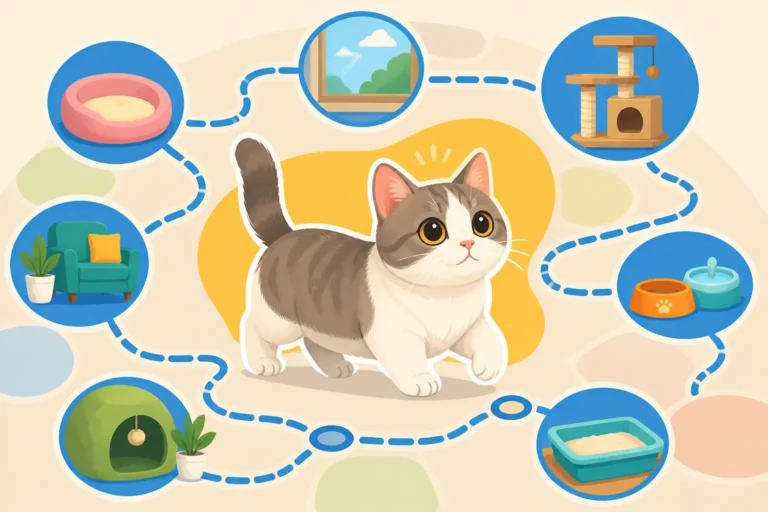
The location of your Munchkin's food and water bowls is just as important as the bowls themselves. You want to choose a spot that is quiet, low-traffic, and easily accessible from their usual resting and play areas. Placing bowls in a busy hallway or near a noisy appliance can create anxiety, making your cat feel vulnerable and less likely to eat comfortably. Cats prefer to eat in peace, and Munchkins, being closer to the ground, might feel even more exposed to sudden movements or loud sounds.
Avoid placing food bowls directly next to litter boxes. Cats are fastidiously clean creatures and don't appreciate eating where they eliminate. Ideally, you should have multiple water stations strategically placed around the house, encouraging hydration. For food, a dedicated, calm corner in the kitchen, a quiet dining area, or even a specific spot in a spare room can work wonderfully. The goal is to create a serene dining zone where your Munchkin can approach, eat, and leave without feeling rushed or threatened, further contributing to their physical and mental well-being.
Hydration Made Easy: Floor-Level Water Solutions
Just like with food, providing accessible, floor-level water is vital for your Munchkin's health. Proper hydration is critical for kidney function, urinary tract health, and overall well-being in cats, and Munchkins are no exception. Making water easy and inviting to drink directly impacts their intake.
Water Bowl Options for Short-Legged Cats
Similar to food bowls, water bowls for Munchkins should be shallow and wide. A wide surface area prevents whisker fatigue and makes it easier for them to lap up water without bumping their face into deep sides. Many standard pet water bowls are perfectly suitable if they meet these criteria and are placed directly on the floor. However, there are also excellent automatic cat fountains available that can be adapted for your short-legged friend.
When considering a cat fountain, the key is to ensure the primary drinking basin is truly at floor level or just slightly above it, requiring no upward stretch. Some fountains have multiple tiers, but for a Munchkin, the lowest, widest basin is the crucial part. Look for designs that offer a generously sized, flat drinking surface that sits very close to the ground. Stainless steel or ceramic fountains are often preferred for hygiene and durability. Providing several water stations around the house, each with a floor-level, easy-to-access bowl, encourages your Munchkin to drink more frequently, which is a big win for their health.
Encouraging Adequate Water Intake
Beyond the right bowl, encouraging your Munchkin to drink enough water involves a few key strategies. Cats often prefer fresh, clean water, so changing the water daily (or even twice a day) and thoroughly cleaning the bowls to prevent slime buildup is essential. Stagnant water can deter them from drinking. Think about placing water bowls in several spots where your Munchkin frequently rests or plays, not just next to their food bowl. Cats naturally gravitate towards hydration sources separate from their feeding areas in the wild, and this instinct often carries over to domestic life.
Some cats are drawn to moving water. If your Munchkin seems uninterested in still water, a cat fountain might be a game-changer. Just remember to choose one with a low-to-the-ground drinking surface, as discussed. You might also try different types of water – some cats prefer filtered water over tap water, or vice versa. Why a Munchkin's Water Bowl Should Not Be a Stretch means that if it's too difficult or awkward to drink, they might simply skip it, leading to dehydration risks. Every effort you make to make water appealing and effortless to access contributes directly to their long-term health, particularly for their kidneys and urinary system.
Preventing Messes and Maintaining Hygiene
Because Munchkins are so close to the ground, any splashes or spills from their water bowl are more likely to end up on their fur, especially on their belly and chest. This isn't just a nuisance; it can lead to damp fur, skin irritation, and even matting if not addressed promptly. Therefore, preventative measures and good hygiene are paramount.
Placing water bowls on a waterproof silicone mat with a raised lip is an excellent strategy. These mats catch spills and drips, keeping your floor clean and, more importantly, keeping your Munchkin's fur dry. Regular cleaning of the bowls themselves is also vital to prevent bacterial growth, which can make the water unappealing and potentially unhealthy. Wiping down your Munchkin's belly and chest with a soft, damp cloth after they drink, particularly if they are longhaired, can prevent fur from becoming constantly wet and matted. This attention to detail ensures that their drinking experience is not only comfortable but also hygienic, supporting their overall health and cleanliness.
Beyond Bowls: Holistic Considerations for Munchkin Meals
While the bowls themselves are central, thinking holistically about your Munchkin's mealtime experience ensures their entire well-being is considered. From the emotional safety of their feeding zone to their weight management and grooming needs, everything works together to support a healthy, happy short-legged cat.
The Importance of a Low-Stress Feeding Environment
Creating a low-stress feeding environment is particularly important for Munchkins. Their low stature means they can feel vulnerable, especially if they share their home with other pets or young children. A longer-legged cat or an energetic dog could easily intimidate a Munchkin, potentially leading to anxiety around meal times or even food guarding issues. It’s crucial to ensure your Munchkin feels secure and unthreatened while they eat and drink.
If you have multiple pets, consider feeding them in separate areas or at different times to prevent competition. For instance, you might feed your Munchkin in a quiet room with the door closed, giving them dedicated, uninterrupted mealtime. Even in a multi-cat household, providing multiple feeding stations spread out in different, calm locations can reduce stress. A routine feeding schedule also adds a layer of predictability and security, helping your Munchkin feel safe. By minimizing potential stressors, you're not just ensuring they get their calories; you're contributing to their mental well-being and fostering a positive association with mealtime. A Munchkin Is a Normal Cat That Cannot Reach but it does mean they can't easily escape a confrontation.
Managing Weight to Protect Joints
For Munchkin cats, weight control isn't just about general health; it's an absolute critical component of protecting their unique skeletal structure. Their short legs and compact build mean that every extra gram of weight places significantly more strain on their joints and spine. Why Weight Is More Dangerous on a Munchkin cannot be overstated. An overweight Munchkin will experience accelerated wear and tear on their knees, hips, shoulders, and spine, leading to increased discomfort, reduced mobility, and a higher risk of developing conditions like arthritis earlier in life.
This makes precise portion control and a balanced diet paramount. It's highly recommended to weigh your Munchkin's food with a kitchen scale rather than simply pouring. Consult with your veterinarian to determine the ideal caloric intake for your specific cat, taking into account their age, activity level, and whether they are spayed or neutered. While treats are enjoyable, they must be factored into their daily calorie budget, or you might opt for low-calorie alternatives. Maintaining a lean body condition is one of the most impactful things you can do to support your Munchkin's joint health and ensure a long, comfortable life.
Grooming Needs Related to Low Eating
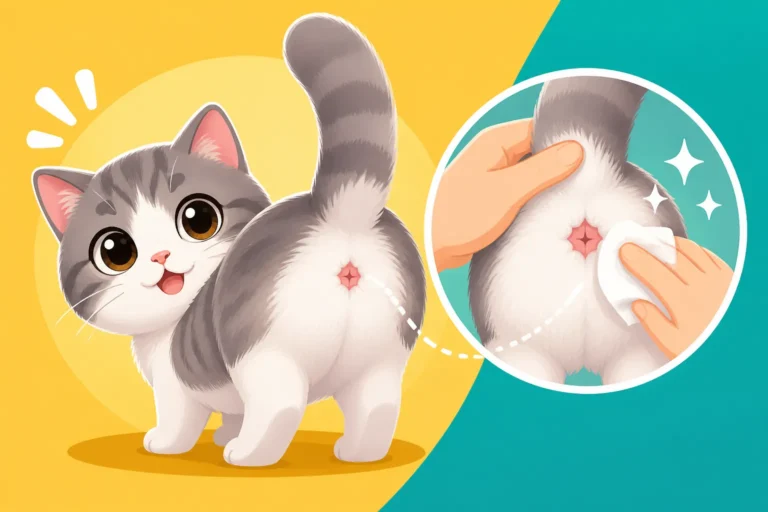
A direct consequence of a Munchkin's low-slung posture, particularly during eating and drinking, is an increased likelihood of getting food, water, or even litter stuck to their fur. Their belly, chest, and hindquarters are in much closer proximity to the ground, and therefore to any spills or debris. This isn't just an aesthetic concern; it can quickly lead to health issues if not properly managed.
Food residue can mat the fur around their mouth and chest, especially in longhaired Munchkins, causing painful tangles that pull at the skin. Water drips can keep their fur constantly damp, creating an ideal environment for skin irritation or fungal infections. After using the litter box, their hindquarters can become soiled if they cannot adequately clean themselves or if the litter clings to their lower belly fur. Whether Matting Becomes a Health Problem in a Munchkin is a definite 'yes' if left unaddressed. Regular checks of their underside, particularly after meals and litter box visits, are essential. A quick wipe with a soft, damp cloth can prevent many problems. For longhaired Munchkins, a regular grooming routine, including brushing and perhaps a sanitary clip around their hindquarters, is non-negotiable to maintain cleanliness and prevent painful mats and skin issues directly related to their unique physique.
Adapting to Your Munchkin's Changing Needs Over Time
A Munchkin's needs aren't static; they evolve throughout their life, from energetic kittenhood to dignified senior years. Being aware of these changes and adapting your feeding and watering setup accordingly ensures continuous comfort and support for their unique bodies.
Adjusting for Kittens and Seniors
Munchkin kittens are bundles of energy, but they are also still developing. While their legs are already short, their coordination might not be fully honed, and they might be more prone to making a mess or chasing a sliding bowl. For kittens, very stable, shallow, and easy-to-access bowls are crucial. As they grow, their habits will solidify, but maintaining the floor-level approach is key to setting them up for a lifetime of good posture and joint health.
Senior Munchkins, on the other hand, often face challenges like arthritis, stiffness, and reduced mobility. What was once a comfortable floor-level bowl might become harder to approach if their joints are particularly painful. In these cases, ensuring the bowl is in a very easily accessible, low-traffic area is vital. You might even consider slightly elevating the bowl by just an inch or two, if your vet advises it and it makes eating less painful for a very stiff senior who struggles to bend down without discomfort. This is a rare exception and must be carefully evaluated to avoid neck strain, making sure it addresses their specific pain points. Caring for an Old Munchkin That Has Stopped Climbing is about adapting everything, including their dining, to their comfort.
Recognizing Signs of Discomfort
Your Munchkin can't tell you in words if their bowl setup is causing discomfort, but they will show you through their behavior. It's crucial for owners to be observant and recognize these subtle cues. Signs of discomfort during eating or drinking might include a reluctance to approach their bowls, unusual changes in their posture (like excessively stretching or hunching), or taking longer to finish their food or water. You might notice them shifting their weight awkwardly, or even making soft vocalizations that indicate pain or frustration.
Other subtle indicators could be a change in appetite or a sudden pickiness with food they once loved. If they start to turn away from their water bowl, even when clearly thirsty, it's a red flag. Pay attention if they stand with their head unnaturally extended for prolonged periods, or if they seem to "stretch out" their front legs in an effort to get lower. These behaviors are not just quirky habits; they are your cat's way of communicating that something isn't quite right. What an Old Munchkin Stops Being Able to Do often includes ease of movement, so changes should always prompt investigation. Any persistent changes in their eating or drinking habits, posture, or overall demeanor around meal times should warrant a conversation with your veterinarian to rule out any underlying health issues or to adjust their feeding setup.
The Long-Term Benefits of Proper Setup
Consistently providing a properly adapted, floor-level feeding and watering setup for your Munchkin is one of the most significant investments you can make in their long-term health and quality of life. The benefits are far-reaching and cumulative. By preventing constant strain on their neck, spine, and joints, you are actively working to reduce the risk of chronic pain, inflammation, and degenerative conditions like osteoarthritis. This translates to a cat that remains more comfortable, mobile, and active well into its senior years.
A Munchkin that can eat and drink without discomfort is more likely to maintain a healthy appetite and stay well-hydrated, both of which are fundamental to overall health. It means fewer potential vet visits for issues related to joint pain or digestive problems caused by poor posture. Ultimately, a thoughtful, ergonomic feeding environment allows your Munchkin to thrive, preserving their playful spirit and ensuring they can enjoy every aspect of their life, from chasing toys to snuggling on the sofa, without being hindered by preventable physical discomfort. This commitment to their unique needs ensures your beloved short-legged companion leads the happiest, healthiest life possible.
Disclaimer
This article is for general informational purposes only and does not constitute professional advice. Laws, prices and regulations vary by location and change over time. Consult a qualified professional for guidance on your specific situation.