Which Litter Box a Munchkin Can Actually Enter
It can be incredibly frustrating to find the perfect litter box for your adorable, short-legged Munchkin cat. You want them to be comfortable, safe, and, let's be honest, you want to avoid accidents outside the box. This guide is here to walk you through everything you need to know about choosing, adapting, and maintaining a litter box that truly works for your unique feline friend.
Understanding Your Munchkin's Unique Litter Box Needs
When you have a Munchkin, it's easy to assume they're just like any other cat, but with shorter legs. While they have the same instincts and desires as their long-legged cousins, their physical conformation changes how they interact with their environment, especially something as crucial as their litter box. Ignoring these differences can lead to stress for your cat and unwanted messes for you.
The Challenge of Short Legs and High Edges
Imagine trying to climb over a small wall that comes up to your chest every single time you need to use the restroom. That's a bit like what a standard litter box can feel like for a Munchkin. Their signature short legs, which are a defining characteristic, mean that a typical litter box entrance can be a significant hurdle. They simply can't clear the high sides that many conventional boxes boast, which are often designed to contain litter scatter. This isn't just an inconvenience; it can become a barrier that deters them from using the box altogether.
This difficulty can lead to your Munchkin straining to enter, potentially causing discomfort or even minor injuries over time if they repeatedly fall or struggle. For a young kitten, it can hinder proper litter training, creating confusion and frustration. For an older Munchkin, especially one that might be experiencing some stiffness or How Arthritis Shows in a Munchkin's Front Legs, a high lip can be an absolute deal-breaker, leading them to seek easier, less strenuous alternatives around your home.
Why Body Proportions Matter for Entry and Exit
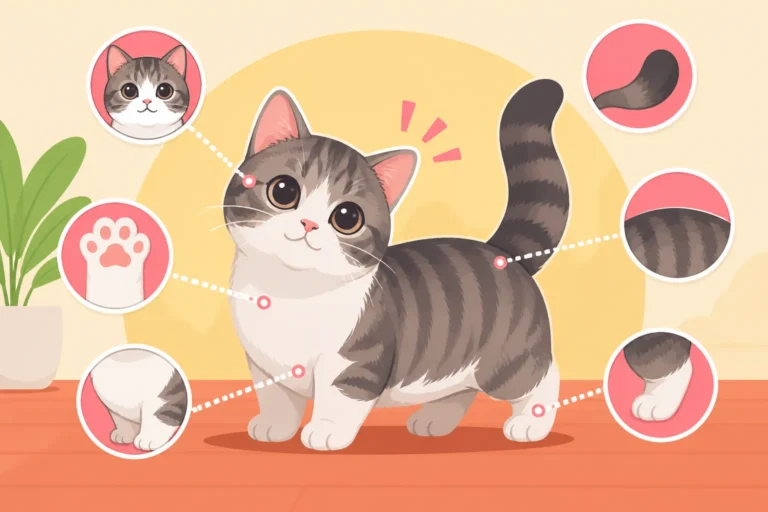
It's not just the height of the legs; it's also about their body structure. Munchkins have a normal body length for a cat, meaning they're not proportionally small all over. Their torso is the same size as a regular domestic cat, but it sits much closer to the ground. This combination creates a unique challenge. When they manage to hoist their front half over a high lip, their rear half often lags behind, making a smooth entry and exit difficult. They might have to "belly crawl" or twist awkwardly to get fully inside or out.
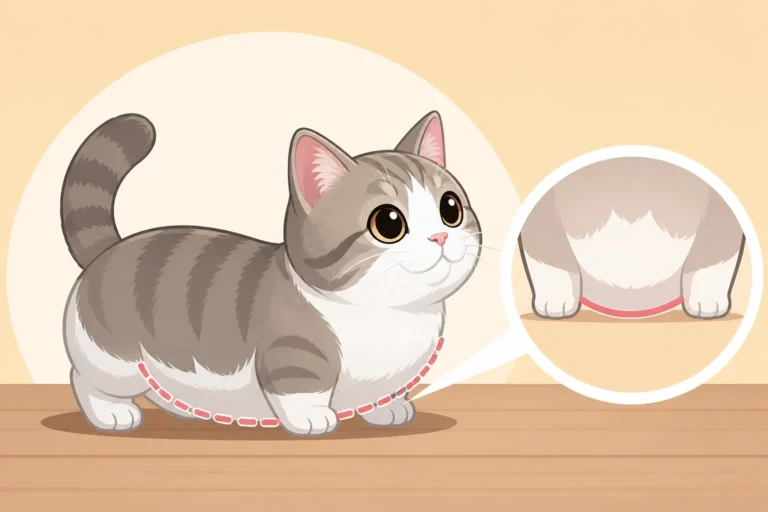
This awkward entry and exit motion can exacerbate any existing spinal or joint issues, which are always a consideration for breeds with unique body structures. Repeated stress on the spine and hips, even if subtle, can contribute to discomfort down the line. Furthermore, it means their belly fur is much closer to the litter itself, increasing the chances of litter sticking to their underside and being tracked out, or even worse, causing hygiene issues if not properly cleaned. This is especially true for longhaired Munchkins, where Why a Munchkin Carries Litter on Its Underside can become a real headache.
Litter Box Types That Work for Munchkins
Given their unique needs, not all litter boxes are created equal for Munchkin cats. The good news is that there are several types on the market that cater well to their shorter stature, and understanding these options is the first step to creating a comfortable and hygienic environment for your feline companion.
Low-Entry Litter Boxes
These are often the go-to solution for Munchkin owners, and for good reason. Low-entry litter boxes are specifically designed with at least one side significantly shorter than the others, creating an easy walk-in access point. This simple design change eliminates the struggle and strain associated with climbing over high walls, allowing your Munchkin to enter and exit with dignity and ease. Think of it as a little ramp built right into the box itself.
Many brands offer these types of boxes, and you can find a wide variety of shapes, sizes, and materials on popular pet supply sites like Chewy. Some are basic plastic tubs with a lowered side, while others might feature a slightly more ergonomic design or non-stick surfaces for easier cleaning. It’s a huge relief for both you and your cat when they can simply stroll in without a second thought. This reduces the risk of accidents outside the box due to inaccessibility and promotes positive litter box habits from the start, or helps re-establish them for an older cat. How Low a Munchkin Litter Box Entry Should Be is a key consideration here.
Senior Cat Litter Boxes
While designed for older felines with mobility issues, senior cat litter boxes are an absolute godsend for Munchkins of all ages. These boxes prioritize easy access above all else, often featuring an entry lip that is just a few inches off the ground, sometimes even lower than some designated "low-entry" options. This minimal barrier is perfect for your short-legged friend, making it effortless for them to step in and out.
The design philosophy behind senior cat boxes aligns perfectly with a Munchkin's physical limitations. They're built to accommodate stiffness, arthritis, or general reduced mobility, all of which can become concerns for Munchkins as they age or if they have underlying joint issues. By providing a truly flat or very low threshold, you're not just making it easier for them, you're actively supporting their joint health and spinal comfort by preventing unnecessary strain. Why a Senior Cat Box Suits a Munchkin is truly about accessibility and long-term comfort.
Open Versus Covered Litter Boxes
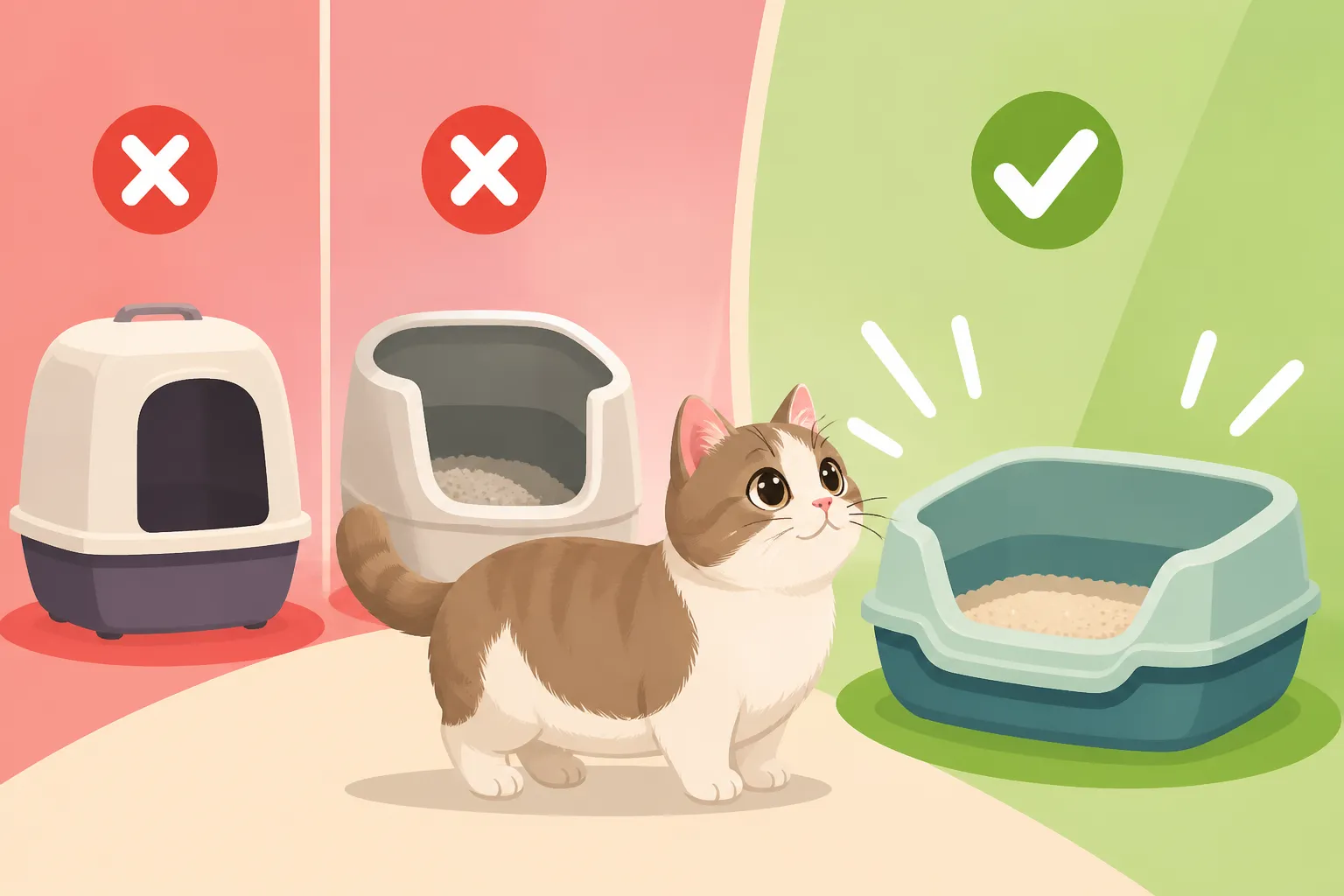
This is a common dilemma for all cat owners, but it takes on extra importance for Munchkins. Open litter boxes offer unrestricted access from all sides (except perhaps the back), making them inherently easier for a Munchkin to approach and use. They allow for better air circulation, which can be a pro for scent control, and some cats simply prefer the open feeling, feeling less trapped or vulnerable.
However, covered litter boxes, while popular for containing odor and litter scatter, can present additional challenges for Munchkins. Not only do they often have higher entry points, but the confined space inside might make it awkward for a Munchkin to maneuver, turn around, or find a comfortable squatting position without bumping into the top or sides. The reduced visibility could also be a deterrent for some cats. While some covered boxes do feature lower entry points, always consider the internal space and overall accessibility for your unique cat. If you do opt for a covered one, ensure the internal height and entrance are sufficiently generous for your Munchkin to move freely.
Adapting Standard Litter Boxes for Your Munchkin
Sometimes, you might find yourself with a standard litter box that's otherwise perfectly fine, or maybe you just haven't found the ideal low-entry solution yet. The good news is that with a little creativity and some simple tools, you can often adapt a regular litter box to make it more Munchkin-friendly. This can be a cost-effective temporary solution or even a long-term fix if done correctly.
DIY Solutions for Lowering Entry Points
One of the most straightforward ways to adapt a standard litter box is to physically cut down one side. This involves selecting a sturdy plastic litter box and, with care, using a tool like a utility knife or a small saw to create a lower entry point. You'll want to measure carefully, aiming for an entry height of about 2-3 inches from the ground – this is typically manageable for most Munchkins without causing strain. Remember to smooth any rough edges with sandpaper to prevent accidental scratches.
This method gives you complete control over the entry height and width, allowing you to tailor it precisely to your cat's needs. It's an affordable option, utilizing a box you might already own or a cheap basic one. However, it does require a bit of DIY skill and attention to safety to ensure there are no sharp edges left behind. You can find many tutorials online, and a quick search on Amazon might even yield tools specifically designed for cutting plastics, making the job easier. How to Cut Down a Litter Box for a Munchkin can save you a lot of hassle and money.
Ramps and Steps as Aids
If cutting isn't an option, or you prefer a less permanent alteration, ramps and steps can be excellent external aids. A small, gently sloped ramp leading up to the existing litter box opening can transform a difficult climb into an easy walk. Pet ramps designed for small dogs or senior cats often work well. Look for ramps with a non-slip surface to give your Munchkin confidence as they ascend and descend. Similarly, a single low step or a stack of sturdy, wide steps can provide the necessary boost.
The key with ramps and steps is stability and appropriate gradient. The ramp should not be too steep, as this can be more challenging than the original lip. It also needs to be firmly anchored against the litter box and the floor so it doesn't shift or wobble when your cat uses it. Many pet supply stores, including online giants like Chewy, offer a variety of pet steps and ramps, some even carpeted for extra grip and comfort. Remember that How to Teach a Munchkin to Use a Ramp might take a little patience and positive reinforcement, but it's often a highly effective solution.
Beyond Entry Height: Other Important Considerations
While entry height is paramount for a Munchkin's litter box, it's certainly not the only factor. A truly comfortable and effective litter box setup involves several other considerations that contribute to your cat's overall well-being and your peace of mind. Overlooking these aspects can still lead to problems, even with the perfect low-entry box.
Size and Internal Space
Even with short legs, Munchkins need ample space inside the litter box to comfortably turn around, dig, and find a suitable spot. A common mistake is choosing a box that is too small once the low entry point is addressed. A cramped box can be just as off-putting as a high-sided one. Imagine trying to do your business in a phone booth – not exactly relaxing! Your Munchkin should be able to stand fully inside and turn a complete circle without touching the sides or front.
Larger boxes not only offer more room for your cat but also allow for a greater quantity of litter, which can help with odor absorption and provide more digging satisfaction. While extra-large boxes might take up more floor space, the benefit to your cat's comfort and willingness to use the box is well worth it. Look for boxes marketed for large cats or multi-cat households, even if you only have one Munchkin.
Litter Type and Depth
The type of litter you use and its depth within the box can significantly impact your Munchkin's experience. Fine-grained, soft litters are generally preferred as they are gentler on paws and easier for cats to dig in. Avoid very coarse or dusty litters, which can be uncomfortable or cause respiratory irritation. For Munchkins, specifically, a common issue is Why a Munchkin Carries Litter on Its Underside. A softer, less adhesive litter can help mitigate this, as can ensuring the litter depth isn't excessive.
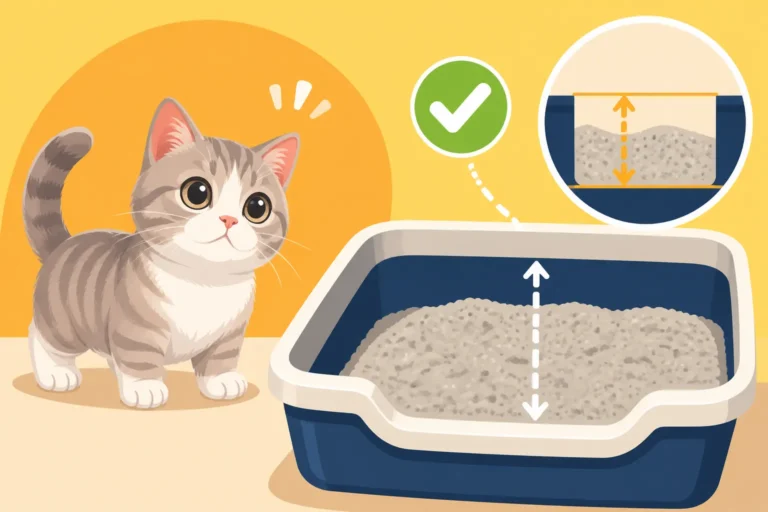
Speaking of depth, while you need enough litter for your cat to dig and cover their waste, too much can also be a problem. If the litter is piled too high, it effectively raises the "floor" of the box, making the low entry point less effective. It also increases the chances of their belly dragging through the soiled litter. Aim for about 2-3 inches of litter – enough to satisfy their natural digging instinct without creating a muddy mess or raising the effective entry barrier. Regular scooping is also essential to maintain cleanliness and appeal.
Placement and Number of Boxes
Even the most perfectly designed litter box will be useless if it's not placed correctly or if there aren't enough of them. For a Munchkin, accessibility is key, which means placing boxes in easily reachable locations, especially in a single-story home or rooms where your cat spends most of their time. Avoid placing them in out-of-the-way corners that require climbing or navigating difficult terrain, like a long flight of stairs, as it should not climb stairs repeatedly (Why a Munchkin Should Not Use Stairs Repeatedly) due to potential strain.
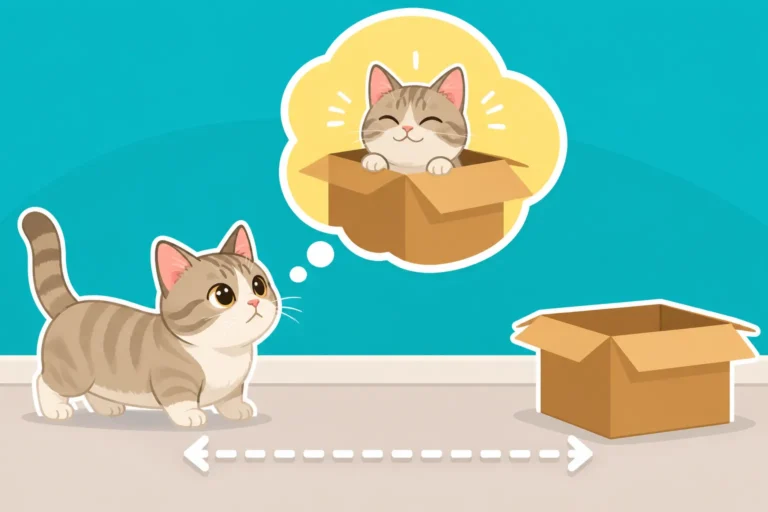
The general rule of thumb for cats is one litter box per cat, plus one extra. This rule is particularly important for Munchkins to ensure they always have an accessible, clean option. If your home has multiple levels, you absolutely need a litter box on each floor, preferably more than one, to prevent your Munchkin from having to make challenging journeys up or down stairs. Think about their normal routes and place boxes strategically along those paths.
Troubleshooting Litter Box Issues with a Munchkin
Even with the perfect litter box setup, issues can sometimes arise. Munchkins, like all cats, can be finicky creatures, and their unique physical structure can introduce specific challenges. Don't despair if you encounter a problem; often, a little detective work and some adjustments can solve the mystery.
Accidents Outside the Box
If your Munchkin starts having accidents outside the litter box, the first thing to rule out is a medical issue. A vet visit is always advisable to check for urinary tract infections, kidney problems, or even joint pain that might be making the box uncomfortable. Once health issues are excluded, it’s time to look at the litter box setup itself. Is the entry still too high? Has your Munchkin aged and now finds even a previously accessible box difficult?
Consider the litter type. Have you recently changed brands? Some cats are very particular about texture or scent. Also, assess the cleanliness. Cats are fastidious, and a dirty box is a major turn-off. For Munchkins, whose bellies might brush the litter more, a soiled box can feel even more unpleasant. Ensure you're scooping at least twice daily and performing full litter changes regularly. Sometimes, adding an extra low-entry box in a different location can instantly resolve the issue, especially if there was competition or a preferred spot.
Difficulty Entering or Exiting
Observing your Munchkin's movement around the litter box is crucial. If you notice them hesitating at the edge, struggling to hoist themselves in, or awkwardly twisting to get out, the entry point is still too high, or the internal space is too confined. This can manifest as your cat looking distressed, making vocalizations, or even shaking a paw after exiting. It’s a clear sign of discomfort and needs immediate attention.
Re-evaluate your current setup. Could the ramp be too steep, or is it slipping? Do the steps feel unstable? You might need to invest in a lower-entry box or make further modifications. For an older Munchkin, consider their overall mobility. What an Old Munchkin Stops Being Able to Do often includes jumping and navigating high obstacles. Providing extra padding around the box's exterior can also soften any falls or missteps, though the primary goal is to eliminate the need for such precarious movements.
Hygiene Concerns Due to Low Belly
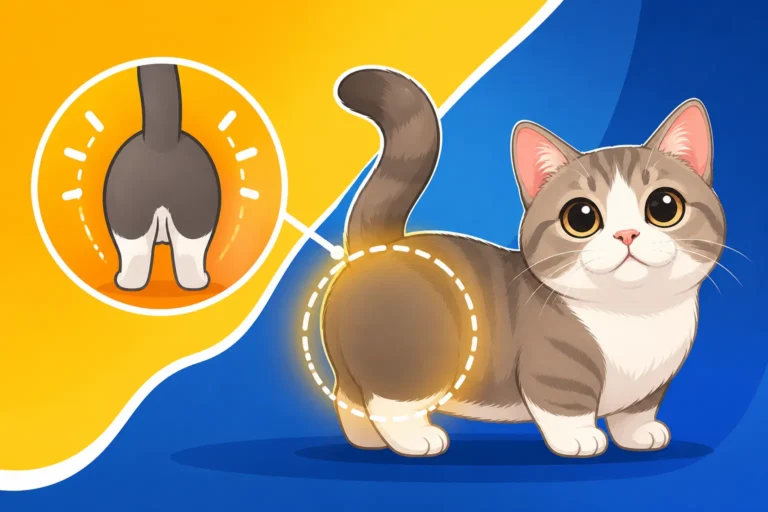
A common concern with Munchkins is their low-slung body getting into contact with urine or feces, particularly around their hindquarters, belly, and tail. This can lead to unsightly messes, odor, and even skin irritation if not managed. Because their body is closer to the litter, they are simply more prone to contact with waste, especially if they are long-haired. Why a Munchkin's Belly Fur Needs Checking is a critical part of routine care.
To combat this, start with ensuring enough litter depth for coverage without being excessive. Regular, even more frequent, scooping is paramount. Consider a litter type that is less prone to sticking. For long-haired Munchkins, a sanitary trim around their hindquarters and belly may be necessary, either done by you or a professional groomer. If you find your Munchkin is still getting dirty, a quick wipe with a pet-safe grooming wipe after they use the box might be needed. This isn't just about cleanliness, but about preventing skin issues under mats that can be difficult to spot on a low-sitting cat.
Shopping for Munchkin-Friendly Litter Boxes
When it's time to invest in a new litter box for your Munchkin, knowing where to look and what features to prioritize can make the process much smoother. The pet market has evolved, and thankfully, there are now more options catering to cats with specific mobility needs.
Where to Find Appropriate Options
You'll find a wide array of Munchkin-friendly litter boxes at most major pet supply retailers. Online stores are particularly excellent resources because they often have a broader selection and allow you to filter by features like "low entry" or "senior cat." Sites like Chewy and Amazon are fantastic starting points, offering various brands, sizes, and price points. You can read reviews from other cat owners, which often highlight how well a particular box works for short-legged or senior cats.
Don't overlook local pet stores either. While their selection might be smaller, being able to see and touch a box in person can give you a better sense of its quality, size, and the actual entry height. Sometimes, specialty pet boutiques might even carry unique or ergonomically designed options. Always prioritize function and accessibility over aesthetics when it comes to your Munchkin's comfort and health.
Features to Look For
When you're browsing for that perfect litter box, here's a handy checklist of features to keep in mind for your Munchkin:
- Low Entry Point: This is non-negotiable. Look for entry heights of 2-4 inches max. Some boxes have one side lower, while others have a gentle slope.
- Generous Internal Dimensions: Your Munchkin needs room to move! Ensure the box is long and wide enough for them to comfortably turn around.
- Smooth Edges: If it's a DIY cut box or a manufactured low-entry, check for smooth, rounded edges to prevent injury.
- Non-Stick Surface: A smooth interior will make cleaning easier and reduce litter sticking, especially to a low-lying belly.
- Sturdy Construction: The box should be durable and stable, not flimsy or prone to tipping.
- Compatibility with Liners (Optional): If you prefer to use litter box liners, ensure the box shape allows for easy fitting.
It's also worth considering materials. While most are plastic, some innovative options are made from recycled materials or have antimicrobial properties. Ultimately, the best litter box is the one your Munchkin uses consistently and comfortably.
| Litter Box Type | Pros | Cons | Ideal For |
|---|---|---|---|
| Low-Entry Box | Easy walk-in access; specifically designed for mobility challenges | May still allow some litter scatter; some models can be pricier | All Munchkins, especially kittens and those with developing mobility |
| Senior Cat Box | Very low threshold; excellent for cats with joint issues | Can be larger and take up more space; typically open design | Older Munchkins, those with arthritis or suspected spinal issues |
| DIY Cut Box | Customizable entry height; cost-effective using existing boxes | Requires careful cutting and smoothing of edges; may look less 'finished' | Owners willing to customize; temporary solution; specific height needs |
| Standard Box with Ramp/Steps | Can adapt existing equipment; ramp provides gentle incline | Ramp/steps may take up extra floor space; needs to be stable and non-slip | Owners with existing standard boxes; cats who prefer a gradual incline |
Maintaining a Munchkin-Friendly Litter Box Environment
Choosing the right litter box is a huge step, but the work doesn't stop there. Maintaining a clean, accessible, and inviting litter box environment is crucial for your Munchkin's ongoing health and happiness. Their unique physical attributes mean that routine maintenance might need a little extra attention compared to a long-legged cat.
Regular Cleaning and Hygiene
For a Munchkin, whose belly often rides closer to the ground and therefore has a higher chance of coming into contact with soiled litter, meticulous cleaning is paramount. You should be scooping the litter box at least twice a day, if not more frequently, especially if you have multiple cats or your Munchkin is prone to accidents. A clean box is not only more appealing to your cat but also essential for preventing bacteria buildup that could lead to skin irritations on their low-slung belly or hindquarters.
Beyond daily scooping, a full litter change and washing of the box should happen weekly for most litters. Use warm water and mild, unscented soap – harsh chemicals or strong fragrances can be off-putting or even harmful to cats. For plastic boxes, scrubbing well to remove any residue is important, as lingering odors can deter use. Remember that How Often a Munchkin's Hindquarters Need a Groomer might become a more frequent task if hygiene isn't maintained, as matting and soiled fur are common issues.
Adapting Your Home Around the Box
The litter box itself is just one piece of the puzzle; how it fits into your home environment is equally important for a Munchkin. Think about the path your cat takes to reach the box. Are there any obstacles? Is the flooring easy to navigate? Slippery surfaces like hardwood or laminate can be challenging for Munchkins to gain purchase, especially when trying to enter or exit a box. Consider placing non-slip mats or rugs around the litter box area to provide better traction.
For homes with multiple levels, ensuring a litter box is on each floor is not just a convenience, it's a necessity. Asking a Munchkin to repeatedly climb stairs to reach a box can be painful and lead to avoidance. Additionally, think about other furniture in the vicinity. Is there a low shelf or a chair your Munchkin could use as an intermediate step if the box entrance is still a bit high? The goal is to create a seamless, stress-free route to their restroom, affirming that With a Munchkin the House Changes, Not the Cat is often the reality of ownership.
Monitoring and Adjusting Over Time
Your Munchkin's needs aren't static; they will change over their lifespan. A box that was perfectly accessible for a kitten might become difficult for a senior Munchkin with arthritis. Similarly, a temporary setup might need to become permanent. Regularly observe your cat's behavior around the litter box. Are they still using it comfortably? Do they seem to struggle more or less? Any changes in their routine or demeanor around the box should prompt a re-evaluation.
This proactive approach means you might need to adjust the height, add a new ramp, or even replace the box entirely as your Munchkin ages. Pay close attention to signs of stiffness or reluctance to move. Caring for an Old Munchkin That Has Stopped Climbing means anticipating their needs before problems arise. Maintaining this watchful eye and willingness to adapt ensures that your Munchkin always has a clean, safe, and easily accessible place to take care of business, contributing significantly to their quality of life.
Disclaimer
This article is for general informational purposes only and does not constitute professional advice. Laws, prices and regulations vary by location and change over time. Consult a qualified professional for guidance on your specific situation.