Where a Munchkin Needs Steps Most
One of the biggest heartaches for Munchkin cat parents is watching their beloved short-legged companion struggle to reach places that come so naturally to other cats. You want them to be happy, safe, and included in all your home's activities, but their unique anatomy means those effortless leaps onto the sofa or windowsill are simply not possible. This guide is here to walk you through exactly where your Munchkin will most appreciate a helping hand – or rather, a helpful step – to navigate your home safely and comfortably, turning frustration into freedom.
Understanding the Munchkin's Mobility Limitations
Before we dive into specific step placements, it’s really important to understand why your Munchkin needs these adaptations in the first place. Their short legs aren't just a cute quirk; they're a fundamental aspect of their physiology that dictates how they interact with their environment. Unlike a long-legged cat that can spring effortlessly to surprising heights, a Munchkin's vertical reach is significantly curtailed, and attempting to force jumps can lead to long-term issues.
The Physics of Short Legs and Jumping
Imagine trying to jump onto a kitchen counter with only half the leg length of an average person. That’s essentially the challenge your Munchkin faces every single day. Their legs, while strong, are designed for scuttling and horizontal speed, not vertical propulsion. The primary issue stems from the genetic mutation that causes What the Short Legs Actually Cost a Munchkin. This pseudoachondroplasia means their long bones are shortened, fundamentally altering their leverage and jump mechanics. They simply don't have the same spring or hang time.
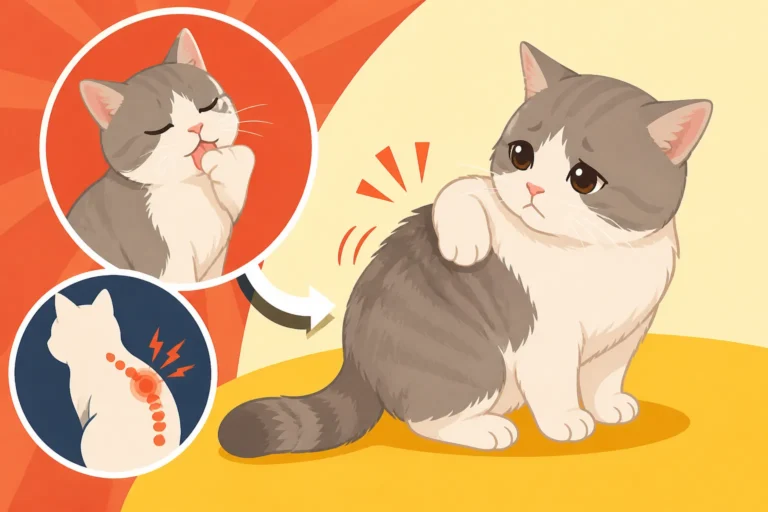
When a Munchkin tries to jump higher than its natural capability, it often results in awkward landings, repeated attempts that end in failure, or worse, painful strain on their spine and joints. Think about the impact forces: a normal cat distributes this over longer, more flexible limbs. A Munchkin's shorter limbs mean the impact is more concentrated, especially on their shoulders and spine. This constant strain is something we absolutely want to avoid to ensure their comfort and longevity. Why a Munchkin's Spine Carries a Load a Normal Cat's Does Not is a critical read to understand this more deeply.
Recognizing Your Munchkin's Natural Limitations
Your Munchkin will tell you they need help, often through their behavior. You might see them pacing frustratedly below a desired surface, stretching upwards with an almost desperate look, or making several small, unsuccessful jumps. Some become incredibly vocal, meowing or chirping at you for assistance. Others might simply give up and settle for a lower spot, but that doesn't mean they wouldn't prefer to be higher up, sharing your space.
It’s crucial not to interpret their attempts to jump as a sign that they "can" do it if they try hard enough. A cat's instinct is to seek high ground for safety, observation, and comfort. Denying them safe access to these areas can lead to feelings of insecurity or even depression. Providing steps and ramps isn't coddling; it's recognizing their physical reality and providing appropriate enrichment and access, which is fundamental to their well-being. By observing their movements, you'll quickly learn their individual vertical limits and the spots they covet most.
Key Areas for Step Placement: The "Must-Haves"
When you first bring a Munchkin home, or if you're looking to adapt your existing space, there are a few absolute non-negotiable spots where steps or ramps are going to make a world of difference. These are the high-traffic, high-value zones where your cat will most likely want to be with you, or simply enjoy a privileged vantage point.
The Sofa and Your Bed
Let's be real, most of us want our furry friends cuddling with us on the sofa for movie night or snuggled up in bed. For a Munchkin, these are often tantalizingly out of reach. Imagine the sadness in their eyes as they watch you from the floor, unable to join in. This isn't just about companionship; cats, by nature, seek elevated spots for a sense of security and warmth.
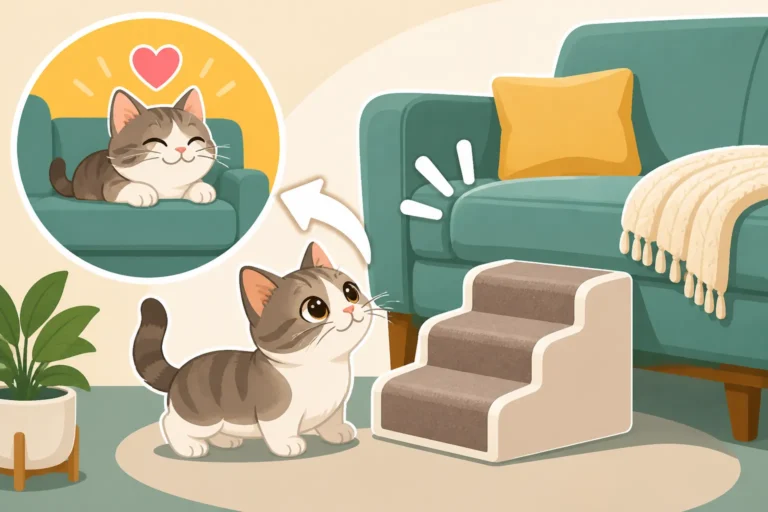
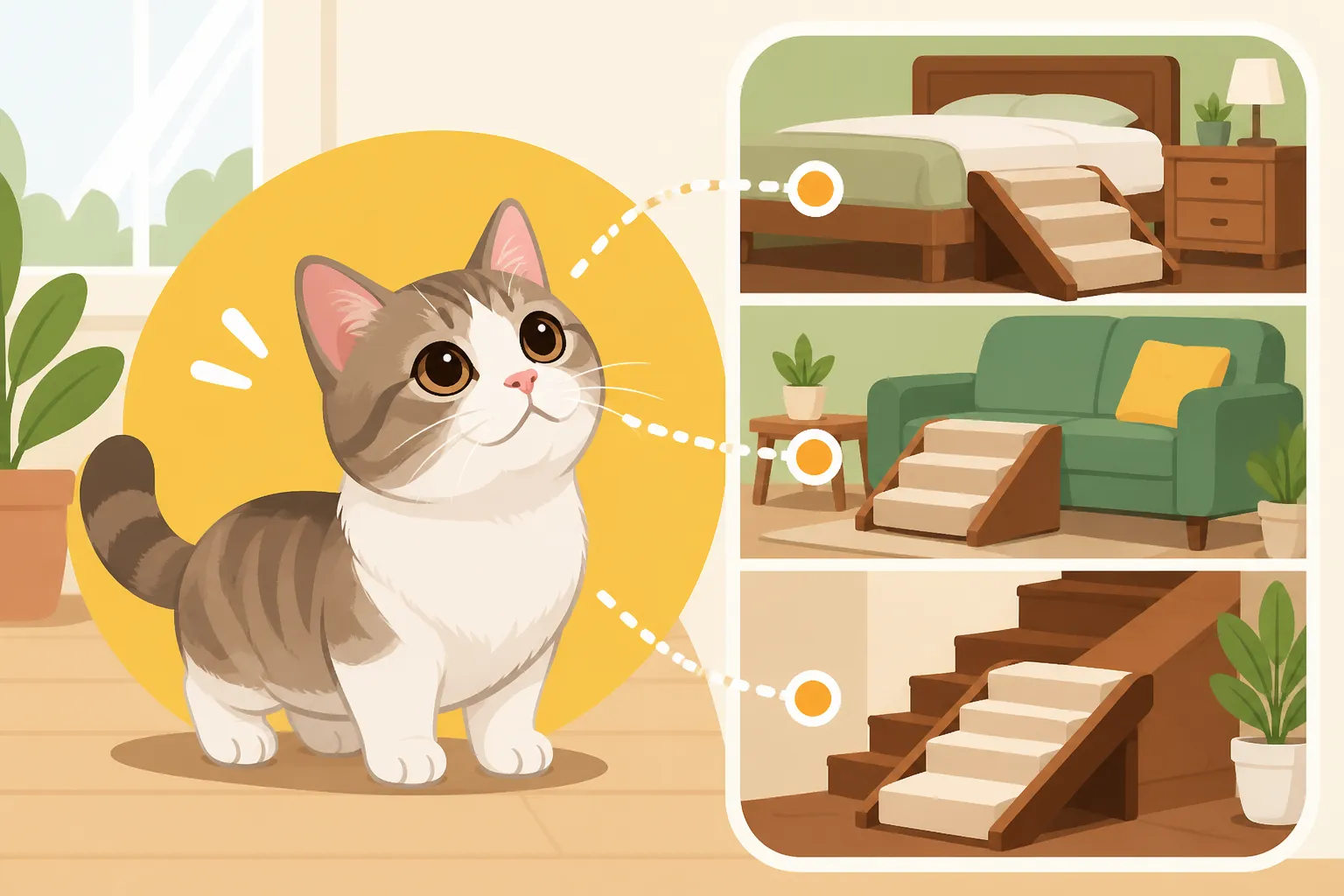
For your sofa, a sturdy set of pet stairs or a ramp is paramount. This allows your Munchkin to ascend and descend without straining their joints or attempting risky jumps. You'll notice a massive difference in their confidence and willingness to interact once they have easy access. Similarly, for the bed, especially if it's on the higher side, a ramp is often preferred over stairs, as it provides a gentler incline for their spine. A two-step system with a ramp can also work wonders. How Many Steps a Munchkin Needs to Reach a Bed depends on the bed's height and the step's individual rise. You can find a wide variety of options on retailers like Amazon or Chewy, ranging from carpeted steps to more furniture-like ramps.
Windowsills and Other Elevated Viewing Spots
Cats are natural observers. They love to watch birds, squirrels, and the general hustle and bustle of the outside world from a perch. A windowsill, a tall scratching post, or even a strategically placed shelf can become their personal cinema. Without assistance, a Munchkin is often relegated to peering out from behind curtains or trying to stand on hind legs for a peek, which can strain their back. Whether a Munchkin Can Reach a Windowsill is a common question, and the answer is usually no, not without help.
To solve this, consider window perches with built-in steps or a ramp leading up to a secure, flat platform that aligns with the windowsill. Alternatively, a small, sturdy cabinet or a specially designed pet step can be placed below the windowsill, creating a two-step ascent. The goal is a stable, non-slip surface that offers a clear view. This enrichment is vital for their mental stimulation and overall happiness, especially for indoor-only cats.
Optimizing Less Obvious Zones: Beyond the Staples
While the sofa, bed, and windowsills are critical, there are other, less immediately obvious areas in your home where thoughtful step placement can significantly improve your Munchkin's quality of life and sense of independence. These are often places where they want to interact with you or explore their environment more fully.
Dining Chairs and Side Tables
Have you ever noticed your cat trying to get onto a dining chair while you're eating, or perhaps eyeing that interesting knick-knack on a low side table? Even these seemingly minor elevations can be insurmountable for a Munchkin. They might want to join you at the dinner table, not to beg for food (well, maybe a little!), but to simply be part of the family activity.
For dining chairs, a simple, single-step stool can be a game-changer. It allows them to hop onto the chair and then potentially onto the dining table (if you permit it!). Similarly, for side tables or low bookshelves, a small, decorative step can provide access to new sniffing and lounging opportunities. The key here is integrating these steps seamlessly into your home decor so they don't feel like an eyesore but rather a natural part of your cat's accessible environment. Remember, these additions aren't just for climbing up; they're equally important for safe descent, preventing those awkward plops that jar their little bodies.
Cat Trees and Vertical Play Structures
Conventional cat trees, with their widely spaced platforms, are often completely useless to a Munchkin. A normal cat effortlessly leaps from one level to the next, enjoying the vertical challenge. A Munchkin, however, will look at those big gaps and simply give up, or worse, attempt a jump that puts them at risk. Whether a Munchkin Can Climb a Cat Tree often depends entirely on the design.
For your Munchkin to truly enjoy a cat tree, you need one specifically designed for short-legged cats, or you need to get creative with modifications. Look for cat trees with very close-set platforms, resembling a staircase rather than separate perches. Some companies, including those found on Chewy, offer modular systems where you can customize the spacing. Alternatively, you can add small, sturdy shelves or steps between existing platforms to bridge the gaps. The ideal setup ensures that each "step" on the tree is no more than a few inches higher than the last, allowing for easy, low-impact climbing. This is vital for their physical exercise and mental well-being, as climbing and exploring vertical spaces are instinctual for all cats.
Entry and Exit Points
Think about common thresholds or slight rises in your home. Maybe you have a sunken living room, a sliding door with a small lip, or even a pet carrier with a higher entry. These small barriers can become significant obstacles for a Munchkin, particularly as they age.
For doorways with a slight step, a small, wedge-shaped ramp can prevent trips and make transitions smoother. This is especially important if your Munchkin needs to move quickly, perhaps when running from a playful sibling or heading to their litter box. When it comes to their carrier, many standard designs have a front opening that requires a small hop. Consider a carrier with a very low entry point or one that completely unzips at the top, allowing your Munchkin to walk in easily without a leap. This minimizes stress during vet visits or travel. Why a Munchkin's Carrier Needs a Low Opening is a small detail that makes a big difference in their comfort.
Choosing the Right Steps and Ramps for Your Munchkin
Once you've identified the key areas in your home, the next step is selecting the best type of support. It's not a one-size-fits-all situation; factors like height, material, and incline all play a significant role in your Munchkin's comfort and safety.
Material and Design Considerations
The market offers a huge variety of pet steps and ramps, and understanding the pros and cons of each material is important.
- Carpeted Steps/Ramps: These are often a popular choice because the carpet provides excellent traction, which is crucial for a short-legged cat. They also tend to be softer on their paws and offer a bit of cushioning for any missteps. However, carpet can attract pet hair and may require more frequent cleaning.
- Wooden/Plastic Steps: These are generally more durable and easier to clean. For traction, look for designs with non-slip treads or rubber grippers on each step. Smooth, polished surfaces can be dangerous, so avoid those. Some wooden ramps offer adjustable inclines, which is a fantastic feature for finding the perfect angle for your Munchkin.
- Foam/Upholstered Steps: These are lighter, softer, and usually less expensive. They're great for situations where you might need to move them frequently. However, ensure they are dense and stable enough not to tip or compress too much under your cat's weight. The fabric should ideally be removable and washable.
When choosing, always prioritize stability. Wobbly or flimsy steps can scare your cat or lead to falls. The steps should be wide enough for your Munchkin to feel secure and have a gentle rise.
Height and Spacing: The Perfect Ascent
The height of individual steps and the spacing between them are critical. A step that's too tall defeats the purpose, as your Munchkin will still struggle to make the leap.
| Furniture Type | Recommended Step Height (per step) | Recommended Number of Steps | Ideal Ramp Incline |
|---|---|---|---|
| Sofa (Standard) | 4-6 inches (10-15 cm) | 2-3 | Gentle (15-20 degrees) |
| Bed (Medium) | 4-6 inches (10-15 cm) | 3-4 | Gentle (15-20 degrees) |
| Bed (High) | 3-5 inches (7-12 cm) | 4-5+ | Very Gentle (10-15 degrees) |
| Windowsill/Perch | 4-7 inches (10-18 cm) | 1-2 | Gentle (15-20 degrees) |
| Dining Chair/Table | 5-7 inches (12-18 cm) | 1 | Not Applicable |
| Cat Tree Platforms | 4-6 inches (10-15 cm) | Varies (close-set) | N/A (step-like) |
- Step Height: Aim for steps that are no more than 4-6 inches (10-15 cm) high. This allows your Munchkin to easily "climb" rather than jump. For very high surfaces like a tall bed, you might even consider steps as shallow as 3 inches (7-8 cm) to create a longer, gentler ascent.
- Spacing: The horizontal depth of each step should be sufficient for your cat to comfortably place all four paws before initiating the next step. Too narrow, and they might feel precarious.
- Ramp Incline: If opting for a ramp, the incline should be as gradual as possible. A steep ramp can be just as difficult and potentially more dangerous than jumping. Think of it like a gentle slope, not a ski jump. How Steep a Munchkin's Ramp Can Be is something to test with your individual cat; some prefer a very shallow slope, while others are fine with a slightly steeper one if the traction is good.
Commercial vs. DIY Solutions
There are fantastic commercial options available from pet stores and online retailers like Chewy and Amazon. These often come in various sizes, materials, and styles, making it easy to find something that fits your decor. Look for "pet stairs," "pet ramps," or "senior pet access" products, as these are usually designed with reduced mobility in mind.
However, if you're handy, building your own steps or ramps can be a rewarding and cost-effective solution. This allows you to customize the height, width, and material perfectly for your specific furniture and cat. Just ensure that any DIY project is incredibly sturdy, free of sharp edges, and uses non-toxic materials. You can carpet them with old rugs, add non-slip matting, or even paint them to match your home. The key is safety and stability above all else. What Building Munchkin Steps Yourself Costs can vary greatly depending on materials, but often less than specialty pet furniture.
Teaching Your Munchkin to Use Steps and Ramps
Getting your Munchkin the right steps is only half the battle; the other half is teaching them to use these new aids confidently. Cats are creatures of habit, and while necessity might drive them, a positive introduction can make all the difference.
Positive Reinforcement and Patience
The absolute best way to introduce any new object or routine to a cat is through positive reinforcement. This means making the experience as rewarding and stress-free as possible.
Start by placing treats on the first step, then the second, and so on. Use high-value treats that your Munchkin absolutely loves. Lure them gently up the steps with the treat, praising them verbally with a soft, encouraging tone. When they reach the top (or simply successfully navigate a step), give them lots of praise and another treat. Make it a game! If they seem hesitant, don't force them. Just leave the steps in place with a treat on the bottom step and let them explore at their own pace. Repetition and consistency are key. Eventually, they'll associate the steps with positive experiences and delicious rewards. This process is very similar to How to Teach a Munchkin to Use a Ramp.
Gradual Introduction and Placement
Don't overwhelm your Munchkin with too many new steps all at once. Start with the most important area, like the sofa or their favorite sleeping spot. Once they've mastered that, you can introduce steps to other areas.
Place the steps directly against the furniture they are meant to access. There shouldn't be a gap where your cat could fall. For ramps, ensure the ramp's top edge rests securely on the desired surface, preventing slippage. If your Munchkin is particularly cautious, you might even initially place a small, familiar blanket or toy on the steps to make them more inviting. Some cats prefer ramps, others prefer steps. Observe your cat's preferences and adjust accordingly. For example, if you place a ramp and your Munchkin repeatedly avoids it, maybe try steps instead, or adjust the ramp's incline. The goal is to make it feel natural and safe for them.
Maintaining Your Munchkin's Mobility and Joint Health
Providing steps and ramps is a fantastic proactive measure, but it's part of a larger picture of holistic care for your Munchkin's unique physical needs. Ongoing attention to their health and environment will ensure they enjoy a comfortable, mobile life for many years.
Regular Vet Checks and Proactive Care
Due to their unique skeletal structure, Munchkins can be predisposed to certain health conditions, particularly those affecting their spine and joints. Regular veterinary check-ups are absolutely essential. Your vet can monitor their gait, check for signs of discomfort or stiffness, and recommend preventative measures. Why a Munchkin's Vet Year Includes Its Joints is not just a suggestion, it's a necessity.
Early detection of issues like arthritis or lordosis (a spinal curvature) can make a huge difference in managing the condition and maintaining your cat's quality of life. Don't hesitate to discuss any changes in your Munchkin's movement or behavior with your vet. They might suggest supplements, dietary changes, or even periodic X-rays as your cat ages to get a clearer picture of their joint health. Being proactive is far better than waiting until your cat is in pain.
Weight Management and Nutrition
Perhaps the single most critical aspect of Munchkin care, especially concerning their mobility and joint health, is weight management. Every extra pound your Munchkin carries puts undue stress on their short legs and spine. It's like asking someone with bad knees to carry a heavy backpack all day – it exacerbates any underlying issues and makes movement more difficult. Why Weight Control Is the Whole Munchkin Care Plan cannot be overstated.
Work with your vet to determine your Munchkin's ideal body weight and create a feeding plan. You might need to measure their food precisely and limit treats. Consider joint-supporting diets or supplements, such as glucosamine and chondroitin, which can be found in specialized cat foods or as standalone supplements. Ensuring appropriate nutrition will help maintain strong muscles to support their spine and prevent unnecessary strain. Why Every Extra Pound Matters More on a Munchkin becomes very apparent over time with these cats.
Grooming Their Hard-to-Reach Areas
Because of their short legs and low-slung bodies, Munchkins often struggle to groom certain areas, particularly their hindquarters and belly. This isn't directly about steps, but it's a consequence of their physical structure that impacts their overall comfort and hygiene. Matted fur can pull on their skin, cause infections, and restrict movement, further highlighting the need for good general care.
As an owner, you'll need to step in and help with regular brushing and occasional hygiene trims. Pay close attention to the area around their rear, under their tail, and their belly. Long-haired Munchkins will require more frequent grooming than short-haired ones. Make grooming a positive, gentle experience from a young age so your cat tolerates it well. If matting becomes an issue, especially in older cats or those with limited flexibility, a professional groomer can provide a sanitary clip or address stubborn mats. Grooming the Half of a Munchkin It Cannot Reach is a responsibility that comes with Munchkin ownership, and it's essential for preventing discomfort and health issues.
Disclaimer
This article is for general informational purposes only and does not constitute professional advice. Laws, prices and regulations vary by location and change over time. Consult a qualified professional for guidance on your specific situation.