Where a Munchkin Most Needs a Step
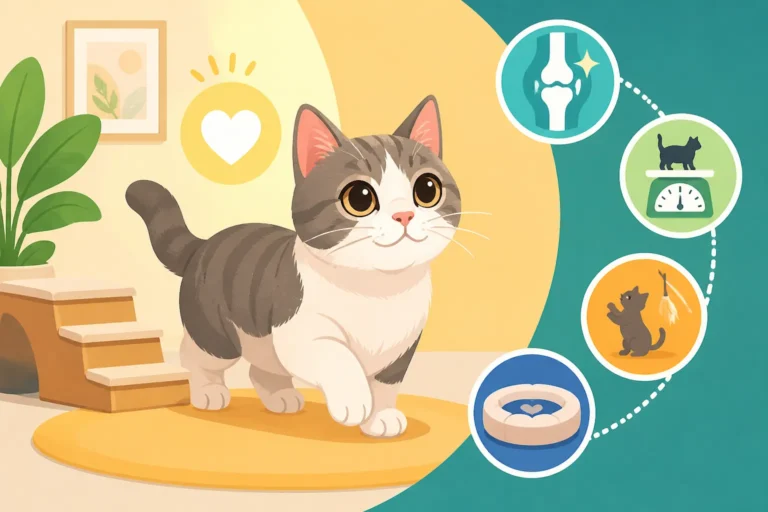
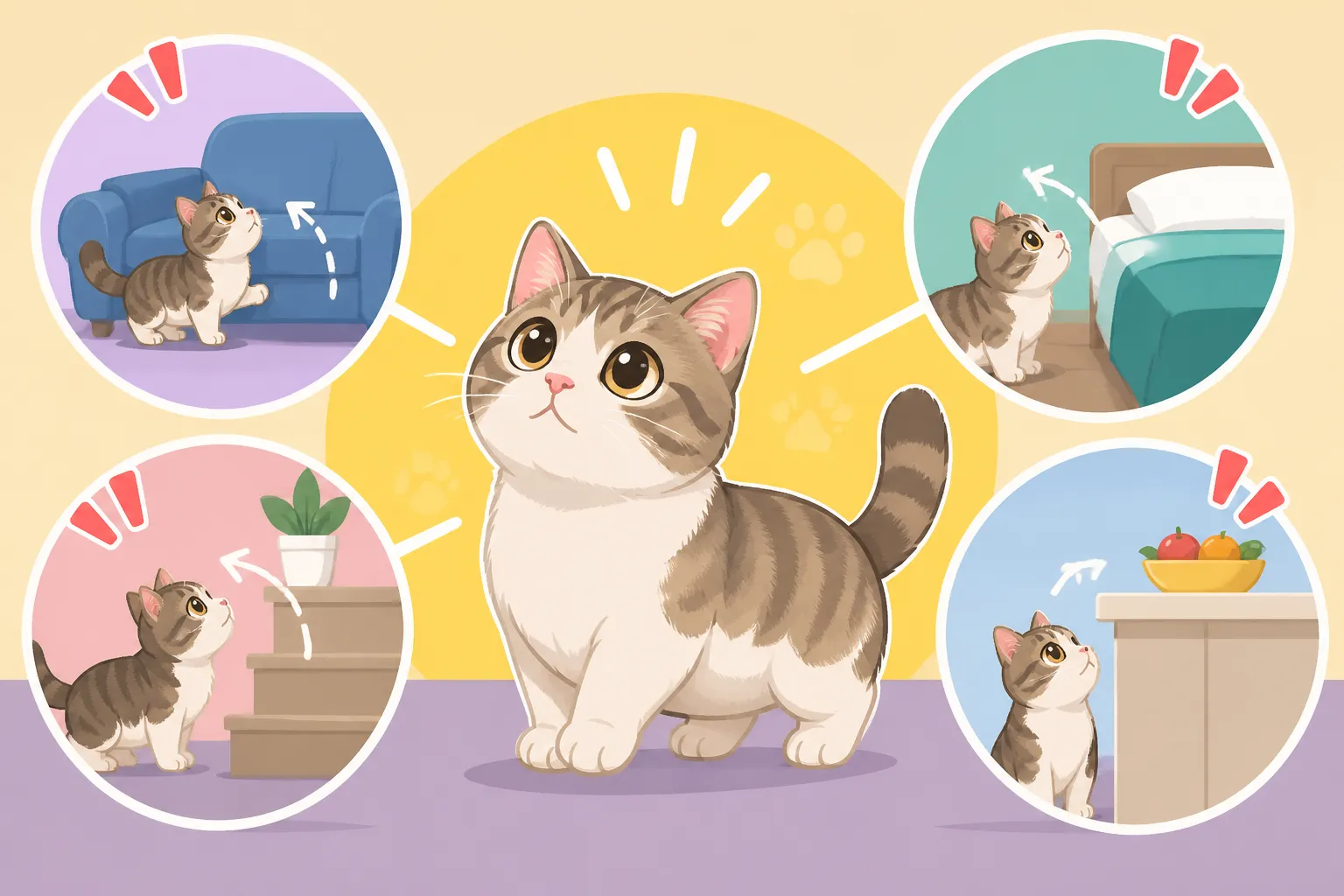
It’s a common sight for Munchkin cat parents: your sweet, short-legged companion stands at the base of a sofa or bed, gazing longingly upward, perhaps letting out a tiny, hopeful meow. Or maybe you’ve watched them attempt a jump, only to fall short or land with a worrisome thud. The truth is, while Munchkins are incredibly agile on the ground, vertical challenges are a daily reality for them. This guide will walk you through the most critical areas in your home where steps or ramps aren't just a luxury, but a genuine necessity for your Munchkin's comfort, safety, and overall well-being.
Understanding the Munchkin's Vertical Challenge
It’s easy to forget that while their personalities are huge, their legs are not built for vertical exploits in the same way a typical cat's are. This isn't about laziness; it's about anatomy, and it profoundly impacts their ability to navigate a human-centric home.
The Physics of Short Legs and Jumping
The defining characteristic of a Munchkin cat is their adorably short legs, a result of a genetic mutation called pseudoachondroplasia. While this gives them their unique low-rider appearance, it fundamentally alters their biomechanics. A normal-legged cat uses the powerful leverage of its long hind legs to propel itself upward, reaching impressive heights with ease. Their longer limbs also act as natural shock absorbers for landings.
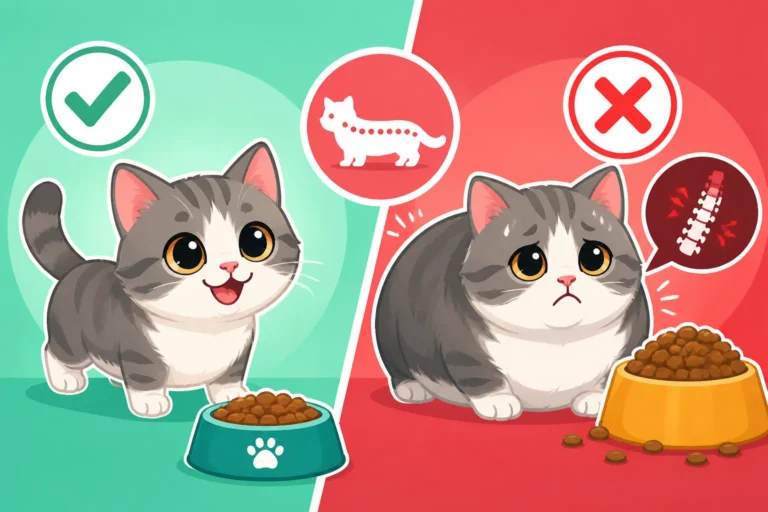
For a Munchkin, that powerful spring simply isn't there. Their shorter leg bones mean less leverage, making high jumps difficult, if not impossible. When they do jump, the effort is much greater, and the landing can put undue stress on their joints and spine. Why a Munchkin's Spine Carries a Load a Normal Cat's Does Not delves into this in more detail. Repeated impacts from jumping down from even moderate heights can contribute to wear and tear, potentially leading to discomfort or more serious issues over time. It's not that they can't jump a little; it's that every jump is a bigger physical demand and a greater potential risk.
The Psychological Impact of Inaccessibility
Beyond the physical strain, imagine living in a world where all the best spots are just out of reach. For a Munchkin, this can lead to frustration, reduced activity, and even a sense of being left out. Cats are naturally curious and territorial; they love high vantage points for surveying their domain, feeling safe, and observing the world outside a window.
When these prime locations are inaccessible, a Munchkin might spend more time on the floor, potentially missing out on vital mental enrichment that comes from observation and exploration. They might constantly try and fail to reach a favorite perch, leading to discouragement. This isn't just about providing a comfy bed; it's about giving them autonomy, confidence, and access to all the enriching experiences that make a cat's life fulfilling. Without proper access, they might resort to How Often a Munchkin Asks to Be Lifted, which, while cute, means they're dependent on you for basic navigation.
High-Priority Areas for Munchkin Steps and Ramps
When you start to look at your home from your Munchkin's perspective, certain "mountains" immediately become apparent. These are the places where providing assistance isn't just kind, it's essential.
Accessing Beds and Sofas
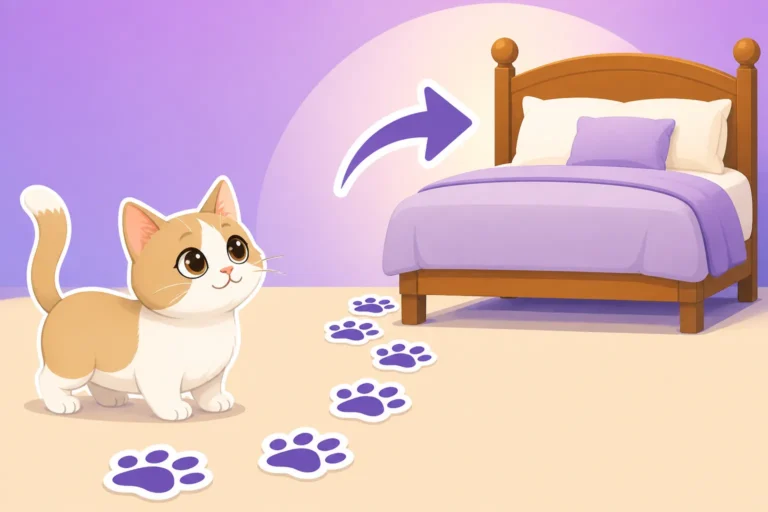
Your bed and the living room sofa are often the heart of family life and prime cuddle zones. For many cats, these are cherished resting spots and places to interact with their humans. For a Munchkin, they are often insurmountable obstacles. Trying to jump onto a bed, even a low one, can be a major struggle. More critically, jumping down from a bed or sofa can be jarring and potentially harmful to their joints and spine over time. Why a Munchkin Should Not Be Jumping Down Repeatedly explains the risks of these impacts.
Installing a sturdy ramp or a set of low, wide steps is paramount here. Look for options with a gentle incline and a non-slip surface. Many pet retailers, including Chewy and Amazon, offer a variety of sizes and materials to match your decor. This simple addition allows your Munchkin to join you for snuggles, nap comfortably in a safe elevated spot, and avoid unnecessary strain when dismounting. It makes these central areas of your home accessible, integrating them more fully into your family's daily life.
Navigating Windowsills and Viewing Perches
Cats are naturally drawn to windows. The sights, sounds, and smells from the outside world provide endless entertainment and mental stimulation for an indoor feline. For a Munchkin, most windowsills are far too high, leaving them staring up at a world they can't quite reach. This can be genuinely frustrating for a cat, as they crave that connection to the outdoors.
To remedy this, consider a well-placed cat tree with closely spaced platforms leading up to a window, or custom steps designed specifically to reach a favorite windowsill. A ramp leading to a sturdy, padded perch can transform an inaccessible window into their personal nature documentary screening room. This isn't just about physical access; it's about psychological well-being, allowing them to engage with their environment and satisfy their innate curiosity. Think of it as providing a safe, enriching "Munchkin-sized" window to the world.
Reaching Food and Water Stations
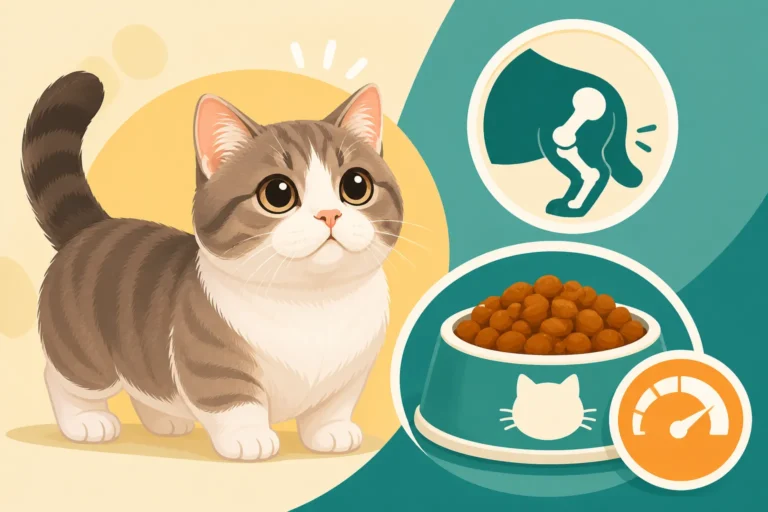
While it might seem logical to place a Munchkin's food and water bowls directly on the floor, consider the ergonomics. Bending down to eat and drink can still put a subtle strain on their neck and shoulders, especially if they have to hold that position for a sustained period or if they have any predisposition to joint issues. Why a Munchkin's Food and Water Belong at Floor Level emphasizes accessibility but also highlights that adjustments might be needed.
Many vets and cat behaviorists recommend slightly raised food and water bowls for cats to promote better posture and digestion. For a Munchkin, this means finding bowls that are raised just enough so they don't have to crane their necks excessively, but not so high that they have to stand on their tiptoes or strain their front legs. You're aiming for a comfortable, neutral position. You can find excellent options for raised feeding stations on Amazon, or even build a simple stand yourself. How High a Munchkin's Food Bowl Should Sit provides guidance on ideal heights. This small adjustment can make meal and drink times much more comfortable for them.
Litter Box Accessibility
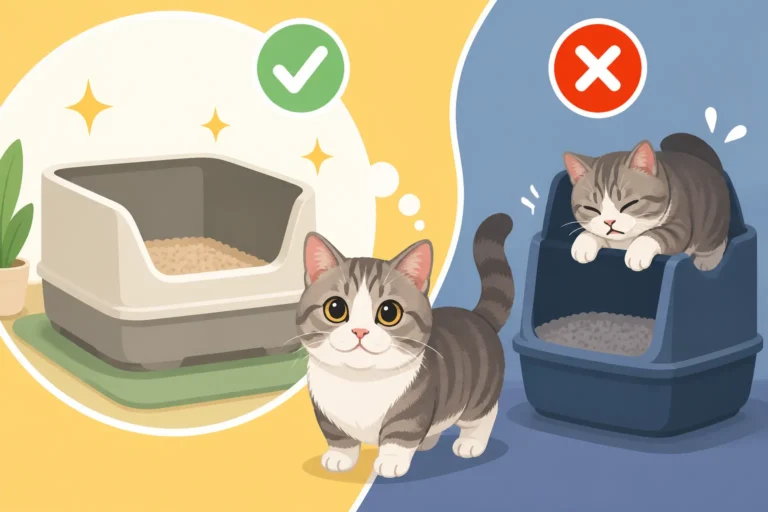
This is perhaps one of the most crucial, yet often overlooked, areas where steps are desperately needed. Standard litter boxes, especially those with high sides designed to contain litter spray, can be a real challenge for a Munchkin. Imagine trying to hoist yourself over a wall that's half your height every time you need to use the restroom. It's not just uncomfortable; it can lead to accidents outside the box if it becomes too difficult to enter.
You absolutely need a litter box with a very low entry point, or a ramp leading directly into a more standard box. Many senior cat litter boxes or those designed for small dogs work perfectly for Munchkins because they have one side that's significantly lower. Why a Munchkin Needs a Litter Box It Can Walk Into is a must-read for this topic. Ensuring easy, comfortable access to their litter box will prevent behavioral issues, maintain hygiene, and preserve their dignity. Remember, a cat that struggles with its litter box might find other, less desirable spots to relieve itself.
Less Obvious but Equally Important Spots
Beyond the daily essentials, there are other areas in your home where thoughtful placement of steps can dramatically improve your Munchkin's quality of life and encourage natural feline behaviors.
Cat Trees and Vertical Play Structures
Most standard cat trees are designed for long-legged cats, with large gaps between platforms that are impossible for a Munchkin to bridge. This means they often miss out on the enrichment and exercise that cat trees provide. You might find your Munchkin trying desperately, failing, and then giving up, which is heartbreaking to witness.
To make a cat tree Munchkin-friendly, you'll need to think creatively. Look for cat trees with very close-set platforms, or add extra shelves or steps in between existing ones to create a "staircase" effect. Some owners even install ramps that spiral up their cat tree. Which Cat Tree Layout Suits a Munchkin offers excellent ideas for this. This allows them to climb, explore, and enjoy high perches without the dangerous leaps and bounds that could lead to injury. It’s about adapting the environment to their unique physicality, not asking them to conform to an unsuitable design.
Grooming Stations and Exam Tables
While a Munchkin is typically quite adept at grooming most of its body, those short legs can make reaching their hindquarters, belly, and parts of their back a real stretch. This means owners often need to step in to help with brushing, especially for long-haired Munchkins to prevent matting. What a Munchkin Cannot Reach to Groom details these hard-to-reach areas.
Having a low, stable step or ramp leading up to a designated grooming table or a sturdy surface like a coffee table can make the process much smoother for both of you. Instead of trying to lift and maneuver them onto a high surface, they can walk up themselves, feeling more secure and in control. This reduces stress for your cat and makes your life easier. It's about meeting them at their level, both literally and figuratively, to ensure they remain well-groomed and comfortable.
Favorite Hiding and Resting Spots
Cats are creatures of habit and comfort, often seeking out specific spots for naps or quiet observation. Sometimes, these cherished spots are just slightly elevated—a low shelf, a particular chair that’s a bit too high to jump onto easily, or a window seat. Even if your Munchkin can technically get onto these spots with a bit of effort, the repeated strain, especially as they get older, is something to consider.
Providing small, discreet steps or a mini-ramp to these personal havens ensures that your Munchkin can access their preferred spots without undue effort. This might be a small footstool next to their favorite armchair, a custom-built low ramp to a beloved hidey-hole, or a series of stacked cushions. The goal is to eliminate any strenuous jumping, thereby protecting their joints and spine while maintaining their sense of security and comfort. After all, a happy cat is a cat that feels safe and can access all its preferred resting places.
Choosing the Right Steps and Ramps
It's not enough to just add "a" step; choosing the right kind of steps and ramps makes all the difference in functionality, safety, and your Munchkin's willingness to use them.
Material and Stability Considerations
When selecting steps or ramps, stability is absolutely paramount. A wobbly or flimsy ramp is not only dangerous but will also deter your Munchkin from using it. Cats, being naturally cautious, will avoid anything that feels insecure. Look for options made from solid wood, durable plastic, or metal, ensuring they have a wide base to prevent tipping.
The surface material is equally important. Smooth, slick surfaces like bare wood or plastic can be tricky for little paws. Opt for steps or ramps that are carpeted, have rubberized treads, or a textured surface to provide good grip. This prevents slips and falls, especially when your Munchkin is moving quickly or has just woken up. Which Surface a Munchkin's Ramp Should Have stresses the importance of good traction. Consider materials that are easy to clean, as accidents can happen. Durability also matters; these items will get daily use, so investing in quality will pay off in the long run.
Gradual Inclines vs. Steep Steps
The angle of a ramp or the height of individual steps makes a huge difference for a Munchkin. A steep incline, while potentially space-saving, can be just as challenging and potentially harmful as jumping directly. The goal is to provide a gentle ascent that mimics a natural walk rather than a climb. How Steep a Munchkin's Ramp Can Be advises against overly steep angles.
For ramps, aim for a gradual slope, ideally no steeper than 20-25 degrees. This allows your Munchkin to walk up comfortably without straining their back or legs. If you opt for steps, they should be low and wide. Each step riser shouldn't be more than a few inches high, and the tread should be deep enough for your cat to comfortably place all four paws. This provides a stable, easy-to-navigate staircase. Remember, your Munchkin is not a mountain climber; they need a gentle path to their destination. Think of it as a low-rise staircase rather than a ladder.
Integrating Steps into Home Decor
Let's be honest, nobody wants their living room to look like a pet supply warehouse. Thankfully, many companies recognize the desire for pet furniture that blends seamlessly with home decor. You don't have to sacrifice style for functionality.
Look for pet steps and ramps that come in neutral colors, wood finishes, or fabrics that complement your existing furniture. Many are designed to look like small pieces of furniture themselves, such as ottomans with hidden storage that double as steps, or sleek wooden ramps that can be tucked away when not in use. You might even consider DIY options if you're handy, allowing you to customize materials and aesthetics perfectly. Major retailers like Chewy and Amazon offer a broad selection, but don't forget to check smaller artisan shops for unique pieces. The key is to view these access aids not as intrusive necessities, but as integral parts of a well-designed, Munchkin-friendly home.
Where a Munchkin Most Needs a Step: A Quick Reference
This table summarizes the key areas discussed and the ideal solutions for your Munchkin's vertical challenges.
| Area | Munchkin's Challenge | Best Solution | Key Considerations |
|---|---|---|---|
| Beds & Sofas | Difficulty jumping up, risk of injury jumping down. | Sturdy pet steps or a gentle ramp | Non-slip surface, appropriate height, blends with decor. |
| Windowsills | Too high to reach, misses outdoor stimulation. | Cat tree with close platforms or window steps | Stable, secure, comfortable viewing platform. |
| Food & Water | Bending strains neck/shoulders. | Slightly raised bowls | Ergonomic height, easy to clean, stable. |
| Litter Box | High sides difficult to enter/exit, hygiene issues. | Low-entry litter box or external ramp | Easy access, prevents accidents, good hygiene. |
| Cat Trees | Large gaps between standard platforms. | Modified cat tree with extra steps/ramps | Close spacing, secure attachments, engaging play. |
| Grooming/Exam | Hard to reach certain areas, owner struggles to lift. | Low, stable steps to a flat surface | Safe, secure, reduces stress for cat and owner. |
| Favorite Naps | Slightly elevated resting spots are hard to reach. | Discreet steps or footstools | Blends in, stable, provides easy access to comfort. |
An adapted home environment where your Munchkin can move freely and safely is the cornerstone of their well-being. By thoughtfully placing steps and ramps in these crucial areas, you’re not just making their life easier; you’re enriching it, protecting their health, and fostering their confidence. Remember, Ramps and Steps Are Munchkin Equipment, Not Luxuries – they are essential tools for a happy, healthy Munchkin life. Giving them the freedom to explore their world without constant physical challenge or dependency on you to be lifted, will strengthen your bond and ensure they thrive in your home for many years to come. Look at How a Munchkin Uses Furniture as a Staircase and How a Munchkin Changes Direction at Speed show their cleverness when given the right setup, proving that with your help, they truly can conquer their world.
Disclaimer
This article is for general informational purposes only and does not constitute professional advice. Laws, prices and regulations vary by location and change over time. Consult a qualified professional for guidance on your specific situation.