What the Short Legs Actually Cost a Munchkin
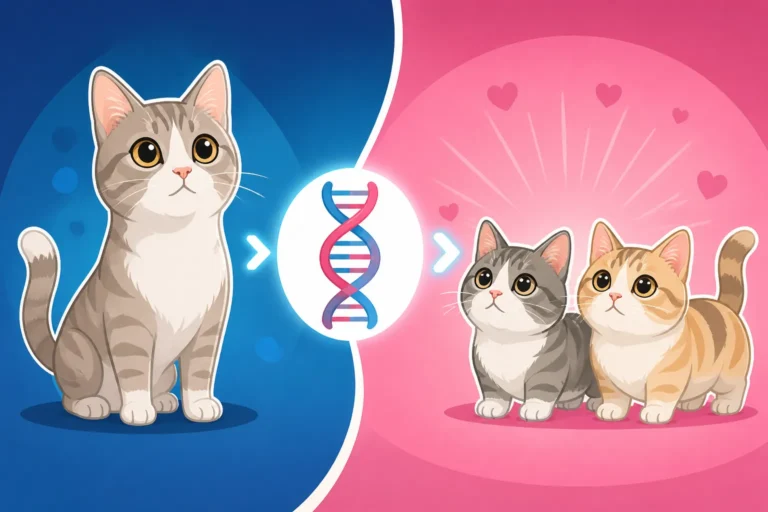
Bringing a Munchkin cat into your home is often a decision born of love for their undeniably charming, distinctive appearance. Their short legs give them an endearing waddle and a unique silhouette, but many prospective owners don't fully grasp that those very short legs come with a significant "cost" – not just in terms of purchase price, but in lifelong health implications, specialized care, and ongoing modifications to their world. This guide delves deep into what those short legs actually mean for a Munchkin cat, exploring the physical toll, the daily challenges, and the dedicated care required to ensure they live as full and comfortable a life as possible.
The Hidden Strain on a Munchkin's Spine and Joints
It’s easy to look at a Munchkin and see only their adorable stubby legs, but the reality is that their unique mutation, known as pseudoachondroplasia, affects more than just limb length. It fundamentally alters the biomechanics of their entire skeletal system, placing abnormal stresses on their spine and joints that a normal-legged cat simply doesn't experience. This isn't just a cosmetic difference; it's a significant factor in their long-term health and mobility.
Understanding Lordosis and Its Implications
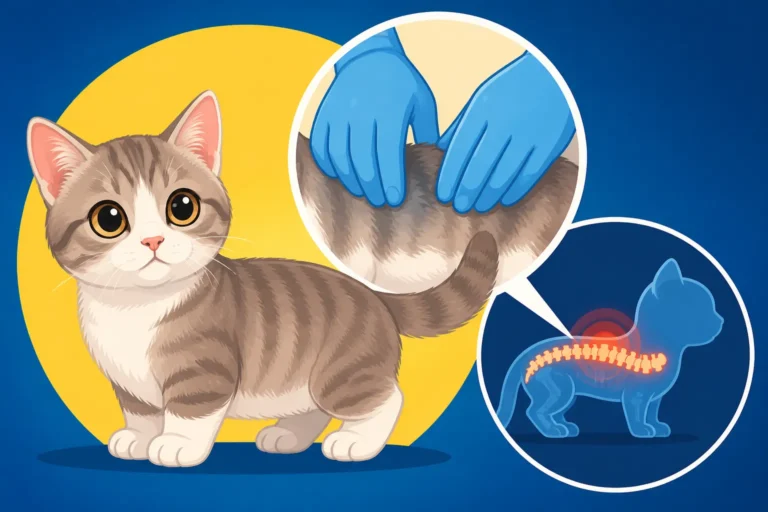
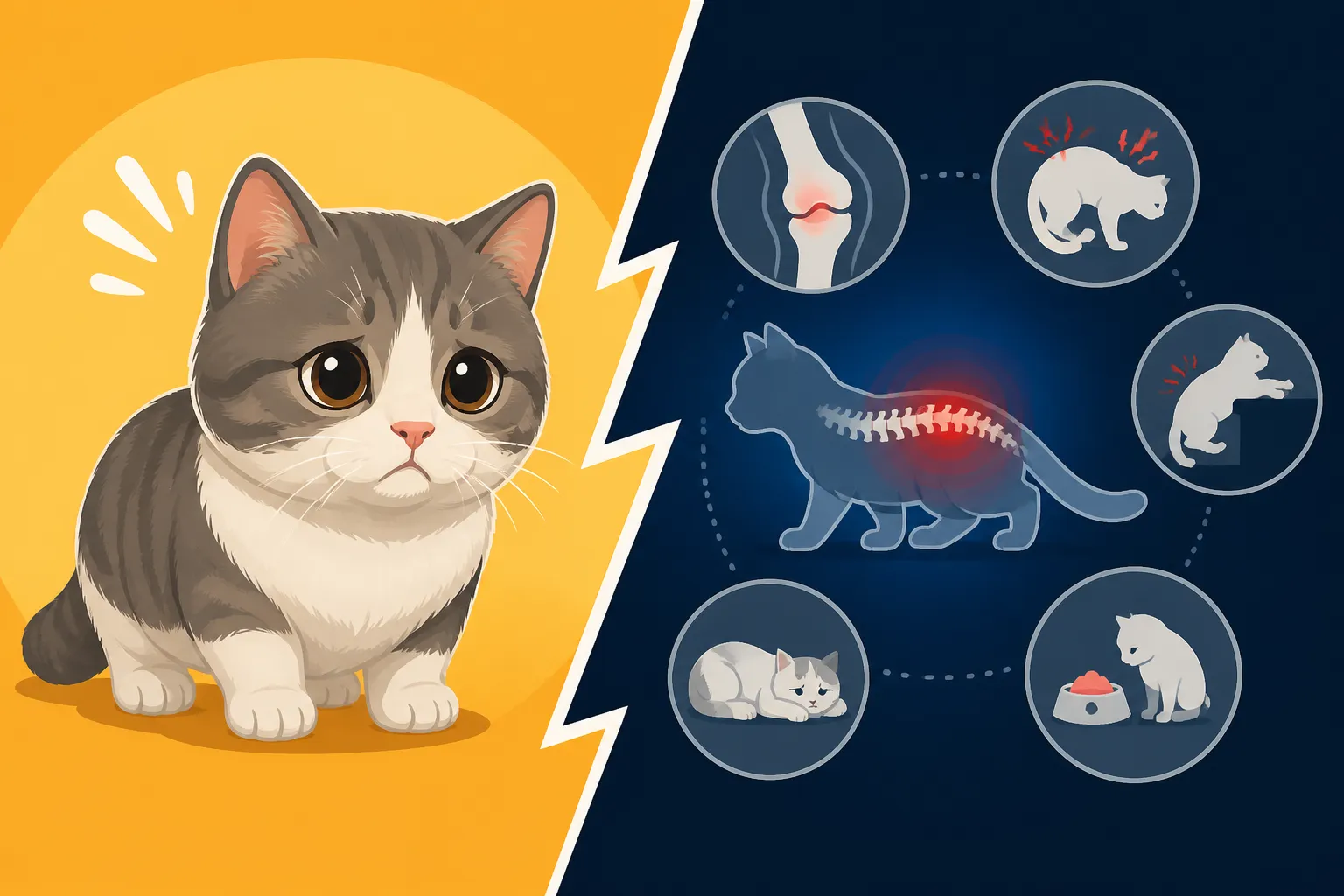
One of the most concerning potential health consequences directly linked to the Munchkin's conformation is lordosis. This condition involves an excessive inward curvature of the spine, specifically in the lumbar region, causing the spine to sag significantly. Imagine a bridge designed to be taut and strong, suddenly having its central support weakened – that's a simplified way to think about how lordosis affects a Munchkin. It’s not just a posture; it can be a serious anatomical issue.
The problem arises because while a Munchkin's legs are short, their spine is actually a normal length. This normal-length spine on a shortened framework means that the vertebral column can be placed under increased strain. This added stress can lead to the muscles and ligaments supporting the spine struggling to maintain proper alignment, especially when the cat is active. In severe cases, this spinal compression can be so pronounced that it impacts internal organs, causing breathing difficulties or even problems with organ function, which is a truly devastating reality for these sweet cats. It’s a stark reminder of What Lordosis Does to a Munchkin.
While not every Munchkin develops severe lordosis, even a mild degree can lead to discomfort and contribute to a predisposition for pain and mobility issues later in life. It's a condition that breeders should be actively screening for, and responsible breeders will never breed cats with even mild indications. For owners, understanding this risk means vigilant observation for any changes in gait, posture, or signs of pain, and regular veterinary check-ups are absolutely non-negotiable from kittenhood onwards.
Joint Stress and Early Onset Arthritis
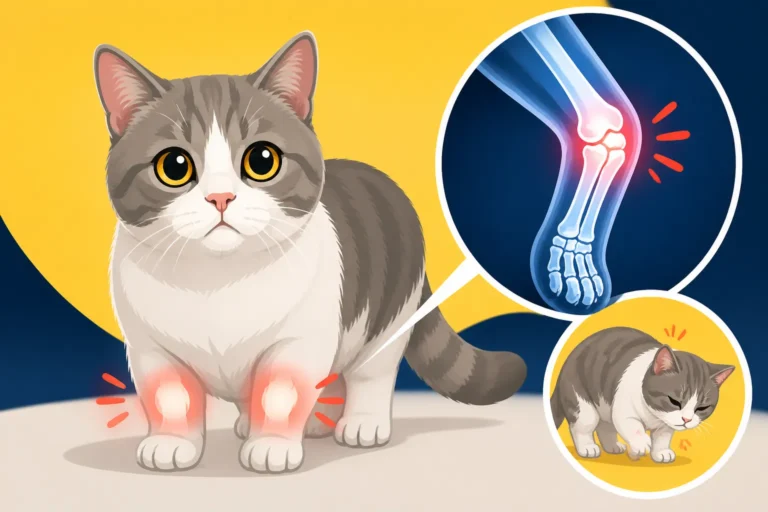
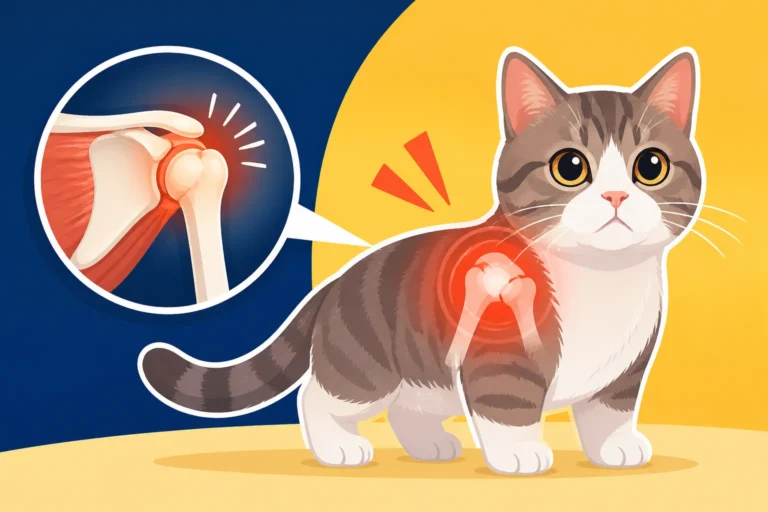
Beyond the spine, the Munchkin's short legs mean that their joints, particularly in their shoulders, elbows, and hips, bear a disproportionate load compared to a standard-legged cat. Think about the impact of everyday movements: jumping down from even a low surface, running, or even just walking. Each step, each landing, sends a ripple of stress through joints that are not designed for such leverage. This constant, abnormal pressure can accelerate wear and tear on cartilage and bone.
This accelerated wear often translates into a higher risk of developing osteoarthritis at a younger age. While arthritis is a common ailment in aging cats of all breeds, for a Munchkin, the "age" at which it starts can be significantly earlier. Owners might notice their cat becoming less active, hesitant to jump even small distances, or showing stiffness, especially after resting. This is a clear indicator that their joints are starting to feel the effects of years of unconventional strain. It’s worth investigating Whether a Munchkin Gets Arthritis Earlier to understand the full picture.
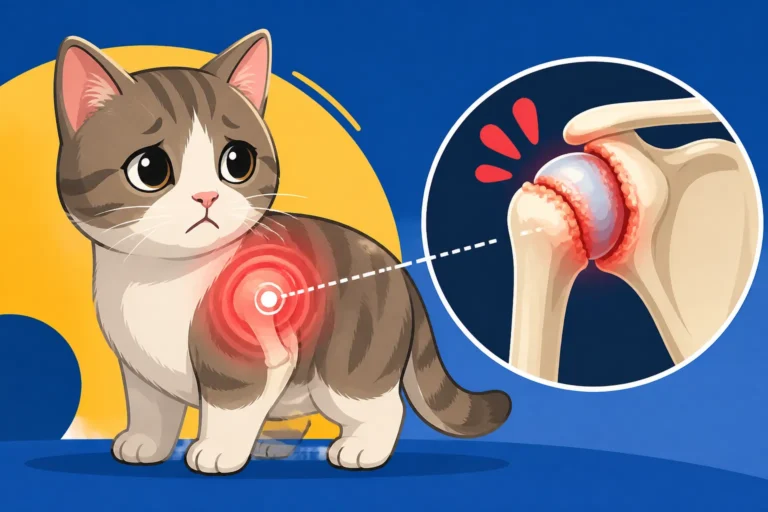
The front legs, especially the shoulders, are particularly susceptible. Why a Munchkin's Shoulders Wear First highlights how every landing and impact disproportionately affects these joints. Managing this early onset arthritis requires a proactive approach: weight management to reduce stress on joints, joint supplements, and potentially pain relief medication as prescribed by a vet. Investing in pet insurance like Healthy Paws can be incredibly helpful here, as long-term management of chronic conditions can quickly add up financially, providing peace of mind as your cat ages.
Pectus Excavatum and Chest Conformation
Another potential skeletal abnormality that can be observed in Munchkin cats, though not exclusively, is pectus excavatum, or "funnel chest." This condition involves an abnormal indentation of the sternum (breastbone), which causes the chest wall to appear sunken. While it can occur in any cat, it’s a conformation issue that can sometimes be linked to broader skeletal developmental quirks.
The severity of pectus excavatum can vary widely, from a mild, almost unnoticeable dip to a significant indentation that compresses the heart and lungs. In more severe cases, this compression can lead to significant respiratory and cardiac problems, impacting the cat's ability to breathe properly, exercise, and generally thrive. A kitten with this condition might struggle to keep up with siblings, show signs of breathlessness, or have a less robust appetite.
Early detection is crucial. A vet can palpate a kitten's chest to check for any abnormalities during initial health checks. In some instances, corrective surgery might be an option, but it's a complex and costly procedure with its own set of risks. This is another reason why What a Munchkin Breeder Should Be Able to Show You is so important – a reputable breeder will be transparent about any history of such conditions in their lines and perform thorough vet checks before kittens go to new homes.
The Everyday Mobility Challenges and Their Consequences
The most obvious "cost" of a Munchkin's short legs is the impact on their mobility. While they are often described as active and playful, it’s important to understand how they are active and playful, and the limitations they face that long-legged cats do not. Their world is quite literally at a different height, and this necessitates changes in how they interact with their environment and even their own bodies.
Navigating Heights and the World at Paw-Level
A standard cat can leap onto a kitchen counter, scale a tall cat tree, or jump onto a windowsill with effortless grace. A Munchkin cannot. Their short legs severely limit their vertical reach, meaning many everyday surfaces that are accessible to other cats become insurmountable obstacles. A comfy armchair, a favorite spot on the bed, or even a low window perch can be a significant challenge to reach. This isn't just about missing out on a view; it impacts their ability to survey their territory, escape perceived threats, or simply choose where they want to rest.
Instead of jumping, Munchkins often become adept "climbers" in a different sense, utilizing furniture as a series of steps. They'll hop from a footstool to a low chair, then perhaps to a higher surface, creating a makeshift staircase. This often involves more effort and can put additional strain on their joints over time, particularly as they age. They can be very fast and agile on the flat, but vertical navigation is a different story.
This limitation means that as an owner, you become responsible for adapting their environment. This includes providing ramps or pet steps to allow them safe access to desired heights. Without these aids, your Munchkin might become frustrated, stressed, or, worse, attempt jumps that are beyond their physical capabilities, leading to injury. It’s a core principle that With a Munchkin the House Changes, Not the Cat.
The Impact on Natural Grooming Habits
Cats are meticulous groomers, spending a significant portion of their day keeping their coats pristine. It's not just about aesthetics; grooming is essential for skin health, coat condition, and even stress relief. However, a Munchkin's short legs mean that large areas of their body become virtually impossible for them to reach. The most common areas they struggle with are their back, hindquarters, and the underside of their belly.
Imagine trying to scratch an itch in the middle of your back with arms that are only half their normal length – that's the daily reality for a Munchkin. This inability to self-groom effectively leads to several potential problems. Mats and tangles can quickly form, especially in long-haired Munchkins, and these aren't just cosmetic issues. Mats can pull on the skin, causing pain and irritation, and can hide underlying skin infections or parasites. They can also trap moisture, leading to dermatitis.
Owners must step in and take over the grooming duties for these inaccessible areas. This means regular brushing, especially for long-haired varieties, and potentially professional grooming for sanitary clips around the hindquarters to prevent fecal matter from sticking to the fur. It's a fundamental part of What a Munchkin Cannot Reach to Groom, and it's a responsibility that needs to be factored into their ongoing care.
Compensatory Behaviors: "Prairie Dog" Sits and Ferret-Like Gait
To cope with their physical limitations, Munchkins develop some distinctive behaviors. One of the most famous is the "prairie dog" sit, where they sit upright on their hind legs, often bracing themselves with their short front paws, to get a better view of their surroundings. It's undeniably cute, and it's their way of compensating for their inability to gain height through jumping or climbing like other cats.
While charming, this posture places additional strain on their lower spine and hind legs. While they don't hold it for extended periods, repeated or prolonged use could potentially contribute to spinal issues over time. It's a natural adaptation, but one that underscores the constant adjustments their bodies make due to their unique conformation.
Similarly, their gait, often described as "ferret-like" or "mincing," is a direct result of their short legs and proportionally long body. They move with a fluid, low-to-the-ground stride that allows them to be surprisingly fast and agile on flat surfaces. This is a functional adaptation, allowing them to hunt and play effectively within their physical constraints. However, it’s a different kind of movement than a long-legged cat, and it means their skeletal system is always operating under different biomechanical principles, which as we've discussed, can lead to long-term wear.
Increased Vulnerability and Health Risks
Beyond the direct skeletal issues and mobility challenges, the Munchkin's short legs contribute to a general increase in their vulnerability to certain health risks. Their unique physical build means that problems that might be minor for a standard cat can become significantly more severe for a Munchkin.
The Dangers of Weight Gain on Short Legs
For any cat, maintaining a healthy weight is paramount, but for a Munchkin, it is absolutely critical. Why Weight Is More Dangerous on a Munchkin cannot be overstated. Every extra pound, every additional ounce, places immense, unbearable strain on their already compromised spine and joints. Imagine carrying a backpack filled with bricks all day – that's what even a small amount of excess weight feels like to a Munchkin.
Obesity exacerbates the risk and severity of lordosis, putting more pressure on the already curved spine. It accelerates the onset and progression of arthritis in their shoulders, elbows, and hips, leading to increased pain and reduced mobility much earlier in their lives. An overweight Munchkin will struggle even more with basic movements, such as jumping onto low furniture, using the litter box, or even grooming themselves. Their low-slung body means an enlarged belly can even drag on the ground, leading to skin irritation and hygiene issues.
Weight management for a Munchkin is not just about aesthetics; it's a core component of their long-term health plan. It requires precise portion control, a high-quality diet, and consistent, appropriate floor-level exercise. Owners must be diligent in monitoring their cat's body condition and adjusting their diet as needed, ideally in consultation with a vet.
Exposure to Environmental Hazards
Because Munchkins spend most of their lives close to the ground, they are inherently more exposed to certain environmental hazards than taller cats. Dust bunnies, loose objects, and floor-level household chemicals become more accessible. While a standard cat might leap over a spill, a Munchkin is more likely to walk through it, potentially tracking chemicals or getting their belly fur soiled.
This close-to-the-ground perspective also makes them more vulnerable to accidents. They can be easily overlooked, especially by small children or larger pets, potentially leading to accidental trampling. Their inability to quickly jump to safety means they have fewer escape routes in situations where they feel threatened or overwhelmed. A rambunctious dog, for example, might be an easy escape for a long-legged cat who can jump onto a high shelf, but for a Munchkin, they are essentially trapped at ground level.
Therefore, creating a safe, adapted environment is crucial. This means keeping floors meticulously clean, securing chemicals, and supervising interactions with children and other pets, especially larger ones. Their inability to defend themselves or escape via height means owners have an added responsibility to manage their environment and interactions.
Dental and Oral Health Considerations
While not directly caused by their short legs, dental health is a crucial aspect of a Munchkin's overall well-being, just like any cat. However, specific aspects of their unique structure might make routine dental care slightly more challenging or contribute to issues. For example, their often shorter muzzle or unique head shape, while not a recognized breed fault, can sometimes lead to dental crowding or malocclusions, where teeth don't align correctly.
Dental issues like gingivitis, periodontal disease, and tooth resorption are common in all cat breeds, but when a Munchkin has them, the impact can be more pronounced. Painful teeth can affect their appetite, leading to weight loss (or difficulty maintaining a healthy weight), and infections can spread to other parts of the body, including the heart and kidneys. Regular dental check-ups, professional cleanings under anesthesia, and daily home brushing (if tolerated) are essential.
Due to the general concerns about spinal issues, some owners might worry about anesthesia for dental procedures. However, with modern veterinary medicine, proper pre-anesthetic screening, and careful monitoring, the risks are generally manageable. Ignoring dental problems can lead to much more severe health complications in the long run, and just like other aspects of their care, pet insurance can cover unexpected dental issues, helping manage the "cost."
Specialized Care Requirements and Equipment Costs
Owning a Munchkin cat isn't just about providing love; it's about providing a specific, adapted environment and dedicated care that acknowledges their physical differences. This translates into tangible "costs" in terms of time, effort, and financial investment in specialized equipment.
Adapting the Home Environment
The most significant and immediate "cost" for a Munchkin owner is adapting their home. This isn't a luxury; it's a necessity for their physical and mental well-being. Imagine living in a world where every surface you desire to reach is just out of grasp – it would be frustrating and limiting. For a Munchkin, ramps and pet steps are not optional accessories; they are essential mobility aids. Ramps and Steps Are Munchkin Equipment, Not Luxuries is a foundational truth of Munchkin ownership.
Every sofa, bed, windowsill, or favorite sunbeam spot needs to be made accessible. This means investing in sturdy, carpeted ramps or steps that are not too steep and provide good traction. A high-quality set of pet stairs can cost anywhere from $50 to $200, and you might need multiple sets for different areas of the house. Cat trees designed for standard cats often have platforms too far apart, so you might need to modify existing ones or seek out specialized, low-level cat furniture.
Beyond vertical access, litter boxes also need careful consideration. A standard litter box with high sides, while great for containing litter, can be a monumental challenge for a Munchkin to enter and exit comfortably. They need a low-entry litter box – often marketed for senior cats – that they can walk into without straining their back or lifting their short legs too high. Why a Munchkin Needs a Litter Box It Can Walk Into explains this in detail. Failure to provide appropriate litter boxes can lead to accidents outside the box and behavioral issues.
Grooming Assistance and Hygiene
As previously discussed, a Munchkin's inability to fully groom themselves means the owner must become their primary groomer for hard-to-reach areas. This isn't just a weekly brush; for long-haired Munchkins, it can be a daily commitment. You'll need an arsenal of grooming tools: various brushes, combs, and possibly even specialized detangling sprays.
Table: Grooming Needs by Munchkin Coat Type
| Coat Type | Frequency of Owner Grooming | Key Areas Requiring Attention | Potential Hygiene Concerns |
|---|---|---|---|
| Shorthair | 2-3 times per week | Back, hindquarters, belly | Mats (less common), skin irritation, dirty belly |
| Longhair | Daily | Back, hindquarters, belly, "pants" fur, armpits | Severe matting, fecal impaction, skin infections |
| Hairless (e.g., Bambino) | Daily/Bi-weekly bath | Skin folds, ears, regular bathing for oil buildup | Skin infections in folds, chill sensitivity |
For some Munchkins, especially those with very thick or long fur around their hindquarters, regular "sanitary clips" might be necessary. This involves carefully trimming the fur around their anus and genitals to prevent fecal matter from accumulating, which can lead to discomfort, skin infections, and a generally unhygienic environment. While some owners can perform this themselves with appropriate safety clippers, many prefer to take their Munchkin to a professional groomer, adding another recurring cost.
Tailored Nutrition and Weight Management
Given the critical importance of weight control for a Munchkin's joint and spinal health, tailored nutrition is another significant aspect of their care. This means precise portioning based on their ideal body weight and activity level, rather than free-feeding. Owners often need to weigh their cat's food, ensuring they don't consume excess calories.
Choosing a high-quality cat food formulated for indoor cats or those with moderate activity levels is a good starting point. Some owners might also consider foods that incorporate joint-supporting ingredients like glucosamine and chondroitin, though these are typically more effective as supplements rather than relying solely on diet for therapeutic levels. Discussing your Munchkin's specific dietary needs with your veterinarian is always recommended, as they can help determine the best caloric intake and food type to keep them lean and healthy. This proactive approach helps extend How Long a Munchkin Lives.
The Lifelong Commitment to Veterinary Monitoring
The genetic mutation that gives Munchkins their short legs also means a lifelong commitment to vigilant veterinary care. Their unique skeletal structure necessitates a proactive approach to health, with regular check-ups and a keen eye for subtle signs of discomfort or mobility issues.
Proactive Spinal and Joint Health Checks
From kittenhood, a Munchkin's veterinary visits should include thorough assessments of their spine and joints. While a typical kitten check-up focuses on general health and vaccination, for a Munchkin, the vet will pay particular attention to palpating the spine for any signs of lordosis and assessing their gait and limb movement. This helps establish a baseline and identify potential issues early on.
As they age, these spinal and joint checks become even more critical. Many vets recommend regular X-rays as part of their routine care, perhaps starting around age one or two, to monitor for any developing spinal curvature or early signs of osteoarthritis. These diagnostic tools are essential for catching problems before they become severe, but they do add to the overall veterinary expenses. Pet insurance, such as a plan from Healthy Paws, can be invaluable for covering a portion of these diagnostic costs and any subsequent treatments.
Early intervention for joint and spinal issues can make a world of difference in a Munchkin's quality of life. This might include beginning joint supplements, prescribing anti-inflammatory medications, or recommending physiotherapy to maintain muscle strength and flexibility. It's about being proactive, not reactive, to their unique health needs.
Managing Chronic Pain and Mobility Issues
Unfortunately, for some Munchkins, chronic pain, particularly from arthritis or spinal discomfort, becomes a part of their reality as they age. Managing this pain is a continuous, evolving process that requires close collaboration with your veterinarian. It's not a one-time fix but an ongoing commitment to comfort.
Pain management strategies can include a combination of prescribed medications (NSAIDs, gabapentin), complementary therapies (acupuncture, laser therapy), and environmental modifications to minimize strain. For instance, ensuring all favorite spots are easily accessible with ramps, providing orthopedic beds, and keeping their weight strictly controlled are all part of a comprehensive pain management plan.
The "cost" here isn't just financial; it's also emotional. Watching your beloved cat struggle with pain can be heartbreaking, and it requires patience, attentiveness, and a willingness to adjust their care routine as their needs change. It’s also crucial to understand Which Health Problems the Munchkin Actually Has to anticipate and address them effectively.
Anesthetic Risks and Surgical Considerations
When any cat requires surgery or a procedure necessitating anesthesia (such as a dental cleaning or spay/neuter), there are inherent risks. For Munchkins, while not dramatically higher, there can be subtle considerations that vets will take into account. For instance, if a Munchkin has undetected or mild lordosis, their chest cavity might be slightly altered, potentially impacting respiratory function during anesthesia.
A reputable veterinarian will always perform thorough pre-anesthetic blood work and a physical exam to assess your Munchkin's overall health. They may take extra precautions, such as using specific anesthetic protocols or providing additional respiratory support, to ensure the safest possible experience. While Munchkins are generally considered normal anesthetic risks by most veterinarians today, it’s always wise to discuss any concerns you have with your vet, especially if your cat has any known spinal or respiratory issues.
Emotional and Quality of Life Considerations
Beyond the physical and financial aspects, there are undeniable emotional costs and quality-of-life considerations that come with owning a Munchkin. Their differences aren't just physical; they can subtly influence their interactions with the world and how they experience their daily lives.
The Psychological Impact of Physical Limitations
While we can't ask a cat how they feel about their short legs, it's reasonable to infer that physical limitations can have a psychological impact. Imagine being unable to reach the top of a favorite cat tree, or constantly struggling to jump onto a cozy bed. This inability to access preferred high vantage points – which are instinctually important for cats for security and observation – could potentially lead to frustration or a sense of vulnerability.
Owners often report that Munchkins are exceptionally sweet, affectionate, and demand attention, sometimes interpreting this as a need for help or comfort due to their limitations. They might learn to vocalize when they want to be lifted or carried to a higher spot. This isn't to say they are "unhappy" or "suffering," but their world is simply experienced differently, and owners must be mindful of their needs for enrichment and access to their environment. Providing safe, accessible routes to all parts of the home can significantly alleviate potential frustration and enhance their sense of security.
Social Dynamics with Other Pets and People
The Munchkin's short stature also plays a significant role in their social dynamics, especially with other pets or young children. As mentioned, their inability to quickly jump to safety means they are more vulnerable in confrontations or boisterous play. A larger, long-legged cat might unintentionally block a Munchkin's path or intimidate them, knowing the Munchkin can't easily escape to a high perch.
Similarly, young children who haven't learned gentle handling can pose a risk. A child might not realize that picking up a Munchkin incorrectly (e.g., by the front legs) can cause spinal strain, or that their inability to quickly move away means they can become cornered during play. Educating everyone in the household about appropriate interaction is paramount. It’s a delicate balance to ensure your Munchkin feels secure and integrated into the family without being put at risk.
For households with multiple pets, careful introductions and supervision are essential. Providing separate, easily accessible safe zones for your Munchkin, such as a low catio or a room with only low furniture, can give them a crucial sense of control and security.
Ensuring a Fulfilling Life for a Munchkin
Despite these challenges, Munchkins can and do lead incredibly rich, fulfilling lives, often bringing immense joy to their owners. The "cost" isn't a barrier to happiness, but rather a call for dedicated, informed ownership. It means understanding their unique needs and proactively addressing them. By providing a safe, adapted environment, meticulous grooming, stringent weight management, and proactive veterinary care, owners can mitigate many of the potential issues associated with their short legs.
Ultimately, the choice to bring a Munchkin into your life comes with the responsibility to understand these nuances. It's about seeing beyond the cute factor and committing to a lifetime of specialized care. For many, the unique personality and affectionate nature of Munchkin cats make every "cost" entirely worth it, especially when considering The Twelve to Fifteen Years a Munchkin Usually Gets when well cared for. They thrive on love and attention, and with the right support, they truly become cherished members of the family. The continuous care, the adaptations, and the constant vigilance are all part of the deep bond formed with these remarkable, resilient little cats. Why a Munchkin's Spine Carries a Load a Normal Cat's Does Not is a scientific reality, but with dedicated love, it can be managed so they live a full life.
Disclaimer
As an SEO content writer, I must state that while I strive to provide accurate and helpful information, this content is for informational purposes only and does not constitute professional veterinary advice. Always consult with a qualified veterinarian regarding your pet's health and specific medical conditions.