Why an Old Munchkin Stops Grooming Its Back
It’s a natural thing to see a cat meticulously grooming itself, a picture of feline grace and self-sufficiency. But for those of us who share our homes and hearts with a senior Munchkin, there often comes a point where this familiar ritual begins to falter, especially when it comes to their back. It’s worrying to notice your beloved short-legged friend struggling to reach those spots they once kept pristine, leaving their coat looking a little ruffled or even matted. This guide is here to walk you through the very real reasons an old Munchkin might stop grooming its back, from physical limitations to underlying health concerns, and most importantly, what loving steps you can take to help them stay comfortable and clean.
The Unique Challenges of Grooming for a Munchkin
Even in their prime, Munchkin cats face a unique set of physical realities when it comes to self-grooming. Their signature short legs, while utterly charming, mean they operate on a different scale than their long-legged feline cousins. As they age, these challenges only become more pronounced, making the simple act of reaching their own back an Olympic feat.
The Physical Limitations of Short Legs and Body Proportions
Imagine trying to scratch an itch in the middle of your back if your arms were significantly shorter – that's often the daily reality for a Munchkin cat. A normal cat uses an incredible degree of flexibility and leverage from its longer legs and supple spine to twist, bend, and reach every inch of its body. They can easily arch their back, bring a hind leg up to their shoulder, or crane their neck to lick their spine or the base of their tail.
For a Munchkin, however, the geometry is entirely different. Their short legs mean they have less reach, especially when trying to groom their hindquarters or the often-neglected area right over their hips and along their spine. The typical positions a cat adopts for a thorough grooming session simply aren't as effective, or sometimes even possible, for a Munchkin. Their belly often sits closer to the floor, and their shorter legs mean the arc they can create to reach their back is much shallower. As they get older, even a slight decrease in flexibility can turn a mild inconvenience into an impossible task, leading to sections of their coat becoming neglected. It’s not that they don’t want to groom; it's often that they physically can't. This is why understanding What a Munchkin Cannot Reach to Groom is so important for their overall care.
Why Flexibility Decreases with Age
Aging is a universal truth, and for our feline companions, it often brings a gradual reduction in physical prowess. Just like us, older cats can experience stiffening in their joints, a natural wear and tear that reduces their overall range of motion. This can manifest as a slight hesitation before jumping, a slower gait, or a general reluctance to engage in activities that require significant flexibility.
For a Munchkin, whose physical structure already demands a specific kind of adaptability, this age-related stiffness can be particularly impactful. Their unique skeletal conformation, while not inherently "broken," can mean that the stress of everyday movements, especially landing from even small jumps or maneuvering around, puts a different kind of load on their joints compared to a long-legged cat. Even mild arthritis or general joint stiffness, which might be barely noticeable in a regular cat, can dramatically hinder a Munchkin's already limited ability to reach their back or hindquarters for grooming. As they reach senior status, typically around 10-12 years, that supple, twisting motion needed for proper grooming becomes increasingly difficult and often outright painful. Owners often notice At What Age a Munchkin Starts to Stiffen, and this is a key indicator that grooming will soon become an issue.
Common Health Issues Affecting an Older Munchkin's Grooming
Beyond the natural decline in flexibility, several specific health conditions common in aging cats can directly impact a Munchkin's ability and desire to self-groom, particularly their back. Recognizing these signs early is crucial for their comfort and well-being.
Arthritis and Joint Pain
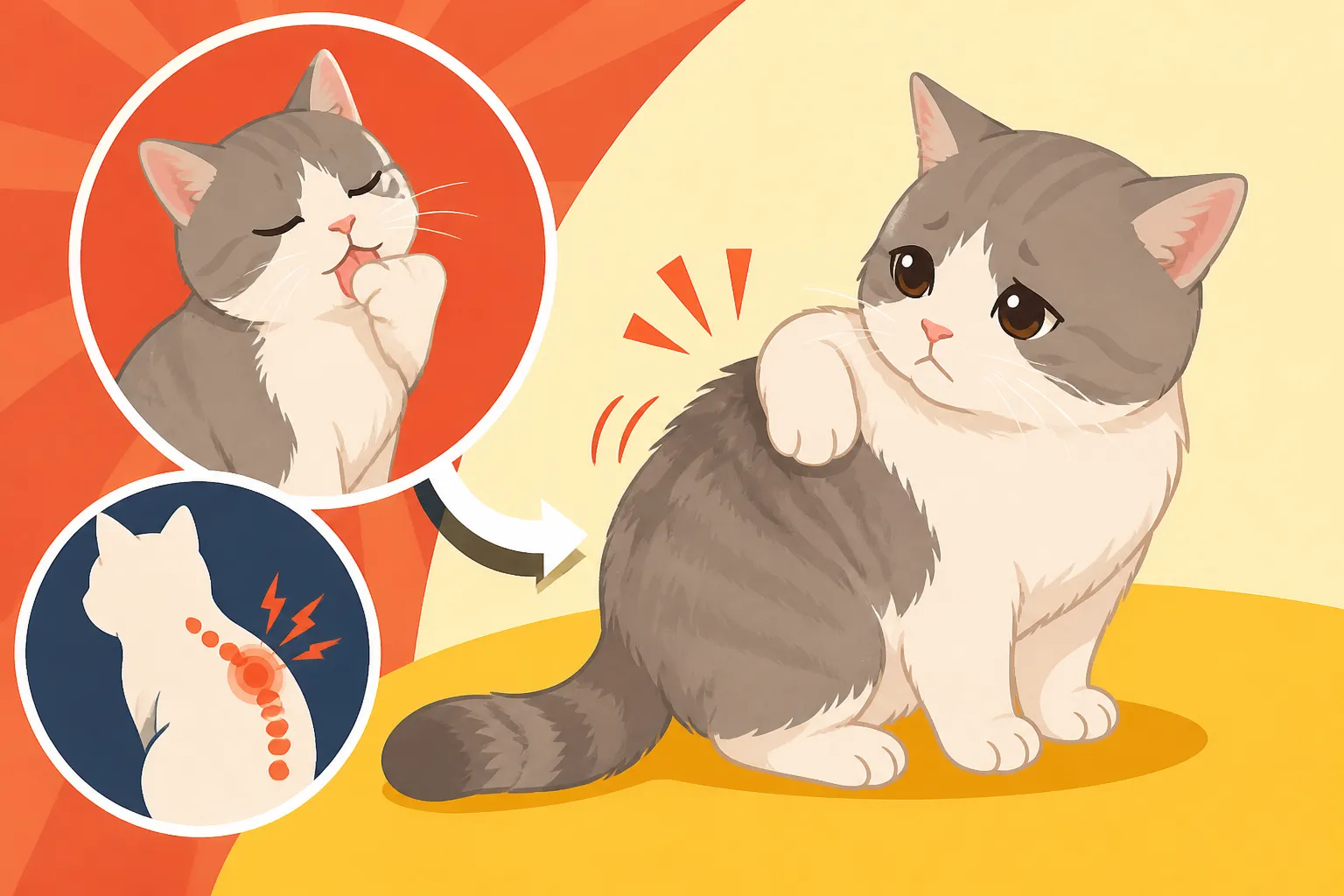
Arthritis, or osteoarthritis, is a progressive and painful condition affecting the joints, and it's incredibly common in older cats, including Munchkins. Imagine the discomfort of trying to twist and bend if your shoulders, elbows, or hips ache with every movement. For a Munchkin, who already has to contort their body in specific ways to reach their back, arthritis can make grooming an agonizing ordeal. They might attempt a lick or two, only to quickly stop, perhaps with a subtle wince or a visible tremor.
The signs of joint pain can be subtle at first. You might notice your Munchkin is less keen to jump, struggles to get onto their favorite low perch, or shows a slight lameness after resting. They might become irritable when touched in certain areas, or even cry out if a painful joint is accidentally bumped during an attempted groom. The areas most affected for a Munchkin are often the shoulders and elbows, which take the brunt of impact from jumping and navigating their world. This is why it's so important to be aware of How Arthritis Shows in a Munchkin's Front Legs and understand Why a Munchkin's Shoulders Wear First. Even a small amount of discomfort can deter them from the elaborate twisting needed to clean their back, leading to matted fur and potential skin issues in those hard-to-reach spots.
Spinal Problems Like Lordosis
While not all Munchkins develop spinal issues, the breed can be predisposed to conditions like lordosis, a curving of the spine that causes the back to dip inwards. Even in milder forms, lordosis can make bending, stretching, and twisting difficult or uncomfortable, especially as a cat ages and its musculature naturally weakens. If a Munchkin has an existing spinal curvature, even a subtle one, the act of arching their back to reach their fur can become a source of pain or impossible due to the altered mechanics of their body.
Aging can exacerbate an existing lordosis, making it more pronounced or symptomatic than it was in their younger years. The muscles supporting the spine may weaken, leading to greater compression or discomfort. A cat with lordosis already has a spine that carries a load a normal cat's does not, and this can lead to earlier wear and tear. Imagine trying to perform complex stretches with a back that doesn't quite bend the way it should; it's frustrating and painful. This condition directly impacts their ability to arch and twist to groom their back and hindquarters. Understanding What Lordosis Actually Is in a Munchkin and knowing Why a Munchkin's Spine Carries a Load a Normal Cat's Does Not helps owners appreciate the profound impact this can have on daily life, including grooming.
Overweight and Obesity
One of the most common and preventable reasons an older Munchkin might stop grooming its back is simply being overweight or obese. Just like in humans, extra pounds make every movement more strenuous. For a Munchkin, whose short legs already make reaching certain body parts a challenge, added girth can make those areas utterly inaccessible. Imagine trying to touch your toes with a heavy backpack on; it's a similar principle.
Excess weight physically prevents them from bending and twisting adequately to reach their back, flanks, and hindquarters. The fat deposits create barriers that their short limbs simply cannot navigate. Beyond the physical obstruction, obesity puts immense strain on a Munchkin's already unique skeletal structure, especially their spine and joints, accelerating the onset and severity of conditions like arthritis and lordosis. This creates a vicious cycle: pain and difficulty moving lead to less activity, which contributes to weight gain, making grooming even harder. Owners must understand Why Weight Is More Dangerous on a Munchkin and accept that Why an Overweight Munchkin Is in Real Trouble is a critical health concern for this breed, not just a cosmetic one. Maintaining a healthy weight is paramount for their long-term mobility and ability to perform basic self-care.
Other Factors Contributing to Poor Grooming in Senior Munchkins
While physical limitations and joint pain are significant contributors, an older Munchkin's reduced grooming might also signal other underlying health issues or cognitive changes that affect their overall well-being and desire for self-care.
Dental Pain and Oral Health Issues
It's easy to overlook, but dental health plays a huge role in a cat's grooming habits. Cats use their mouths, tongues, and paws (which they then lick clean) as their primary grooming tools. If your senior Munchkin is experiencing dental pain – from gingivitis, periodontal disease, or painful tooth resorption, which is common in older cats – the simple act of licking their fur can become excruciating.
They might be hesitant to open their mouth wide, or the pressure of their tongue against sensitive gums or teeth might cause discomfort. This can lead to a general avoidance of grooming altogether, especially in areas that require sustained licking and intricate movements of the tongue. You might notice other signs like drooling, bad breath, reluctance to eat dry food, or pawing at their mouth. Regular veterinary dental checks are vital for all cats, but especially for seniors. If your Munchkin is refusing to groom, their mouth is one of the first places a vet will likely check. Knowing How Often a Munchkin Needs a Dental is a crucial part of preventative senior care.
Cognitive Decline and Lethargy
Just like humans, cats can experience cognitive decline as they age. This might manifest as confusion, altered sleep patterns, increased vocalization, or a general disinterest in activities they once enjoyed, including self-grooming. A senior Munchkin with feline cognitive dysfunction might simply "forget" to groom, or lack the mental engagement to initiate and complete a thorough cleaning session.
Beyond cognitive changes, a general sense of lethargy, weakness, or malaise is often a red flag for various age-related illnesses. Conditions like kidney disease, hyperthyroidism (which can oddly lead to poor coat condition despite increased activity in some cases, or lethargy in others), or even chronic pain can sap a cat's energy and motivation. If your Munchkin is feeling unwell, they will prioritize rest and comfort over self-maintenance. They might spend more time sleeping, be less responsive, or show a general dullness in their demeanor. When a Munchkin becomes withdrawn, it's always a sign to Why a Withdrawn Munchkin Should See a Vet, as it can indicate a range of health issues impacting their overall vitality, including their grooming habits.
Underlying Medical Conditions
Sometimes, a decline in grooming is a more general indicator that something is not quite right internally. Beyond the specific issues mentioned, many other medical conditions common in senior cats can lead to a cat feeling unwell enough to neglect its coat. For example, chronic kidney disease can cause a build-up of toxins, leading to general nausea, fatigue, and a dull, unkempt coat. Diabetes, if poorly controlled, can also impact a cat's energy levels and skin health.
Pain from conditions other than arthritis, such as abdominal discomfort, bladder infections, or even neurological issues, can also make bending and twisting to groom an unpleasant experience. It's a cat's way of telling us, "I don't feel good." Any persistent change in grooming habits, especially a decrease, warrants a thorough veterinary examination to rule out or manage these underlying health problems. Being proactive and aware of How Kidney Disease Arrives in an Old Munchkin can save your senior cat from prolonged discomfort.
How Owners Can Help Their Senior Munchkin Groom
Noticing your senior Munchkin struggling with self-grooming can be heartbreaking, but the good news is there's a lot you can do to step in and help. Our role as owners evolves as our cats age, and providing hands-on grooming care becomes an essential part of their comfort and health.
Establishing a Regular Grooming Routine
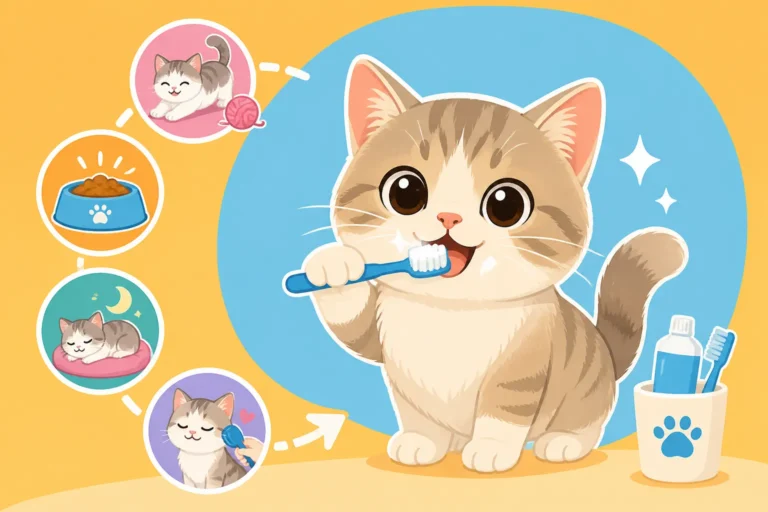
Since your Munchkin can't reach their back and other tricky spots, it's time for you to become their personal groomer! Establishing a regular, gentle grooming routine is paramount. For shorthaired Munchkins, a few times a week might suffice, but longhaired varieties, or those with particularly dense coats, will likely need daily attention to prevent mats, especially around their hindquarters, flanks, and lower back.
Start with a soft brush, like a slicker brush or a rubber curry comb, to gently remove loose fur and stimulate circulation. For tougher tangles or mats, especially in longhaired cats, a fine-toothed metal comb can be invaluable, but always use it with extreme care and patience. You can find a wide array of brushes and combs suitable for all coat types on sites like Chewy or Amazon. Remember to always work with the fur, never against it, and keep sessions short and positive, associating grooming with treats and praise. Focus especially on the areas your Munchkin is struggling with – their back, the top of their tail, and their hind legs. Over time, your Munchkin will come to appreciate this help, as it alleviates discomfort and keeps their coat healthy. This routine directly addresses How Often to Brush a Munchkin's Back and helps prevent problems.
Supporting Mobility and Comfort
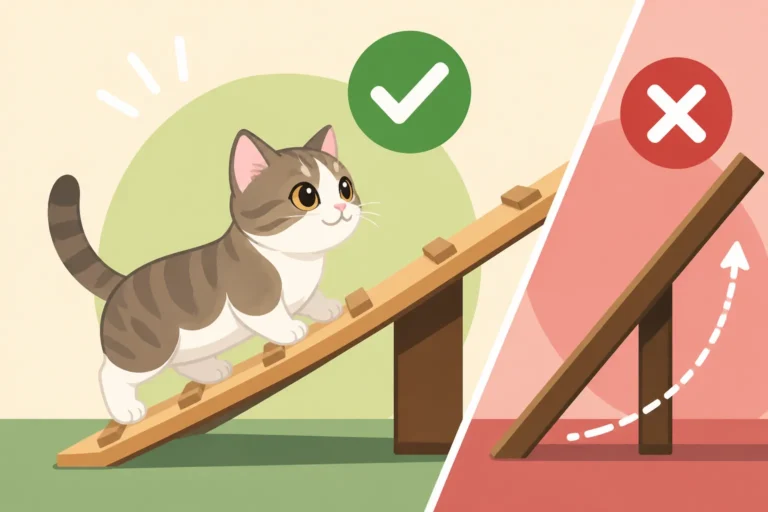
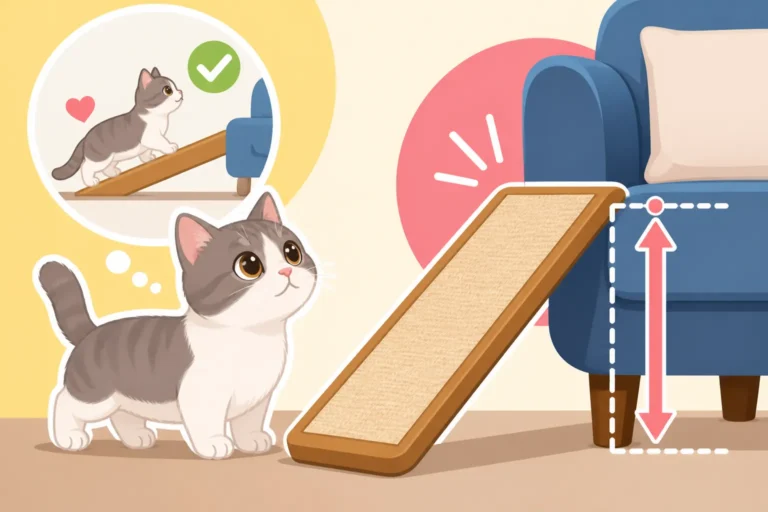
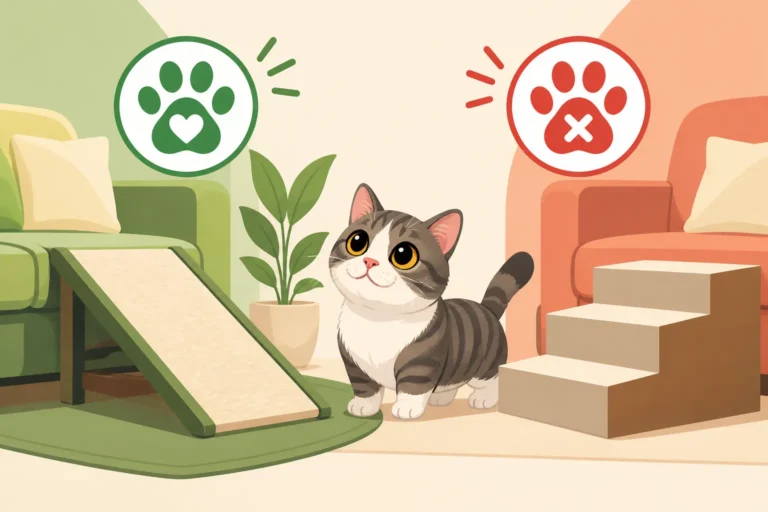
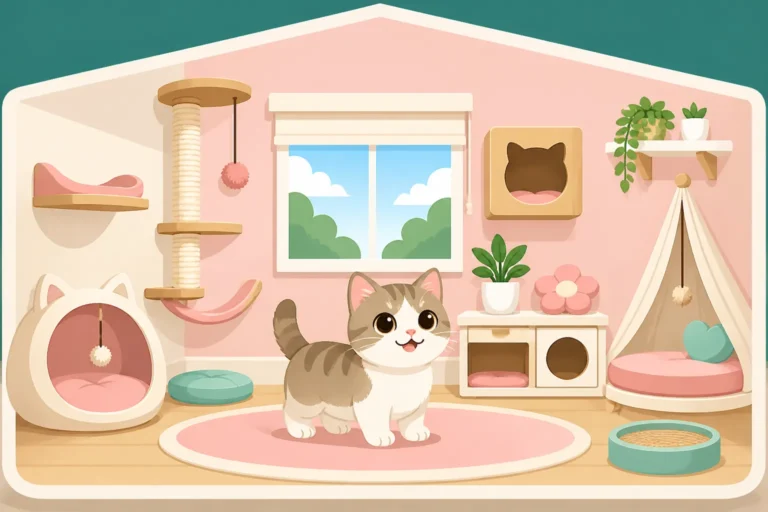
Beyond direct grooming, creating an environment that minimizes strain and supports your senior Munchkin's mobility will indirectly help their comfort and overall willingness to move and, perhaps, even attempt a bit of self-grooming. This means providing ramps or low steps to help them access their favorite perches, the sofa, or the bed, reducing the need for painful jumps. You can find ready-made ramps and pet stairs on Amazon or Chewy, or even craft some simple, gentle slopes yourself.
Consider soft, supportive bedding placed in easily accessible, low-level spots. For cats suffering from arthritis or joint pain, your vet might recommend specific joint supplements containing ingredients like glucosamine or chondroitin. Some cat foods are formulated to support joint health, and supplements are also readily available. Pain management medication, prescribed by your veterinarian, can also make a world of difference in their comfort levels, encouraging more movement and potentially a greater desire to groom. Crucially, maintaining an ideal weight is perhaps the most impactful step you can take; even a few ounces of excess weight can significantly burden a Munchkin's joints and spine. How to Keep an Old Munchkin Moving Safely and Which Joint Supplements Suit a Munchkin are key considerations here.
Veterinary Consultation and Care
If your senior Munchkin has suddenly stopped or significantly reduced their grooming, especially on their back, a visit to the veterinarian is always the first and most important step. This isn't just about a scruffy coat; it's a vital indicator that they might be experiencing pain, discomfort, or an underlying medical condition.
Your vet will conduct a thorough physical examination, paying close attention to their joints, spine, and mouth. They'll look for signs of arthritis, dental disease, or any tenderness along the back that could indicate lordosis or other spinal issues. Blood work is often recommended for senior cats to check for common age-related conditions such as kidney disease or hyperthyroidism, which can both cause lethargy and impact grooming. Which Blood Values Matter Most in a Munchkin will give your vet a clear picture of internal organ function. In some cases, X-rays might be necessary to assess the severity of arthritis or to get a clearer picture of the spine. While it might seem like an extra step, knowing Whether a Munchkin Needs X Rays as It Ages can provide crucial diagnostic information. Early diagnosis and appropriate management of any underlying health issues are key to improving your Munchkin's quality of life and, in turn, their comfort and desire for self-care.
When Your Old Munchkin Stops Grooming Its Back: Understanding the 'Why'
| Reason for Poor Grooming | Description | Owner Actions |
|---|---|---|
| Physical Limitations (Aging) | Reduced flexibility and reach due to general stiffness and short legs. | Establish regular manual grooming; provide ramps/steps. |
| Arthritis/Joint Pain | Pain in shoulders, elbows, hips makes twisting and bending difficult. | Vet visit for pain management; joint supplements; soft, accessible beds. |
| Spinal Problems (Lordosis) | Spinal curvature causes discomfort or physical barrier to reaching back. | Vet assessment for specific treatment; gentle handling; avoid stressful movements. |
| Overweight/Obesity | Excess fat physically blocks access to areas like the back and hindquarters. | Diet modification for weight loss; controlled portions; increased gentle play. |
| Dental Pain | Sore teeth or gums make licking and grooming painful. | Vet dental check-up and treatment (e.g., cleaning, extractions). |
| Lethargy/Cognitive Decline | General malaise from illness or mental confusion reduces grooming motivation. | Vet visit to diagnose underlying illness; mental enrichment at floor level. |
| Other Medical Conditions | Kidney disease, hyperthyroidism, etc., cause overall unwellness and weakness. | Comprehensive vet check-up, blood tests, and ongoing management of disease. |
When your beloved senior Munchkin starts neglecting its back, it's rarely about laziness. More often than not, it's their quiet way of communicating discomfort, pain, or an underlying health issue that needs your attention. Their unique physical structure means that even minor age-related changes can have a disproportionate impact on their ability to perform what should be a natural self-care ritual. By understanding these reasons and proactively providing the necessary assistance, environmental modifications, and veterinary care, you can ensure your short-legged companion remains as comfortable, clean, and happy as possible through their golden years. Your dedication to their well-being truly makes all the difference.
Disclaimer
This article is for general informational purposes only and does not constitute professional advice. Laws, prices and regulations vary by location and change over time. Consult a qualified professional for guidance on your specific situation.