How Much Weight a Munchkin Can Safely Carry
It's incredibly common for Munchkin cat owners to feel a bit lost when it comes to their cat's weight. Unlike long-legged cats, the unique body structure of a Munchkin means that carrying even a little bit of extra weight can have a disproportionately significant impact on their health and mobility. This guide is here to demystify what a "safe" weight really means for your short-legged companion, providing you with the knowledge to assess their condition accurately and practical steps to ensure they live a long, comfortable life.
Why Weight Management is Crucial for Your Munchkin's Health
When we talk about weight, especially with Munchkins, it's not just about aesthetics; it's profoundly about their fundamental well-being and ability to move comfortably through their world. Their distinctive short legs, a result of a genetic mutation known as pseudoachondroplasia, present unique challenges that make careful weight management an absolute necessity.
The Unique Challenges of a Munchkin's Anatomy
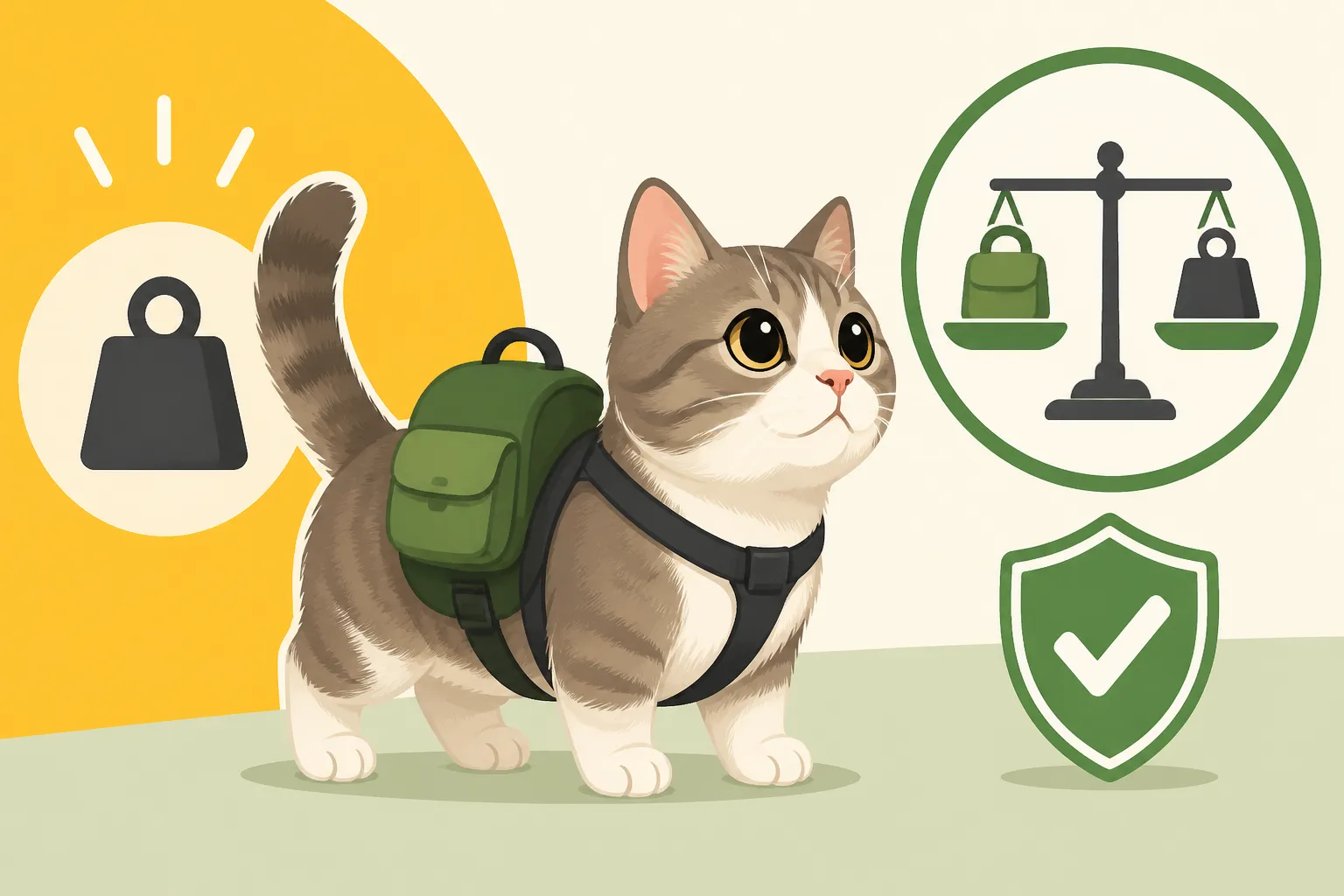
Imagine carrying a backpack that feels heavier than it looks, all while trying to navigate daily life on much shorter legs than everyone else. That's a bit like what extra weight does to a Munchkin. While their legs are short, their body and spine are typically of normal length, which means the spine still carries the same load as a conventional cat's. However, the short limbs, particularly the front ones, are subjected to increased stress and impact with every movement, jump, and landing.
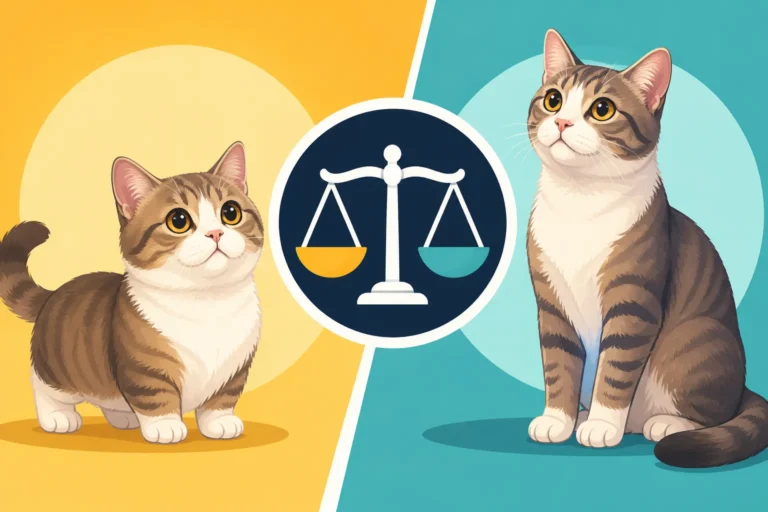
This genetic characteristic means that the weight is distributed differently, putting additional strain on their joints, ligaments, and especially their spine. It's a bit of a trade-off; their low center of gravity might make them surprisingly agile on flat surfaces, but it also means their limbs are constantly working harder against gravity. Understanding that Why a Munchkin's Spine Carries a Load a Normal Cat's Does Not is crucial for appreciating why maintaining a lean body is paramount for these adorable felines. Their short legs simply aren't designed to support excessive poundage, and any added bulk directly translates to more wear and tear on these vital structures.
Exacerbated Health Risks from Extra Pounds
The sad truth is that even a small amount of extra weight can dramatically amplify the risk of several serious health issues for your Munchkin. While many of these problems can affect any cat, their impact on a Munchkin is often more severe and debilitating due to their inherent anatomical differences.
Perhaps the most common and immediate concern is the increased risk of osteoarthritis. Because their joints are already under more strain from their short stature, additional weight accelerates the degeneration of cartilage, leading to painful inflammation and stiffness. You might notice your cat becoming less active, reluctant to jump even small heights, or having trouble getting comfortable. This stiffness can appear Whether a Munchkin Gets Arthritis Earlier than in other breeds, making early intervention critical.
Beyond joint pain, excess weight contributes to conditions like lordosis, a severe inward curvature of the spine, which can be exacerbated by the added burden on their vertebrae. Overweight Munchkins also face a higher risk of developing diabetes, heart disease, and liver problems, just like any other obese cat. Furthermore, their low-slung bodies mean that if they become overweight, their belly can literally drag on the floor, making it incredibly difficult for them to groom themselves, especially their hindquarters. This can lead to skin infections and uncomfortable matting. It quickly becomes clear Why Weight Is More Dangerous on a Munchkin compared to a normal-legged cat, and why preventative measures are so important.
Understanding Your Munchkin's Ideal Body Condition
When it comes to your Munchkin's weight, focusing solely on a number on a scale can be misleading. Cats, like people, come in different sizes and frames. What's truly important is their body condition, which provides a more holistic assessment of their health.
Beyond the Scale: The Body Condition Score
The best way to evaluate if your Munchkin is at a healthy weight is by using a Body Condition Score (BCS). This is a nine-point scale, commonly used by veterinarians, that assesses your cat's fat reserves and muscle mass. Instead of just looking, you'll need to use your hands to feel your cat's body.
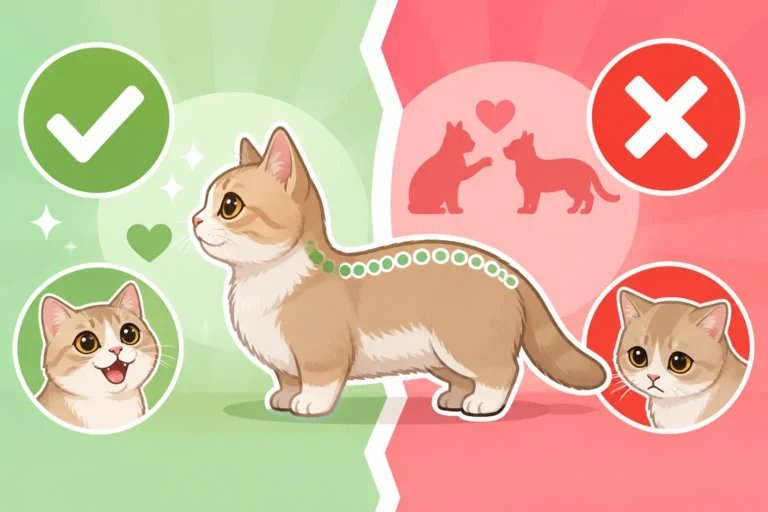
A Munchkin at an ideal body condition (usually a 4 or 5 on the BCS scale) will have ribs that are easily palpable under a thin layer of fat, but not visibly prominent. When you look down at them from above, you should see a discernible waist behind their ribs. From the side, they should have an abdominal tuck, meaning their belly slopes upwards behind their ribcage, not hangs down. It can be tricky because Why a Munchkin Looks Round Even When Lean, so getting hands-on is essential.
Feeling along their spine, you should be able to What a Lean Munchkin Should Feel Like Along the Spine —individual vertebrae should be palpable with minimal fat covering. If you can't easily feel their ribs or spine, or if their waist isn't apparent, it's a strong indicator that they're carrying too much weight. This tactile assessment is far more reliable than a number on the scale for these uniquely built cats. Your vet can show you How to Score a Munchkin's Body Condition properly during a check-up.
Here's a simplified guide to the Body Condition Score, tailored slightly for Munchkins:
| BCS Score | Description | Appearance / Feel |
|---|---|---|
| 1-3 (Underweight) | Ribs, spine, and pelvic bones are easily visible or palpable with no fat. Severe abdominal tuck. Minimal muscle mass. | May have a gaunt appearance, especially from above. Bones feel very sharp under the skin. |
| 4-5 (Ideal) | Ribs are easily palpable with a slight fat covering. Visible waist behind the ribs when viewed from above. Abdominal tuck evident from the side. | Body feels smooth but you can easily feel the bony structures underneath. Lively and agile. This is the goal for your Munchkin. |
| 6-7 (Overweight) | Ribs are difficult to feel due to moderate fat covering. Waist is poorly discernible or absent. Abdominal tuck minimal or absent; belly may appear rounded. | Body appears thicker, less defined. You have to press to feel the ribs. Movements might be slightly less fluid. This is a red flag for Munchkins. |
| 8-9 (Obese) | Ribs are very difficult to feel due to heavy fat covering. No waist or abdominal tuck; abdomen may sag or bulge. Heavy fat deposits over the lower back, face, and limbs. | Body appears distinctly round. Belly may be visibly sagging, and can Why a Munchkin's Belly Nearly Touches the Floor even without being extremely obese. Clearly sluggish movement and difficulty grooming. |
What a "Safe" Weight Range Looks Like
While the BCS is the gold standard, many owners still want a general weight range to aim for. Typically, an adult Munchkin cat will weigh between 6 to 9 pounds (approximately 2.7 to 4.1 kg). Male Munchkins tend to be a little heavier, often falling in the 7-9 pound range, while females are usually 6-8 pounds. For specific data on typical weights, you can explore resources like How Much an Adult Male Munchkin Weighs and How Much an Adult Female Munchkin Weighs.
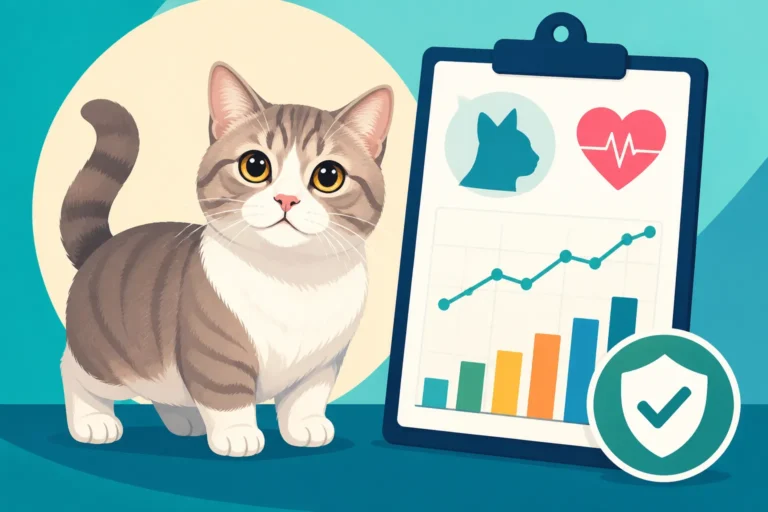
However, these are just averages. A larger-framed Munchkin might be perfectly healthy at 9.5 pounds, while a smaller-framed one could be overweight at 8 pounds. It truly depends on their individual bone structure and musculature. The key takeaway is to use these numbers as a very rough guideline, always prioritizing the visual and tactile assessment of their body condition. Regularly monitoring both their weight on a scale and their BCS allows you to catch any creeping weight gain before it becomes a significant health issue.
Practical Strategies for Healthy Weight Management
Keeping your Munchkin at a healthy weight requires a consistent, proactive approach that combines proper nutrition with appropriate physical activity. It’s about building a sustainable lifestyle for them, not just crash dieting.
Tailoring Nutrition for Your Short-Legged Friend
One of the biggest misconceptions about Munchkins is that they need less food because they're "smaller." While their overall activity level might be slightly different from a long-legged cat (they tend to be more floor-bound), their body mass is still substantial. However, their unique build means that How Many Calories a Munchkin Needs to Stay Off Its Joints can be a delicate balance. They often burn fewer calories from jumping and climbing than typical cats, so overfeeding is a common trap.
Portion control is absolutely critical. Free-feeding (leaving food out all day) is a recipe for weight gain in most cats, and especially in Munchkins. Instead, measure out their daily food allowance and divide it into two or three meals. High-quality wet food is generally recommended as it has a higher moisture content, which is beneficial for urinary health, and often fewer calories per serving than dry kibble. Look for foods with good quality protein sources, as this helps maintain lean muscle mass.
Consider consulting your vet about joint-supportive diets or supplements. Ingredients like glucosamine, chondroitin, and omega-3 fatty acids can be incredibly beneficial for supporting joint health, especially as your Munchkin ages. There are many excellent products available, and your vet can recommend Which Joint Supplements Suit a Munchkin best for your individual cat. Remember, every treat and extra bite counts, and Why Every Extra Pound Matters More on a Munchkin is a constant reminder that consistency is key.
Encouraging Safe and Engaging Activity
While Munchkins might not scale bookshelves with the same grace as a Maine Coon, they are typically playful and energetic on the ground. The goal is to encourage activity that doesn't put undue stress on their short limbs and spine.
Floor-level play is your best friend. Interactive wand toys, laser pointers (used responsibly to avoid frustration), and rolling balls are fantastic for engaging their hunting instincts. Look for toys that encourage them to chase, bat, and pounce without needing to jump high. You might also find they enjoy How Much Floor Level Play a Munchkin Needs. Puzzle feeders are another great way to combine mental stimulation with physical activity, making them "work" for their food, which helps burn calories.
Environmental enrichment is also vital. Ensure your home is adapted to their needs. Instead of letting them repeatedly attempt and fail to jump onto furniture, provide them with ramps or low steps. This allows them to access their favorite spots (like the sofa or your bed) safely and independently, encouraging movement rather than discouraging it due to inaccessible heights. While they are surprisingly capable jumpers for their size, it's wise to limit high jumps and especially hard landings, as these can put significant strain on their joints over time. You might want to consider Whether a Munchkin Should Be Discouraged From Jumping to protect their long-term joint health. Establishing safe routes for climbing and play will ultimately How to Keep an Old Munchkin Moving Safely, even when they're younger and full of energy.
Recognizing and Addressing Overweight Issues
Even with the best intentions, sometimes a Munchkin can start to gain weight. Recognizing the signs early and knowing when to seek professional help is critical to preventing long-term health complications.
Subtle Signs Your Munchkin Might Be Carrying Too Much
Because Munchkins sit so low to the ground, slight weight gain can sometimes be less obvious than in a taller cat. However, there are several subtle clues that can indicate your furry friend is becoming overweight. One of the most common physical signs is difficulty with self-grooming. Their short legs and more rounded belly can make it challenging to reach their hindquarters, leading to matted fur, especially around the tail base and rear legs. You might also notice their belly fur appearing dirtier or clumped, particularly after using the litter box.
Behaviorally, an overweight Munchkin might show a decreased willingness to play or move. They might spend more time resting, be slower to greet you, or show reluctance to engage in games they once loved. While Munchkins are known for their "prairie dog sit" (sitting upright on their hind legs to observe), an overweight cat might find this posture uncomfortable, or conversely, use it more frequently because it's easier than standing. Any changes in their usual activity levels, gait, or ability to comfortably reach their favorite spots should prompt concern. Observe if their breathing seems heavier or more labored, especially after a short burst of activity. These seemingly small changes are big indicators that your Munchkin's body is struggling.
Working With Your Vet to Create a Plan
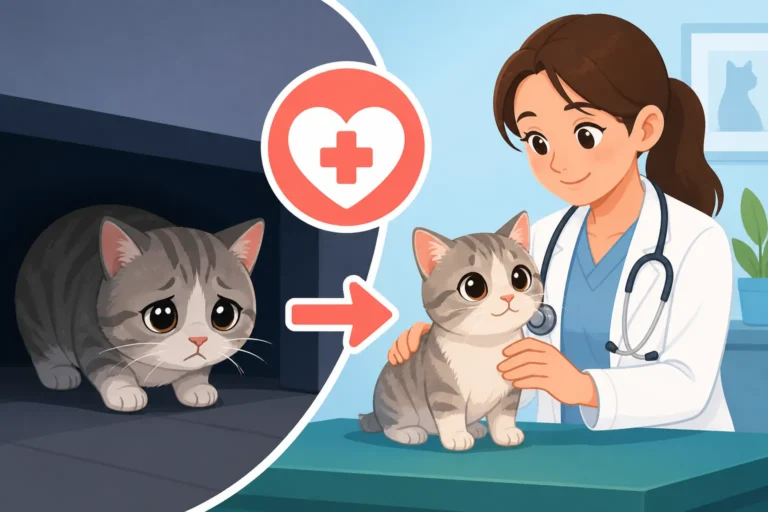
If you suspect your Munchkin is overweight, the very first step is to schedule a visit to your veterinarian. They can accurately assess your cat's Body Condition Score, discuss their current diet and activity level, and rule out any underlying medical conditions that might be contributing to weight gain. During this visit, your vet might recommend specific diagnostic tests, such as blood work, to check for conditions like diabetes or thyroid issues, which can impact weight.
Your vet is your best partner in developing a safe and effective weight loss plan tailored specifically for your Munchkin. This plan will likely involve a carefully calculated reduction in calories, a prescription weight-management diet, and a structured exercise regimen. It's crucial not to put your cat on a drastic diet without veterinary supervision, as rapid weight loss can lead to serious health problems like hepatic lipidosis (fatty liver disease) in felines.
Regular follow-up visits will be essential to monitor their progress, make any necessary adjustments to the plan, and ensure the weight loss is healthy and sustainable. Having pet insurance, like a plan from Healthy Paws, can provide immense peace of mind during these times, helping to cover the costs of vet visits, diagnostic tests, and any potential treatments for weight-related complications. It allows you to focus on your cat's health without added financial stress. Your vet will also be able to conduct a thorough examination of their spine and joints, just like in What a Munchkin Kitten's First Exam Should Cover, but tailored for an adult cat, ensuring there are no other contributing factors to their discomfort.
Disclaimer
The information provided in this article is for general informational purposes only and is not a substitute for professional veterinary advice. Always consult with a qualified veterinarian for any health concerns or before making any decisions related to your pet's health and treatment.