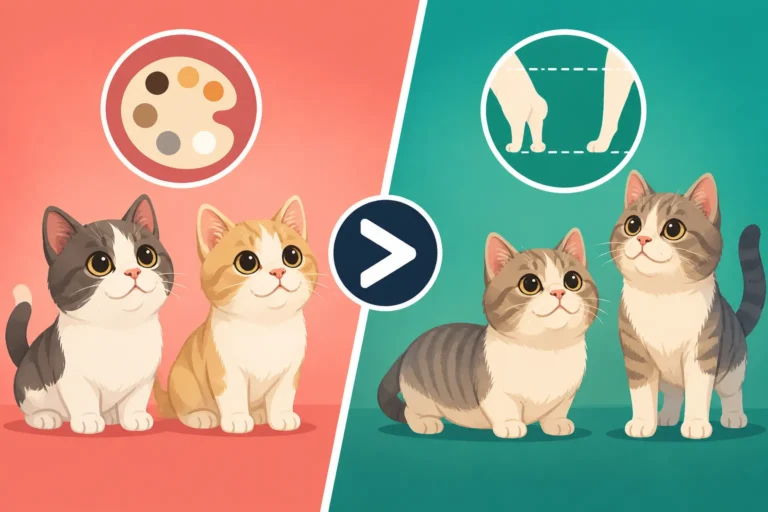
What You Are Buying When a Breed Is Not Recognized
It’s a truly exciting moment when you decide to welcome a new feline friend into your home, especially if you’re drawn to a particular breed for its unique charm and characteristics. But sometimes, when you fall for a breed like the Munchkin, you quickly discover that the path isn't always straightforward. The lack of universal recognition for a breed can throw up all sorts of questions and even anxieties, from understanding pedigree papers to securing pet insurance or finding a vet who truly understands their unique needs. This guide is here to walk you through exactly what it means to acquire a cat from a breed that isn’t universally recognized and how to navigate the ownership journey with confidence.
Understanding Breed Recognition and Its Significance
When we talk about a cat breed being "recognized," it's not just a fancy stamp of approval from an obscure committee. It carries significant weight within the cat fancy world and can have very real implications for breeders, owners, and even the cats themselves. Without widespread recognition, a breed often faces an uphill battle in establishing its legitimacy, its health standards, and its place in the broader pet community.
What Breed Registries Do
Think of breed registries as the gatekeepers and record-keepers of the cat world. Organizations like The International Cat Association (TICA) or the Cat Fanciers' Association (CFA) establish detailed breed standards, which are essentially blueprints describing the ideal physical traits, temperament, and health profile for each recognized breed. They maintain studbooks, record pedigrees, and organize cat shows where breeders can compete and showcase their animals. This system helps ensure that breeds are developed consistently and that breeders are working towards specific goals. Without a registry overseeing a breed, there's no central authority setting these standards or maintaining a verifiable history.
For a breeder, recognition means being able to register their cats, have their litters recognized, and participate in competitive events. For potential owners, these registries provide a layer of assurance. When you buy a cat with papers from a recognized registry, you're buying into a lineage that has been tracked, with specific characteristics expected to be reproduced. You're typically getting a kitten whose parents meet certain health and conformation criteria, giving you a better idea of what to expect in terms of appearance, temperament, and even potential health predispositions.
Why Recognition Varies Among Organizations
It might seem strange that one organization recognizes a breed while another staunchly refuses. This divergence usually stems from differing philosophies regarding breed development, health, and ethics. Some registries prioritize preserving existing breeds and are hesitant to recognize new ones, especially those developed from spontaneous mutations, or those that might raise welfare concerns due to extreme physical traits. Other registries are more open to new breeds, seeing it as fostering diversity and evolution within the cat world.
For instance, TICA has a reputation for being more progressive and open to new breeds, offering a pathway for emerging breeds to gain championship status, as they have done with the Munchkin. In contrast, organizations like the CFA and the Governing Council of the Cat Fancy (GCCF) in the UK have expressed strong reservations about breeds developed from dwarfism genes, citing potential welfare issues. This philosophical divide means that a breed can be a champion in one organization's shows but completely unacknowledged by another. This isn't just a matter of opinion; it directly affects the market, the public perception, and the breeding practices surrounding these cats.
The Munchkin's Unique Status: A Recognized But Debated Breed
The Munchkin cat holds a peculiar place in the feline world. While adored by many for its distinctive short legs and playful personality, it remains one of the most controversial breeds. This division isn't just within the cat fancy; it extends into the veterinary community and public opinion, creating a complex landscape for anyone considering bringing a Munchkin into their home.
TICA Judges the Munchkin and CFA Will Not Register It
The most significant aspect of the Munchkin's recognition status is that it is fully recognized and has championship status with The International Cat Association (TICA). This means that Munchkins can compete in TICA-sanctioned shows, earn titles, and have their pedigrees recorded within TICA's registry. For breeders, this provides a framework for selective breeding, adherence to a breed standard, and participation in the formal cat world. TICA's acceptance was a major step for the breed, giving it a legitimate platform to grow and gain popularity.
However, the Cat Fanciers' Association (CFA), one of the oldest and most prominent cat registries, has steadfastly refused to recognize the Munchkin. Their stance is rooted in concerns about the breed's health and welfare, specifically regarding the potential for spinal and joint issues associated with its defining short legs. This refusal from a major organization like the CFA is a powerful statement and continues to fuel the ethical debate surrounding the breed. Other global organizations, such as the Fédération Internationale Féline (FIFe) and the GCCF, also decline to recognize the Munchkin, often citing similar welfare concerns. The article, TICA Judges the Munchkin and CFA Will Not Register It, delves deeper into these specific recognition differences.
The Welfare Arguments Against the Munchkin
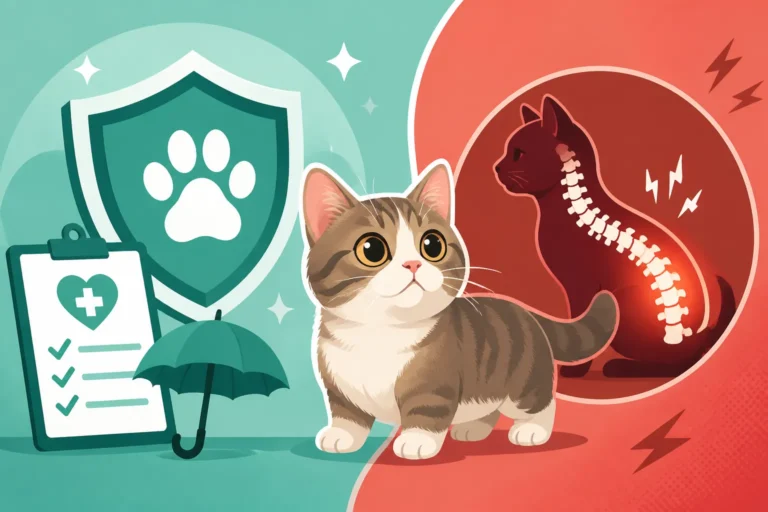
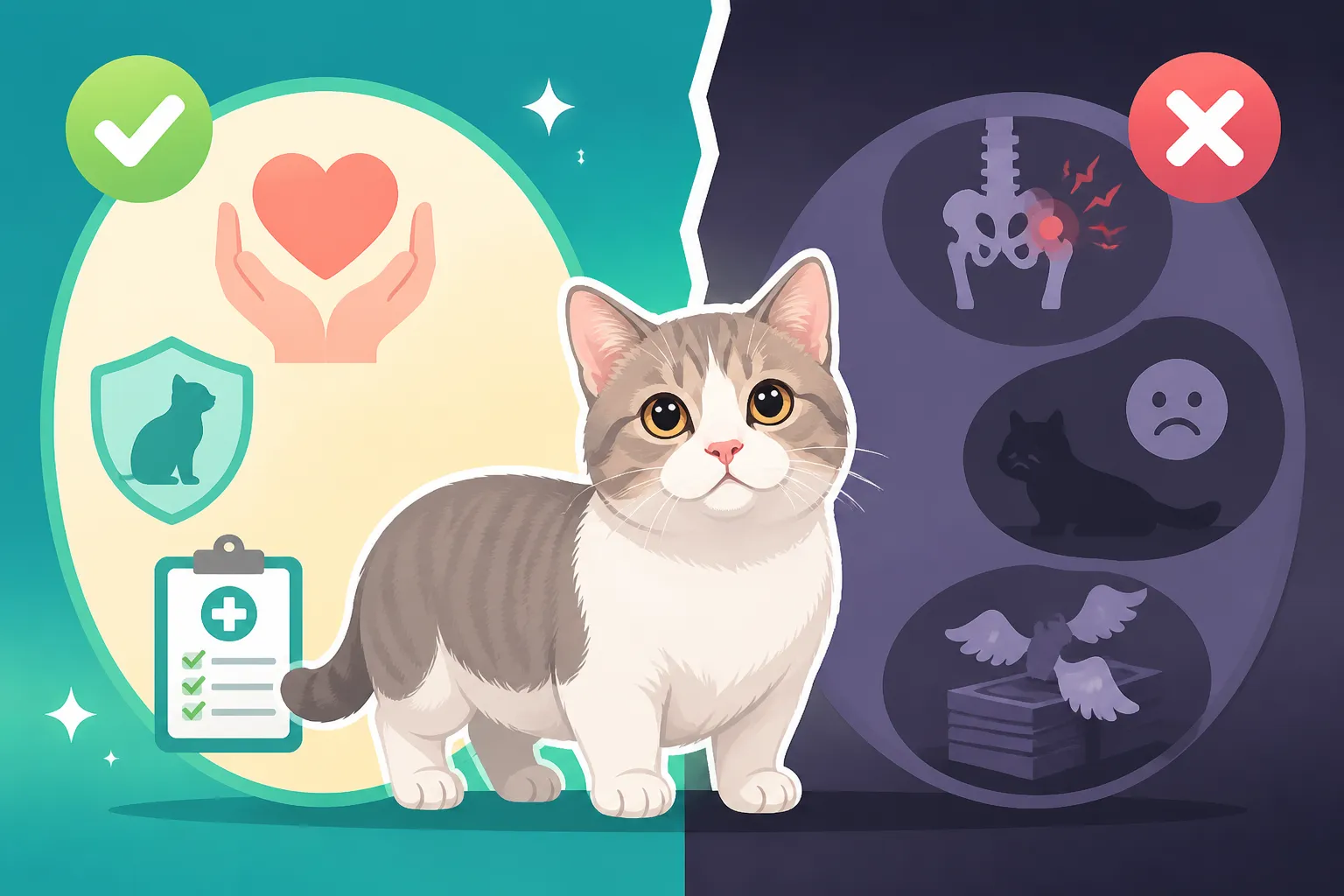
The primary reason for the controversy around the Munchkin centers on its defining characteristic: pseudoachondroplasia, the genetic mutation that causes its short legs. Critics argue that breeding for such a significant physical alteration, which can affect mobility and potentially lead to health complications, is unethical. Concerns often focus on the spine, as the Munchkin's body length is normal, but its legs are short, potentially causing the spine to carry a load a normal cat's does not. This is a point of contention among veterinarians and breed advocates.
Specific health concerns raised by opponents include conditions like lordosis, a severe inward curvature of the spine, and pectus excavatum, a sunken chest, though breeders argue these are not exclusively Munchkin issues and good breeding practices minimize their occurrence. The ethical argument also extends to the animal's quality of life. Can a cat with significantly shortened legs truly live a full, uninhibited life, or are they constantly battling physical limitations that could lead to pain or reduced activity? This debate makes it crucial for potential owners to thoroughly research and engage with breeders who are transparent about their health screening practices and who can demonstrate the health and vitality of their breeding lines. Understanding Why the Frequency of Munchkin Spinal Problems Is Disputed can shed more light on this complex topic.
Impact on Breeding Practices and Pedigree Verification
When a breed isn't universally recognized, it creates a unique set of challenges and responsibilities for breeders and prospective owners. Without a unified standard and oversight, the quality and integrity of breeding programs can vary wildly. This makes it absolutely critical for buyers to be incredibly diligent in their research and inquiries.
What TICA Papers Mean for a Munchkin
For a Munchkin, TICA papers are your primary source of verifiable information regarding its lineage. These papers confirm that your cat's parents, grandparents, and so on, were registered Munchkins or approved outcrosses within the TICA system. This is a vital step in ensuring you're getting a purebred Munchkin kitten from a line that adheres to the established breed standard. TICA's involvement also means that breeders are generally expected to follow certain ethical guidelines, including rules about breeding two short-legged Munchkins together, which is known to result in lethal genetic combinations for the homozygous embryos.
However, it's important to understand that TICA registration, while valuable, doesn't inherently guarantee a kitten's health or lack of genetic issues. It provides a framework for responsible breeding, but individual breeder practices still make a huge difference. A reputable TICA-registered breeder will go above and beyond, providing health screenings for their breeding cats, offering health guarantees, and being transparent about any health concerns in their lines. They will understand the implications of Munchkin Dwarfism Is Dominant and Lethal in Two Copies and breed accordingly.
The Absence of Other Major Registries
The fact that major registries like the CFA and GCCF do not recognize the Munchkin has several practical consequences. Primarily, it means that a Munchkin cannot be shown or registered with these organizations. If your dream is to compete at the highest levels of the traditional cat fancy, a Munchkin will not be eligible for those shows. This also impacts the breed's broader acceptance and perception. Without the endorsement of these prominent groups, the Munchkin can sometimes be seen as less legitimate or more controversial by those outside of TICA.
More critically, the lack of widespread recognition can make it harder for new owners to find information and support, especially from a diverse range of veterinary professionals who might not be familiar with the breed's specific considerations. It also means that there isn't a broad, consensus-driven effort to collect comprehensive health data across multiple registries, which could help settle some of the ongoing debates about the breed's health. For prospective owners, this places a greater burden on them to educate themselves and choose a breeder who is deeply committed to the health and welfare of their cats, actively working to dispel negative assumptions through responsible practices.
Veterinary Care and Pet Insurance Considerations
Bringing a Munchkin into your home means preparing for a lifetime of care, and it’s especially important to understand how their unique physical traits might influence veterinary visits and insurance coverage. The breed's distinct characteristics, while charming, can sometimes lead to questions from veterinary professionals who aren't familiar with Munchkins, and this can impact your peace of mind and your wallet.
Finding a Vet Familiar with Munchkins
One of the first hurdles you might encounter is finding a veterinarian who is truly knowledgeable about the Munchkin breed. Because the breed is not universally recognized and has been the subject of debate, some vets may have preconceived notions or limited experience with their specific needs. It's not uncommon to encounter vets who express concerns about the breed's conformation or who are unfamiliar with what constitutes a healthy Munchkin gait or spinal presentation.
When searching for a vet, don't be afraid to ask direct questions about their experience with short-legged breeds. A good veterinarian, even if they haven't treated many Munchkins, should be open to learning and willing to engage with information from reputable TICA breeders or breed clubs. They should be prepared to discuss potential issues like how Why a Munchkin's Spine Carries a Load a Normal Cat's Does Not impacts their movement or how to monitor for conditions like lordosis or pectus excavatum. Proactive communication and finding a vet who is empathetic and informed can make a world of difference in your Munchkin's long-term health and your own confidence as an owner. Regular check-ups are always important, and for a Munchkin, early detection of any potential issues is paramount.
Pet Insurance Coverage for the Munchkin
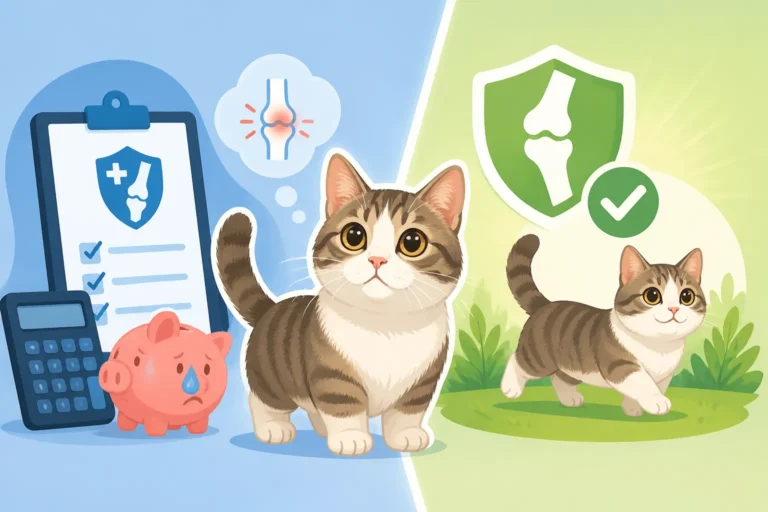
Pet insurance can be a lifesaver for unexpected veterinary costs, but when it comes to breeds with specific conformational traits like the Munchkin, it's crucial to understand your policy. Insurers vary widely in how they classify and cover different breeds. Some might view Munchkins as a "higher risk" breed due to the potential for genetic or skeletal issues, which could lead to higher premiums or specific exclusions. For example, some policies might have clauses related to pre-existing conditions or breed-specific ailments that could impact coverage for conditions sometimes associated with the Munchkin's unique structure.
It is absolutely essential to read the fine print of any pet insurance policy before committing. Companies like Healthy Paws are popular, but you'll need to confirm their specific terms regarding breeds like the Munchkin. Ask directly if conditions like lordosis, pectus excavatum, or early onset arthritis in the shoulders (due to the way Why a Munchkin's Elbows Take the Landing) are covered. Some insurers might require a waiting period or might not cover congenital conditions unless a specific rider is purchased. Getting insurance early in your Munchkin's life, before any potential issues arise, is generally the best strategy to ensure broader coverage. Understanding the potential long-term costs and ensuring you have a financial plan, whether through insurance or savings, is a key part of responsible Munchkin ownership.
The Ethical Debate and Public Perception
The discussion around Munchkin cats extends far beyond breed registries and veterinary clinics; it delves deep into ethical considerations and shapes public perception. For owners, this often means navigating conversations that can range from curious admiration to outright condemnation, requiring a blend of education, patience, and a strong understanding of their cat’s specific needs.
Navigating Criticism and Misconceptions
As a Munchkin owner, you might find yourself frequently explaining your cat’s unique appearance and addressing misconceptions. The most common criticism revolves around the ethics of breeding an animal with a genetic mutation that causes dwarfism, with opponents arguing it prioritizes aesthetics over welfare. You might hear comments implying that Munchkins are inherently "suffering" or that breeding them is cruel. These comments, while often coming from a place of concern (or sometimes, simply ignorance), can be frustrating.
It’s important to remember that many people are simply unaware of the nuances of the breed's health, or they may be reacting to sensationalized or misinformed articles. A well-bred Munchkin from a responsible breeder, with appropriate care and an adapted environment, can lead a full and happy life. Being prepared to gently educate others about your cat's health, mobility, and the care you provide can help dispel some of these myths. It helps to be armed with facts, such as how What a Munchkin Breeder Should Be Able to Show You to prove their commitment to health, and a clear understanding of your own cat's quality of life.
The Role of Social Media and Advocacy Groups
Social media has amplified both the popularity and the criticism of the Munchkin breed. On one hand, it allows owners to share adorable photos and videos of their playful Munchkins, showcasing their happy lives and unique behaviors, like the charming "prairie dog sit." This helps normalize the breed and educates a wider audience about their personalities and capabilities. Many Munchkin owners form supportive online communities where they share tips, advice, and celebrate their cats.
On the other hand, social media also provides a platform for animal welfare organizations and individual critics to vocalize their opposition, sometimes leading to heated debates. Advocacy groups often highlight the potential health issues and argue for bans on breeding dwarf cats, as explored in articles like What Welfare Bodies Say About the Munchkin. This duality means that the public perception of Munchkins is highly polarized. As an owner, participating in positive, educational discussions and demonstrating responsible ownership can be a powerful counter-narrative to some of the more extreme criticisms. It's about showing, not just telling, that your Munchkin is a cherished and well-cared-for member of your family.
Finding a Reputable Breeder for an Unrecognized Breed
When a breed doesn't have universal recognition, the responsibility of finding a truly ethical and reputable breeder falls even more heavily on the buyer. Without the widespread oversight of multiple major registries, discerning the good breeders from the less scrupulous ones becomes paramount. This requires thorough research, diligent questioning, and a commitment to understanding what makes a responsible breeding program for a Munchkin.
Questions to Ask a Munchkin Breeder
Choosing a Munchkin breeder is arguably the most critical step in ensuring you bring home a healthy, well-socialized kitten. Because of the breed's controversial status, a good breeder will be exceptionally transparent and dedicated to addressing all your concerns. Here’s a list of essential questions you should be asking:
- Health Testing and Guarantees: Beyond standard vet checks, what specific health screenings do they perform on their breeding cats for conditions relevant to Munchkins, such as evaluations for lordosis or pectus excavatum? Do they provide a written health guarantee?
- Registration and Pedigree: Are their breeding cats and litters registered with TICA? Can they provide the pedigree papers for the kitten’s parents? This ensures you are indeed buying a legitimate Munchkin.
- Breeding Practices: How do they ensure responsible breeding, especially concerning the genetics of short legs? They should confirm that they only breed short-legged Munchkins to normal-legged cats, understanding that breeding two short-legged cats together results in lethal embryos, as detailed in Why Two Short Legged Munchkins Are Never Bred Together.
- Environment and Socialization: Where are the kittens raised? Are they socialized in a home environment? A kitten that has been handled and exposed to various sights and sounds from an early age will be better adjusted.
- Parent Cat Health and Temperament: Can you meet the kitten’s parents, or at least see photos and videos of them? Observe their health, temperament, and how they move. A good breeder will be proud to show off their adult cats.
- References: Can the breeder provide references from previous kitten buyers or their veterinarian?
- Support After Purchase: What kind of support does the breeder offer once you take your kitten home? A reputable breeder will be a resource for the lifetime of your cat.
- Contract Details: What does the purchase contract cover? Are there clauses regarding spay/neuter requirements or what to do if you can no longer care for the cat?
A breeder who is defensive or unwilling to answer these questions fully should be a major red flag. They should also be asking you questions to ensure you can provide a suitable home, including questions about your living situation and whether your home is adapted for a Munchkin. The article, What a Munchkin Breeder Should Be Able to Show You, offers even more detailed advice on this front.
Red Flags to Watch Out For
Given the varying recognition of the Munchkin, certain red flags are even more pronounced. Being aware of these can save you from inadvertently supporting unethical breeding practices or ending up with a sick kitten.
- Lack of TICA Registration: If a breeder claims to sell purebred Munchkins but cannot provide TICA registration papers, proceed with extreme caution. This could indicate backyard breeding, misrepresentation, or a lack of commitment to breed standards.
- "Teacup" or "Dwarf" Claims: Be wary of breeders using terms like "teacup Munchkin" or "miniature dwarf cat" as marketing terms. These are not recognized categories within the breed standard and often point to irresponsible breeding practices aimed at creating extremely small cats, which can come with severe health consequences. The article Teacup and Dwarf Are Marketing Words, Not Munchkin Words explains why these terms are misleading.
- Breeding Two Short-Legged Munchkins: As mentioned, this is a dangerous practice. If a breeder admits to or implies they breed short-legged Munchkin to short-legged Munchkin, walk away immediately.
- Unrealistic Pricing or Guarantees: Be suspicious of prices that seem too good to be true, or breeders offering "guarantees" that sound too vague or overly optimistic without proper documentation. Likewise, avoid breeders who sell kittens too young (before 12 weeks of age), as this is crucial for their development and early vaccinations.
- No Home Visit or Video: If a breeder refuses a video call to see the kittens and their environment, or if you can't visit in person (if geographically feasible), this is a significant red flag. Photos can be deceptive; seeing the environment and how the kittens interact is invaluable. Companies like Chewy offer a wide range of products for all cat needs, but buying a pet is a much more personal interaction, requiring direct verification of breeding practices.
- No Contract or Vague Contract: A clear, detailed contract protects both the buyer and the breeder. If there's no contract, or it's full of loopholes, it’s a warning sign.
- Lack of Health Records: A breeder should provide documentation of the kitten's first vet check, vaccinations, deworming, and microchipping information.
By being vigilant and asking the right questions, you can increase your chances of finding a responsible breeder who prioritizes the health and well-being of their Munchkins, regardless of the breed's broader recognition status.
Long-Term Ownership: Adapting and Caring for Your Munchkin
Owning a Munchkin is a commitment to understanding and adapting to their unique physical attributes. It's not just about their adorable appearance; it’s about ensuring their environment, daily care, and activity levels are tailored to support their short legs and overall well-being. This ongoing commitment is what truly defines responsible Munchkin ownership.
Adapting Your Home for a Munchkin's Needs
A Munchkin's short legs mean that while they are incredibly agile and playful, they simply can't reach heights or navigate obstacles in the same way a long-legged cat can. Your home environment needs to reflect this. This means providing ramps or steps for access to favorite spots like sofas, beds, and windowsills. Don't assume they can manage a jump that looks small to you; repeated jumping down can put undue stress on their shoulders and spine. The article, Why a Munchkin's Shoulders Wear First, explains this impact in detail.
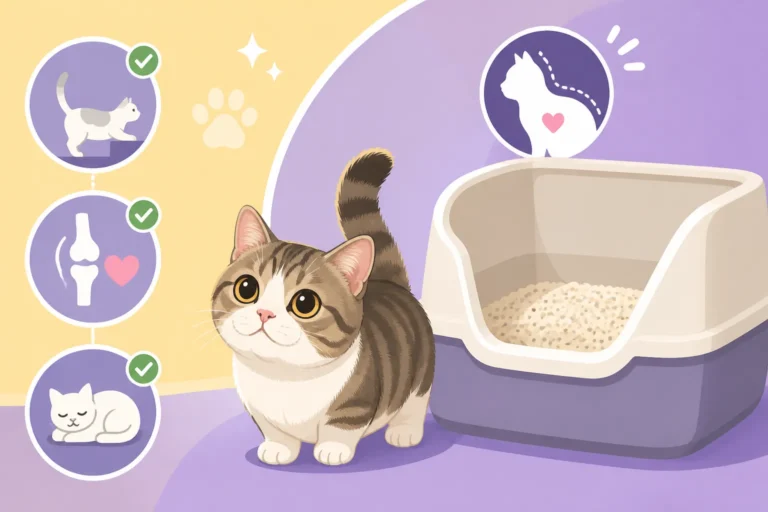
- Litter Boxes: Opt for low-entry litter boxes to ensure easy access. A high-sided box, while great for containing litter spray for normal cats, can be a struggle for a Munchkin to enter and exit comfortably. Consider senior cat litter boxes, which are designed with lower fronts.
- Feeding Stations: Raised food and water bowls can make a huge difference in preventing strain on their neck and shoulders while eating. They won't have to hunch over as much, making meal times more comfortable.
- Cat Trees and Scratching Posts: Traditional tall cat trees with widely spaced platforms are often inaccessible. Look for cat trees with closely spaced levels or modify existing ones with ramps. Horizontal scratching posts are also excellent, as they may not be able to stretch up a tall vertical post effectively.
- Furniture Modifications: Place sturdy pet steps or ramps next to any furniture you want your Munchkin to access. This protects their joints and spine from the impact of jumping.
- Floor Surfaces: While they can navigate well on most surfaces, carpeted areas or rugs can provide better traction than slick hardwood or tile, especially when they're running and turning corners, which they excel at due to their low center of gravity.
Making these adjustments from the start is part of Why a Munchkin's House Costs More Than the Cat initially, but it’s an investment in their long-term health and happiness.
Grooming and Weight Management
Munchkins, like all cats, need regular grooming, but their short stature can make certain areas difficult for them to reach. This means you, as the owner, will need to step in to help with areas they can't groom themselves, particularly their hindquarters and belly.
- Regular Brushing: Long-haired Munchkins, especially, will need daily brushing to prevent mats, particularly around their rear and underbelly, areas they struggle to reach. Even short-haired Munchkins benefit from regular brushing to remove loose fur.
- Sanitary Trims: Depending on your cat's coat length and habits, a periodic sanitary trim around the hindquarters can prevent fecal matter from clinging to their fur, which can lead to skin irritation and infections.
- Nail Trims: Regular nail trims are important for all cats, but for Munchkins, ensuring their paws are well-maintained contributes to their overall mobility and comfort.
Weight management is perhaps one of the most critical aspects of Munchkin care. Every extra pound places additional strain on their short legs and spine. An overweight Munchkin is at a significantly higher risk for joint issues and discomfort. It's not just about aesthetics; it's about physical health.
- Measured Meals: Don't free-feed your Munchkin. Measure their food portions precisely according to their age, activity level, and target weight, consulting with your vet.
- Monitor Weight: Weigh your Munchkin regularly at home and monitor their body condition. You should be able to feel their ribs easily without pressing hard, and they should have a discernible waistline.
- Active Play: Encourage daily interactive play sessions that keep them moving without excessive jumping. Wand toys that stay low to the ground are perfect for their hunting instincts.
Understanding Why Weight Is More Dangerous on a Munchkin is essential for proactive care. By proactively managing their weight and providing grooming assistance, you are directly contributing to their comfort and longevity.
The Future for the Munchkin Owner and Breeder
The journey with a Munchkin cat is a unique one, filled with joy, challenges, and ongoing learning. As the breed continues to evolve and gain more recognition (even if not universally), the landscape for owners and breeders will also shift. Being informed and adaptable remains key to being a responsible advocate for these special cats.
The Evolving Public Dialogue
The public dialogue surrounding the Munchkin cat is unlikely to disappear. As awareness grows and more people encounter these cats, conversations about ethical breeding, animal welfare, and responsible ownership will continue. For current and prospective Munchkin owners, this means being prepared to engage in these discussions, armed with accurate information and a commitment to demonstrating the health and happiness of their pets. It's about showcasing that a Munchkin, when responsibly bred and cared for in an adapted environment, can thrive.
This evolving dialogue might also influence future regulations or guidelines for breeding. While some countries already have outright bans on breeding dwarf cats, the discussion in places where they are permitted continues. Your role as an owner can contribute to a balanced understanding of the breed, helping to move past broad generalizations towards a focus on individual animal welfare and the practices of responsible breeders. Understanding the history of the breed's acceptance, like How the Munchkin Reached Madison Square Garden, can provide valuable context for these ongoing conversations.
Supporting Responsible Breeding and Ownership
Ultimately, the best way to ensure a positive future for the Munchkin breed lies in supporting and practicing responsible breeding and ownership. This means:
- Choosing Ethical Breeders: Prioritize breeders who are TICA-registered, conduct thorough health screenings, provide transparent information, and adhere to strict ethical guidelines, particularly regarding outcrossing and avoiding lethal gene combinations.
- Advocating for Health and Welfare: Be an advocate for your own Munchkin's health. Work closely with veterinarians who understand the breed, invest in appropriate care, and adapt your home to meet their needs. This includes proactively managing their weight, providing joint support as they age, and assisting with grooming for areas they cannot reach.
- Education and Engagement: Share your positive experiences and knowledge about Munchkins. Educate others about the realities of owning a short-legged cat, dispelling myths and promoting accurate information.
- Long-Term Commitment: Understand that owning a Munchkin is a long-term commitment that may involve special considerations, particularly as they age. Just like with humans, senior cats, including Munchkins, will require increasing support and specialized care. The article Caring for a Munchkin Past Ten offers valuable insights into the later years.
By being a conscientious owner, you not only provide a wonderful life for your own Munchkin but also contribute positively to the perception and future of the breed. It’s about more than just owning a unique cat; it’s about being part of a community dedicated to their well-being.
Disclaimer
This article is for general informational purposes only and does not constitute professional advice. Laws, prices and regulations vary by location and change over time. Consult a qualified professional for guidance on your specific situation.