Teacup and Dwarf Are Marketing Words, Not Munchkin Words
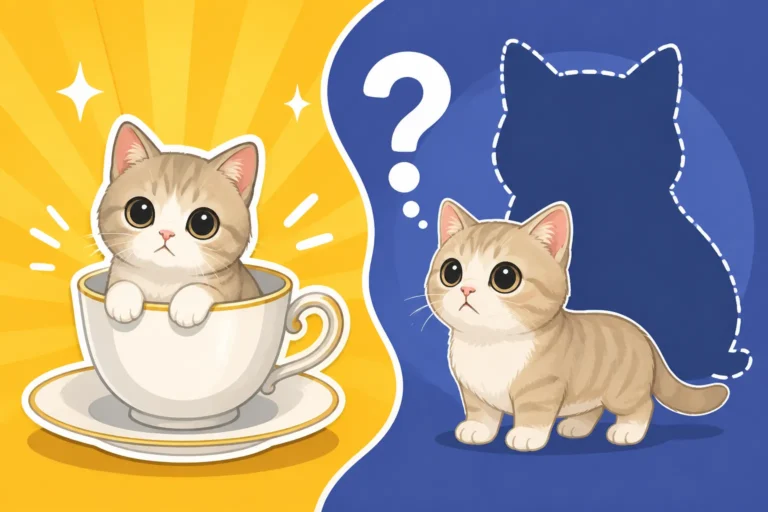
It's easy to get swept up in the adorable imagery of tiny, perpetually kitten-sized cats, especially when terms like "Teacup Munchkin" or "Dwarf Munchkin" start popping up in online listings. Many prospective cat parents are drawn to these descriptions, imagining a unique companion that will fit perfectly into their lives. However, these appealing labels are almost always pure marketing fluff, not legitimate breed descriptors, and understanding why is crucial for the health and happiness of any potential feline family member. This guide will help you decipher these misleading terms, understand what a true Munchkin cat actually is, and empower you to make an informed, ethical choice when adding a new cat to your home.
The Allure and Deception of "Teacup" and "Dwarf" Marketing
The internet is awash with images of impossibly small, doll-like cats, often accompanied by catchy, diminutive names like "Teacup" or "Dwarf." These terms are designed to evoke a sense of specialness and rarity, drawing in buyers who are captivated by the idea of an exceptionally tiny pet. It's a powerful marketing strategy, playing directly into our natural affection for small, cute animals.
Why These Terms Capture Our Imagination
We all love things that are miniature. From tiny furniture to tiny pets, there's an undeniable charm in something that defies its typical size expectations. The idea of a cat that stays perpetually kitten-sized is incredibly appealing, especially for those living in smaller spaces or who simply adore the eternal youthfulness of a baby animal. These "teacup" or "dwarf" labels promise exactly that—a cat that remains small, delicate, and forever adorable. It’s an easy dream to fall for, fostering a belief that you’re acquiring something extraordinarily unique.
Furthermore, these words often create a false sense of exclusivity and rarity. Breeders or sellers using such terms might imply that their "Teacup Munchkin" is a special, harder-to-find variant, justifying a higher price tag. They play on the desire to own something that few others have, tapping into a market for "designer" pets. It taps into the emotional side of pet ownership, overshadowing the practical and ethical considerations that should always come first.
The marketing also often glosses over the genetic realities, suggesting that these cats are simply a smaller, healthier version of a standard breed. It validates the buyer's initial attraction, acknowledging that it's natural to be drawn to these descriptions before knowing the underlying facts. After all, who wouldn't want a tiny, healthy companion? The problem arises when these terms mask underlying health issues or deceptive breeding practices.
The Lack of Official Recognition for "Teacup" and "Dwarf" Cats
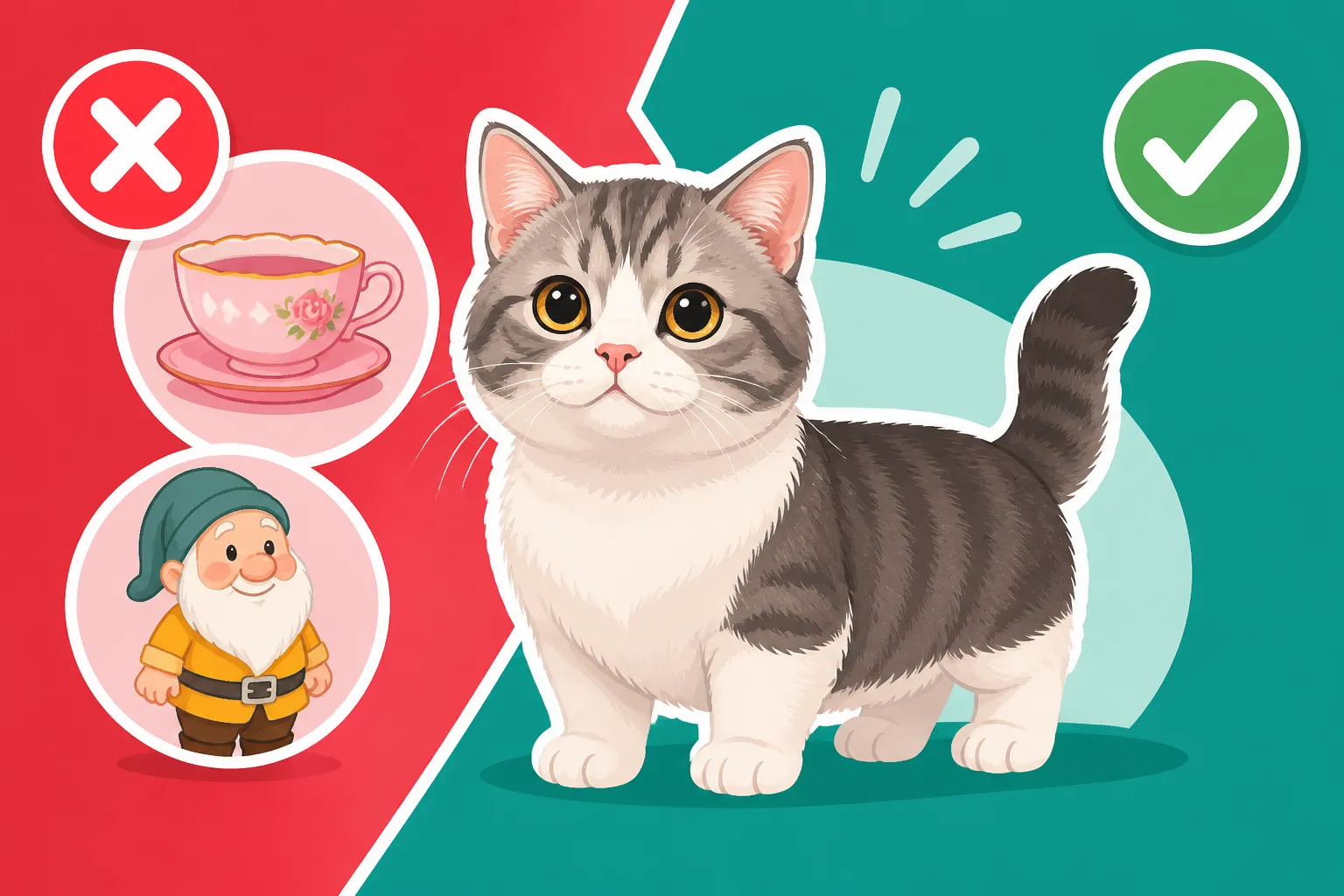
Here's the stark truth: no major cat registry in the world recognizes "Teacup" or "Dwarf" as actual breeds or official size classifications for cats. This isn't just a minor technicality; it's a fundamental issue that highlights the illegitimate nature of these terms. When you see a cat advertised with these labels, you are looking at marketing jargon, not a recognized breed trait.
Legitimate cat breeds, like the Persian, Siamese, or even the Munchkin itself, have established breed standards set by organizations such as The International Cat Association (TICA) or the Cat Fanciers' Association (CFA). These standards meticulously define physical characteristics, temperament, and health expectations for the breed. There are no such standards for "teacup" or "dwarf" cats because they don't exist as defined breeds or sizes. This means there's no official guidance on their supposed size, health, or genetic consistency.
Reputable breeders dedicate themselves to upholding these official breed standards, prioritizing the health, genetic diversity, and well-being of their lines. They perform health screenings, track pedigrees, and often compete in shows to validate their breeding efforts. In stark contrast, individuals using "teacup" or "dwarf" labels often operate outside of these ethical frameworks, prioritizing the creation of a "novelty" item for profit over the long-term health and stability of the animals. This lack of recognition should be your loudest warning sign, indicating an absence of accountability and oversight that leaves potential buyers incredibly vulnerable to misrepresentation and heartbreak.
What a Munchkin Actually Is: Beyond the Buzzwords
Let's strip away the cutesy marketing and talk about what a Munchkin cat truly is. The breed is distinctive, yes, but its unique characteristic is clearly defined and understood by reputable breeders and registries. It's about short legs, not an overall shrunken size.
The Defining Trait: Pseudoachondroplasia
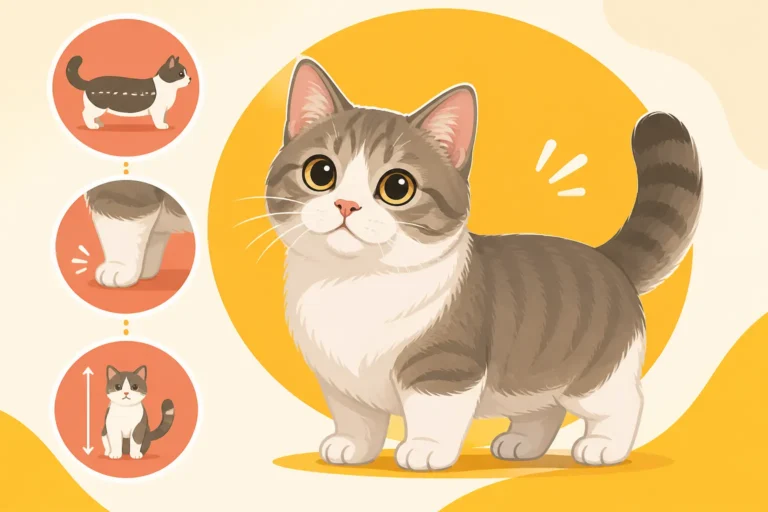
At its core, a Munchkin cat is defined by a specific form of dwarfism known as pseudoachondroplasia. This isn't a generalized dwarfism that makes the entire cat proportionally smaller; instead, it specifically affects the growth of the long bones in their legs. The result is a cat with significantly shorter legs compared to a typical feline, while their body, head, and tail maintain otherwise normal proportions. This is a critical distinction, as it means their internal organs, spine, and overall body structure are generally the same size as a regular domestic cat. To dive deeper into this, you might explore What Pseudoachondroplasia Does to a Munchkin's Legs.
Because the dwarfism is localized to the legs, a Munchkin's body length and size are otherwise normal. This is crucial for understanding the breed's health and care needs: they are not miniature cats in every aspect. Their torso and head are typical cat size, and they carry themselves with a surprising degree of athleticism despite their short stature. For more on this, consider Why a Munchkin's Body Must Be Normal Length.
There's a range of leg lengths within the Munchkin breed, from what's considered "standard" to the much shorter "rug hugger" variety. These are all recognized variations within the breed's legitimate parameters, reflecting the expression of the single dwarfism gene. You can learn more about these variations in What a Standard Munchkin Leg Length Is and What a Rug Hugger Munchkin Is. However, even the shortest legitimate Munchkin is still a cat of normal body weight and health, not a "teacup" cat bred to be unnaturally small.
This specific genetic mutation, while causing short legs, doesn't inherently make them "teacup" or universally "dwarf" in the way those marketing terms are commonly understood. A true Munchkin is a robust, healthy cat whose only major physical difference is the length of its limbs. It's a fascinating genetic trait, but it doesn't equate to overall miniaturization.
Normal Body, Normal Weight, Normal Cat Personality
Despite their short legs, an adult Munchkin should possess the body weight and size of a typical domestic cat. A healthy male Munchkin might weigh anywhere from 6 to 9 pounds, and a female usually falls into the 5 to 8-pound range. They have normal musculature and bone density throughout their torso and head. This is why when you feel a healthy Munchkin, it feels substantial, not delicate or fragile. Their compact form can sometimes make them appear heavier than they are, but a quick check of their body condition will reveal a lean, healthy animal.
In terms of personality, Munchkins are renowned for being active, playful, and incredibly affectionate. They are not delicate, fragile creatures; they are robust and enjoy typical cat activities within their physical limitations. Their unique gait, often described as a ferret-like dart, is part of their charm. They love to play, explore, and interact with their families, often surprising new owners with their agility. You might find it interesting to learn more about their capabilities in A Munchkin Is a Normal Cat That Cannot Reach.
If you encounter a cat marketed as a "teacup Munchkin" that appears unusually small, frail, or seems to have disproportionate features (like an overly large head for its body, bulging eyes, or a very short jaw), these are serious red flags. Such characteristics often indicate a more severe form of dwarfism, malnutrition, or other underlying health issues that are far more serious than the Munchkin's pseudoachondroplasia. These are not healthy variations but rather signs of potential suffering.
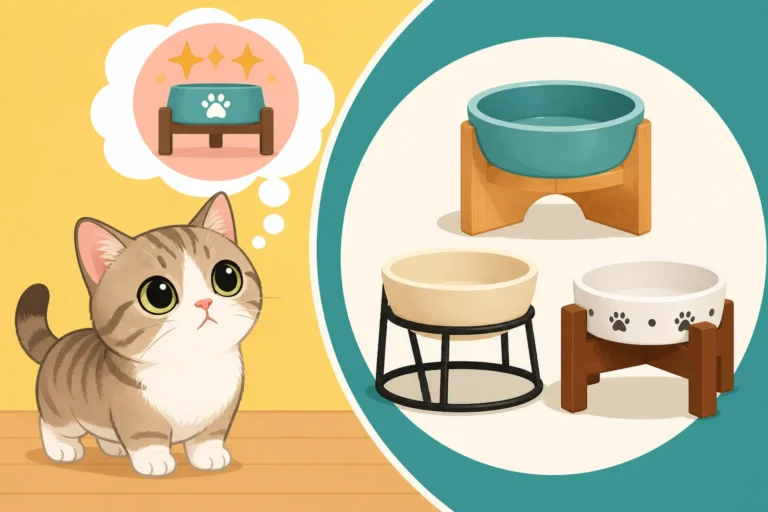
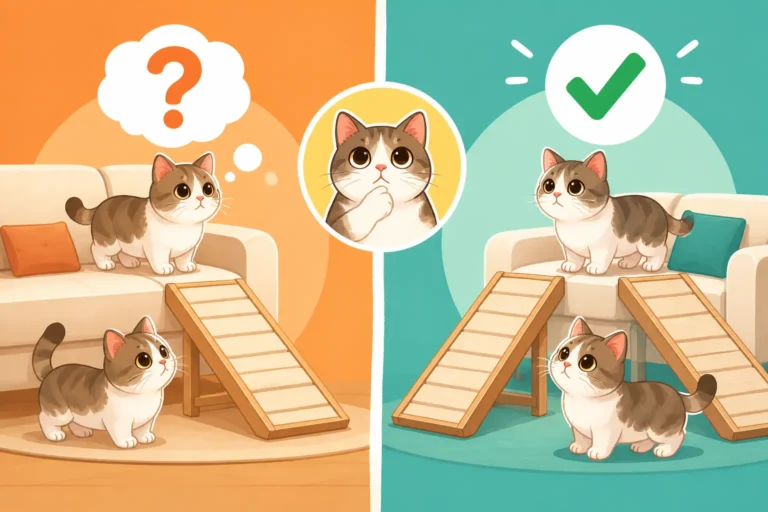
Ultimately, a healthy Munchkin is simply a cat with short legs, not a shrunken version of a regular cat. Their care needs reflect that of a standard cat, with necessary adaptations for their height, such as low-entry litter boxes and ramps to furniture. They're full of life and love, and any description suggesting extreme tininess is usually a disservice to the breed and potentially a danger to the animal itself.
The Genetics Behind True Munchkin Dwarfism (and What It Isn't)
Understanding the specific genetics of the Munchkin breed is absolutely key to dismantling the "teacup" and "dwarf" myths. It's not about arbitrary size selection; it's about a very precise, and sometimes perilous, genetic inheritance.
Autosomal Dominant, But Not a Recipe for "Teacup"
The Munchkin's characteristic short legs are the result of an autosomal dominant gene mutation. This means that a cat only needs to inherit one copy of this gene from either parent to display the short-legged trait. If a cat inherits even one copy, it will be a Munchkin. For those interested in the specifics, the inheritance pattern is further detailed in Why Munchkin Dwarfism Is Called Autosomal Dominant.
However, here's the crucial and ethical distinction: if a kitten inherits two copies of the Munchkin gene (one from each parent), the condition is considered lethal. Such embryos fail to develop in utero and are reabsorbed, meaning they are never born. This genetic reality serves as a natural, albeit tragic, safeguard against the creation of extremely dwarfed or unhealthy individuals in ethical breeding programs. You can read more about this in Munchkin Dwarfism Is Dominant and Lethal in Two Copies.
This genetic fact directly contradicts the notion of breeding for an even smaller, "teacup" size. Attempting to select for more extreme shortness or miniaturization by breeding two short-legged Munchkins together would inevitably lead to a higher percentage of embryonic deaths. This is why ethical Munchkin breeders always breed a short-legged Munchkin to a long-legged domestic cat (known as a Munchkin carrier or an outcross). This ensures that only one copy of the gene can be passed on, producing a litter that is typically half short-legged and half long-legged, avoiding the lethal homozygous condition. More on this practice can be found in Why Every Munchkin Litter Is a Carrier Cross.
Therefore, the genetics of the Munchkin breed are a finely balanced equation. Every short-legged Munchkin cat carries one copy of the gene, and responsible breeding practices are designed to work with this genetic reality, not against it, ensuring the health and viability of the offspring within defined, non-extreme parameters. The "teacup" concept is an attempt to override this natural genetic boundary, often with devastating consequences.
Differentiating True Munchkin Dwarfism from Other Conditions
It’s important to recognize that the term "dwarf" can be a very broad descriptor for a range of genetic or developmental conditions that result in smaller-than-average size. However, the dwarfism seen in Munchkin cats is highly specific: it is limb-specific pseudoachondroplasia, meaning it primarily affects the growth of the long bones in the legs. The rest of the cat's skeletal structure and internal organs are typically of normal size and development.
This contrasts sharply with other forms of dwarfism, such as pituitary dwarfism or proportionate dwarfism, which affect overall growth and can lead to a host of severe and debilitating health problems. Cats with these more generalized forms of dwarfism might exhibit a disproportionately large head, bulging eyes, a short or malformed jaw, underdeveloped organs, hormonal imbalances, and a weakened immune system. These conditions often result in a significantly shortened lifespan and a lifetime of chronic health issues.
If a "teacup" or "dwarf" cat displays characteristics beyond just short legs—like an unusually small head for its body, obvious developmental delays, difficulty breathing, or an overall frail and sickly appearance—it's highly probable that you're looking at a cat suffering from a more severe, systemic form of dwarfism or other serious genetic defects. These are not simply "cuter" versions of a Munchkin but rather animals that are likely to experience considerable suffering and require extensive veterinary care.
Understanding this distinction is absolutely vital for any prospective cat owner. A Munchkin's specific form of dwarfism is well-understood and, when bred ethically, does not typically lead to a compromised quality of life beyond the mobility adaptations its short legs require. In contrast, the nebulous claims of "teacup" or "dwarf" often point to a complete disregard for genetic health, leading to animals burdened with painful and expensive conditions.
Why "Teacup" and "Dwarf" Signal Trouble: Health and Ethics
When you encounter the terms "teacup" or "dwarf" in relation to Munchkins, it should immediately trigger a warning bell. These aren't just cute nicknames; they often point to a breeding philosophy that prioritizes novelty over welfare, leading to significant health problems and ethical concerns.
The Hidden Health Consequences of Undersizing
The desire to produce cats even smaller than a typical Munchkin's healthy size often drives breeders to unethical practices. This might involve breeding the smallest individuals in a litter (often referred to as "runts"), who may already have underlying health issues, or actively trying to introduce other forms of dwarfism into the line. The consequences for these cats can be severe and far-reaching, extending far beyond the short legs that define a Munchkin.
Such extreme undersizing can lead to a multitude of health problems. Cats marketed as "teacup" may suffer from fragile bones that are prone to breaks, severe organ problems due to compression within an unnaturally small body cavity, or compromised immune systems that make them susceptible to chronic infections. Digestive issues, neurological problems, and respiratory difficulties are also not uncommon. These are not typical health considerations for a well-bred Munchkin, but rather the tragic outcomes of irresponsible breeding practices.
These serious health issues translate directly into substantial veterinary bills throughout the cat's life. Owners often find themselves facing a lifetime of complex medical needs, including frequent vet visits, specialized diagnostics, ongoing medications, and potentially costly surgeries—all for conditions that were a direct result of being bred for extreme size. It's a stark reminder that the initial "bargain" price of an unethically bred cat quickly disappears under the weight of medical expenses. Reputable pet insurance providers like Healthy Paws, while invaluable for general pet care, might struggle to cover pre-existing conditions that arise from documented irresponsible breeding practices, leaving the financial burden squarely on the unsuspecting owner.
The Ethical Concerns of Irresponsible Breeding
The use of "teacup" or "dwarf" marketing terms is, almost without exception, a hallmark of irresponsible and unethical breeding. These breeders are driven by profit and the appeal of novelty, often with little regard for the welfare, genetic health, or long-term well-being of the animals they produce. This approach stands in stark contrast to the meticulous and responsible practices of ethical breeders.
Breeders who push these extreme size claims rarely perform the necessary health screenings or genetic testing that are standard practice for reputable catteries. This means they are more likely to inadvertently pass on a host of hereditary diseases, on top of any issues arising from extreme miniaturization. You might encounter situations where the parents are bred too frequently, or the kittens are not properly socialized or weaned, setting them up for behavioral as well as physical problems.
Furthermore, these terms are frequently employed by backyard breeders, puppy mills (or in this case, "kitten mills"), or high-volume commercial operations that prioritize quantity over quality. Conditions in such environments are often subpar, with animals housed in unsanitary conditions, receiving inadequate nutrition, and lacking proper veterinary care or socialization. Buying from such a source inadvertently supports these cruel and unethical practices, perpetuating a cycle of animal suffering and misleading consumers. As a general rule, if the price seems too good to be true for a "rare" cat, or the breeder avoids discussing health, it should serve as a major warning sign, as detailed in Why a Cheap Munchkin Is a Warning. Your choice of breeder is a direct vote for the kind of breeding practices you want to support.
Navigating the Market: Spotting Reputable Munchkin Breeders
Finding a healthy, well-socialized Munchkin means navigating a landscape fraught with misleading advertising and unethical practices. It's vital to be equipped with the knowledge to discern a responsible breeder from someone just looking to make a quick buck off buzzwords.
Red Flags and Warning Signs in Listings
The moment you see an advertisement using terms like "teacup Munchkin," "miniature Munchkin," "dwarf Munchkin," or any similar diminutive descriptors, consider it a flashing red light. These are not legitimate breed categories, and their use immediately signals that the seller is either misinformed or intentionally deceptive. You can find more detail on such scams in Why a Teacup Munchkin Listing Is a Scam and Why a Munchkin Advertised as Dwarf Is a Warning. Responsible breeders of Munchkins will simply advertise them as Munchkins, specifying perhaps their leg length classification (standard, super short, rug hugger) if they adhere to TICA's categories.
Beyond the terminology, look for other red flags. A breeder who is unwilling to provide extensive health guarantees, refuses to offer vet references (or even the name of their vet), or is hesitant to allow you to meet the kitten's parents in person should be avoided. Be cautious of sellers who are pushy about immediate payment, offer to ship kittens without any prior communication or vetting process, or seem more interested in your money than in the home environment you can provide.
Be especially wary of kittens offered at unusually low prices for "rare" qualities, or conversely, exceptionally high prices solely based on these marketing terms without legitimate breed standards. Ethical breeding is an investment, and while cost is a factor, it should align with transparent practices and verifiable health. A truly "rare" animal that comes with a made-up label is usually an indication of a scam or a poorly bred animal.
What a Reputable Breeder Offers and Discusses
A reputable Munchkin breeder operates with transparency, integrity, and a genuine commitment to the health and welfare of their cats. They will readily discuss the Munchkin's actual characteristics, including its genetic inheritance of pseudoachondroplasia, and any potential health considerations such as a predisposition to lordosis or pectus excavatum. They understand and explain the breed's limitations and specific care requirements, rather than glossing over them. An ethical breeder will be able to show you much more than just a cute kitten picture; they'll provide context and insight, as explored in What a Munchkin Breeder Should Be Able to Show You.
These breeders will provide comprehensive health records for their kittens, including proof of vaccinations, deworming, and a recent vet check-up. They should also offer information about the kitten's parents, including their health history and any genetic testing performed to rule out common hereditary diseases. They will gladly give you the contact information for their veterinarian, and encourage you to call for a reference.
Furthermore, a responsible breeder will often ask you a series of questions. They want to ensure their kittens are going to suitable, loving homes where their specific needs will be met. They'll inquire about your living situation (e.g., stairs, other pets, children), your experience with cats, and your understanding of the Munchkin breed's requirements, such as the need for adapted furniture and safe play spaces. Their focus is on placement, not just sales.
Finally, they will be upfront and clear about the price, which reflects the significant investment in ethical breeding practices, health testing, high-quality nutrition, and proper care and socialization of their cats. This is a far cry from the inflated, arbitrary costs demanded for a mythical "teacup" size. Understanding What Short Legs Cost on a Munchkin Kitten in 2026 will give you a realistic expectation of the financial commitment involved with a properly bred Munchkin.
Official Recognition and the True Munchkin Standard
The world of cat breeds is governed by official registries, and their recognition, or lack thereof, of a particular breed or trait is paramount. For the Munchkin, The International Cat Association (TICA) is the key authority, and its standards are what ethical breeders follow.
TICA's Acceptance and the Defined Standard
The International Cat Association (TICA) is the primary and most significant cat registry that recognizes the Munchkin breed for championship status. This means that TICA has established a detailed breed standard that outlines precisely what a Munchkin is in terms of appearance, temperament, and genetic characteristics. This standard acts as a blueprint for ethical breeders and a benchmark for show judges. When you are looking for a legitimate Munchkin, TICA papers are what you need to see. You can delve into the specifics of why TICA has recognized the breed, while other organizations have not, by reading TICA Judges the Munchkin and CFA Will Not Register It.
Crucially, the TICA breed standard for the Munchkin focuses on the overall health, active temperament, and the unique short-legged appearance. It describes their body as medium-sized, with moderate boning and well-developed musculature, emphasizing that the body itself should be proportioned normally. There is absolutely no mention of "teacup" or "miniature" size categories within this official standard. The standard allows for different leg lengths—standard, super short, and rug hugger—but these are variations within a healthy, normal-sized cat body, not a push for unnaturally small overall size.
A cat that legitimately meets the TICA standard for a Munchkin will have short legs, but its overall size and weight should be consistent with a healthy, well-developed domestic cat of its sex and age. The breed standard dictates healthy proportions, not extreme ones. This adherence to a clear, health-focused standard is what differentiates a responsible breeder from a speculative seller.
Reputable breeders will be able to provide TICA registration papers for their cats, demonstrate how their breeding program adheres to the official standard, and clearly explain the genetic inheritance of the Munchkin trait. This transparency is a stark contrast to sellers who rely on vague, marketing-driven terms that have no basis in official breed guidelines.
Why Other Registries (and Common Sense) Reject the Terms
While TICA recognizes the Munchkin, it's important to acknowledge that several other major cat registries, such as the Cat Fanciers' Association (CFA) and the Governing Council of the Cat Fancy (GCCF) in the UK, do not recognize the Munchkin breed at all. Their stance is largely due to ongoing concerns over welfare aspects related to the breed's dwarfism. This refusal to recognize the breed itself highlights the controversy surrounding any breeding for physical traits that could potentially impact an animal's natural mobility or long-term health. For more information, you can read Why CFA Will Not Register a Munchkin and Why GCCF Refuses the Munchkin.
Given their opposition to the breed's fundamental characteristic (short legs), it's no surprise that these organizations certainly do not acknowledge or endorse arbitrary, marketing-driven terms like "teacup" or "dwarf." Such terms often imply extreme breeding practices or genetic issues that go directly against the ethical guidelines and animal welfare principles these registries uphold. Their refusal serves as a broader statement about prioritizing animal health over novelty.
The general skepticism and outright refusal within significant portions of the broader cat fancy community should serve as a strong indicator to potential owners. If a term like "teacup" or "dwarf" isn't recognized by any major registry, and the underlying breed itself is met with controversy by some, it's a powerful signal that these marketing buzzwords are red flags, not legitimate descriptors. Common sense dictates that if an animal's defining characteristic is a purely commercial invention, it's likely to come with significant risks, both for the animal and the unsuspecting buyer. It’s a clear message to proceed with extreme caution and prioritize verifiable facts over captivating fictions.
The Hidden Costs of Chasing a "Teacup" Dream
The allure of a "teacup" or "dwarf" Munchkin often comes with a deceptively high price tag, both upfront and in the long run. What might seem like a unique investment can quickly turn into a financial and emotional burden, far outweighing the initial novelty of owning an extremely small cat.
Inflated Prices for Imaginary Traits
Breeders who utilize "teacup" or "dwarf" labels have a knack for commanding exorbitant prices. They present these fabricated categories as rare, exotic, or somehow superior to a standard Munchkin, despite having no basis in legitimate breed standards or genetics. The marketing strategy preys on the buyer's desire for something "special" and their lack of knowledge about official breed recognition. These sellers capitalize on the perceived rarity, inflating the price far beyond what would be charged for a healthy, ethically bred Munchkin.
These inflated costs rarely reflect superior genetics, extensive health testing, or meticulous ethical breeding practices. Instead, they are purely a premium charged for misleading marketing and a fabricated sense of exclusivity. Buyers, unaware of the lack of legitimacy behind the "teacup" designation, often pay significantly more for a cat that, at best, is a standard Munchkin, or at worst, an unhealthy animal with undisclosed genetic problems. You can better understand the typical investment for a legitimate Munchkin by looking into Why Munchkin Prices Sit Between One and Three Thousand. The difference in price is often pure profit for the unscrupulous seller.
This monetary deception is a key component of the scam. It plays on our emotions and our desire for a unique companion, leading us to believe we are making a sound investment in a rare pet. However, the true value of a pet should be measured by its health, temperament, and the ethical care it received, not by a made-up label that promises extreme tininess. Buyers often regret not having done more research when they realize they've overpaid for a cat whose "unique" quality is entirely manufactured.
Long-Term Financial Burden and Emotional Toll
The financial implications of chasing a "teacup" dream extend far beyond the initial purchase price. If the cat suffers from health issues associated with extreme undersizing, owners can face significantly higher veterinary costs throughout the animal's life. These conditions—ranging from fragile bones and organ malformations to chronic digestive issues and weakened immune systems—can require frequent vet visits, specialized diagnostics, ongoing medications, and potentially very expensive surgeries. These costs can quickly overshadow any perceived "saving" from a cheaper, unethically bred cat, turning a beloved pet into a source of constant financial stress.
Beyond the monetary burden, there's a profound emotional toll. Owners who fall in love with these supposedly "teacup" cats, only to face chronic illness, pain, and a potentially shortened lifespan, experience immense heartache. The dream of a perpetually kitten-like companion can quickly turn into a heartbreaking reality of managing complex medical conditions and witnessing their pet suffer. It’s a devastating outcome that no pet owner should have to endure, all because of deceptive marketing.
Prospective owners are strongly advised to budget not just for the cat itself, but for potential medical needs, high-quality nutrition, and all necessary supplies. Retailers like Chewy offer a wide range of products from low-entry litter boxes to ramps and specialized toys that are crucial for a Munchkin's adapted life. It's always better to over-prepare for the true costs of pet ownership than to be caught off guard, especially when considering a breed that already has specific care requirements. Prioritizing verifiable health and ethical breeding will save you both money and emotional distress in the long run.
Disclaimer
This article is for general informational purposes only and does not constitute professional advice. Laws, prices and regulations vary by location and change over time. Consult a qualified professional for guidance on your specific situation.