Why the Shortest Legged Munchkin Kitten Goes First
It’s a common observation in the world of Munchkin cats: the shortest-legged kittens often seem to be reserved first, sometimes before their eyes are even fully open. This phenomenon can be puzzling if you're new to the breed, but it speaks volumes about consumer demand, breeding practices, and the unique allure of these distinct felines. This guide will explore the various reasons why the most diminutive Munchkin kittens are often the first to find their forever homes, delving into the aesthetics, market dynamics, and important considerations for prospective owners.
Understanding Munchkin Leg Length and Types
When you delve into the fascinating world of Munchkin cats, one of the first things you'll notice is that "short legs" isn't a one-size-fits-all description. There's actually a spectrum of leg lengths, and understanding these classifications is key to appreciating why certain kittens become more sought after than others. It's not just about an inch or two; it's about the visual impact and the perceived "Munchkin-ness" of the cat.
The Genetics Behind Short Legs
The distinctive short legs of the Munchkin cat are the result of an autosomal dominant genetic mutation. This means that only one copy of the gene is needed for a cat to display the short-legged trait. It's a fascinating bit of biology, but it also carries a critical implication for breeding: Munchkin Dwarfism Is Dominant and Lethal in Two Copies. A kitten that inherits two copies of this gene will not survive, typically being reabsorbed early in gestation. This is precisely why responsible breeders will never breed two short-legged Munchkins together; it's a practice universally understood to be unethical and dangerous for the offspring. Instead, a short-legged Munchkin is always bred to a cat with normal-length legs, often referred to as a "Munchkin Variant" or an "outcross."
This specific breeding strategy ensures that every litter will contain a mix of short-legged kittens (who inherited one copy of the gene) and normal-legged kittens (who inherited no copies). The ratio is typically about 50/50, but nature can always throw a curveball, leading to some litters having more or fewer short-legged babies. What this also means is that there's always a range of leg lengths, even among the short-legged kittens in a single litter. Some will be noticeably shorter than others, and it's these ultra-short individuals that often capture the most attention.
Defining Standard, Super Short, and Rug Hugger
Breeders and enthusiasts often use specific terms to categorize the varying degrees of short legs in Munchkins, giving buyers a clearer idea of what to expect. These aren't scientific distinctions, but rather descriptive labels that have become common parlance within the community.
- Standard Munchkin: This describes a Munchkin with legs that are noticeably shorter than a typical domestic cat, but still allow for a good range of motion and activity. They might still navigate furniture with a bit of a boost or by finding creative routes, but they don't appear severely limited. Their bodies are proportionate, just closer to the ground.
- Super Short Munchkin: These cats exhibit an even more pronounced shortness in their limbs. Their legs are considerably shorter than the "standard" type, making their body appear very low to the ground. This level of shortness often emphasizes their unique ferret-like gait and their distinct "prairie dog" sit.
- Rug Hugger Munchkin: This term is reserved for the most extreme examples of short-leggedness. A "rug hugger" Munchkin has legs so short that their belly seems to almost skim the floor as they walk. They might appear to "waddle" or slink low to the ground, giving the impression that they are literally hugging the rug. These are the Munchkins that embody the most exaggerated version of the breed's signature trait.
These classifications aren't strict, official breed standards, but they help buyers understand the visual differences. It's the "super short" and especially the "rug hugger" kittens that often generate the most buzz and are the first to be snatched up, largely because they represent the most extreme, and to many, the most desirable, expression of the Munchkin trait.
How a Breeder Grades a Munchkin's Legs
The assessment of a Munchkin kitten's leg length isn't an exact science, and it certainly isn't something that can be definitively done at birth. Kittens change rapidly in their first few weeks and months, and their bone structure is still developing. However, there's a general timeframe and method breeders use to evaluate and "grade" a kitten's leg length.
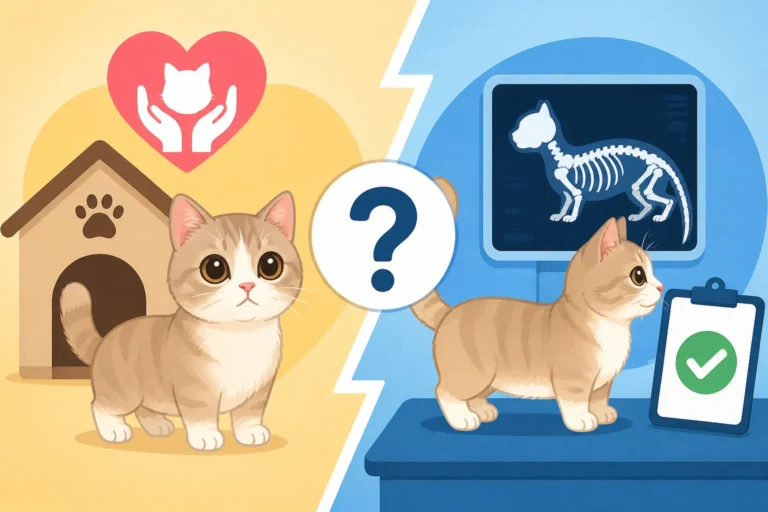
Most breeders will wait until a kitten is around 8 to 12 weeks old before making a more accurate assessment. At this age, their bone structure has developed enough that the leg length is becoming clearer and more indicative of their adult stature. Why a Breeder Grades a Munchkin's Legs at Twelve Weeks is often seen as the optimal time, as this is typically when kittens are also nearing the age for their first vet check-up, vaccinations, and potential rehoming. The grading usually involves a visual inspection: observing the kitten walking, running, and sitting to get a sense of how low to the ground their body is. Some breeders might use a simple measurement against a standard, while others rely on their experienced eye to classify them as standard, super short, or rug hugger.
This grading process is crucial for the breeder as it directly influences how they market and price their kittens. A breeder might highlight a kitten as a "true rug hugger" to attract buyers seeking that specific, exaggerated trait. It's important for prospective owners to understand that while breeders do their best to categorize, there can still be some variation as the cat matures. What looks like a "super short" kitten at 12 weeks might grow into a slightly more "standard" adult, or vice-versa, though significant changes are less common after the initial assessment period.
The Aesthetic and Perceived Value of Shorter Legs
There's no denying the immediate, visceral reaction many people have to a Munchkin cat: they're undeniably adorable. But within the breed, the aesthetic appeal of shorter legs goes even further, creating a significant pull for many prospective owners. It taps into a desire for uniqueness, a certain kind of cuteness, and even a perception of rarity.
The "Cute" Factor and Unique Appearance
Let's be honest, those short legs just scream "cute" to a lot of people. A Munchkin kitten, especially one with very short legs, often evokes a reaction similar to seeing a puppy, but in feline form. Their small stature and distinct gait make them seem perpetually kitten-like, even as adults. When a "rug hugger" Munchkin waddles across the floor, or sits up on its hind legs in the famous "prairie dog" pose, it's an image that captures hearts and often goes viral.
This unique appearance sets them apart from typical cats. They don't jump as high, they don't stretch to the same extent, and their movement is distinct. They roll and tumble with a comical grace that's simply different. This novelty factor is a huge draw. People aren't just looking for a cat; they're looking for that specific, charming, and often humorous visual that only a very short-legged Munchkin can provide. It's an appeal that transcends traditional cat aesthetics and taps into a preference for the extraordinary.
Exclusivity and Rarity
In the minds of many buyers, the shorter the legs, the more "authentic" or "exclusive" the Munchkin. While all short-legged Munchkins carry the gene, a "rug hugger" is seen as the ultimate expression of the breed's defining characteristic. This perception of rarity and exclusivity naturally drives up demand. When something is perceived as scarce or particularly special, people are often willing to go to greater lengths, and pay more, to acquire it.
Think about it like this: if you're going to get a Munchkin, you want the Munchkin experience, and for many, that means the absolute shortest legs possible. This isn't just about owning a pet; it's about owning a distinctive, eye-catching animal that stands out. Breeders understand this desire and often highlight the "rug hugger" or "super short" traits in their kitten listings, knowing these terms will resonate with buyers seeking that specific aesthetic and the sense of owning something truly unique within the breed. This perception of exclusivity helps explain why these kittens are snapped up so quickly.
Social Media Influence and Trends
In our digitally connected world, social media plays a massive role in shaping perceptions and driving demand for certain pet traits. Go online, and you'll find countless videos and photos of particularly short-legged Munchkins performing their unique antics. A clip of a "rug hugger" Munchkin attempting to climb a small step or doing its adorable "prairie dog" sit can garner millions of views and generate a wave of inquiries for breeders.
These viral sensations create a strong visual ideal in the minds of prospective owners. They see these extremely short-legged cats and think, "That's exactly what I want!" This isn't just about general cuteness; it's about seeing a specific, exaggerated trait amplified across platforms, making it the aspirational standard for many. Breeders who produce kittens with these highly photogenic, extremely short legs naturally find their demand skyrocketing. The instant gratification of seeing a picture or video translates into a swift desire to own one, often leading to rapid reservations for the shortest-legged kittens in any given litter. It’s a powerful feedback loop where online trends directly influence real-world purchasing decisions and prioritization.
Breeding Practices and Leg Length Assessment
For breeders, managing a Munchkin litter involves careful observation and understanding of buyer preferences. The fact that the shortest-legged kittens are often the first to go isn't just a coincidence; it's often a direct result of how breeders manage their waiting lists, assess their kittens, and communicate with potential buyers.
Matching Kittens to Buyer Expectations
A reputable Munchkin breeder typically maintains a waiting list, sometimes extending months or even a year in advance. When prospective owners inquire, they often express a strong preference for a particular look, and more often than not, that preference leans towards the shortest possible legs. Buyers will specify if they are looking for a "rug hugger" or "super short" kitten, even before a litter is born.
This means that as soon as a litter arrives and the kittens' physical traits begin to manifest, the breeder is already mentally matching them to the preferences on their waiting list. The kittens exhibiting the most pronounced short-legged trait become the most coveted. The breeder then contacts the individuals highest on the list who have expressed a desire for such a kitten. This often leads to the shortest-legged kittens being "spoken for" very early in their lives, sometimes even before they are ready to leave their mother. It's a system driven by consumer demand for a specific aesthetic.
Deposit Systems and Early Reservations
The high demand for Munchkin kittens, especially those with particularly short legs, means that breeders often operate on a deposit system. This system allows prospective owners to secure a place on a waiting list or even reserve a specific kitten once it's identified. Why a Munchkin Deposit Is Taken Before the Legs Are Graded is a common practice, as it ensures commitment from the buyer and gives the breeder confidence in finding homes for their kittens.
Once the kittens are a few weeks old and their leg lengths become more apparent, the breeder begins the allocation process. Buyers with deposits often get priority in choosing from the available kittens, or are offered a kitten that matches their earlier stated preferences. Because the demand for the shortest legs is so high, these kittens are typically offered to those at the top of the waiting list first. If you're looking for a "rug hugger," you usually need to be proactive, place a deposit early, and express your preference clearly, understanding that the most sought-after kittens will likely be reserved quickly by others who have done the same. This system inadvertently funnels the shortest-legged kittens to the earliest, most determined buyers.
Show Quality vs. Pet Quality
In the world of purebred cats, kittens are often categorized into "pet quality" and "show quality." While Munchkin leg length doesn't necessarily dictate overall health or temperament, it absolutely plays a role in how a cat is perceived in the show ring, particularly within registries like The International Cat Association (TICA) that recognize the breed.
A Munchkin destined for the show ring needs to conform to the breed standard, which includes a distinct emphasis on their short legs. While the standard allows for a range, the "shorter the better" often applies when judges are evaluating the overall impression. Therefore, a kitten with exceptionally short, well-proportioned legs might be designated as "show quality," making it even more desirable and commanding a higher price. What a Munchkin Short Enough for the Ring Costs reflects this premium. Pet-quality kittens, while still wonderful companions, might have slightly longer legs, or other minor deviations from the ideal standard. This further fuels the demand for the shortest-legged kittens, as they are not only appealing as pets but also hold potential for competitive success, increasing their perceived value and making them highly sought after by those with showing aspirations.
The Impact on Pricing and Demand
It's an undeniable truth in the pet market: demand drives price, and specific traits within a breed can create micro-markets of their own. For Munchkin cats, leg length is a primary example of this economic principle in action, heavily influencing both cost and how quickly kittens are adopted.
Leg Length as a Price Determinant
If you've ever looked into buying a Munchkin kitten, you've likely noticed a significant price range, even within the same litter or cattery. A major factor contributing to this variability is, you guessed it, leg length. Why Shorter Legs Raise a Munchkin's Price is a direct reflection of the heightened demand for the most pronounced short-legged trait.
Breeders understand that the "rug hugger" or "super short" types are what many buyers are specifically seeking, often willing to pay a premium for that distinct look. These kittens are seen as embodying the most quintessential Munchkin characteristics. The fewer of these exceptionally short-legged kittens in a litter, the higher their individual value can become due to scarcity. This isn't necessarily about the inherent cost of raising them being higher, but rather the market's willingness to pay more for a desirable aesthetic feature. It's a classic supply and demand scenario where the unique visual appeal translates directly into a higher price tag.
Market Dynamics and Breeder Reputation
The market for Munchkin cats is vibrant, and reputable breeders play a crucial role in shaping it. These breeders invest heavily in health screening, proper care, and maintaining excellent bloodlines, which naturally comes with a cost. When they consistently produce kittens that exhibit the highly desired super-short or rug-hugger traits, their reputation grows, further increasing demand for their litters.
A breeder known for consistently producing very short-legged Munchkins will have a longer waiting list and can command higher prices. This creates a cycle: buyers seek out these specific breeders, those breeders then have more leverage in pricing, and the shortest-legged kittens become even more desirable due to their perceived association with quality and a sought-after aesthetic. Ethical breeders, even while meeting this demand, are also careful to ensure the health and well-being of their kittens, understanding that the unique look must not come at the cost of a healthy life.
Comparing Pricing Within a Litter
One of the clearest illustrations of how leg length influences demand and price can be seen when comparing the costs of kittens from the same litter. It's not uncommon for a litter to have a mix of short-legged and normal-legged kittens, sometimes referred to as "Munchkin Variants."
While the short-legged kittens, particularly the super-short ones, are typically reserved first and command the highest prices, the normal-legged siblings tell a different story. Why Leg Length Splits the Price Inside One Munchkin Litter so distinctly is because the normal-legged kittens, while carrying the same genetics and temperament from their parents, do not display the characteristic short legs that define the breed's unique selling point. As a result, they are often priced significantly lower and may take longer to find homes. They are just as loving and healthy as their short-legged littermates, but without the defining trait, their market value shifts considerably. This pricing disparity highlights just how much the demand for the specific "Munchkin look" influences buyer decisions and market values.
Ethical Considerations and Long-Term Health
While the allure of a "rug hugger" Munchkin is strong, it's incredibly important for prospective owners to look beyond the immediate cuteness and consider the ethical implications and long-term health commitments associated with the breed, particularly those with the shortest legs. Responsible ownership starts with understanding potential challenges.
The Connection to Health Concerns
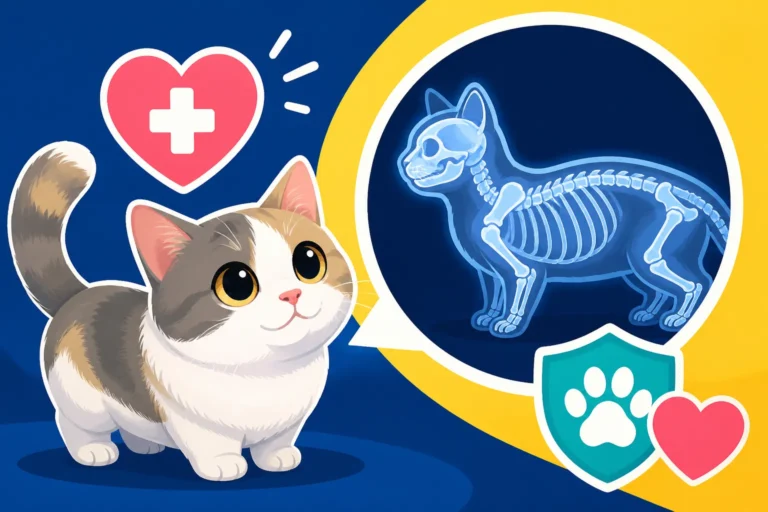
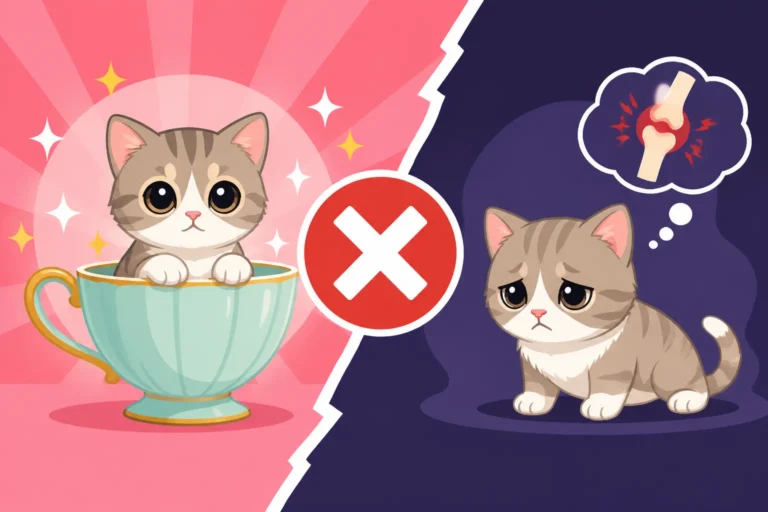
The defining characteristic of the Munchkin – its short legs – is a form of dwarfism, specifically pseudoachondroplasia. While many Munchkins live full, active lives, the concern for What the Short Legs Actually Cost a Munchkin is primarily focused on their spine and joints. The shorter limbs mean a different distribution of weight and impact, which can potentially lead to issues, especially as they age.
Conditions like lordosis (an excessive inward curvature of the spine) and pectus excavatum (a sunken chest) are occasionally seen in Munchkins, though studies vary on whether their prevalence is significantly higher than in the general cat population. However, an extremely short-legged cat might experience more pronounced strain on their spine and joints over their lifetime. Their mobility, while surprisingly agile on flat surfaces, is inherently limited in terms of jumping and climbing. This means they cannot escape threats as easily as a normal-legged cat, and owners must be vigilant. Furthermore, Why Weight Is More Dangerous on a Munchkin is a critical consideration; even a few extra pounds put immense stress on their short limbs and spine, exacerbating any potential joint issues. Thoughtful care and monitoring are paramount.
Responsible Breeding Practices
An ethical breeder is acutely aware of the potential health implications associated with the Munchkin breed and takes significant steps to mitigate risks. The most fundamental responsible breeding practice is ensuring that Why Two Short Legged Munchkins Are Never Bred Together. Breeding two Munchkins would result in homozygous kittens, which are non-viable and lead to embryonic death, often causing complications for the mother cat.
Beyond genetics, responsible breeders will screen their breeding cats for common feline ailments and structural issues. They should be transparent about the health history of their lines and provide health guarantees. They also prioritize the overall well-being and temperament of their cats, not just leg length. They will carefully assess kittens for signs of lordosis or pectus excavatum before they are sold, and will readily share this information. A breeder focused solely on producing the shortest possible legs without regard for overall health and conformation should raise a significant red flag. They'll also be transparent about the needs of a Munchkin cat regarding its adapted environment.
The Owner's Role in Long-Term Care
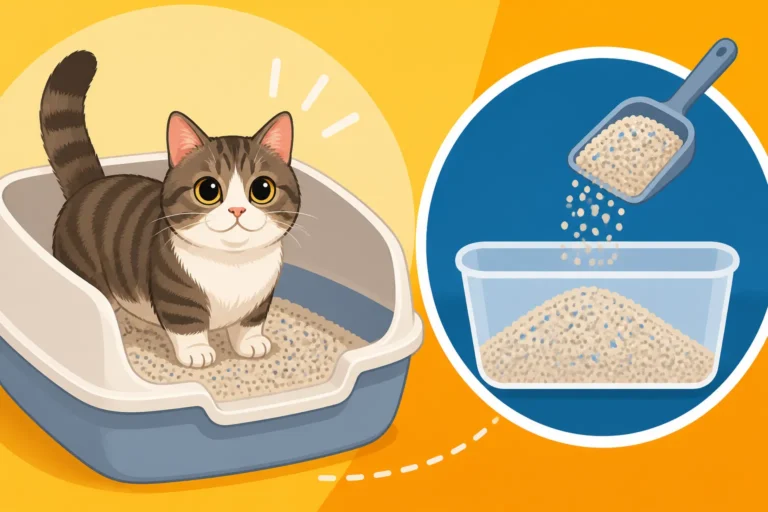
Bringing a Munchkin into your home means committing to a specific kind of care, regardless of leg length, but especially for those with the shortest limbs. These cats need a home environment that is adapted to their unique physical needs. This includes providing ramps or steps for access to furniture they might otherwise struggle to reach, like sofas or beds. Low-entry litter boxes are essential, as a high-sided box can be a painful barrier for a Munchkin, potentially leading to inappropriate elimination. Many excellent low-entry options are available from retailers like Chewy, ensuring your Munchkin can comfortably access their facilities.
Regular weight management is non-negotiable. Because of the extra stress on their joints and spine, keeping a Munchkin at an ideal body condition score is crucial for their longevity and quality of life. This means carefully measuring food portions and ensuring they receive appropriate nutrition. Furthermore, regular veterinary check-ups, including discussions about joint health and mobility, are vital. For added peace of mind, pet insurance from providers like Healthy Paws can help cover unexpected veterinary costs, especially as Munchkins age and potential joint issues might arise. Your commitment as an owner is to create a safe, accessible, and healthy environment that supports their unique physicality throughout their entire lives.
What to Consider Beyond Leg Length When Choosing a Munchkin
It's easy to get swept up in the charm of a particularly short-legged Munchkin kitten, but making an informed decision about adopting any pet requires a holistic approach. Focusing solely on leg length can distract from other, more critical factors that determine a happy, healthy life for your new feline companion.
Prioritizing Health and Temperament
Beyond the initial "cute" factor, the health and temperament of any kitten should always be your top priorities. A kitten with super-short legs but a poor disposition or underlying health issues will bring more heartache than joy. When you visit a breeder, observe the kittens closely. Are they playful, curious, and well-socialized? Do they interact positively with their littermates and humans? A good temperament means a cat that will integrate well into your home and family, offering companionship for years to come.
Regarding health, ensure the breeder provides documentation of veterinary checks, vaccinations, and deworming. Ask about the health history of the parents, especially concerning any spinal issues, heart conditions, or other common feline ailments. A responsible breeder will be transparent and eager to discuss these details. Don't hesitate to ask for a vet check of your chosen kitten before final adoption. This due diligence ensures you're bringing home a robust and well-adjusted companion, not just a visually appealing one.
Evaluating the Breeder's Practices
The breeder you choose is arguably the most important factor in bringing home a healthy, well-adjusted Munchkin. A reputable breeder does much more than just produce kittens; they nurture them, socialize them, and make informed breeding decisions. Be wary of breeders who:
- Refuse in-person visits or video calls.
- Don't ask you questions about your living situation and experience.
- Offer unusually low prices, as Why a Cheap Munchkin Is a Warning sign for cutting corners.
- Advertise "teacup" or "dwarf" Munchkins, as these are marketing terms, not breed classifications, and can indicate irresponsible breeding.
- Sell kittens before they are at least 12 weeks old.
- Cannot provide health records for the parents or health guarantees for the kittens.
A good breeder will be open, communicative, and passionate about their cats' welfare. They should be able to show you the parents, explain their breeding philosophy, and answer all your questions thoroughly. They will also educate you on the specific needs of Munchkin cats and ensure you are prepared for the commitment.
Preparing Your Home for Any Munchkin
Regardless of whether you bring home a "rug hugger" or a "standard" Munchkin, your home will need some adaptations to ensure their safety, comfort, and independence. Thinking about these modifications before you bring your kitten home is a sign of a truly prepared owner. A Munchkin Is a Normal Cat That Cannot Reach, so you need to bring the world down to their level.
Consider essential items like:
- Ramps and Steps: To allow access to furniture like sofas, beds, and windowsills without dangerous jumps.
- Low-Entry Litter Boxes: Absolutely crucial for easy access and to prevent accidents.
- Raised Food and Water Bowls: To prevent straining their neck and shoulders while eating.
- Grooming Tools: Especially for long-haired Munchkins or those whose bellies sit close to the floor, as Why a Munchkin's Belly Nearly Touches the Floor means they might struggle to keep themselves perfectly clean. You might need brushes, combs, and perhaps even pet wipes for their hindquarters.
- Safe Play Areas: Ensure toys are accessible at floor level, and that there are no high places they might try to jump from and injure themselves.
Planning these aspects ensures that your Munchkin, no matter their leg length, can live a full, happy, and comfortable life in your home, minimizing potential physical strain and maximizing their joy.
| Leg Length Category | Typical Appearance | Common Behavior Traits | Buyer Demand | Relative Price |
|---|---|---|---|---|
| Standard | Noticeably short, but still good clearance; proportionate body. | Agile on flat surfaces, can jump small heights; may use furniture as steps. | Moderate to High | Standard |
| Super Short | Very short legs, body sits quite low to the ground. | More pronounced "ferret-like" gait; frequent "prairie dog" sit; prefers floor-level play. | High | Elevated |
| Rug Hugger | Extremely short legs, belly almost skims the floor. | Low-slung, "waddling" movement; very limited jumping; relies heavily on ramps/steps. | Very High | Premium |
Disclaimer
This article is for general informational purposes only and does not constitute professional advice. Laws, prices and regulations vary by location and change over time. Consult a qualified professional for guidance on your specific situation.