How Much a Longhaired Munchkin Costs
If you've fallen head over heels for the adorable, short-legged charm of a Munchkin cat, and specifically the flowing elegance of a longhaired variety, you're probably wondering what kind of financial commitment you're looking at. It's not just about the initial purchase price; these unique felines come with their own set of considerations that impact your wallet from day one and throughout their lives. This guide is here to unravel all those costs, helping you understand the factors that influence the price tag and the ongoing expenses of welcoming a longhaired Munchkin into your home.
The Baseline Cost of a Longhaired Munchkin Kitten
Let's face it, the first thing everyone wants to know is the sticker price of that adorable, fluffy, short-legged bundle of joy. The cost of a Munchkin kitten can vary quite a bit, and a longhaired variety often sits at a particular point within that spectrum due to its desirable coat. It's not a simple one-size-fits-all figure, and there are many reasons why one kitten might be priced differently from another, even within the same litter. You're not just buying a cat; you're often investing in a carefully bred animal.
Understanding the "Longhair" Factor
The longhaired coat on a Munchkin is simply a matter of genetics, just like any other cat breed. It’s not inherently rarer or more difficult to produce than a shorthaired one, but perceived desirability often plays a role in pricing. Many people are drawn to the luxurious look of a longhaired cat, with its feathery tail and longer ruffs, which can sometimes lead to a slightly higher demand, and thus, a slightly higher price point, than their shorthaired counterparts. This aesthetic preference means breeders might price them a bit higher because they know these kittens will find homes quickly.
However, the "longhair" aspect doesn't typically add a dramatic increase to the overall price compared to other factors. The fundamental cost drivers remain consistent for both coat lengths. What you're really paying for is the Munchkin breed itself, with the long hair being a lovely bonus. A good breeder will prioritize health and temperament above all else, regardless of coat length, but be aware that appearance can nudge the price upwards.
Breeder Reputability and Ethical Practices
The breeder you choose will have a significant impact on the initial cost, and for very good reasons. Reputable, ethical breeders invest heavily in their cats' health, genetic screening, proper nutrition, and early socialization. This isn't a hobby for them; it's a dedicated commitment to the welfare of the breed. They will ensure that the parent cats are healthy and that the kittens receive all necessary vaccinations and vet checks before they go to their new homes. This level of care is reflected in the price.
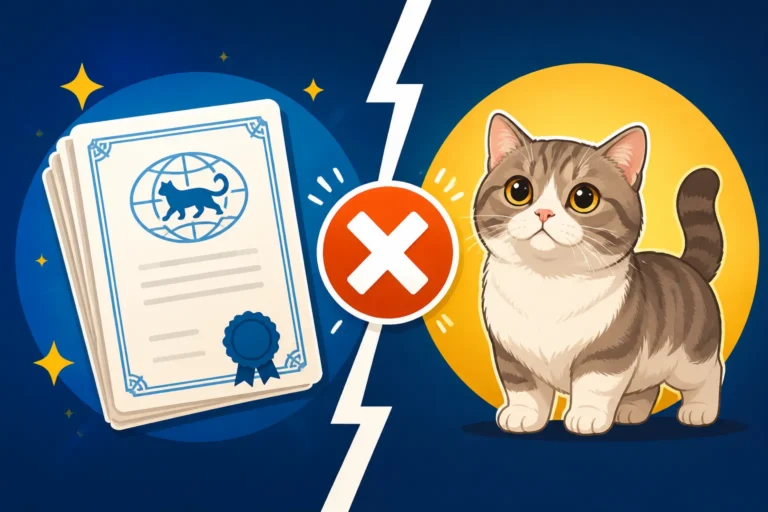
A responsible breeder will also be transparent about their practices, openly discuss any potential health concerns associated with the breed, and often provide TICA registration papers (The International Cat Association, which recognizes the Munchkin breed). They won't just hand you a kitten; they'll offer support and guidance as you bring your new family member home. If you see a price that seems too good to be true, especially for a longhaired Munchkin, it very often is a red flag. Why a Cheap Munchkin Is a Warning explains why cutting corners here can lead to heartbreak and much higher costs down the line.
The Impact of Leg Length and Conformation
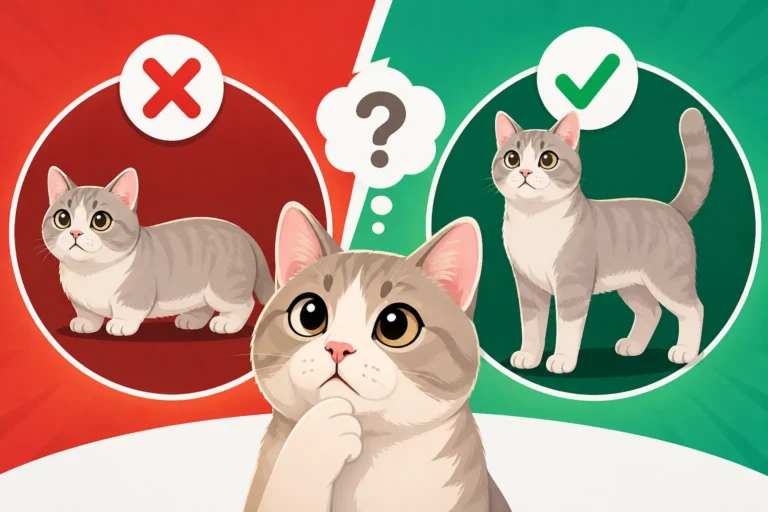
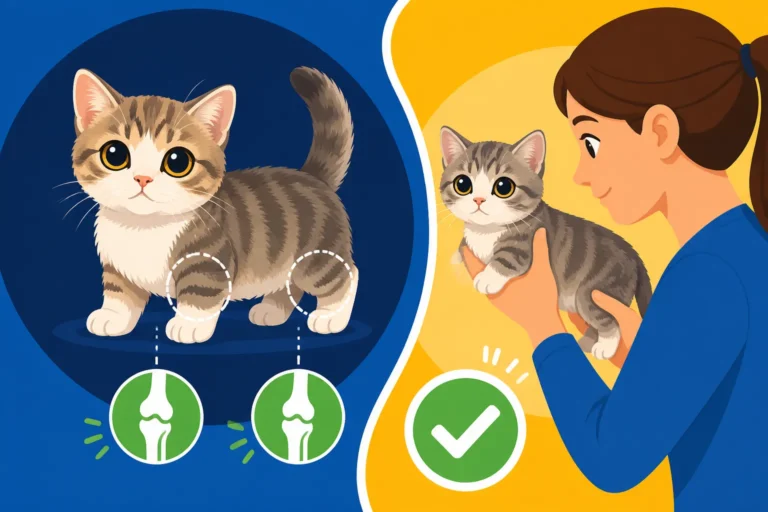
This is probably the single biggest factor influencing the initial purchase price of any Munchkin, including the longhaired variety. The defining characteristic of a Munchkin is its short legs, but not all short legs are created equal in the eyes of breeders and the TICA standard. Kittens are often graded on their leg length and overall conformation. A "Standard" Munchkin has noticeably short legs, while a "Rug Hugger" has even shorter legs, often commanding a premium because they more closely fit the exaggerated aesthetic many buyers seek.
Conversely, a long-legged Munchkin, sometimes referred to as a "non-standard" or "Munchkin variant," will almost always be significantly less expensive, often sold as a pet without breeding rights, as they don't carry the physical traits of the breed standard. These cats are genetically still Munchkins, but they inherited the normal leg gene from one of their parents. Why a Long Legged Munchkin From the Same Litter Costs Less delves into this pricing difference. A breeder typically grades a kitten's leg length around 12 weeks, which is often around the time deposits are taken or final prices are set. This variation means that the cost for a longhaired Munchkin can fluctuate widely based on how short those adorable legs actually are. For a general idea of the initial investment, Why Munchkin Prices Sit Between One and Three Thousand offers a broad overview of the price range.
Beyond the Initial Purchase: First-Year Expenses
Bringing any new pet home involves more than just the adoption fee or purchase price, and a longhaired Munchkin is no exception. In fact, their unique physical traits mean some first-year expenses might be a bit different from a standard cat. Budgeting for these initial outlays is crucial for a smooth transition and a happy, healthy start for your new companion. Don't underestimate these costs, as they can quickly add up!
Essential Supplies and Home Adaptations
Because of their short stature, Munchkins need a home that is adapted to their needs. This isn't optional; it's essential for their comfort, safety, and long-term health. Think about how a standard cat gets around: jumping onto counters, scaling cat trees, and leaping onto beds. A Munchkin often cannot do these things, or doing so repeatedly can put undue stress on their spine and joints.
Your initial setup costs will likely include:
- Low-entry litter boxes: These are crucial so your Munchkin can easily get in and out without straining. Many senior cat litter boxes work perfectly.
- Ramps or pet stairs: For accessing sofas, beds, or even low windowsills. You might need several strategically placed around your home. This is not a luxury, but a necessity for their mobility and to prevent injury. Ramps and Steps Are Munchkin Equipment, Not Luxuries explains why. You can find a good selection of pet stairs and ramps on sites like Chewy, which makes finding the right fit for your home and cat much easier.
- Cat trees with close-set platforms: Standard cat trees often have platforms too far apart for a Munchkin to safely navigate. Look for ones designed for kittens or senior cats, or be prepared to add your own steps.
- Raised food and water bowls: While they're low to the ground, eating from a bowl placed directly on the floor can sometimes put a strain on a Munchkin's neck and shoulders. Raised bowls can help alleviate this discomfort.
- Grooming tools: For a longhaired Munchkin, you'll need a good quality brush, de-shedding tool, and comb to keep their coat free of mats. We'll delve deeper into grooming later, but having the right tools from day one is important.
These adaptations ensure your Munchkin can live a full, happy life without constantly struggling to reach things, which can be frustrating for them and potentially harmful.
Veterinary Care and Early Health Checks
The first year of a kitten's life is packed with vet visits. Even if your breeder provides initial vaccinations, your longhaired Munchkin will need a series of booster shots, deworming, and potentially preventative flea and tick treatments. A thorough initial vet check-up is also critical to establish a baseline of health and to detect any congenital issues early on. This is where a good breeder's health guarantee comes in handy, but the costs of these initial visits still fall to you.
Spaying or neutering is another significant first-year expense. This is usually done around six months of age, though your vet might recommend a different timeline. It's a routine procedure, but it's a surgical one that requires anesthesia and recovery care. It's also important for a Munchkin kitten to have its spine palpated early on. Why a Munchkin Kitten Needs an Early Vet Check covers the importance of these initial visits. While Munchkins are generally robust, their unique anatomy means that careful veterinary oversight from the start is paramount. Many reputable vets, like those partnered with pet insurance providers such as Healthy Paws, emphasize preventative care from a young age, which can save you money and heartache in the long run.
Here's a quick overview of some first-year expenses:
| Expense Category | Typical Items Included | Purpose |
|---|---|---|
| Initial Purchase | Cost of kitten from reputable breeder | Acquisition of your longhaired Munchkin |
| Vet Visits | Initial exam, vaccinations, deworming, spay/neuter | Health baseline, disease prevention, reproductive control |
| Home Setup | Low-entry litter box, ramps/stairs, cat tree, raised bowls | Accessibility, safety, comfort, enrichment |
| Basic Supplies | Food, litter, bedding, toys, grooming tools | Daily needs, hygiene, play, coat maintenance for longhaired variety |
| Pet Insurance (Optional) | Monthly premium | Financial protection against unexpected health issues |
Ongoing Lifetime Costs: The Long-Term Commitment
Owning a longhaired Munchkin cat is a joyful journey that spans many years, often The Twelve to Fifteen Years a Munchkin Usually Gets. This means the initial purchase price is just the beginning of your financial commitment. Throughout their lives, Munchkins require consistent care, proper nutrition, and regular veterinary attention, all of which contribute to their ongoing costs. Thinking ahead about these expenses will help you provide the best possible life for your furry family member.
Routine Care and Grooming Needs
This is where the "longhaired" aspect of your Munchkin really comes into play, adding a specific line item to your budget that shorthaired varieties might not demand as often. Longhaired Munchkins require regular grooming to prevent mats and tangles, especially around their hindquarters, belly, and armpits. These areas are harder for them to reach and can quickly become problematic if neglected. Mats don't just look bad; they can pull on the skin, cause discomfort, and even lead to skin infections.
You'll need to brush your longhaired Munchkin several times a week, if not daily, depending on the texture and density of their coat. This means investing in good quality brushes, combs, and perhaps a de-matting tool. Some owners opt for professional grooming services, especially for sanitary clips around the rear to help with hygiene. Grooming the Half of a Munchkin It Cannot Reach delves into the specifics of this essential care. While regular brushing at home is crucial, the occasional professional grooming session can add to your costs. It's also important to consider regular nail trims and ear cleaning as part of their routine care.
Food, Nutrition, and Weight Management
Munchkins, with their unique short stature and often less active lifestyle compared to a high-jumping, fast-climbing cat, burn fewer calories. This means that Why Weight Control Is the Whole Munchkin Care Plan is not an exaggeration – it's absolutely critical for their long-term health. Every extra pound places undue stress on their short legs, spine, and joints, potentially leading to earlier onset of conditions like arthritis. Therefore, precise portion control and a high-quality diet are non-negotiable, and these can be ongoing costs.
You'll want to choose a nutritious cat food, whether it's dry kibble, wet food, or a combination. The key is to find a food that supports their joint health and helps maintain an ideal weight, regardless of the brand. Regularly weighing your Munchkin and monitoring their body condition will be a key part of your routine. While Munchkins might eat less than a larger cat, the quality of their food shouldn't be compromised. How Much a Munchkin Gets in a Weighed Meal is a good read on how to manage their intake.
Insurance and Unexpected Health Costs
Even with the best preventative care and nutrition, cats can experience unexpected health issues or accidents. This is where pet insurance, or a dedicated savings fund, becomes a critical part of your long-term budget for a longhaired Munchkin. While Munchkins are generally considered a hardy breed, their unique skeletal structure does predispose them to certain conditions. Why a Munchkin's Vet Year Includes Its Joints is a crucial point, as joint health and spinal issues like lordosis (a curvature of the spine) or pectus excavatum (sunken chest) are more commonly discussed in relation to the breed.
Companies like Healthy Paws offer pet insurance plans that can cover accidents, illnesses, and even some hereditary conditions, though pre-existing conditions are typically excluded. It’s always wise to enroll your Munchkin in a pet insurance plan when they are young and healthy, before any potential issues arise. You'll need to research what Whether Pet Insurance Covers a Munchkin's Spine might entail, as coverage details can vary. Even if you don't opt for insurance, setting aside an emergency fund specifically for veterinary care is a responsible choice. This ensures that if your longhaired Munchkin ever needs specialized treatment, you're prepared to provide it without financial strain.
Disclaimer
This article is for general informational purposes only and does not constitute professional advice. Laws, prices and regulations vary by location and change over time. Consult a qualified professional for guidance on your specific situation.