How Much a Bambino Costs Against a Munchkin
It's a common misconception that all short-legged cat breeds come with similar price tags or even similar care needs. When you're looking at adorable breeds like the Munchkin and the Bambino, it's easy to assume they're interchangeable, but they are distinctly different in their origins, genetic makeup, and the ongoing costs associated with their unique requirements. This guide will walk you through what sets their costs apart, from initial purchase to long-term care, helping you understand the real financial commitment for each.
The Foundational Costs: Understanding the Purebred Munchkin
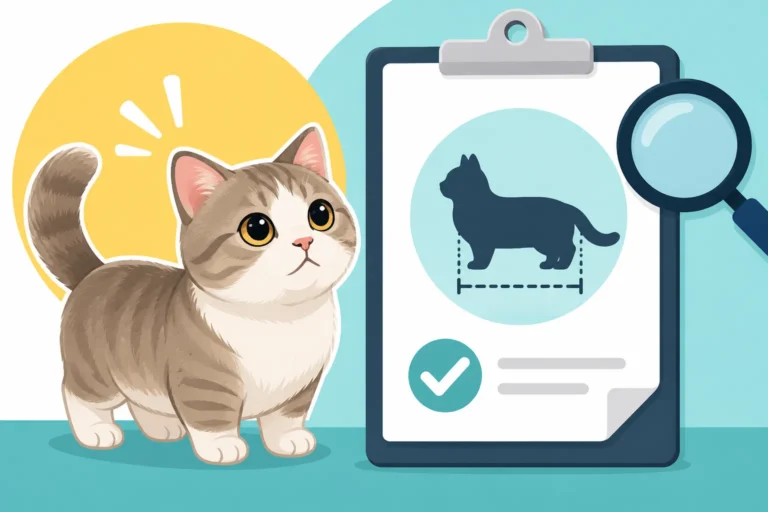
The Munchkin cat is essentially a domestic cat that carries a specific genetic mutation causing dwarfism, which manifests as unusually short legs. This isn't a condition that arose from crossbreeding multiple types of cats initially; rather, it was a spontaneous mutation found in a street cat and then intentionally bred to create a consistent lineage. When you're considering a Munchkin, you're looking at a breed recognized by The International Cat Association (TICA), which means there's a certain standard and a level of established breeding practice.
The Genetics and Pedigree of a Munchkin
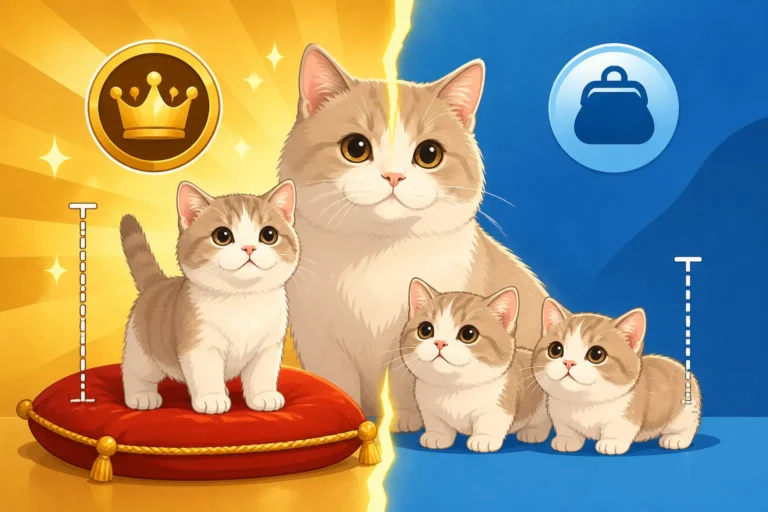
The short-leg gene in Munchkins is dominant, but it's also lethal in two copies, meaning a kitten won't survive if it inherits the gene from both parents. This is why a Munchkin is always bred to a normal-legged cat, also known as an "outcross." Roughly half of the kittens in a Why Half a Munchkin Litter Has Normal Legs will have short legs, and the other half will have standard-length legs. This breeding practice helps maintain genetic diversity, but it also means that breeders put a lot of effort into ensuring healthy pairings and carefully documenting pedigrees. The value you pay often reflects this careful genetic management, the health screening of the parents, and the efforts to produce healthy, well-socialized kittens. You're not just paying for cuteness; you're paying for responsible breeding.
Initial Acquisition Costs for a Munchkin
The initial purchase price of a Munchkin kitten can vary quite a bit depending on factors like leg length (shorter legs often command higher prices, sometimes referred to as "rug hugger" or "standard" categories), coat type and color, and the breeder's reputation and location. Generally, you can expect the cost for a well-bred Munchkin kitten to be significant, reflecting the careful genetic planning, veterinary care for the queen and litter, vaccinations, deworming, and early socialization. Breeders invest considerable time and resources into each litter. Often, a deposit is required to reserve a kitten, and the final payment is due when the kitten is ready to go home, usually around 12-16 weeks of age after it's had its initial vet checks and vaccinations. Don't be surprised if a breeder asks you questions about your home environment, like whether you have stairs, as they want to ensure a safe and adapted home for their kitten. Why a Munchkin Breeder Should Ask About Your Stairs
Long-Term Care Considerations for a Munchkin
Beyond the initial cost, a Munchkin requires a specific type of environment to thrive. Their short legs mean they can't jump as high as other cats, so you'll need to adapt your home with ramps or steps to allow them access to their favorite spots like sofas, beds, or window perches. Ramps and Steps Are Munchkin Equipment, Not Luxuries This isn't a trivial expense; outfitting a home can add up.
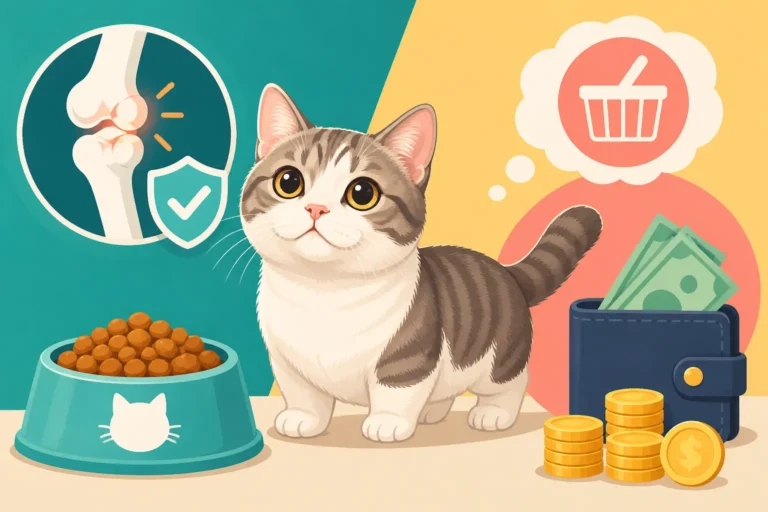
You also need to think about their unique physical needs. Because their spine carries a load differently due to their short legs, maintaining a healthy weight is absolutely crucial to prevent undue stress on their joints. Why Weight Is More Dangerous on a Munchkin This means careful portion control and potentially joint supplements as they age. Regular vet check-ups become even more important, and while many Munchkins live long, healthy lives, being proactive about their joint health can incur costs. What a Munchkin Costs Over Thirteen Years
The Hybrid Price Tag: What Drives Bambino Cat Costs
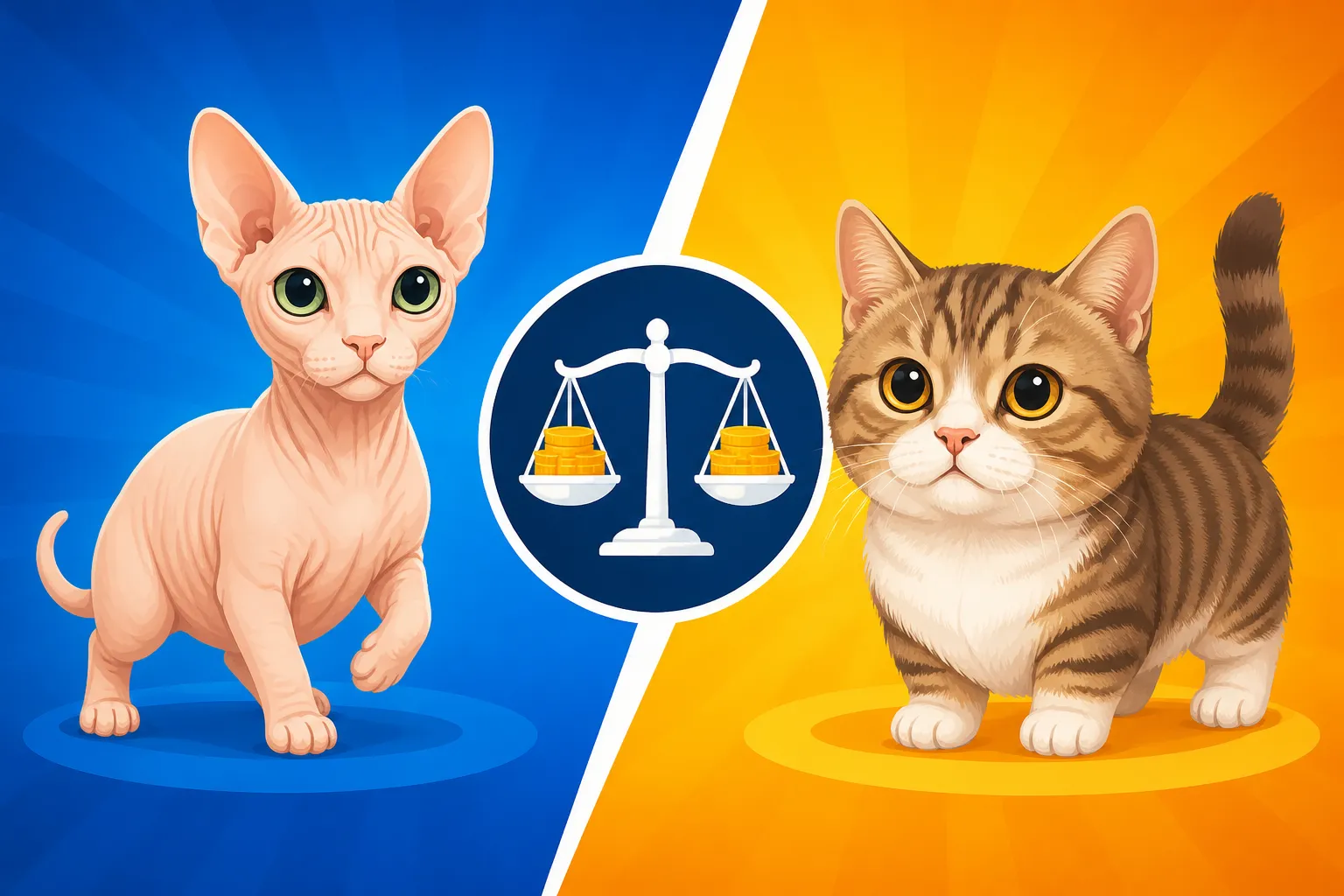
Now, let's talk about the Bambino. This breed is not a spontaneous mutation like the Munchkin; it's a deliberate hybrid, specifically a cross between a Munchkin and a Sphynx. This means the Bambino inherits the short legs of the Munchkin and the hairless trait of the Sphynx. Combining these two distinct genetic traits creates a truly unique cat, but it also introduces a more complex set of considerations, both genetically and in terms of daily care.
The Dual Genetics and Breeding Complexity of a Bambino
The Bambino's dual heritage means breeders are working with two distinct genetic mutations. This is where things get more intricate. Responsible breeders for Bambinos need to understand both the Munchkin dwarfism gene and the Sphynx hairless gene, ensuring that their breeding pairs are healthy and that the resulting kittens are sound. This involves rigorous health screening for both parent breeds, going beyond what might be typical for a single-breed litter. For instance, a Sphynx parent might be screened for hypertrophic cardiomyopathy (HCM), a common heart condition in the breed, while the Munchkin parent's conformation is carefully assessed. Why Munchkin Hybrids Stack Two Mutations This added layer of genetic consideration and health testing contributes significantly to the higher price point.
Initial Acquisition Costs for a Bambino
Bambinos typically command a higher price than purebred Munchkins, often sitting at the top end or even exceeding the price range of many cat breeds. This isn't just because they're a "designer" breed; it's directly linked to the complexity and rarity of successfully combining these two distinct traits from two different parent breeds. The demand for these unique cats also plays a role.
When purchasing a Bambino, you'll find similar factors affecting the price: the breeder's reputation, location, the kitten's health, and its specific traits (e.g., how prominent the short legs are, the quality of its hairless skin). Be prepared for a significant financial investment upfront, and ensure you're working with a reputable breeder who can provide clear lineage, health guarantees, and a transparent understanding of both parent breeds' health screenings. Asking for documentation on parents' health, like cardiac scans for the Sphynx line, is perfectly reasonable. What a Bambino Is and How It Relates to the Munchkin
Long-Term Care Considerations for a Bambino
The long-term care costs for a Bambino are arguably more intensive and specialized than for a Munchkin. You have all the considerations of a short-legged cat – the need for ramps, careful weight management, and attention to joint health. However, you also have the unique needs of a hairless cat.
Sphynx cats, and by extension Bambinos, require regular skin care to prevent oil buildup, which can lead to skin issues. This often means weekly baths with specialized shampoos, or at the very least, regular wiping down. Their lack of fur also makes them more susceptible to cold, so you might invest in sweaters or ensure a warm indoor environment. Sun protection is also a must if they have any outdoor access, or even near sunny windows. Their ears can accumulate more wax due to the absence of hair to naturally wick away dirt, necessitating regular ear cleaning. All these specialized products and routines, including higher energy needs due to maintaining body heat, translate into additional recurring costs. Consider how much you might spend on special food, sweaters, and grooming supplies to meet their specific needs.
Direct Comparison: Acquisition and Lifelong Costs of Munchkins vs. Bambinos
Let's break down the core differences in cost structure between these two fascinating breeds. It's not just about the initial purchase price, but the entire lifecycle of ownership.
Initial Purchase Price
The most immediate difference you'll encounter is at the point of acquisition.
| Feature | Munchkin | Bambino |
|---|---|---|
| Parentage | Domestic cat with spontaneous short-leg mutation | Hybrid: Munchkin x Sphynx |
| Primary Trait | Short legs | Short legs + Hairless |
| Breeding Focus | Managing the dominant short-leg gene | Managing two dominant genes, extensive health screening for both parent lines |
| Typical Cost Range | Mid-to-High | High-to-Very High |
| Rarity | Moderately rare | Quite rare, specialized breeders |
As you can see, the Bambino's complexity and dual-trait genetics push its initial price significantly higher. A well-bred Bambino kitten often represents a larger upfront investment because of the specialized breeding knowledge, increased health screening (e.g., cardiac screening for Sphynx lineage, spinal checks for the Munchkin line), and the sheer dedication required to produce healthy, ethically bred kittens with both traits. What a Munchkin Breeder Should Be Able to Show You
Ongoing Care Expenses
While both breeds require responsible ownership, the Bambino's unique combination of traits means higher ongoing maintenance.
- Grooming: A Munchkin with short hair needs standard grooming, which is fairly minimal. A long-haired Munchkin will require regular brushing, especially around the hindquarters where matting can occur because they struggle to reach these areas themselves. Whether Matting Becomes a Health Problem in a Munchkin For a Bambino, grooming is a completely different ball game. Those regular baths, special wipes, and ear cleanings add up in terms of product cost and time. You might even consider professional grooming if you're not comfortable with the routine.
- Environmental Needs: Both need ramps and steps. However, a Bambino's hairless nature means you might spend more on heating your home or on cat clothing (sweaters, blankets) to keep them comfortable, especially in colder climates.
- Diet and Supplements: Both benefit from high-quality food, and joint supplements might become a consideration for both as they age. However, a Bambino might have slightly higher caloric needs to maintain body temperature, potentially increasing food costs. How Few Calories a Munchkin Actually Burns
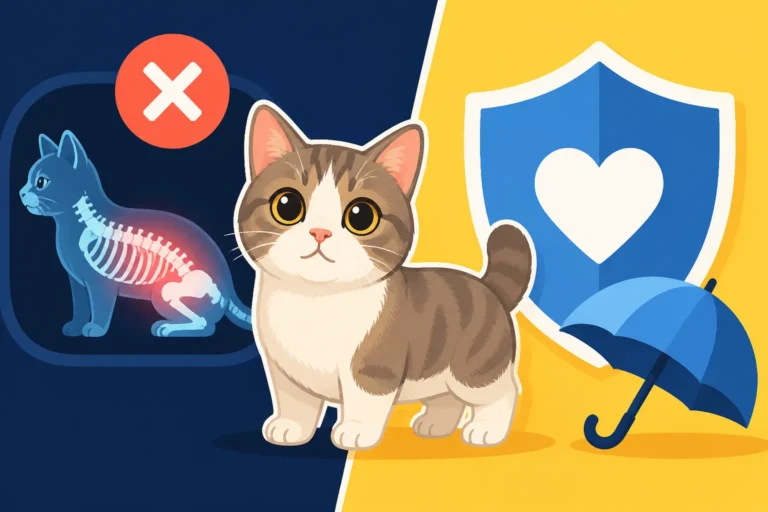
- Veterinary Care and Insurance: Both breeds need regular vet check-ups. For Munchkins, monitoring for conditions like lordosis or pectus excavatum, though often rare in well-bred lines, is important. For Bambinos, you have the potential for conditions from both parent breeds – joint issues from the Munchkin side and skin or heart conditions from the Sphynx side. This might mean more specialized vet visits or screenings. When looking at pet insurance, providers like Healthy Paws might offer different premiums or coverage options depending on the breed and its known predispositions. It's crucial to compare policies carefully and understand any exclusions, especially concerning breed-specific conditions or inherited traits. Whether Pet Insurance Covers a Munchkin's Spine
Overall Lifetime Financial Commitment
When you consider the initial purchase price, the adapted home environment, the specialized grooming and diet, and the potentially more extensive veterinary care, the Bambino generally represents a higher overall lifetime financial commitment compared to a Munchkin. It's not just a little more; it can be significantly more depending on your lifestyle, climate, and the individual cat's health needs.
Navigating the Market: What to Look For and How to Budget
Bringing any pet into your home is a big decision, and with unique breeds like the Munchkin and Bambino, it's even more crucial to do your homework. Understanding the costs is just one piece of the puzzle; finding a responsible breeder and budgeting effectively are equally important.
Finding a Reputable Breeder
This cannot be stressed enough: a reputable breeder is worth their weight in gold, especially for breeds with specific genetic considerations. They will be transparent about their breeding practices, health screenings for parent cats, and genetic history. For a Munchkin, they should be able to discuss the health of their lines and show you evidence of vet checks, especially concerning spinal health. For a Bambino, they should be knowledgeable about both Munchkin and Sphynx specific health concerns, providing health clearances for both, such as cardiac screenings for the Sphynx parent and hip/spine evaluations for both.
- Ask for Health Clearances: Don't be shy. A good breeder will be happy to share results of health tests. For Bambinos, this might include testing for HCM (Hypertrophic Cardiomyopathy) in the Sphynx lineage, as well as general orthopedic evaluations for both sides.
- Visit the Cattery (or ask for extensive videos): Observe the environment. Is it clean? Are the cats well-socialized? Do they seem healthy and happy? For a Munchkin, look for appropriate ramps and steps in their living areas. For a Bambino, note the warmth of the environment. Why to Ask a Munchkin Breeder for Video, Not Photos
- Inquire About Guarantees: Reputable breeders often offer health guarantees on their kittens, typically covering genetic diseases for a certain period. Understand what this guarantee entails. Whether a Munchkin Guarantee Lasts Past Its First X Ray
- Be Wary of "Bargains": If a price seems too good to be true for either breed, it almost certainly is. A cheap kitten often indicates irresponsible breeding practices, lack of health screening, or even potential scams. Why a Cheap Munchkin Is a Warning
Building a Realistic Budget
Once you've done your research and chosen a breed, it's time to crunch the numbers for a realistic budget. Beyond the initial purchase price, consider these categories:
- Initial Setup Costs: This includes specialized litter boxes (low-entry ones for Munchkins, as they can't climb high sides), ramps, steps, appropriate scratching posts (horizontal ones are often better than tall vertical ones for short-legged cats), food and water bowls (raised bowls can help a Munchkin's posture while eating), and a comfortable bed at floor level. For Bambinos, add sweaters, special shampoos, and ear cleaning solutions.
- Food and Nutrition: Factor in the cost of high-quality cat food. For both breeds, maintaining an ideal weight is paramount for joint health, so precise feeding is key. Some owners choose specific joint-support formulas.
- Routine Veterinary Care: Annual check-ups, vaccinations, parasite prevention, and dental care are standard for all cats. For Munchkins and Bambinos, ask your vet about preventive joint care or recommended screenings as they age.
- Grooming Supplies/Services: Brushes, combs, and nail clippers are essential. If you have a long-haired Munchkin or a Bambino, you might budget for professional grooming services, especially for hygiene trims around the hindquarters or specialized skin care.
- Pet Insurance: This is highly recommended for both breeds. Research policies carefully. While most standard policies cover accidents and illnesses, some might have exclusions or higher premiums for specific breeds or pre-existing conditions. Discuss with providers like Healthy Paws what coverage is available for breed-specific concerns of Munchkins and Bambinos.
- Emergency Fund: Always have an emergency fund set aside for unexpected vet visits or health issues. This is true for any pet owner, but given the unique genetic considerations of these breeds, it's an even more critical safeguard.
Caring for a Munchkin or a Bambino is a deeply rewarding experience, but it comes with unique responsibilities and financial considerations. By understanding the differences, budgeting thoroughly, and committing to responsible ownership, you can ensure a happy, healthy life for your special companion.
Disclaimer
This article is for general informational purposes only and does not constitute professional advice. Laws, prices and regulations vary by location and change over time. Consult a qualified professional for guidance on your specific situation.