Why Munchkin Premiums Sit Above a Domestic Shorthair’s
It's a common moment for many cat parents: you're trying to do the responsible thing, looking into pet insurance for your beloved furball, and then you get to the quote. If you're the proud owner of a Munchkin cat, you might be scratching your head, wondering why the premiums seem to sit noticeably higher than what your friend pays for their domestic shorthair. This isn't just your imagination, and it's not simply because your cat is a purebred. There are very specific, rooted reasons in the Munchkin's unique physiology and the associated health risks that insurers factor into their calculations. This guide will delve into these reasons, helping you understand why your adorable short-legged companion comes with a higher insurance price tag.
The Core Reason: Inherited Health Concerns
The primary driver behind those elevated insurance premiums for Munchkin cats lies squarely in their distinctive genetics. While incredibly cute, those short legs are the result of a genetic mutation that, unfortunately, comes with a predisposition to certain health issues that are less common in a cat with standard leg length.
Understanding the Genetic Predisposition
The very trait that defines a Munchkin – their short legs – is due to a form of dwarfism called pseudoachondroplasia. Unlike some breeds where dwarfism impacts the entire body proportionally, a Munchkin's body length is normal, but their limbs are significantly shorter. This fundamental difference in skeletal structure means their bodies move and bear weight differently. Insurers look at this and immediately flag the potential for a lifetime of related issues.
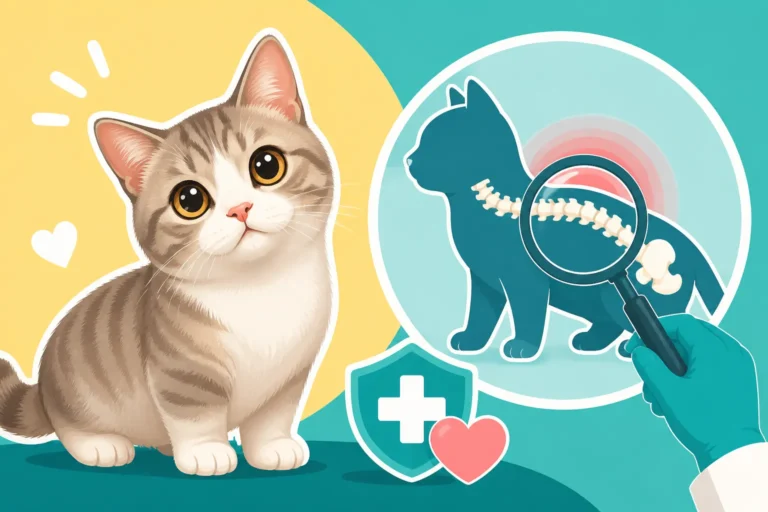
Beyond the limb length itself, Munchkins are more prone to certain conditions. One of the most frequently discussed is Lordosis Is the Spinal Curve the Munchkin Argument Is About. This is a spinal condition where the vertebrae fail to develop correctly, causing the spine to curve inward. Imagine the pressure this puts on internal organs and the spinal cord! Another concern is Pectus Excavatum and the Munchkin's Sunken Chest, a deformity where the breastbone sinks inward, which can sometimes compress the heart and lungs, leading to breathing difficulties and other complications. While not every Munchkin will suffer from these severe conditions, the increased likelihood for the breed as a whole means insurers must adjust their risk assessment. Even a seemingly mild case can escalate or require monitoring, translating to more vet visits and potential claims.
Chronic Conditions and Their Management
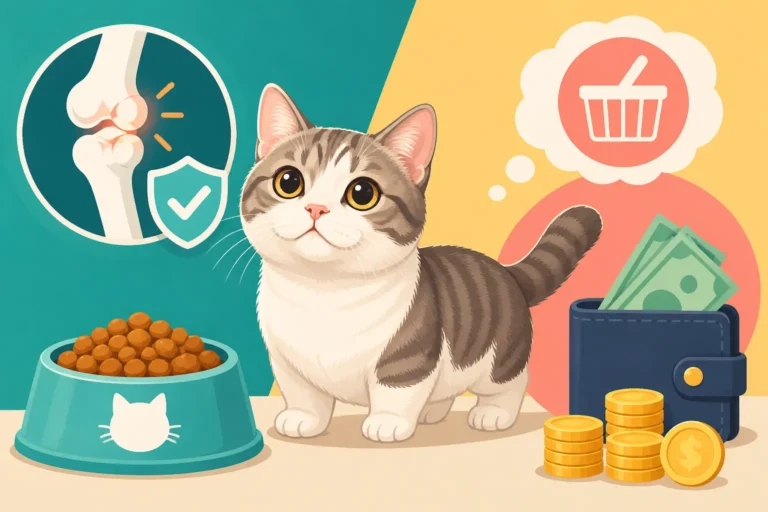
Even if your Munchkin is lucky enough to avoid severe lordosis or pectus excavatum, their unique physical structure can lead to more subtle, chronic issues that still rack up vet bills over their lifespan. Think about how a normal cat jumps and lands – the shock is distributed across long, agile limbs. A Munchkin, with its short, sturdy legs, experiences impact differently. This can lead to accelerated wear and tear on their joints, particularly in their shoulders and elbows. Many Munchkins start showing signs of arthritis earlier than their long-legged counterparts. Whether a Munchkin Gets Arthritis Earlier is a common question, and unfortunately, the answer often leans towards yes. Managing arthritis isn't just about pain relief; it can involve supplements, specialized diets, and regular check-ups, all of which contribute to ongoing costs.
Then there are the less obvious challenges, like grooming. Because a Munchkin's belly nearly touches the floor and their legs are short, they can struggle to reach and properly clean their hindquarters, especially if they have longer fur. Which Parts of Itself a Munchkin Cannot Reach include critical areas for hygiene. This can lead to matting, skin irritation, and even infections if not meticulously managed by their owner. These seemingly minor issues can quickly become bigger problems requiring vet intervention, antibiotics, or professional grooming under sedation if mats are severe. All these factors point to a cat breed that, on average, will require more consistent and specialized care throughout its life, increasing the likelihood of claims and thus, premiums.
Increased Veterinary Care & Special Needs
It's not just the type of health problems that push premiums up; it's also the nature of the veterinary care required for a Munchkin cat. Their distinct anatomy often necessitates more thorough diagnostics, specific equipment, and potentially more intensive treatments compared to a standard domestic cat.
Diagnostic Procedures and Monitoring
When a domestic shorthair cat goes to the vet for a mysterious limp or an unusual cough, the diagnostic process might be fairly straightforward. For a Munchkin, however, the diagnostic journey can be more complex and, consequently, more expensive. Because of their predisposition to skeletal issues, a vet might recommend X-rays more readily for a Munchkin to rule out conditions like lordosis or to assess joint health. When a Munchkin Should Have Its Spine Imaged might become a discussion point earlier in its life or more frequently as it ages, even if no overt symptoms are present. These imaging procedures are not cheap, and while pet insurance is designed to help cover them, the higher frequency or necessity of such procedures for the breed means a higher risk profile for the insurer. Ultrasound or even MRI might be suggested if internal organ compression is suspected due to pectus excavatum or severe lordosis. Each of these adds significant cost.
Specialized Equipment and Adapted Environments
While pet insurance doesn't typically cover the cost of equipping your home, the very need for an adapted environment underscores the Munchkin's unique physical challenges, which can indirectly influence claims. A Munchkin cannot jump to the same heights as a long-legged cat, meaning they rely on ramps and steps to access furniture, windowsills, or even their favorite bed. How to Set Up Ramps Around a Munchkin's House becomes a critical part of ownership. If a home isn't properly adapted, a Munchkin might repeatedly attempt jumps they can't quite make, leading to falls, sprains, or exacerbated joint issues. An injury from such an incident would certainly lead to a vet visit and an insurance claim.
Furthermore, mundane items like litter boxes need special consideration; a high-sided box, standard for many cats, can be a painful barrier for a Munchkin. They need a Which Litter Box a Munchkin Can Actually Enter with a low entry point. While these adaptations are an upfront cost for owners, they highlight the breed's vulnerabilities. Insurers are aware that a breed requiring such specific environmental management is inherently at a higher risk of injury or discomfort if these needs are not met, potentially leading to more claims down the line.
Surgical and Rehabilitative Care
Should a Munchkin develop a severe case of lordosis that compromises organ function or experience significant joint degeneration, the treatment options can be extensive and costly. Corrective surgery for severe pectus excavatum, for example, is a complex procedure often performed by specialists and involves a substantial recovery period. Similarly, advanced cases of arthritis might eventually require joint injections or even specialized surgeries, followed by rehabilitative therapies like hydrotherapy or physiotherapy. These are often long-term, expensive endeavors.
This is where having robust pet insurance, perhaps from providers like Healthy Paws or Chewy's pet insurance offerings, truly comes into its own. They can help cushion the financial blow of these major interventions. However, the very possibility of such intensive and expensive treatments being more frequently needed by Munchkins compared to the general cat population drives up the average expected payout for the breed, directly impacting their premiums. Even ongoing physical therapy for chronic joint pain, a less dramatic but still costly intervention, contributes to the overall higher claims risk.
The "Exotic Breed" Factor in Pricing
Beyond the specific health issues, the very nature of the Munchkin as a distinct, recognized (by some, not all) breed also plays a role in its insurance premium. Purebreds, especially those with unique or controversial traits, are often seen differently by insurers than the ubiquitous domestic shorthair.
Perceived Value and Cost of Acquisition
Let's be honest, getting a Munchkin kitten isn't cheap. Why Munchkin Prices Sit Between One and Three Thousand is a good indicator that these are not your average rescue cats. The initial investment is significantly higher than adopting a domestic shorthair from a shelter. While the cost of the cat itself doesn't directly dictate the insurance premium (the premium is based on risk of vet care, not replacement value), there's an indirect psychological factor. Owners who have invested a substantial amount of money in acquiring a purebred cat are often more likely to seek out high-end veterinary care and pursue every possible treatment option, regardless of cost. This higher likelihood of extensive treatment for any illness or injury translates to a higher potential payout for insurers.
Furthermore, the "exotic" or "designer" breed status often comes with a perception of delicacy or specialized needs, even if not all of it is strictly medical. This perceived value can make insurers slightly warier, assuming a higher standard of care will be pursued, thus increasing their own financial exposure.
Breeder Reputations and Health Screening
A responsible Munchkin breeder goes to great lengths to ensure their kittens are as healthy as possible. They should be able to show you detailed health records of the parents, screen for common feline diseases, and be transparent about any potential genetic predispositions. What a Munchkin Breeder Should Be Able to Show You includes vital information on lineage and health checks. They understand the breed's specific challenges and strive to minimize them through careful breeding practices.
However, the reality is that not all breeders operate with such integrity. Due to the breed's popularity and higher price point, there are less scrupulous breeders who may cut corners, leading to kittens with an even higher risk of genetic issues. Insurers cannot vet every breeder, so they must price the breed based on the average risk across the entire population, including those from less reputable sources. This can mean that even if you've purchased your Munchkin from a top-tier, health-conscious breeder, your premium still reflects the broader breed risk, including those coming from poor breeding practices.
The 'Unknown' Factor
The Munchkin cat is still a relatively young breed, having gained formal recognition from The International Cat Association (TICA) in the mid-1990s. This is in contrast to many ancient breeds or, indeed, the vast, robust gene pool of domestic shorthairs that have evolved over millennia. While TICA championship status exists for the Munchkin, other major cat registries, like the Cat Fanciers' Association (CFA), still refuse to recognize the breed due to welfare concerns related to its short legs.
This ongoing debate and lack of universal acceptance within the cat fancy create an "unknown" factor for insurers. Less widespread acceptance can sometimes mean less long-term, large-scale health data compared to fully recognized, century-old breeds. When there's less definitive, universally accepted health data, insurers often err on the side of caution, leading to higher premiums. The controversy itself, and the welfare arguments often cited by veterinary bodies, mean insurers are inherently aware of the potential for more health-related claims throughout the breed's existence.
Impact of Lifestyle and Preventative Measures
While some factors are intrinsic to the Munchkin's genetics, how an owner manages their short-legged companion's daily life and preventative care also significantly influences their long-term health, and indirectly, their insurance costs. Diligent care can help mitigate some risks, but the need for such diligence is itself a factor in premium setting.
Weight Management as a Critical Factor
If you own a Munchkin, you've probably heard it repeated countless times: weight control is paramount. For a domestic shorthair, a few extra pounds might mean they're a bit slower or more prone to diabetes, but for a Munchkin, Why Weight Is More Dangerous on a Munchkin cannot be overstated. Their short legs and unique spinal structure are simply not designed to carry excess weight. Every extra gram puts immense strain on their already vulnerable spine and joints, accelerating the onset and severity of conditions like arthritis, lordosis, and disc problems.
Owners of Munchkins must be incredibly vigilant about their cat's diet and exercise. This often means carefully portioned meals, specific calorie counting, and choosing foods that support joint health. While these efforts are preventative and aim to reduce the chance of a claim, the necessity of such strict management highlights the breed's inherent fragility in this regard. Insurers know that even minor lapses in weight control can lead to serious health issues and expensive claims down the line, hence the higher baseline premium.
Regular Vet Checks and Early Detection
For any cat, regular veterinary check-ups are important. For a Munchkin, they are absolutely critical, perhaps even more so. Due to their predispositions, early detection of any spinal issues, joint stiffness, or even early signs of discomfort related to their unique anatomy can make a huge difference in prognosis and treatment costs. A vet needs to regularly palpate their spine and assess their gait. Why a Munchkin Kitten Needs an Early Vet Check is crucial, and these checks should continue diligently throughout their life.
Having pet insurance, such as a plan from Healthy Paws, encourages owners to seek prompt veterinary attention without immediate financial strain. However, the higher frequency or intensity of these recommended check-ups for a Munchkin means more opportunities for potential issues to be identified and, consequently, more potential claims. If a chronic condition like arthritis is developing, regular medication, joint supplements, and possibly follow-up imaging will be needed, leading to ongoing expenses that an insurer accounts for. This proactive approach, while beneficial for the cat, signifies a higher expected utilization of veterinary services.
Grooming and Hygiene Considerations
As mentioned earlier, a Munchkin's unique physique can make self-grooming difficult, particularly for their hindquarters and underneath their belly. This isn't just an aesthetic concern; neglected grooming can lead to serious health problems. Mats can pull on the skin, causing pain and irritation, and even create breeding grounds for bacteria and parasites. If a Munchkin cannot adequately clean itself after using the litter box, urinary tract infections or skin inflammation can occur.
Addressing these issues often requires professional grooming or even sedation for severe mat removal, followed by veterinary treatment for skin conditions or infections. These unexpected vet visits and procedures directly contribute to insurance claims. The need for an owner to take on a more active role in daily or weekly grooming, including potentially booking professional groomers for hygiene trims, is an added layer of care for a Munchkin. Insurers factor in this higher potential for hygiene-related health issues and subsequent vet interventions, adding to the overall breed risk and, therefore, the premium.
In summary, Munchkin premiums sit above a domestic shorthair's not out of malice, but out of a calculated assessment of risk based on their unique genetic makeup, predisposition to specific health conditions, the specialized care they often require, and the higher perceived value of a purebred animal. Understanding these factors can help you make an informed decision when choosing insurance for your cherished short-legged friend.
Factors Affecting Munchkin vs. Domestic Shorthair Premiums
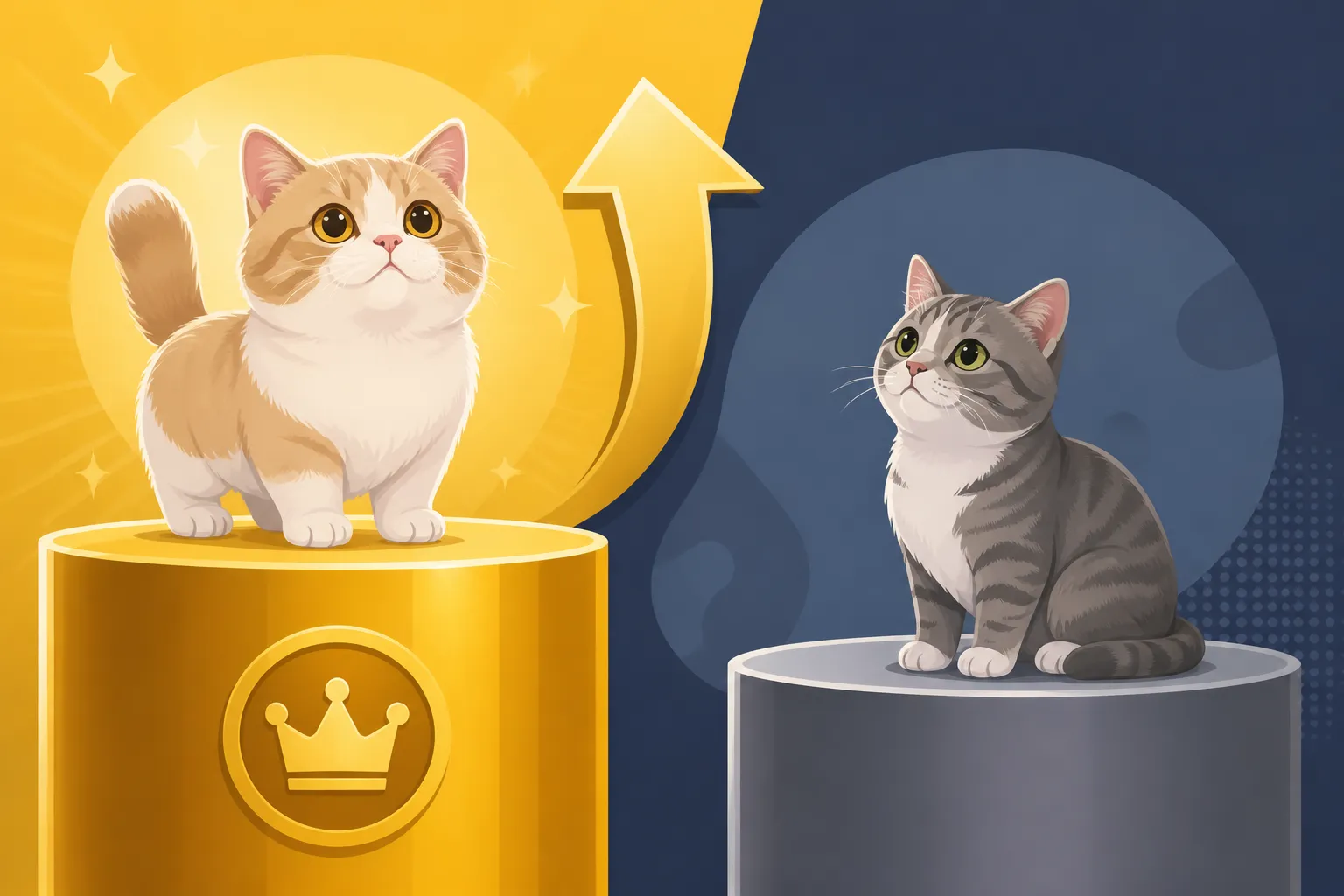
Here's a quick comparison of the common factors influencing pet insurance premiums for Munchkin cats versus the average domestic shorthair.
| Factor | Munchkin Cat | Domestic Shorthair (DSH) | Impact on Premium (Munchkin vs. DSH) |
|---|---|---|---|
| Genetic Predisposition | Higher risk of pseudoachondroplasia complications, lordosis, pectus excavatum, early onset arthritis. | Generally low risk for specific genetic conditions, robust gene pool. | Higher |
| Chronic Conditions | More prone to joint issues (shoulders, elbows), spinal problems. Regular management often needed. | Lower incidence of chronic skeletal issues unless due to injury or old age. | Higher |
| Diagnostic Needs | More likely to require X-rays or advanced imaging for spine/joints even without obvious symptoms. | Less frequent need for specialized imaging unless severe symptoms or injury. | Higher |
| Specialized Care/Surgery | Potential for complex surgeries for lordosis/pectus, intensive arthritis treatments/rehab (e.g., hydrotherapy). | Less common need for complex, breed-specific surgeries or extensive rehabilitation for mobility. | Higher |
| Weight Sensitivity | Extremely sensitive to weight gain; even slight excess weight significantly impacts spine and joints. | More tolerant of minor weight fluctuations; obesity still a risk, but less immediate impact on skeleton. | Higher |
| Grooming Challenges | Short legs and low belly make self-grooming difficult; higher risk of matting, skin issues, UTIs. | Generally capable of thorough self-grooming. | Higher |
| Breed Recognition/Status | TICA recognized but controversial; less universally accepted, potentially less long-term data for insurers. | Universally recognized; vast, well-documented health history. | Higher |
| Acquisition Cost | Generally purchased from breeders at a higher cost. | Often adopted from shelters or rescues at lower cost. | Indirectly Higher |
| Owner's Propensity to Treat | Owners often more invested due to initial cost and purebred status, more likely to pursue expensive treatments. | Owners may be more cost-conscious or less likely to pursue experimental/expensive treatments. | Indirectly Higher |
Disclaimer
This article is for general informational purposes only and does not constitute professional advice. Laws, prices and regulations vary by location and change over time. Consult a qualified professional for guidance on your specific situation.