Whether Insurers Exclude a Munchkin’s Spine
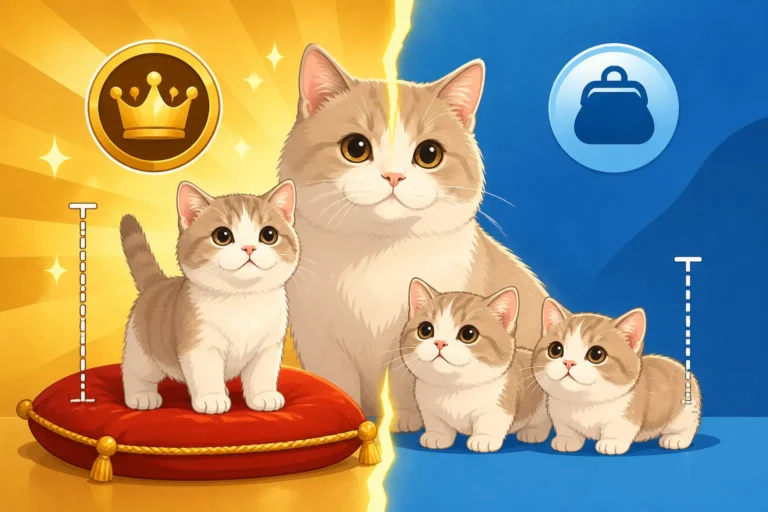
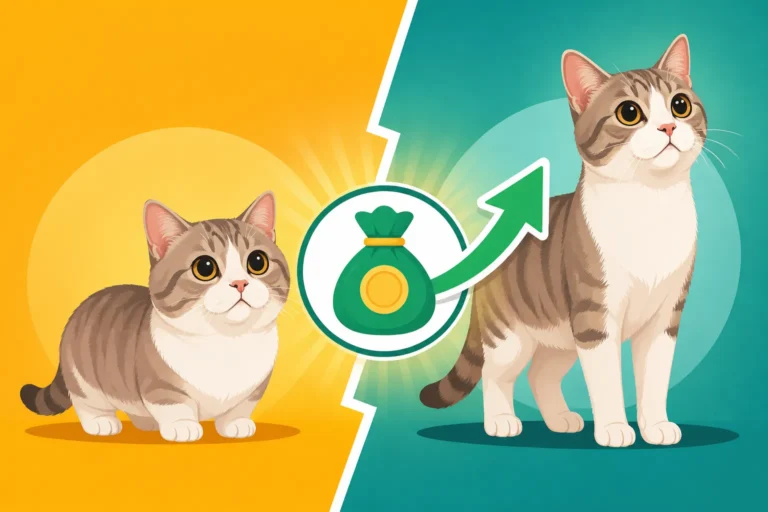
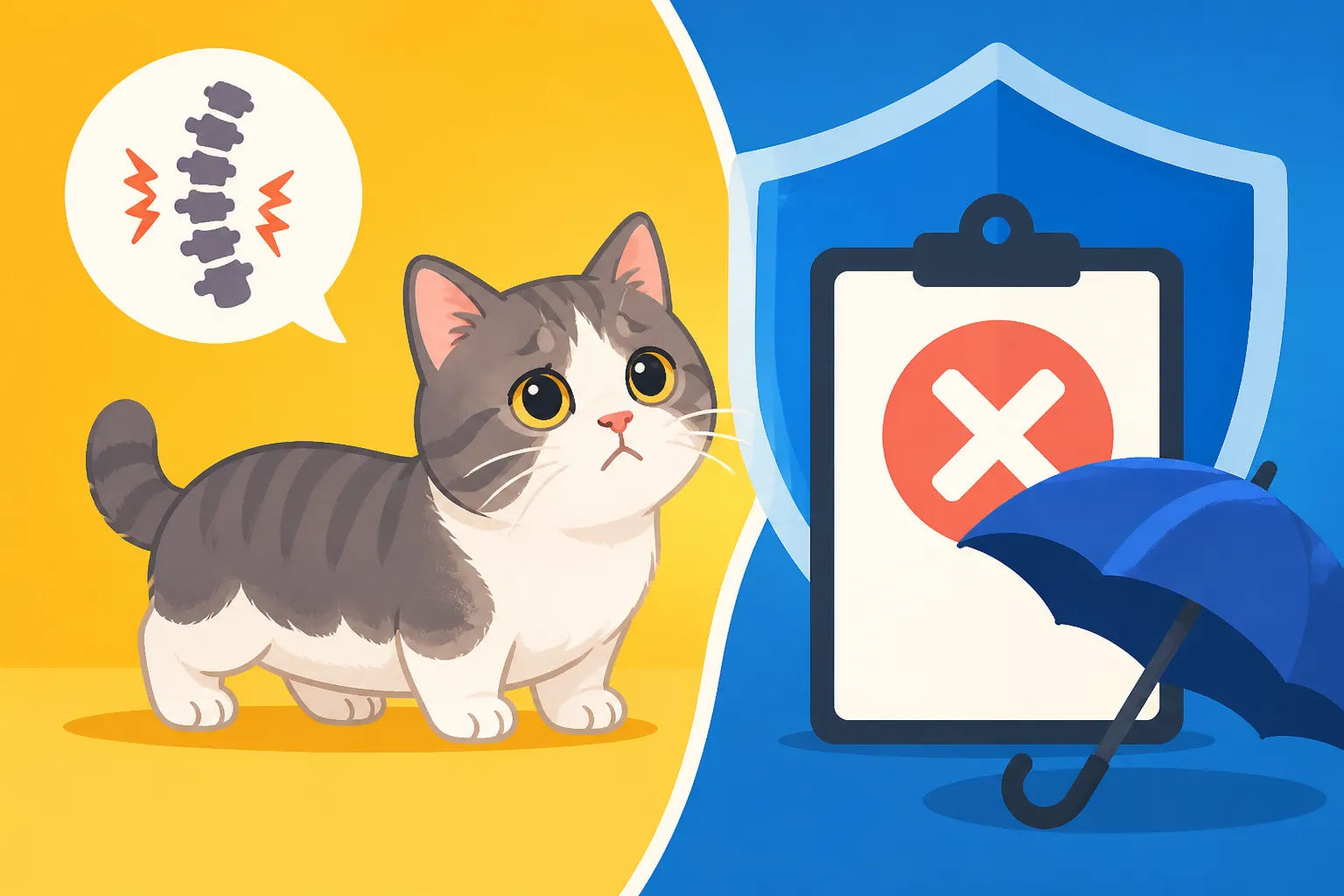
It’s a heartbreaking worry for any Munchkin cat owner: what if your beloved short-legged friend develops a spinal issue, and your pet insurance company decides it’s not covered? The unique conformation of Munchkins, with their distinctively short legs and long bodies, naturally leads to questions about their skeletal health, and by extension, what pet insurance truly protects. Many of us grapple with this uncertainty, wondering if we’re truly prepared for every eventuality. This guide will walk you through the nuances of pet insurance coverage for Munchkin spinal health, helping you understand what to look for and how to advocate for your furry family member.
Understanding Pet Insurance for Munchkins
Navigating the world of pet insurance can feel like a labyrinth, especially when you own a breed with specific conformational traits like the Munchkin. It’s not just about finding any policy; it’s about finding the right policy that understands and covers the unique aspects of your cat.
The Importance of Early Enrollment
One of the most critical aspects of pet insurance for any animal, but especially a Munchkin, is enrolling them as early as possible. Most pet insurance policies operate under the strict rule of "pre-existing conditions." This means if your cat has any health issue diagnosed before the policy begins or during its waiting period, that specific condition (and often related conditions) will be excluded from coverage for the life of the policy.
Imagine bringing home a sweet Munchkin kitten. You adore their playful spirit and unique waddle. If you wait to get insurance, and then a vet mentions a slight curvature of the spine during a routine check-up when they're six months old, any future treatment for that spinal curvature could be classified as a pre-existing condition. This could happen even if it's a minor note that later develops into something more significant, like lordosis. By enrolling your kitten when they are very young, ideally before their first veterinary exam even highlights any potential issues, you maximize the chance that future conditions will be covered, should they arise. This proactive step can save you immense financial and emotional stress down the line. It's often said that the best time to get pet insurance is when you don't think you need it, and that holds especially true for breeds with known conformational variances.
How Insurance Companies View Breed-Specific Conditions
Pet insurance companies typically categorize health conditions in various ways, and how they view breed-specific traits is crucial for Munchkin owners. Many policies have lists of hereditary or congenital conditions that might be excluded or covered with specific limitations. The defining characteristic of the Munchkin is, of course, their short legs, a result of a genetic mutation causing pseudoachondroplasia. While this specific trait itself isn't usually covered as an "illness" (as it's the breed's standard), the secondary health issues that might arise because of it are where the questions begin.
Some insurers might classify any condition directly resulting from or significantly exacerbated by a breed's unique conformation as a "hereditary" or "congenital" condition. Depending on the policy, these might be covered, excluded, or covered with a higher deductible or lower reimbursement rate. It’s not about whether a Munchkin is guaranteed to have spinal issues, but whether the risk is seen as elevated due to their genetics. For example, Munchkin Dwarfism Is Dominant and Lethal in Two Copies explains the genetic basis, which insurers are certainly aware of from a risk assessment perspective. The key here is transparency from the insurer and diligent questioning from you. You need to understand their stance on conditions like lordosis or pectus excavatum before committing to a policy.
Types of Coverage: Accident-Only vs. Accident & Illness
When looking at pet insurance, you'll generally encounter two main types of policies: accident-only and accident & illness. For a Munchkin, understanding the difference is paramount.
-
Accident-Only Policies: As the name suggests, these policies cover expenses related to unexpected injuries, such as broken bones from a fall, ingestion of a foreign object, or being hit by a car. They are typically less expensive but offer very limited protection. For a Munchkin, an accident-only policy would likely not cover conditions like lordosis, degenerative disc disease, or arthritis unless a direct, sudden accident caused the initial injury. It's a bit like having car insurance that only covers collisions, not mechanical failures. While useful for unforeseen mishaps, it leaves a huge gap for chronic or breed-related health issues.
-
Accident & Illness Policies: These policies are much more comprehensive and are highly recommended for Munchkins. They cover both accidents and a wide range of illnesses, including infections, cancer, diabetes, and crucially for Munchkins, many hereditary and chronic conditions. While these policies come with a higher premium, they provide the peace of mind that comes from knowing you're covered for most health challenges your cat might face, including those affecting the spine, provided they aren't pre-existing. This type of policy is essential if you want to ensure potential spinal issues are covered. Without it, you're essentially self-insuring for every cough, sniffle, and ache your Munchkin might develop, on top of any structural concerns.
Diving Deeper into Spinal Coverage Concerns
The specific spinal conditions sometimes associated with Munchkins are often the root of owner concern regarding insurance coverage. Understanding these conditions and how insurers categorize them is key to making an informed decision.
Lordosis and Pectus Excavatum: Common Munchkin Concerns
Two conditions that often come up in discussions about Munchkin health are lordosis and pectus excavatum. Both are structural issues that can impact a cat's quality of life, and their coverage by insurance is a major point of inquiry.
-
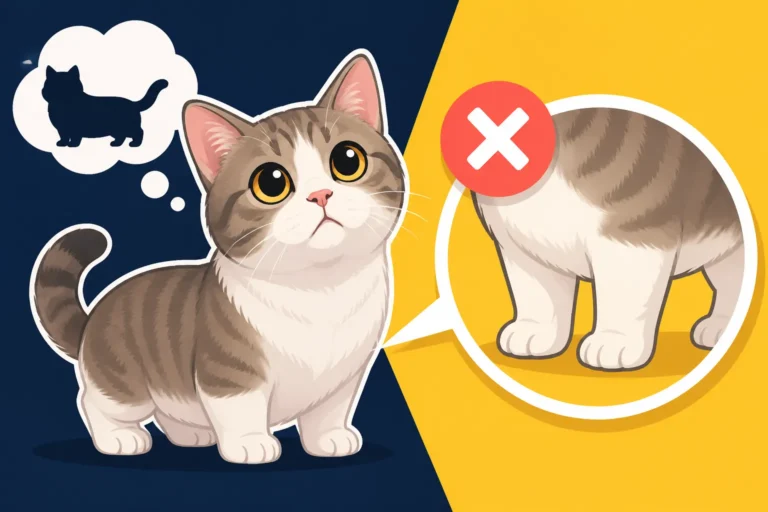
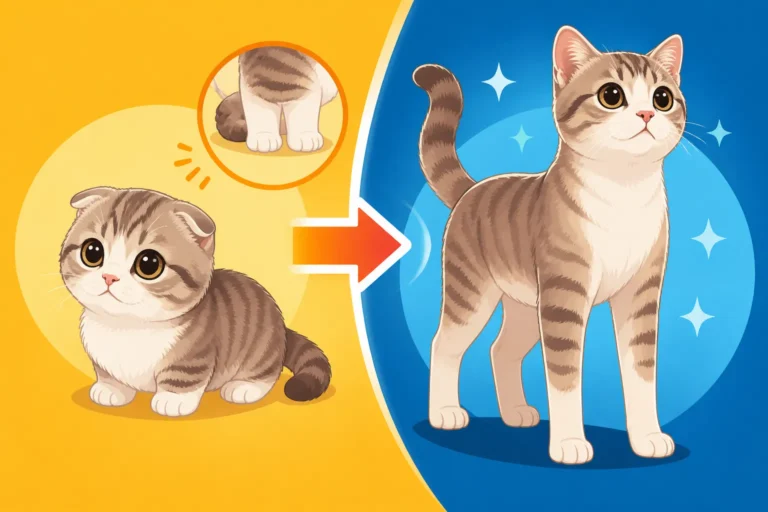
Lordosis: This is a condition where the spine curves inward, creating a swayback appearance. It's not unique to Munchkins but can sometimes be more pronounced in the breed due to their unique body structure. Lordosis can range from mild to severe; in severe cases, it can compress internal organs, leading to serious health complications. What Lordosis Actually Is in a Munchkin provides a deeper dive into this condition. If a Munchkin is diagnosed with lordosis before you enroll them in a pet insurance policy, or during the waiting period, it will almost certainly be considered a pre-existing condition and excluded. Even if it's very mild, a vet's notation in the kitten's record could trigger an exclusion down the line. This is why early enrollment and careful selection of a breeder who prioritizes spinal health are so important. How Early Lordosis Shows in a Munchkin Kitten can further explain the diagnostic timeline.
-
Pectus Excavatum: This condition, often called "funnel chest" or "sunken chest," involves an abnormal indentation of the sternum (breastbone) and rib cage. Like lordosis, it can vary in severity. Mild cases might not cause any issues, but severe pectus excavatum can compress the heart and lungs, leading to breathing difficulties and other internal problems. Again, if this condition is noted in your Munchkin's vet records prior to obtaining insurance, it will be deemed pre-existing. What Pectus Excavatum Does to a Munchkin's Chest delves into this in more detail. When considering a Munchkin, it's vital that the kitten's chest is thoroughly checked by a vet, and these findings are documented before insurance is in place.
For both conditions, the critical takeaway is that insurance is designed to cover new and unexpected illnesses. If the condition is present, even subtly, before coverage begins, you'll be footing the bill yourself.
What Constitutes a "Pre-Existing Condition" for a Munchkin Spine
The term "pre-existing condition" is the cornerstone of pet insurance exclusions. For a Munchkin's spine, this can be particularly nuanced. Generally, a pre-existing condition is any illness or injury that your pet showed signs of, or was diagnosed with, before your insurance policy's start date or during its waiting period. This isn't just about a formal diagnosis; even symptoms or clinical signs observed by a vet, or even by you as the owner and noted in records, can be enough for an insurer to label a condition as pre-existing.
For a Munchkin's spine, this could mean:
- Formal Diagnosis: If your kitten had X-rays that showed even a mild spinal anomaly like lordosis or disc compression before you bought the policy, that's a clear exclusion.
- Symptoms Noted in Records: A vet's note about an "unusual gait," "stiffness after activity," "difficulty jumping," or a "slight curvature of the back" in your cat's early medical history could be grounds for exclusion if a spinal condition is later diagnosed. Even if the vet didn't formally diagnose lordosis, the observation of symptoms could be enough.
- Owner Observations: While less common, if your vet records reflect concerns you raised about your Munchkin's movement or posture before the policy started, this could also be used.
Most insurance policies also have a "look-back" period, typically 6-12 months, where they will review your pet's medical history for any signs of conditions that could be linked to a new claim. This makes insuring a young, healthy kitten paramount. Why to Insure a Munchkin Before Its Spine Is Imaged emphasizes this urgency.
The Role of Vet Exams and Documentation
Your veterinarian is your primary partner in ensuring your Munchkin's health, and their thoroughness in documentation plays a critical role in pet insurance claims. When you first get your Munchkin kitten, their initial vet exams are more than just vaccinations; they're baseline assessments of their overall health, including their musculoskeletal structure. What a Munchkin Kitten's First Exam Should Cover highlights the crucial aspects of these early check-ups.
- Detailed Records: Ensure your vet provides detailed, legible records of every visit. These records should clearly state that your kitten was examined and found to be free of any overt signs of spinal abnormalities. If your vet notes anything that could be interpreted as a spinal issue, discuss it openly and get clarity on the record.
- Baseline Assessments: For a Munchkin, a vet palpating the spine and observing their gait is essential. This creates a documented "normal" state. If issues arise later, these initial records serve as proof that the condition was not present or symptomatic at the time of enrollment.
- Open Communication with Insurers: When getting quotes, don't hesitate to ask prospective insurers if they would like to review your kitten's initial vet records. While not always required upfront, some may ask for them during the claims process. Being proactive can help clarify any potential issues before you even commit to a policy. A clean, comprehensive initial vet report is your best defense against future pre-existing condition exclusions related to the spine.
Navigating Insurance Policies and Finding the Right Fit
Finding the right pet insurance for a Munchkin means being a savvy consumer, asking pointed questions, and meticulously reviewing policy documents. Don't just go for the cheapest option; seek out the policy that offers the most robust and clear coverage for your cat's specific needs.
Asking the Right Questions to Insurers
When you're speaking with insurance providers, don't be shy about asking direct and specific questions. This isn't a time for generalities; you need concrete answers about spinal coverage for a Munchkin.
Here are some crucial questions to ask:
- "How do you define 'pre-existing conditions,' and what is your look-back period for medical records?"
- "Are conditions like lordosis or pectus excavatum considered hereditary or congenital and, if so, how are they covered or excluded?"
- "Does your policy have any specific exclusions related to skeletal abnormalities or dwarfism, and if so, can you provide specific examples from the policy wording?"
- "If my Munchkin develops arthritis or disc issues later in life, and these are deemed related to their short-legged conformation, would they be covered?" Whether a Munchkin Gets Arthritis Earlier is a common concern.
- "Do you require any specific veterinary screenings or genetic tests for Munchkins at enrollment?" (While a Munchkin DNA test does not exist yet, they may have other requirements).
- "Can I submit my pet's current vet records for review before I purchase a policy, to get a clear understanding of what would and would not be considered pre-existing?"
Always ask for these answers in writing, whether by email or a printout of relevant policy sections. Having it documented protects you in the future. Providers like Healthy Paws or Chewy are good places to start your inquiry, as they often have clear guidelines, but make sure to press for specifics.
Understanding Policy Wording and Exclusions
This might be the most tedious part of the process, but reading the actual policy document—especially the exclusions section—is non-negotiable. Don't rely solely on marketing brochures or agent summaries. The devil is truly in the details.
Look for specific language about:
- Hereditary and Congenital Conditions: Some policies might cover these, others might exclude them, or they might be covered only if certain waiting periods are met or if they appear after a certain age. For a Munchkin, where the defining trait is genetic, this section is vital.
- Skeletal/Musculoskeletal Conditions: Scrutinize any clauses that broadly exclude or limit coverage for conditions affecting bones, joints, or the spine. Terms like "developmental abnormalities" could potentially encompass lordosis or pectus excavatum.
- Waiting Periods: Be aware of distinct waiting periods for accidents versus illnesses, and sometimes even longer waiting periods for orthopedic conditions (e.g., knee issues, hip dysplasia). A condition presenting during this period will be deemed pre-existing.
- Policy Riders: Some companies offer optional riders that can add coverage for certain conditions, but it's rare to find a rider specifically for an inherent breed conformational trait.
If any wording is unclear, contact the insurer directly for clarification. Get their interpretation in writing. Don't assume anything; an assumption could cost you thousands in vet bills later.
Comparing Providers and Their Stances on Munchkin Health
Because pet insurance policies can vary so widely, it’s critical to compare several providers side-by-side. What one company considers a covered illness, another might deem a breed-specific exclusion. Consider companies known for comprehensive coverage, but always verify their specific stance on Munchkins.
Here’s a table outlining key aspects to compare:
| Feature | Provider A (e.g., Healthy Paws) | Provider B (e.g., Chewy Pet Insurance) | Provider C |
|---|---|---|---|
| Annual Limit | Varies (e.g., unlimited options) | Varies (e.g., multiple tiers) | Varies (e.g., higher caps) |
| Deductible Options | Flexible choices | Several fixed options | Customizable |
| Reimbursement Rate | High percentage (e.g., 80-90%) | Multiple percentages | Often higher percentages |
| Waiting Period for Illness | Standard (e.g., 14 days) | Standard (e.g., 14 days) | Standard (e.g., 14 days) |
| Waiting Period for Orthopedic Conditions | Often longer (e.g., 6 months) | Often longer (e.g., 6 months) | May vary by plan |
| Hereditary/Congenital Conditions | Typically covered if not pre-existing | Often covered with limitations | Generally covered if new |
| Specific Exclusions for Skeletal Abnormalities | Check policy details | Check policy details | Check policy details |
| Customer Service for Claims | Often highly rated | Good, but can be variable | Often very responsive |
| Monthly Premium | Varies by age/location/coverage | Varies by age/location/coverage | Varies by age/location/coverage |
Remember, the goal isn't just to find coverage; it's to find meaningful coverage for the potential issues that concern you most with a Munchkin. It's often worth paying a slightly higher premium for a policy that offers robust coverage for conditions like those affecting the spine, rather than choosing a cheaper plan that leaves you vulnerable.
Beyond Insurance: Proactive Care for Your Munchkin's Spine
While pet insurance is a crucial safety net, it's just one part of ensuring a healthy life for your Munchkin. Proactive care, tailored to their unique physical needs, plays an even more significant role in preventing or mitigating spinal issues. Think of it as investing in their well-being every single day.
Maintaining a Healthy Weight
For any cat, maintaining a healthy weight is vital, but for a Munchkin, it's absolutely critical for spinal health. Their short legs and elongated body mean their spine carries a disproportionate load. Why a Munchkin's Spine Carries a Load a Normal Cat's Does Not truly highlights this. Even a few extra pounds can dramatically increase the stress on their vertebral discs and joints, accelerating wear and tear. Imagine carrying a backpack that's just a little too heavy for your frame all day, every day; that's what extra weight does to a Munchkin.
- Portion Control: Free-feeding is generally not recommended for Munchkins. Instead, measure out their daily food allowance and divide it into two or three meals. How Much a Munchkin Gets in a Weighed Meal is a great resource for this.
- Appropriate Diet: Feed a high-quality cat food appropriate for their age and activity level. Discuss caloric needs with your vet, as a Munchkin typically burns fewer calories than a long-legged cat because they can't jump as high or move as extensively.
- Regular Weigh-ins: Weigh your Munchkin regularly at home. Even a small increase can be significant. Feeling for their ribs and spine is also a good indicator; you should be able to feel them easily but not see them prominently. How to Score a Munchkin's Body Condition offers excellent guidance here.
- Monitor Treats: Treats add calories quickly. Factor any treats into their daily allowance or opt for low-calorie alternatives.
By keeping your Munchkin lean and fit, you significantly reduce the strain on their spine and joints, potentially delaying or preventing issues like arthritis and disc problems.
Environmental Adaptations
Your home environment needs to be Munchkin-friendly to protect their spine. Because they can't jump to the heights a normal cat can, they often resort to awkward jumps or straining to reach desired spots. This constant low-level impact and stretching can put undue stress on their back.
- Ramps and Steps: This is the golden rule for Munchkin owners. Every piece of furniture your cat enjoys – sofas, beds, window perches – should have a ramp or a set of sturdy steps leading up to it. Ramps and Steps Are Munchkin Equipment, Not Luxuries isn't an exaggeration. This prevents them from repeatedly jumping up and down, which can jarringly impact their spine and shoulders. Ensure ramps aren't too steep and steps are closely spaced.
- Floor-Level Access: Consider having food and water bowls, as well as favored resting spots, on the floor. While some raised bowls can help their neck, ensuring easy access to everything reduces the need for them to stretch awkwardly or jump.
- Litter Boxes: Use litter boxes with low entry points. A high lip means they have to jump or step high, again straining their back. Many senior cat litter boxes are perfect for Munchkins. Which Litter Box a Munchkin Can Actually Enter gives great advice.
- Safe Play Areas: Provide plenty of floor-level toys and enrichment that encourages horizontal play rather than vertical. A cat tree with very closely spaced, wide platforms specifically designed for short-legged cats is essential if you want them to climb safely.
- Preventing Falls: Munchkins, like all cats, can be adventurous. Ensure there are no precarious spots they might try to reach and fall from. While they are surprisingly agile on the flat, falls from height can be devastating for their unique spinal structure.
Adapting your home is truly a loving investment in your Munchkin's long-term comfort and health. It’s also often cited that Why a Munchkin's House Costs More Than the Cat due to all these necessary modifications.
Regular Vet Check-ups and Monitoring
Consistent veterinary care is non-negotiable for a Munchkin. Even if your cat seems perfectly healthy, regular check-ups allow your vet to monitor their musculoskeletal health, catch any subtle changes early, and advise on preventative care.
- Annual Wellness Exams: Beyond vaccinations, these visits should include a thorough physical examination, paying close attention to their gait, spinal flexibility, and joint health. Your vet might palpate their spine to check for tenderness or stiffness. Why a Munchkin's Annual Visit Includes Its Gait covers what your vet will be looking for.
- Discussion of Changes: Be sure to discuss any subtle changes you've noticed at home, no matter how minor. Is your Munchkin jumping less? Is their "prairie dog sit" (sitting up on their hind legs to observe) less frequent or held for shorter periods? Are they showing any reluctance to play? These could be early signs of discomfort.
- Imaging as They Age: As Munchkins get older, your vet might recommend X-rays to assess their spinal health proactively, especially if any stiffness or mobility issues are noted. This can help identify issues like osteoarthritis or disc degeneration before they become severely debilitating. When a Munchkin Should Have Its Spine Imaged discusses this in more detail.
Working closely with your vet, coupled with a well-adapted home and careful weight management, will significantly contribute to your Munchkin living a long, comfortable life. It’s a holistic approach that ensures their unique needs are met, reducing the likelihood of severe spinal problems and complementing any pet insurance coverage you have in place.
Conclusion
The question of whether pet insurance excludes a Munchkin's spine is one that weighs heavily on many prospective and current owners. The answer, unfortunately, isn't a simple yes or no; it's nuanced and depends heavily on timing, policy specifics, and how conditions are interpreted. What's clear is that getting a comprehensive accident & illness policy for your Munchkin while they are a healthy kitten, before any signs of spinal issues appear, is your best strategy. Coupled with diligent research into various insurance providers and their specific policies regarding hereditary conditions, you can significantly increase your chances of having coverage should a spinal issue arise.
However, insurance is merely one layer of protection. The true foundation of your Munchkin's spinal health lies in proactive daily care: meticulous weight management to alleviate strain, thoughtful environmental adaptations with ramps and steps to minimize impact, and consistent veterinary check-ups to monitor their unique anatomy. By combining informed insurance decisions with dedicated preventative care, you empower your cherished Munchkin to lead a comfortable, active, and joy-filled life, minimizing the worries about their remarkable, yet vulnerable, spine.
Disclaimer
This article is for general informational purposes only and does not constitute professional advice. Laws, prices and regulations vary by location and change over time. Consult a qualified professional for guidance on your specific situation.