Whether a Rescue Munchkin’s Breeding Can Be Traced
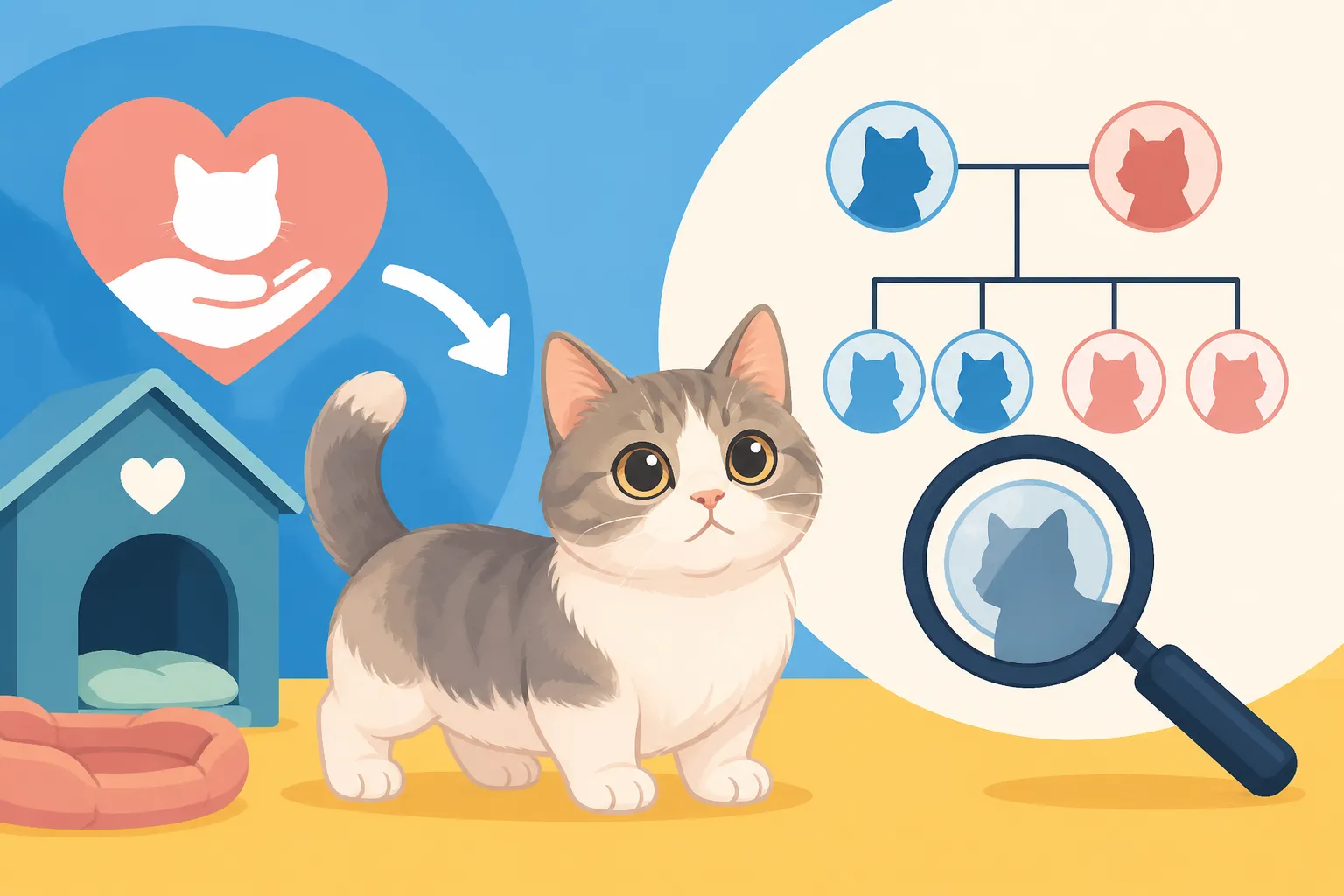
Bringing a rescue Munchkin into your home is an incredibly compassionate act, but it often comes with a common frustration: the mysterious past. You gaze at those adorable short legs and wonder about their lineage, their parents, and their early life. While it's natural to want to trace a rescue Munchkin's breeding, understanding their origins can be an uphill battle, and this guide will walk you through the realities of what you might, or might not, uncover.
The Elusive Past: Why Tracing a Rescue Munchkin's Breeding is Often a Challenge
One of the most heartwarming aspects of adopting a rescue cat is giving them a second chance, but it also means stepping into their story mid-way. For a Munchkin, whose unique physical traits can predispose them to certain health considerations, knowing their breeding background feels even more crucial. However, the circumstances that lead a cat to a shelter or rescue organization rarely come with a neatly organized folder of paperwork.
The Lack of Documentation in Rescue Situations
Imagine a cat found wandering, or surrendered by an owner who simply couldn't care for them anymore, or perhaps came from a hoarding situation. In these scenarios, the details about where the cat came from, who bred them, or even their precise age, can be incredibly sparse, if they exist at all. Rescue organizations work tirelessly to gather as much information as possible, but their primary focus is on the cat's immediate health and finding them a safe, loving home. A detailed breeding history often falls by the wayside, not because it's unimportant, but because the information simply isn't available.
For many rescue Munchkins, their previous life might have been with an owner who wasn't concerned with official pedigrees or registration. They might have been bought casually online, gifted, or even came from an accidental litter. Without formal paperwork linking them to a registered breeder, tracing their specific lineage becomes nearly impossible. It's not like going to a library to find a book; it's more like searching for a single grain of sand on a vast beach.
The Reality of Unregistered or Backyard Breeding
The unfortunate truth is that many Munchkins, particularly those ending up in rescue, come from unregistered breeders or "backyard" operations. These individuals may not adhere to breed standards, conduct health screenings, or keep meticulous records of their cats' lineage. Their primary motivation might be profit, and once a cat leaves their care, there's often no paper trail, no health guarantee, and no way to contact them for information.
When you purchase a kitten from a reputable breeder, you expect a contract, registration papers (likely from TICA for a Munchkin), and a health guarantee, often including details about the parents' health. This is why Why a Cheap Munchkin Is a Warning is so important. With a rescue, you often don't get any of this. The cat's origins could be from a "breeder" who sold kittens without registration, didn't understand the genetics of the Munchkin, or even deliberately bred cats with known health issues. This lack of initial oversight makes it incredibly difficult for a rescue organization, let alone a new owner, to piece together the puzzle of their breeding history. You might simply never know who bred your cat, or from what lines they came.
When a Breeder Surrenders a Cat
While less common, some Munchkins might enter rescue directly from a breeder. This could happen for a variety of reasons: a retired breeding cat, a kitten with a congenital issue deemed "unsellable," or a breeder facing personal difficulties. In these rarer cases, the rescue organization might have more information about the cat's lineage, health records, and the breeder's practices.
However, even if a breeder surrenders a cat, the extent of documentation passed along can vary wildly. A responsible breeder might provide a full history, including pedigree and health screenings, wanting the best for their former cat. An irresponsible one might just drop the cat off, providing minimal to no information, effectively cutting ties with their past. So, while the possibility exists that a rescue Munchkin's breeding could be traced if it came from a breeder, it's far from a guarantee. The vast majority of the time, the journey to the shelter severs any clear ties to their birthplace.
What Information Might Be Available (and How to Find It)
Despite the challenges, it's not always a completely blank slate. There are still avenues you can explore and bits of information that might surface to help you understand your rescue Munchkin a little better, even if a full pedigree remains out of reach. Think of it as detective work, gathering clues rather than following a direct map.
Vet Records and Microchip Information
When your rescue Munchkin first arrives, one of the most immediate and helpful sources of information will be their veterinary records, if the rescue organization has them. These records won't tell you about their parents, but they can offer vital insights into their early health, vaccination history, spay/neuter status, and any past medical conditions or surgeries. For a breed like the Munchkin, understanding their prior health issues is paramount, especially concerning their unique skeletal structure and potential predispositions. For instance, knowing if they've had any past lameness or concerns about their gait could hint at underlying joint issues, regardless of pedigree.
Furthermore, almost all rescue cats nowadays are microchipped. While the microchip itself primarily links to ownership information, it can occasionally provide a breadcrumb trail. If the chip was registered by a previous owner or, in very rare cases, by the breeder, it might lead back to them. However, usually, rescue organizations update the chip registration to themselves, then to you, effectively acting as a fresh start. It's still worth checking the microchip details for any original registration notes, though don't get your hopes up for a direct link to a breeder.
Clues from the Rescue Organization
The rescue organization itself is your first and best resource. They will have done their best to compile any information provided by the surrendering party or gathered during the cat's initial assessment. Ask them directly about what they know:
- Where did the cat come from? Was it a stray, an owner surrender, or transferred from another shelter?
- Was any paperwork provided? Even basic vaccination records from a previous vet can be a starting point.
- What was the previous owner's explanation for surrender? Sometimes, owners will mention where they got the cat, even if it's just a general area or "from a friend."
- Did the previous owner mention anything about the cat's health history or parents?
While they might not have a full family tree, even anecdotal information can paint a clearer picture. Perhaps the previous owner mentioned they got the cat from a small town breeder, or a local ad. This might not lead to an official tracing, but it provides a narrative context to your cat's origins.
Physical Traits and Health History as Indicators
Even without official papers, your Munchkin's physical appearance and health can offer indirect clues, though these require careful observation and professional veterinary assessment.
- Leg Conformation: A vet can assess How a Vet Assesses a Munchkin's Leg Conformation. While this won't tell you who bred them, it can tell you if their legs are consistent with the Munchkin standard or show any unusual bowing or issues that might suggest particular breeding lines or health concerns.
- Overall Health: Keep a close eye on their health. Does your Munchkin show any signs of Which Health Problems the Munchkin Actually Has? Issues like What Lordosis Does to a Munchkin or a history of arthritis (common even in younger Munchkins due to their conformation) might not pinpoint a breeder, but they highlight the importance of their ongoing care and alert you to potential genetic predispositions within the broader Munchkin population.
- Age: While not breeding info, a vet's estimation of your cat's age can at least give you a timeframe for their past.
These observations don't trace breeding, but they inform your understanding of your individual cat's needs. For example, knowing that a Munchkin's unique body puts extra strain on their spine makes Why a Munchkin's Spine Carries a Load a Normal Cat's Does Not particularly relevant for their long-term care plan.
Here's a quick summary of what you might find:
| Information Source | What it Might Tell You | What it Likely Won't Tell You |
|---|---|---|
| Rescue Organization | Past owner's name, general origin, known health issues | Breeder's name, full pedigree, genetic health test results |
| Vet Records | Vaccination history, past treatments, estimated age | Breeder details, parentage, specific lineage |
| Microchip Registration | Previous owner's contact (rarely breeder's direct info) | Specific breeding lines, inherited conditions from parents |
| Physical Examination | Presence of breed traits, signs of conformational issues | Who bred them, the ethical standards of their origin kennel |
| DNA Tests (Limited) | General breed mix (if mixed), specific known gene mutations | Comprehensive pedigree, health issues not yet genetically mapped |
The Limits of Tracing: Why a Full Pedigree is Unlikely
It's important to set realistic expectations. For most rescue Munchkins, achieving a full, verifiable pedigree is simply not possible. This isn't a failing on your part or the rescue's; it's a fundamental reality of rescue animals, especially those from unregulated backgrounds.
The Nature of Breed Registries and Outcrosses
Official breed registries, like The International Cat Association (TICA) which recognizes the Munchkin, are built on documented lineage. Every cat in a pedigree must have registered parents, grandparents, and so on. If a cat is not registered, or if any ancestor in its line was not registered, the chain is broken. Many Munchkins that end up in rescue are likely from unregistered parents, making a traceable pedigree impossible from the outset.
Furthermore, the Munchkin breed itself relies on outcrossing to maintain genetic diversity. Why Munchkin Outcrossing Was Necessary From the Start explains that short-legged Munchkins are always bred to normal-legged domestic cats (the "outcrosses") because breeding two short-legged Munchkins together results in lethal genes for homozygous embryos. While these outcrosses are often registered domestic shorthairs or longhairs, they still contribute to a complex lineage that can be hard to track without meticulous records. If your rescue Munchkin had unregistered outcrosses in its recent ancestry, tracing it becomes a dead end.
The Ethical Dilemma of the Munchkin Breed Itself
The Munchkin breed has been, and continues to be, a subject of ethical debate within the cat fancy and veterinary community. The short legs are a result of a genetic mutation that causes pseudoachondroplasia, a form of dwarfism. Some organizations refuse to recognize the breed due to concerns about potential health and welfare implications. Because of this controversy, some breeders operate outside the main registries or are less transparent about their breeding practices. This situation only compounds the difficulty of tracing a rescue cat's origins, as the pool of potential unethical or unregistered breeders is larger.
This ethical debate is a major reason Why Vets Disagree About the Munchkin. When you adopt a rescue Munchkin, you are essentially adopting an animal whose very existence comes with a complex history and ongoing discussion. This backdrop often means that if a cat does end up in rescue, its breeding may have been on the fringes of accepted practice, making it even harder to trace.
DNA Testing: What It Can and Cannot Tell You
You might wonder if a DNA test could solve the mystery. While fascinating, DNA tests for cats currently have limitations when it comes to tracing specific breeding lines or pedigrees for a rescue.
- Breed Identification: A DNA test can confirm if your cat is indeed a Munchkin or a Munchkin mix. It can identify the dwarfism gene. However, it won't tell you who bred them or provide a pedigree.
- Genetic Health Markers: Some tests can screen for known genetic health conditions common in certain breeds. For a Munchkin, this might include testing for conditions that are not directly related to their short legs but are prevalent in the outcross breeds used (e.g., Polycystic Kidney Disease (PKD) if there's Persian ancestry, which is not uncommon). However, it won't screen for all potential issues, especially complex ones like various spinal problems that might be exacerbated by their conformation.
- Unidentified Genes: As of now, Why the Munchkin Gene Has Not Been Identified explains that the specific gene responsible for Munchkin dwarfism, though known to be autosomal dominant, isn't fully isolated in the way some other genetic mutations are. This makes DNA testing for specific health markers linked directly to the Munchkin gene's expression more challenging than for, say, specific recessive genetic diseases found in other breeds.
So, while a DNA test can give you insights into your cat's genetic makeup and potential predispositions, it's not a magic wand for uncovering a lost pedigree or the identity of a breeder. It complements veterinary care, but doesn't replace the information (or lack thereof) from their past.
Moving Forward: Prioritizing Your Rescue Munchkin's Future Health
While the past might remain largely unknown, what truly matters is your Munchkin's future. You've given them a loving home, and now your focus can shift to ensuring they live the happiest, healthiest life possible, tailored to their unique needs. This is where your actions and proactive care make all the difference.
Focusing on Preventative Care and Wellness
Regardless of whether you know their breeding history, preventative care is paramount for any Munchkin. Regular veterinary check-ups are non-negotiable. Your vet can monitor for signs of Whether a Munchkin Gets Arthritis Earlier or other skeletal issues. These check-ups should include careful palpation of the spine and assessment of their gait. Consider discussing joint supplements with your vet, even if your Munchkin is young, as their conformation places extra stress on their joints. Brands like Healthy Paws offer pet insurance plans that can help cover unexpected veterinary costs, providing peace of mind as you manage their long-term health.
A balanced diet is also crucial. Overweight Munchkins face significantly increased strain on their spine and joints. It's not just about aesthetics; Why Weight Is More Dangerous on a Munchkin is a serious health concern. Discuss appropriate calorie intake and food choices with your vet. Some owners opt for specialized diets tailored to their cat's specific dietary needs and activity level.
Adapting Your Home for Their Unique Needs
One of the biggest differences with a Munchkin is that the world isn't designed for their short stature. You literally have to bring the world down to their level. This means making thoughtful modifications around your home to ensure they can access everything they need safely and comfortably.
- Ramps and Steps: Provide ramps or pet steps for sofas, beds, and windowsills. This prevents them from repeatedly jumping down, which can exacerbate joint issues. Ramps and Steps Are Munchkin Equipment, Not Luxuries – they are essential.
- Litter Boxes: Ensure litter boxes have low entry points. A senior cat litter box is often perfect. Why a Munchkin Needs a Litter Box It Can Walk Into is crucial for preventing accidents or discomfort. Online retailers like Chewy offer a wide selection of low-entry boxes suitable for Munchkins.
- Food and Water Bowls: Raised bowls can help alleviate strain on their neck and shoulders while eating.
- Grooming: Due to their shorter legs and less flexible spines, many Munchkins struggle to groom their hindquarters thoroughly. You'll need to assist them with regular brushing, and potentially professional sanitary clips, especially for long-haired varieties. Grooming the Half of a Munchkin It Cannot Reach is a vital part of their care routine.
By proactively adapting their environment, you're not only enhancing their quality of life but also mitigating potential health problems that could arise from their physical limitations.
Building a Strong Relationship with Your Vet
Your veterinarian is your most valuable partner in caring for your rescue Munchkin. Even if you don't know their breeding history, a good vet will be able to assess their current health, identify potential breed-specific concerns, and develop a tailored wellness plan. Don't hesitate to ask questions about their leg conformation, spinal health, and any signs of discomfort. Regular check-ups, including Why a Munchkin's Annual Visit Includes Its Gait, will help catch any issues early. Be open with your vet about any behavioral changes or signs of stiffness, as these can be early indicators of pain or underlying problems. They can guide you through managing their weight, recommending appropriate joint supplements, and advising on home modifications.
Embrace the journey with your rescue Munchkin. While their past may be a mystery, their future is yours to shape with love, care, and informed attention to their unique needs.
Disclaimer
This article is for general informational purposes only and does not constitute professional advice. Laws, prices and regulations vary by location and change over time. Consult a qualified professional for guidance on your specific situation.