Why a Munchkin Budget Needs a Mobility Line
Bringing a Munchkin cat into your life is an absolute joy, but many new owners, and even some experienced ones, can find themselves caught off guard by the ongoing financial commitment required to support their unique physical needs. It's not just about the initial purchase price; a responsible Munchkin budget truly needs a dedicated 'mobility line' to cover everything from specialized equipment to potential long-term care, ensuring your short-legged friend lives a comfortable and active life. This guide will help you understand why this budget line is so crucial and what it needs to include.
Understanding the Munchkin's Unique Mobility Needs
It’s easy to look at a Munchkin and just see an adorable, playful cat with incredibly short legs. What's not always immediately obvious is how those unique proportions impact their daily movement and overall skeletal health over time. Their defining feature, pseudoachondroplasia, means their long bones are shortened, but their spine remains a normal length. This creates a different distribution of weight and stress on their joints and back compared to a long-legged cat.
The Impact of Short Legs on Movement
Think about it: a standard cat can spring onto a kitchen counter with ease, using its long, powerful hind legs as propulsion and its front legs for balance and grip. A Munchkin, however, can't launch itself quite the same way. Their short limbs mean they have to work harder, often relying on multi-step climbs or finding alternative routes to reach even moderate heights. They might look like they're "bunny hopping" or using more of a ferret-like scamper to get around quickly on flat surfaces, which is adorable but also tells you something about their compensation mechanisms.
Because their legs are so much shorter, any jump or descent places a disproportionate amount of impact on their joints. While they are surprisingly agile and fast on the flat, their ability to absorb shock from landings is different. This constant, albeit subtle, extra stress over years can lead to wear and tear. Imagine having to always take several small steps instead of one big stride; it changes the mechanics of your entire body. We need to be mindful of Why a Munchkin's Spine Carries a Load a Normal Cat's Does Not as they navigate their world.
Why Mobility Concerns Evolve Over Time
A young, energetic Munchkin kitten might seem invincible, scaling low furniture with gusto. But as they mature, and especially as they reach their senior years, the cumulative effect of those years of jumping and climbing can become more apparent. Many Munchkin owners report their cats starting to stiffen up earlier than expected, particularly in their shoulders and elbows. This isn't always outright lameness, but a subtle reluctance to jump as high, a slower pace, or an increased need for help getting onto the sofa.
This is why anticipating future needs is so vital. It’s not about predicting doom, but about being proactive. Just as we might adjust our own homes for an aging relative, we need to consider how our Munchkin's environment will need to evolve. Ignoring these potential issues only makes them worse and more costly in the long run. We should ask ourselves Whether a Munchkin Gets Arthritis Earlier and plan accordingly.
Proactive Mobility Investments: Setting Up Your Home
The most impactful way to support your Munchkin's mobility budget is to invest early and wisely in making their environment accessible and safe. This isn't just about comfort; it's about prevention and prolonging their joint health.
Ramps, Steps, and Cat Trees
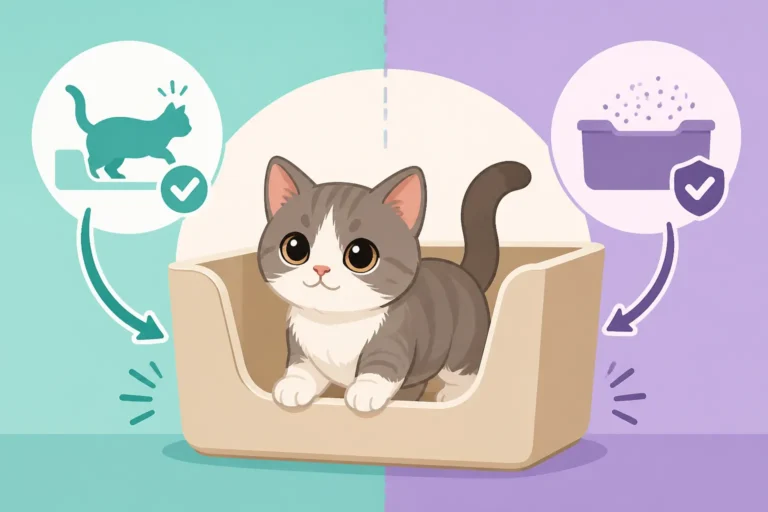
The first thing any Munchkin owner needs to consider is how their cat will access elevated surfaces. Sofas, beds, windowsills, and even some litter boxes can become insurmountable obstacles without assistance. This is where ramps and steps come in. A good set of pet stairs or a sturdy ramp allows your Munchkin to ascend and descend without the jarring impact of jumping. You'll want to place these strategically around the house, creating safe pathways to all their favorite spots.
Think about What a Full Set of Munchkin Ramps Costs. It's not a one-off purchase for one item; you might need several for different pieces of furniture. Look for ramps with a gentle slope and a non-slip surface. For cat trees, forget the towering multi-story structures designed for long-legged climbers. Your Munchkin needs a cat tree with close-set platforms, ideally with ramps or very shallow steps between levels. What a Cat Tree With Close Set Platforms Costs can be different from a standard tree, as they often need custom or specialized designs.
Table: Initial Mobility Equipment Costs (Estimates)
| Item | Purpose | Typical Cost Shape (per item) | Key Considerations |
|---|---|---|---|
| Pet Ramps | Accessing sofas, beds, windowsills | Moderate to High | Non-slip surface, gentle slope, sturdy construction |
| Pet Steps | Shorter climbs, supplementing ramps | Low to Moderate | Wide steps, stable, carpeted for grip |
| Low-Entry Litter Boxes | Easy access for urination/defecation | Low | Wide opening, sturdy, easy to clean |
| Adapted Cat Tree | Safe vertical exploration | Moderate to High | Close-set platforms, ramps/steps between levels, stable |
| Raised Food/Water Bowls | Reduce neck/back strain during eating/drinking | Low | Ergonomic height, non-slip base, easy to clean |
| Non-Slip Mats/Rugs | Improve traction on hard floors | Low to Moderate | Covers high-traffic areas, washable |
Floor-Level Considerations
Beyond vertical access, think about their horizontal world. Hardwood floors and tile can be like ice rinks for a Munchkin, making it difficult for them to get traction. Investing in non-slip rugs or runners, especially in high-traffic areas or where they launch themselves for play, can prevent slips, falls, and unnecessary strain on their joints. This is a small but important investment for their long-term well-being.
Even their food and water bowls should be considered. A normal cat can comfortably bend down to eat from a bowl on the floor. A Munchkin, with its shorter neck and legs, might have to crane their neck and hunch their shoulders more significantly. Raised food and water bowls can make a huge difference, allowing them to eat in a more natural, comfortable posture, reducing strain on their neck and shoulders. You want to avoid any position that encourages them to stretch or compress their spine unnecessarily.
Ongoing Mobility Care: Veterinary and Daily Expenses
Beyond the initial setup, a dedicated mobility line in your budget needs to account for the continuous care that will help maintain your Munchkin's comfort and health throughout their life.
Joint Supplements and Specialized Diet
Just like some human athletes, cats with unique physical demands can benefit from proactive joint support. Many veterinarians recommend starting a high-quality joint supplement for Munchkins even before signs of stiffness appear. These supplements often contain ingredients like glucosamine, chondroitin, and MSM, which are believed to support cartilage health and reduce inflammation.
The cost of these supplements can add up, but they are a vital part of a preventative care strategy. Similarly, discussing a joint-supportive diet with your vet can be beneficial. These specialized foods might contain higher levels of omega-3 fatty acids or other ingredients designed to promote joint health. Maintaining an ideal weight is also absolutely critical for a Munchkin, as every extra gram puts more strain on their already uniquely loaded spine and joints. Why Weight Is More Dangerous on a Munchkin is a concept every owner needs to understand and act upon.
Regular Vet Check-ups and Potential Diagnostics
Your Munchkin's annual veterinary visit isn't just for vaccines; it's a crucial opportunity to assess their mobility. Your vet will pay close attention to their gait, how they stand, and the flexibility of their joints. They might palpate their spine and limbs, checking for any early signs of discomfort or stiffness. This is where Why a Munchkin's Annual Visit Includes Its Gait becomes really important. Early detection of any issues means you can intervene sooner, potentially slowing progression and managing pain more effectively.
As they age, or if any concerns arise, your vet might recommend additional diagnostics like X-rays. These can help assess the health of their spine and joints, identify conditions like arthritis, or rule out more serious issues like lordosis or pectus excavatum, which are occasionally seen in the breed. While these diagnostic tests come with a cost, they provide invaluable information for tailoring the best care plan for your cat. This is why having pet insurance, such as from Healthy Paws, which covers unforeseen conditions, can be a game-changer.
Pain Management and Physiotherapy
If your Munchkin does start to show signs of arthritis or other mobility issues, the mobility budget line will need to expand to include pain management. This could involve anti-inflammatory medications prescribed by your vet, which can significantly improve their quality of life. The cost of these medications can vary, but they are often a long-term commitment.
In some cases, physiotherapy or hydrotherapy might be recommended to help strengthen muscles, improve range of motion, and reduce pain. While these are specialized services and can be more expensive, they can be incredibly beneficial for a cat struggling with mobility. What Pain Relief a Stiff Munchkin Can Take can involve a range of options, and your vet will guide you on the best course.
The Long-Term View: Planning for Senior Munchkin Mobility
Just like humans, cats experience changes as they age, and for Munchkins, these changes often manifest most clearly in their mobility. Planning for their senior years is perhaps the most significant aspect of having a dedicated mobility budget line.
Adapting to Declining Mobility
Even with the best preventative care, an older Munchkin may start to slow down. They might become less keen on jumping, struggle with stairs they once managed, or find their favorite ramp too steep. This is where flexibility in your mobility budget is key. You might need to adjust existing ramps or invest in new, even more gently sloped ones. Their bed might need to be moved to floor level, and their litter boxes made even more accessible. Why an Old Munchkin Stops Using Its Ramp is a common concern and something you need to be prepared for.
Consider things like soft, supportive bedding for their joints, or even heated beds to soothe aches and pains. These aren't necessarily huge expenses, but they contribute to their overall comfort and quality of life as they age. Every effort to reduce strain on their body will be appreciated.
Specialized Grooming and Hygiene
An often-overlooked aspect of senior Munchkin care is grooming. As they become less flexible and their joints stiffen, they may find it harder to groom their hindquarters, belly, and even their back. This can lead to matting, especially in long-haired Munchkins, and can cause skin irritation or infections if left unaddressed.
Your mobility budget should factor in the cost of regular professional grooming, or at least dedicated time for you to help them with hygiene trims around their rear and belly. Learning how to clean a Munchkin's rear after litter box use, for example, becomes crucial. This isn't just about aesthetics; it's about preventing health issues that arise when a cat cannot properly clean itself.
The Value of Pet Insurance
While we often think of pet insurance as covering unexpected accidents or illnesses, it can be invaluable for Munchkins as they age and face potential chronic conditions related to their unique anatomy. Policies vary greatly, so it’s essential to read the fine print. Some insurers might have specific clauses or waiting periods for hereditary or congenital conditions.
However, a good comprehensive policy from providers like Healthy Paws or Chewy that covers ongoing conditions, diagnostic tests, medications, and even alternative therapies like physiotherapy can make a huge difference in your ability to afford the best care for your aging Munchkin without financial strain. It’s worth investigating Whether Pet Insurance Covers a Munchkin's Spine before you need it. Investing in insurance when they are young and healthy is often the best strategy to ensure coverage later in life.
Ultimately, budgeting for a Munchkin's mobility is about recognizing their unique needs and proactively providing solutions to ensure they can live a full, happy, and comfortable life. It’s an investment in their well-being that pays dividends in their purrs and playful antics.
Disclaimer
This article is for general informational purposes only and does not constitute professional advice. Laws, prices and regulations vary by location and change over time. Consult a qualified professional for guidance on your specific situation.