What Happens When a Munchkin Misjudges a Jump
It's a sight that can make any Munchkin owner's heart jump into their throat: your adorable, short-legged companion eyeing a seemingly impossible leap, gathering their tiny muscles, and then… thud. They didn't quite make it. It's a common worry, and one that highlights the unique physical challenges these wonderful cats face. This guide is here to walk you through exactly what happens when a Munchkin misjudges a jump, the potential repercussions, and most importantly, how you can help prevent these incidents from happening in the first place, ensuring your little one stays safe and sound.
The Dynamics of a Munchkin's Jump
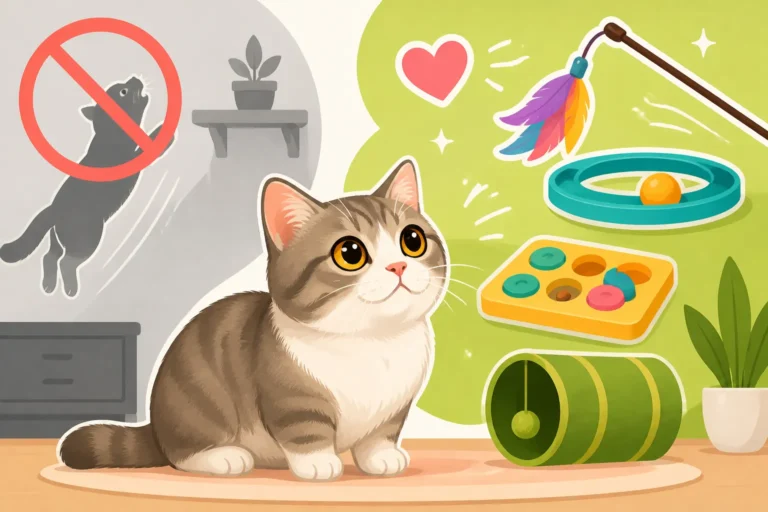
You might wonder why a Munchkin, despite their shorter stature, even attempts jumps that seem beyond them. The truth is, they have the heart and spirit of any other cat! Their instincts tell them to climb, to explore, and to get to those high vantage points that make them feel secure. They want to reach the top of the sofa, the bed, or even a low windowsill. But their physical design means they have to approach these aspirations with a different strategy than their long-legged cousins.
Why Munchkins Jump Differently
A long-legged cat uses its powerful hindquarters to launch itself upwards and forwards in one fluid motion, often reaching impressive heights with minimal effort. A Munchkin, however, has to compensate for its significantly shorter limbs. Instead of a powerful single leap, you'll often see them engaging in a series of smaller, more explosive bounds, or even trying to "scramble" their way up. Their lower center of gravity does give them incredible agility and speed on flat ground, as discussed in How Fast a Munchkin Runs on Level Ground, but it doesn't translate into vertical prowess. Their short legs simply don't offer the same leverage for propulsion, making jumps inherently more difficult and prone to error.
They often employ a kind of "parkour" approach, using intermediate objects as stepping stones – a small stool to reach a chair, a chair to reach the sofa. This is a testament to their cleverness and determination. However, when there are no intermediate steps, they are forced to attempt a jump that their body isn't ideally suited for. The effort they put in is immense, and you can see their little bodies coil with all their might. It's not a lack of trying; it's a physical limitation. Their legs are short, but their body is a normal length, and that body needs to get somewhere. Why a Munchkin's Legs Are Short but Its Body Is Not explains this fascinating aspect of their anatomy.
The Visual Cues of a Misjudged Jump
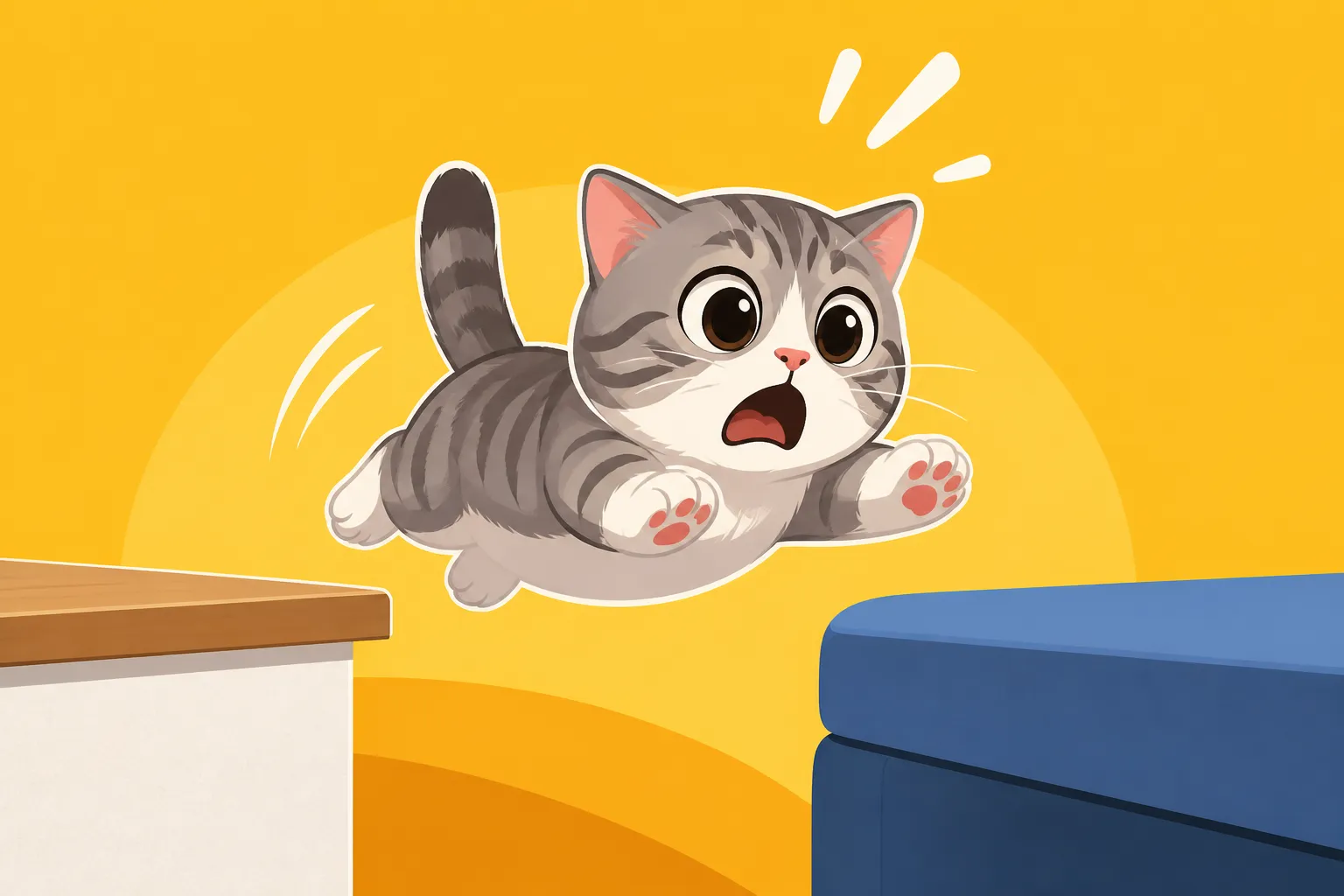
So, what does it actually look like when a Munchkin misjudges a jump? It's usually not a graceful fall. Instead, you might see them launch themselves, only to come up agonizingly short of their target. Their front paws might briefly connect with the edge of the sofa or bed, scrabbling desperately for purchase before they slide back down. Sometimes, they might even hook a claw, pull themselves up partway, but then lose their grip and tumble. The landing can be awkward, often a slight backward roll or a hard thump on their side.
Unlike a long-legged cat that might easily right itself mid-air and land on its feet even from a slight misstep, a Munchkin's shorter legs make this much harder. Their body might twist, leading to an unbalanced, less controlled impact. It's heartbreaking to watch because you can almost feel their frustration. They put so much energy into the attempt, only for gravity and their unique physiology to win. This is why understanding How Many Inches a Munchkin Can Jump is so important; it helps us gauge what's reasonable to expect from them and where they might need a little help.
Immediate Consequences and Risks of Failed Jumps
When a Munchkin misjudges a jump and lands awkwardly, it's not just their pride that's hurt. Their unique anatomy, while charming, does come with certain vulnerabilities. The impact of a fall, even from a relatively low height, can put significant stress on their joints and spine, which are not designed to absorb shock in the same way as a long-legged cat's.
Impact on Joints and Limbs
Imagine taking a short, sharp fall onto your hands and knees – that's somewhat analogous to what a Munchkin experiences. Their front legs, especially the shoulders and elbows, bear the brunt of the impact. These joints are constantly under more strain than in a typical cat because they are carrying the body lower to the ground, and every jump and landing concentrates that force. A misjudged jump can lead to acute injuries like sprains, strains, or even more serious soft tissue damage around these critical joints.
Over time, repeated jarring impacts from failed jumps contribute to wear and tear. This is why conditions like arthritis can become a concern for Munchkins earlier than in other breeds. Why a Munchkin's Shoulders Wear First delves deeper into why these specific joints are so vulnerable. Every hard landing or scramble adds to the cumulative stress, potentially accelerating degenerative joint disease. Similarly, their elbows, being closer to the ground, are often the first point of contact and can suffer from repeated trauma. What Repeated Landing Does to a Munchkin's Elbows explores this in more detail, highlighting the importance of protecting these areas.
Spinal Concerns and Lordosis
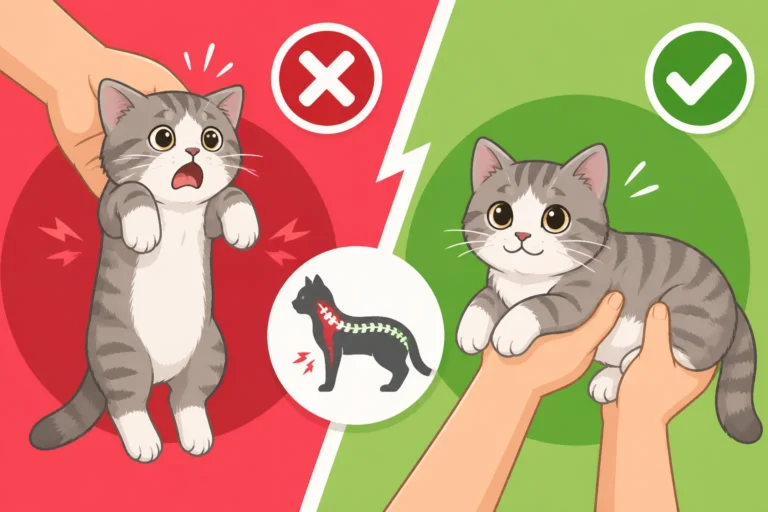
Perhaps the most significant concern with misjudged jumps is the impact on a Munchkin's spine. Their spine is of normal length, but because their legs are short, their torso sits much closer to the ground. This configuration means the spine often experiences different compressive forces. While Munchkins are generally robust, a sudden, jarring impact from an awkward landing can put undue stress on the intervertebral discs and the spinal column itself.
For Munchkins predisposed to lordosis – a condition where the spine curves downwards, creating a visible dip behind the shoulders – a hard fall can be particularly problematic. What Lordosis Does to a Munchkin explains this condition, which can range from mild to severe. A sudden compression from a bad landing could exacerbate existing lordosis, potentially leading to increased discomfort or even nerve impingement. Their spine is, after all, carrying a load that a normal cat's spine, aided by longer, more springy legs, does not have to absorb in the same way. This is detailed further in Why a Munchkin's Spine Carries a Load a Normal Cat's Does Not. Even if your Munchkin doesn't have diagnosed lordosis, protecting their spine from unnecessary stress is paramount.
Other Potential Injuries
Beyond the primary concerns for joints and spine, misjudged jumps can lead to a host of other minor, but still uncomfortable, injuries. A cat scrambling for purchase on a hard surface might scrape or cut its paws. A head bump against a hard edge of furniture is not uncommon if they fall forward. Sometimes, the sudden jolt can lead to internal bruising, even if there are no visible external marks.
They might also experience general muscle soreness or stiffness following a bad fall, making them reluctant to move or play. While these might seem minor, repeated small injuries accumulate and can lead to a cat that is chronically uncomfortable or fearful of attempting movement that was once routine. It's all about ensuring their environment allows them to explore safely.
Long-Term Implications and Prevention
The occasional misjudged jump might seem harmless, but repeated instances, especially if they result in awkward landings, can contribute to significant long-term health issues for your Munchkin. The good news is that with thoughtful home modifications and proactive care, many of these risks can be greatly mitigated.
Chronic Conditions and Pain
When your Munchkin repeatedly strains their joints or experiences minor spinal impacts from failed jumps, it sets the stage for chronic conditions. The most common is osteoarthritis, which can develop earlier and progress faster in Munchkins than in other breeds due to the constant pressure on their short limbs. Whether a Munchkin Gets Arthritis Earlier covers this concern. Signs of chronic pain might be subtle at first: a slight reluctance to jump or play, stiffness after resting, or less enthusiastic greetings. Over time, it can lead to visible limping, changes in gait, or even a decrease in overall activity and enjoyment of life.
It's a gradual process, often unnoticed until it becomes quite advanced. This is why prevention is so crucial. Every avoided fall is a tiny victory in protecting their long-term comfort and mobility. Without intervention, a cat struggling with chronic pain will experience a significant reduction in their quality of life, becoming withdrawn or irritable.
Creating a Safe, Accessible Environment
This is where you, as a Munchkin owner, become a true architect of their world. The goal is to make all desired surfaces and areas accessible without the need for risky jumps. The most effective tools for this are ramps and steps. These aren't luxuries; they are essential equipment for your short-legged friend. Ramps and Steps Are Munchkin Equipment, Not Luxuries emphasizes this point perfectly.
Think about all the places your Munchkin loves to be: the sofa, your bed, a sunny windowsill, their favorite armchair. For each of these, provide a sturdy, non-slip ramp or a set of pet stairs. You can find excellent options on Amazon, ranging from carpeted wooden ramps to foam steps, available in various heights to suit your furniture. Look for ramps with a gentle incline and a textured surface to give them confidence and grip. Steps should have shallow risers and deep treads. You can even create DIY solutions using sturdy boxes covered with carpet remnants.
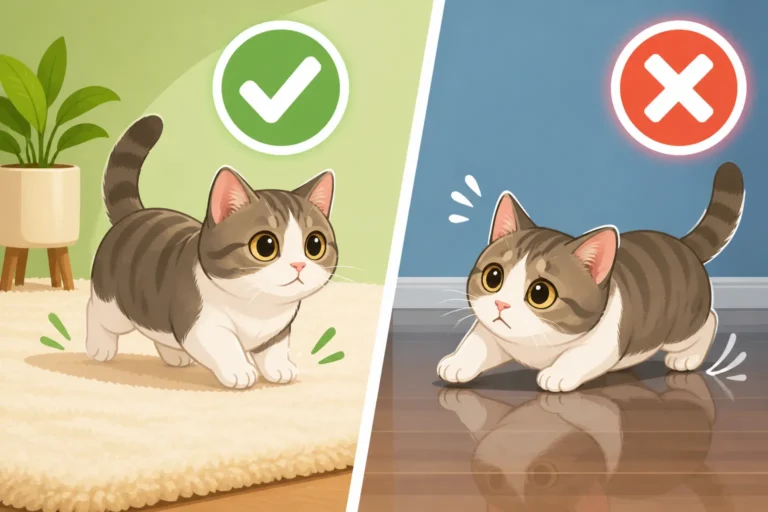
Furthermore, arrange furniture strategically to create a "staircase" effect. Perhaps a low ottoman next to the sofa, or a secure storage box by the bed. Ensure all landing areas are soft and forgiving. A thick rug or a pet mat at the base of any frequently attempted jump can cushion an accidental fall. Keeping pathways clear and uncluttered will also prevent slips and trips. How to Arrange a Munchkin's Room in One Plane provides more ideas on optimizing your home.
Weight Management and Health Checks
An overweight Munchkin is a Munchkin in real trouble. Every extra ounce puts exponentially more strain on their already stressed joints and spine. If an overweight Munchkin misjudges a jump, the impact is significantly more severe, increasing the risk of serious injury. Why Weight Is More Dangerous on a Munchkin cannot be overstated. Maintaining a lean body condition is one of the most impactful things you can do for their joint and spinal health.
Regular veterinary check-ups are also vital. Your vet can monitor their gait, palpate their spine and joints for any signs of discomfort or inflammation, and discuss preventative measures. A good breeder will ensure a Munchkin kitten has an early vet check covering its spine. What a Munchkin Kitten's First Exam Should Cover should always include a thorough examination of their musculoskeletal system. As they age, regular discussions about joint supplements, appropriate diet, and mobility aids become even more important. Don't wait until problems arise; be proactive in their care.
What to Do Immediately After a Misjudged Jump
Despite all your best efforts to create a safe environment, accidents can still happen. A new piece of furniture, a sudden urge to get to a high spot, or simply a moment of miscalculation can lead to a bad landing. Knowing what to do in the immediate aftermath can make a huge difference in your Munchkin's recovery and long-term well-being.
Observing for Symptoms
If you witness your Munchkin take a particularly hard fall or land very awkwardly, the first step is to observe them closely without panicking or hovering too much, which might stress them further. Look for immediate signs of pain or distress:
- Limping or favouring a leg: Are they putting full weight on all four paws? Do they hesitate before stepping?
- Vocalization: A sudden cry, hiss, or unusual meow can indicate pain.
- Changes in posture: Are they hunched, rigid, or holding themselves in an unnatural way?
- Reluctance to move: Do they stay still, hiding, or avoid being touched?
- Difficulty with normal activities: Are they struggling to walk, eat, or use the litter box?
- Swelling or tenderness: Gently, if your cat allows, feel their legs and back for any unusual heat, swelling, or sensitivity.
Even if they seem to shake it off, continue to monitor them for the next 24-48 hours. Sometimes, injuries like strains or bruises don't become apparent until swelling sets in or the initial adrenaline wears off. Pay attention to how they interact with their environment – are they still trying to jump? Are they moving differently?
Veterinary Consultation
If you notice any persistent or worsening symptoms after a misjudged jump, it's absolutely crucial to contact your veterinarian promptly. Don't adopt a "wait and see" approach if you suspect significant pain or injury. Early intervention can prevent minor issues from becoming major problems.
When you speak to your vet, be prepared to describe exactly what happened:
- The height of the fall.
- How they landed.
- Any immediate reactions you observed.
- The symptoms you've seen since the fall, including when they started and if they've changed.
Your vet will likely perform a thorough physical examination, assessing their gait, range of motion, and palpating their spine and joints. They may recommend diagnostic imaging, such as X-rays, to check for fractures, dislocations, or spinal issues. When a Munchkin Should Have Its Spine Imaged is a question worth discussing, especially if there are concerns about repeated trauma or pre-existing conditions. Remember, your vet is your best partner in ensuring your Munchkin's health and comfort.
| Risk Factor | Description | Immediate Consequence | Long-Term Consequence | Preventative Measure |
|---|---|---|---|---|
| Short Legged Anatomy | Inability to generate sufficient lift for high jumps. | Falls short, awkward landing, scrambling. | Repetitive strain injury, joint pain. | Install ramps/steps, strategic furniture placement. |
| Hard Landing Surfaces | Uncushioned impact on paws, joints, and spine. | Bruises, sprains, muscle soreness. | Arthritis, spinal issues, chronic discomfort. | Place rugs/mats near jump zones, ensure soft landings. |
| Overweight Body Condition | Increased load on joints and spine, reduced agility. | More severe impact from falls, increased injury risk. | Accelerated joint degeneration, mobility limitations. | Strict diet, regular weight monitoring, appropriate exercise. |
| Pre-existing Conditions | Lordosis, arthritis, previous injuries. | Exacerbation of condition, increased pain. | Worsening of chronic illness, reduced quality of life. | Regular vet check-ups, tailored home environment. |
| Lack of Awareness | Owners not recognizing jump limitations or risks. | Allowing risky jumps, delayed intervention. | Preventable injuries and chronic pain. | Education, proactive home modification, careful observation. |
Disclaimer
This article is for general informational purposes only and does not constitute professional advice. Laws, prices and regulations vary by location and change over time. Consult a qualified professional for guidance on your specific situation.