Why a Munchkin Sits Up Like a Meerkat
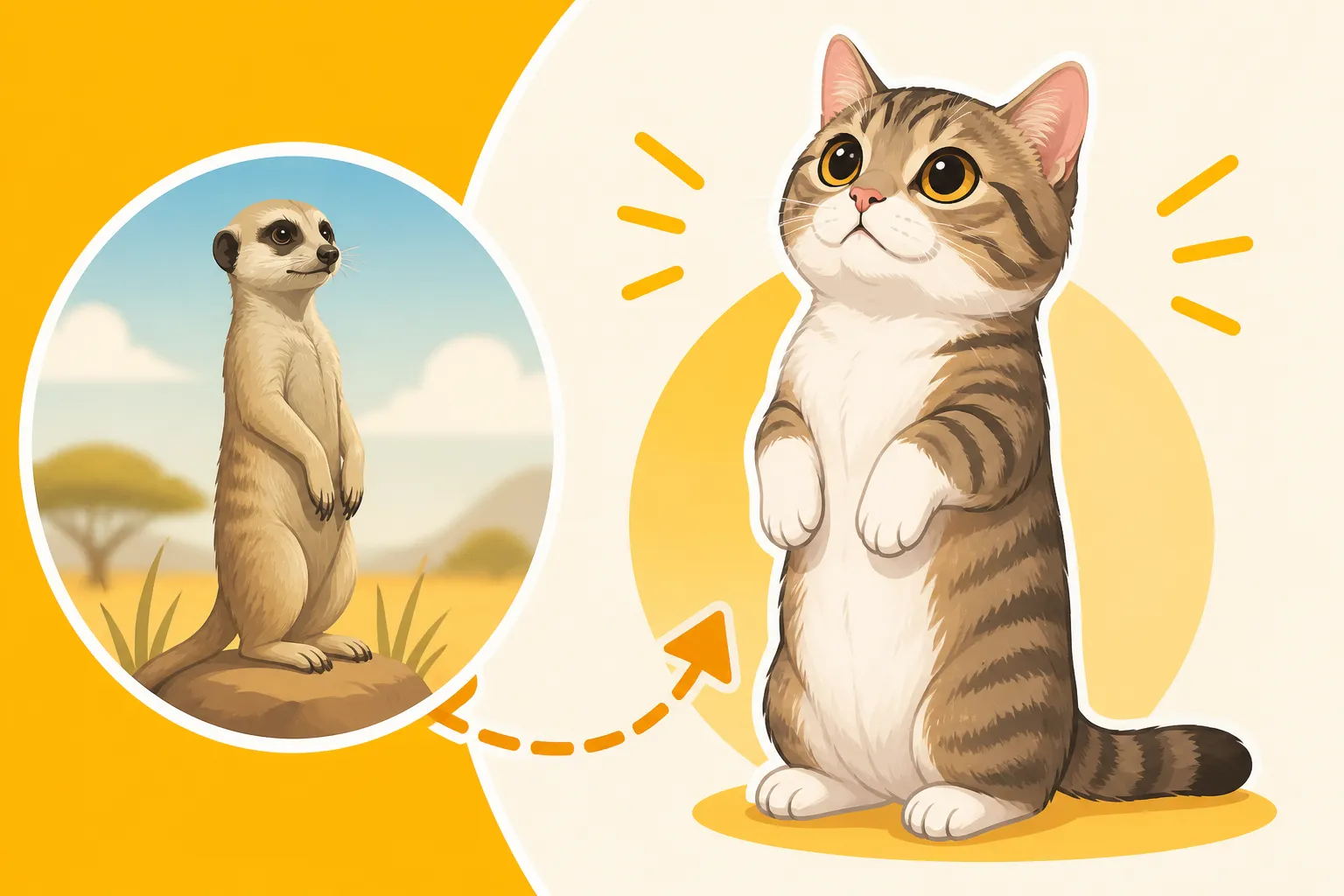
If you’ve ever owned a Munchkin cat, you know that moment when they suddenly pop up on their hind legs, front paws tucked daintily, looking for all the world like a curious meerkat surveying the savanna. It’s an incredibly endearing, often hilarious posture that immediately sets them apart from other felines. But it’s also a behavior that sparks a lot of questions among owners and potential owners alike: Why do they do it? Is it comfortable? And does it put any strain on their unique little bodies? This guide dives deep into the famous "Munchkin meerkat sit" to help you understand this charming quirk, its origins, and what it means for your furry friend's well-being.
The Iconic "Munchkin Meerkat Sit" Explained
The "meerkat sit," sometimes affectionately called the "prairie dog sit," is one of the most recognizable and delightful behaviors unique to the Munchkin cat. It's not just a cute pose; it's a testament to their clever adaptation and innate curiosity. Understanding what it is and how their anatomy plays into it helps us appreciate our short-legged companions even more.
What Exactly is the Prairie Dog Sit?
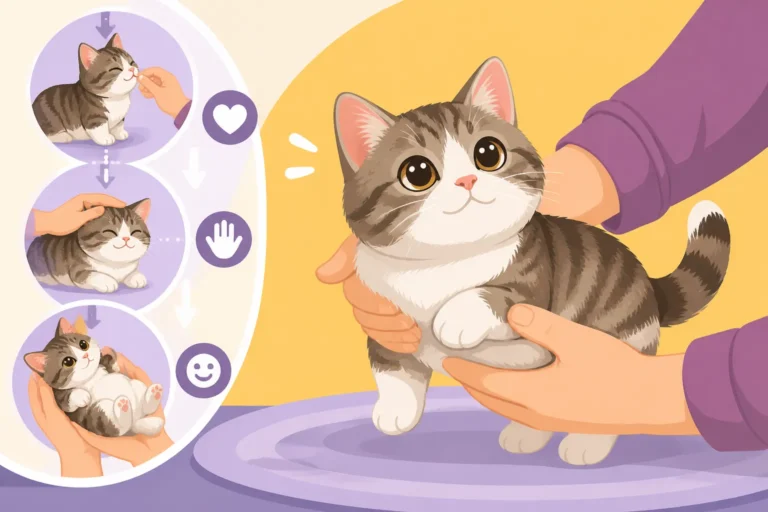
Picture it: your Munchkin, normally trotting low to the ground, suddenly stops, rises up onto its hind legs, extends its body, and dangles its front paws in the air, often with a look of intense focus or profound curiosity. Their tail might be used for balance, much like a tripod. This isn't just a brief moment; some Munchkins can hold this pose for quite a while, almost as if frozen in contemplation. It’s a complete departure from how a standard-legged cat would typically sit or stand to observe something. While other cats might briefly stand on their hind legs to bat at a toy or reach for a treat, the sustained, often statuesque nature of the Munchkin's posture is truly distinct. It's one of those things that, once you see it, you immediately know you're looking at a Munchkin. It melts hearts and sparks conversations, making it a hallmark of the breed's endearing personality. You can learn more about this specific behavior in What a Munchkin's Prairie Dog Posture Tells You.
The Physical Mechanics Behind the Sit
So, what allows a Munchkin to pull off this impressive feat when most other cats don't? It all comes down to their unique physical structure. Munchkins have a condition called pseudoachondroplasia, which results in significantly shortened long bones in their legs, but their spine itself is typically of normal length. This is a crucial distinction. Because their legs are short, their center of gravity is naturally lower. When they decide they need a better view, rising onto their hind legs offers a significant increase in height that a standard cat doesn't need to bother with – a standard cat can just stand on all fours and still see over many obstacles. For a Munchkin, that extra few inches gained by sitting upright makes all the difference. Their normal-length spine provides the flexibility and structural integrity to extend upwards, while their powerful hindquarters give them the propulsion and stability to hold the pose. The short forelegs, rather than being a hindrance, actually contribute to the characteristic "paws dangling" look, as they're not long enough to reach the ground comfortably for support in this upright stance, making the pose even more distinctive and adorable.
Why Munchkins Adopt This Upright Posture
It's easy to just enjoy the cuteness, but delving into why Munchkins engage in the meerkat sit reveals a lot about their intelligence, adaptability, and fundamental cat instincts. It's often a pragmatic solution to a problem their unique stature presents.
Gaining a Better Vantage Point
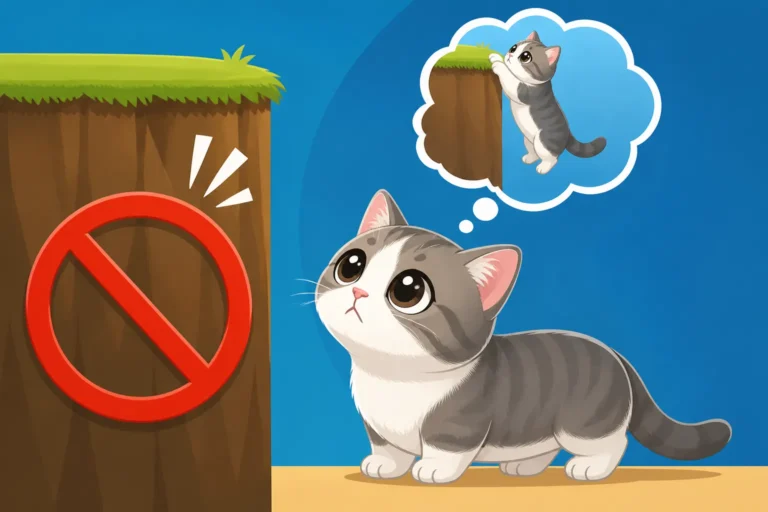
Imagine navigating a world built for giants when you're only ankle-high. That's essentially a Munchkin's daily reality. Their short legs mean that their field of vision is largely restricted to floor level. Doorways become tunnels, and human legs are towering trees. When something piques their interest – a sudden sound, a new object, a sibling cat darting past, or even just wanting to see over the edge of a sofa – they need a way to elevate themselves. The meerkat sit is their ingenious solution. It's a way to literally rise above their limitations, giving them those precious extra inches to survey their surroundings, assess a situation, or simply satisfy their boundless curiosity. It's a clear demonstration of their problem-solving skills, and a charming one at that. For more on their general mobility, read A Munchkin Is a Normal Cat That Cannot Reach.
A Unique Way to Balance and Observe
Beyond just gaining height, this upright posture serves as an excellent way for Munchkins to balance and remain still while intensely observing something. Instead of fidgeting or trying multiple small jumps to get a glimpse, they can simply pop up and hold steady, taking it all in. It’s an energy-efficient alternative to attempting a jump that might be too high or unstable for them. They aren't trying to leap onto the kitchen counter with this sit; they're simply trying to see what's on the kitchen counter, or perhaps who just came to the door. This stationary observation technique allows them to process information, decide on their next move, or simply enjoy the view without the exertion of continuous movement. It’s a calm, collected way for them to interact with their environment from a slightly elevated perspective.
Communication and Play
While often a pragmatic response to their stature, the meerkat sit can also be woven into their social interactions and play. Sometimes, a Munchkin might sit up like this when they're trying to get your attention, especially if you're standing and they feel overlooked at floor level. It's their way of saying, "Hey, I'm down here! Look at me!" When interacting with other cats, particularly normal-legged ones, a Munchkin might adopt this posture to participate in observation or even to initiate play, making themselves seem a little larger or more engaged. It can be a precursor to a pounce, a sign of intense focus on a dangling toy, or simply a charming display of their unique personality during playtime. Observing when and why your Munchkin adopts this pose can offer fascinating insights into their mood and intentions.
Is the Meerkat Sit Harmful or Painful for a Munchkin's Spine?
This is a really important question that often crosses the minds of Munchkin owners, and it's understandable why there might be concern. Given their unique genetics, it's natural to wonder if this distinctive posture could be putting undue stress on their bodies. Let's break down the realities of the Munchkin spine and the meerkat sit.
Understanding the Munchkin's Spinal Anatomy
The most critical thing to remember about Munchkins is that while their long bones (in their legs) are affected by their dwarfism, their spine is generally considered to be of normal length and structure. This is distinct from conditions like lordosis, where the spine curves downwards, or pectus excavatum, which affects the chest cavity. While Munchkins can be predisposed to these conditions just like any cat, they are not inherent features of the short-legged gene itself. The meerkat sit relies on the flexibility and strength of a normal feline spine. When a Munchkin stands on its hind legs, it's utilizing the same spinal mechanics as any other cat would when standing upright; the difference is simply that the Munchkin needs to do it more often to compensate for its leg length. This doesn't inherently make it painful, but like any physical activity, proper care and monitoring are key. You might find Why a Munchkin's Spine Is Normal Length helpful for more detail, and for a deeper dive into potential spinal issues, check out Lordosis Is the Spinal Curve the Munchkin Argument Is About and Pectus Excavatum and the Munchkin's Sunken Chest.
Monitoring for Discomfort
While the meerkat sit is typically a comfortable and natural behavior for a healthy Munchkin, it's always wise to monitor your cat for any signs of discomfort or strain. If your Munchkin suddenly becomes reluctant to perform the sit, holds it for a much shorter duration than usual, or vocalizes while doing so, it could be a subtle indicator of pain. Watch for changes in their gait or any stiffness in their movements after performing the sit. A healthy Munchkin should appear fluid and effortless when rising and lowering from this posture. If you notice any persistent changes or signs of pain, a vet visit is absolutely in order to rule out any underlying issues. Early detection of potential joint or spinal problems is always the best approach. It's a valid concern that Whether the Prairie Dog Sit Strains a Munchkin's Spine addresses in detail, and understanding How Long a Munchkin Holds That Sit can give you a baseline for your own cat's behavior.
Supporting Your Munchkin's Comfort
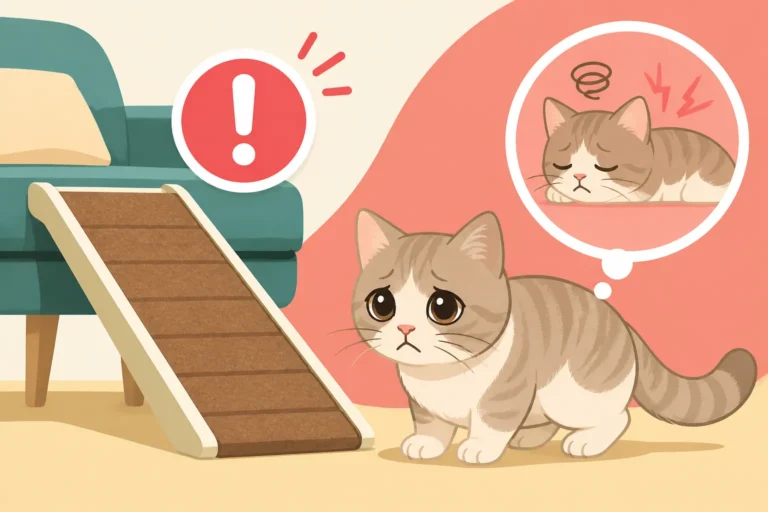
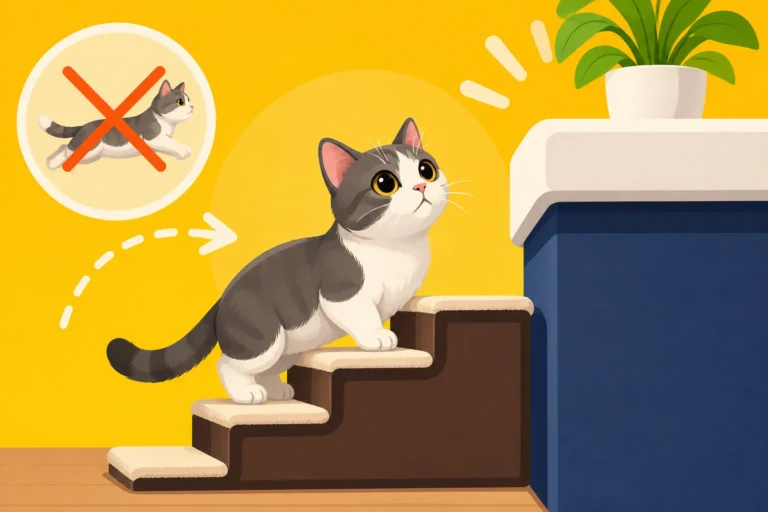
The best way to ensure your Munchkin remains comfortable and able to enjoy their unique posture is to support their overall health and environment. Weight management is paramount for Munchkins, as extra pounds put significant strain on their joints and spine, potentially making the meerkat sit, and all movement, more challenging. Keep your cat at a healthy weight to minimize joint stress. Furthermore, ensure they have plenty of accessible elevated spots that don't require risky jumps, like pet stairs or ramps to favorite sofas or window perches. This allows them alternative ways to gain height without relying solely on their meerkat sit for extended periods or potentially straining themselves with excessive jumping. Providing floor-level enrichment also minimizes the constant need to get up high. For more on weight, read Why Weight Is More Dangerous on a Munchkin.
Here's a quick overview of the meerkat sit:
| Aspect | Description | Potential Benefit | Potential Concern (if excessive/forced) |
|---|---|---|---|
| Posture | Upright on hind legs, front paws often dangling, tail for balance. | Improved vantage point, keen observation, stable stance. | Spinal strain if prolonged in an unhealthy cat. |
| Frequency | Varies by individual cat, often when curious or seeking attention. | Natural behavior, shows curiosity and adaptability. | Could indicate lack of accessible climbing spots. |
| Duration | From a few seconds to several minutes. | Sustained observation of surroundings. | Fatigue or discomfort if held for too long. |
| Spinal Impact | Uses normal feline spinal mechanics. | Generally not harmful for a healthy Munchkin. | Exacerbates existing spinal issues (e.g., lordosis). |
| Environmental Role | Compensates for low stature in a vertical world. | Problem-solving, engagement with surroundings. | Over-reliance if no ramps/steps are available. |
How to Observe and Support Your Munchkin's Unique Behavior
As Munchkin owners, we have a special role in understanding and supporting our cats' unique needs and behaviors. The meerkat sit is a perfect example of a behavior that's both charming and insightful, offering clues about your cat's well-being and environmental suitability.
Recognizing the Cues and Context
Becoming a keen observer of your Munchkin's meerkat sits can tell you a lot. Does your cat primarily sit up when they hear a specific sound? When you walk into the room? When they're trying to spot a bird outside the window? Or perhaps during a particularly engaging play session? The context surrounding when and where they do it most often can give you insights into their immediate interests and needs. If they often sit up to see over the edge of a particular piece of furniture, it might be a subtle hint that they'd appreciate a ramp or steps to that spot. If they do it frequently during play, it shows their high level of engagement and focus. Pay attention to their body language while sitting: are they relaxed and alert, or tense and perhaps a little wobbly? These cues help you gauge their comfort and enjoyment of the posture.
Creating an Accessible Environment
One of the best things you can do for your Munchkin is to create an environment that caters to their short stature, reducing their need to constantly strain or seek height. While the meerkat sit is natural, providing alternatives ensures they have choices and don't overexert themselves. This means thoughtful placement of pet ramps and steps to their favorite resting spots, like beds, sofas, and window perches. Many owners find success with ramps that have a gentle incline and a non-slip surface, or pet stairs with shallow, wide steps. Consider how your Munchkin navigates your home and identify any "high traffic" areas where a boost would be beneficial. Lowering items like food and water bowls can also reduce strain on their neck and shoulders, though some Munchkins with healthy spines do fine with slightly raised bowls that prevent them from having to bend down too far. For extensive ideas on making your home Munchkin-friendly, read How to Rearrange a Room So a Munchkin Can Climb and Making One Room Reachable for a Munchkin All Day.
Encouraging Safe Exploration
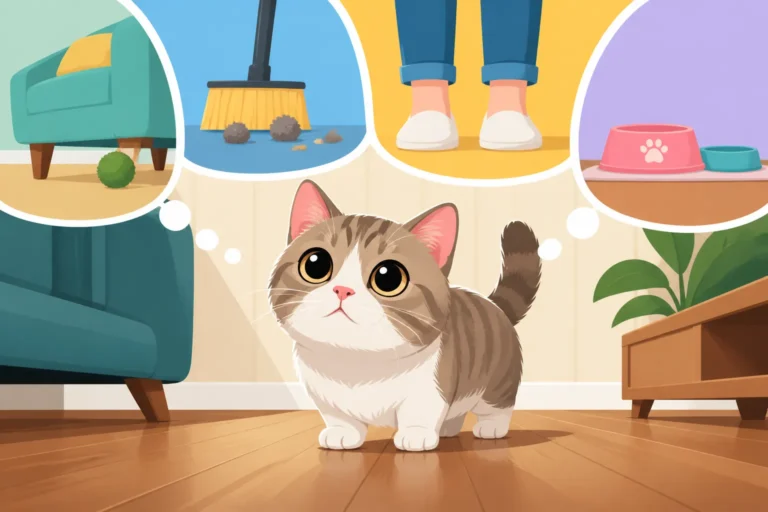
Beyond ramps and steps, consider other ways to enrich your Munchkin's life at floor level while also allowing for safe exploration and observation. Puzzle feeders placed on the floor can provide mental stimulation without needing height. Interactive wand toys are fantastic, as they allow you to play with your Munchkin at their level, encouraging chasing and pouncing without requiring them to jump excessively. Look for toys that can be dragged or dangled along the ground, sparking their hunting instincts. While they love to sit up and observe, ensuring they have plenty of engaging activities accessible from their natural low vantage point will keep them happy and healthy. Remember, a happy Munchkin is one who feels secure and capable in their environment, whether they're observing from a meerkat sit or pouncing on a toy from the floor. You might find ideas in Which Wand Toys Suit a Munchkin's Reach.
Disclaimer
This article is for general informational purposes only and does not constitute professional advice. Laws, prices and regulations vary by location and change over time. Consult a qualified professional for guidance on your specific situation.