Why a Munchkin’s Walk Is Described as a Ferret’s
When you watch a Munchkin cat move, there’s often a moment of delightful surprise, a flash of recognition that makes you think of another creature entirely. Their low-slung bodies and distinctive way of navigating the world spark curiosity, leading many to compare their peculiar gait to that of a ferret. If you’ve ever wondered why your little Munchkin scampers and zips around with such an unmistakable, almost slinky, style, you’re in the right place. This guide will delve into the fascinating biomechanics and unique behaviors that give the Munchkin its characteristic ferret-like walk, helping you understand and appreciate your extraordinary companion even more.
The Unique Biomechanics of a Munchkin's Stride
The Munchkin's defining characteristic – its short legs – is the primary driver behind its distinctive movement. It’s not just about being "short," though; it’s about how that specific genetic trait interacts with an otherwise typical feline anatomy to create something truly unique in the cat world.
Short Legs, Normal Body Length
One of the most crucial distinctions to grasp about the Munchkin is that while their legs are remarkably short, their body length and torso are generally considered normal for a domestic cat. This isn't a case of a miniature cat in all proportions; rather, it’s a specific form of dwarfism where only the long bones of the legs are significantly shortened. Imagine a standard-sized cat's body, but sitting much closer to the ground.
This disproportionate limb length presents a unique challenge for locomotion. A regular cat uses its long levers to push off, extend, and absorb impact. A Munchkin, however, has to propel a standard-sized, flexible feline torso using much shorter, less leveraged limbs. This means their center of gravity is lower, and their body often appears to glide or undulate close to the floor as they move, rather than having the higher, more upright stance of a long-legged cat. It’s a beautifully adapted form of movement, showcasing how nature finds a way to work with its genetic variations.
A Different Kind of Propulsion
Because their legs lack the same length and leverage as those of a standard cat, Munchkins simply cannot achieve the same high arc or powerful push-off from the ground. Instead of the soaring leaps and bounds you might see from a long-legged cat, a Munchkin’s gait is characterized by quicker, shorter, more frequent steps. This often translates into a rapid scurry or a somewhat waddling motion, especially when they need to build speed.
They compensate for this lack of traditional leg power by engaging their strong back and shoulder muscles more intensely. This allows them to generate forward momentum efficiently, creating a flowing movement that is incredibly effective on flat surfaces. It’s a testament to their adaptability and natural athleticism within their unique physical constraints. Their stride might not cover as much ground per step, but the speed and repetition of those steps often make up for it, creating a deceptively swift and agile mover. How Fast a Munchkin Can Run
Why the Ferret Comparison is So Apt
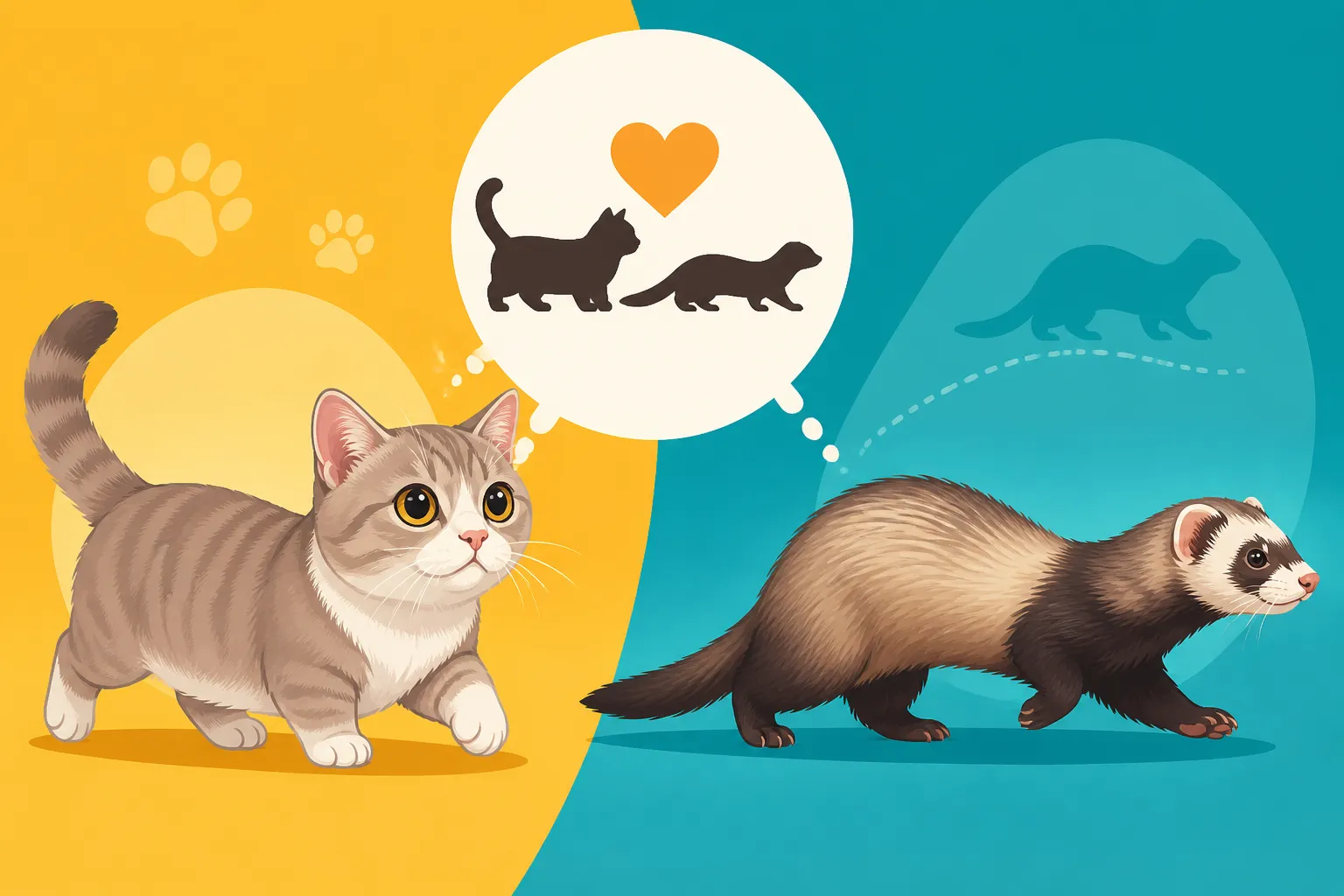
The comparison to a ferret isn't just a quirky observation; it's rooted in distinct similarities in their movement patterns, particularly their low-to-the-ground posture and how they navigate their environment.
Low to the Ground, Wiggling Motion
Ferrets are renowned for their low-slung, incredibly flexible bodies and their characteristic slinky, often wiggly movement. They are masters of navigating tight spaces and tunnels, and their entire body seems to flow as they move, rather than showing distinct leg movements. When you watch a Munchkin cat, especially one moving quickly across a room, you'll see a striking resemblance.
Their short legs keep their body perpetually close to the ground, almost as if they are 'creeping' or 'scurrying.' This low profile, combined with their flexible spines, often results in a subtle undulation or 'wiggle' in their torso as they propel themselves forward. It's less about a vertical bounce and more about a horizontal flow, a trait shared strongly with ferrets. This 'ferreting' motion is particularly noticeable when they are exploring, darting under furniture, or playing, giving them a truly distinctive and endearing style.
Speed and Agility on the Flat
Despite the common misconception that short legs would equate to slowness, Munchkins are surprisingly quick and agile, especially on flat, uncluttered surfaces. Their low center of gravity is actually an asset, providing them with exceptional stability and enabling quick changes in direction without losing balance. Think of it like a sports car hugging the road – they can corner beautifully. Why a Munchkin Corners Faster Than It Should
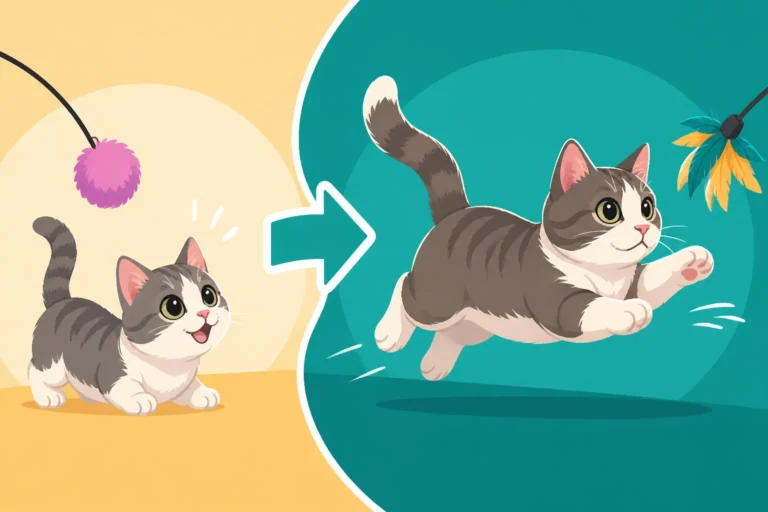
This ability to accelerate rapidly and execute sharp turns contributes significantly to the ferret comparison. Ferrets, too, are known for their bursts of speed and their uncanny ability to weave through obstacles with impressive agility. A Munchkin chasing a toy across the living room floor often mirrors the swift, ground-hugging pursuit of a ferret, dispelling any notion that their unique leg structure holds them back from active play. They are built for speed on the horizontal plane, and they use it to their full advantage. Why a Munchkin's Low Body Helps It Chase
Understanding the Practical Implications of Their Gait
While the Munchkin's walk is endearing, it also comes with practical considerations for owners regarding their home environment and long-term joint health. Understanding these implications is key to providing a safe and enriching life for your short-legged friend.
Navigating the Home Environment
A Munchkin's unique gait means they interact with their home environment in ways a long-legged cat simply doesn't. Things we take for granted – like jumping onto a sofa, climbing a cat tree, or even getting onto a bed – become strategic challenges for a Munchkin. They can't just spring up to a kitchen counter Why a Munchkin Cannot Make the Kitchen Counter or effortlessly scale tall furniture.
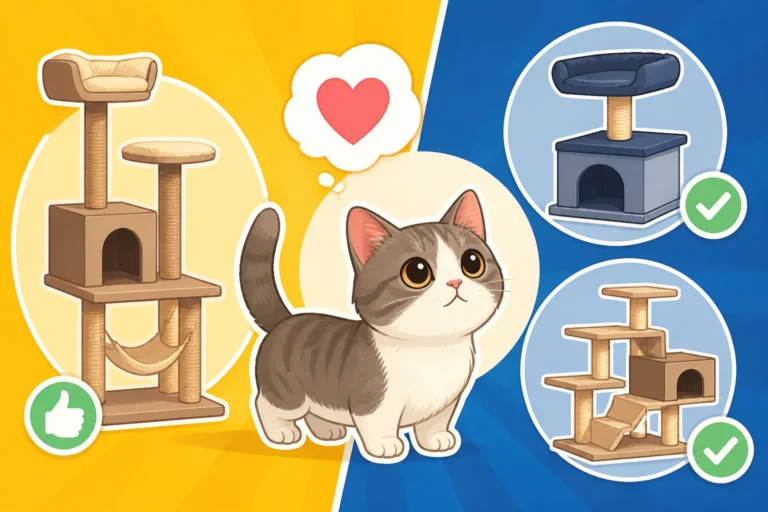
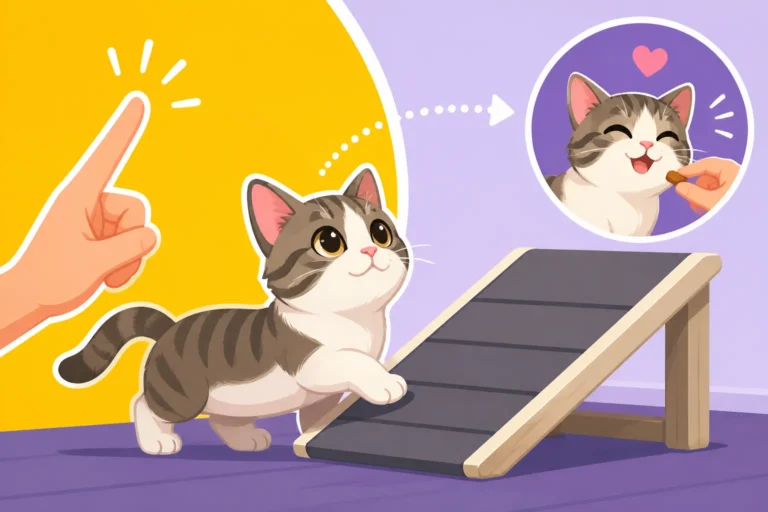
Instead, Munchkins often become master strategists, using furniture as a series of steps or ramps. A chair might be the first step to the sofa, which then leads to a bookshelf, and so on. Many owners find it essential to adapt their homes by providing cat-friendly ramps or steps (readily available on Amazon or through DIY projects) to help their Munchkins safely access their favorite perches. This isn't about disability, but adaptation; they’ve found clever ways to get where they want to go, and it's our job as owners to facilitate those journeys safely and comfortably. How a Munchkin Uses Furniture as a Staircase
Potential for Joint Strain and Care Considerations
While Munchkins are incredibly adaptable, their unique anatomy does mean that certain types of movement can place different strains on their joints and spine compared to a standard cat. The primary concern is minimizing repetitive high-impact activities, especially jumping down from significant heights. Each landing on their shortened forelegs can create a jarring effect on their elbows and shoulders over time. What Repeated Landing Does to a Munchkin's Elbows
This doesn't mean Munchkins can't or shouldn't jump; it just means owners need to be mindful. Providing ramps for access to beds and sofas, placing scratching posts horizontally or at a lower angle, and ensuring soft landing areas can significantly reduce wear and tear. Why a Munchkin's Spine Carries a Load a Normal Cat's Does Not Regular veterinary check-ups that include an assessment of their gait and joint health are also crucial for early detection of any potential issues. Weight management is paramount, as extra weight puts undue stress on their already unique skeletal structure.
The Prairie Dog Sit and Other Unique Postures
Beyond their distinctive walk, Munchkins exhibit other unique behaviors and postures directly influenced by their short legs. These delightful traits further cement their place as one of the most charming and visually distinct cat breeds.
The Prairie Dog Sit
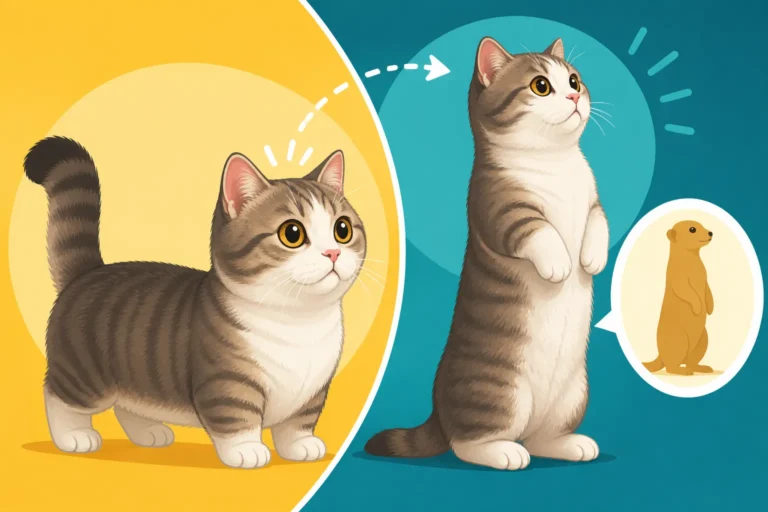
Perhaps one of the most famous and endearing Munchkin traits is their "prairie dog sit." This involves the cat sitting upright on its hind legs, with its front paws tucked close to its chest, much like a prairie dog or a meerkat. It’s a posture you simply don’t see in most other cat breeds with any regularity. The Prairie Dog Sit Only a Munchkin Does
This behavior is a direct result of their short front legs. Unlike long-legged cats that can stand tall on all fours to get a better view, Munchkins find it more effective and comfortable to sit up on their haunches to survey their surroundings or simply to interact with their human companions at a more eye-level height. They can maintain this pose for surprisingly long periods, swiveling their heads to take everything in. It's not just adorable; it's an intelligent adaptation to their physical form, allowing them to gain vertical perspective they might otherwise lack.
Grooming and Reach Limitations
The Munchkin's unique body shape, particularly its low-slung belly and the shorter reach of its limbs, can sometimes make self-grooming certain areas a bit more challenging than for a long-legged cat. While they are meticulous groomers like all cats, you might notice them struggling to reach certain spots on their hindquarters or under their belly. What a Munchkin Cannot Reach to Groom
This means that owners often need to step in and assist with grooming, especially for long-haired Munchkins or those with particularly thick coats. Regular brushing, particularly around the rear, can prevent mats from forming and help keep their skin healthy. Sometimes, a sanitary clip around the hindquarters is necessary to ensure cleanliness, especially after litter box use. Making grooming a positive, regular experience from a young age can make all the difference, ensuring your Munchkin stays comfortable and clean throughout its life. It's a small but important part of their routine care. Grooming the Half of a Munchkin It Cannot Reach
Movement Characteristics: Munchkin vs. Ferret
To visualize the similarities and differences, here’s a quick comparison of their movement characteristics:
| Characteristic | Munchkin Cat | Ferret |
|---|---|---|
| Overall Stance | Low-slung, body close to the ground | Extremely low-slung, elongated body |
| Leg Length | Significantly shorter than body length | Very short, almost proportional to small body |
| Gait Description | Scramble, scurry, flowing, ferret-like, waddle | Slinky, undulations, 'weasel-like' |
| Agility on Flat | High, quick turns, surprising bursts of speed | Very high, incredibly nimble and fast |
| Vertical Reach | Limited direct jumping, uses steps/ramps | Limited direct jumping, climbs or uses objects |
| Body Flexibility | High, contributes to flowing movement | Extremely high, allows for tight spaces |
| Distinct Posture | Prairie Dog Sit (sitting on hind legs) | Often stands on hind legs to survey |
| Primary Propulsion | Short, rapid steps, strong back/shoulder muscles | Whole-body undulation, powerful hindquarters |
Disclaimer
This article is for general informational purposes only and does not constitute professional advice. Laws, prices and regulations vary by location and change over time. Consult a qualified professional for guidance on your specific situation.