Which Games Suit a Munchkin That Has Stopped Jumping
It’s a familiar ache for many of us who share our lives with these adorable, low-slung felines: that moment you realize your once-bouncy Munchkin is no longer jumping with the same enthusiasm. Whether it's due to age, developing stiffness, or a natural shift in their abilities, it can leave you wondering how to keep them engaged and happy. This guide will help you discover a whole new world of floor-level fun, ensuring your beloved Munchkin stays stimulated, active, and deeply connected to you, even when their jumping days are behind them.
Understanding Why Your Munchkin Has Stopped Jumping
First off, if your Munchkin has recently stopped jumping, it's always a good idea to consult your veterinarian to rule out any acute pain or underlying health issues. While a natural part of aging, a sudden change in mobility warrants a professional check-up. However, once you've addressed any medical concerns, understanding why they might be avoiding vertical leaps can help you tailor playtime. It’s often a combination of factors related to their unique physique.
The Impact of Age and Joint Stiffness
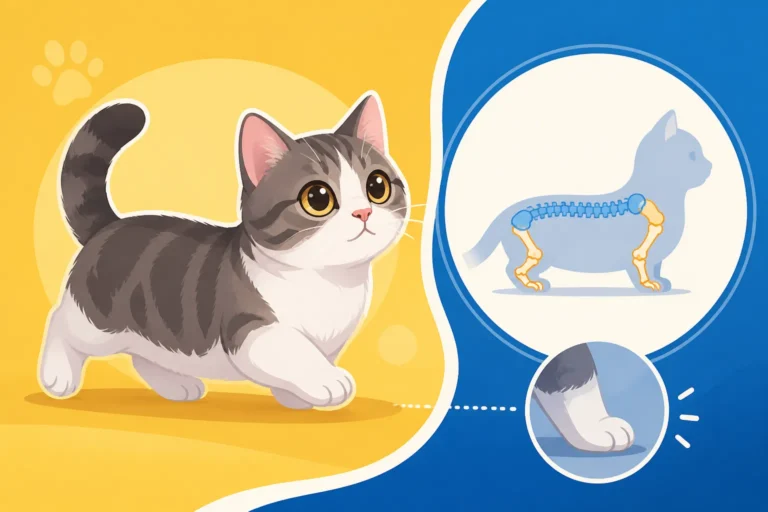
Just like any other cat, or even us humans, aging brings changes. For Munchkins, whose distinctive short legs mean their joints experience a different kind of strain throughout their lives, this can manifest as earlier or more pronounced stiffness. Their shoulders, elbows, and even their spines can begin to feel the wear and tear. Why a Munchkin's Shoulders Wear First and What Repeated Landing Does to a Munchkin's Elbows delve deeper into these specific areas. When these areas start to ache, the thought of launching themselves into the air, or landing with an impact, becomes far less appealing, if not downright painful.
It's not just about the big jumps to the top of the bookshelf; even small hops onto a chair can become a chore. You might notice them hesitating, looking for an easier route, or simply staying on the floor more often. This isn't laziness; it's often their body telling them what they can and cannot comfortably do anymore. Understanding this helps us approach playtime with empathy, focusing on activities that bring joy without discomfort. You might also want to look into At What Age a Munchkin Starts to Stiffen for more insights into the typical progression.
Spinal and Conformation Concerns
Beyond general aging, a Munchkin's unique conformation can sometimes predispose them to specific issues that affect mobility. Conditions like lordosis, a curvature of the spine, or even general spinal discomfort, can make jumping risky or painful. While not all Munchkins develop these issues, they are a breed concern. Even minor discomfort can deter a cat from activities that put strain on their back. It's crucial for their long-term health and comfort that such potential issues are monitored.
This discomfort means that activities that involve arching their back for a jump, or twisting in mid-air, might be completely off-limits. Their body is simply not built to handle the same biomechanical stresses as a long-legged cat. This is why it’s so important to be proactive with veterinary check-ups, especially as they get older, and to discuss whether X-rays are appropriate (see Whether a Munchkin Needs X Rays as It Ages). You want to ensure you're not pushing them into activities that could exacerbate a hidden issue. What an Old Munchkin Stops Being Able to Do provides a broader overview of age-related changes.
Embracing Floor-Level Fun and Horizontal Engagement
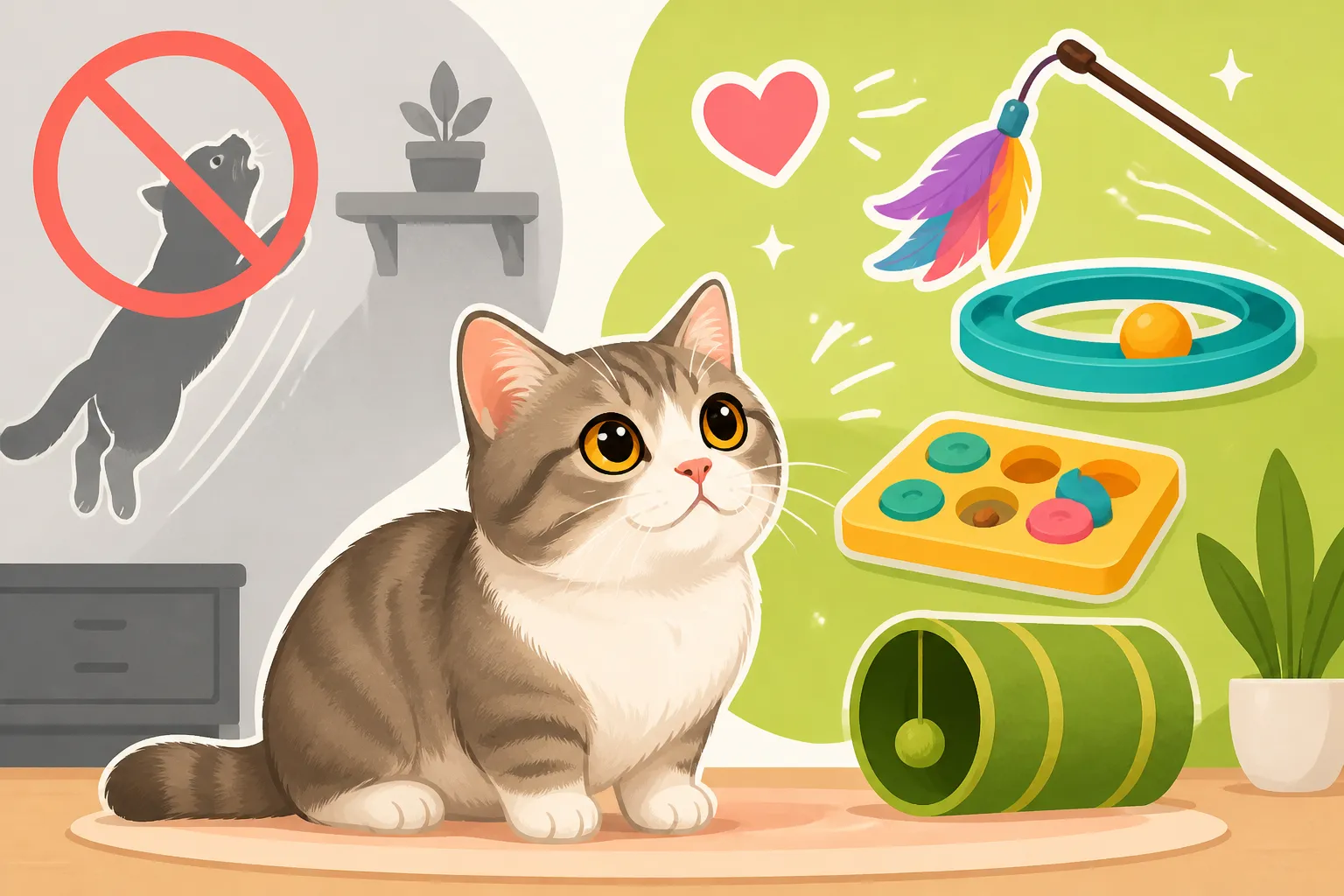
When jumping becomes a thing of the past, the good news is that Munchkins are exceptionally adept at floor-level play! Their low center of gravity and ferret-like movements mean they are often fantastic at chasing, darting, and exploring horizontally. The key is to redirect their natural hunting instincts to activities that keep all four paws, or at least most of them, firmly on the ground.
Interactive Wand Play with a Twist
Wand toys are an absolute staple for any cat, but for a Munchkin who has stopped jumping, they become even more critical. The "twist" is in how you use them. Forget trying to get them to leap and swat at a feather high in the air. Instead, think like a mouse scurrying across the floor. Drag the wand toy slowly, making the feathers or fabric dart under furniture, peek out from behind corners, and wriggle along the baseboards.
This encourages their natural stalking, pouncing, and chasing behaviors without any need for vertical movement. Watch your Munchkin’s eyes light up as they crouch low, butt wiggling, ready to spring on their "prey." You can hide the toy briefly, then make it "appear" again, mimicking natural prey movement. Many fantastic wand toys, perfect for this kind of floor-level engagement, can be found on Amazon. This type of play provides great exercise and mental stimulation, allowing them to fulfill their predator instincts safely. For more ideas on suitable toys, check out Which Wand Toys Suit a Munchkin's Reach.
Puzzle Feeders and Treat Dispensing Toys
Mental stimulation is just as important as physical activity, especially for cats who might be less mobile. Puzzle feeders and treat-dispensing toys are brilliant for this. They challenge your Munchkin to use their brain and paws to "hunt" for their food or treats, engaging them in a problem-solving activity that doesn't require jumping. There's a wide range of difficulty levels available, so you can start simple and gradually introduce more complex puzzles.
You can get slow-feeder bowls that require them to navigate small mazes, or balls that dispense kibble as they roll them around. Some more elaborate puzzle feeders have compartments and sliders that your cat needs to manipulate to get their reward. These are fantastic for keeping their minds sharp and preventing boredom, which can lead to other behavioral issues. They also encourage gentle, controlled movement, which is great for maintaining muscle tone without stressing joints. Look for a variety of options on Amazon to find what best suits your cat's abilities and preferences.
Chase and Retrieve Games
Many Munchkins love a good game of chase and retrieve, and this can be easily adapted for cats who no longer jump. Small, lightweight balls, crinkle toys, or even soft pom-poms are perfect for this. Roll them along the floor, encouraging your Munchkin to dart after them. You can use a low-entry tunnel or a cardboard box as a "goal" for them to chase the toy into, adding an extra layer of fun.
The beauty of this game is that it can be played in short bursts, which is ideal for older or stiffer cats. It allows them to engage their fast-twitch muscles and satisfy their hunting drive. Some cats will even bring the toy back for another round! Make sure the toys are easy for them to pick up and carry with their short legs. If your cat seems hesitant, try adding a little catnip to the toy to spark their interest. This keeps them active and provides a wonderful bonding opportunity.
Engaging the Mind: Enrichment Beyond Movement
Play isn't solely about physical activity; mental enrichment is crucial for a cat's overall well-being. For a Munchkin who has stopped jumping, these cognitive activities become even more vital, providing stimulation that doesn't put stress on their physical body.
Scent Games and Hiding Treats
Cats have an incredible sense of smell, and engaging this sense can be a fantastic way to provide enrichment. Scent games involve hiding treats or toys in various low-to-the-ground spots around the house, encouraging your Munchkin to sniff them out. Start with easy spots, like under a towel or behind a cushion on the floor, and gradually increase the difficulty.
You can use small, pungent treats or even their favorite dry kibble. The act of searching, sniffing, and discovering is incredibly satisfying for cats and taps into their natural foraging instincts. This activity provides mental exercise, builds confidence, and offers a quiet, engaging form of play that is perfect for a less mobile cat. It's a wonderful way to keep their brains active and prevent boredom, leading to a happier, more fulfilled feline friend.
Training and Clicker Work
Don't underestimate your Munchkin's capacity for learning, even if they're older or less agile. Clicker training is a fantastic way to engage their minds and strengthen your bond. You can teach them simple tricks that don't involve jumping, such as "sit," "stay," "paw," or even coming when called. The focus is on mental engagement and positive reinforcement. Which Tricks a Munchkin Can Physically Do offers more inspiration here.
Using a clicker helps mark the exact moment they perform the desired behavior, followed immediately by a treat. This clear communication makes learning fun and rewarding for both of you. It's a quiet, low-impact activity that boosts their confidence and provides a sense of accomplishment. Plus, showing off their new skills to visitors can be a fun shared experience! Consistent, short training sessions work best to keep them engaged without overwhelming them.
The Joy of Observation: Adapted Window Perches and Catios
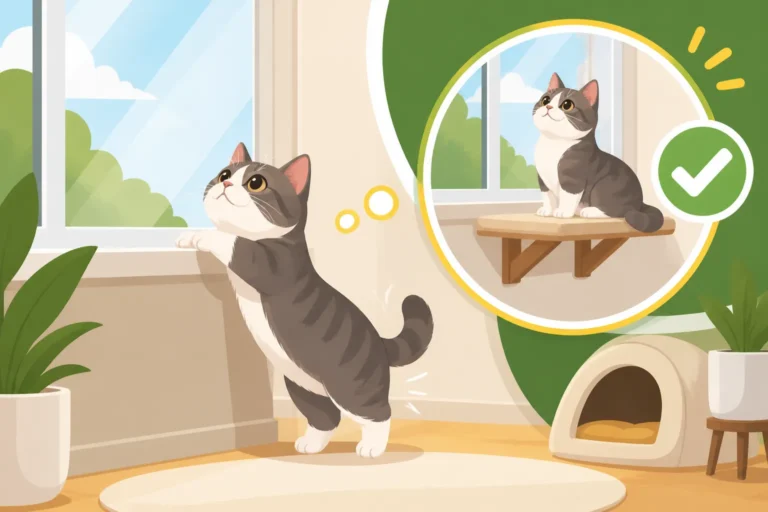
Just because they can't jump doesn't mean they don't crave the mental stimulation of watching the world go by. A secure, low-entry window perch can provide hours of entertainment. Instead of relying on a precarious high perch, consider ones that attach securely to the windowsill or ones that are designed with sturdy ramps or steps leading up to them.
For those with outdoor access, a "catio" or secure outdoor enclosure can be incredibly enriching. Ensure the platforms within the catio are easily accessible via ramps or very short, wide steps, rather than requiring large jumps. The sights, sounds, and smells of the outdoors, even from a safe enclosure, provide a wealth of mental stimulation. It allows them to feel like an outdoor explorer without any of the associated risks or physical strain. Consider setting up a comfortable, low-lying bed within the catio where they can relax and observe nature from a safe vantage point. How to Get a Munchkin Up to a Window Safely and What a Munchkin Sized Catio Needs offer practical advice on these setups.
Adapting the Environment for Effortless Play
Creating a home environment that supports your Munchkin's changing mobility is paramount. It ensures they can still access their favorite spots and engage in play without frustration or pain. It's about designing a world where their short legs are an advantage, not a limitation.
Ramps and Steps for Access
Ramps and pet steps are no longer luxuries; they become essential tools for your Munchkin to navigate their world independently. If they can no longer jump onto the sofa or your bed, well-placed ramps or sturdy pet steps will allow them to continue enjoying those cherished cuddle spots. This isn't just about comfort; it's about maintaining their sense of autonomy and access to their preferred resting and interaction areas. How to Teach a Munchkin to Use a Ramp provides guidance on introducing these aids.
When choosing ramps or steps, look for ones with a gentle incline and a non-slip surface. The steps should be wide and not too steep, allowing for easy ascent and descent. You might need several strategically placed around the house – one for the sofa, one for the bed, perhaps even one leading to a favorite window perch. This investment ensures they don't feel isolated or left out of the family's activities simply because they can't jump. Even How Early to Introduce a Munchkin Kitten to a Ramp can lay the groundwork for a lifetime of easy access.
Safe Landing Zones and Soft Surfaces
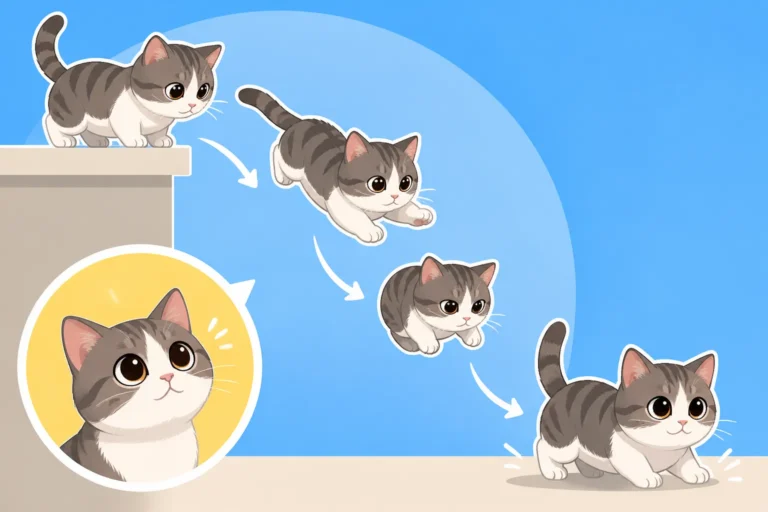
While your Munchkin might not be jumping high anymore, they can still have small hops or accidental tumbles. Padding landing zones around frequently used furniture can provide extra cushioning and reduce impact. Think about placing soft rugs or pet beds at the base of ramps or stairs, or in areas where they might attempt a small jump onto a low chair.
Additionally, ensuring your floors aren't too slippery is important. Hardwood or tile floors can be challenging for cats with reduced mobility, making them prone to slipping, which can cause strain or injury. Consider strategically placing non-slip rugs or runners, especially in areas where they play or transition between furniture. This creates a safer, more comfortable environment where they can move and play with confidence.
Horizontal Scratchers and Tunnels
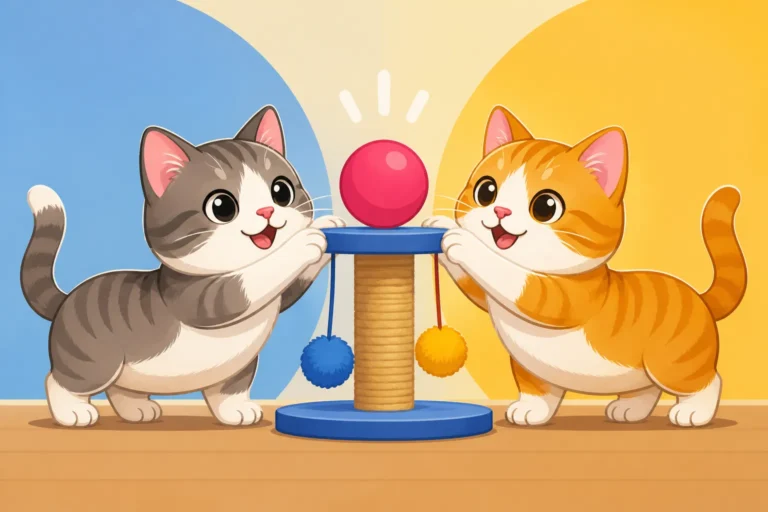
Scratching is a natural and necessary cat behavior, but a tall, vertical scratching post can be difficult for a Munchkin who can't stretch or balance effectively. Instead, opt for horizontal scratchers, inclined scratchers, or even flat cardboard scratch pads. These allow them to stretch their front paws and satisfy their scratching urge without having to stand on their hind legs or jump. Many excellent horizontal scratchers are available on Amazon.
Tunnels are also fantastic for floor-level exploration and play. They provide hiding spots, chase routes, and a sense of security. Look for tunnels that are wide enough for them to easily navigate and that offer different textures or crinkly sounds for added sensory stimulation. Placing treats or toys inside a tunnel can encourage exploration and gentle movement. A well-placed tunnel can turn a simple room into an exciting adventure playground for your low-riding companion. Which Scratching Post a Munchkin Can Use will give you more ideas for satisfying their natural instincts.
Recommended Playtime Equipment for Non-Jumping Munchkins
To summarize some of the best tools for keeping your Munchkin engaged when jumping is no longer an option, here's a quick reference:
| Equipment Type | Primary Benefit | Examples | Key Features for Munchkins |
|---|---|---|---|
| Wand Toys | Interactive hunting, exercise | Feather teasers, fabric streamers, ribbon wands | Long, flexible wands; prioritize floor-level play |
| Puzzle Feeders | Mental stimulation, slow eating | Treat balls, maze bowls, compartment puzzles | Easy-to-manipulate parts; varied difficulty levels |
| Chase Toys | Independent play, exercise | Crinkle balls, soft pom-poms, lightweight mice | Easy to pick up; rolls smoothly on various surfaces |
| Scent Game Elements | Mental enrichment | Small, pungent treats; snuffle mats | Safe to ingest treats; machine washable |
| Clicker Training Kit | Mental engagement, bonding | Clicker, high-value treats | Small, easily digestible treats; clear clicker sound |
| Adapted Perches | Observation, mental stimulation | Window perches with ramps, low-level catios | Sturdy, non-slip ramps; secure attachment to windows |
| Horizontal Scratchers | Natural instinct fulfillment | Cardboard pads, inclined scratchers | Stable, non-slip base; appealing scratching surface |
| Play Tunnels | Exploration, hiding, chase play | Collapsible fabric tunnels | Wide opening, crinkle material, multiple exits |
| Ramps/Pet Steps | Accessibility, autonomy | Carpeted ramps, wooden steps | Gentle incline, non-slip surface, sturdy construction |
Disclaimer
This article is for general informational purposes only and does not constitute professional advice. Laws, prices and regulations vary by location and change over time. Consult a qualified professional for guidance on your specific situation.