Why a Munchkin Cannot Stretch Up a Scratching Post
One of the first things many new Munchkin cat parents notice, often with a mix of amusement and a little pang of concern, is their adorable short-legged furball struggling with a perfectly normal, tall scratching post. It’s a common frustration: you want your cat to have all the essentials, but a standard scratching post just seems… too much. This guide is here to shed light on precisely why your Munchkin can't stretch up a traditional scratching post and, more importantly, to help you find the best solutions so your little one can enjoy all the joys of a good, satisfying scratch without any strain or discomfort.
Understanding the Unique Anatomy of a Munchkin
To truly grasp why a Munchkin cat approaches a scratching post differently, we need to start with their defining characteristic: those wonderfully short legs. It's not just a superficial trait; it’s rooted in a specific genetic difference that impacts their entire physical world.
The Core Difference: Achondroplasia
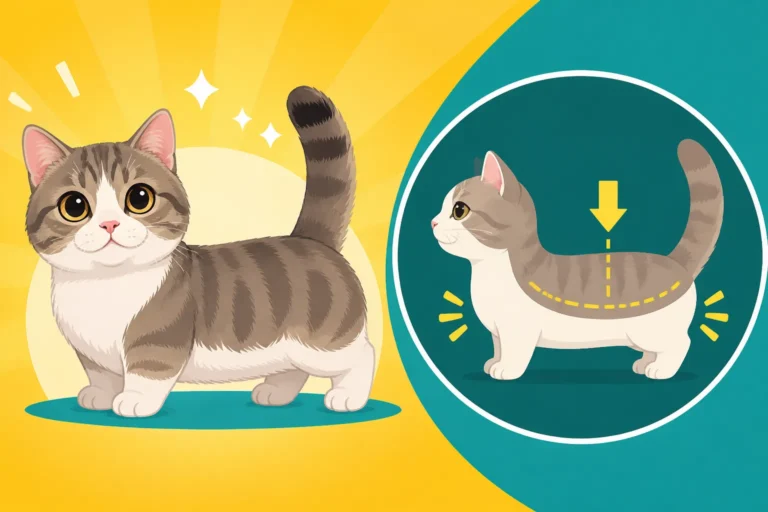
At the heart of the Munchkin's unique physique is a naturally occurring genetic mutation called achondroplasia. This isn't some designer tweak; it's a form of dwarfism that affects the length of the long bones in their limbs, resulting in those adorable stubby legs we all love. It's crucial to understand that this condition specifically shortens the legs, while the rest of their body – their torso, head, and tail – generally develops to a normal, proportionate length.
Imagine for a moment being an adult human, but with legs that are perhaps half the length you'd expect. Your torso, arms, and head are all perfectly normal, but your ability to reach high shelves, climb stairs, or even just take a long stride is fundamentally altered. That’s a bit like the world a Munchkin navigates. Their spine and body length are comparable to a typical domestic cat, but the pillars supporting that structure are significantly shorter. This genetic trait is why Munchkin Dwarfism Is Dominant and Lethal in Two Copies, meaning it's a powerful genetic instruction that directly impacts limb development.
Because of this, movements that involve significant vertical extension become a challenge. A traditional cat stretches upwards, reaching for the highest point of a scratching post, extending their spine, and digging their claws in. For a Munchkin, that upward reach simply isn't there. Their arm-equivalent bones are shorter, and their overall stance brings their body much closer to the ground. This means they cannot achieve the full, satisfying vertical stretch that a normal-legged cat can effortlessly perform. It’s not a lack of desire or effort; it's a physical limitation imposed by their unique bone structure.
The Spinal Load and Joint Considerations
Beyond the sheer reach factor, the Munchkin's unique conformation also means their body carries its weight differently. While their spine itself is usually a normal length for a cat, the short legs mean it’s closer to the ground, and forces during movement, jumping, and even stretching are distributed in a distinct way. This is Why a Munchkin's Spine Carries a Load a Normal Cat's Does Not. A normal-legged cat uses its long, flexible spine and powerful hind legs to absorb impact and spring upwards. A Munchkin, lacking that leg length, often compensates with its torso and front limbs.
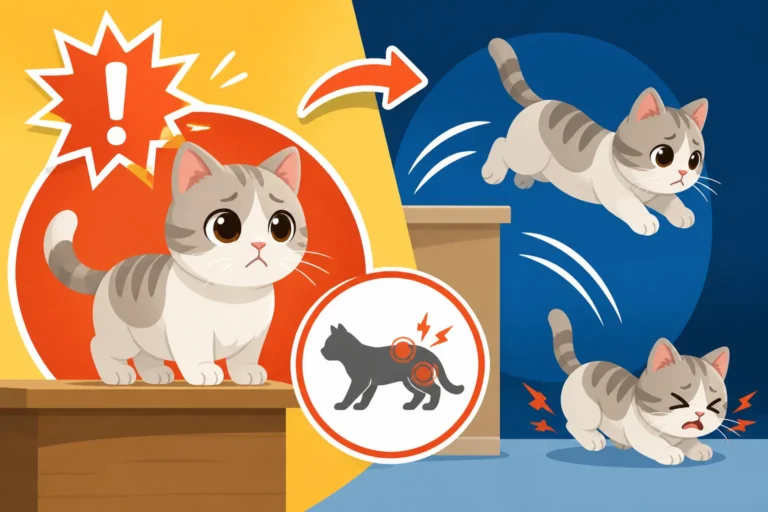
When a cat stretches up a scratching post, they're not just clawing; they're engaging their entire core, extending their back, and pushing through their shoulders and elbows. For a Munchkin, attempting to mimic this natural, upright scratching motion on a tall post can put undue strain on their spine. Imagine trying to stretch out fully while your feet are stuck in a low ditch; your back would naturally hunch and strain to compensate. This kind of repetitive strain is something we want to avoid, especially as our beloved Munchkins age. Their joints, particularly their shoulders and elbows, are already doing more work to propel their body and absorb landings due to the shorter leverage of their legs. In fact, How Osteoarthritis Shows in a Munchkin's Shoulders is a real concern for aging Munchkins, so anything we can do to reduce unnecessary stress on these joints is a huge plus.
Owners might intuitively notice this discomfort. You might see your Munchkin attempt to scratch a tall post, only to quickly give up, or maybe they'll only manage a half-hearted attempt, looking a bit awkward or even frustrated. It's their body telling them that this particular action isn't comfortable or physically efficient. Understanding these underlying anatomical realities helps us make better, more empathetic choices for their care.
Why Traditional Scratching Posts Fail a Munchkin
It’s not the fault of the scratching post itself, nor is it a shortcoming of your Munchkin. It’s simply a mismatch between a standard design and a special physique. Let's dig into why those tall, majestic scratching posts, so perfect for other felines, just don't cut it for our short-legged friends.
The Vertical Reach Barrier
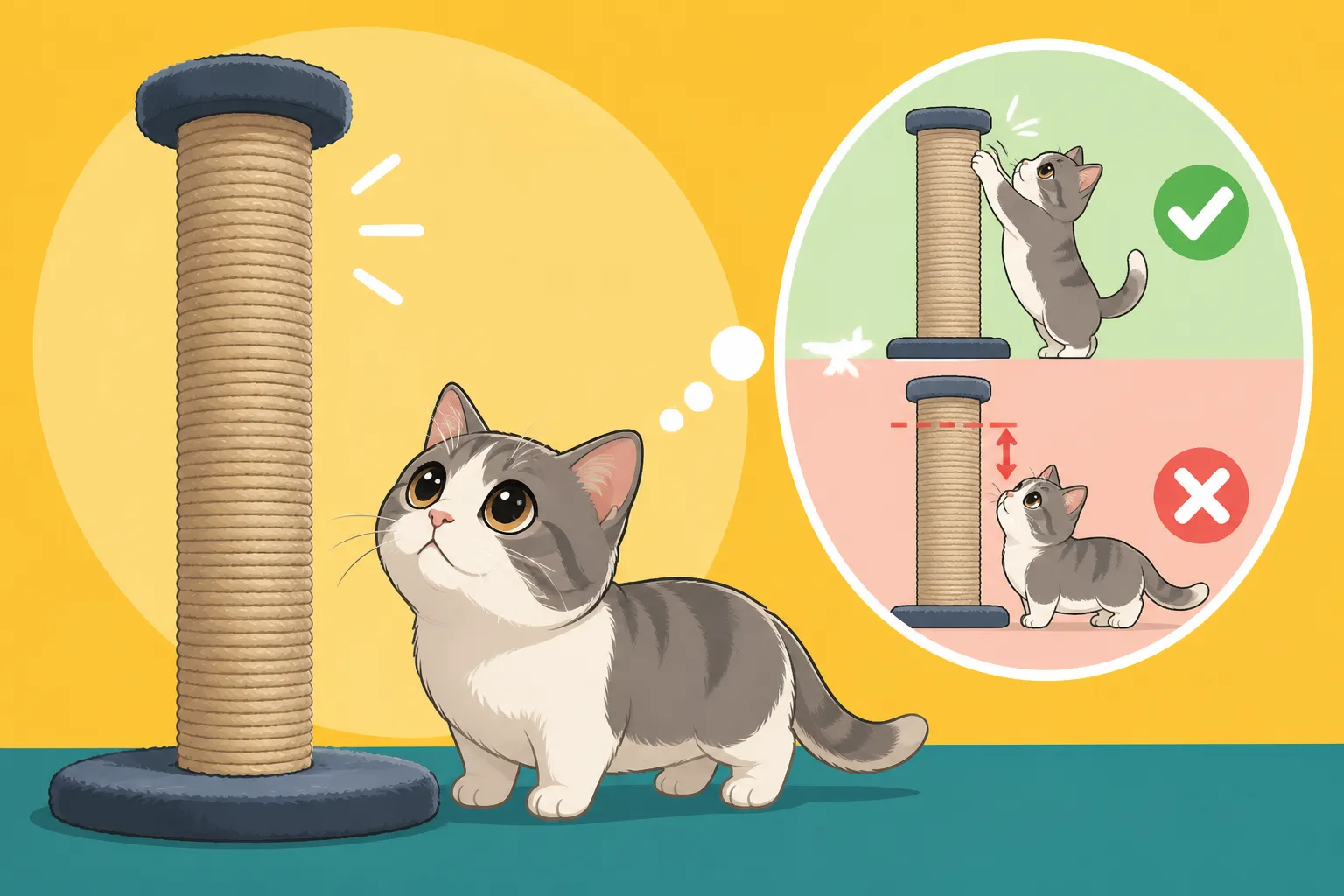
The quintessential scratching post is designed for a cat to stretch to its full vertical height, anchoring its back claws on the floor, extending its front paws upwards, and pulling down to shed claw sheaths and flex its muscles. This vertical stretch is a fundamental part of a cat's instinctual scratching behavior. A typical scratching post stands anywhere from 18 to 30 inches tall, or even taller for elaborate cat trees. Now, picture your Munchkin next to that. An adult Munchkin cat might only stand 6-9 inches tall at the shoulder. The math simply doesn't add up for that full, satisfying vertical reach.
Your Munchkin might be able to reach the very bottom few inches of a standard post, but that doesn't allow for the expansive, muscle-flexing stretch that other cats enjoy. They might bat at the dangling toy, or perhaps try to engage their claws at an awkward angle, but they won’t get the full body extension. It's like trying to play basketball when the hoop is twelve feet high – you can try, but you'll never truly dunk the ball. This inability to properly engage with the post can be frustrating for the cat, leading them to abandon the post altogether. It’s a classic example of Which Toys a Munchkin Cannot Use – if it requires significant verticality, it's likely a miss.
This vertical barrier often leads to redirected scratching. If your Munchkin can't use the expensive, tall scratching post you bought, where will they go? Often, they'll turn their attention to your sofa, door frames, or carpet. It's not out of malice or naughtiness; it's simply an unmet instinctual need. They need to scratch, and if the provided option doesn't work for their unique body, they'll find something that does, even if it's not what you intended.
Unnatural Posture and Discomfort
Beyond the inability to reach, attempting to use a tall post forces a Munchkin into unnatural and potentially harmful postures. When a standard-legged cat scratches vertically, their spine is elongated and straight, their front legs are extended, and their back legs are firmly planted, allowing for a deep, satisfying pull. Their weight is evenly distributed as they lean into the stretch.
For a Munchkin, reaching up even a little on a tall post might involve a significant hunch in their back, putting immense strain on their lumbar region. Their front legs would be extended upwards, but without the counter-leverage of their longer hind legs, their body would be off-balance. They might twist awkwardly or attempt to support themselves with their belly close to the ground, which defeats the purpose of a stretching motion. Imagine trying to do a push-up with your arms unnaturally far forward – it wouldn't feel right, and it certainly wouldn't be effective. This kind of contorted position doesn't provide the muscular release or claw conditioning they need, and it certainly isn't comfortable.
Repeatedly forcing this awkward posture on their delicate spine and joints can have long-term consequences. Their bodies are designed to move effectively with their short legs, but pushing them into positions that stress their unique musculoskeletal structure is counterproductive. As we've discussed, their spine is a normal length, meaning Why a Munchkin's Legs Are Short but Its Body Is Not creates specific biomechanical considerations. We want to encourage movements that support their natural gait and flexibility, not hinder it. A scratching post that causes them to hunch, twist, or strain isn't serving their best interests, and they'll likely avoid it for good reason.
The Importance of Scratching for Feline Health and Behavior
Scratching isn't just a quirky cat habit or a way to destroy furniture. It's a fundamental, deeply ingrained feline behavior that is absolutely essential for their physical and mental well-being. Denying a cat the opportunity to scratch appropriately can lead to both health issues and behavioral problems.
Instinctual Need for Claw Care
Every cat, wild or domestic, has an inherent need to scratch. It's a primal instinct, and it serves several crucial purposes, primarily related to their claws. Cats scratch to shed the outer layers of their claws, revealing the sharp, new claw underneath. Think of it like peeling an onion; the old, dull layers come off, keeping their claws in top condition. Without adequate scratching opportunities, these outer sheaths can build up, leading to overgrown, dull, or even ingrown claws, which can be incredibly painful and impact their ability to walk, play, and groom.
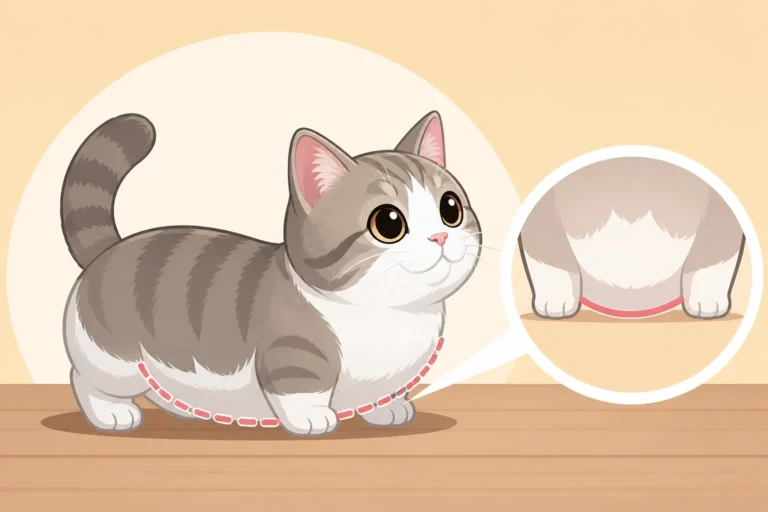
Beyond shedding, scratching helps to clean their claws and keep them honed for hunting, climbing, or self-defense (even if the fiercest hunting your indoor Munchkin does is chasing a feather wand). For Munchkins, whose mobility is already different, having healthy, well-maintained claws is particularly important for traction and stability. You might observe that Why a Munchkin Wears Its Claws Down Unevenly due to their unique gait and how they interact with surfaces. Proper scratching helps mitigate these uneven wear patterns.
But scratching isn't just utilitarian; it's also a powerful form of communication. Cats have scent glands in their paw pads, and when they scratch, they leave behind their unique scent, marking their territory. This visual and olfactory marking helps them feel secure and confident in their environment. Imagine if you couldn't leave your personal mark in your own home; it would feel less like yours. For a Munchkin, being able to confidently mark their space contributes to their overall sense of well-being.
Physical and Mental Enrichment
Scratching is a full-body workout for a cat. When they stretch and pull, they engage their back muscles, shoulders, and legs, helping to keep their entire musculoskeletal system flexible and strong. For Munchkins, who may have specific joint considerations, this gentle, natural stretching is incredibly beneficial. It promotes circulation, helps maintain muscle tone, and contributes to overall physical fitness. It's a healthy form of exercise that complements their naturally playful nature.
Beyond the physical, scratching is a fantastic outlet for mental enrichment and stress relief. Cats often scratch when they're excited, happy, bored, or even anxious. It's a way for them to release pent-up energy, relieve stress, and simply feel good. A cat that doesn't have appropriate scratching outlets might become destructive, scratching inappropriate items, or even show signs of behavioral stress like over-grooming or lethargy. Providing the right scratching solutions is a simple yet powerful way to support their mental health. It’s part of the wider picture of Which Scratching Post a Munchkin Can Use – it has to be effective both physically and psychologically.
Without appropriate scratching opportunities, a cat’s world can feel a little bit off-kilter. They have this innate drive, and if it's constantly thwarted by unsuitable equipment, it can manifest in undesirable ways. Ensuring your Munchkin has easy, comfortable access to scratching surfaces that suit their body will not only save your furniture but also contribute immensely to their happiness and health.
Ideal Scratching Solutions for Munchkin Cats
Now that we understand why traditional posts are a no-go, let's talk about the wonderful array of options available that are perfectly suited for your Munchkin's unique needs. The good news is, there are plenty of fantastic choices that will make your short-legged friend purr with delight!
Horizontal Scratchers and Mats
When it comes to Munchkins, shifting your focus from vertical to horizontal is a game-changer. Horizontal scratchers allow your cat to stretch out fully along the ground, engaging their entire body in a comfortable and natural way, without any upward strain. These come in various forms and materials, offering versatility to suit different preferences.
Cardboard scratchers are a perennial favorite among many cats, and Munchkins are no exception. They are affordable, disposable, and come in countless shapes and sizes – from simple flat rectangles to more elaborate curved designs or even bowl-shaped ones that your cat can recline in while scratching. Brands like those found on Amazon often have a huge selection, so you can easily find a multi-pack to scatter around your home. The texture of corrugated cardboard is incredibly satisfying for cats, providing that "rip and tear" sensation they crave, effectively stripping away old claw sheaths. Your Munchkin can lie down, crouch, or stand over these, extending their front paws forward for a deep, satisfying scratch that works their shoulders and back muscles without asking for any vertical reach. This is an excellent way to provide the full body stretch without vertical strain, exactly what Whether a Horizontal Scratcher Suits a Munchkin confirms.
Sisal mats are another fantastic horizontal option. Sisal is a durable, fibrous material often used on traditional scratching posts, but in mat form, it's perfect for floor-level scratching. These mats can be placed on the floor, tacked onto a low wall, or even draped over a furniture corner that your Munchkin might be eyeing. The rough, rope-like texture is incredibly appealing for scratching and is very hard-wearing. You can often find a good range of sisal mats and pads at online retailers like Chewy, which can be great for ensuring quality and variety. These allow for that same comfortable horizontal extension, providing a sturdy surface for them to dig their claws into and get that all-important stretch.
Low-Rise, Angled, or Ramp-Style Scratchers
While horizontal is key, some Munchkins might still enjoy a slight incline or a very short vertical element, provided it's at an accessible height. These types of scratchers offer a fantastic compromise, allowing for a bit of an upward angle without requiring an impossible stretch.
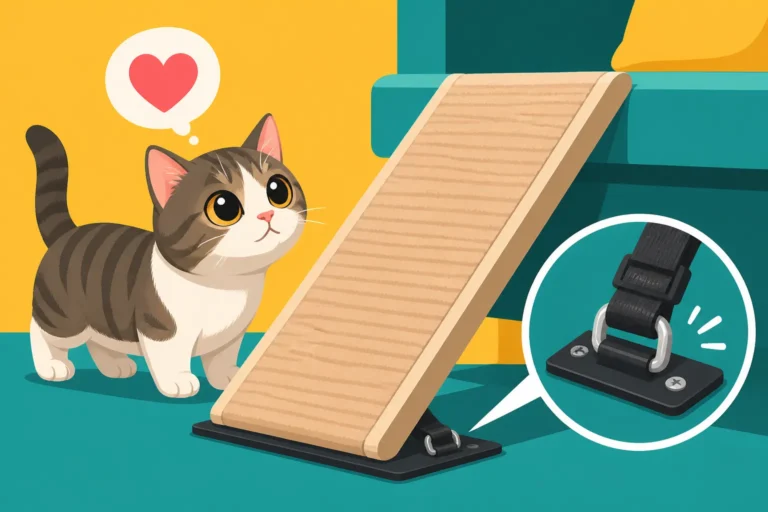
Look for slanted cardboard scratchers that lean at an angle, like a gentle ramp. Your Munchkin can approach these from the lower side, stretching up the incline. This provides a different kind of stretch compared to a purely flat surface, engaging their muscles in a slightly varied way, which is great for overall mobility and enrichment. The angle means they can still get a good pull with their claws while keeping their body close to the ground, avoiding any stressful arching of their back. Many brands offer these, and again, shopping on sites like Amazon or Chewy can provide a wide selection of shapes and materials.
Very short scratching posts, sometimes marketed for kittens or senior cats, can also be suitable. These posts might only be 6-12 inches tall, allowing a Munchkin to comfortably reach the top and get a partial vertical scratch and stretch without straining. The key here is very short – anything taller than their standing shoulder height is likely to be problematic. Ensure the base is wide and stable, so it doesn't wobble or tip when your Munchkin leans into it. Some designs incorporate a small platform or a ramp leading up to a short scratching surface, which can be ideal. The goal is to provide a surface they can confidently reach and use, allowing them to engage in their natural behaviors without causing them any discomfort or risk of injury. This careful selection ensures that Which Scratching Post a Munchkin Can Use is always accessible and beneficial.
Adapting Your Home to a Munchkin's Needs
Bringing a Munchkin into your home means looking at your environment through a different lens. What might be an afterthought for a long-legged cat becomes a crucial consideration for a Munchkin. It's all about making their world accessible and comfortable.
Strategic Placement and Accessibility
Cats are creatures of habit and preference, and where you place their scratching solutions is almost as important as the type of scratcher itself. Think about where your cat naturally tends to scratch or stretch. Often, cats prefer to scratch near their sleeping areas, like beds or favorite lounging spots, as a way to "mark" their territory upon waking. They might also gravitate towards entryways or areas where family members congregate. Placing horizontal scratchers or low-rise options in these high-traffic, personally significant zones increases the likelihood of them being used correctly.
Don't just put one scratcher in a corner and expect miracles. Provide multiple scratching options throughout your home. A good rule of thumb is at least one per main living area, and ideally, near every place your cat sleeps or spends a lot of time. If you have multiple Munchkins, you'll need even more! This ensures that no matter where your Munchkin finds themselves, a suitable scratching surface is within easy reach. This strategic thinking is part of How to Set Up a Home for a New Munchkin Kitten to ensure they develop good habits from the start.
Stability is key for any cat product, but especially for scratching posts that are meant to withstand vigorous activity. Ensure that horizontal scratchers lie flat and don't slide around on slick floors. For low-rise posts, make sure the base is heavy and wide enough to prevent tipping. A wobbly or unstable scratching surface will quickly deter your cat from using it, no matter how perfectly designed it is for their legs. Consider placing non-slip mats underneath if needed, or choosing products with rubberized bottoms. Creating a designated "Munchkin-friendly" scratching zone means thinking about both the type of product and its secure integration into their daily environment.
Material and Texture Preferences
Just like people have preferences for different types of textures – some love soft blankets, others prefer crisp linens – cats have distinct preferences for scratching materials. While sisal and cardboard are generally popular, your individual Munchkin might have a strong leaning towards one over the other, or even something entirely different. It's a good idea to offer a variety of textures to discover what truly gets their claws digging.
Consider offering a mix: a corrugated cardboard scratcher, a sisal mat, and perhaps a small piece of carpet-covered wood (make sure the carpet is a durable loop pile, not a loose shag that can snag claws). Some cats also enjoy scratching on natural wood, so a small, untreated log or a piece of sturdy driftwood might be a surprising hit. By providing different options, you're giving your Munchkin the choice, empowering them to engage with what feels best on their paws. This exploratory phase is part of the fun of getting to know your cat!
It's also important to remember that scratchers wear out. Over time, cardboard becomes shredded, sisal frays, and carpet gets worn down. A neglected, worn-out scratcher is far less appealing than a fresh one. Make it a habit to regularly inspect your Munchkin's scratching surfaces and replace them when they start looking tired. A new cardboard scratcher is a small investment for a happy cat and intact furniture. Continually refreshing these options keeps them novel and exciting, ensuring your Munchkin always has a perfect spot to perform their essential scratching rituals.
Maintaining Paw Health and Preventing Issues
While providing the right scratching posts is paramount, it's just one piece of the puzzle when it comes to a Munchkin's overall paw health and well-being. A holistic approach that includes regular grooming and vigilant monitoring for any signs of discomfort is essential.
Regular Claw Trimming and Inspection
Even with the best scratching solutions, routine claw trimming is an indispensable part of a Munchkin's care, just as it is for any cat. While scratching helps shed outer layers, it often doesn't keep the claws perfectly short, especially the dewclaws (the thumbs on their front paws) which don't make contact with scratching surfaces. Overgrown claws can snag on carpets, dig into paw pads, or even affect their gait, leading to pain and discomfort. For a Munchkin, whose short legs already necessitate careful movement, properly trimmed claws are even more important for stability and preventing issues.
Introduce claw trimming early, ideally when your Munchkin is a kitten, so they become accustomed to the process. Use sharp, cat-specific clippers and trim only the very tip of the clear part of the claw, avoiding the quick (the pink, sensitive part that contains blood vessels and nerves). If you’re unsure, ask your vet or a professional groomer to show you how. It’s important to handle their paws gently, avoiding twisting their legs, as Trimming a Munchkin's Claws Without Twisting Its Legs is crucial to prevent discomfort or injury.
Beyond trimming, make it a habit to regularly inspect your Munchkin's paw pads and claws. Look for any signs of redness, swelling, cracks, or foreign objects stuck between their toes. Check for any mats of fur between their paw pads, especially if your Munchkin has longer hair, as these can pull and cause pain. Early detection of any issues can prevent them from escalating into more serious problems that might require veterinary intervention. This simple routine goes a long way in ensuring your Munchkin's paws remain healthy and comfortable, supporting their unique mobility.
Monitoring for Discomfort or Changes in Gait
Your Munchkin's ability to move and play comfortably is a key indicator of their overall health. Because their short legs mean their joints and spine bear a different kind of load, it's incredibly important to be vigilant for any subtle signs of discomfort or changes in their movement patterns. This vigilance is especially critical as they age, as At What Age a Munchkin Starts to Stiffen can be a concern, and early intervention is always best.
Watch how your Munchkin uses their scratching posts. Are they still eager to engage? Do they seem to struggle more than usual? Any reluctance to scratch, or a change in their preferred scratching method, could be a subtle sign of underlying joint pain or spinal discomfort. Observe their general gait: do they walk differently, perhaps with a slight limp, or do they seem stiffer after resting? Are they less inclined to play or jump (even the small jumps they are capable of)? Vocalization, such as purring more or less than usual, or even a soft moan when moving, can also be indicators of pain. How Arthritis Shows in a Munchkin's Front Legs might manifest as stiffness, reduced range of motion, or even a slight favoring of one leg over another, making scratching more difficult.
If you notice any of these changes, or if your Munchkin seems withdrawn, less active, or is grooming less effectively, it's time for a visit to your veterinarian. They can perform a thorough examination, including orthopedic and neurological checks, and may recommend imaging like X-rays to assess their spine and joints. Early diagnosis of conditions like arthritis or spinal issues allows for prompt management with pain relief, joint supplements recommended by your vet, and environmental adjustments. The connection between appropriate scratching, comfortable movement, and overall mobility cannot be overstated; a healthy, flexible Munchkin is a happy Munchkin.
| Scratcher Type | Description | Pros for Munchkins | Cons for Munchkins | Best Placement |
|---|---|---|---|---|
| Flat Cardboard Mat | Corrugated cardboard, lies flat on the floor. | Allows full horizontal stretch, affordable, disposable. | Can slide on slick floors, less durable than sisal. | Near sleeping areas, high-traffic zones. |
| Curved Cardboard | Cardboard shaped like a wave or bowl. | Provides varied angles, can be reclined in, good stretch. | Can be bulky, may slide if not on a rug. | In lounging areas, sunny spots. |
| Sisal Mat/Pad | Durable sisal fabric, either flat or with a non-slip backing. | Very durable, excellent claw conditioning, allows full stretch. | Can be pricier than cardboard, less variety in shapes. | Entryways, living rooms, under furniture. |
| Low-Rise Post | Very short (6-12 inches) vertical post. | Offers slight vertical element, good for partial stretch. | Must be very short; taller ones are still too high. | Near a small step, in a play area. |
| Angled/Ramp Scratcher | Slanted surface, often cardboard or sisal. | Allows an upward stretch without full verticality, good for joints. | Can take up more floor space, some cats prefer flat. | Next to a sofa, by a favorite window perch (with ramp). |
Disclaimer
This article is for general informational purposes only and does not constitute professional advice. Laws, prices and regulations vary by location and change over time. Consult a qualified professional for guidance on your specific situation.