Why a Judge Resigned Over the Munchkin
The Munchkin cat, with its undeniably unique appearance, has sparked some of the most heated debates within the cat fancy world. One of the most contentious moments, truly crystallizing the divide, was the dramatic resignation of a prominent judge from The International Cat Association (TICA). This wasn't just a disagreement over aesthetics; it was a profound stand rooted in deep ethical and welfare concerns about the breed's inherent characteristics. This guide delves into the specific reasons behind that powerful protest and the lasting implications it had for the breed's acceptance and perception.
The Genesis of Controversy: Early Days of the Munchkin
The story of the Munchkin cat begins in the early 1980s, but it wasn't long before its distinctive short legs started to generate significant discussion and, for many, outright alarm. The very traits that made the breed novel were also those that ignited a firestorm of ethical questions.
From Foundling to Formal Recognition Attempt
The breed's origin traces back to a stray cat named Blackberry, discovered under a truck in Louisiana in 1983 by Sandra Hochenedel. Blackberry, and later her son Toulouse, became the progenitors of the entire Munchkin breed. What set them apart were their unusually short legs, a natural genetic mutation. As Hochenedel and a friend, Kay LaFrance, began breeding these cats, they quickly realized they had something unique. The initial goal was simply to share these charming cats, but it soon evolved into a desire for formal recognition within the cat fancy. This attempt to formalize a breed based on a genetic anomaly was unprecedented and immediately raised red flags for many who prioritized feline health and traditional breed standards. The idea that a physical trait caused by a specific genetic mutation should be celebrated as a "breed standard" was, for many, a step too far. You can read more about Blackberry and Toulouse Are the Two Cats Behind Every Munchkin.
The Public Debut and Initial Skepticism
When the Munchkin breed was first presented to the public and the wider cat community, particularly at a TICA board meeting in 1991, the reaction was swift and sharply divided. Proponents highlighted their playful nature, unique appearance, and affectionate personalities, arguing they were just as healthy and agile as other cats, albeit with a lower center of gravity. They presented the cats, performing their characteristic "ferret-like" run and "prairie dog" sit, emphasizing their supposed normalcy in movement. However, a significant portion of the feline veterinary and genetics community, along with many experienced cat judges and breeders of established breeds, expressed profound skepticism. They viewed the short legs not as a charming trait, but as a form of dwarfism that could predispose cats to serious health issues, particularly affecting their spines and joints. The public debut of the Munchkin was a pivotal moment, marking the beginning of a debate that continues to this day, and for some, it was the first sign of a looming ethical crisis. The very idea that What the Short Legs Actually Cost a Munchkin in terms of potential health risks was at the heart of the argument.
TICA's Contested Endorsement of the Breed
Despite the vocal opposition and significant ethical concerns, TICA, known for its more inclusive approach to new breeds, began the process of recognizing the Munchkin. This decision was met with a mixture of excitement from supporters and outrage from detractors.
TICA's 1994 Program for the Munchkin
In 1994, TICA officially accepted the Munchkin into its new breed development program. This was a crucial step, allowing the breed to be exhibited in championship classes, albeit initially without championship status. This move signaled TICA's willingness to consider breeds with novel genetic mutations, setting it apart from other, more conservative registries. The decision was not made lightly, and it came after considerable internal debate. For many, TICA's acceptance provided a glimmer of legitimacy, suggesting that perhaps the health concerns were exaggerated. For others, it was seen as a dangerous precedent, opening the door to the recognition of breeds with inherent genetic defects for the sake of novelty. This period saw increased scrutiny of the Munchkin's health data, though comprehensive, long-term studies were, and still largely are, elusive. The journey of How the Munchkin Reached Madison Square Garden and its initial steps towards formal recognition were controversial every step of the way.
The Road to Championship and Intensified Debate
Following its acceptance into the new breed program, the Munchkin continued its path within TICA towards full championship status. This progression involved evaluations by judges and adherence to a developing breed standard. As the breed gained more exposure and momentum, the debate surrounding its ethical implications intensified. Veterinary associations, geneticists, and animal welfare organizations around the world voiced stronger concerns, drawing parallels to similar dwarfism conditions in other species that are known to cause significant health problems. They argued that actively breeding for a genetic mutation linked to skeletal abnormalities was irresponsible and went against the core principles of responsible animal husbandry. This period saw breeders vigorously defending their cats, presenting anecdotal evidence of their health and agility, while critics pointed to the scientific understanding of dwarfism and its potential consequences, such as Lordosis Is the Spinal Curve the Munchkin Argument Is About. The division within the cat fancy grew deeper, setting the stage for more dramatic expressions of dissent.
The Resignation: A Veterinarian's Principled Stand
Against this backdrop of escalating debate, one individual took a powerful stand that reverberated throughout the international cat community: a TICA judge, who was also a veterinarian and geneticist, resigned in protest.
Who Was the Resigning Judge?
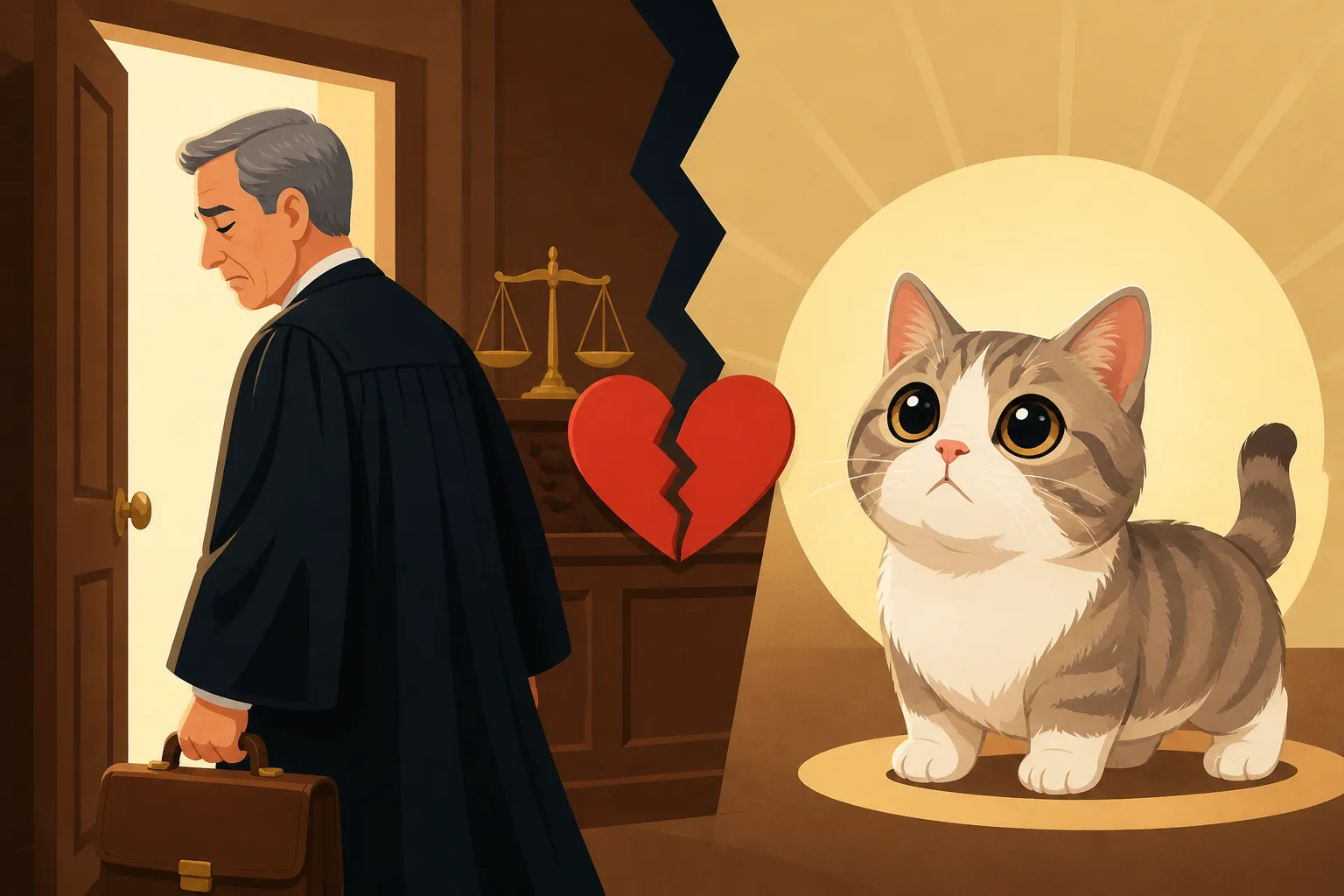
The judge who resigned in protest over TICA's recognition of the Munchkin was Dr. Solveig Pflueger. Dr. Pflueger was not just any judge; she was a well-respected veterinarian and geneticist, a combination of expertise that gave significant weight to her concerns. Her resignation was a highly publicized event, occurring in 1995, just as the Munchkin was moving closer to full championship status within TICA. Her decision was a direct challenge to TICA's policy and a powerful statement about what she perceived as a fundamental breach of ethical responsibility in animal breeding. For her, it wasn't merely a matter of personal preference but a professional and moral imperative to speak out against what she viewed as the legitimization of a genetic condition that compromised animal welfare. This moment is often cited as a turning point in the breed's history, forcing many to confront the ethical quandaries more directly. Her detailed knowledge of genetics meant her concerns could not be easily dismissed as mere prejudice. You can learn more about TICA Took the Munchkin In and a Judge Resigned Over It.
The Ethical and Welfare Concerns Voiced
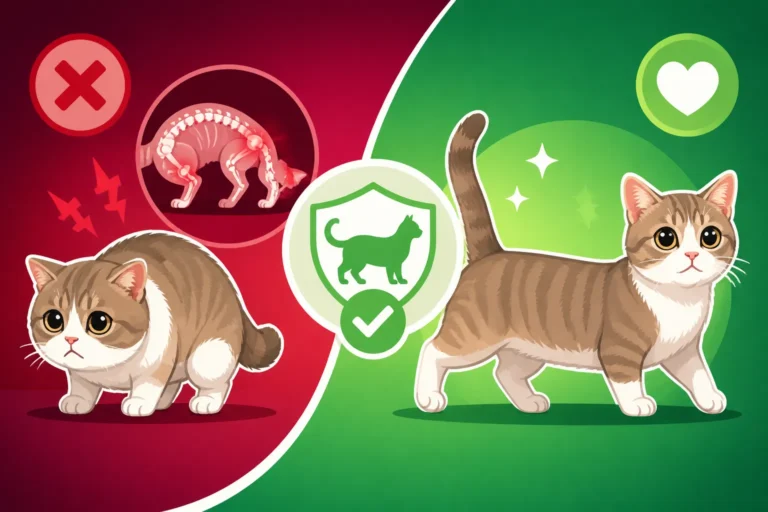
Dr. Pflueger's resignation was explicitly rooted in her deep-seated ethical and welfare concerns regarding the Munchkin breed. As a geneticist, she understood that the short-legged trait was a form of chondrodystrophy, a developmental disorder of cartilage that leads to dwarfism. While proponents argued that Munchkins were otherwise healthy, Dr. Pflueger, and many in the wider veterinary community, believed that breeding for such a trait was inherently problematic. Her concerns centered on the potential for various skeletal issues, including spinal problems like lordosis (an excessive inward curvature of the spine) and pectus excavatum (a sunken chest), which could compress internal organs and lead to significant pain or breathing difficulties.
She also pointed to the biomechanical stress placed on their joints, foreseeing a higher risk of osteoarthritis as they aged. Her argument was that intentionally breeding for a mutation known to cause these issues was not only unethical but also irresponsible, prioritizing novelty and appearance over the cat's long-term health and quality of life. She contended that such a genetic abnormality should be considered a disqualifying fault, not a breed-defining characteristic. The core of her argument was that Why a Munchkin's Spine Carries a Load a Normal Cat's Does Not due to its conformation, increasing the risk of painful conditions.
The Wider Impact on the Cat Fancy Community
Dr. Pflueger's resignation wasn't an isolated incident; it became a symbol of the deep schism within the cat fancy regarding the Munchkin and other breeds developed from genetic mutations. Her stand had ripple effects, influencing the policies of other major registries and fueling ongoing ethical debates.
Division Within Cat Registries and Associations
The controversy surrounding the Munchkin led to a clear division among cat registries and associations worldwide. While TICA ultimately granted the Munchkin full championship status, major organizations like the Cat Fanciers' Association (CFA), the Governing Council of the Cat Fancy (GCCF) in the UK, and numerous other European cat associations steadfastly refused to recognize the breed. Their reasons echoed Dr. Pflueger's concerns: they considered the short-legged trait to be a detrimental genetic mutation that compromised the cat's welfare and mobility. These organizations maintained that their primary responsibility was to promote the health and well-being of cats, and recognizing a breed with an inherent genetic predisposition to health problems would be contrary to that mission. This created a stark contrast in breed standards and exhibition opportunities globally, leaving Munchkin breeders to operate primarily within TICA-affiliated circles. Understanding Why CFA Will Not Register a Munchkin and Why GCCF Refuses the Munchkin provides crucial context to the ethical landscape of the breed. Many owners of Munchkin cats still find that while they can get supplies for their beloved pets from major retailers like Chewy, there remains a significant divergence of opinion among official cat fancy organizations.
Ongoing Debate and Ethical Considerations
Decades after Dr. Pflueger's resignation, the debate about the Munchkin cat continues. Proponents emphasize that many Munchkins live long, healthy, and active lives, adapting well to their shorter stature. They argue that careful breeding practices, including outcrossing to normal-legged cats, help to mitigate potential health risks. They often point to the breed's playful and affectionate temperament, suggesting that the cats themselves do not seem to suffer or be in pain. However, critics continue to raise concerns about the ethical implications of intentionally breeding for a genetic mutation that is linked to dwarfism and its associated health risks. They argue that even if some Munchkins live healthy lives, the inherent risk of severe spinal or joint issues remains unacceptable. The ethical question boils down to whether humanity should create or perpetuate breeds based on mutations that could potentially reduce an animal's natural agility or predispose it to chronic health conditions, regardless of how "cute" or unique the result may be. This ongoing dialogue shapes how organizations like veterinarians and animal welfare groups view the breed, with many still advocating against its breeding. Learning What Welfare Bodies Say About the Munchkin and What Munchkin Breeders Say in Reply showcases the depth of this enduring discussion.
Understanding the Specific Health Concerns Tied to Dwarfism
The very core of the controversy surrounding the Munchkin, and the reason for Dr. Pflueger's resignation, lies in the specific health concerns that are genetically linked to their short legs. It's not just about aesthetics; it's about the potential for physiological impact.
Pseudoachondroplasia and Its Implications
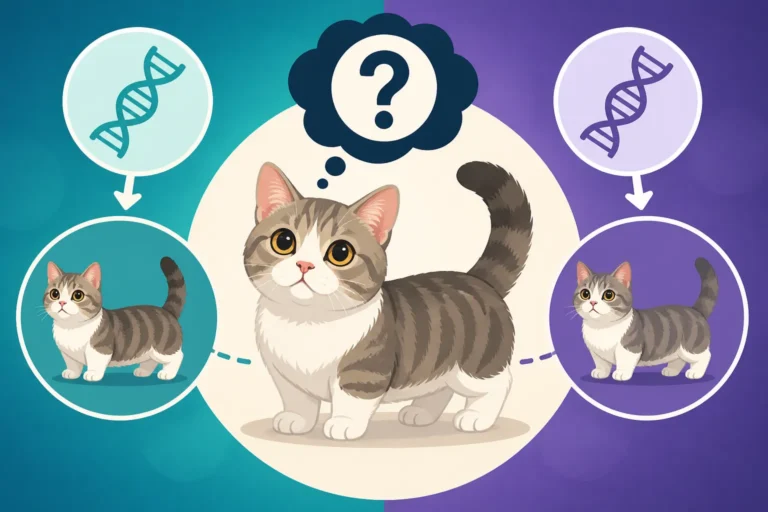
The genetic condition responsible for the Munchkin's short legs is formally known as pseudoachondroplasia. This is a form of dwarfism caused by a dominant gene, meaning only one copy of the gene is needed for a cat to display the short-legged trait. Critically, if a cat inherits two copies of this gene, it is lethal, resulting in the non-viability of the embryo. This genetic reality is why breeders must always cross a short-legged Munchkin with a normal-legged cat, ensuring that only one copy of the gene is passed on. The mutation primarily affects cartilage and bone development, leading to shortened long bones, which is why their legs are disproportionately short compared to their body length. While the condition doesn't typically affect the skull or facial structure as extensively as some other forms of dwarfism, the implications for the skeletal system are significant. The altered limb structure can lead to abnormal weight distribution and biomechanical stresses that normal-legged cats do not experience, setting the stage for potential long-term orthopedic problems. This inherent genetic risk is a cornerstone of the ethical objections. A deeper dive into Munchkin Dwarfism Is Dominant and Lethal in Two Copies helps clarify the scientific basis.
Spinal and Joint Health
The most frequently cited health concerns for Munchkin cats revolve around their spine and joints, directly linked to their unique conformation. Lordosis, an excessive inward curvature of the spine, is one such condition that many vets and welfare advocates worry about. While not all Munchkins develop lordosis, the breed is considered predisposed to it due to the genetic factors influencing their skeletal development. Severe lordosis can lead to compression of internal organs, impacting breathing and overall comfort. Another concern is pectus excavatum, or a sunken chest, which can similarly restrict lung and heart function.
Beyond spinal issues, the structure of a Munchkin's short legs means that their joints, particularly in the shoulders and elbows, bear different loads and stresses compared to normal-legged cats. This altered biomechanics can potentially lead to earlier onset or increased severity of osteoarthritis. While Munchkin advocates argue that many short-legged cats are highly agile, the underlying skeletal differences create a vulnerability. Owners need to be particularly vigilant for signs of stiffness, changes in gait, or reluctance to jump or play, which could indicate joint pain. Regular veterinary check-ups that include palpation of the spine and assessment of joint health are crucial for these cats. These are some of Which Health Problems the Munchkin Actually Has, and owners often look for joint support supplements, which are readily available on pet supply sites like Chewy. It's also worth considering Whether a Munchkin Gets Arthritis Earlier.
Long-Term Ownership and Breeder Responsibility
For those considering a Munchkin, or who already share their home with one, understanding the practical implications of their unique physique and the responsibilities of ownership is paramount. This includes adapting the living environment and seeking out reputable breeders.
Adapting the Home for a Munchkin
Living with a Munchkin cat often means making some thoughtful adjustments to your home environment. Their short legs mean they can't jump as high as a typical cat, making certain areas inaccessible or difficult to reach. This isn't about limiting their activity, but rather about providing safe and easy access to all the places a cat naturally wants to go – beds, sofas, windowsills, and even favorite perches. Installing ramps or steps is a common solution, transforming multi-level furniture into easily navigable pathways. You might consider purchasing specialized pet stairs or ramps, or even getting creative with sturdy, low-level furniture that acts as a staircase.
Beyond vertical access, consider their daily routines. Low-sided litter boxes are essential to ensure they can enter and exit comfortably without straining their back or hips. Elevated food and water bowls can also alleviate strain on their neck and shoulders during meal times. Carpeting or rugs on slick floors can provide better traction, reducing the risk of slips and falls, which could be more impactful on their unique skeletal structure. The goal is to create an accessible and enriching environment that allows your Munchkin to explore and play without unnecessary physical exertion or risk of injury. Remember, Ramps and Steps Are Munchkin Equipment, Not Luxuries for a Munchkin. Even simple things like a lower scratching post become essential.
Responsible Breeding Practices and Health Screening
Responsible breeding is crucial for any breed, but it takes on particular significance for Munchkin cats due to their inherent genetic trait. Ethical breeders prioritize the health and welfare of their cats above all else. This means conducting thorough health screenings on breeding cats to ensure they are free from identifiable spinal abnormalities like severe lordosis or pectus excavatum, and checking for healthy joint conformation. They should also be able to provide documentation of veterinary examinations and genetic testing where applicable. A reputable breeder will never breed two short-legged Munchkins together, understanding the lethal implications of two copies of the dwarfism gene. Instead, they will always outcross a short-legged Munchkin with a normal-legged domestic cat, which helps maintain genetic diversity and hopefully reduces the incidence of secondary health issues.
Beyond health, responsible breeders are transparent. They should be willing to answer all your questions, provide references, and allow you to visit their cattery to see the kittens and their parents in person. They will educate prospective owners about the unique care requirements of Munchkins, including the need for environmental adaptations and attentive health monitoring. They will also screen potential buyers to ensure they understand the commitment involved. Always ask What a Munchkin Breeder Should Be Able to Show You and inquire about any pre-purchase screenings, as these are vital in ensuring a healthy start for your new family member. When looking for breeders, make sure you can verify that Whether a Munchkin Can Be Screened Before Purchase for underlying conditions that might not be visible in a young kitten.
Arguments For and Against Munchkin Recognition
The debate surrounding the Munchkin's recognition highlights fundamental differences in philosophy within the cat fancy and animal welfare communities. Understanding these opposing viewpoints helps to clarify why such a dramatic event as a judge's resignation occurred.
| Argument Point | For Recognition (Proponents) | Against Recognition (Critics) |
|---|---|---|
| Origin/Mutation | It's a natural, spontaneous mutation that occurred without human intervention, similar to other recognized breeds. | The mutation causes dwarfism (chondrodysplasia), which is inherently a genetic defect and can lead to health problems. Breeding for defects is unethical. |
| Health | Many Munchkins are healthy, active, and long-lived; studies show no higher incidence of spinal/joint problems than other domestic cats. | The breed is predisposed to skeletal issues like lordosis, pectus excavatum, and early arthritis due to altered biomechanics. Anecdotal health does not negate genetic predisposition. This means Which Health Problems the Munchkin Actually Has are more prevalent. |
| Mobility | Munchkins are agile, can run, play, and jump, just at a different height. They adapt well to their environment. | Their short legs restrict natural feline behaviors like high jumping and escaping threats, potentially impacting quality of life and safety. Why a Munchkin Cannot Make the Kitchen Counter is a real limitation. |
| Temperament | They are affectionate, playful, and charming, making wonderful companions. | Temperament is irrelevant if the cat's physical health or natural abilities are compromised by its breed characteristics. |
| Breeding Ethics | Responsible breeders use outcrosses and screen for health, preventing severe issues. | Intentionally breeding for a potentially debilitating mutation is irresponsible and exploits an animal for human aesthetic preference, violating ethical breeding principles. |
| Registry Role | TICA's role is to recognize and standardize unique breeds, fostering diversity in the cat world. | Registries should prioritize animal welfare. Recognizing breeds with known genetic predispositions to disease undermines this responsibility. |
This article is for general informational purposes only and does not constitute professional advice. Laws, prices and regulations vary by location and change over time. Consult a qualified professional for guidance on your specific situation.