How the Bambino Was Made From a Munchkin
It can be incredibly confusing when you encounter a cat breed with incredibly short legs and then another that's also hairless, especially when you start hearing about breeds that combine these unique traits. Many cat lovers are fascinated by the adorable and distinct appearance of the Bambino, but often wonder about its origins – specifically, how this fascinating breed, characterized by its short stature and striking hairlessness, came to be from the well-known Munchkin cat. This guide will walk you through the fascinating and sometimes controversial journey of the Bambino, from its foundational breeds to its eventual recognition and the unique considerations for owning one.
Understanding the Core Parents: Munchkin and Sphynx
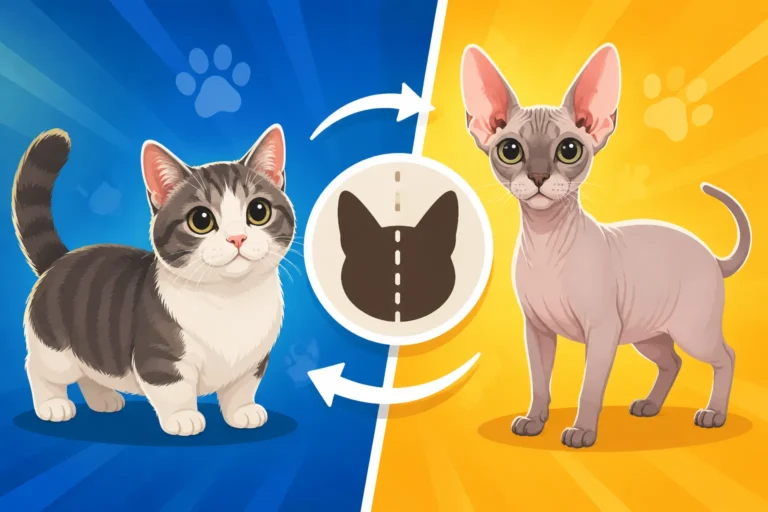
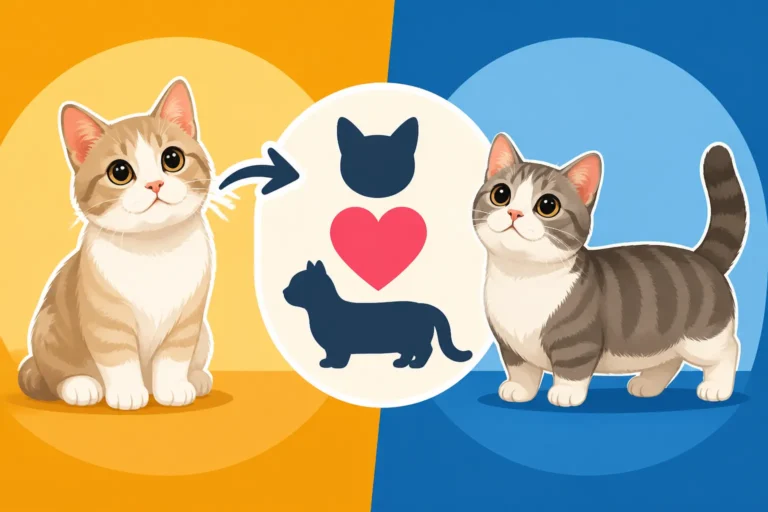
To truly grasp how the Bambino came into existence, we first need to understand the two distinct breeds that were combined to create it: the Munchkin and the Sphynx. These aren't just any two cat breeds; they each possess very prominent, genetically driven characteristics that make them stand out in the feline world. Bringing them together was a deliberate, calculated move with a very specific aesthetic goal in mind.
The Munchkin's Defining Trait
The Munchkin cat is, first and foremost, recognized by its remarkably short legs. This isn't the result of an injury or illness; it's due to a naturally occurring genetic mutation that causes a condition known as pseudoachondroplasia, a form of dwarfism. Despite their abbreviated limbs, Munchkins are generally energetic and playful, adapted to their unique physique. They run, play, and navigate their world with surprising agility, often described as having a "ferret-like" gait.
However, this distinctive trait isn't without its discussions. The gene responsible for the short legs is an autosomal dominant gene, meaning only one copy is needed for a cat to display the trait. But, critically, two copies are considered lethal to the embryo, which is why you'll never see two short-legged Munchkins bred together. How Munchkin Dwarfism Is Inherited delves deeper into this genetic reality. It’s this singular, striking characteristic – the short legs – that makes the Munchkin such a foundational breed for so many of the newer, hybrid cat types that have emerged in recent decades. Their short stature means their bodies sit lower to the ground, influencing everything from how they play to how they groom themselves.
The Sphynx's Unique Appeal
On the other side of the genetic equation, we have the Sphynx, a breed renowned for its striking hairlessness. While they aren't truly bald, they possess a fine downy fuzz that gives their skin a suede-like texture. Their large ears, wrinkled skin, and piercing eyes give them an ethereal, almost alien appearance that captivates many. Beyond their looks, Sphynx cats are known for their incredibly affectionate, intelligent, and outgoing personalities, often described as "Velcro cats" because of their desire to be constantly close to their human companions.
The hairless trait of the Sphynx also comes with its own set of unique care requirements, primarily concerning skin hygiene and temperature regulation. Without a protective coat, their skin needs regular bathing to remove oils and dirt, and they are much more susceptible to temperature fluctuations. This hairless gene is recessive, meaning a cat needs two copies to exhibit the trait. The combination of these two very distinct, genetically driven traits from the Munchkin and Sphynx parents is what makes the Bambino so visually unique, but also brings with it a doubling of special care needs that prospective owners must consider.
Why These Two Breeds?
The choice to cross the Munchkin and the Sphynx was not arbitrary. Breeders were looking to combine the endearing short stature of the Munchkin with the exotic, hairless appearance and affectionate nature of the Sphynx. The goal was to create a cat with the "forever kitten" look due to its short legs, enhanced by the distinct, smooth skin and large ears of the Sphynx. This combination would theoretically produce a highly distinctive and appealing pet, one that stood out even among the increasingly diverse array of domestic cat breeds.
However, intentionally combining two breeds, each with a unique genetic mutation, raises important ethical discussions within the cat fancy and veterinary communities. Breeders of such hybrids often face scrutiny regarding the potential for stacking genetic issues or creating animals with compounded welfare challenges. The intent was to create a healthy, unique cat, but it necessitated a deep understanding of both parent breeds' genetics and meticulous health screening protocols to ensure the well-being of the resulting offspring. This decision to combine these two breeds truly underlines the dedication, and sometimes the controversy, inherent in the creation of new hybrid cat breeds.
The Vision Behind the Bambino: Where It All Began
The creation of any new cat breed is a journey filled with vision, careful planning, and often, a fair bit of trial and error. For the Bambino, it began with a clear desire to merge specific traits that breeders found desirable and captivating. This wasn't just about throwing two cats together; it was a concerted effort with a specific aesthetic and temperament in mind.
The Founders and Their Goal
The Bambino breed's story properly begins in 2005 with a couple named Pat and Stephanie Osborne in Arkansas, USA. They are widely credited with being the first to intentionally breed a Sphynx and a Munchkin together, with the explicit goal of producing kittens that inherited both the short legs of the Munchkin and the hairlessness of the Sphynx. Their vision was to create a small, "elf-like" cat, reminiscent of a kitten throughout its life, with the distinctive wrinkled skin and large ears of the Sphynx.
Their primary aim was not just novelty, but to establish a new breed with a consistent look and temperament. This meant careful selection of parent cats, understanding the genetic implications of the cross, and a commitment to documenting the lineage and health of the offspring. It was a pioneering effort that laid the groundwork for what would become a recognized experimental breed, carving out a niche in the world of designer cats. They saw the potential for a truly unique companion animal, one that would attract attention and admiration wherever it went.
Early Breeding Programs and Ethical Considerations
The initial breeding program involved crossing a Sphynx queen with a Munchkin stud (or vice versa), carefully monitoring the resulting litters. As with any new hybrid breed development, the first few generations are crucial for assessing genetic stability, health, and whether the desired traits are consistently expressed. It's a slow and deliberate process, far removed from casual breeding, requiring significant investment in time, resources, and veterinary oversight.
From the outset, the combination of two mutations sparked debate. The Munchkin's short legs, while charming to many, are viewed by some as a welfare concern because they restrict certain natural feline behaviors and can predispose them to spinal issues like lordosis. Why a Munchkin's Spine Carries a Load a Normal Cat's Does Not explains the biomechanical challenges. Adding the Sphynx's hairlessness, which requires special thermoregulation and skin care, further amplified these concerns. Responsible breeders, like the Osbornes, understood these potential challenges and aimed to produce healthy cats, often working closely with veterinarians to monitor the kittens for any signs of discomfort or inherited health issues.
The "Baby" Cat Concept
The nickname "Bambino" itself, which means "baby" or "child" in Italian, perfectly encapsulates the aesthetic goal of the founders. They envisioned a cat that retained a perpetually youthful appearance, a charmingly small and unique creature that would forever look like a kitten. This "baby cat" concept appeals to many cat enthusiasts who are drawn to the diminutive size and playful nature often associated with kittens.
The combination of short legs and large ears, often seen in young felines, contributes significantly to this enduring kitten-like charm. For owners, this often translates into a desire for a pet that remains small and adorable, a living doll of sorts. However, it's vital for prospective owners to remember that while their appearance might suggest perpetual youth, Bambinos are adult cats with full adult needs, personalities, and potential health considerations, just like any other breed. They may look like babies, but they require the care and attention due to any mature feline companion.
The Genetic Combination: Short Legs and Hairlessness
Creating a hybrid breed like the Bambino isn't just about mating two cats; it's a careful dance with genetics. Understanding how the Munchkin's short legs and the Sphynx's hairlessness combine is key to appreciating the Bambino's unique traits and the responsibilities that come with breeding and owning them. It's a delicate balance, and stacking these two significant genetic characteristics requires thorough understanding.
Inheriting the Munchkin Gene
The defining characteristic of the Munchkin, those charmingly short legs, is due to an autosomal dominant gene. This means that if a cat inherits just one copy of this gene, it will display the short-legged trait. When a Munchkin is bred to a normal-legged cat (which is the only ethical way to breed Munchkins, as two copies of the gene are lethal), approximately half of the kittens in the litter will inherit the short legs, and half will have normal-length legs. This inheritance pattern is fundamental to how the Bambino acquires its distinguishing stubby limbs.
For Bambinos, at least one parent (the Munchkin or a previous Bambino) must carry this dominant gene to pass on the short legs. The result is a cat that has a body length comparable to a regular cat, but with legs that simply didn't grow as long. This unique conformation means that What the Short Legs Actually Cost a Munchkin is a real consideration, as their skeletal structure differs significantly from a cat without this dwarfism gene. This characteristic makes them endearing, but it also means their interaction with their environment, from jumping to climbing, is fundamentally altered.
The Sphynx's Hairless Gene
The Sphynx's defining trait, hairlessness, is governed by a different set of genetics. The gene responsible for the sparse, downy coat (often described as hairless) is a recessive gene. This means a cat needs to inherit two copies of this gene – one from each parent – to exhibit the hairless characteristic. If a cat inherits only one copy, it will have a normal coat but will be a carrier of the hairless gene.
When breeding Bambinos, at least one parent must be a Sphynx or a hairless Bambino, ensuring the presence of the recessive hairless gene. If a Munchkin is bred with a Sphynx, all the resulting kittens would have short legs, but they might have various coat lengths depending on if the Munchkin carried the hairless gene. To consistently produce hairless, short-legged Bambinos, breeders must ensure that both Munchkin and Sphynx lineage parents either display the hairless trait or are known carriers. This genetic puzzle is what makes the breeding program complex and requires careful planning to achieve the desired phenotype.
Potential Genetic Challenges and Health Screening
Combining these two distinct genetic mutations within a single animal undoubtedly raises questions and potential challenges. Both parent breeds have their own specific health considerations. Munchkins, due to their unique skeletal structure, are often discussed in relation to conditions like lordosis (a severe inward curvature of the spine) and pectus excavatum (a sunken chest). While these conditions are not exclusive to Munchkins, their prevalence and severity are often a point of contention within the breed discussion. What Two Skeletal Mutations Do to One Munchkin expands on the compounded risks.
Sphynx cats, on the other hand, are generally hardy but require meticulous skin care and can be prone to certain skin conditions, as well as hypertrophic cardiomyopathy (HCM). Therefore, Bambino breeders face the responsibility of screening for health issues prevalent in both parent breeds. Ethical breeders conduct extensive health testing on their breeding cats, including cardiac screenings, genetic tests for known breed-specific issues, and regular veterinary check-ups to ensure the healthiest possible offspring. This commitment to health screening is paramount, and prospective owners should always ask to see health clearances for the parents. What a Munchkin Breeder Should Be Able to Show You details what information you should expect from a reputable breeder.
The Bambino's Journey to Recognition
The path to formal recognition for any new breed is often arduous and fraught with debate, especially for breeds that carry unique genetic traits. The Bambino, with its striking combination of short legs and hairlessness, was no exception, facing both admiration and scrutiny as it sought its place in the cat fancy.
Initial Reception and Controversy
When the Bambino first emerged, it quickly captured attention duebut not without stirring significant controversy. The adorable, perpetually kitten-like appearance was a big draw, with many falling for their unique charm. However, the ethical implications of intentionally breeding a cat with two distinct genetic mutations – dwarfism and hairlessness – became a heated topic of discussion amongst veterinarians, animal welfare advocates, and segments of the established cat fancy. Critics voiced concerns about potential compounded health issues, arguing that combining these traits could lead to a diminished quality of life for the cats.
The core of the controversy often revolved around whether the "cuteness" justified the potential health risks or limitations imposed by these combined traits. Some argued that breeding cats with conditions that affect their mobility or require specialized care was inherently unethical, while supporters emphasized that responsible breeding practices and health screening could mitigate these risks. This debate is not unique to the Bambino; many breeds with unique physical characteristics have faced similar discussions, and the conversation continues within the cat world.
TICA's Role in Development and Registration
Despite the debates, the Bambino found a pathway towards recognition through The International Cat Association (TICA). TICA is known for its more progressive stance on new and developing breeds, often providing a framework for breeds with unique genetic mutations to be established, provided breeders adhere to strict health and breeding standards. In 2005, the Bambino was accepted into TICA's Experimental Breed program, a crucial first step on its journey.
This acceptance meant that breeders could register their Bambinos and begin to work towards a formal breed standard, participating in shows in the "new breed and color" categories. This period allows for careful observation of the breed's characteristics, health, and genetic consistency over several generations. TICA's involvement provides a structured environment for the breed to develop, with established guidelines and a clear path toward full championship status, assuming the breed demonstrates genetic viability and health. This process is vital for ensuring the long-term health and stability of the breed.
What Recognition Means for the Breed
For the Bambino, TICA's recognition, even at the experimental stage, was a significant milestone. It provided legitimacy to the breeding efforts and a structured platform for continued development. Formal recognition by a major cat registry like TICA means that the breed has a documented standard that breeders strive to meet, promoting consistency in appearance and temperament. It also encourages responsible breeding practices, as breeders must adhere to TICA's rules and ethical guidelines, including health screening.
For potential owners, TICA registration provides a degree of assurance regarding the kitten's lineage and the breeder's adherence to certain standards. It also makes it easier to track the breed's development and access information. However, it's important to note that full championship status, which allows a breed to compete fully in championship classes, is a long-term goal that requires consistent development and meeting rigorous criteria over many years. Regardless, the Bambino's journey through TICA highlights the dedication of its proponents to establish it as a recognized and cherished member of the feline community. It also signals that How Many Breeds Descend From the Munchkin are seeking similar pathways through TICA.
Living with a Bambino: Unique Needs and Considerations
Bringing a Bambino into your home is an incredibly rewarding experience, as these cats are often described as affectionate, playful, and full of personality. However, their unique physical characteristics, inherited from both the Munchkin and Sphynx, mean they come with specific care requirements that prospective owners absolutely need to understand and be prepared for. It's not just about their adorable looks; it's about providing a home adapted to their special needs.
Adapted Environment for Short Legs
Just like their Munchkin ancestors, Bambinos have short legs that profoundly influence how they interact with their environment. While they are surprisingly agile and can manage small jumps, they cannot reach the heights that a normal-legged cat can. This means your home needs to be modified to ensure they can safely access their favorite spots, such as sofas, beds, or windowsills. Ramps and steps become essential pieces of furniture, rather than luxuries.
Consider placing low-entry litter boxes around the house, as jumping into a high-sided box can be difficult or even painful over time, especially as they age. Food and water bowls should be easily accessible at floor level, or on slightly raised stands that don't require them to stretch uncomfortably. Why a Munchkin's House Costs More Than the Cat is a good read to understand the investment involved in creating a suitable environment. Preventing high jumps and hard landings is crucial for protecting their spine and joints, which carry a load differently than a cat with standard leg length. This proactive approach helps prevent potential injury and ensures their long-term comfort and mobility.
Skin Care for Hairlessness
The hairless trait of the Bambino means they have very specific skin care needs, much like the Sphynx. Without a protective coat, their skin is exposed and can accumulate oils, dirt, and dust, leading to skin issues if not properly managed. Regular bathing, typically once a week or every two weeks, is essential to keep their skin clean and healthy. Use a gentle, cat-specific shampoo to avoid irritation.
After bathing, ensure they are thoroughly dried to prevent chills, as they lack the insulating fur of other cats. Moisturizing their skin with a vet-approved, cat-safe lotion can also be beneficial, especially in dry climates, to prevent flakiness. Their sensitive skin also makes them susceptible to sunburn, so if they have access to sunny spots indoors, consider pet-safe sunscreen or ensure they have shaded areas. Regularly checking their skin for any rashes, cuts, or unusual spots is also important. Why a Munchkin's Belly Needs Checking Weekly offers insights into specific areas to monitor, which becomes even more vital for a hairless cat.
Temperament and Socialization
Bambinos are generally known for their outgoing, affectionate, and playful temperaments, inheriting the "Velcro cat" personality of the Sphynx and the curious, active nature of the Munchkin. They thrive on human companionship and often form strong bonds with their families, enjoying cuddles and interactive play. Their intelligence means they can be easily entertained with puzzle toys and engaging games.
Early socialization is crucial for Bambino kittens to ensure they grow into well-adjusted adults. Expose them to various sights, sounds, people, and gentle handling from a young age. While generally good with children and other pets, supervision is always recommended, especially due to their small stature and inability to easily escape from boisterous play. For instance, a small child or a large dog might inadvertently injure a Bambino simply because the cat cannot quickly climb out of reach. Whether a Sphynx Munchkin Faces Two Problems touches on the combined vulnerabilities of such hybrids. Providing a safe, stimulating, and loving environment tailored to their physical needs will ensure your Bambino flourishes as a cherished family member.
The Ongoing Conversation: Ethics and Future of Hybrid Breeds
The creation of new cat breeds, especially those combining distinct genetic mutations like the Bambino, inevitably sparks debate within the cat community. While proponents celebrate the unique beauty and personality of these cats, critics raise important questions about animal welfare and the ethical responsibilities of breeders. Understanding these discussions is crucial for any prospective owner or enthusiast.
Criticisms of Combining Mutations
The primary ethical concern surrounding breeds like the Bambino is the intentional combination of two genetic mutations, each with potential health implications. Critics often argue that stacking mutations, such as dwarfism and hairlessness, can exacerbate existing vulnerabilities or create new ones. For example, the Munchkin's short legs can predispose them to orthopedic issues, and the Sphynx's hairlessness necessitates specific environmental and skin care. Combining these, some argue, puts an undue burden on the animal. Why Munchkin Crosses Worry Veterinarians explains the professional stance on this type of breeding.
Veterinary associations and animal welfare organizations often express reservations about breeds developed around physical exaggerations or mutations that might compromise a cat's natural abilities or overall health. Their concern is always for the animal's long-term quality of life. These discussions highlight a fundamental tension between the desire for unique aesthetics and the commitment to responsible breeding practices that prioritize health and welfare above all else.
Breeder Responsibilities and Health Testing
Given the potential concerns, the responsibility on Bambino breeders to prioritize health is exceptionally high. Reputable breeders understand that genetic health testing is not merely a suggestion but a critical component of their program. This involves screening parent cats for conditions common to both Munchkins and Sphynx breeds, such as hypertrophic cardiomyopathy (HCM) in Sphynx lines and careful examination of spinal health in Munchkin lines.
A responsible breeder will be transparent about the health history of their breeding stock, provide guarantees against genetic defects, and offer guidance on proper care. They should be able to discuss the specific challenges and needs of a Bambino openly and honestly, ensuring that potential owners are fully informed and prepared. Ultimately, the future welfare of hybrid breeds like the Bambino rests on the shoulders of these ethical breeders who are committed to producing healthy, well-socialized kittens rather than simply chasing a unique look. Be very cautious of breeders who cannot or will not provide this information, as How to Spot a Munchkin Breeder Selling Two Mutations provides more red flags to watch for.
The Place of the Bambino in the Cat Fancy
Despite the ongoing debates, the Bambino has found its advocates and a growing number of devoted owners who cherish these unique cats. Their affectionate nature, playful spirit, and striking appearance make them beloved companions for many. As a recognized experimental breed within TICA, the Bambino has a defined standard that breeders can work towards, aiming to produce healthy, type-correct examples of the breed.
The conversation around hybrid breeds is likely to continue, reflecting a broader societal discussion about genetic manipulation and animal welfare. However, for those who choose to bring a Bambino into their lives, the focus remains on providing a loving home tailored to their specific needs. With careful breeding practices, ongoing health research, and dedicated ownership, breeds like the Bambino can thrive, continuing to captivate hearts while hopefully evolving towards even greater health and acceptance within the wider cat fancy.
Disclaimer
This article is for general informational purposes only and does not constitute professional advice. Laws, prices and regulations vary by location and change over time. Consult a qualified professional for guidance on your specific situation.