What a Munchkin Most Often Dies Of
It’s a tough thing to think about, isn't it? When we bring a beloved furball into our homes, especially a unique breed like the Munchkin, we instantly start dreaming of all the happy, healthy years ahead. But a natural worry often creeps in: what are the real health risks? And what does a Munchkin cat most often die of? This guide will gently walk you through the common causes of death in these wonderful, short-legged companions, helping you understand how to maximize their quality of life for as long as possible.
Understanding Munchkin Longevity and Common Ailments
When you love a Munchkin, it’s easy to feel a bit more protective, given their distinctive appearance. There's a lot of chatter out there, and sometimes that can lead to undue anxiety. Let's clear the air and talk about their typical lifespan and the general health landscape.
General Feline Lifespan vs. Munchkin Expectations
First off, let's talk about the big picture. The average domestic cat, regardless of breed, typically lives anywhere from 12 to 18 years, with many happily sailing past 20! It’s a wonderful run, full of purrs, headbutts, and questionable life choices (like knocking things off counters just to watch them fall). Now, when it comes to Munchkins, a common misconception is that their short legs automatically mean a shorter, more pain-filled life. And honestly, it’s a valid concern to have when you’re presented with such a unique physical trait.
However, the reality is often quite reassuring. Many well-bred Munchkin cats enjoy a lifespan well within the average range for felines, often living How Long a Munchkin Lives into their mid-to-late teens. While they do have specific considerations due to their dwarfism, these aren't typically direct causes of an early demise. Instead, just like any cat, they’re more susceptible to common age-related diseases that affect all felines. The frustration for owners often stems from the initial worry, which can overshadow the good news that with proper care, your short-legged friend has every chance of a long, full life.
The Core Health Realities of the Munchkin Breed
The defining trait of the Munchkin – their adorable short legs – is due to a natural genetic mutation called pseudoachondroplasia. What this means is that while their long bones (like those in their legs) are affected, their spine is actually a normal length. This is a crucial distinction, as it means many of the severe spinal problems seen in some other dwarf breeds don't apply to the Munchkin in the same way.
While the short legs themselves aren't usually a direct cause of death, they can lead to secondary issues that, if left unmanaged, could impact overall health. For instance, the way a Munchkin moves and lands can put different stresses on their joints compared to a long-legged cat. More significantly, certain conditions, while not universal to the breed, can be more prevalent or problematic due to their unique structure. It's not about the legs failing; it's about how their body compensates and how we, as owners, support them. It’s about being aware of Which Health Problems the Munchkin Actually Has and addressing them proactively.
Leading Causes of Death in Munchkin Cats
So, if it’s not always the short legs themselves, what are the primary threats to a Munchkin's longevity? Just like with us, it often comes down to a mix of genetics, lifestyle, and the inevitable march of time.
Age-Related Diseases: The Universal Culprits
The plain truth is, cats, just like people, get old. And with old age often come certain health challenges that are common across nearly all breeds. Munchkins are no exception to these universal feline truths.
-
Kidney Disease: This is a silent, insidious thief of many senior cats. Over time, a cat's kidneys can lose their efficiency in filtering waste from the blood. Symptoms can be subtle at first – increased thirst, more frequent urination, weight loss, and a dull coat. It's heartbreaking to watch your vibrant cat slowly decline. For Munchkins, like any cat, regular vet checks and blood work as they age are critical for early detection. Understanding How Kidney Disease Arrives in an Old Munchkin can help you spot the signs sooner, allowing for dietary changes and medications that can significantly slow its progression and improve quality of life.
-
Hyperthyroidism: Another common ailment in the golden years, hyperthyroidism occurs when the thyroid gland produces too much hormone. It revs up a cat's metabolism, leading to weight loss despite a ravenous appetite, hyperactivity, and sometimes vomiting or diarrhea. Imagine your sweet, calm senior suddenly acting like a kitten again, but losing weight rapidly – it’s a concerning change. This too is manageable with medication, special diets, or other treatments, but only if caught early. Knowing Why Hyperthyroidism Catches an Older Munchkin is key for vigilance.
-
Cancer: Sadly, cancer is a leading cause of death in older cats of all breeds. Just like in humans, it can manifest in countless ways, from visible lumps and bumps to internal tumors affecting organs. Lymphoma, mammary cancer, and squamous cell carcinoma are a few of the more common types seen in felines. While there isn't a specific type of cancer definitively linked only to Munchkins, their general predisposition mirrors that of other cats. The best defense is awareness of any unusual changes, persistent symptoms, or growths, and swift veterinary consultation.
Conformation-Related Health Challenges that Can Impact Lifespan
While the Munchkin's short legs are generally robust, some conditions, if severe and unaddressed, can pose more significant health risks due to their unique body structure. This isn't about blaming the breed, but about being an informed and responsible owner.
-
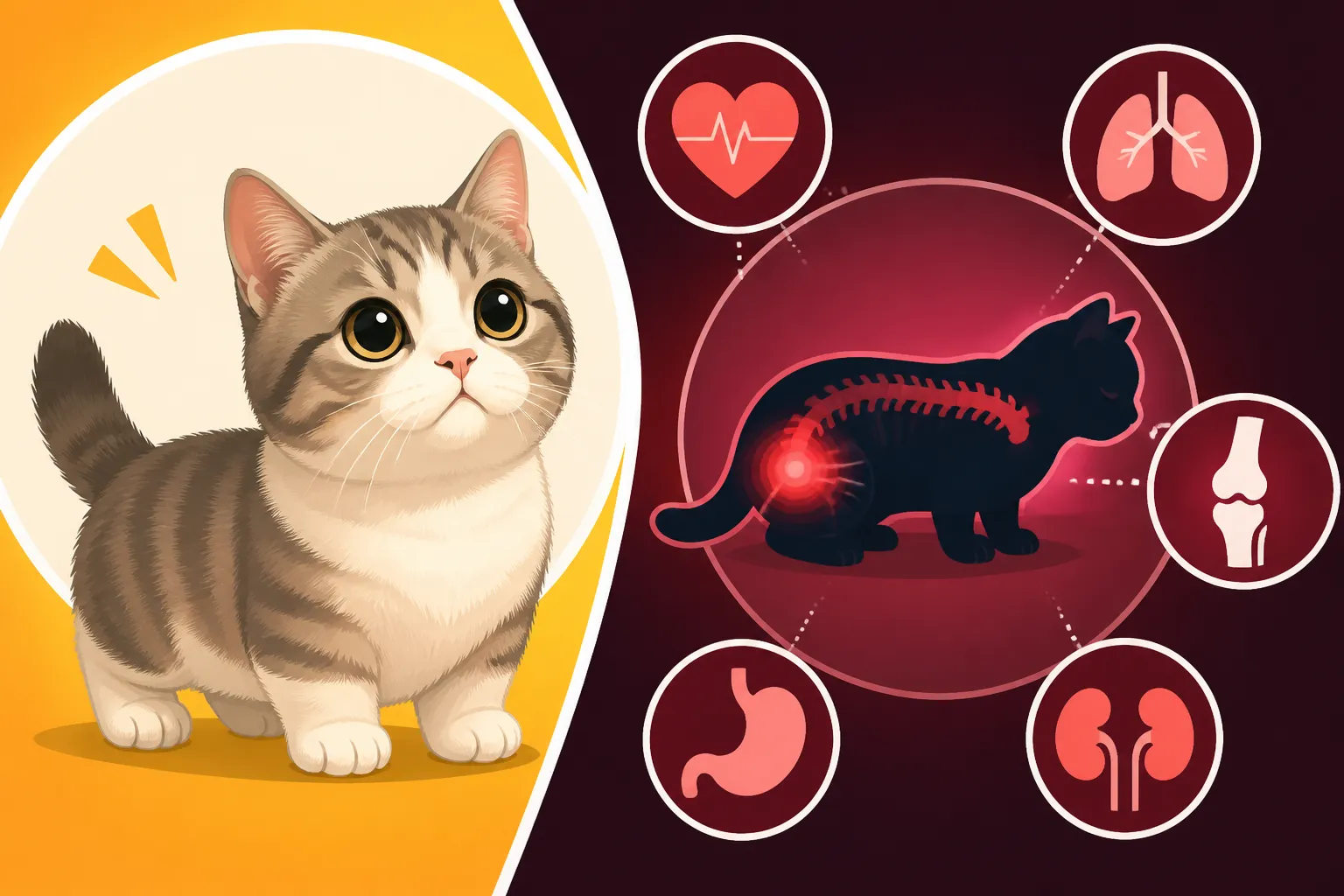
Spinal Issues (Lordosis): Lordosis is a condition where the spine curves downwards, creating a "swayback" appearance. While many cats can have a very mild form that causes no problems, severe lordosis in a Munchkin can be a serious concern. The frustration here is that a truly severe case isn't just a cosmetic issue; it can compress internal organs like the heart and lungs, making it difficult for them to function properly. This significantly impacts a cat's quality of life and, in extreme cases, can tragically shorten their lifespan. Responsible breeders actively screen for and avoid breeding cats with a history of severe lordosis. It's part of understanding Lordosis Is the Spinal Curve the Munchkin Argument Is About and ensuring your cat comes from a line where this condition is rare and mild. Why Severe Lordosis Compresses a Munchkin's Organs is precisely why this condition, though rare in its severe form, requires attention.
-
Pectus Excavatum: This condition, often referred to as "sunken chest" or "funnel chest," is a congenital deformity where the sternum (breastbone) and ribs grow abnormally, causing the chest wall to sink inwards. While it can occur in any cat breed, it's sometimes mentioned in discussions about Munchkins. If the indentation is mild, it might cause no issues at all. However, a severely sunken chest can restrict the normal expansion of the lungs and put pressure on the heart, leading to breathing difficulties, reduced stamina, and potentially chronic cardiac or respiratory problems. These issues, if severe and uncorrected, can certainly impact a Munchkin's longevity. Early diagnosis, often in kittenhood, and veterinary guidance on potential corrective measures, if needed, are crucial. Owners should always check What a Sunken Chest Feels Like on a Munchkin Kitten and discuss it with their vet.
Preventable Risks: Obesity and Traumatic Injury
Some of the most significant threats to a Munchkin's long-term health and lifespan aren't inherent conditions but rather factors that we, as their guardians, have a great deal of influence over.
-
Obesity: This is perhaps the single biggest preventable health risk for any cat, but it carries extra weight (pun intended!) for a Munchkin. Their short legs and unique body structure mean that every extra pound puts disproportionate stress on their joints, especially their shoulders, and their spine. Imagine carrying a backpack heavier than you should – now imagine doing that all day, every day, with short limbs already experiencing unique biomechanics. Obesity can exacerbate any mild joint stiffness, accelerate arthritis, and contribute to a host of other health problems like diabetes, heart disease, and liver issues. Why Weight Is More Dangerous on a Munchkin cannot be overstated. Managing their diet and ensuring they stay lean is paramount to their comfort and longevity.
-
Traumatic Injury: While Munchkins are often described as active and playful, their short stature does put them at a unique disadvantage in certain situations. They can't jump as high as a normal-legged cat, meaning they can't always escape a perceived threat (like an overzealous dog or a clumsy child) by climbing to safety. A fall from even a moderate height can be more impactful on their compact frame. They can also be at risk in a busy household from accidental steps or being inadvertently trapped. This isn't to say they are fragile, but rather that their environment needs to be thoughtfully adapted for their safety. Why a Munchkin Cannot Get Away From a Dog or climb out of a child's reach highlights the need for careful supervision and a safe, adapted home.
Proactive Care and Prevention for a Long, Healthy Life
The good news amidst these discussions of potential health challenges is that many of the most serious risks can be significantly mitigated, or even avoided, through diligent and loving care. This is where you, as a Munchkin owner, truly become their champion.
The Cornerstone of Preventative Veterinary Care
Regular veterinary check-ups aren't just for when your cat is visibly unwell; they are the bedrock of preventative care, especially for a breed like the Munchkin.
Even if your Munchkin is purring happily and chasing toys, those annual visits are vital. Your vet can perform a thorough physical exam, checking their gait, palpating their spine for any signs of discomfort or unusual curvature, and listening to their heart and lungs. For older Munchkins, Which Blood Values Matter Most in a Munchkin become increasingly important. Regular blood panels can catch the early stages of kidney disease, hyperthyroidism, and other age-related conditions long before they show outward symptoms, allowing for earlier intervention.
Don't hesitate to discuss any concerns, even if they seem minor. "He's not jumping as much," or "She seems a bit stiffer when she wakes up" are crucial pieces of information for your vet. Many pet insurance providers, like Healthy Paws, recognize the importance of these routine check-ups and early diagnostic efforts, which can be invaluable when unexpected issues arise. Being proactive with these regular vet visits can truly mean the difference between managing a condition effectively and facing a crisis. Remember, How Often a Healthy Adult Munchkin Needs Checking is often once a year, but older cats may benefit from twice-yearly visits.
Environmental Adaptation and Weight Management
These two elements go hand-in-hand in ensuring a Munchkin's physical comfort and preventing unnecessary strain on their unique anatomy.
-
Creating an Accessible Home: Your Munchkin’s environment needs to be tailored to their short stature. This means providing ramps or steps for access to sofas, beds, and windowsills. It's not a luxury; Ramps and Steps Are Munchkin Equipment, Not Luxuries that minimize jarring jumps and risky attempts to climb. A fall from a sofa, even if it doesn't cause immediate injury, puts repetitive stress on their joints. Think of their home in horizontal terms rather than vertical. This proactive approach significantly reduces the risk of long-term joint issues and accidental injuries.
-
Mastering Weight Control: This is perhaps the most critical aspect of Munchkin care, a truth that often surprises new owners. Due to their lower center of gravity and the mechanics of their short legs, every extra gram they carry has a magnified effect on their joints and spine. Weight Control Is the Whole Munchkin Care Plan for a Munchkin. Work with your vet to determine the ideal weight for your individual cat and stick to a strict feeding regimen with measured portions. Puzzle feeders that encourage activity can also help them burn a few extra calories. An overweight Munchkin is a cat that will likely experience discomfort and a reduced quality of life, and potentially a shorter lifespan due to secondary health complications. Maintaining a lean body condition is the single most impactful thing you can do to support their skeletal health. Should an unexpected accident or illness occur, pet insurance like Healthy Paws can provide financial peace of mind, covering treatments that might otherwise be out of reach.
Responsible Breeding and Early Screening
While as owners we can do a lot, the foundation for a healthy Munchkin is laid by responsible breeding practices. This is about choosing wisely from the start.
Ethical breeders are passionate about the health of their lines. They understand the genetic implications of the Munchkin trait and actively screen their breeding cats for conditions like severe lordosis and pectus excavatum. They should be transparent about the health history of their breeding animals and be able to provide documentation. When you're looking for a Munchkin, asking What a Munchkin Breeder Should Be Able to Show You in terms of health screenings and the health of the parents is crucial.
Furthermore, a good breeder will ensure their kittens receive a thorough veterinary check-up before they go to their new homes. This initial exam is incredibly important for identifying any congenital issues early. Why a Munchkin Kitten Needs an Early Vet Check cannot be stressed enough; this is where a vet can palpate the spine and feel the chest, catching potential problems like severe pectus excavatum or lordosis that might not be immediately obvious to the untrained eye. Early detection allows for the best possible management and care, and knowing that your pet insurance, like Healthy Paws, would be there to help with unexpected diagnostic costs can offer significant comfort.
Common Causes of Death and Prevention Strategies
This table summarizes the main threats to a Munchkin's lifespan and the proactive steps owners can take to mitigate these risks.
| Cause of Death Category | Specific Ailment/Risk | How It Affects Munchkins | Prevention & Management |
|---|---|---|---|
| Age-Related Diseases | Kidney Disease | Common in all aging cats, can be insidious. | Annual/bi-annual vet checks, bloodwork, dietary management. |
| Hyperthyroidism | Common in all aging cats, affects metabolism. | Regular vet visits, bloodwork, medication/treatment options. | |
| Cancer | General feline risk, not specific to Munchkins. | Vigilance for changes, prompt vet consultation for lumps/symptoms. | |
| Conformation-Related | Severe Lordosis | Spinal curve can compress organs in severe cases. | Responsible breeding, early vet screening, managing any symptoms. |
| Pectus Excavatum | Sunken chest can restrict heart/lung function in severe cases. | Responsible breeding, early vet screening, surgical correction if severe. | |
| Lifestyle & Environment | Obesity | Exacerbates joint/spinal issues, increases disease risk. | Strict weight management, measured portions, appropriate exercise. |
| Traumatic Injury | Cannot easily escape threats, falls from height. | Adapted home (ramps/steps), supervision around children/dogs, indoor-only. |
By being informed, proactive, and providing a loving, adapted environment, you can help your Munchkin live a life as full and as long as any other cat, brimming with all the joy and unique charm they bring.
Disclaimer
This article is for general informational purposes only and does not constitute professional advice. Laws, prices and regulations vary by location and change over time. Consult a qualified professional for guidance on your specific situation.