What a Rug Hugger Munchkin Is and Why It Costs More
When you dive into the world of Munchkin cats, you quickly encounter a whole lexicon of terms that describe their unique appearance. One phrase that often pops up, and can sometimes cause a bit of head-scratching, is "Rug Hugger." It sounds adorable, doesn't it? But for prospective owners, it’s important to understand exactly what a Rug Hugger Munchkin is, how this unofficial designation impacts their physical attributes, their daily life, and perhaps most importantly, why these particular felines often come with a higher price tag. This guide will walk you through the nuances of the Rug Hugger Munchkin, helping you navigate the charming yet complex reality of these uniquely short-legged cats.
Understanding the "Rug Hugger" Designation
The term "Rug Hugger" isn't something you'll find in an official breed standard, but it’s a widely recognized and affectionate descriptor within the Munchkin community. It speaks volumes about the cat's appearance and how they move through the world.
Defining the Rug Hugger Phenomenon
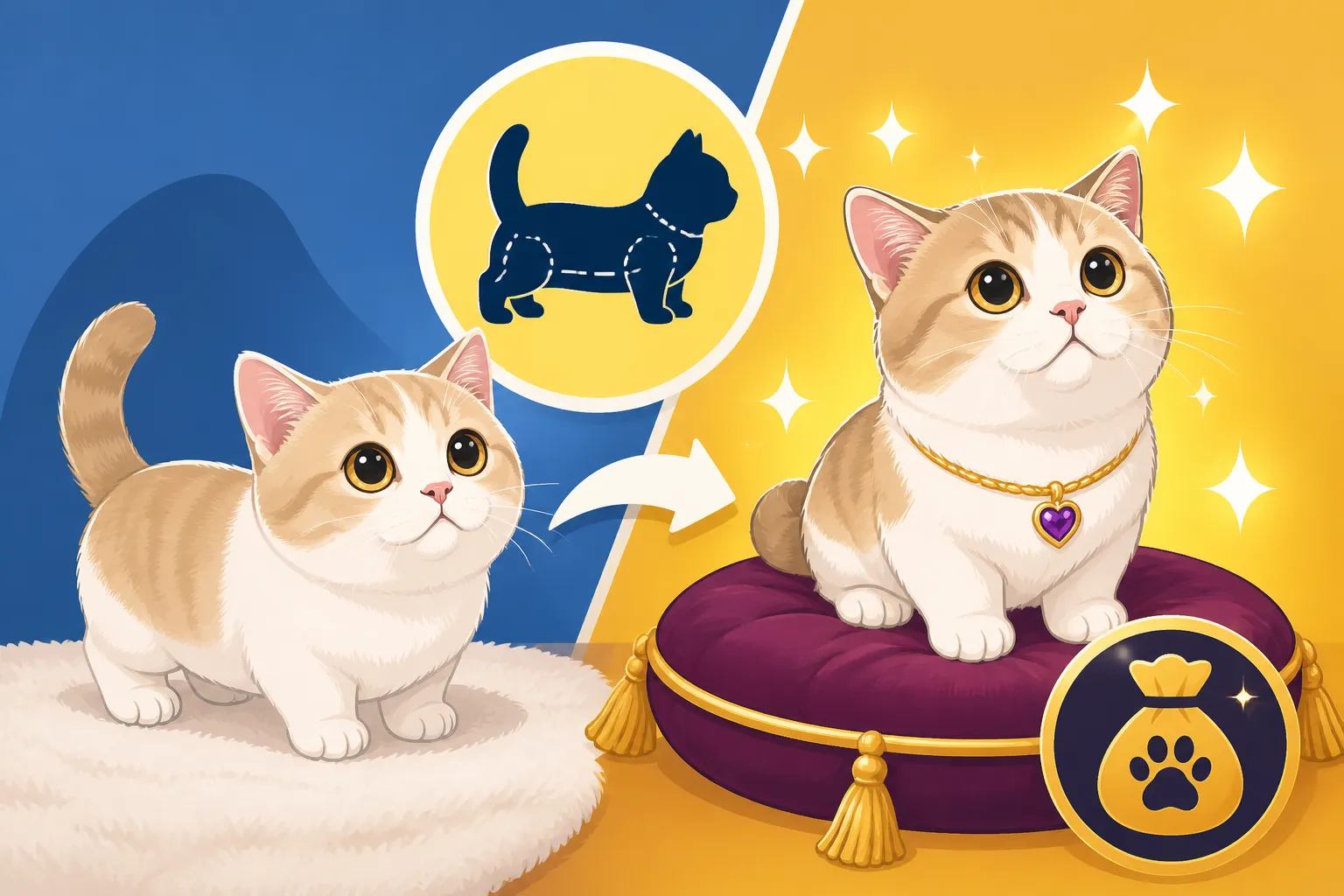
Imagine a cat whose legs are so extraordinarily short that its belly almost skims the floor as it walks – that's the visual inspiration behind the "Rug Hugger" moniker. It’s an informal term used to describe Munchkin cats that possess the most extreme manifestation of the short-legged trait. While all Munchkins have shorter-than-average legs due to a dominant genetic mutation, a "Rug Hugger" takes this characteristic to the furthest end of the spectrum. They are notably shorter than what might be considered a "standard" Munchkin and even often more compact than those described as "super short."
This isn't a separate breed or a different genetic variant; rather, it’s about the degree to which the existing Munchkin gene expresses itself. Think of it like a human height spectrum – some people are just naturally taller or shorter within the average range. For Munchkins, the "Rug Hugger" represents the shortest individuals in their unique short-legged range. Breeders and enthusiasts use this term to highlight cats with this particularly pronounced trait, which, as we’ll explore, often carries specific implications for their value and care.
The Genetics Behind Shorter Legs
To grasp why some Munchkins become "Rug Huggers" and others don't, it helps to understand the underlying genetics. The Munchkin breed exists because of an autosomal dominant gene that causes chondrodysplasia, a form of dwarfism affecting the long bones of the legs. This is why you’ll often hear the phrase "Munchkin Dwarfism Is Dominant and Lethal in Two Copies". What this means for a breeder is that you only need one copy of the gene for the cat to express the short-legged trait. Critically, two copies of this gene are lethal to an embryo, which is Why Two Short Legged Munchkins Are Never Bred Together.
When a Munchkin with one copy of the gene is bred to a normal-legged cat (which is always the case), approximately half the litter will inherit the short-legged trait, and the other half will have normal legs. Among those short-legged kittens, there’s still a range in how profoundly the shortness manifests. Some will have moderately short legs, fitting the "standard" description, while others will have legs that appear even more diminutive, earning them the "Rug Hugger" label. The exact mechanisms that determine this variation in leg length expression from the same dominant gene aren't fully understood, but it's a natural variance within the breed. It’s not about having more of the Munchkin gene, but rather how that single gene expresses itself in terms of bone growth inhibition in individual kittens. This variation is part of the allure for those seeking the most distinctive short-legged appearance.
Physical Characteristics of a Rug Hugger Munchkin
The most striking feature of a Rug Hugger Munchkin is, of course, their legs. But beyond that, their entire posture and movement are uniquely influenced by this extreme shortness.
The Distinctive Shortness of the Legs
A Rug Hugger Munchkin’s legs are, quite simply, profoundly short. We’re talking about a cat whose undercarriage is often mere inches from the ground, giving the impression that they are almost crawling or, indeed, "hugging the rug." This isn't just a slight difference; it’s a significant reduction in leg length compared to a typical Munchkin. While a standard Munchkin's legs might be about two-thirds the length of a regular cat's, a Rug Hugger's can be even shorter, appearing stockier and more muscular to compensate for the lack of height.
This extreme shortness impacts everything. When they sit, their body often appears to just settle directly onto the floor, with their tiny paws barely extending forward. When they stand, there's little to no clearance between their belly and the ground, which means they can’t stretch or reach upwards in the same way even a standard Munchkin might. It’s a trait that elicits a strong reaction, often described as incredibly cute, but it also comes with practical considerations for their daily life, which we'll delve into later. Understanding How Short a Munchkin's Legs Actually Are gives you a good baseline, but a Rug Hugger will push those measurements even lower.
Body Proportions and Gait
Despite the exaggerated shortness of their legs, one of the defining characteristics of all Munchkin cats, including Rug Huggers, is that their body length and head size remain proportionate to a normal-sized domestic cat. They aren't miniature cats; they are cats with normal torsos and heads, just placed on very short legs. This creates a distinctive, somewhat comical silhouette – a regular cat body seemingly hovering just above the ground. This contrast is often highlighted when comparing them to other dwarf breeds which might have overall smaller proportions. For more on this, you can look into Why a Munchkin's Spine Is Normal Length.
Their gait is equally distinctive, often described as "ferret-like" or "weasel-like." Because their legs are so short, they don't stride so much as they scurry. A Rug Hugger, with its even shorter legs, will often exhibit this low-slung, almost waddling or rolling movement even more prominently. They maintain a very low center of gravity, which paradoxically can make them incredibly agile on the flat, capable of quick turns and bursts of speed. However, this same low profile means that they face significant challenges when it comes to vertical movement – jumping, climbing, or even simply stepping over obstacles. The extreme shortness means Why a Munchkin's Belly Nearly Touches the Floor is a literal description, not an exaggeration, and this influences how they interact with every surface in their environment.
Why Rug Huggers Command a Higher Price Tag
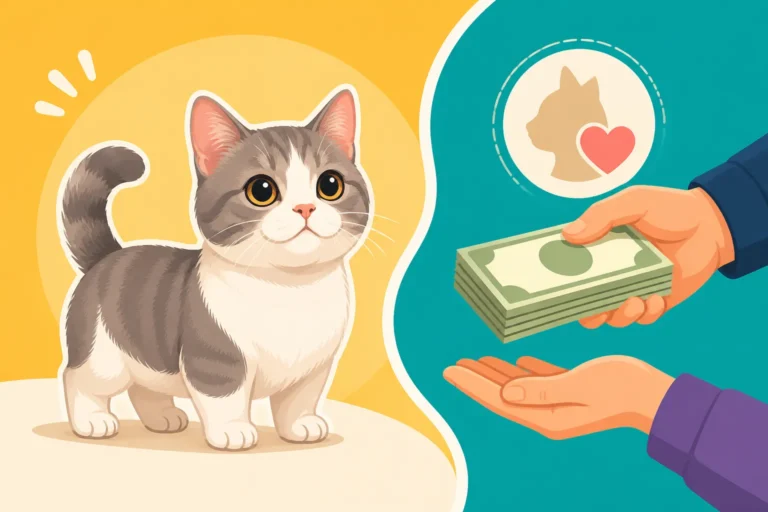
When you start looking at Munchkin kitten prices, you'll quickly notice that "Rug Huggers" often sit at the top of the price range. This isn't just an arbitrary markup; it's a reflection of several factors unique to this specific manifestation of the Munchkin trait.
Rarity and Demand
One of the primary drivers behind the higher cost of a Rug Hugger Munchkin is their relative rarity within any given litter. As discussed, while roughly half of a Munchkin litter will be short-legged, the proportion of those kittens that truly fall into the "Rug Hugger" category – exhibiting that extreme shortness – is smaller. It's not every short-legged kitten that earns this designation; it's the exceptional ones. This means that a breeder might only have one or two true "Rug Huggers" per year, if any, even with careful breeding. This inherent scarcity naturally drives up their value.
Coupled with this rarity is a significant demand. Many prospective Munchkin owners are specifically seeking out the most exaggerated and distinct physical traits of the breed. For them, the "Rug Hugger" represents the pinnacle of the Munchkin look – that undeniable, almost cartoonish shortness that makes them so instantly recognizable and charming. This high demand for a limited supply creates a classic economic scenario where prices rise. People are often willing to pay a premium for a cat that embodies the breed's most iconic characteristic to such an extreme degree. This explains Why Shorter Legs Raise a Munchkin's Price and certainly plays a part in Why the Shortest Legged Munchkin Kitten Goes First when a litter is available.
Perceived Aesthetic Value
The "Rug Hugger" isn't just rare; it's also seen as having a superior aesthetic value by many in the market. The extreme shortness is often considered the most desirable trait, making these cats particularly sought after. It's a visual preference, much like people might prefer a certain coat color or pattern in other breeds. The very name "Rug Hugger" conjures an image of adorable, low-slung cuteness that buyers find irresistible.
Breeders, recognizing this demand and the extra effort (and often, the longer wait) it takes to produce a kitten with this level of extreme shortness, price them accordingly. It's not just about the cost of raising the kitten, but also about the perceived value and unique appeal of the specific physical trait. A Rug Hugger is often seen as the ultimate expression of what makes a Munchkin, a Munchkin. Consequently, you'll find that How Much a Rug Hugger Munchkin Costs is typically at the higher end, sometimes significantly more than a standard short-legged Munchkin, and certainly more than a long-legged Munchkin from the same litter, which might be sold as a pet for a fraction of the price. This differential highlights how much the market values the specific leg length.
Unique Care Considerations for Rug Hugger Munchkins
While all Munchkins require some adaptations to their living environment, a Rug Hugger, with their even shorter legs, amplifies these needs. Owners must be prepared to create a home that truly caters to their unique physical limitations.
Enhanced Mobility Needs and Home Adaptation
The profound shortness of a Rug Hugger’s legs means they face greater challenges in navigating a typical human home. Reaching high places, which comes so naturally to most cats, is often impossible for them without assistance. This means:
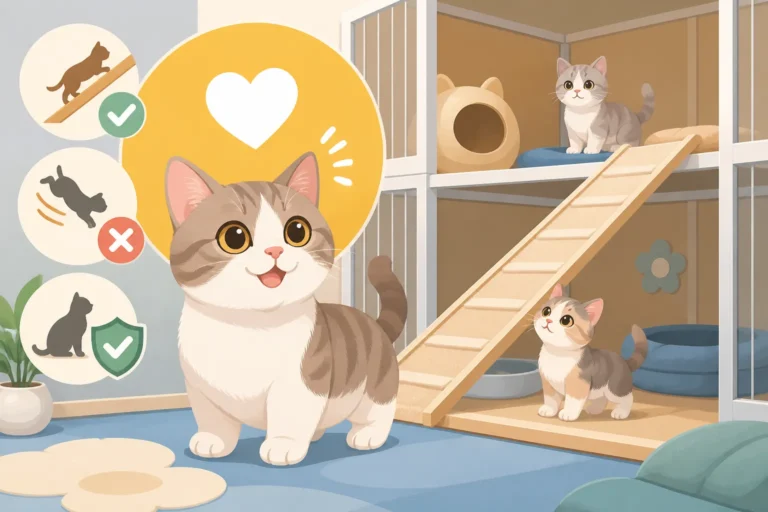
- Ramps and Steps are Non-Negotiable: Forget about occasional jumps onto the sofa or bed. For a Rug Hugger, almost every elevation becomes a barrier. Ramps or pet steps are essential for them to access even low furniture, windowsills, or their favorite lounging spots. You'll need to consider What a Full Set of Munchkin Ramps Costs as a fundamental part of your initial setup. These aren't luxuries; they are vital for your cat’s independence and quality of life. Think about every surface your cat might want to reach and ensure there's a gentle incline or a series of shallow steps available.
- Low-Entry Litter Boxes: A standard litter box with even a modest lip can be a significant hurdle for a Rug Hugger. They simply cannot lift their short legs high enough to step in comfortably, which can lead to accidents outside the box or, worse, them holding their waste uncomfortably. Investing in or modifying a litter box with a very low entry point is crucial. Senior cat litter boxes are often a great option, or you might even need to consider cutting down a side of a plastic storage container. You'll want to factor in What a Low Entry Munchkin Litter Box Costs into your budget. Retailers like Chewy offer a range of specialized pet supplies, including low-entry litter boxes and ramps, that can make adapting your home much easier.
- Scratching Solutions: Standard vertical scratching posts are often too tall for a Rug Hugger to effectively stretch up and use. They need horizontal scratchers or angled scratchers that they can use while standing on all fours, without having to reach or balance on their hind legs.
- Food and Water Access: Ensure their food and water bowls are easily accessible without any strain. While some Munchkins might benefit from slightly raised bowls to ease shoulder strain, a Rug Hugger needs bowls that are low enough to reach comfortably without stretching their neck or bracing awkwardly on their front legs.
Creating a single-level environment or providing multiple access points to elevated areas will empower your Rug Hugger to move around freely and maintain their natural curiosity without frustration or injury.
Health and Welfare Implications
The extreme conformation of a Rug Hugger Munchkin can sometimes lead to an exaggeration of the health concerns common to the breed. While Munchkins are generally robust, their unique anatomy means certain areas require closer attention, and this is especially true for the shortest individuals.
- Spinal Considerations: The main body of a Munchkin is normal length, but it's supported by much shorter legs. This means their spine carries a load that a normal cat's spine is designed to distribute across longer limbs. For a Rug Hugger, this structural difference is even more pronounced. This can contribute to issues like lordosis, a severe inward curving of the spine that can compress internal organs, or pectus excavatum, a sunken chest. While not every Rug Hugger will develop these, the risk might be heightened with more extreme shortness. Owners should be aware that Why a Munchkin's Spine Carries a Load a Normal Cat's Does Not is a significant consideration, and regular veterinary checks are crucial.
- Joint Stress and Early Arthritis: The disproportionate demands placed on a Munchkin’s joints, particularly in their front legs and shoulders, can lead to earlier onset of osteoarthritis. For a Rug Hugger, with even shorter, more heavily loaded limbs, this risk can be magnified. Activities like jumping down, even from low heights (if they manage to jump at all), place considerable impact on these joints. Monitoring for signs of stiffness or pain, and proactively discussing joint supplements with your vet, is a smart strategy. You might be interested in Whether a Munchkin Gets Arthritis Earlier for more details.
- Weight Management is Paramount: For any Munchkin, maintaining a lean body condition is critical. For a Rug Hugger, it’s even more so. Every extra pound or even a few ounces puts disproportionate stress on their short legs and spine. An overweight Rug Hugger will find mobility even more challenging and will be at a much higher risk for joint issues and discomfort. Regular weight checks and a carefully controlled diet are essential. Why Weight Is More Dangerous on a Munchkin cannot be overstated. High-quality, balanced nutrition tailored to their lower activity levels is important.
- Grooming Challenges: Due to their low stature, Rug Huggers can find it difficult to groom their hindquarters thoroughly after using the litter box. This means owners must take on more responsibility for hygiene trims and regular cleaning to prevent matting and skin infections, especially for long-haired Rug Huggers.
Considering these increased health risks, securing good pet insurance from providers like Healthy Paws can be a sensible decision to help manage potential veterinary costs for chronic conditions or injuries. They can offer peace of mind, knowing you have support for specialized care your Rug Hugger might need throughout their life.
Ethical Considerations and Responsible Breeding
The "Rug Hugger" designation often brings the broader ethical debate surrounding the Munchkin breed into sharper focus. When considering a cat with such exaggerated physical traits, responsible ownership begins with understanding these discussions and choosing a breeder wisely.
The Debate Around Extreme Conformation
The breeding of any animal for exaggerated physical traits inevitably sparks discussion about animal welfare, and the "Rug Hugger" Munchkin is often at the center of this conversation. While proponents argue that Munchkins are generally healthy and active cats, critics, including many veterinary associations and animal welfare organizations, express concerns that breeding for extreme shortness can predispose cats to certain health issues or diminish their quality of life. The argument is that deliberately selecting for a trait that limits mobility and potentially strains the spine crosses a line from unique to detrimental.
The ethical dilemma with Rug Huggers specifically is that they represent the most extreme manifestation of this trait. While a "standard" Munchkin might still be quite agile, a Rug Hugger’s limitations are often more pronounced. This can lead to a deeper examination of whether the aesthetic appeal outweighs the potential for increased health risks or reduced natural feline behaviors like jumping and climbing. For further context, you might want to read What Welfare Bodies Say About the Munchkin and Why Vets Disagree About the Munchkin to understand the different perspectives in this ongoing discussion. A responsible owner should enter into this knowing the full spectrum of opinion and be prepared for potential challenges.
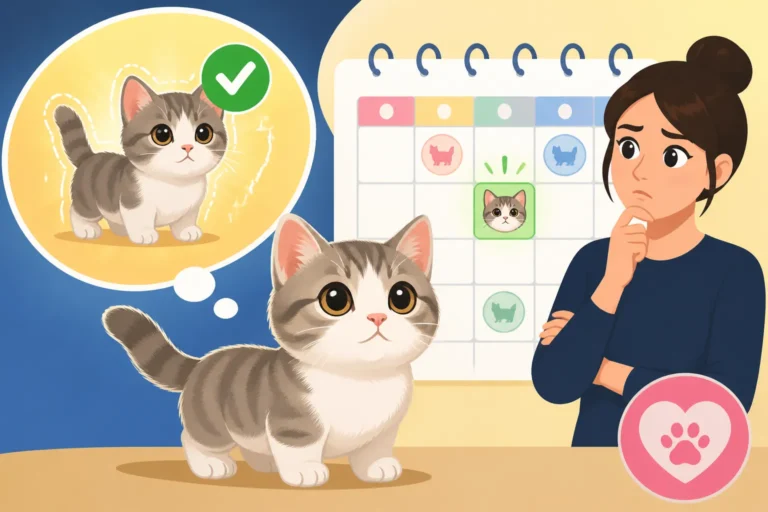
What to Look for in a Reputable Breeder
Choosing a breeder is arguably the most critical step when bringing any purebred cat into your home, but it's especially paramount with a Rug Hugger Munchkin. A reputable breeder will prioritize health, temperament, and ethical practices above all else, even when breeding for specific traits like extreme leg shortness. Here’s what you should be looking for:
- Transparency and Health Guarantees: A good breeder will be open about the potential health challenges associated with Munchkins and specifically with Rug Huggers. They should provide health clearances for the parents, discussing any screening done for conditions like lordosis or pectus excavatum. They should offer a comprehensive health guarantee for the kitten, outlining what it covers and for how long. Ask about Which Diseases a Munchkin Breeder Must Declare and clarify if their guarantee addresses spinal health.
- Observation of Parents and Kittens: Insist on meeting the kitten's parents, if possible. Observe how they move, how active they are, and if they exhibit any signs of discomfort or mobility issues. A responsible breeder will have a clean, adapted environment with ramps and appropriate litter boxes, demonstrating their commitment to the cats' well-being. Watch the kittens play; healthy Rug Huggers, while limited in vertical jumps, should still be playful and move freely on the ground. You should ask What a Munchkin Breeder Should Be Able to Show You regarding their practices.
- Education and Aftercare: A reputable breeder will educate you thoroughly on the specific care needs of a Rug Hugger, including dietary requirements, the importance of weight management, environmental adaptations, and potential health issues. They should be a resource for you throughout your cat’s life and genuinely care about where their kittens go.
- No Red Flags: Be wary of breeders who offer "Teacup Munchkins" or "Dwarf Munchkins" – these are marketing terms, not official designations, and often signal irresponsible breeding for extreme size which can carry additional health risks. Similarly, breeders who cross Munchkins with other dwarf breeds like Scottish Folds (resulting in a "Scottish Fold Munchkin") are stacking genetic mutations, creating potential for severe skeletal problems. For more information, check out Why a Teacup Munchkin Listing Is a Scam and What Two Skeletal Mutations Do to One Munchkin.
Ultimately, a good breeder will make you feel confident that your Rug Hugger Munchkin has come from a line where health and responsible breeding practices are the priority, even as they aim for specific aesthetic traits.
Comparing Standard vs. Rug Hugger Munchkin
To help you visualize the differences and implications, here's a table comparing a "Standard" Munchkin with a "Rug Hugger" Munchkin.
| Feature | Standard Munchkin | Rug Hugger Munchkin |
|---|---|---|
| Leg Length | Noticeably shorter than a regular cat, but still some clearance from the ground. | Extremely short, belly often very close or skimming the floor. |
| Gait/Movement | "Ferret-like" scurry, can often manage small jumps, agile on flat surfaces. | More pronounced "rug-hugging" or waddle, very limited to no jumping ability. |
| Rarity | More common within Munchkin litters. | Less common, representing the extreme end of the short-leg spectrum. |
| Cost | Generally in the mid-to-high range for Munchkins. | Typically the highest price point among Munchkins due to rarity and demand. |
| Home Adaptation | Ramps/steps recommended for higher furniture (beds, windowsills). | Ramps/steps essential for almost any elevation; lower everything. |
| Litter Box | Low-entry boxes are preferred. | Very low-entry boxes or modified solutions are critical. |
| Grooming | May need some assistance with hindquarters, especially long-haired. | More frequent assistance with hindquarters and belly grooming is likely. |
| Joint/Spinal Risk | Present, requires diligent weight management and vet checks. | Potentially heightened due to more extreme conformation; critical weight management. |
| Ethical Debate | General concerns about breeding for dwarfism. | More intense debate due to the extreme nature of the trait and potential limitations. |
Conclusion
The Rug Hugger Munchkin is undeniably captivating, embodying the most distinctive trait of the Munchkin breed in its most extreme form. Their exceptionally short legs give them a unique charm and appeal that many prospective owners find irresistible, often leading to a higher price tag due to their rarity and aesthetic demand. However, owning a Rug Hugger is not just about their adorable appearance; it’s about a deeply committed level of care and understanding of their unique physical needs.
From ensuring easy access to every part of their home through ramps and low-entry litter boxes, to meticulous weight management and vigilant health monitoring, a Rug Hugger Munchkin requires a dedicated owner willing to adapt their lifestyle and environment. By choosing a reputable breeder who prioritizes health and welfare, and by being fully prepared for the specific care a Rug Hugger demands, you can ensure that these enchanting, low-slung companions live a full, happy, and comfortable life right there with you on the rug.
Disclaimer
This article is for general informational purposes only and does not constitute professional advice. Laws, prices and regulations vary by location and change over time. Consult a qualified professional for guidance on your specific situation.