Whether a Munchkin’s Leg Length Is Priced by the Inch
It's a common thought, especially when you see those incredibly tiny, short-legged Munchkin kittens advertised, to wonder if breeders actually price these adorable little furballs based on how many inches their legs are from the ground. It’s a natural assumption, given how much emphasis is often placed on the "shortest" or "rug hugger" variety. But the truth is a bit more nuanced than a simple ruler measurement and a sliding scale. While leg length absolutely influences the price of a Munchkin cat, it's not a literal "per inch" calculation; rather, it's about classification, desirability, and the perceived rarity of certain leg types, all wrapped up in the economics of responsible breeding. This guide will help you understand the real factors at play when a breeder determines the cost of a Munchkin kitten, going beyond just the leg length to show you the bigger picture.
The Myth of Pricing by the Inch
Let's address the elephant in the room right away: no, Munchkin breeders don't typically pull out a tape measure and charge you X dollars per inch of leg height. While the mental image of a breeder meticulously measuring each tiny limb might be a bit amusing, the reality is far more tied to recognized categories and the principles of supply and demand within the cat fancy. The idea of pricing "by the inch" likely stems from the clear correlation between shorter legs and higher prices, which can make it feel like a direct measurement.
The real factor here is the genetic expression of their defining trait: pseudoachondroplasia, which results in those famously short legs. Within the breeding world, and especially for those looking for show-quality cats, there are specific "grades" or classifications of leg length that become highly desirable. It's less about a precise numerical measurement and more about hitting a certain visual standard that breeders know fetches a premium. A truly exceptional "rug hugger" Munchkin, for example, is inherently more sought after by many buyers, and that demand drives the price up, not a literal per-inch cost. The rarity of producing a kitten that perfectly embodies the desired leg length also plays a significant role. It’s a market, after all, and rarity often equals higher value.
Leg Length Categories and Their Price Impact
So, if it's not by the inch, how is leg length categorized, and how does that influence what you'll pay? Breeders and enthusiasts generally recognize a few distinct categories, which, while not strictly defined by exact inch measurements, describe the overall appearance and function of the cat's legs. These categories directly impact the kitten's price because they reflect how closely the cat aligns with the ideal "Munchkin" look many buyers desire, especially for show potential or simply for the iconic appearance.
The "Standard" Munchkin and Its Value
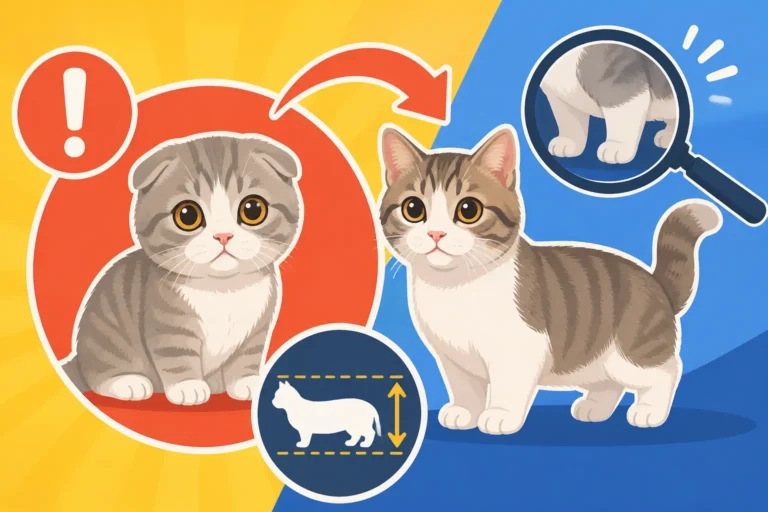
A "Standard" Munchkin typically refers to a cat whose legs are distinctly shorter than those of a normal domestic cat, but perhaps not as dramatically short as the most extreme examples. These cats still embody the Munchkin breed's defining characteristic – they possess the gene for short legs – and are perfectly agile and playful. Their leg length allows them to navigate their environment with ease, often running and playing with surprising speed. How Short a Munchkin's Legs Actually Are can vary, but a Standard Munchkin still has that unmistakable low-slung profile.
From a pricing perspective, a Standard Munchkin will generally sit in the middle of the price range. They are desirable pets, often fantastic companions, and still carry the unique Munchkin charm. They are also common in litters, as Munchkin breeding always involves an outcross to a normal-legged cat, meaning not all short-legged kittens will exhibit the most extreme shortness. For many families, a Standard Munchkin offers the best of both worlds: the unique look without the very highest price tag associated with the rarest leg lengths. What a Standard Munchkin Is is a cat that clearly fits the breed profile without necessarily being an extreme example.
The Coveted "Rug Hugger" and Its Premium
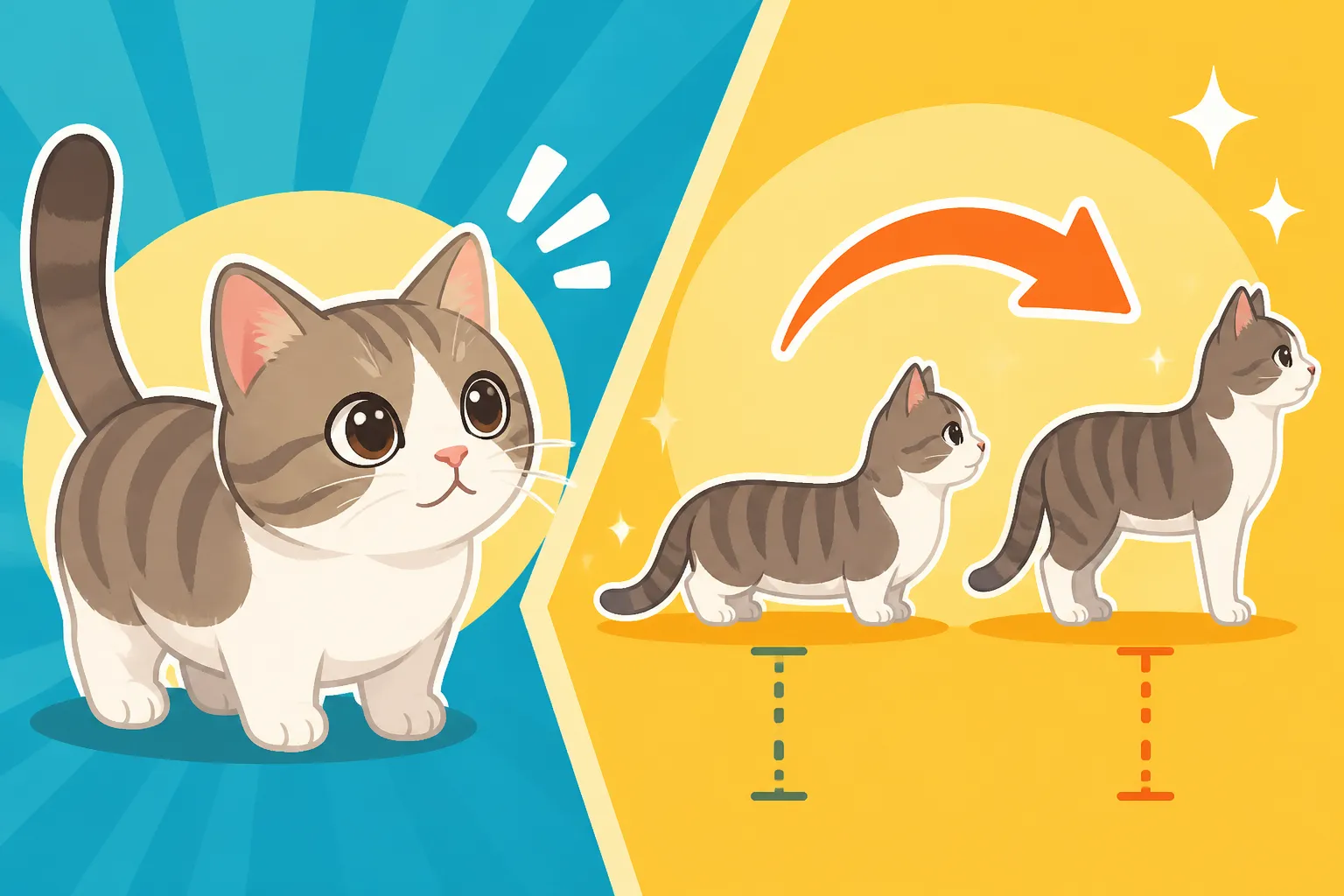
Now, let's talk about the "Rug Hugger." This term refers to a Munchkin whose legs are exceptionally short, often appearing to almost "hug" the ground as they move. These are the cats that exemplify the most dramatic expression of the Munchkin gene, and they are highly sought after. They often have a distinctive gait and an incredibly endearing appearance, which makes them very popular. It's this visual distinction, this extreme shortness, that commands the highest prices.
Breeders understand that there's a strong demand for these kittens, especially among those who want the most distinctive Munchkin look or who might be interested in showing their cat in registries like TICA (The International Cat Association) where leg conformation is a key aspect of the standard. What a Rug Hugger Munchkin Is and Why It Costs More comes down to this high demand and the perceived "perfection" of their short stature. While TICA doesn't explicitly grade "rug hugger" as a formal category in their standard, it's a widely used term in the breeding community to describe those exceptionally short-legged individuals. Producing a litter with multiple rug huggers is often seen as a mark of a successful breeding program, which naturally translates to higher prices for these kittens.
Why Shorter Legs Generally Mean Higher Prices
The general rule of thumb in the Munchkin world is that the shorter the legs, the higher the price. This isn't just arbitrary; it's a reflection of several factors. Firstly, the "rug hugger" appearance is what most people picture when they think of a Munchkin. It's the most unique and distinctive trait, and therefore, the most desired by many buyers. This demand drives up the cost.
Secondly, kittens with extremely short legs might be considered closer to the ideal for show purposes. While What the TICA Munchkin Standard Weights Most considers overall balance and health, leg length is undoubtedly a crucial component. A kitten that a breeder believes has a good chance in the show ring will naturally be priced higher, as it represents years of careful breeding and selection. What a Munchkin Short Enough for the Ring Costs can be substantially more than a pet-quality kitten, even within the same litter.
Lastly, there's an element of rarity. While Munchkins are bred to have short legs, the exact degree of shortness can vary even within a single litter. Consistently producing kittens with that extreme "rug hugger" leg length requires careful selection of breeding pairs and often involves a bit of genetic luck. The fewer of these exceptionally short-legged kittens a breeder has, the higher the individual value tends to be.
Beyond Leg Length: Other Price Influencers
While leg length is a significant factor in a Munchkin's price, it's far from the only one. Many other elements contribute to the final cost of a kitten, reflecting the breeder's investment, the kitten's quality, and ongoing market dynamics. Understanding these additional factors helps paint a more complete picture of why Munchkin kittens can range so widely in price, and why you should always look beyond just the "cuteness" factor when making such a significant decision.
Pedigree and Bloodlines
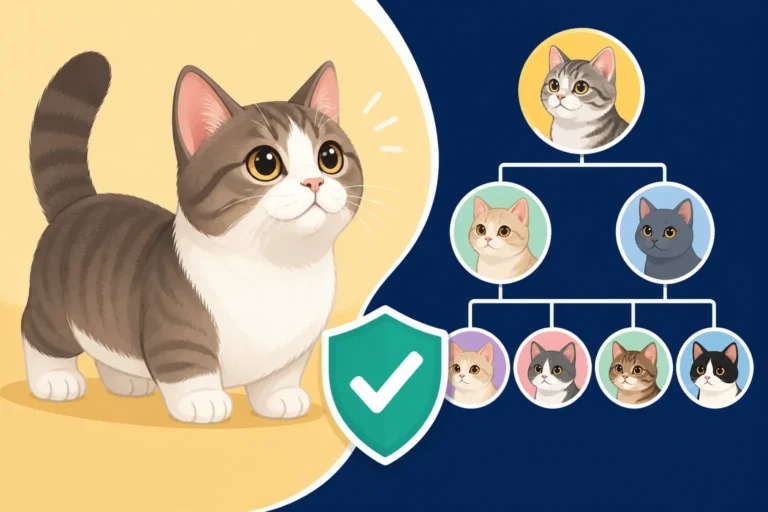
Just like with any purebred animal, a Munchkin's pedigree plays a huge role in its price. Kittens from champion bloodlines, where parents or grandparents have achieved titles in cat shows, will naturally command a higher price. This isn't just about bragging rights; a strong pedigree often indicates careful, ethical breeding practices aimed at producing healthy, well-tempered cats that conform to the breed standard. Breeders invest significant time and money into acquiring top-quality breeding cats, participating in shows, and ensuring genetic diversity, and these costs are reflected in the kitten's price. A reputable breeder will always be transparent about their cats' lineage. Why a Munchkin's Pedigree Should Show Its Outcrosses is vital for understanding the genetic health and background.
Coat Length, Color, and Pattern
While leg length is the hallmark of the Munchkin, their coat length, color, and pattern can also influence price. Munchkins come in both shorthair and longhair varieties, and personal preference often dictates demand. Sometimes a rarer color or pattern, like a pure white with blue eyes, a unique tabby, or a distinct point coloration, can increase the price, especially if it's currently trendy. These are aesthetic preferences, of course, and don't affect the cat's health or temperament, but they do impact market value. It's simply the nature of niche markets that certain looks become more desirable.
Breeder Reputation and Health Guarantees
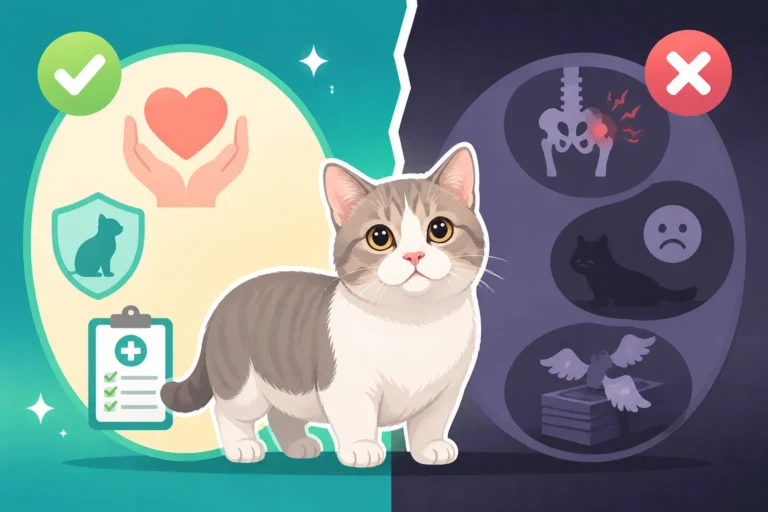
The reputation of the breeder is paramount. A responsible, ethical breeder will typically charge more, and for good reason. They invest in comprehensive veterinary care for their breeding cats and kittens, including health screenings, vaccinations, and proper nutrition. They often provide health guarantees against genetic defects, detailed contracts, and lifetime support for their kittens. This peace of mind and the assurance of a healthy, well-socialized kitten are priceless. How Long a Munchkin Breeder Stands Behind a Kitten can tell you a lot about their commitment.
Conversely, a "cheap" Munchkin is almost always a warning sign. These kittens might come from backyard breeders who cut corners on health, nutrition, and early socialization, leading to potential long-term health or behavioral issues. Always prioritize a breeder with excellent references, clear health protocols, and a willingness to answer all your questions, even if it means a higher upfront cost.
Registration and Breeding Rights
The price also depends on whether the kitten is being sold as a pet or with breeding rights. Pet-quality kittens are typically sold with a spay/neuter contract, meaning they must be altered by a certain age and are not to be used for breeding. These are less expensive. Kittens sold with breeding rights, however, are significantly more expensive because the buyer is acquiring the potential to generate future income from litters. Responsible breeders are very selective about who they sell breeding rights to, often requiring experience and adherence to ethical breeding practices. Why Breeding Rights on a Munchkin Come With Conditions because the breeder wants to protect their lines and the welfare of the breed.
Geographic Location and Regional Demand
The price of a Munchkin can also vary significantly based on your geographic location. In areas where Munchkins are particularly popular or where there are fewer reputable breeders, demand might drive prices up. Conversely, in regions with more breeders or less overall interest, prices might be slightly lower. International markets can also vary wildly; for instance, some countries have incredibly high demand for certain breeds, impacting prices globally. It’s always worth researching local breeders and comparing prices, but remember that travel costs for a reputable breeder further afield should also be factored in.
The Long-Term Costs: More Than Just the Purchase Price
While the initial purchase price of a Munchkin kitten can feel significant, it's crucial for prospective owners to understand that it's just the tip of the iceberg when it comes to the true cost of ownership. Munchkins, due to their unique physical characteristics, often have specific needs that can add up over their lifespan. Planning for these long-term expenses is a mark of a responsible and prepared cat parent. What a Munchkin Costs Over Thirteen Years will show you that the initial outlay is often dwarfed by ongoing care.
Adapting Your Home for a Munchkin
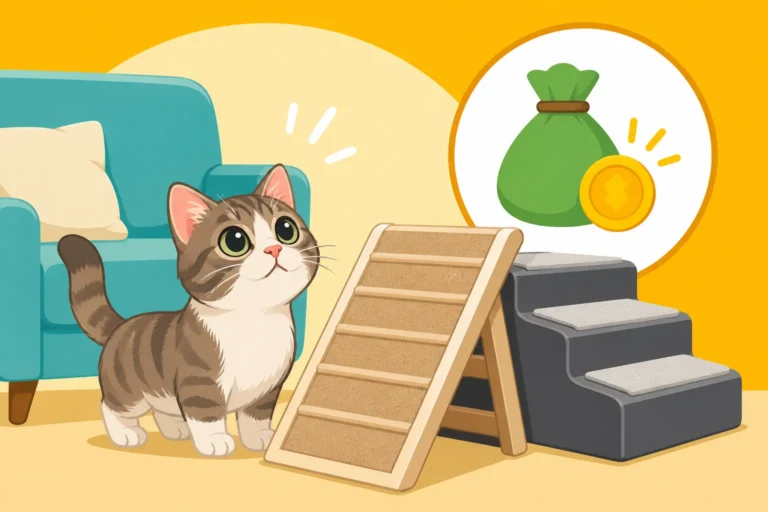
One of the most immediate and ongoing costs beyond the kitten itself is adapting your living space. Munchkins can't jump as high as normal-legged cats, which means their world exists primarily at ground level. This necessitates making furniture accessible. You'll likely need to invest in ramps or pet stairs for sofas, beds, and windowsills, ensuring your cat can reach their favorite spots without strain. Brands like Chewy often offer a good selection of pet-friendly ramps and steps that can make your home more Munchkin-friendly.
You might also need low-entry litter boxes to ensure easy access, especially as your Munchkin ages. What a Low Entry Munchkin Litter Box Costs might not seem like much, but it's one of many small adjustments. Cat trees will need to have closer-set platforms or be specifically designed for short-legged cats. These adaptations are not luxuries; they are essential for your Munchkin's physical and mental well-being, allowing them to explore and interact with their environment safely.
Veterinary Care and Joint Health
While many Munchkins live long, healthy lives, their unique leg structure does mean they carry their body weight differently than normal cats. This can put extra stress on their joints, especially their shoulders and elbows. This isn't a guaranteed problem for every Munchkin, but it's a consideration you need to be aware of. Regular vet check-ups are important, and your vet might recommend specific joint supplements as they age. What Feeding a Munchkin for Joint Health Costs can be an ongoing expense.
It's wise to budget for potential vet visits related to joint care as your Munchkin gets older. This is where pet insurance can be a real lifesaver. Companies like Healthy Paws offer various plans that can help mitigate the cost of unexpected veterinary bills, giving you peace of mind that you can afford the best care for your beloved companion. Discussing their coverage for conditions that might be more prevalent in Munchkins, such as potential spinal issues or early onset arthritis, is a good idea when choosing a plan. Whether Pet Insurance Covers a Munchkin's Spine is a crucial question to ask.
Grooming and Diet Considerations
Munchkins, particularly longhaired varieties, may struggle to groom their hindquarters effectively due to their short legs and normal-length spine. This means you might need to take on more grooming responsibility yourself, including regular brushing and potential sanitary clips. How Often a Longhaired Munchkin's Back Half Needs Brushing is more frequent than you might think. For some owners, this means regular trips to a professional groomer, which adds to the ongoing costs.
Diet is another important consideration. Because Munchkins burn fewer calories than normal-legged cats due to their limited jumping and climbing abilities, weight control is paramount. An overweight Munchkin places even more strain on their already unique skeletal structure, increasing the risk of joint problems. Why Weight Control Is the Whole Munchkin Care Plan for their long-term health. Choosing high-quality, calorie-appropriate food is essential. Portion control and regular weight monitoring will become part of your routine. These small, consistent efforts in diet and grooming contribute significantly to your Munchkin's quality of life and longevity.
Making an Informed Decision
Deciding to bring a Munchkin cat into your home is a big step, filled with excitement and responsibility. While the initial "sticker shock" of the purchase price, especially for those highly sought-after shorter-legged kittens, can be daunting, it's essential to look at the bigger picture. Understanding that leg length isn't literally "priced by the inch" but rather categorized based on appearance and demand helps clarify the upfront cost. However, a truly informed decision goes beyond that first transaction.
It's about choosing a reputable breeder who prioritizes the health and well-being of their cats above all else, regardless of leg length. It means investing in the necessary home adaptations – ramps, stairs, low-entry litter boxes – to ensure your Munchkin can thrive safely and comfortably. It means committing to a diet and exercise routine that supports their joint health and prevents obesity. And it means being prepared for potential veterinary care, possibly aided by pet insurance, throughout their The Twelve to Fifteen Years a Munchkin Usually Gets.
Ultimately, the goal is to provide a loving, enriching environment where your Munchkin can express their playful, curious personality without physical limitation or discomfort. Whether you choose a "standard" or "rug hugger" Munchkin, the most important "price" you pay is your ongoing dedication to their care and happiness.
Disclaimer
This article is for general informational purposes only and does not constitute professional advice. Laws, prices and regulations vary by location and change over time. Consult a qualified professional for guidance on your specific situation.