How Much a Minuet Costs Against a Munchkin
It’s perfectly natural to be enchanted by the unique charm of a short-legged cat, whether it's the original Munchkin or its stunning derivative, the Minuet (formerly known as the Napoleon). But beyond their undeniable cuteness, the practical question always arises: what's the actual financial difference in bringing one of these special felines into your home and caring for them throughout their lives? This guide will break down the true costs, helping you understand the financial commitment involved with both a Munchkin and a Minuet.
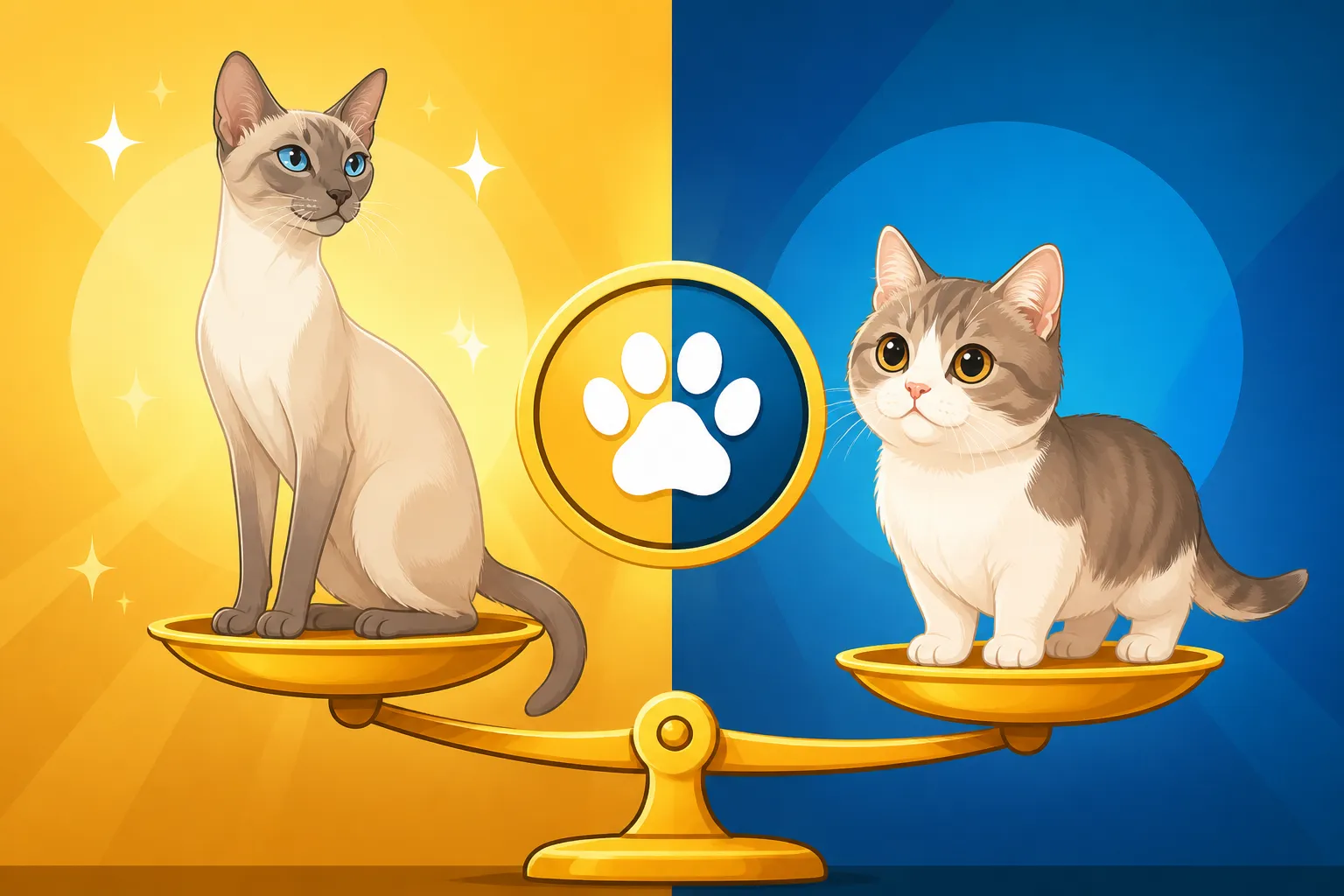
Understanding the Breeds: Munchkin vs. Minuet (Napoleon)
Before we dive into the nitty-gritty of costs, it's really important to understand what makes each of these breeds distinct. While they share a common trait – those adorable short legs – their genetic heritage and the specific characteristics breeders aim for can significantly influence their price tags and ongoing care needs.
The Purebred Munchkin: All About Those Short Legs
The Munchkin is widely considered the foundational short-legged breed. Its defining characteristic is a naturally occurring genetic mutation that results in shortened long bones in the legs, while the body and spine remain normal length. This isn't a condition caused by selective breeding in the way some people assume; it’s a spontaneous mutation that was then developed into a breed. When you see a Munchkin, you're looking at a cat that embodies the essence of "short and sweet." Their personality is often described as playful, curious, and outgoing, much like any domestic cat, but their low-rider stature impacts how they interact with their environment.
Breeding Munchkins involves careful consideration, as the gene responsible for their short legs is dominant, and two copies of the gene are lethal to embryos. This is why a Munchkin is always bred to a normal-legged cat, ensuring healthy litters where roughly half the kittens will inherit the short legs and half will have normal legs. This careful breeding practice contributes to the overall stability and health within responsible Munchkin lines. For a deeper dive, check out Why Munchkin Dwarfism Is Called Autosomal Dominant. The registration of Munchkins is primarily handled by The International Cat Association (TICA), which has recognized them for championship status, a testament to their established breed standards and robust breeding programs.
The Minuet (Napoleon): A Crossbreed with Persian Charm
Now, let's talk about the Minuet, which many still affectionately refer to by its original name, the Napoleon. This breed takes the adorable short legs of the Munchkin and combines them with the luxurious looks of the Persian, Himalayan, and Exotic Shorthair breeds. The goal was to create a cat with the Munchkin's unique stature but with the long, flowing coat, round face, and substantial boning of the Persian family. Imagine a Munchkin wearing a fancy Persian outfit – that’s pretty much a Minuet!
This crossbreeding adds layers of complexity and, often, a higher price point. You're essentially getting the best of both worlds (or at least, the desired traits from two distinct lineages). Minuets are recognized by TICA as a developing breed, and they come in both long and short-haired varieties, displaying all the colors and patterns of the Persian group. The combination aims for a sweet, docile temperament and a stunning appearance, often described as teddy-bear like. Understanding What a Minuet Is and How It Relates to the Munchkin gives more context on its development.
The Genetic Component and Its Influence on Price
The genetic foundation of these breeds directly impacts their cost. For the Munchkin, the core lies in understanding How Munchkin Dwarfism Is Inherited. Breeders must be meticulous about their breeding pairs to ensure healthy offspring, and this careful genetic management contributes to the cost. With the Minuet, you're essentially adding another layer of genetic consideration. Breeders are working to combine the dominant short-leg gene from the Munchkin with the specific aesthetic and temperament genes from the Persian/Himalayan/Exotic lines. This involves a more complex breeding program, often requiring multiple generations to consistently produce kittens that meet the desired Minuet standard. The more intricate the genetic planning and the more specific the desired traits (e.g., particular coat colors, flat faces without extreme brachycephaly issues), the more time, effort, and expense a breeder incurs, which is then reflected in the kitten's price.
Initial Purchase Price: The Sticker Shock of Short Legs
The initial cost of bringing home a Munchkin or a Minuet kitten can be a significant investment, often surprising prospective owners who are used to the pricing of more common domestic breeds. These aren't your average shelter adoption fees, and understanding the factors that drive these prices is key.
Factors Driving Munchkin Kitten Prices
Munchkin kitten prices can vary quite a bit, but generally, you're looking at a range that starts in the mid-hundreds and can easily climb into the low thousands. Several factors influence this:
- Leg Length: This is a big one! Ironically, the very feature that defines the Munchkin can also differentiate prices within a single litter. Kittens with particularly short legs, sometimes called "rug huggers," often command a higher price due to their exaggerated cuteness and conformity to a more extreme aesthetic preference. As discussed in Why Shorter Legs Raise a Munchkin's Price, the shorter the legs, the more desired the kitten often is.
- Pedigree and Bloodlines: A kitten from champion bloodlines, with parents who have excellent health clearances and show records, will naturally be more expensive. This reflects the breeder's investment in quality breeding stock.
- Breeder Reputation and Ethics: Reputable breeders invest heavily in health screening their cats, providing excellent nutrition, veterinary care, and early socialization for their kittens. They also often offer health guarantees and lifetime support. This commitment to responsible breeding is factored into the price.
- Coat Type and Color: While less impactful than leg length, rare or desirable coat colors and patterns (like a striking bi-color or a rare chocolate point) or specific coat lengths (longhair vs. shorthair) can also influence the price.
- Location: Prices can vary regionally and internationally, influenced by local demand and the cost of living.
- "Pet" vs. "Breeding Rights": A kitten sold as a pet (which almost always means it will be spayed or neutered) will be less expensive than one sold with breeding rights. Reputable breeders are very selective about who they sell breeding rights to, and it comes with a significantly higher price tag.
Why Minuet Kittens Often Command a Premium
Minuet kittens typically start at a higher price point than Munchkins and can climb considerably higher into the multiple thousands. This premium is due to the added genetic and aesthetic layers inherited from the Persian lines:
- Dual Breed Traits: You're paying for the successful combination of two distinct breed traits – the Munchkin's short legs and the Persian's opulent coat, round face, and docile temperament. Achieving this consistently requires extensive knowledge, careful selection of breeding stock, and often more involved care for the Persian parent cats (e.g., daily grooming, specific facial cleaning).
- Rarity and Demand: While the Minuet is gaining popularity, it's still a less common breed than the Munchkin. Lower availability combined with high demand can drive up prices.
- Persian Lineage Health Screening: Reputable Minuet breeders must not only screen for general feline health issues but also for genetic conditions prevalent in the Persian lineage, such as Polycystic Kidney Disease (PKD). This additional health testing adds to the breeder's overhead. You can learn more about this in Why a Munchkin From a Persian Cross Needs a PKD Test.
- Grooming Demands: The long, dense coat characteristic of many Minuets requires significant grooming from a young age to prevent matting, a task breeders undertake before kittens go to their new homes. This labor-intensive care is reflected in the price.
- The "Napoleon" Allure: The historical "Napoleon" name, though largely replaced by Minuet in TICA, still carries a certain cachet that can influence buyer perception and price. Learning Why the Munchkin Persian Cross Was Called the Napoleon helps understand this historical branding.
What to Expect When Talking to Breeders
When you start inquiring about either a Munchkin or a Minuet, be prepared for breeders to ask you as many questions as you ask them. They want to ensure their kittens are going to loving, appropriate homes. Expect to discuss your living situation, your experience with cats, and your understanding of the specific needs of a short-legged breed.
- Price Transparency: A good breeder will be transparent about their pricing structure and what's included (vaccinations, deworming, spay/neuter clause, health guarantee). Don't expect a specific price list online; often, prices are discussed individually for each kitten. As a general guide, Why Most Munchkin Kittens Land Between Fifteen Hundred and Twenty Five Hundred gives a solid expectation for Munchkins. Minuets often start at the higher end of this range and go up.
- Deposits: It’s common to place a non-refundable deposit to reserve a kitten, especially for breeds with long waiting lists.
- Contracts: Expect a detailed contract outlining responsibilities, health guarantees, and often a spay/neuter agreement.
- Health Information: Ask about the health screening of the parents and what congenital conditions are checked for. A responsible breeder will have this information readily available.
- Visiting: If possible, visit the cattery to see the kittens and parents in person. Observe their living conditions and the cats' temperaments.
| Breed | Typical Purchase Price (Estimate) | Key Factors Influencing Price |
|---|---|---|
| Munchkin | $$$ – $$$$ | Leg length, pedigree, breeder reputation, coat type, location |
| Minuet | $$$$ – $$$$$ | Dual breed traits (Munchkin + Persian), rarity, specific Persian characteristics (face, coat), extensive health screening, demand |
Note: The price ranges above are illustrative and can vary significantly based on current market demand, breeder, location, and individual kitten characteristics.
Ongoing Costs: More Than Just Food in the Bowl
The initial purchase price is just the beginning of your financial journey with a short-legged cat. Ongoing care, from daily essentials to unexpected veterinary needs, will form the bulk of your long-term expenditure. It’s crucial to budget for these regular and occasional costs.
Standard Cat Care: Where Costs Overlap
Many of the ongoing costs for a Munchkin or Minuet are similar to those for any domestic cat:
- Food: High-quality cat food is essential for their health. The cost can vary widely depending on whether you choose kibble, wet food, or a fresh diet. Expect to spend a decent amount on good nutrition. For options, many owners find great selections on platforms like Chewy, which offer a wide range from budget-friendly kibble to premium wet foods and even prescription diets if needed.
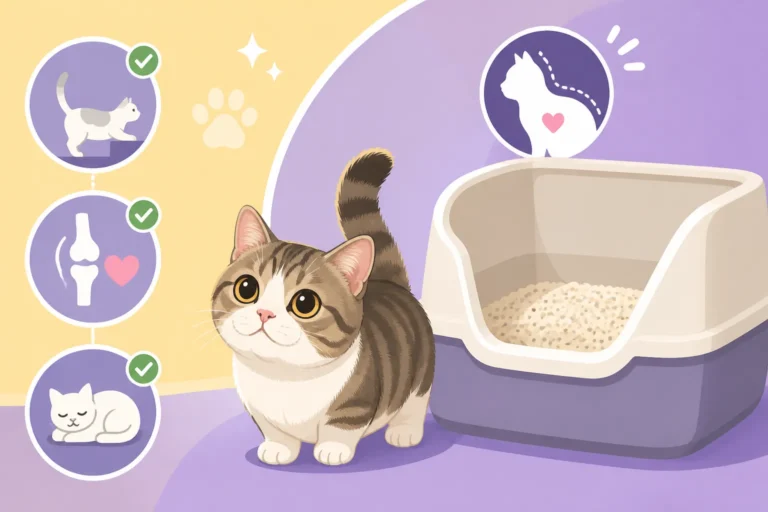
- Litter and Litter Boxes: This is a non-negotiable expense. Both breeds will need good quality litter, and specifically, low-entry litter boxes that they can comfortably access without straining their backs or hips. As discussed in Which Litter Box a Munchkin Can Actually Enter, standard high-sided boxes can be a real struggle.
- Routine Veterinary Care: Annual check-ups, vaccinations (even for indoor cats, see Which Vaccines an Indoor Munchkin Needs), and parasite prevention are vital. These are general costs that all cat owners face.
- Toys and Enrichment: Keeping your cat mentally and physically stimulated is important. While Munchkins are often faster on the flat than you expect, their jumping ability is limited. You'll need floor-level toys and play opportunities.
- Grooming Supplies: Brushes, nail clippers, and possibly cat shampoo will be regular purchases, especially for long-haired Minuets.
Breed-Specific Health Considerations and Insurance
This is where the costs for Munchkins and Minuets can diverge from a normal-legged cat, and often where savvy budgeting, including pet insurance, becomes invaluable.
- Munchkin Specific Concerns: While generally considered a healthy breed, Munchkins do have potential predispositions due to their unique skeletal structure. Lordosis (an inward curvature of the spine) and Pectus Excavatum (a sunken chest) are conditions that breeders should screen for. While not all Munchkins develop these, the risk is higher than in normal-legged cats, and severe cases can be very costly to manage. Lordosis, in particular, is a spinal curve the Munchkin argument is often about, as detailed in Lordosis Is the Spinal Curve the Munchkin Argument Is About. Early detection and management are key.
- Minuet Specific Concerns: Minuets inherit the short legs of the Munchkin, so they also carry the same predispositions to lordosis and pectus excavatum. However, they also inherit potential health concerns from their Persian lineage. This includes conditions like Polycystic Kidney Disease (PKD), which is genetic and can lead to kidney failure, as well as brachycephalic (flat-faced) related issues like breathing difficulties or tear staining, although Minuet breeders strive to avoid extreme brachycephaly. Regular vet check-ups should include screening for these.
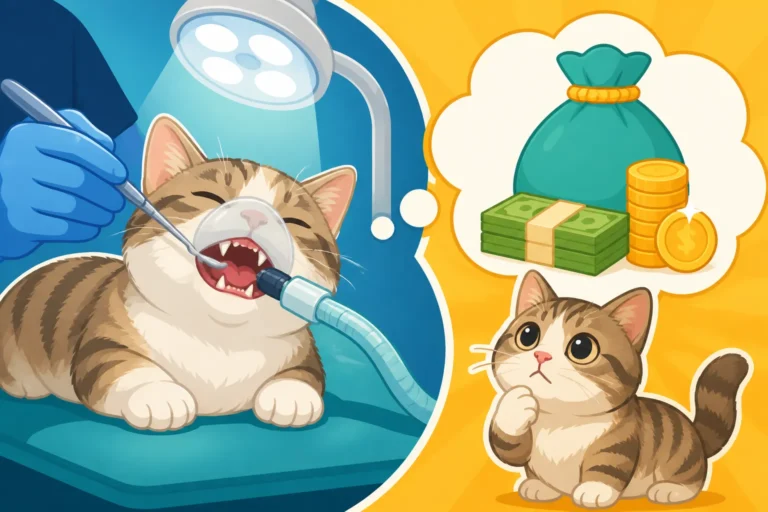
- Pet Insurance: Given these potential breed-specific health issues, pet insurance is highly recommended. Providers like Healthy Paws offer coverage that can significantly offset the costs of unexpected illnesses or accidents. It's wise to enroll your kitten early, before any pre-existing conditions can be noted, to ensure the broadest coverage. Consider researching plans and Whether Pet Insurance Covers a Munchkin's Spine specifically, as some policies might have exclusions or special clauses for certain breed-specific conditions, though a reputable insurer should cover new conditions.
Grooming and Environmental Needs
These breeds, especially Minuets, often require more hands-on care when it comes to grooming, and their environment needs to be thoughtfully adapted.
- Grooming:
- Munchkin: Shorthaired Munchkins are relatively low-maintenance, requiring regular brushing to remove loose hair. Longhaired Munchkins, however, will need more frequent brushing to prevent mats, especially around their hindquarters where their short legs make self-grooming difficult. Grooming the Half of a Munchkin It Cannot Reach highlights this challenge.
- Minuet: Regardless of leg length, most Minuets inherit the long, dense, and luxurious coat of their Persian ancestors. This means daily brushing is often necessary to prevent painful matting and keep their fur healthy and beautiful. You might also need professional grooming services for sanitary clips or dematting, which adds to the expense. Regular cleaning of their faces, especially around the eyes, might also be needed if they have a flatter facial structure.
- Environmental Adaptations: Both breeds thrive in an environment tailored to their short stature.
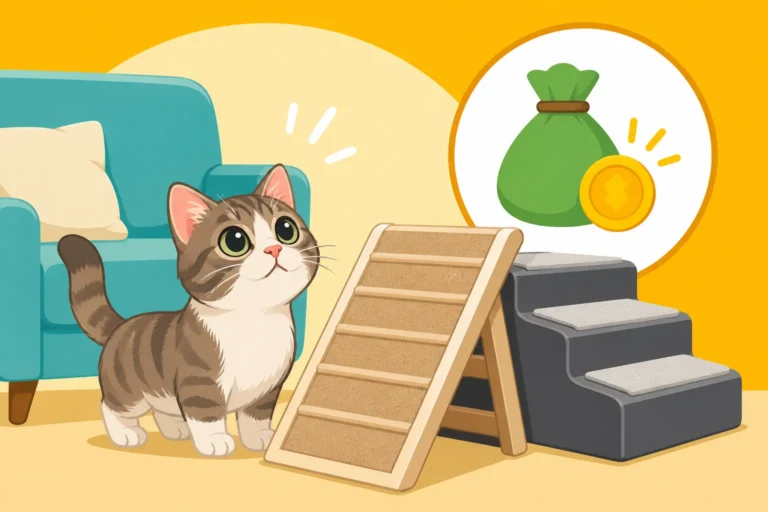
- Ramps and Steps: You'll likely need to invest in ramps or pet steps to help them access furniture like sofas, beds, or windowsills without straining their joints. This helps prevent injury and ensures they can safely navigate their home. Ramps and Steps Are Munchkin Equipment, Not Luxuries emphasizes this point.
- Low-Entry Access: As mentioned, litter boxes need low fronts. Food and water bowls may need to be slightly raised to prevent them from stooping too low, which can be uncomfortable for their spines. Platforms on cat trees should be closer together, or you might opt for horizontal scratchers over tall vertical ones, as a Munchkin cannot stretch up a traditional scratching post effectively.
The Long-Term Financial Picture: What Years of Care Truly Mean
Thinking about the lifetime cost of a pet is a responsibility that many future owners unfortunately overlook. For Munchkins and Minuets, due to their specific needs and potential predispositions, this long-term view is particularly important.
Lifetime Cost Projections
It's difficult to give exact figures, but we can project general ranges for the lifespan of these cats. Munchkins generally have a lifespan similar to other domestic cats, often between 12-15 years, if well cared for. Therefore, when considering What a Munchkin Costs Over Thirteen Years, you're looking at a substantial sum.
- Munchkin: Over a 13-15 year lifespan, factoring in initial purchase, food, litter, routine vet care, potential specialized care for conditions like lordosis or pectus excavatum, grooming supplies, environmental adaptations (ramps, low boxes), and toys, you could easily be looking at tens of thousands of dollars. The upper end of this spectrum would include major surgeries or ongoing medical management for chronic conditions.
- Minuet: For a Minuet, these costs are likely to be on the higher end, given the increased grooming demands and the potential for a wider range of breed-specific health issues from both the Munchkin and Persian lines. A Persian's dense coat, for instance, often requires more specialized grooming products and potentially professional groomer visits, adding to the monthly budget. If a Minuet develops both a spinal issue and a kidney problem, the financial strain would be considerable.
The Value of Preparedness: Budgeting and Pet Insurance
Being prepared financially is one of the greatest gifts you can give your Munchkin or Minuet.
- Emergency Fund: Having an emergency fund specifically for pet care can be a lifesaver. This fund can cover unexpected vet visits, emergency surgeries, or specialized treatments not fully covered by insurance.
- Pet Insurance: As mentioned earlier, pet insurance from providers like Healthy Paws is highly recommended. It acts as a safety net, allowing you to make medical decisions based on what's best for your cat, rather than what you can afford out-of-pocket. While it's an ongoing monthly expense, the peace of mind it offers is often invaluable. Just be sure to read the fine print regarding breed-specific conditions and any waiting periods. Whether Pet Insurance Covers a Munchkin's Spine is a crucial question to ask any potential insurer.
- Annual Budgeting: Create an annual budget that includes all the recurring costs (food, litter, insurance premiums, routine vet visits) and allocates funds for unexpected issues or environmental upgrades as your cat ages. Consider Why a Munchkin's Vet Year Includes Its Joints as an example of a specific check-up that might be recommended.
Ethical Considerations and Hidden Costs
The debate around the ethics of breeding short-legged cats is ongoing, and it's something responsible owners should be aware of. Welfare bodies often raise concerns about conditions like lordosis and pectus excavatum, and how these might impact a cat's quality of life. For more information, see What Welfare Bodies Say About the Munchkin.
- Finding an Ethical Breeder: The "hidden cost" here isn't monetary, but ethical. Choosing a reputable breeder who prioritizes health and temperament over extreme characteristics is paramount. An unethical breeder, one who doesn't perform health screenings or provides proper care, might sell a cheaper kitten initially, but you could end up with a lifetime of expensive health problems and heartbreak.
- Time and Effort: While not a direct financial cost, the time and effort involved in adapting your home, providing extra grooming, and potentially managing chronic health conditions can be substantial. This is a commitment that goes beyond dollars and cents.
- Rehoming Risk: Sadly, some short-legged cats end up in shelters or rescues when owners realize they cannot provide the specialized care needed, or when unexpected health costs arise. This is why thorough research and budgeting beforehand are so critical.
Bringing a Munchkin or Minuet into your home is a decision that brings immense joy, but it also comes with a significant financial commitment. By understanding the unique needs of these breeds, budgeting wisely, and prioritizing responsible sourcing, you can ensure a long, healthy, and happy life for your cherished feline companion.
Disclaimer
This article is for general informational purposes only and does not constitute professional advice. Laws, prices and regulations vary by location and change over time. Consult a qualified professional for guidance on your specific situation.