Why a Munchkin Sits Up on Its Hind Legs
If you've ever spent time with a Munchkin cat, you've undoubtedly witnessed one of their most charming and utterly unique behaviors: sitting bolt upright on their hind legs, front paws tucked neatly, gazing intently at the world around them. This isn't just a cute trick; it's a fascinating adaptation to their distinct physique, offering them a whole new perspective and a vital way to interact with their environment. Let's delve into why these adorable little felines adopt this "prairie dog" posture and what it truly means for them.
The Iconic "Prairie Dog" Sit: More Than Just Cute
The sight of a Munchkin cat balancing perfectly on its hindquarters, often with its tail acting as a crucial rudder, is something that never fails to bring a smile to an owner's face. It's so distinctive that it has become one of the breed's most recognized traits, often eliciting comparisons to meerkats or, of course, the prairie dogs it's named after. But beyond the undeniable cuteness, this posture is deeply rooted in their biology and behavior.
What the Posture Looks Like
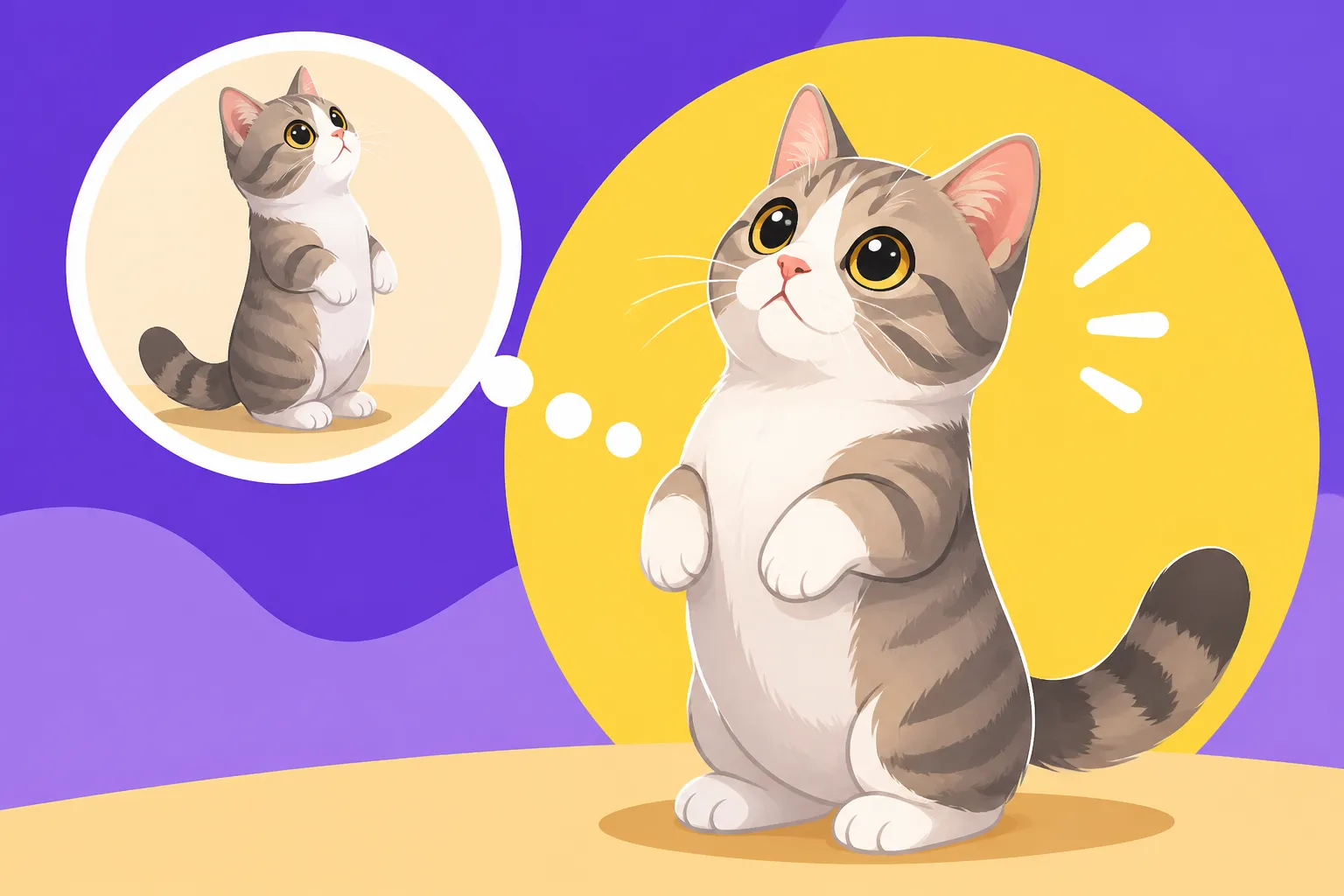
Imagine a small cat, suddenly elongated, with its torso stretched vertically upwards, supported by its strong hind legs. Its front paws are usually held close to its chest, sometimes dangling a little, sometimes tucked in tight as if in prayer. The tail is often extended behind them, or perhaps curled gently on the floor, serving as a dynamic counterweight. Their heads are usually held high, ears swiveling, eyes wide and focused on whatever has captured their attention. It’s a moment of absolute stillness, often preceded by a quick, purposeful sit-up from a prone position, like a spring released.
This isn't a contorted or uncomfortable position for them; rather, it appears to be one of natural ease and balance. They can hold this pose for surprisingly long stretches, their little bodies surprisingly stable. It truly does mimic the stance of a prairie dog popping up from its burrow to scan its surroundings, completely at attention and surveying its domain. For a cat whose natural vantage point is usually very low to the ground, this upright stance offers a significant, if temporary, advantage.
Why Munchkins Do It So Often
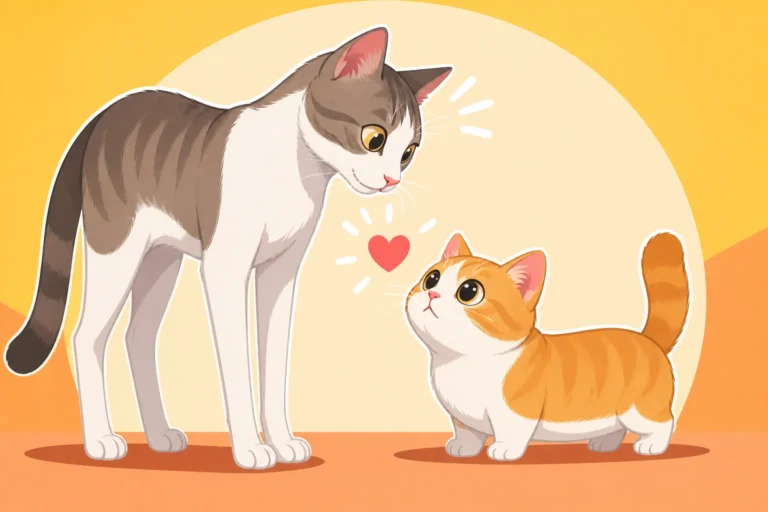
The primary reason Munchkins adopt this posture so frequently is a direct response to their unique physical structure. With their significantly shorter legs, the world at floor level can be quite limiting. Imagine trying to see what’s cooking on the counter or what your human is doing from ankle height! Their desire to observe, to be part of the action, and to simply elevate their perspective drives this behavior. It’s their ingenious way of gaining precious inches, effectively creating their own temporary "high ground."
This sitting-up habit is essentially a compensatory mechanism. While other cats might simply jump onto a chair or a low table to get a better view, a Munchkin often finds those options challenging, if not impossible, without assistance or strategically placed steps. Instead, they leverage their strong core and hind legs to push themselves upward, making the most of their vertical stretch. It's a testament to their adaptability and intelligence, finding a solution within their physical parameters to satisfy their innate feline curiosity.
Furthermore, the low center of gravity that defines a Munchkin's build actually gives them a surprising advantage in stability when they adopt this stance. Unlike a long-legged cat that might feel more precarious balancing on its hind legs, a Munchkin's compact form and robust musculature in its rear quarters allow it to maintain this upright position with remarkable steadiness. They’re not just sitting up; they’re leveraging their unique physique to actively engage with their environment in a way that feels natural and effective for them.
Anatomical Advantages and Limitations in the Sit
Understanding the unique anatomy of a Munchkin cat is key to appreciating their "prairie dog" sit. While their short legs are the most obvious trait, the rest of their body, particularly their spine, plays a crucial role in enabling this distinctive posture. It’s a fascinating balance of what nature has given them and how they’ve learned to use it.
How Their Spine and Legs Support the Posture
It's a common misconception that because Munchkins have short legs, their spines must also be affected or shortened. This isn't the case. A crucial point to remember is that Why a Munchkin's Spine Is Normal Length. Their spine is structurally similar to that of a normal-legged cat, meaning it’s designed for flexibility and support, and capable of handling the demands of this upright stance. The dwarfism gene specifically impacts the long bones of the legs, not the vertebral column itself. This distinction is vital because it means the "prairie dog" sit isn't inherently putting undue strain on a compromised spine, at least not in the way some people might fear.
When a Munchkin sits up, they engage a complex system of muscles in their hindquarters, core, and back. These muscles, developed through their everyday movements and innate curiosity, become quite strong, allowing them to support their body weight in an erect position. Think of it as a natural exercise that builds and maintains their physical prowess. They aren't simply "collapsing" into a sit; they are actively using their musculature to achieve and maintain it. This muscular support, combined with a healthy spine, makes the posture a robust and well-practiced action for them, rather than a painful one.
Of course, this doesn't mean a Munchkin's spine is immune to problems, but the act of sitting up is generally not considered a cause of such issues. It's important for owners to monitor their cat's overall health, ensuring they maintain a healthy weight and receive regular veterinary care. Issues like Lordosis or Pectus Excavatum are specific conditions that can affect Munchkins, but these are distinct from the mechanics of the "prairie dog" sit itself. The sit is a manifestation of their normal, adaptive behavior, not a symptom of underlying spinal distress.
The Role of the Tail for Balance
A cat's tail is far more than just a fluffy appendage; it's a vital tool for balance and communication. For a Munchkin in its upright "prairie dog" sit, the tail becomes an indispensable aid, helping to maintain that remarkable stability. When you watch a Munchkin sit up, you'll often see its tail subtly adjust, shifting its position, twitching slightly, or extending backward to create a counterweight. This dynamic adjustment is crucial for keeping them steady.
Think of it like a tightrope walker using a pole. The tail provides that extra point of stability, allowing them to make tiny, almost imperceptible corrections to their posture. Without this natural counterbalance, maintaining an upright position for any length of time would be far more challenging, demanding significantly more muscular effort and making them much less stable. The agility with which they use their tail to fine-tune their balance is a testament to their instinctive understanding of their own unique physics.
Observing how a Munchkin uses its tail during the sit can also be a subtle indicator of their physical condition and comfort. A cat that uses its tail fluidly and effectively for balance is likely strong and comfortable in the posture. If a Munchkin appears wobbly or struggles to maintain its balance, even with tail assistance, it might be a sign to consult a vet. This could indicate weakness, discomfort, or even a balance issue that warrants investigation, though usually, a healthy Munchkin is a master of this particular balancing act.
The Sensory World from a Higher Vantage Point
For a cat whose world is often seen from a few inches off the ground, the "prairie dog" sit is a game-changer. It literally elevates their sensory experience, allowing them to gather information about their environment in ways they simply cannot when all four paws are on the floor. It's about more than just seeing; it's about a richer, more complete engagement with their surroundings.
Expanding Their Field of Vision
From floor level, a Munchkin's view can be quite limited, often obstructed by furniture legs, low cabinets, or even the feet of taller housemates. When they sit up on their hind legs, even gaining just a few extra inches can dramatically expand their field of vision. Suddenly, they can see over the edge of a coffee table, peek into a low drawer, or get a clear view of the bird feeder outside the window. This enhanced perspective is incredibly stimulating for a naturally curious feline.
Imagine the frustration of constantly being at a disadvantage, unable to fully participate in the visual landscape of your own home. The "prairie dog" sit empowers them to bridge that gap, if only temporarily. They might be watching a family member move through the room, tracking a laser pointer dot, or simply observing the mesmerizing dance of dust motes in a sunbeam. This ability to gain a better visual grasp of their surroundings reduces potential anxieties and fulfills their innate drive to monitor their territory.
This expanded vision also aids in their predatory instincts. Even though they are domestic house cats, the hunting drive is strong. Sitting up allows them to scan a wider area for potential "prey" – a dropped crumb, a scurrying insect, or a favorite toy. It helps them to spot movement that would otherwise be hidden from their lower vantage point, making them more effective at "hunting" even within the confines of a living room. This active engagement with their visual world contributes significantly to their mental enrichment and overall happiness.
Better Hearing and Scent Detection
While a Munchkin's primary reason for sitting up might seem visual, this posture also offers subtle advantages in other sensory departments, particularly hearing and scent detection. When a cat sits upright, it often holds its head high, allowing its ears to orient more effectively towards the source of a sound. This can mean the difference between hearing a faint rustle in another room and pinpointing exactly where that intriguing noise is coming from.
Cats have incredible hearing, capable of detecting sounds far beyond our human range. By sitting up, a Munchkin can better position its external ear flaps (pinnae) to funnel sound waves, potentially catching nuances of sounds that might be muffled closer to the floor. This is particularly useful for tracking prey, responding to the crinkle of a treat bag, or even just keeping tabs on the comings and goings of their human companions. It enhances their spatial awareness, making their auditory experience of the home more precise and informative.
Similarly, an upright posture can subtly influence their ability to detect scents. While much of a cat's scent detection happens with their nose to the ground, an elevated position can expose them to different air currents and scent dispersal patterns. Airborne scents carry different information than ground-level scents. By lifting their heads, they might pick up ambient smells from higher points in the room or from outside through an open window, providing a broader olfactory map of their environment. This combination of heightened visual, auditory, and olfactory input makes the "prairie dog" sit a multi-sensory advantage for the curious Munchkin.
Communication and Social Aspects of Sitting Up
The "prairie dog" sit isn't just a physical act; it's often a form of communication. For a Munchkin, whose physical limitations mean they interact with their world differently, this posture can convey a range of messages to their owners and other pets. Understanding these signals can deepen the bond between you and your unique feline companion.
Expressing Curiosity and Engagement
One of the most frequent reasons a Munchkin will sit up is to express sheer curiosity and engagement with something happening around them. If you walk into a room, open a noisy package, or even just have a conversation, don't be surprised if your Munchkin suddenly pops up to observe. It’s their way of saying, "What's going on? I want to know!" This posture is a clear signal that they are interested and fully attentive to the activity, person, or object that has captured their gaze.
For owners, this posture is a delightful indicator of their cat's active participation in family life. Unlike a long-legged cat that might jump onto a shoulder or a countertop to get involved, the Munchkin's sit is its primary method of elevating itself to a more engaged position. It’s an adorable, non-verbal question mark, signaling their keen desire to understand and be a part of whatever is unfolding. This often leads to a rewarding interaction, as many owners can’t resist responding to such an earnest and charming display of interest.
Contrast this with a Munchkin that is relaxed and loafing on the floor. While content, they are typically less engaged with their immediate surroundings. The moment they spring into the "prairie dog" sit, it signifies a shift from passive observation to active engagement. It's a testament to their spirited and intelligent nature, always keen to absorb information and interact with their world, even if it requires a little extra effort on their part. What a Munchkin's Prairie Dog Posture Tells You can be quite a lot about their current state of mind.
A Request for Interaction or Assistance
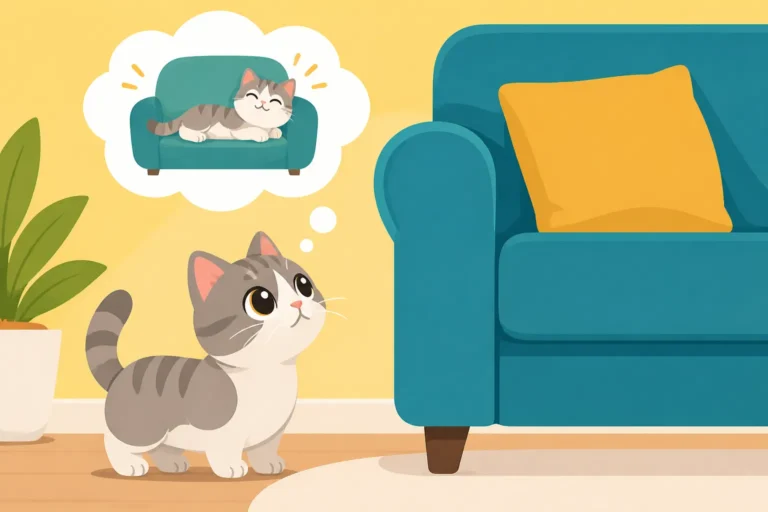
Sometimes, the "prairie dog" sit is more than just curiosity; it’s a direct plea for help or an invitation for interaction. Given their short stature, Munchkins can often find themselves unable to reach certain objects or heights that other cats take for granted. If a favorite toy has rolled under the sofa, or if they desperately want to get onto your lap but can't quite make the jump, sitting up can be their way of signaling their predicament. How a Munchkin Asks When It Cannot Reach You can often involve this distinct posture.
They might combine the sit with soft meows, chirps, or even a gentle pawing motion towards the object of their desire or directly at their human's leg. It’s a polite and effective way of communicating, "I'm stuck down here, and I need your help to get what I want!" Many owners quickly learn to recognize this particular variation of the sit as a clear request for assistance, whether it's to be lifted onto a favored perch or to retrieve a toy.
This behavior can also be subtly reinforced by owners. When a Munchkin sits up and is immediately given attention or assistance, they quickly learn that this posture is an effective way to communicate their needs. It strengthens the bond, as the cat learns that its humans understand and respond to its unique form of communication. So, next time your Munchkin sits up and gazes at you with wide, expectant eyes, consider what it might be trying to tell you – it could be asking for a helping hand, or simply asking you to share a moment of connection.
Potential Concerns and What to Watch For
While the "prairie dog" sit is a natural and endearing behavior for Munchkins, it's natural for owners to wonder if it puts any strain on their unique bodies. Being informed about potential concerns and knowing when to consult a veterinarian is part of responsible Munchkin ownership. Generally, this posture is harmless, but there are always exceptions to be aware of.
Is the "Prairie Dog" Sit Harmful to a Munchkin's Spine?
This is a question that frequently comes up, and it’s a valid concern given the breed’s unique skeletal structure. For a healthy Munchkin with a normal spine, the "prairie dog" sit is generally not considered harmful. As we discussed, their spine is of normal length, and the muscles supporting this posture develop naturally through their daily activities. It's an adaptive behavior, not a painful contortion. Many Munchkins perform this sit dozens of times a day throughout their lives without any apparent ill effects.
However, it's crucial to differentiate between a healthy, fluid "prairie dog" sit and a posture that might indicate discomfort. If your Munchkin's sit appears rigid, strained, or if they struggle to get into or out of the position, it could be a warning sign. Whether the Prairie Dog Sit Strains a Munchkin's Spine is usually answered with "no" in healthy cats, but other underlying conditions could make it uncomfortable. For instance, if a Munchkin is overweight, the extra load on its spine and hind limbs could make any upright posture more strenuous. This is why Why Weight Is More Dangerous on a Munchkin is so critical for these cats. Maintaining a lean body condition is paramount to support their musculoskeletal health.
Ultimately, while the posture itself isn't intrinsically damaging, a Munchkin's overall health and conformation are key. A cat that is predisposed to conditions like What Lordosis Does to a Munchkin, a spinal curvature, might experience discomfort or exacerbated symptoms from prolonged or frequent upright sitting. This is why a thorough veterinary check-up, especially for kittens, is so important to ensure there are no pre-existing conditions that could make the sit problematic.
When to Consult a Vet About the Posture
While a healthy Munchkin's "prairie dog" sit is usually a sign of good health and curiosity, there are specific instances when it warrants a call to your veterinarian. Anytime you notice a significant change in your cat's behavior or physical comfort, it's always best to get it checked out. Pay close attention to how your Munchkin performs the sit.
You should consult a vet if:
- The sit becomes rigid or painful: If your Munchkin used to pop up easily but now struggles, or if they vocalize (meow, hiss) when attempting to sit up, it could indicate pain in their spine, hips, or legs.
- They can't hold the posture: If they appear wobbly, unstable, or can only maintain the sit for very brief periods before collapsing, it might suggest muscle weakness or a balance issue. How Long a Munchkin Holds That Sit can vary, but a sudden decrease in duration is concerning.
- Reduced frequency: If your Munchkin, who once sat up frequently, suddenly stops doing it altogether, it could be a sign of discomfort preventing them from adopting the posture.
- Limping or changes in gait: If the sit is accompanied by a new limp or an altered way of walking, particularly in the hindquarters, it points to a musculoskeletal problem. Remember, Why a Munchkin's Annual Visit Includes Its Gait for a reason – changes can indicate issues like Whether a Munchkin Gets Arthritis Earlier.
- Other symptoms: Watch for other signs of illness, such as lethargy, changes in appetite or litter box habits, or unusual aggression, which, when combined with a change in sitting posture, could indicate a systemic issue.
Regular veterinary check-ups are always the best preventative measure. Your vet can assess your Munchkin's overall musculoskeletal health, including their spine and joints, and address any potential concerns before they become serious. Early detection and intervention are key to ensuring your Munchkin remains comfortable and active throughout its life.
Encouraging and Supporting This Natural Behavior
As owners of these unique felines, our role is to support their natural behaviors in a safe and enriching way. Since the "prairie dog" sit is such an integral part of their personality and how they interact with their world, creating an environment that encourages this curiosity without undue strain is paramount.
Providing Safe Opportunities for Observation
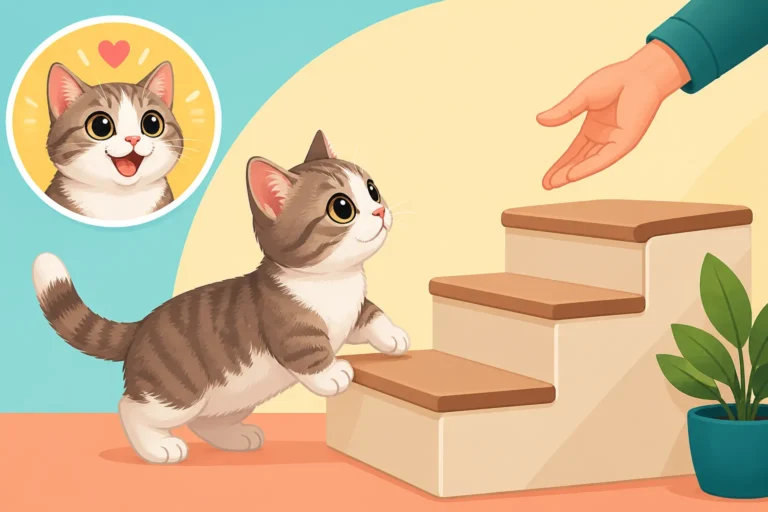
Munchkins thrive on observation. They love to watch the world go by, whether it's through a window or from a safe perch within the home. To support their natural inclination to sit up and survey, you can provide accessible vantage points. Think low-level window perches that they can reach with a single, easy jump or by using a ramp. An Amazon pet ramp can be a great addition to help them reach favorite spots. Look for cat trees with close-set platforms that are easy for them to ascend and descend. Which Cat Tree Layout Suits a Munchkin involves platforms that are not too far apart and easy to navigate for short legs.
Consider placing a sturdy, low stool or a well-placed cushion next to a window or your favorite armchair. This creates an intermediate step that allows them to climb to a higher position, where they can then comfortably adopt their upright sit to take in the views. Remember, Ramps and Steps Are Munchkin Equipment, Not Luxuries; they are essential for giving your Munchkin access to the vertical dimensions of your home that they naturally crave. Ensure any furniture or perches you provide are stable and secure, so your Munchkin feels safe and confident when climbing or sitting upright.
The goal is to provide them with choices, empowering them to reach these observation points independently. This not only supports their physical activity but also enriches their mental well-being by allowing them to satisfy their innate curiosity. A Munchkin that can easily reach a window perch to watch birds or a spot on the sofa to observe family activities is a happier, more stimulated cat.
Enriching Their Environment at Their Level
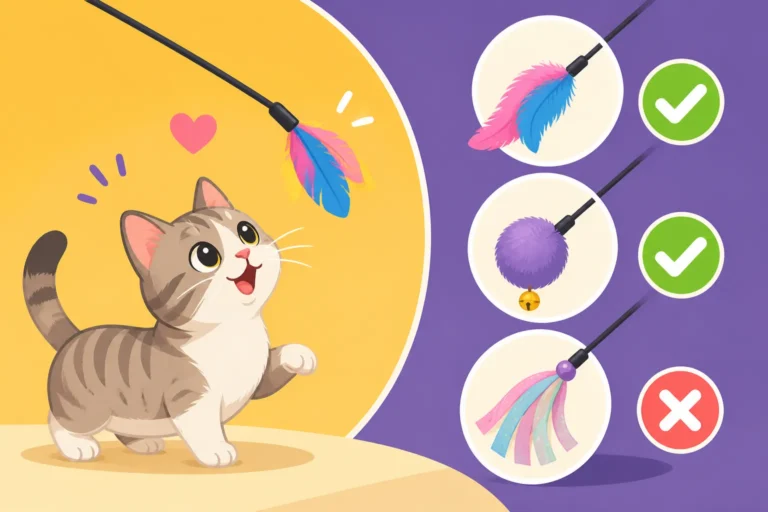
While Munchkins love to sit up and gain height, it's equally important to ensure their primary living space, at floor level, is rich with enrichment. This encourages movement, play, and exploration without constantly relying on vertical access. Providing plenty of floor-level toys is essential. Think about toy mice, crinkle balls, and wand toys that you can use to engage them in play close to the ground. How Much Floor Level Play a Munchkin Needs is often more than a long-legged cat, as it helps them burn energy and stay active in a comfortable way.
Puzzle feeders are also excellent for mental stimulation and slow feeding. Choose ones with low openings or shallow dishes that they can easily reach into without having to stretch or balance precariously. Interactive toys that move across the floor, like robotic mice or automated laser pointers, can provide hours of entertainment and encourage their natural hunting instincts in a way that’s perfectly suited to their short stature.
Regular, dedicated play sessions with you are vital. Use wand toys to mimic prey movements along the floor, encouraging them to chase, pounce, and exercise their full range of motion without demanding strenuous jumps. This not only provides physical exercise, which helps maintain strong muscles and a healthy weight, but also strengthens the bond between you and your Munchkin. By balancing opportunities for upward observation with engaging, floor-level enrichment, you create a stimulating and safe environment that caters perfectly to your Munchkin’s unique needs and personality.
Disclaimer
This article is for general informational purposes only and does not constitute professional advice. Laws, prices and regulations vary by location and change over time. Consult a qualified professional for guidance on your specific situation.