Why a Munchkin Carries Litter on Its Underside
One of the unique challenges of sharing your home with a delightful Munchkin cat is finding bits of litter clinging to their adorable little undersides. It's not just a minor annoyance; it can lead to bigger hygiene issues, skin irritation, and even impact their willingness to use the litter box. If you've ever felt like you're constantly sweeping or wiping down your tiny companion after their bathroom breaks, you're certainly not alone, and this guide is here to help you understand why it happens and what you can do about it.
Understanding the Munchkin's Unique Physique
The very thing that makes Munchkin cats so endearing – their short legs – is also the primary reason they encounter unique hygiene challenges, especially around the litter box. Their distinctive body structure means they interact with their environment in ways that long-legged cats simply don't, leading to frustrating situations like litter sticking to their bellies. It's not a flaw in their character, but a direct consequence of their charming physiology.
The Low Slung Body and Short Legs
Imagine trying to navigate a world built for giants. That's a bit like what it's like for a Munchkin cat. Their short, stubby legs mean that their body, particularly their chest and belly, rides much closer to the ground than a standard domestic cat. This isn't just a matter of aesthetics; it changes everything about their physical interactions, from how they play to how they groom, and most certainly, how they use the litter box. Where a long-legged cat might step over the litter, a Munchkin is often stepping into it with a significant portion of its underside. This difference in elevation is critical. Their short legs are a defining characteristic, a form of dwarfism known as pseudoachondroplasia, which specifically affects limb length while the rest of their body develops normally. This can be fascinating to observe, but also poses practical challenges.
How a Munchkin's Belly Sits Close to the Ground
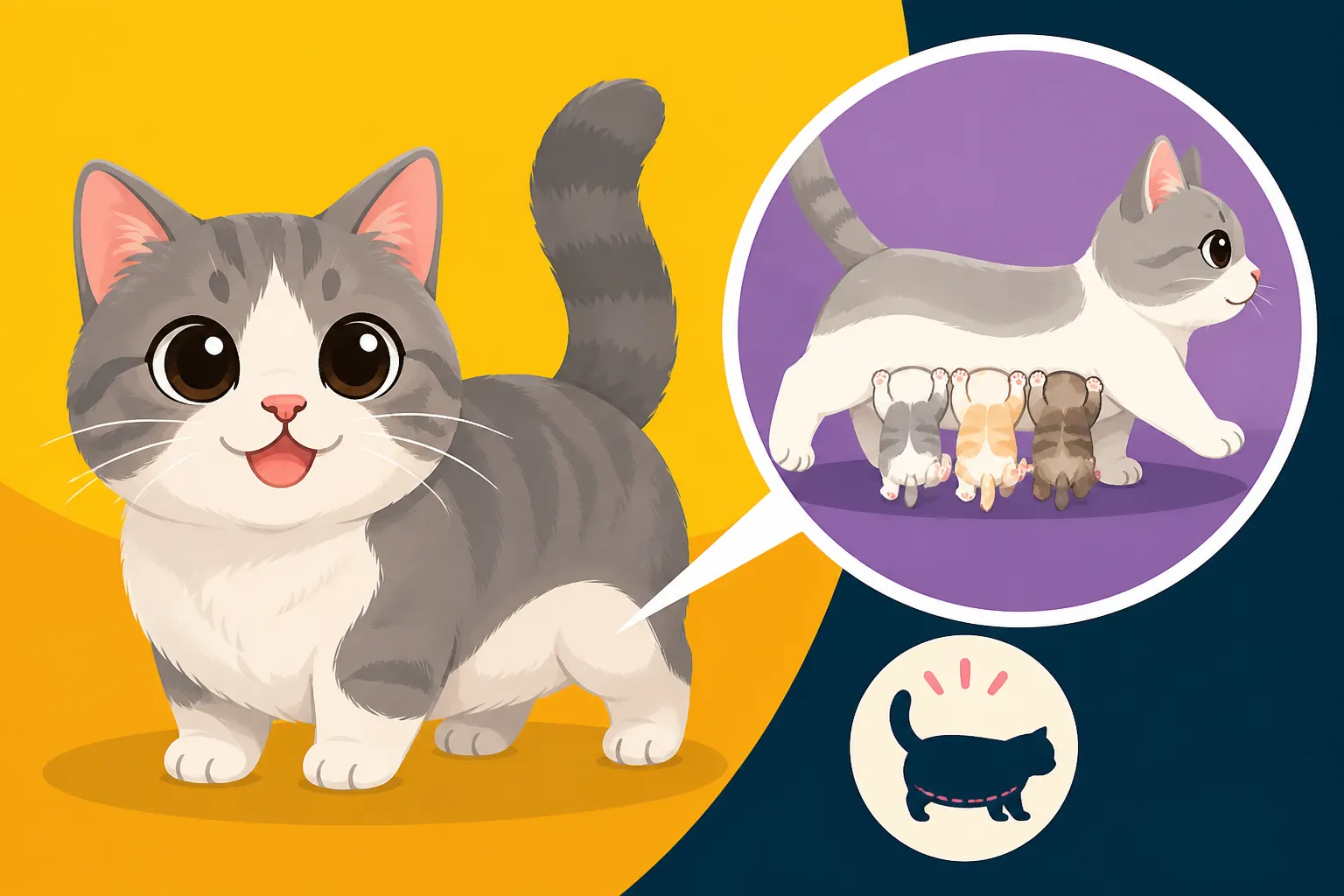
Because of their genetic makeup, a Munchkin's spine and torso are typically of normal length, but their limbs are significantly shortened. This results in their belly and chest being much closer to the ground. When they walk, particularly on softer surfaces like litter, their underside can brush against it. When they squat to do their business, this contact becomes even more pronounced. Think about how much clearance a regular cat has between its belly and the ground, even when squatting; for a Munchkin, that gap is drastically reduced. It's not just a matter of their paws getting dusty; their entire underside, from chest to groin, is often making contact with the litter. This close proximity means that any moisture or static electricity can easily attract and cling to their fur, transforming a routine litter box visit into a full-body dusting session. Why a Munchkin's Belly Nearly Touches the Floor explains this in more detail.
The Challenges of a Normal-Length Body on Short Legs
While their legs are short, their body isn't. A Munchkin cat has a body length comparable to many standard domestic cats, which means they have the same amount of 'body' that needs to be supported, groomed, and navigated through spaces. This combination of a normal-length body with short legs creates a unique set of biomechanical considerations. When they squat, their spine and pelvis are positioned differently relative to the ground. This can sometimes lead to an awkward posture in the litter box, increasing the likelihood of their fur coming into contact with soiled litter. It also means that when they walk away, any litter clinging to their fur, especially on their hindquarters and belly, is perfectly positioned to be carried right out of the box and scattered across your home. Understanding Why a Munchkin's Spine Carries a Load a Normal Cat's Does Not can give you further insight into their unique physical dynamics.
The Mechanics of Litter Adhesion
It's not just the short legs; there's a whole science, or rather, a series of simple physics, behind why litter seems to cling so stubbornly to your Munchkin's fur. Understanding these mechanisms can help you address the problem more effectively, moving beyond just sweeping up stray bits of litter to actively preventing them from getting stuck in the first place.
The Role of Fur Texture and Length
Just like human hair, cat fur varies wildly in texture and length, and this plays a significant role in how easily litter can cling to it. Long-haired Munchkins, with their flowing coats, are often the most susceptible. The fine, silky strands can easily trap individual granules, and if there's any moisture or static, it acts like glue. But even short-haired Munchkins aren't immune. Their fur, though shorter, can still be quite dense, particularly on their bellies and hindquarters. This dense undercoat can create a perfect trap for finer litter particles. Moreover, if the fur isn't regularly brushed and conditioned, it can become rougher or develop static, making it even more appealing for litter to adhere. Think of it like walking through a dusty room in fuzzy socks versus smooth leather shoes – the fuzzier surface will pick up far more. How Often to Brush a Munchkin's Back can help with general grooming advice.
The Act of Squatting and Elimination
This is arguably the most critical moment for litter adhesion. When a cat squats to urinate or defecate, its body naturally lowers. For a Munchkin, whose belly is already close to the ground, this action brings them into direct and often unavoidable contact with the litter. As they position themselves, their underside can sweep across the litter bed, picking up particles. If any urine or feces come into contact with the fur, it creates a sticky surface that litter will readily adhere to. It's a natural function, but for a Munchkin, the physics of it are just stacked against them. The combination of their low stature and the need to assume a specific posture means that their lower abdomen and hindquarters are particularly vulnerable to gathering stray litter.
Accidental Contact During Movement
Even if the initial squatting phase goes relatively smoothly, a Munchkin's low center of gravity and unique gait mean they can pick up litter while simply moving around the box. As they shuffle, dig, and cover their waste, their belly and inner thighs can brush against the litter. Imagine a tiny, furry Roomba, perpetually sweeping the floor. Any swift turns or changes in direction can cause their bodies to briefly dip, maximizing contact. Moreover, if the litter is disturbed or piled up unevenly, it's easier for them to accidentally get their belly into it. This isn't just about static cling; it's about the sheer physical interaction of their low-slung body with the environment of the litter box itself.
Types of Litter and Their Impact
Choosing the right litter is more than just about odor control or clumping ability when you have a Munchkin. For these short-legged wonders, the type of litter can dramatically affect how much ends up stuck to their belly and tracked throughout your home. Making an informed choice can save you a lot of clean-up time and keep your Munchkin more comfortable.
Fine-Grained Clumping Litters: The Biggest Culprit
Many of us love fine-grained clumping litters for their excellent odor control and easy scooping. They form tight clumps that make waste removal a breeze. However, for a Munchkin, these very qualities can be a double-edged sword. The small, lightweight particles readily cling to fur, especially if there's any static electricity or moisture. When a Munchkin's belly brushes against this fine litter, it's like a magnet. The tiny granules get caught in the microscopic barbs of their fur, and their lightweight nature means they don't easily shake off. If any urine splashes or feces cling to the fur, these fine particles create an almost cement-like coating. This is often the primary reason owners report litter sticking to their Munchkin's underside. Which Litter Sticks to a Munchkin's Belly delves deeper into this issue.
Crystal and Pellet Litters: A Different Set of Problems
While large crystal or paper pellet litters might seem like a solution because of their size, they present their own set of challenges. Their larger size means they're less likely to cling to fine belly fur in the same way fine clay litter does. However, they can still be tracked out on paws. More critically, for a Munchkin, these larger, often harder materials can be uncomfortable underfoot or when their belly makes contact. Some Munchkins might even try to avoid using the box if the substrate feels too harsh. Also, while they don't cling as easily, if a pellet does get caught in fur that has come into contact with waste, it can be much harder to dislodge and potentially cause irritation due to its larger size and harder edges. For instance, paper pellets from brands you might find on Chewy or Amazon can be less prone to sticking, but their bulk means they can still get scooped out by a low-slung belly during digging.
The Effectiveness of Dust-Free Formulas
Dust is another major factor in litter adhesion and tracking. Many standard litters, particularly clay-based ones, can produce a significant amount of dust. This dust not only gets into the air (which isn't great for respiratory health, for cats or humans!) but also settles on fur. For a Munchkin, whose body is closer to the ground, they're essentially wading through a dust cloud every time they use the box. This dust easily adheres to their belly fur, and while it might not be as noticeable as larger granules, it contributes to overall grime and can exacerbate skin sensitivities. Opting for truly dust-free or low-dust formulas, available from many brands through retailers like Chewy, can significantly reduce the amount of particulate matter that ends up on your cat and throughout your home.
Here's a quick comparison of litter types and their suitability for Munchkins:
| Litter Type | Pros for Munchkins | Cons for Munchkins | Best For |
|---|---|---|---|
| Fine-Grained Clay (Clumping) | Excellent odor control, strong clumping | Highly prone to sticking to belly fur, high tracking risk | Owners willing to commit to frequent grooming |
| Large Crystal (Silica Gel) | Good odor control, less sticking to fur | Can be uncomfortable underfoot, harder to scoop if stuck | Less belly sticking, but watch for discomfort |
| Paper Pellets | Soft on paws, biodegradable, low dust, less sticking | Less effective odor control, can break down when wet | Sensitive paws, eco-conscious owners |
| Corn/Wheat Based | Natural, clumping, often low dust, softer texture | Can still stick if fine-grained, potential for dust | Good balance of features, check particle size |
| Wood Pellets | Natural, strong odor control, low dust | Harder texture, can track larger pieces, less clumping | Odor control, less sticking, but harder texture |
Litter Box Design: A Critical Factor
Beyond the litter itself, the actual design and placement of your Munchkin's litter box are paramount in preventing that frustrating belly litter. A box that works perfectly for a long-legged cat can be an obstacle course or a hygiene hazard for a short-legged one. It's all about making the entrance, depth, and overall accessibility suitable for their unique needs.
The Pitfalls of High-Sided and Top-Entry Boxes
Many modern litter boxes are designed with high sides or top entry points to contain litter scatter and odors. While these can be great for standard cats, they are a nightmare for most Munchkins. A high-sided box might be impossible for a Munchkin to comfortably step into, leading to stress, reluctance to use the box, or even accidents outside of it. Imagine trying to step over a wall that's almost as tall as your waist – it's just not practical. Top-entry boxes are even worse; they require a significant leap up and into the box, followed by another leap out. This kind of repetitive high-impact jumping is not advisable for a Munchkin, whose skeletal structure, particularly their spine and joints, is already under different stress than that of a long-legged cat. What the Short Legs Actually Cost a Munchkin highlights the importance of minimizing unnecessary strain. Asking a Munchkin to perform such acrobatics can lead to joint issues over time and outright refusal to use the box.
Why Low-Entry Boxes Are Essential
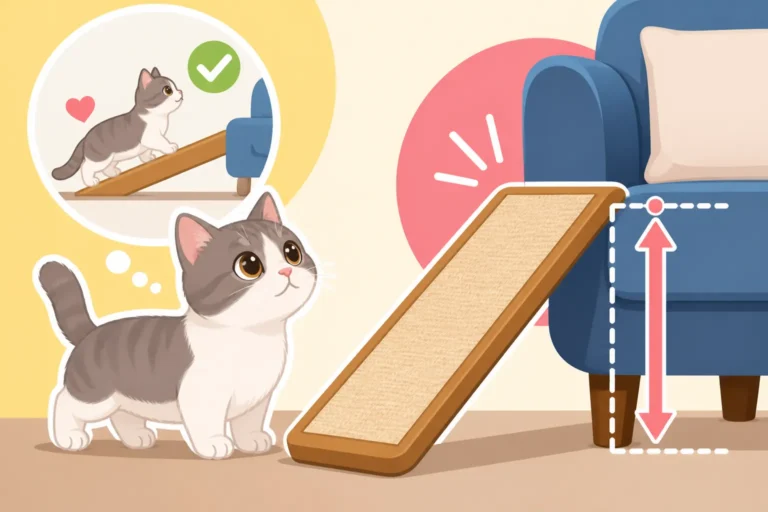
For Munchkins, a low-entry litter box isn't a luxury; it's a necessity. These boxes feature one side that is significantly lower than the others, allowing your cat to simply walk in and out without straining or jumping. This minimal effort entry means less physical contact with the box's rim and reduces the chance of their belly brushing against the edges or creating sudden movements that stir up litter. Think of a senior cat litter box – these are often ideal for Munchkins, too, as they prioritize easy access. The goal is to provide a gentle slope or a very shallow step-over point, making the entire experience as seamless and stress-free as possible. This simple design change can drastically reduce the amount of litter your Munchkin tracks out, as well as prevent potential issues like arthritis in their joints from repeated difficult entries. Check out brands available on Chewy or Amazon for low-entry options. How Low a Munchkin Litter Box Entry Should Be is a great resource to help you find the perfect one.
The Importance of Box Size and Cleanliness
Even with a low-entry design, the size of the box matters. A Munchkin needs ample space inside to turn around, dig, and cover their waste without feeling cramped. If the box is too small, they're more likely to brush against the sides or accidentally step in their own waste, increasing the chances of litter sticking to their fur. The general rule of thumb is a box that's at least 1.5 times the length of your cat from nose to tail base.
Furthermore, cleanliness is paramount. A dirty litter box is not only unhygienic but also directly contributes to litter adhesion. If there are already clumps or soiled areas, your Munchkin has less clean space to maneuver, increasing the likelihood of contact with wet or sticky surfaces. Scooping at least twice a day, and ideally immediately after they use the box, makes a huge difference. Regular full litter changes and washing the box with mild soap and water weekly will also help prevent buildup and keep the environment inviting and clean. A clean box means less chance for wet litter to cling, and a more pleasant experience for your cat, which encourages consistent use. Why a Munchkin Will Go Outside a Box It Cannot Enter if it's not up to their standards.
Grooming and Hygiene Strategies
Even with the perfect litter and an ideal box, a Munchkin's unique anatomy means they'll likely still need a little extra help staying clean. Their short legs prevent them from reaching all parts of their bodies, particularly their hindquarters and belly, for thorough self-grooming. This is where you, as their dedicated caregiver, step in to ensure they remain healthy and comfortable.
The Necessity of Regular Belly Brushing
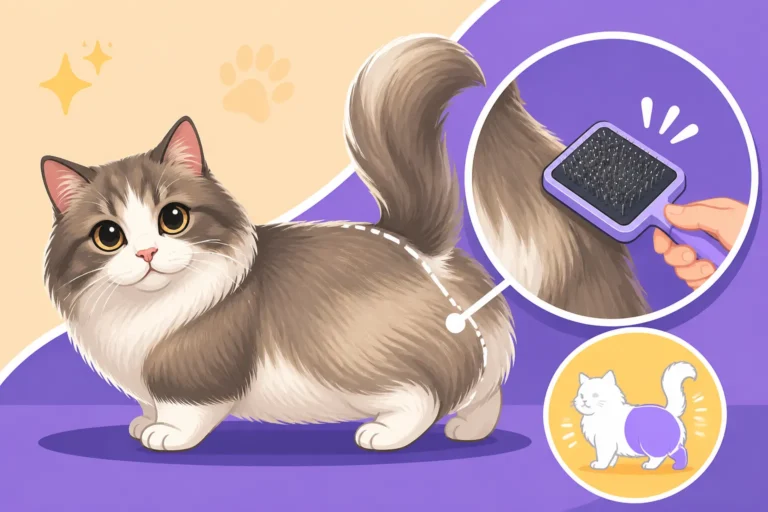
Regular brushing isn't just for aesthetics; it's a crucial part of a Munchkin's health regimen, especially for their belly and hindquarters. Brushing helps remove loose fur, reduces matting, and dislodges any trapped litter particles before they become a bigger problem. For short-haired Munchkins, a soft bristled brush or a grooming mitt used daily can work wonders. For long-haired Munchkins, a slicker brush followed by a fine-toothed comb is essential to prevent mats, which can be particularly stubborn and painful under their arms, on their inner thighs, and around their rear.
Make this a positive experience by starting young and offering treats. Gently lay your Munchkin on their back or side and use slow, soft strokes. This isn't just about removing litter; it's also a chance to check their skin for any irritation, redness, or bumps that might indicate a problem. Consistent belly brushing reduces the surface area for litter to cling to and keeps their coat in top condition. How to Groom a Munchkin's Hindquarters offers more specific tips.
Targeted Sanitary Trims
Sometimes, brushing isn't enough, especially for long-haired Munchkins or those with particularly dense fur around their rear and belly. A sanitary trim (or hygiene clip) involves carefully trimming the fur around their anus, vulva/penis, and inner thighs to create a shorter, cleaner area. This significantly reduces the amount of fur that can come into contact with feces or urine, thereby minimizing the chance of litter sticking to soiled areas.
This is often best done by a professional groomer who is experienced with cats, as the skin in these areas is delicate and easily nicked. However, if you're comfortable and your cat is cooperative, you can attempt it at home with blunt-nosed safety scissors. Always go slowly, use only the tips of the scissors, and pull the fur away from the skin before cutting. Never cut against the skin. A sanitary trim can make a world of difference in keeping your Munchkin clean and preventing painful matting or dingleberries. Whether a Munchkin Needs a Sanitary Clip discusses this important aspect of care.
Gentle Cleaning After Litter Box Use
Despite your best efforts, there will be times when your Munchkin emerges from the litter box with a few clinging bits of litter or a slightly soiled patch of fur. Having some cat-specific grooming wipes (many excellent options are available from suppliers like Chewy) on hand can be incredibly useful for these quick clean-ups. Gently wipe the affected area, taking care not to irritate the skin. If it's just dry litter dust, a quick brush will often suffice.
For more stubborn or soiled areas, a targeted "spot bath" might be necessary. This doesn't mean a full bath, which can be stressful for a cat, but rather washing just the affected area with warm water and a small amount of cat-safe shampoo. Focus on the hindquarters and belly, rinsing thoroughly to ensure no residue is left behind. Pat the area dry with a soft towel immediately afterward. This proactive approach prevents small issues from escalating into matted fur, skin infections, or discomfort for your cat. Remember that Why a Munchkin's Belly Needs Checking Weekly for skin health goes hand-in-hand with this routine cleaning.
Environmental Adaptations for a Cleaner Munchkin
It's not just about the cat and the box; the environment around the litter box and throughout your home plays a significant role in managing litter tracking and ensuring your Munchkin stays clean. Little adjustments to your home can make a big difference in reducing the overall mess and making life more comfortable for your short-legged friend.
Floor Surfaces and Tracking Mats
The type of flooring around your litter box can directly influence how far litter gets tracked. Smooth, hard surfaces like tile or hardwood allow litter to be easily scattered. If your litter boxes are on such a surface, consider placing a litter trapping mat directly in front of and around the box. These mats, often made with textured rubber or carpet-like fibers, are designed to catch litter particles from paws as your cat steps out. You can find a wide variety of effective litter mats on platforms like Amazon.
For Munchkins, you might even consider extending the mat further than you would for a long-legged cat, or placing a series of mats to create a "de-littering" pathway. This provides more opportunity for particles to be dislodged from their paws and belly fur before they venture further into your home. Beyond mats, consider rugs or carpet runners in high-traffic areas where your Munchkin frequents, as these can also help collect stray litter.
Creating a "Clean Zone" Around the Box
Think about the area immediately surrounding your litter box as a "clean zone" that needs to be maintained. This means keeping the floor spotless, free of any loose litter, food crumbs, or other debris that your Munchkin might pick up on their low-slung belly. Regularly sweeping or vacuuming this area, perhaps even a few times a day, can dramatically reduce how much litter is inadvertently carried out.
Consider using a small, handheld vacuum for quick spot cleaning. If you use a washable mat, make sure it's cleaned frequently. By keeping the immediate vicinity of the litter box meticulously clean, you minimize the chances of your Munchkin's belly coming into contact with secondary litter or other particles after their bathroom break, ensuring that even if a few bits cling, they don't pick up more. Whether a Munchkin's Ribs Sit Closer to the Ground means they're constantly interacting with floor surfaces.
Monitoring for Skin Irritation
Despite all your efforts, sometimes litter particles or damp fur can still cause skin irritation for your Munchkin, particularly on their sensitive belly and inner thighs. This is why regular visual checks and gentle palpation (feeling with your hands) are so important. Look for any signs of redness, inflammation, bumps, or hair loss. Your cat might also show signs of discomfort, such as excessive licking or grooming of the area, or reluctance to be touched on their belly.
If you notice any irritation, gently clean the area and keep it dry. If it persists or worsens, a trip to the vet is in order. They can assess for skin infections, allergies, or other underlying issues. Sometimes, a veterinary-prescribed cream or a temporary change in litter might be necessary. Early detection and intervention are key to keeping your Munchkin healthy and comfortable, preventing minor irritation from turning into a more significant skin problem. This is part of the holistic care that helps The Twelve to Fifteen Years a Munchkin Usually Gets be comfortable and healthy.
Disclaimer
This article is for general informational purposes only and does not constitute professional advice. Laws, prices and regulations vary by location and change over time. Consult a qualified professional for guidance on your specific situation.