What an Old Munchkin Needs Once Its Ramps Get Too Steep
It's heartbreaking to watch our beloved Munchkins start to slow down, isn't it? One day they're zipping around, using their ramps with ease, and the next, you notice a hesitation, a struggle, or an outright avoidance of that familiar slope. It's a clear sign that what once served them so well has now become a hurdle. This guide is all about navigating that challenging transition, helping you understand why your senior Munchkin's ramps are no longer working, how to spot the signs they need new solutions, and what practical steps you can take to keep their world accessible, comfortable, and full of joy.
The Inevitable Steepness: Why Old Munchkin Ramps Become a Problem
As our delightful short-legged companions gracefully (or perhaps, a little less gracefully) enter their golden years, the physical demands of navigating even seemingly gentle inclines can become surprisingly burdensome. Those ramps you carefully placed around the house, once their highways to elevated comfort, can suddenly transform into daunting mountains. It’s not just about age; it’s about the specific ways aging impacts a Munchkin’s unique physiology.
The Slow Creep of Arthritis and Joint Stiffness
Imagine trying to climb a slight hill when your knees are aching and stiff. That's a bit like what our senior Munchkins experience. Their distinctive short legs, while endearing, mean their joints, particularly in their shoulders and elbows, bear a different kind of load throughout their lives. Over years of activity, even normal wear and tear can progress into osteoarthritis. What was once a flexible, smooth joint now has rough spots, less cartilage, and inflammation. When they try to ascend a ramp, it requires pushing off with those often-compromised front legs, causing discomfort. Going down can be even worse, as it puts stress on the elbows and shoulders as they brace themselves against gravity.
This isn't just a minor inconvenience; it can be genuinely painful. You might not see them limping overtly, but watch for subtler signs like a slower pace, less willingness to jump even small distances, or a slight tremor in their front legs after exertion. What Osteoarthritis Shows in a Munchkin's Shoulders is often a gradual progression, starting as stiffness and advancing to consistent aches. A ramp that felt like a gentle stroll to their favorite sunny spot now demands too much from stiff, aching joints, turning a simple act into a painful chore.
Muscle Loss and Reduced Strength
Aging is an unfair thief, often stealing muscle mass even in active pets. In Munchkins, this age-related muscle atrophy, especially in their front legs and core, significantly impacts their ability to use ramps. Think about it: pushing oneself up a ramp, or controlling the descent, requires a surprising amount of coordinated strength. As muscles weaken, they simply don't have the power to propel themselves upwards efficiently or to stabilize their body going down. Their short levers (legs) mean they rely heavily on core strength and robust limb musculature for stability and movement.
When a senior Munchkin loses muscle, that vital support system for their spine and joints diminishes. Why an Old Munchkin Loses Muscle Off Its Shoulders First is a common scenario, leaving them less able to manage the forces involved in ramp climbing. They might try, but you'll notice their efforts become more labored. They might pause halfway, panting slightly, or struggle to find purchase. This isn't laziness; it's a physical limitation. They simply don't have the same reserves of strength and endurance they once did, making even a familiar ramp a formidable obstacle.
Vision and Coordination Changes
It's easy to forget that aging affects more than just joints and muscles. Our senior furballs can experience declines in their sensory perceptions, particularly vision and proprioception (their sense of body position in space). A ramp that was once a clear, well-defined path might now appear blurry, or its edges less distinct. Changes in depth perception can make judging the angle or the endpoint of a ramp much harder. Imagine walking up a ramp in dim light with slightly blurry vision; it instantly feels less safe and more precarious.
Furthermore, subtle neurological changes can impact coordination and balance. Their paw placement might become less precise, making them more prone to a misstep. A slight wobble on a ramp can be startling and can quickly erode their confidence. If they've had a minor fall or scare on a ramp due to these sensory changes, they might develop an aversion to it. It’s not that the ramp itself has changed, but their ability to perceive and navigate it safely has. These shifts in vision and coordination, coupled with joint pain and muscle weakness, create a perfect storm that turns their once-friendly ramps into something to be avoided.
Recognizing the Signs: When Your Munchkin Needs Easier Access
It's crucial to be a detective when it comes to your senior Munchkin's comfort. Cats are masters at hiding pain and discomfort, a survival instinct that served their wild ancestors well. But for us, it means we need to be extra vigilant, looking for subtle cues that signal their ramps, and perhaps other aspects of their environment, are no longer serving them. Don't wait for an outright refusal; often, the signs are more nuanced.
Hesitation and Reluctance at Ramps
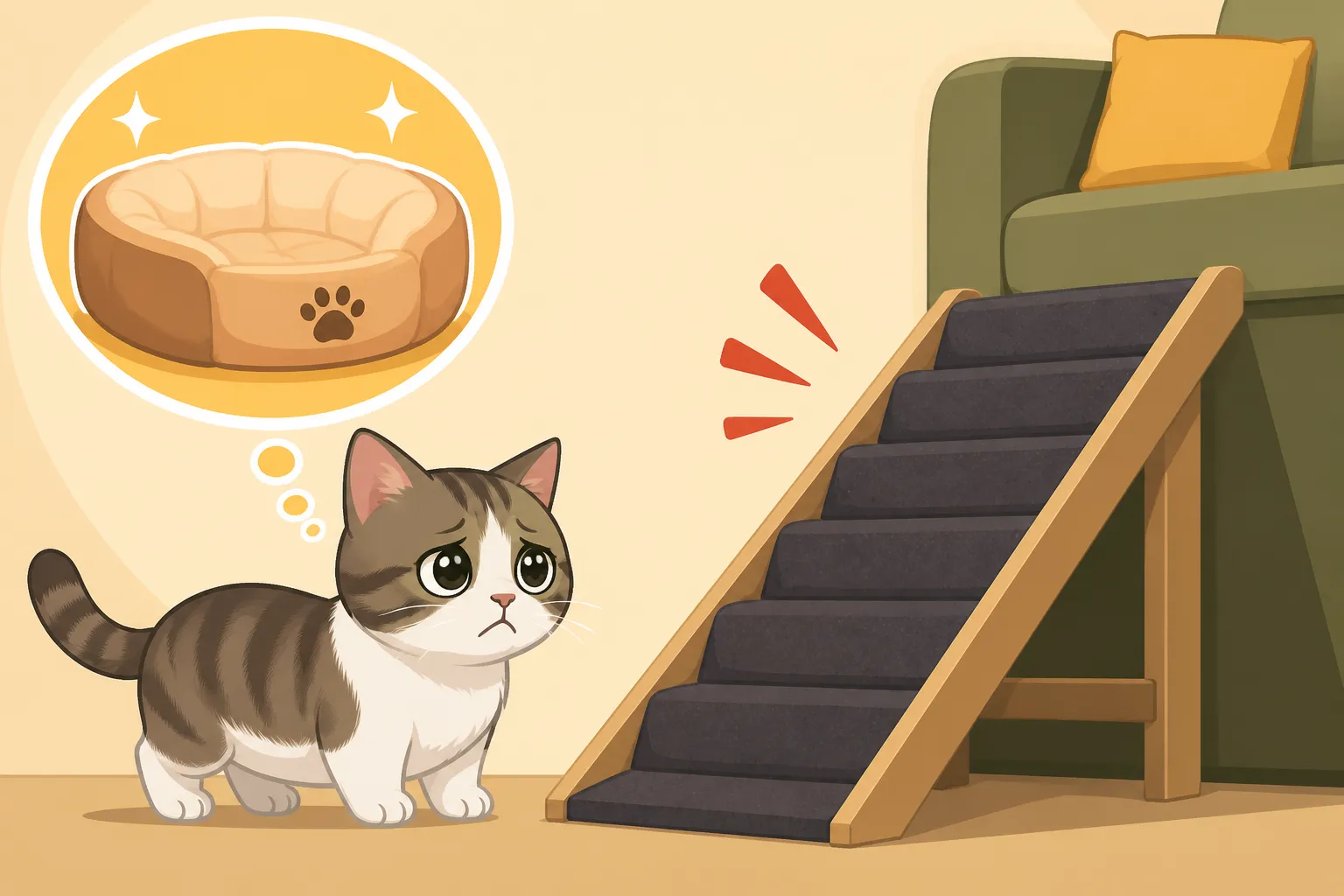
One of the earliest and most telling signs that a ramp is becoming too challenging for your Munchkin is a change in their behavior around it. Remember how they used to zip up to their favorite window perch or snuggle spot on the sofa without a second thought? Now, you might notice them approaching the ramp, pausing, sniffing, and then perhaps turning away. They might circle it a few times, look at you with an almost questioning gaze, or even try to find an alternative, less efficient route, like scaling a stack of low books or boxes next to the sofa instead of using the ramp.
This hesitation isn't just them being finicky; it’s often a silent cry for help. It means they've assessed the task and either anticipate pain, struggle, or a lack of confidence in their ability to make the ascent or descent safely. If they do use the ramp, you might observe them moving much more slowly, with less fluidity, or perhaps a slight stiffness upon reaching the top or bottom. This reluctance can be heartbreaking to witness, as it means their independence is being challenged by something they once found so easy. Pay close attention to these subtle changes in behavior; they are often the first alarm bells.
Changes in Gait and Posture
A senior Munchkin’s gait can tell you a lot about their comfort level. When they’re young and spry, their ferret-like scamper is a joy to behold. As they age, and especially if ramps are becoming problematic, you might notice a shift in how they move. Their walk might become more deliberate, less bouncy. You might see a slight stiffness in their shoulders or a subtle sway in their hips as they compensate for discomfort elsewhere. They might hold their head lower, or their back might appear a little more hunched than before. These are all indicators that something isn't quite right.
Observing how they navigate flat surfaces is equally important. Do they seem to take shorter, choppier steps? Do they avoid stretching out fully? When they rise from a lying position, is it a slow, labored effort rather than a smooth unfolding? How to Tell Stiffness From Old Age in a Munchkin can be tricky, as many symptoms overlap. However, any persistent alteration in their movement, whether it’s a reluctance to fully extend their legs, a preference for sticking to soft surfaces, or a noticeable slowness, should be investigated. These small changes, especially when combined with hesitation at ramps, paint a clear picture of declining mobility.
Increased Napping and Decreased Play
Cats sleep a lot, we all know that! But an increase in overall napping, particularly if it's accompanied by a decrease in previously enjoyed activities, can be a major red flag for pain or discomfort. If your senior Munchkin, who once loved to chase wand toys or bat at crinkle balls, now spends most of their time sleeping, especially in easily accessible, floor-level spots, it could be because moving around hurts. They might choose to nap more because activity is painful, or because the effort required to reach their favorite higher sleeping spots (which previously required a ramp) is simply too much.
This reduction in play isn't necessarily a loss of interest; it's often a pragmatic choice to conserve energy and avoid pain. If they used to greet you at the door with an enthusiastic scamper and now just lift their head, it's a significant change. How an Old Munchkin Stops Being Able to Do the things they once loved is one of the hardest parts of owning a senior pet. When they retreat from interactive play or show less enthusiasm for exploring, it’s not just "old age" – it’s often an indication of underlying discomfort that makes movement, and by extension, play, less appealing. Observing these shifts in their activity levels and playfulness is key to understanding their changing needs.
Reimagining Home Accessibility: Alternatives to Steep Ramps
Once you've identified that your beloved Munchkin is struggling with their existing ramps, it's time to get creative and proactive about adapting your home. The goal is to make their world as navigable and comfortable as possible, minimizing strain on their aging body. This means thinking beyond the traditional ramp and embracing a multi-faceted approach to accessibility.
Gradual Steps and Tiered Platforms
Sometimes, a single long ramp, even if it's not terribly steep, can be more challenging than a series of smaller, more manageable steps. Imagine climbing a long, continuous incline versus a gentle staircase. For a Munchkin with compromised joints and muscles, a long ramp might demand sustained effort that their body can no longer provide. Instead, consider creating a "staircase" of low, wide steps or tiered platforms. The key here is a very shallow rise between each level, perhaps only 2-3 inches, and a deep landing area so they have ample space to rest and adjust before the next step.
You can construct these yourself from sturdy wood or even repurpose low, stable ottomans or storage cubes. The surface should be non-slip – carpet remnants, rubber mats, or even just textured fabric secured firmly can work wonders. These tiered structures can provide access to sofas, beds, or window perches, breaking down a single strenuous climb into several mini-climbs, each requiring less sustained effort. For example, to reach a bed, instead of one long ramp, you could have two or three wide, low steps leading up. This reduces the overall incline and provides secure footing for each individual effort. How Many Steps a Munchkin Needs to Reach a Bed will depend on the height of the furniture and their current mobility, but prioritizing low, wide steps is paramount.
Lowering Furniture and Creating Floor-Level Zones
While ramps and steps are fantastic for helping your Munchkin reach elevated spots, sometimes the best solution is to simply bring the desirable spots down to their level. This might sound drastic, but it can significantly improve their quality of life and reduce daily strain. Think about where your Munchkin loves to sleep, sunbathe, or observe the world. If these spots are currently high up, consider creating equally appealing floor-level alternatives.
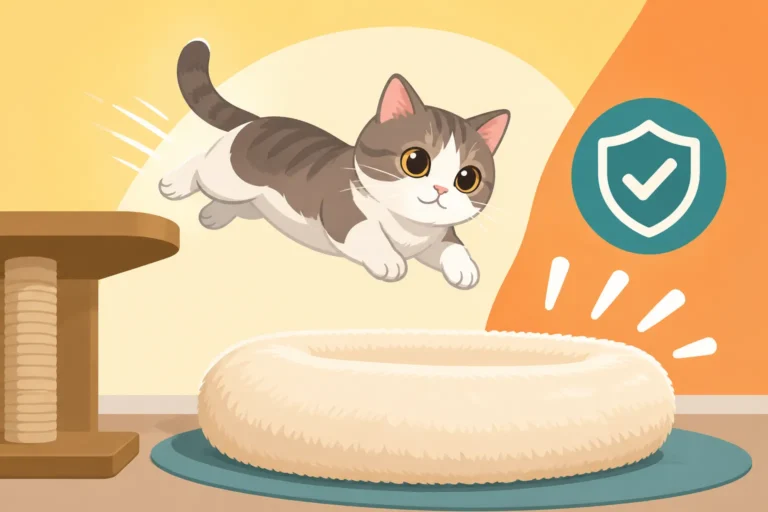
This could mean moving their favorite cat bed from the sofa to a cozy, padded spot on the floor nearby. For window gazing, instead of a windowsill perch they can no longer reach, place a low, sturdy ottoman or a custom-built box directly in front of the window. You can even create an entire "floor-level zone" with their food, water, and a comfortable bed all within easy reach, eliminating the need for any climbing at all in that area. Why an Old Munchkin Needs Its Route Lowered is about respecting their physical limitations and ensuring that essential resources and beloved comforts are always accessible without struggle. Consider a simple cat tree with very low platforms, or even just soft blankets on the floor in a sunny spot. Sometimes, the most effective "ramp alternative" is to eliminate the need for an incline entirely.
Investing in Ultra Low-Entry Aids
Beyond furniture access, think about other daily necessities that might pose a challenge. Litter boxes and carriers are prime examples. An older Munchkin with stiff joints and weakened muscles will find it incredibly difficult to step over the high lip of a standard litter box. The strain on their hips and spine can be painful and lead to accidents outside the box. Look for "senior cat" or "low-entry" litter boxes. These often have one side cut down to just an inch or two off the floor, allowing them to simply walk in without lifting their legs much. You can find these readily available from retailers like Chewy or Amazon, offering a range of styles and sizes.
Similarly, traditional cat carriers with high entry points can be a nightmare for a less mobile Munchkin, requiring an awkward lift or forced entry. Seek out carriers that have a top-loading option or, even better, a large front or side door that unzips or opens wide, allowing your Munchkin to walk in comfortably without having to jump or be contorted. These small adjustments to everyday items can make a world of difference in reducing stress and pain for your senior furball. Which Litter Box a Munchkin Can Actually Enter is a critical question, and the answer almost always points to ultra low-entry solutions.
Tailoring Daily Care for the Less Mobile Munchkin
As our Munchkins age and their mobility decreases, their care needs shift significantly. What worked effortlessly for years might now be detrimental to their comfort and health. It’s not just about getting them to places; it’s about adapting their entire routine to support their aging body and ensure their continued well-being.
Nutrition for Aging Joints and Weight Management
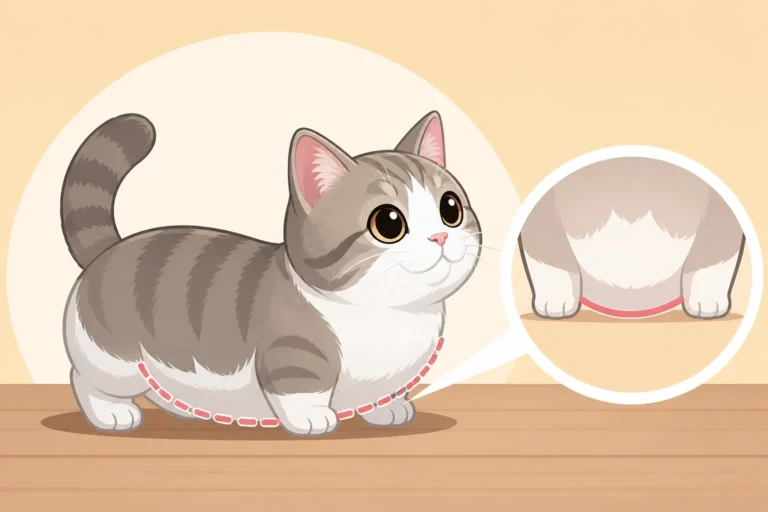
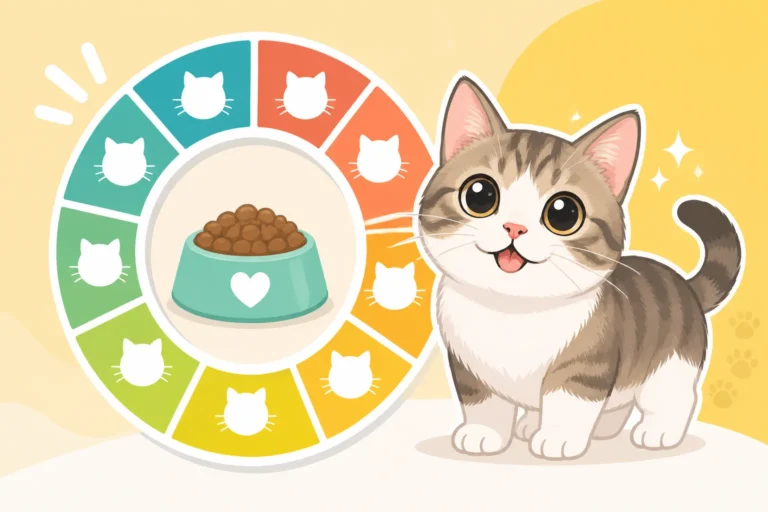
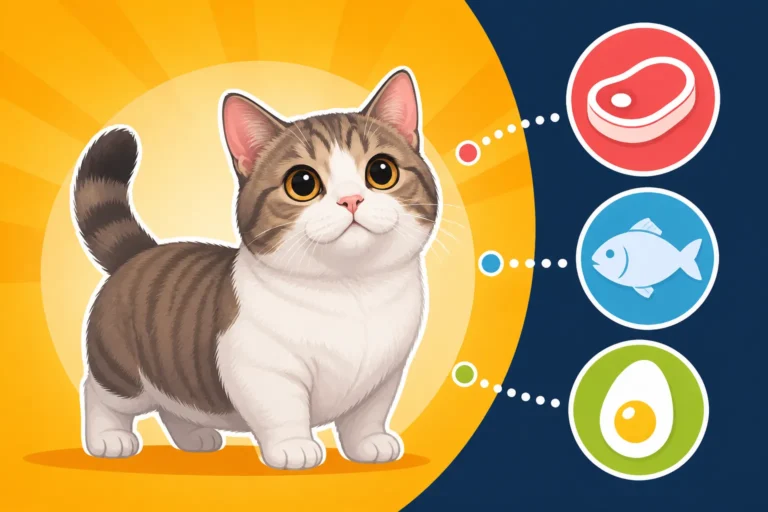
One of the most impactful ways you can support your senior Munchkin is through their diet. Less mobility often means fewer calories burned, which can quickly lead to weight gain. Every extra pound your Munchkin carries puts immense strain on their already compromised joints and spine. Why Weight Control Is the Whole Munchkin Care Plan cannot be overstated. A lean body condition is paramount for their long-term comfort. Consult your vet to determine the ideal weight for your individual cat and adjust their caloric intake accordingly. This might mean switching to a senior-specific food that is lower in calories but still packed with essential nutrients, or simply reducing portion sizes of their current food.
Beyond weight management, look for foods that support joint health. Many premium cat foods now include supplements like glucosamine, chondroitin, and omega-3 fatty acids, which can help reduce inflammation and support cartilage health. While these aren't magic bullets, they can provide valuable support. Even if your Munchkin has always been lean, consider a joint-specific diet as they age. Every bit of nutritional support helps reduce the burden on their short-legged frame.
Enhanced Grooming Support
A younger Munchkin is often quite adept at keeping themselves clean, despite their short legs. However, as they age and their flexibility declines, reaching certain areas becomes increasingly difficult, sometimes impossible. Their hindquarters, underbelly, and the base of their tail are particularly prone to matting and becoming soiled. This isn't just an aesthetic issue; mats can pull on the skin, causing pain and even skin infections, while a dirty rear can lead to uncomfortable skin irritation.
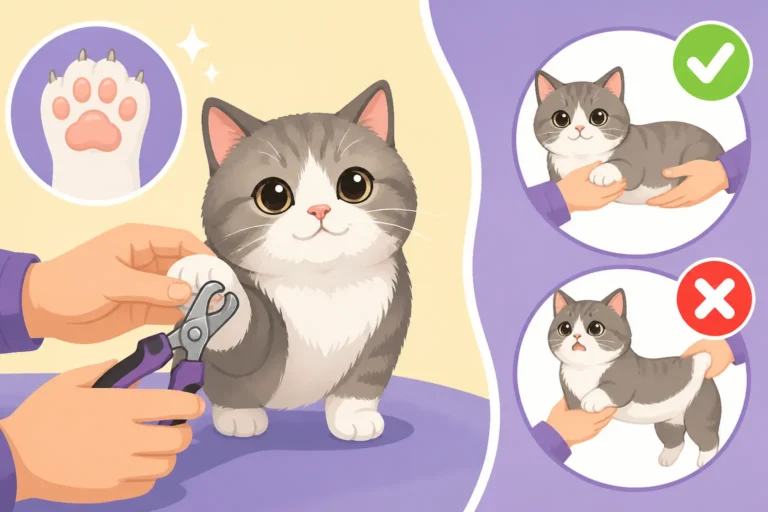
You’ll need to step in and become their personal groomer. Regular brushing, at least a few times a week, is essential, especially for longhaired Munchkins. Pay extra attention to their back half, carefully working out any tangles. You might even need to perform regular "sanitary clips" around their rear end, especially if they struggle after using the litter box. If you’re not comfortable doing this yourself, a professional groomer can often help. How to Take Over an Old Munchkin's Grooming involves patience, gentle handling, and making it a positive experience with treats and praise. This hands-on care is vital not just for hygiene, but also for bonding and allowing you to check for any skin issues or new lumps and bumps.
Accessible Food, Water, and Litter Setups
We’ve already touched on low-entry litter boxes, but it’s worth reiterating the importance of making all essential resources effortless to access. Food and water bowls should be placed at floor level, or ideally, in slightly raised dishes that allow them to eat without bending their necks excessively or straining their shoulders. Many cats prefer wide, shallow bowls to avoid "whisker fatigue," and this is especially true for Munchkins whose short stature might make deep bowls awkward. You can find excellent options on Amazon or Chewy that are designed for comfort.
Consider multiple water sources around the house, all easily reachable, to encourage hydration. For the litter box, remember that How Low a Munchkin Litter Box Entry Should Be is critical, but also consider placement. Your senior Munchkin might need more litter boxes strategically placed in easily accessible, quiet areas of the house. Avoid placing them in basements or rooms requiring stairs if those routes are now challenging. Ensure the pathways to these essential stations are clear and unobstructed. These small considerations remove daily hurdles and ensure your aging Munchkin can meet their basic needs comfortably and with dignity.
Partnering with Your Vet: Medical and Therapeutic Support
While home modifications and daily care adjustments are vital, managing the needs of an aging Munchkin, particularly when ramps become too steep, is truly a team effort that includes your veterinarian. They are your best resource for understanding your cat's specific health challenges and exploring medical and therapeutic interventions that can significantly improve their quality of life.
Pain Management and Anti-Inflammatory Medications
If your Munchkin is struggling with ramps due to arthritis or other joint pain, pain management is likely to be a cornerstone of their care. Your vet can assess the severity of their discomfort and recommend appropriate medications. This might include non-steroidal anti-inflammatory drugs (NSAIDs), which work to reduce inflammation and pain, or other pain relievers. It's crucial to never give human pain medication to cats, as many are toxic. Always follow your vet's specific prescription and dosage instructions carefully.
Beyond daily medications, there might be other options to explore. Some vets recommend injectable therapies, such as polysulfated glycosaminoglycans, which can help support joint cartilage. Your vet can discuss the pros and cons of each option based on your Munchkin's overall health and any other existing conditions. What Pain Relief a Stiff Munchkin Can Take is a conversation you should have openly with your vet to ensure your furball is as comfortable as possible. The goal isn't just to mask the pain, but to improve their mobility and overall well-being so they can enjoy their daily life, even if it's at a slower pace.
Physical Therapy and Mobility Aids
Medical management is often most effective when combined with therapeutic approaches. Physical therapy, though perhaps less common for cats than dogs, can be incredibly beneficial for senior Munchkins. This might involve gentle massage, passive range of motion exercises, or even specific exercises designed to strengthen weakened muscles and improve flexibility. Your vet might be able to refer you to a veterinary rehabilitation specialist in your area.
One often overlooked but highly effective therapy is hydrotherapy. This involves exercising in water, which supports the body and reduces the impact on joints. Whether Hydrotherapy Helps a Munchkin is a resounding yes for many cats, allowing them to move their limbs in ways they might find painful on land. If local facilities offer this, it could be a fantastic way to maintain muscle mass and joint function without exacerbating pain. For very weak or unstable Munchkins, mobility slings or harnesses might be considered for short periods of support during movement, though these are typically more common for dogs. The aim is to keep them as mobile and active as safely possible, preserving their strength and flexibility.
Regular Check-ups and Monitoring
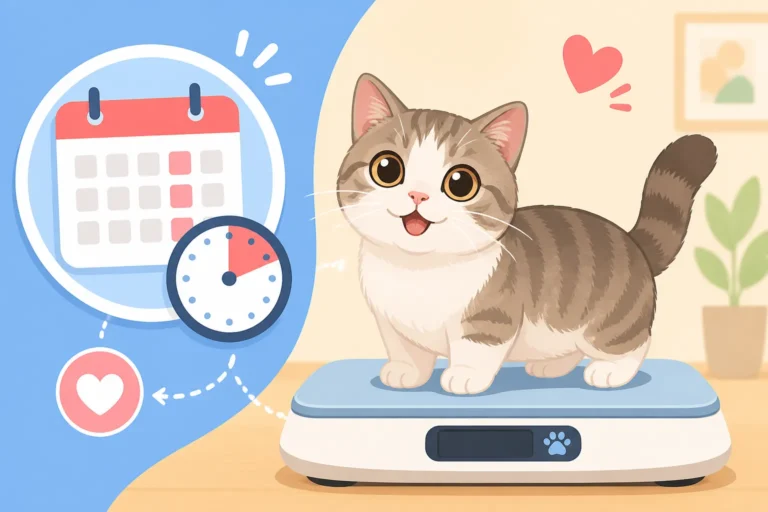
As your Munchkin enters their senior years, regular veterinary check-ups become even more critical. What was once an annual visit should ideally become semi-annual (every six months). During these visits, your vet will perform a thorough physical examination, paying close attention to their gait, joints, and muscle condition. They will also likely recommend routine blood work and urine tests. These tests can help detect age-related conditions like kidney disease, hyperthyroidism, or diabetes early, which can significantly impact their overall health and mobility.
Your vet can also monitor the effectiveness of any pain management strategies and adjust them as needed. They can weigh your Munchkin and advise on dietary changes, helping you maintain that crucial lean body condition. It's also an opportunity to discuss any new concerns you've noticed at home, no matter how small. Which Blood Values Matter Most in a Munchkin can provide a comprehensive snapshot of their internal health, allowing for proactive intervention. Proactive and consistent veterinary care is the cornerstone of ensuring your aging Munchkin remains comfortable and enjoys their golden years to the fullest.
Maintaining Mental & Emotional Well-being
It’s easy to focus solely on the physical aspects of caring for an aging Munchkin with reduced mobility, but their mental and emotional health are just as important. A cat that feels isolated, bored, or frustrated by their limitations can quickly become withdrawn or depressed. Keeping their world engaging and emotionally satisfying is key to their overall quality of life.
Adapting Playtime for Lower Mobility
Just because your Munchkin can’t jump to the same heights or chase a laser pointer across the room with the same gusto doesn’t mean they don’t want to play! You’ll simply need to adapt their playtime to suit their new physical realities. Focus on floor-level games that engage their hunting instincts without requiring strenuous movement. Wand toys are fantastic for this; you can trail them along the floor, allowing your Munchkin to stalk and pounce without having to jump or reach high. Short, frequent play sessions are better than long, exhausting ones.
Puzzle feeders are another excellent way to provide mental stimulation and make mealtime more engaging. Choose feeders that are easy for them to access without having to stand on their hind legs or stretch awkwardly. There are many options available on Amazon or Chewy, from simple treat dispensers to more complex puzzles. These keep their minds sharp and satisfy their natural foraging behaviors. Interactive toys that move on their own at floor level can also provide entertainment when you’re not available to play. The goal is to keep them mentally stimulated and happy, reinforcing that their world is still a fun place.
Creating Comfortable and Secure Retreats
As Munchkins age, they often appreciate quiet, secure spots where they can feel safe and unbothered. With reduced mobility, they might no longer be able to access their once-favorite high perches. So, it's essential to create comfortable, floor-level retreats that are easy to enter and exit. This could be a soft, enclosed cat bed, a cozy box lined with blankets, or even a designated spot under a piece of furniture that's easily accessible.
These safe havens should be in warm, draft-free areas, away from high traffic and noisy household activities. Ensure they have multiple options around the house. Knowing they have a safe, comfortable spot to retreat to can significantly reduce stress, especially if there are other pets or children in the household. It empowers them to choose when and where they rest, which is vital for their emotional well-being. A senior cat, just like a senior human, often values peace and quiet and the ability to comfortably observe their surroundings from a secure vantage point, even if that vantage point is now closer to the ground.
Maintaining Social Interaction and Affection
Even if your senior Munchkin is moving less, their need for social interaction and affection hasn't diminished. In fact, they might crave it even more. Spend quality time with them on the floor, offering gentle pets, soft brushes, and quiet conversation. This reinforces your bond and reassures them that they are still loved and valued members of the family. If they once loved lap time but now struggle to get up, gently lift them onto your lap (supporting their back and hindquarters) and let them settle in.
Be mindful of their body language during these interactions. If they seem uncomfortable or try to move away, respect their cues. Gentle massage, especially around their shoulders and hips, can be soothing and relaxing, potentially easing some of their aches. Regularly checking in with them, offering comfort, and adapting your interactions to their physical state are crucial. A Munchkin that feels loved, secure, and understood, even with reduced mobility, will be a happier, more content companion, truly embracing their golden years.
Disclaimer
This article is for general informational purposes only and does not constitute professional advice. Laws, prices and regulations vary by location and change over time. Consult a qualified professional for guidance on your specific situation.