Why a Munchkin in an Unadapted House Ends Up Rehomed
Bringing a Munchkin cat into a home that hasn't been specifically prepared for their unique physical needs is a common pitfall that, unfortunately, often leads to these wonderful felines being rehomed. Many people fall in love with their adorable short legs without fully grasping the daily challenges a Munchkin faces in a world designed for average-sized cats, leading to a host of frustrations and welfare concerns for both the cat and the unsuspecting owner. This guide will meticulously unpack why an unadapted environment is detrimental to a Munchkin's well-being and how proactive planning can prevent such heartbreaking situations.
The Fundamental Mismatch: Munchkin Needs vs. Standard Home Setup
When we talk about cats, our minds usually conjure images of agile jumpers, graceful climbers, and creatures that effortlessly navigate vertical spaces. This innate expectation of feline capabilities is deeply ingrained in how we design our homes, from countertops to windowsills, and it creates an immediate and profound mismatch for a Munchkin cat.
The Cat's Natural Instincts vs. Physical Limitations
A Munchkin cat, despite its short stature, is still very much a cat at heart. They possess the same inquisitive nature, the same desire to explore, to survey their territory from a high vantage point, and to engage in playful pounces. However, their defining characteristic – Why a Munchkin's Legs Are Short but Its Body Is Not – means their physical ability to act on these instincts is severely limited. They see the same enticing window perches and tall cat trees as any other cat, but they simply cannot reach them. This constant frustration of instinct meeting physical barrier can lead to a cat that feels perpetually thwarted, or worse, one that repeatedly attempts dangerous jumps and climbs, risking injury. Imagine wanting desperately to see what's on the counter but knowing you'll always fall short, or craving the safety of a high shelf but being physically unable to ascend. This isn't just about inconvenience; it's about a fundamental denial of normal feline behavior, which can be deeply unsettling for the cat.
Overlooked Essentials: What a Munchkin Truly Requires
It's easy to assume a cat is a cat, and what works for one will work for all. This couldn't be further from the truth for a Munchkin. Their short legs aren't just a cute quirk; they necessitate a complete rethinking of common household items. A standard litter box with high sides becomes an insurmountable barrier, turning a routine trip into a stressful, potentially messy ordeal. A plush cat bed placed on a chair or a tall cat tree instantly becomes inaccessible. Even something as basic as a scratching post designed for vertical stretching is largely unusable for a Munchkin. What a Munchkin Cannot Reach to Groom is another critical aspect often overlooked, meaning their hygiene needs are greater. What a Munchkin requires isn't luxury, but thoughtful, ground-up adaptation. This means providing items like low-entry litter boxes, ramps or steps for all elevated surfaces, and reachable scratching alternatives. Without these seemingly minor adjustments, a Munchkin's daily life is a continuous series of physical challenges and unmet needs, slowly eroding their quality of life.
Why Ignoring Adaptations Leads to Frustration
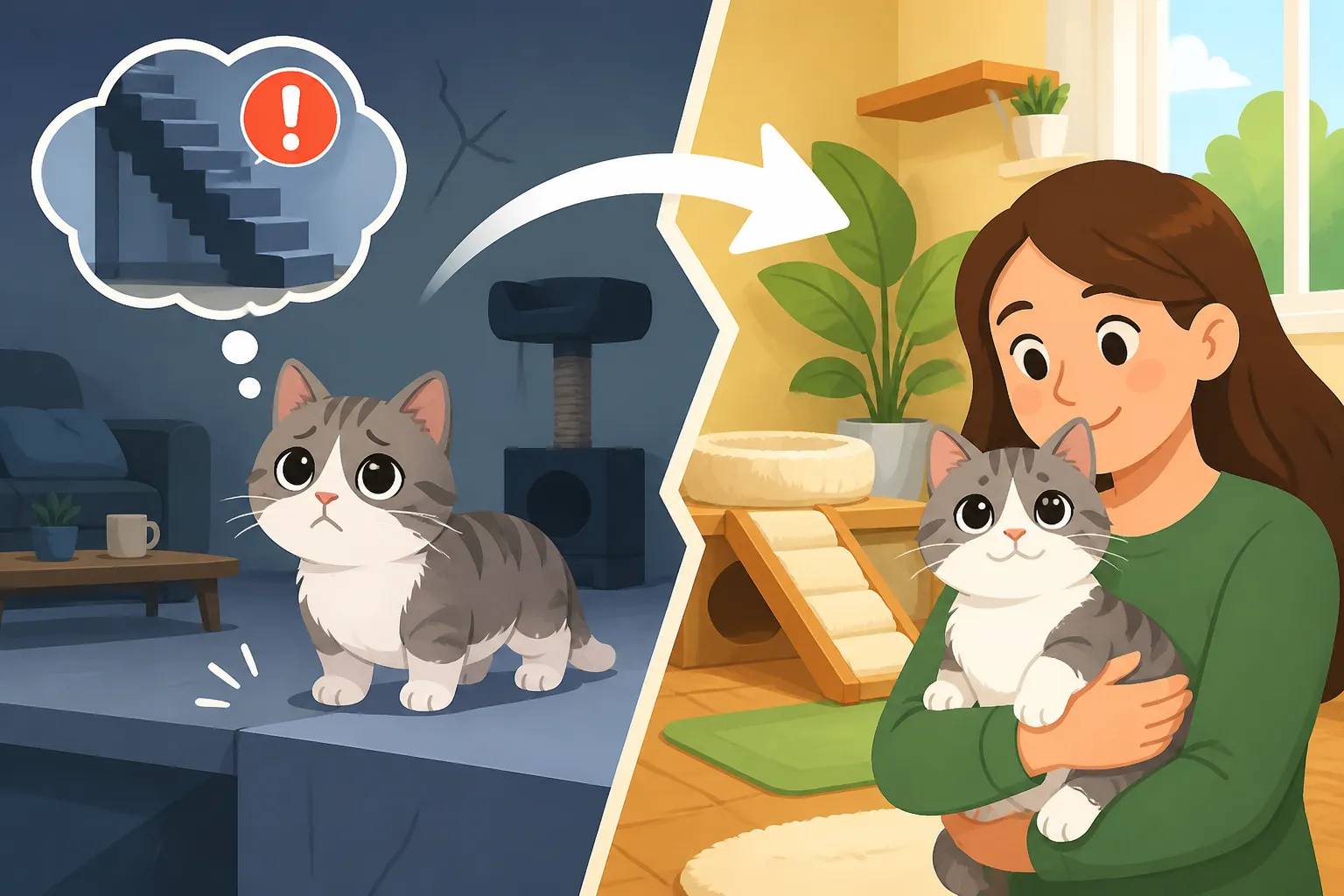
When a Munchkin finds itself in an unadapted home, the daily struggle is very real. They might spend hours gazing longingly at a sunny windowsill they can never reach, or attempt to jump onto a sofa repeatedly, only to slip and fall. These repeated failures aren't just physically taxing; they're mentally frustrating. A cat that cannot perform natural behaviors like climbing, jumping, and surveying its territory might become withdrawn, anxious, or even destructive in an attempt to channel its pent-up energy and instincts. Owners, in turn, might misinterpret these behaviors as naughtiness or a lack of intelligence, when in reality, it's a desperate cry for an environment that accommodates their physical reality. The cycle of cat frustration leading to owner frustration, often born out of a lack of understanding, is a significant driver behind rehoming. When the joy of having a pet is overshadowed by constant concern or perceived behavioral issues, the bond can fray, and the difficult decision to find a more suitable home is often made.
Mobility Challenges and the Unadapted Environment
The most immediate and obvious challenge for a Munchkin cat in a standard home is its mobility. Our homes are full of vertical obstacles that a normal cat takes for granted, but for a Munchkin, they are major hurdles, or worse, outright dangers.
The Struggle to Reach Elevated Surfaces
From kitchen counters to beds, from armchairs to sunny windowsills, elevated surfaces are practically synonymous with cat living. For a Munchkin, however, these are often out of reach. While they might be surprisingly agile on flat ground, their short legs fundamentally limit their vertical leap. How High a Munchkin Can Actually Jump is far less than an average domestic cat. This means they cannot easily join you on the sofa for cuddles unless lifted, or perch on the bed to supervise your morning routine. This isn't just about missing out on prime napping spots; it's about social interaction and feeling like part of the family. A cat that always has to be lifted can feel excluded, and an owner who constantly has to lift their cat might find it becomes a chore rather than a natural interaction. Moreover, if they do manage to scramble onto a surface, getting down can be just as problematic, leading to potentially harmful jumps that stress their unique skeletal structure.
Navigating Stairs and Risky Drops
Stairs are a particular point of contention. While a Munchkin can often navigate a flight of stairs, especially going up, the repetitive motion, particularly going down, puts undue strain on their front legs and spine. Over time, this constant impact can exacerbate or accelerate joint issues. Many owners don't realize the long-term wear and tear this creates until their cat is showing signs of discomfort or pain. What's more, a Munchkin coming down stairs might be more prone to missteps or falls, given their low center of gravity and limited leg extension. Beyond stairs, any drop-off, like from a standard height bed or a window ledge, becomes a significant impact event. A normal cat absorbs these impacts with longer, more flexible legs; a Munchkin's shorter limbs mean the shock is distributed differently, potentially affecting their spine and joints more acutely. Owners might not observe the immediate consequences but often underestimate the cumulative damage.
The Impact on Play and Exercise
A cat's ability to play often involves jumping, pouncing, and climbing. Think about a laser pointer chasing up a wall or a feather wand waving high in the air. For a Munchkin, much of this traditional play is simply inaccessible or requires dangerous attempts. How a Munchkin Changes Direction at Speed and runs quickly on the flat, but if play involves reaching upwards, they are at a disadvantage. This can lead to a less stimulating environment, which in turn can lead to boredom, lethargy, and a propensity for weight gain. Weight gain, in particular, is a serious concern for Munchkins because Why an Overweight Munchkin Is in Real Trouble. Without adequate play and exercise adapted to their capabilities, their physical and mental health can decline. Owners might find their Munchkin isn't as playful as expected, or that they struggle to engage them, leading to a diminished bond and further frustration.
Hygiene and Grooming Hurdles in a Standard Home
Maintaining a cat's hygiene is a fundamental aspect of pet ownership, but for a Munchkin, even the most basic tasks can become complex and demanding if the home isn't adapted.
Litter Box Accessibility Issues
This is perhaps one of the most common and easily overlooked problems. Standard litter boxes, even those considered "low-sided," can present a formidable challenge for a Munchkin. Their short legs mean stepping over a lip that's just a few inches high can require an uncomfortable stretch or a clumsy scramble. This isn't just an inconvenience for the cat; it can lead to serious behavioral problems. A cat that finds its litter box difficult or painful to enter will eventually seek alternative, more accessible spots in the house. This means accidents on the floor, on rugs, or even in planters. Owners, seeing inappropriate urination, might incorrectly attribute it to spite or a lack of training, when the root cause is purely physical. As the frustration mounts on both sides, the cat's behavior can escalate, becoming a primary reason for rehoming. Providing a truly Which Litter Box a Munchkin Can Actually Enter with an entry lip of only an inch or two is critical.
Self-Grooming Difficulties and Matting
Cats are fastidiously clean creatures, spending a significant portion of their day grooming themselves. However, a Munchkin's unique anatomy poses a direct challenge to this natural behavior. With their short legs and low-slung bodies, many Munchkins struggle to reach and properly groom their hindquarters, the underside of their belly, and even parts of their back. What a Munchkin Cannot Reach to Groom can accumulate dirt, dander, and loose fur, particularly in long-haired varieties. This neglected fur quickly leads to mats, which are not just unsightly but can be incredibly painful, pulling on the skin and even causing skin infections if left untended. Owners who are unprepared for this increased grooming responsibility might find themselves overwhelmed. Regular brushing, and sometimes even professional sanitary clips, become essential, adding an unexpected demand to their routine. Without this intervention, the cat suffers discomfort, and the owner faces a growing hygiene problem.
Food and Water Access Without Strain
While it might seem minor, even eating and drinking from standard bowls can put unnecessary strain on a Munchkin's neck and spine. When bowls are placed directly on the floor, a Munchkin has to bend down considerably, arching its back and stretching its short neck uncomfortably. Imagine doing that several times a day for years. Over time, this can contribute to spinal discomfort or exacerbate existing issues. While a Munchkin's body is of normal length, Why a Munchkin's Spine Carries a Load a Normal Cat's Does Not due to their leg conformation. Raised food and water bowls that bring the meal closer to their mouth level can alleviate this strain, allowing them to eat in a more natural and comfortable posture. If an owner hasn't considered these subtle but important adaptations, the cat might eat less comfortably, leading to digestive issues or simply a less enjoyable mealtime experience. Many pet retailers carry ergonomic pet dishes, including raised options, to help make mealtime more comfortable for cats with special needs like Munchkins.
Safety Concerns for a Munchkin in a "Normal" House
A home that seems perfectly safe for a typical cat can present a minefield of potential hazards for a Munchkin, whose physical limitations put them at a disadvantage in many common situations.
Escaping Threats: No High Ground
One of a cat's primary defense mechanisms is its ability to seek high ground when feeling threatened or startled. Whether it's to escape an overly enthusiastic child, a curious dog, or simply to find a quiet refuge, climbing to a high shelf, a cat tree, or the top of a cabinet is a cat's natural instinct. For a Munchkin, this option is often unavailable. Why a Munchkin Cannot Climb Away From Anything means they are fundamentally vulnerable. If they feel cornered or unsafe, they cannot simply leap out of reach. This lack of a natural escape route can lead to chronic stress and anxiety, manifesting as hiding, aggression, or inappropriate urination. An owner might wonder why their cat is always under the bed or seems withdrawn, not realizing that the home offers no safe, elevated sanctuary. This constant feeling of vulnerability can severely impact a Munchkin's quality of life and create ongoing stress for the owner trying to manage it.
Interaction with Children and Other Pets
The inability to escape to high ground becomes particularly critical in households with children or other pets. A toddler, no matter how well-meaning, can easily overwhelm a Munchkin. Children's natural curiosity and sometimes clumsy movements, combined with a Munchkin's inability to quickly retreat, can put the cat at risk of accidental injury or severe stress. Why a Munchkin Cannot Climb Out of a Child's Reach is a huge factor. Similarly, a boisterous dog, even one that is usually gentle, might inadvertently harm a Munchkin if the cat cannot quickly move away or jump to a safe perch. Other cats, particularly larger, more dominant ones, might also bully a Munchkin, knowing it cannot escape or stand its ground effectively. Owners must be hyper-vigilant in these mixed households, creating designated safe zones at floor level and teaching children and other pets how to interact respectfully, but even then, the inherent risk is higher than with a normal-legged cat. Without constant supervision and dedicated safe spaces, the safety and emotional well-being of the Munchkin can be severely compromised.
Household Hazards at Floor Level
Because a Munchkin lives so close to the ground, it's more susceptible to hazards that a taller cat might easily step over or avoid. This includes things like cleaning products stored in low cabinets, electrical cords, certain houseplants, or even small objects dropped on the floor that could be ingested. What might be a minor inconvenience for a regular cat – a spilled liquid or a dropped food scrap – could lead to a messy belly and increased grooming needs for a Munchkin. Furthermore, they are more prone to getting underfoot, especially in busy households, increasing the risk of being accidentally stepped on or tripped over. This means owners must perform a more thorough "Munchkin-proofing" of their home, securing lower cabinets, tidying cords, and being more mindful of what's left on the floor. This added layer of vigilance, if not anticipated, can become yet another unexpected demand on the owner's time and energy.
The Emotional Toll on Both Cat and Owner
The challenges of an unadapted home aren't just physical or logistical; they take a significant emotional toll on both the Munchkin cat and the people who care for them. This emotional strain often paves the way for the heartbreaking decision to rehome.
The Cat's Stress and Behavioral Changes
A Munchkin living in a home where its fundamental needs are unmet is a stressed cat. The constant frustration of unfulfilled instincts, the physical discomfort from struggling with everyday tasks, and the feeling of vulnerability from lacking safe escape routes accumulate over time. This chronic stress can manifest in various behavioral changes. A previously outgoing cat might become withdrawn and reclusive, hiding away to avoid interaction. It might develop litter box avoidance issues, not out of malice but because accessing its box is painful or difficult. Some cats might become anxious, showing signs like excessive grooming, overeating, or even aggression if they feel cornered. These behavioral issues, while rooted in environmental inadequacy, are often perceived by owners as inherent personality flaws or training failures, leading to a breakdown in the bond and a deepening sense of despair for both parties.
Owner Burnout and Unexpected Demands
Bringing a pet into your life is a joy, but it also comes with responsibilities. For owners who adopt a Munchkin without fully understanding its specific needs, the reality of an unadapted home can quickly lead to burnout. The constant need to lift the cat onto furniture, the endless battle with inappropriate urination, the increased grooming requirements, and the perpetual worry about their safety can become an exhausting burden. The initial novelty of their cuteness can wear thin when faced with daily, unexpected demands. Owners might find themselves constantly cleaning up messes, rearranging furniture on the fly, or feeling guilty about their cat's struggles. This relentless cycle of problem-solving and worry can chip away at the joy of pet ownership, leaving owners feeling overwhelmed and inadequate. The financial burden of potential vet visits for injuries or stress-related ailments, even with pet insurance like Healthy Paws, can also add to the pressure, making the situation feel untenable.
The Heartbreak of Unforeseen Challenges
No one brings a pet home expecting to rehome them. The decision to give up a beloved cat is often agonizing and fraught with guilt. However, when faced with a situation where the cat is clearly unhappy or suffering due to an unadapted environment, and the owner feels they've exhausted all options or simply cannot provide what's needed, it becomes a tragic inevitability. The unforeseen challenges – the chronic behavioral issues, the mounting vet bills, the constant vigilance – can make a once-exciting prospect feel unsustainable. The owner's heart might break, but they feel it's the only option left to ensure the cat has a chance at a better, more suitable life. This heartbreak is entirely preventable with proper education and preparation before bringing a Munchkin home, truly understanding What a Munchkin Costs Over Thirteen Years and the adaptations needed.
Preventing Rehoming: Adapting Your Home from Day One
The good news is that nearly all of the challenges mentioned above can be mitigated, if not entirely eliminated, by proactively adapting your home for a Munchkin cat. This isn't just about making their life easier; it's about safeguarding their health, happiness, and ensuring they remain a cherished member of your family for their entire How Many Years a Well Bred Munchkin Lives.
Essential Modifications for a Munchkin-Friendly Home
Creating a Munchkin-friendly environment starts with a fundamental shift in perspective: envision your home from their eye level.
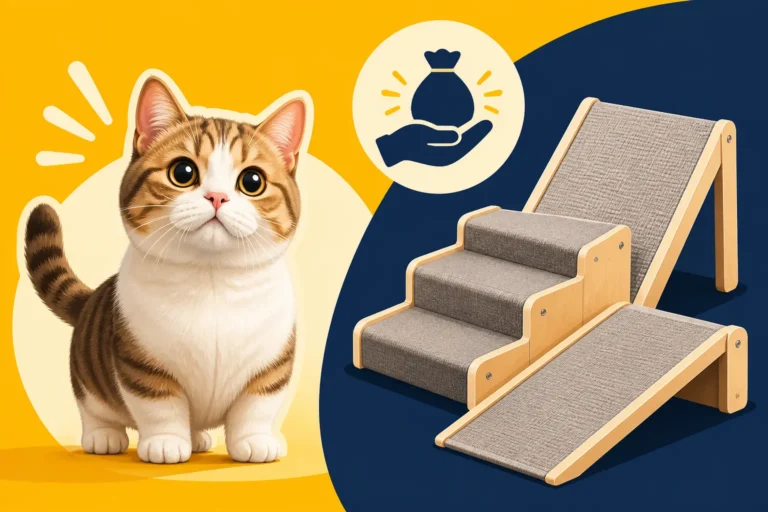
- Ramps and Steps: These are non-negotiable. Every elevated surface your Munchkin might want to access – sofas, beds, window perches, scratching platforms – needs a gentle ramp or a series of shallow, wide steps. How to Set Up Ramps Around a Munchkin's House ensures they can safely and comfortably reach their desired spots without risky jumps. Look for sturdy, carpeted ramps from pet retailers or consider DIY options.
- Low-Entry Litter Boxes: Replace all standard litter boxes with options featuring a very low entry point. Senior cat litter boxes are often a perfect fit for Munchkins. Ensure you have enough boxes in easily accessible locations. Why a Munchkin Will Go Outside a Box It Cannot Enter if it's too difficult.
- Raised Food and Water Bowls: Invest in elevated feeding stations to prevent neck and back strain during meal times. These come in various styles and materials, making it easy to find one that fits your home's aesthetic.
- Floor-Level Enrichment: Since vertical climbing is limited, focus on horizontal and low-level enrichment. Puzzle feeders that sit on the floor, tunnels, soft beds and hiding spots under furniture, and interactive toys that roll or slide are ideal.
- Secure Hazards: Double-check all low cabinets for cleaning supplies, medications, or toxic foods. Secure electrical cords and ensure all houseplants are non-toxic and out of reach. Remember, they spend more time exploring at floor level.
Here's a quick comparison of a standard vs. adapted home for a Munchkin:
| Feature | Standard Home Environment | Munchkin-Adapted Home Environment |
|---|---|---|
| Litter Box Entry | High lip, difficult to access | Very low entry (senior cat boxes ideal) |
| Furniture Access | Requires jumping, risks injury | Ramps or pet steps provided for all elevated surfaces |
| Food/Water Bowls | Floor level, causes neck/back strain | Raised bowls at comfortable eating height |
| Scratching Posts | Tall, vertical, often unusable | Horizontal scratchers, low-height vertical posts |
| Safe Retreats | Primarily high places, inaccessible | Floor-level hiding spots, reachable beds/tunnels |
| Interaction with Kids/Pets | No easy escape, potential for stress/injury | Dedicated floor-level safe zones, controlled access |
| Vertical Play | Limited, frustrating | Focus on horizontal play, tunnels, ground toys |
Proactive Care and Long-Term Planning
Adopting a Munchkin means committing to a lifestyle that embraces their needs for their entire life. This includes ongoing proactive care. Regular grooming, especially for long-haired Munchkins or those who struggle to reach their hindquarters, is paramount to prevent painful mats. Consider scheduled hygiene clips with a professional groomer if self-grooming remains a challenge. Weight management is also incredibly important for Munchkins because of the strain on their unique skeletal structure; Why Weight Is More Dangerous on a Munchkin. Work with your vet to maintain an ideal body condition through diet and appropriate exercise. As your Munchkin ages, their mobility might naturally decrease further. What an Old Munchkin Stops Being Able to Do includes navigating even gentle ramps. Be prepared to reassess your home adaptations, perhaps installing even lower-angle ramps or creating even more ground-level comfort zones. A good breeder, like one whose cattery demonstrates Why a Munchkin Cattery Should Have Ramps in Every Pen, will also educate you on these long-term needs.
Seeking Support and Educating Yourself
You don't have to navigate Munchkin ownership alone. Connect with other Munchkin owners through online forums or local groups. They can offer invaluable tips, share experiences, and provide emotional support. Your veterinarian is also a critical resource. Discuss your Munchkin's unique needs, inquire about joint supplements, and schedule regular check-ups that include assessing their gait and spinal health. Why a Munchkin Kitten Needs an Early Vet Check is crucial for setting a baseline. Continuously educate yourself about the breed, its potential health considerations like Lordosis Is the Spinal Curve the Munchkin Argument Is About, and the best practices for their care. Being informed empowers you to make the best decisions for your cat and prevents misunderstandings that can lead to rehoming. Remember, a Munchkin is a delightful companion who thrives in a home that understands and accommodates their unique charming differences.
Disclaimer
This article is for general informational purposes only and does not constitute professional advice. Laws, prices and regulations vary by location and change over time. Consult a qualified professional for guidance on your specific situation.