How Little a Munchkin Eats Compared With Its Size
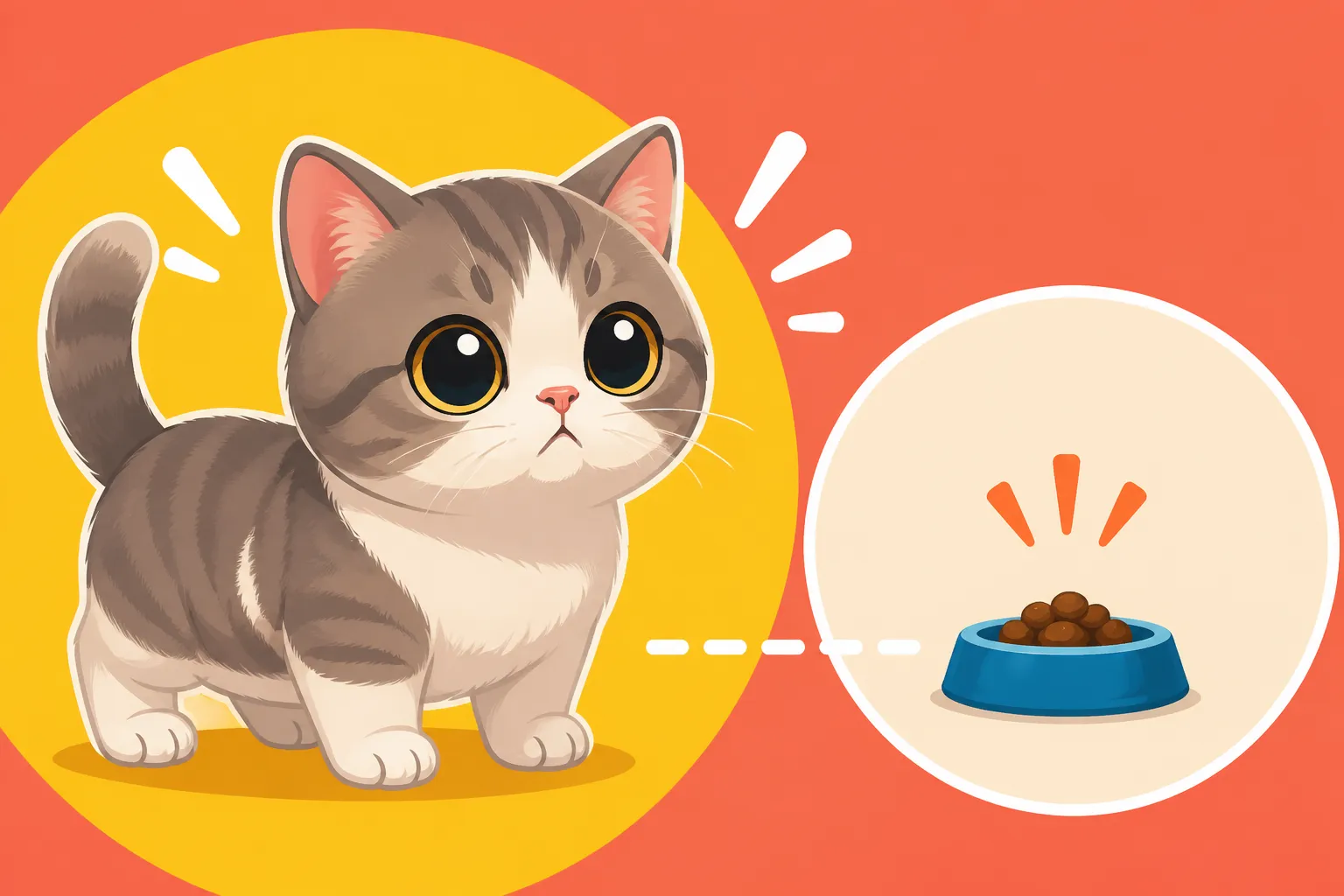
It's incredibly common for new Munchkin cat owners to feel a little bewildered by their furry friend's appetite. You might expect a smaller, often active cat to be constantly begging for food, or conversely, worry they're not eating enough because they just don't seem to clear their bowl like other cats. The truth is, Munchkins often eat significantly less than cats of a similar body size but with normal leg length, and understanding why is key to their long-term health. This guide will walk you through the nuances of a Munchkin's metabolism, how to accurately assess their dietary needs, and how to keep them healthy without the risks of overfeeding.
The Surprising Reality of a Munchkin's Calorie Needs
When you bring home a Munchkin, it's easy to assume their energy requirements are similar to other cats, perhaps just scaled down for their stature. But their unique physical characteristics mean their bodies process and utilize energy in a distinctly different way, leading to lower overall calorie needs than many people anticipate.
Why Their Short Legs Influence Their Metabolism
The most defining feature of a Munchkin is, of course, their short legs. While they are incredibly agile and playful, these shorter limbs fundamentally change how they move through the world and, consequently, how much energy they expend. Think about it: a standard cat might leap effortlessly onto a countertop, requiring a burst of muscular energy. A Munchkin, however, is much more likely to find a series of smaller steps or ramps, or simply ask to be lifted. They often prefer to stay grounded, relying on their surprising speed and quick turns rather than high jumps. How Fast a Munchkin Runs on Level Ground
This reduced verticality and reliance on efficient ground movement translates directly into fewer calories burned. They don't have to launch themselves into the air as frequently, nor do they engage in the strenuous climbing and scaling that many other breeds enjoy. Even their adorable "prairie dog sit," where they stand on their hind legs to get a better view, is a more energy-efficient way to survey their surroundings than, say, leaping onto a tall cat tree. The Prairie Dog Sit Only a Munchkin Does While undeniably active and playful, their activity tends to be lower impact on their joints and lower energy-intensive overall. Your Munchkin might zoom around the living room like a tiny ferret, but they simply aren't expending the same caloric energy as a cat that regularly navigates high spaces or jumps from great heights. This means their internal engines run a little cooler, requiring less fuel to maintain their ideal body weight.
The Hidden Dangers of Overfeeding a Munchkin
Given their naturally lower calorie expenditure, overfeeding a Munchkin cat is alarmingly easy to do, and the consequences can be much more severe for them than for a normal-legged cat. Every extra gram of weight a Munchkin carries places disproportionate stress on their spine and developing joints. Their unique conformation means their spine already carries a load that a normal cat's does not, due to the way their short legs affect their gait and posture. Why a Munchkin's Spine Carries a Load a Normal Cat's Does Not
When a Munchkin becomes overweight, this strain intensifies exponentially. Imagine carrying a heavy backpack all day, every day; that's what even a few extra pounds can feel like for your short-legged companion. This added stress significantly increases their risk of developing or exacerbating joint problems like arthritis, particularly in their front legs and shoulders, which bear the brunt of their movement. How Arthritis Shows in a Munchkin's Front Legs It can also worsen conditions like lordosis, a spinal curvature that some Munchkins are prone to, by compressing internal organs and causing discomfort. What Lordosis Actually Is in a Munchkin Beyond skeletal issues, an overweight Munchkin is also at higher risk for common feline ailments such as diabetes, heart disease, and liver problems, just like any other cat. However, their physical limitations mean these conditions can impact their quality of life even more drastically, hindering their already adapted movement and leading to a more sedentary, and potentially painful, existence. Why Weight Is More Dangerous on a Munchkin Preventing obesity is, therefore, arguably the single most critical aspect of caring for a Munchkin cat.
Decoding Your Munchkin's Diet: Quantity vs. Quality
Understanding that your Munchkin has lower caloric needs is the first step, but translating that into a practical feeding plan requires a bit more knowledge. It's not just about cutting back on food; it's about providing the right kind of food in the right amount to support their health.
Estimating the Right Portion Size for Your Munchkin
Determining the exact portion size for your Munchkin isn't a one-size-fits-all equation. A typical adult cat might need anywhere from 20-35 calories per pound of body weight, depending on their activity level, age, and metabolism. For a Munchkin, you'll often find they thrive closer to the lower end of this spectrum, or even below it, particularly if they are less active or prone to gaining weight. The key is to remember that these are general guidelines, and your Munchkin is an individual with their own unique metabolic rate.
Start by looking at the feeding guidelines on your cat food packaging, but treat them as a starting point, not a strict rule. Many commercial cat foods provide a range, and you'll likely want to aim for the lower end of that range for your Munchkin, or even less. The real trick is consistency and precision. Invest in a small digital kitchen scale to accurately weigh out their food portions. Why a Munchkin's Portion Should Be Weighed Scooping by eye or using measuring cups can lead to significant overfeeding, especially with dense dry kibble. For instance, a half-cup scoop of kibble can vary by 20% or more depending on how tightly packed it is, which can add up to hundreds of extra calories over a week.
| Food Type | General Calorie Range (per cup) | Munchkin Adjustment |
|---|---|---|
| Dry Kibble | 300-500 kcal | Start at lower end, weigh precisely |
| Wet Food (Cans) | 80-200 kcal (per 5.5 oz can) | Excellent for hydration & portion control |
| Raw/Fresh Food | Varies widely | Consult brand, weigh precisely |
When feeding wet food, the higher moisture content can be beneficial, providing hydration and often making cats feel fuller on fewer calories. For fresh food options, follow the feeding guidelines, which should reflect your cat's weight and activity. Always factor in any treats you give throughout the day, as these calories add up quickly and can derail even the most carefully planned diet.
It's absolutely vital to partner with your veterinarian on this. During their annual check-up, your vet can help you determine your Munchkin's ideal body weight and a specific daily calorie target. They can also provide guidance on adjusting portions based on your cat's age, activity, and any underlying health conditions.
Choosing the Best Food for a Munchkin's Unique Needs
Beyond just the quantity, the quality of the food you offer your Munchkin plays a crucial role in their overall health and well-being. Given their genetic predisposition to certain skeletal and joint concerns, opting for a diet that actively supports these areas can make a significant difference.
Look for high-quality cat foods that list real meat (like chicken, turkey, or salmon) as the first few ingredients. Cats are obligate carnivores, meaning they thrive on a diet rich in animal protein. Avoid foods with excessive fillers like corn, wheat, or soy, which offer little nutritional value and can contribute to weight gain without providing satiety.
Many premium cat foods, especially those geared towards joint health or senior cats, include beneficial supplements like glucosamine, chondroitin, and omega-3 fatty acids. These nutrients are known for their anti-inflammatory properties and their ability to support cartilage health. While supplements aren't a magic bullet, incorporating them into your Munchkin's diet through their food or as a separate addition (under vet guidance) can provide valuable support for their joints, which are under continuous stress due to their conformation. Consider brands readily available through retailers like Chewy, which often stock a wide variety of specialized diets.
Avoid the temptation to free-feed your Munchkin, leaving a bowl of kibble out all day. Why a Bowl Left Down Is Dangerous for a Munchkin This "all you can eat" approach makes it incredibly difficult to monitor their actual intake and almost guarantees overfeeding, leading to the problems we discussed earlier. Instead, stick to scheduled, weighed meals. Also, consider the ergonomics of their feeding station. Because of their short legs, a Munchkin might strain their neck and shoulders if eating from a bowl placed directly on the floor. Raised food bowls, especially those designed for flat-faced breeds or senior cats, can make mealtime much more comfortable by allowing them to eat without stooping excessively. Why a Munchkin's Food and Water Belong at Floor Level This minor adjustment can help prevent unnecessary strain on their delicate spine and front joints during a daily activity.
Practical Strategies for Managing Your Munchkin's Intake
Managing a Munchkin's diet isn't just about what you put in their bowl; it's also about how you monitor their progress and incorporate healthy habits into their daily routine. This proactive approach ensures they stay at a healthy weight and maintain their spirited, playful nature.
Monitoring Weight and Body Condition Score
The scale is your friend when it comes to a Munchkin. Because their unique body shape can sometimes mask weight gain, a weekly weigh-in at home is an invaluable tool. How Often to Weigh a Munchkin at Home You can use a baby scale or simply weigh yourself, then weigh yourself holding your Munchkin, and subtract the difference. Keep a simple log to track trends. Even small fluctuations can signal a need for dietary adjustment.
Beyond the numbers, learn to assess your Munchkin's Body Condition Score (BCS). This hands-on method gives you a better sense of their fat reserves.
How to Score a Munchkin's Body Condition
Body Condition Score (BCS) for Cats (Simplified)
| Score | Appearance | What You Feel | Action |
|---|---|---|---|
| 1 | Ribs, spine, pelvic bones visible. No fat. | Ribs, spine, pelvic bones easily felt. No fat covering. | Severely underweight. Vet urgent. |
| 2 | Ribs, spine easily visible. Minimal fat. | Ribs, spine easily felt. Very thin fat covering. | Underweight. Adjust diet up. |
| 3 | Well-proportioned. Ribs palpable. | Ribs easily palpable with minimal fat covering. | Ideal. Maintain current diet & activity. |
| 4 | Slightly rounded. Ribs hard to feel. | Ribs palpable with moderate fat covering. | Overweight. Adjust diet down, increase activity. |
| 5 | Obese. Abdomen distended. | Ribs very difficult to feel. Heavy fat covering. | Obese. Vet consultation needed for weight loss plan. |
For a Munchkin, feeling their ribs can be a little different because their short legs mean their chest sits closer to the ground, and their body might naturally look a bit rounder even when lean. How to Feel a Munchkin's Ribs Don't just look for a prominent waist from above, as their structure can make that less obvious. Instead, run your hands along their sides. You should be able to easily feel their ribs with just a thin layer of fat over them, like feeling the back of your hand. If you have to press hard to feel the ribs, or if their spine feels overly padded, they're likely carrying too much weight. This "round" appearance doesn't always indicate fat; sometimes it's just their low-slung build. Why a Munchkin Looks Round Even When Lean However, vigilance is key, because extra pounds settle quickly and insidiously on their small frames. If your Munchkin is creeping towards a BCS of 4 or 5, it's definitely time to cut back on portions and consult your vet for a tailored weight loss plan.
Smart Snacking and Enrichment for Munchkins
Let's be real: we all love to spoil our pets, and treats are a big part of that. But for a Munchkin, every treat counts. Instead of mindlessly doling them out, integrate treats thoughtfully into their daily calorie budget. Which Treats Fit Inside a Munchkin's Weighed Ration Choose small, low-calorie options, or even better, use a portion of their regular kibble as treats.
One fantastic way to "feed" treats and provide mental and physical enrichment is through puzzle feeders. These toys require your Munchkin to work a little to get their reward, slowing down consumption and making mealtime more engaging. There are many types of puzzle feeders, from balls they roll to dispense kibble to complex boards with nooks and crannies. Ensure you select feeders that are easily accessible for a short-legged cat. Look for ones with wide openings or low-to-the-ground designs so they don't have to stretch uncomfortably. Which Puzzle Feeders a Munchkin Can Reach Into This turns feeding into a stimulating activity that burns a few extra calories, which is particularly beneficial for cats with lower overall energy expenditure.
Beyond food-related enrichment, make sure your Munchkin has plenty of opportunities for floor-level play. While they might not be scaling drapes, they love chasing toys, batting at feather wands (held low, of course!), and engaging in interactive games. How Much Floor Level Play a Munchkin Needs This keeps their muscles toned, their minds sharp, and helps manage their weight naturally. Remember to always provide fresh water in low, easily accessible bowls, as proper hydration is essential for all cats, including Munchkins.
Long-Term Nutritional Care and Vet Partnership
Caring for a Munchkin's dietary needs is an ongoing journey that evolves as they move through different life stages. A proactive approach, in close partnership with your veterinarian, will ensure your short-legged companion enjoys a long, healthy, and happy life.
Adapting Diet as Your Munchkin Ages
Just like us, cats experience changes in their metabolism and activity levels as they get older. When your Munchkin reaches around 7-10 years of age, they are generally considered to be entering their senior years. When a Munchkin Counts as Senior At this point, their metabolic rate tends to slow down even further, meaning they burn fewer calories at rest. This necessitates an even stricter approach to calorie control to prevent unwanted weight gain, which, as we've discussed, can be particularly detrimental to a Munchkin's joints and spine.
Senior Munchkins may also become less active, preferring naps to spirited play sessions, further reducing their daily energy expenditure. Their diet should reflect this change, often requiring a reduction in overall calories while still providing highly digestible, nutrient-dense food. Some senior-specific cat foods are formulated with fewer calories but increased levels of beneficial ingredients like joint supplements (glucosamine, chondroitin) and Omega-3 fatty acids to combat inflammation and support aging joints. They might also include specific protein levels to help maintain muscle mass, which can naturally decrease with age. Discussing these specialized diets with your vet can help you choose the best option to support your Munchkin through their golden years, keeping them comfortable and mobile for as long as possible. Remember that arthritis can begin to show in a Munchkin's front legs earlier than expected, and diet can play a supportive role. How Arthritis Shows in a Munchkin's Front Legs
The Vet's Role in Your Munchkin's Nutritional Health
Your veterinarian is your most important ally in managing your Munchkin's nutritional health throughout their life. Regular check-ups are non-negotiable, providing opportunities for your vet to assess their weight, body condition, and overall health. During these visits, don't hesitate to ask questions about their diet. Your vet can provide precise calorie recommendations tailored to your Munchkin's individual needs, taking into account their age, activity level, and any specific health concerns.
They can also guide you on the best type of food – whether a specific kibble, wet food, or even a home-prepared diet (if carefully balanced and vet-approved) is most suitable. For senior Munchkins, regular blood tests can monitor organ function, especially kidneys and thyroid, which are common areas of concern in older cats. Which Blood Values Matter Most in a Munchkin The results of these tests can inform dietary adjustments, such as switching to a kidney-supportive diet if needed. If your vet recommends joint supplements, they can also advise on appropriate dosages and reputable brands. Considering pet insurance, such as Healthy Paws, early in your Munchkin's life can also be a smart financial move. It can help cover the costs of these essential annual check-ups, diagnostic tests, and any potential treatments for age-related conditions or other health issues that may arise, allowing you to prioritize your Munchkin's health without financial strain. Collaborating closely with your vet ensures that your Munchkin receives the personalized nutritional care they need to thrive at every stage of their unique life.
Disclaimer
This article is for general informational purposes only and does not constitute professional advice. Laws, prices and regulations vary by location and change over time. Consult a qualified professional for guidance on your specific situation.