Why a Munchkin’s Annual Visit Includes Its Gait
As a Munchkin cat owner, you probably already know that these adorable, short-legged felines come with their own unique set of considerations. It's completely natural to worry about how their distinct physique impacts their long-term health and mobility. That's why, when you take your beloved Munchkin to their annual vet visit, you'll find that one of the most critical parts of the examination involves a close look at how they move. This isn't just a casual observation; it's a deep dive into their gait, and understanding why it's so important can help you be an even more proactive and informed pet parent. This guide will walk you through exactly why your vet focuses so much on your Munchkin's walk and what they're looking for to ensure a happy, healthy life for your furry friend.
The Unique Physical Challenges of a Munchkin's Gait
Let's be real, a Munchkin's short legs are what make them so distinctive and charming. But those short legs also mean their bodies move and bear weight in ways that are fundamentally different from their long-legged feline cousins. It's not just a cute quirk; it has real implications for their musculoskeletal system, and understanding this is the first step in appreciating why gait assessment is so vital.
Understanding the Impact of Short Legs on Movement
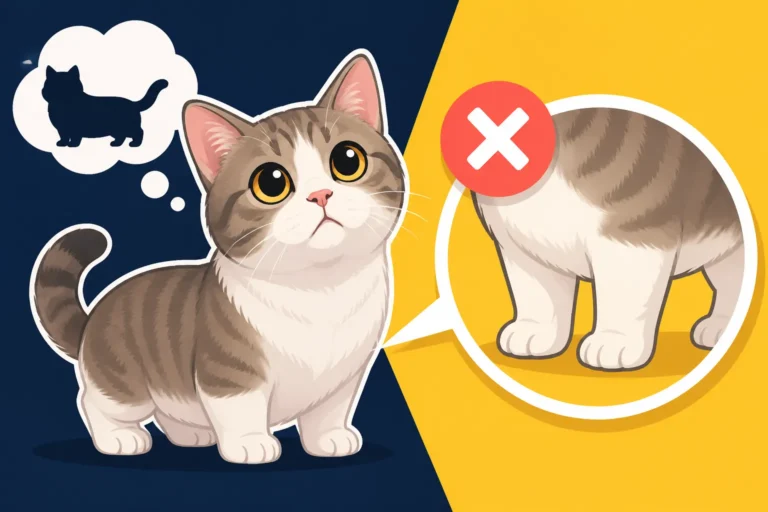
Imagine trying to navigate the world with legs half the length you're used to. Every step, every jump (or attempted jump!), every shift of weight becomes a more intensive exercise. For a Munchkin, their shortened limbs, a condition known as pseudoachondroplasia, mean their bones are disproportionately short, particularly in the long bones of the legs. This isn't just about appearance; it's about biomechanics. Their spine, which is a normal length, is supported by these shorter, more compact legs, which can lead to increased stress on their joints, especially in the shoulders, elbows, and hips.
Think about how a typical cat jumps onto a sofa. They gather, spring, and land with a graceful absorption of impact through their long, flexible limbs. A Munchkin, however, can't achieve the same height or absorb shock in the same way. They might rely more on strategic climbs, using furniture as steps, or simply attempting shorter, more frequent jumps. This changes the forces acting on their joints. The repeated, sometimes awkward, landings mean their elbows and shoulders can bear the brunt of the impact more frequently and intensely. This altered mechanical stress, over years, can contribute to wear and tear, making them Whether a Munchkin Gets Arthritis Earlier. It's a bit like driving a car with smaller, stiffer shock absorbers – the ride is bumpier, and the components wear out faster if not properly maintained.
Early Signs of Discomfort or Strain
As a loving owner, you're probably the first to notice subtle changes in your Munchkin's behavior or movement. These early signs are incredibly important and can be crucial clues for your vet during the annual check-up. What might seem like just "getting older" could actually be an indicator of underlying joint discomfort or spinal strain.
Keep an eye out for any reluctance to jump onto favored spots that they used to reach with ease. Maybe they used to leap onto your lap, but now they stand at your feet and meow expectantly, asking to be lifted. Perhaps you've noticed them slowing down during playtime, or they're not engaging in chase games with the same ferret-like speed they once did. How a Munchkin's Play Changes After Eight is a good one to read if you have an older cat, but these changes can start earlier. Look for any stiffness when they first wake up, a subtle limp, or an unusual sway in their walk. Do they seem to struggle more when getting out of their low-entry litter box? Are they grooming less effectively, especially around their hindquarters, because it's simply too difficult to reach? What a Munchkin Cannot Reach to Groom is a common problem. These observations, even if they seem minor to you, provide invaluable information to your veterinarian. What you see as a small change, your vet might recognize as an early warning sign of something that could be managed or prevented from worsening.
What a Vet Looks For During a Gait Assessment
When your vet performs a gait assessment on your Munchkin, they're not just glancing at your cat. It's a structured and detailed examination, combining careful observation with hands-on evaluation to understand the full picture of your cat's mobility and comfort.
The Visual Inspection
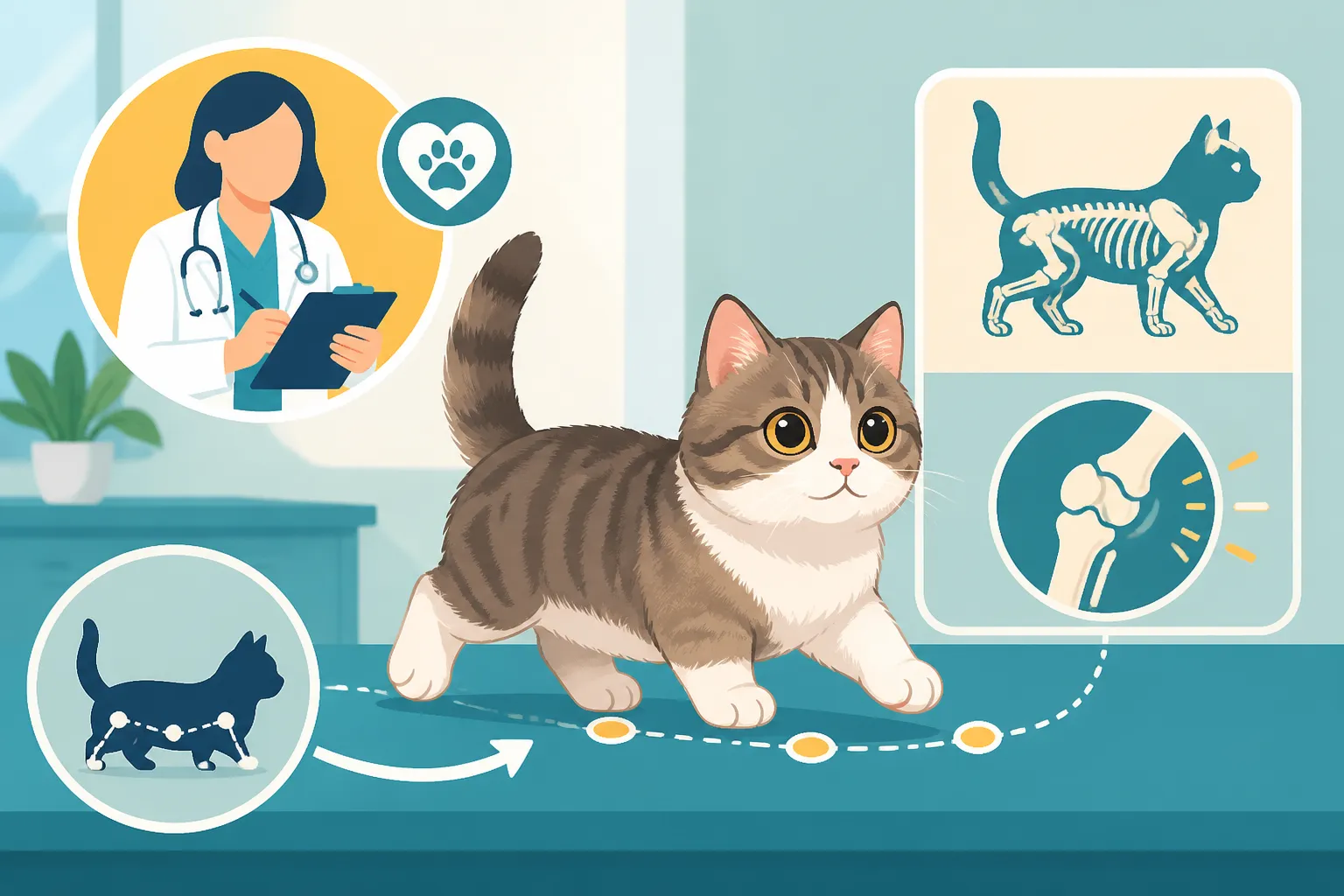
This part often starts subtly, even before your vet actively asks your cat to "perform." As your Munchkin walks into the exam room, explores the floor, or even steps out of their carrier, the vet is already watching. They'll observe your cat walking on a leash, or simply moving freely around the room, to see how they naturally carry themselves. They're looking for symmetry in movement – do both front legs move with equal ease? Does one leg seem to favor the ground less than the other? Is there any sign of a head bob or a short, choppy stride?
They'll pay close attention to the spine, specifically looking for any signs of What Lordosis Actually Is in a Munchkin, a condition where the spine curves downwards, which can be exacerbated by their short legs and internal organ placement. A healthy Munchkin should have a relatively straight, well-supported back. They'll also note how your cat sits. Do they struggle to sit upright, or do they immediately lie down? Can they maintain the famous "prairie dog" sit, and for how long? All these visual cues help the vet build a comprehensive understanding of your cat's general comfort and mobility, without even laying a hand on them yet. It's like watching a dancer, but instead of critiquing their performance, the vet is assessing the underlying mechanics of their movement. You might even be asked Whether a Munchkin Should Be Filmed Walking for the Vet at home, as this can give a clearer picture of their normal movements.
Palpation and Range of Motion Checks
After the visual assessment, the vet will move on to a more hands-on examination, known as palpation. This involves gently feeling along your Munchkin's spine, shoulders, hips, and leg joints. They're feeling for any muscle tension, tenderness, heat, swelling, or crepitus (a crackling sound or sensation that can indicate joint damage). They'll carefully manipulate each leg, checking the range of motion in the joints – how far can the knee bend, how much can the hip extend, without causing discomfort or resistance?
This part is crucial because some issues, like early arthritis or subtle joint pain, might not be overtly visible during walking. A cat is an expert at hiding pain, so feeling for these subtle signs is key. For a Munchkin, particular attention will be paid to the shoulder and elbow joints, as these areas tend to experience more stress due to their short stature and unique way of moving and landing. If your cat flinches, pulls away, or shows any sign of discomfort during these manipulations, it provides a strong indicator that something might be amiss, even if they don't cry out. They might also check how well your cat can flex and extend its neck, another area that can be affected by their posture and movement patterns. This is where your vet's experienced touch can uncover issues that would otherwise go unnoticed until they become much more advanced and painful for your cat.
How a Vet Assesses a Munchkin's Leg Conformation
Assessing a Munchkin's leg conformation goes beyond just looking for obvious lameness; it involves understanding what is considered "normal" for the breed versus what might indicate a problem. A vet will assess the overall alignment of the legs, looking for any bowing or deviation that falls outside the expected range for a Munchkin. While some degree of bowing in the front legs can be typical due to the shortened long bones, excessive bowing or asymmetry can signal an underlying issue that needs attention. Whether a Munchkin's Bowing Is a Fault or a Defect is something vets often consider.
They'll also evaluate the angle of the joints and how they bear weight. Are the paws splayed or turned abnormally? Do the hocks (ankles) look stable? They're also checking the muscle mass around the legs and shoulders. Good muscle tone is essential for supporting the joints, and any asymmetry or loss of muscle can be a sign that a cat is favoring one limb or not using it properly due to pain. For a Munchkin, who inherently carries a different load on its skeleton, ensuring good leg conformation is vital for preventing or managing conditions like What Pseudoachondroplasia Does to a Munchkin's Legs or other skeletal problems. This assessment helps your vet differentiate between what's part of the Munchkin's unique charm and what constitutes a legitimate health concern requiring intervention.
Why Early Detection of Gait Issues is Crucial for Munchkins
For any cat, early detection of health problems is beneficial, but for Munchkins, it's particularly critical when it comes to gait and joint issues. Their unique anatomy means that even small problems can escalate quickly or have a more pronounced impact on their quality of life if left unaddressed.
Preventing Worsening Joint Problems and Pain
Ignoring subtle changes in your Munchkin's gait or slight stiffness can have significant long-term consequences. What starts as mild discomfort can progress into chronic pain and debilitating arthritis. Because Why a Munchkin's Spine Carries a Load a Normal Cat's Does Not, any additional strain from improper movement or unaddressed joint issues can be quite serious. Over time, poorly managed joint stress leads to inflammation, cartilage degradation, and bone remodeling, which manifests as painful osteoarthritis. This can severely limit their mobility, make it difficult for them to perform natural behaviors, and significantly reduce their overall enjoyment of life.
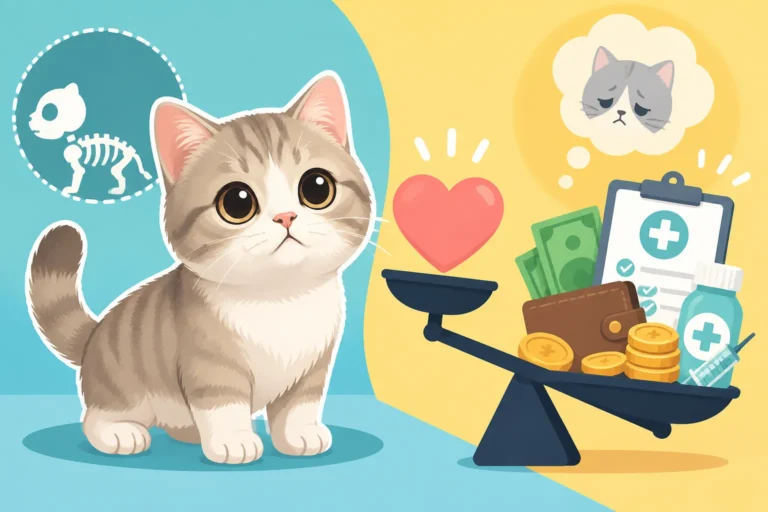
Early detection through regular gait assessments allows your vet to intervene before the problem becomes severe. This might involve starting joint supplements early, recommending specific pain relief strategies if needed, or suggesting environmental modifications to reduce strain. Think of it like a small crack in a windshield – if you address it early, it can often be repaired. If you ignore it, it will eventually spread and require a much more costly and extensive replacement. The same principle applies to your Munchkin's joints; proactive care is much better than reactive crisis management. Many pet insurance providers, like Healthy Paws, offer plans that can help cover these ongoing vet visits, diagnostics, and treatments, making long-term care more manageable for owners.
The Role of Lifestyle Adjustments and Supportive Care
When gait issues are identified early, there's a lot you and your vet can do to support your Munchkin and improve their quality of life. It's not just about medication; it's about creating an environment that minimizes strain and maximizes comfort. One of the most critical aspects is weight management. Why Weight Is More Dangerous on a Munchkin cannot be overstated. Every extra pound places exponentially more stress on their already compromised joints and spine. Your vet will likely guide you on How to Score a Munchkin's Body Condition and recommend a precise diet. High-quality foods, perhaps even specialized joint-support formulas, can play a huge role.
Beyond diet, environmental adjustments are paramount. This means ensuring easy access to all their favorite spots with ramps or steps. Ramps and Steps Are Munchkin Equipment, Not Luxuries is a mantra we live by. Make sure their litter boxes have low entry points, so they don't have to jump or stretch excessively. Providing appropriate scratching posts that are horizontal or low to the ground encourages natural claw care without vertical strain. Regular, gentle exercise that promotes muscle strength without high impact is also key. Your vet might suggest specific Which Joint Supplements Suit a Munchkin or even gentle massage techniques to alleviate stiffness. These supportive measures, implemented consistently, can make a world of difference in preventing pain and maintaining mobility for many years.
Partnering with Your Vet for Optimal Munchkin Health
Caring for a Munchkin truly is a partnership between you and your veterinarian. You're the one who sees your cat every day, observing their habits and nuances. Your vet is the expert in feline anatomy, physiology, and pathology. Combining your observations with their professional knowledge is the best way to ensure your Munchkin thrives.
Preparing for Your Munchkin's Annual Exam
To make the most of your Munchkin's annual visit, come prepared! Before your appointment, take a few minutes to jot down any observations you've made about their movement or behavior over the past year. Have you noticed them being less agile? Are they sleeping more? Are there any new habits or changes in their routine? Even seemingly small details can be significant. If you've managed to capture any video footage of your Munchkin moving awkwardly, struggling with a jump, or exhibiting a specific gait peculiarity, bring it along! Sometimes, seeing the behavior in its natural context can be more informative than a hurried walk in the vet's office.
Be ready to discuss their diet, exercise routine, and any supplements they might be taking. Don't be shy about asking questions or voicing concerns. Your vet wants to hear from you. The more information you can provide, the better equipped your veterinarian will be to conduct a thorough examination and offer tailored advice. This collaborative approach ensures that no stone is left unturned in assessing your Munchkin's unique health needs.
The Importance of Regular Vet Check-ups Beyond the Gait
While gait assessment is a crucial component of your Munchkin's annual vet visit, it's important to remember that these check-ups cover their entire health profile. Just like any other cat, Munchkins need routine vaccinations, parasite control, and dental care. Your vet will perform a comprehensive physical exam, checking their eyes, ears, teeth, heart, lungs, and abdomen.
They will also discuss preventative care tailored to your Munchkin's age and lifestyle. For instance, as Munchkins age, concerns like How Kidney Disease Arrives in an Old Munchkin or Why Hyperthyroidism Catches an Older Munchkin become more prevalent, just as with any senior cat. Regular blood work and urine tests are often recommended to screen for these common age-related conditions. The annual visit is also an opportunity to discuss any new research or evolving best practices in Munchkin care, ensuring you're always providing the most up-to-date and comprehensive support for your special cat. It's about looking at the whole picture, ensuring their short legs don't overshadow other vital aspects of their overall wellness.
Disclaimer
This article is for general informational purposes only and does not constitute professional advice. Laws, prices and regulations vary by location and change over time. Consult a qualified professional for guidance on your specific situation.