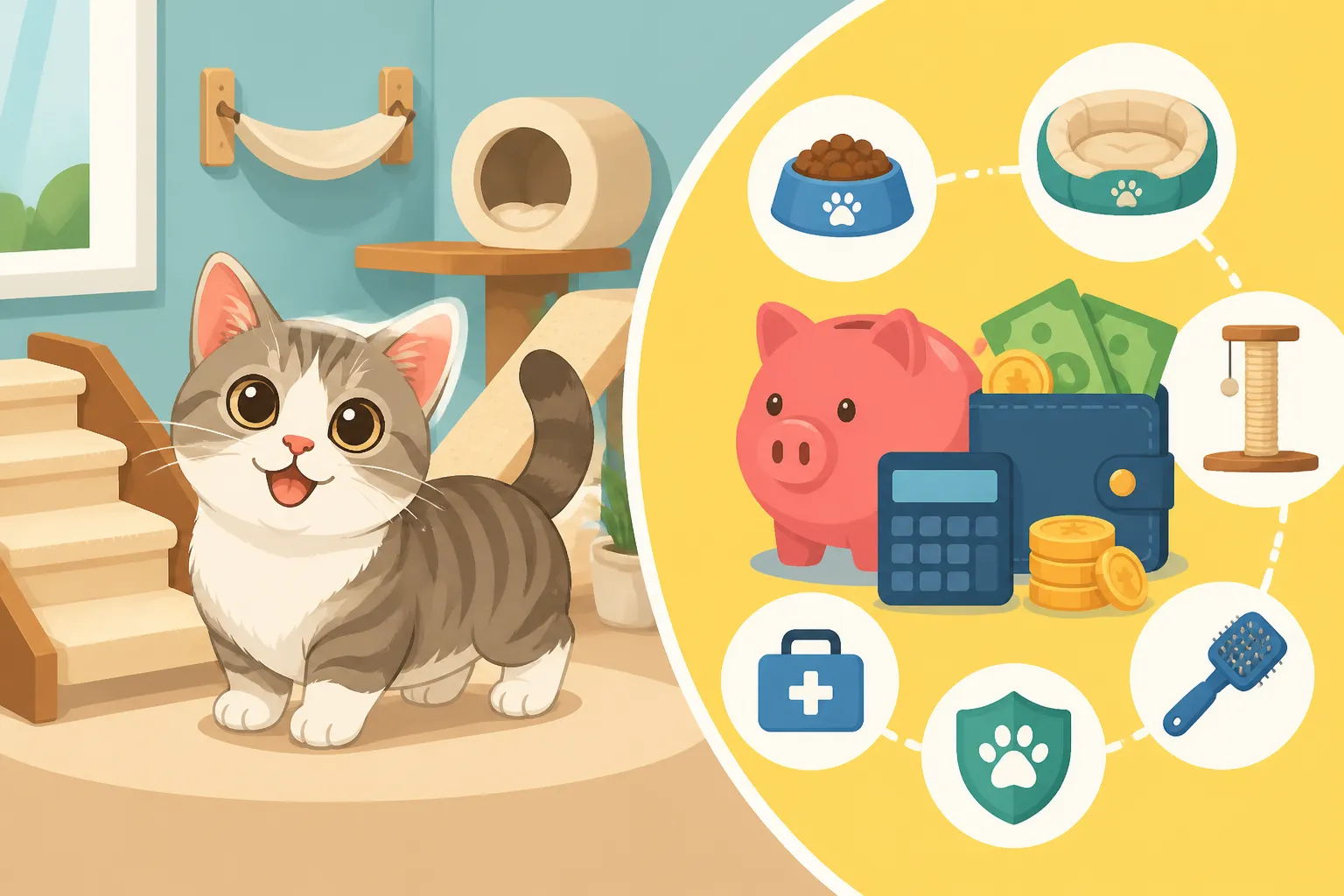
What a Munchkin Costs a Year Once the House Is Adapted
It’s easy to focus on the upfront cost of bringing a Munchkin cat home, from the purchase price to the initial scramble of setting up ramps, low-entry litter boxes, and accessible food stations. You might breathe a sigh of relief once those big-ticket items are out of the way, thinking you've conquered the financial mountain. But the truth is, owning a Munchkin is a long-term commitment, and the yearly costs, even after the initial adaptation, require thoughtful budgeting and understanding of their unique needs. This guide will walk you through the recurring expenses you can expect to ensure your short-legged friend lives a happy, healthy life year after year.
The Ongoing Reality of Munchkin Vet Care
Even once your home is perfectly adapted, your Munchkin's health journey is an ongoing one, with regular veterinary check-ups forming the bedrock of their long-term well-being. These aren't just routine visits; for a Munchkin, they are critical opportunities to proactively manage their unique physical needs.
Regular Check-ups and Preventative Health
Annual veterinary visits are paramount for any cat, but for a Munchkin, they take on an added layer of importance. During these check-ups, your vet will do more than just listen to their heart and lungs; they'll pay close attention to your Munchkin's gait, feeling along their spine and carefully assessing their joint mobility. This detailed physical examination is crucial for early detection of any subtle changes that could indicate the onset of conditions like osteoarthritis or spinal issues, such as lordosis, which can sometimes worsen with age. How Early Lordosis Shows in a Munchkin Kitten Catching these things early often means a better prognosis and less invasive, less costly treatments down the line.
Beyond the physical exam, your Munchkin will need their regular vaccinations. For an indoor Munchkin, the core vaccines for feline panleukopenia, feline herpesvirus, and feline calicivirus are usually sufficient, often administered every one to three years depending on the vaccine type and your vet's recommendations. Which Vaccines an Indoor Munchkin Needs Don't forget parasite prevention either. Because Munchkins sit closer to the ground, they might be more susceptible to picking up environmental parasites, making regular flea, tick, and deworming treatments a crucial recurring expense. Furthermore, dental health is a common concern for all cats, and regular dental cleanings under anesthesia can prevent painful infections and more serious health problems. These dental procedures, like those for any cat, are an annual or bi-annual cost to consider. How Often a Munchkin Needs a Dental
Special Considerations for Aging Munchkins
As your adorable Munchkin moves into their senior years, typically around eight to ten years old, their veterinary needs often become more specialized, and consequently, more frequent and expensive. Just like with us, age brings its own set of challenges. Joint health, in particular, becomes a primary focus. Many senior Munchkins benefit from daily joint supplements containing ingredients like glucosamine and chondroitin, which can help support cartilage health and reduce inflammation. These supplements are an ongoing monthly cost. What Pain Relief a Stiff Munchkin Can Take Your vet might also recommend anti-inflammatory medications if arthritis starts to cause discomfort.
Spinal health also deserves heightened attention in older Munchkins. Conditions like lordosis, where the spine curves inwards, can become more pronounced or symptomatic. Regular monitoring, and potentially diagnostic imaging like X-rays, might be recommended to track spinal health. When a Munchkin Should Have Its Spine Imaged Weight management, which is important throughout a Munchkin's life, becomes absolutely critical in their senior years. Every extra pound places immense stress on their short legs and spine, exacerbating joint pain and potentially leading to other health issues like diabetes. Why Weight Is More Dangerous on a Munchkin Your vet will meticulously monitor their weight and body condition score. Finally, comprehensive blood panels are often recommended yearly for senior Munchkins to screen for common age-related conditions like kidney disease, hyperthyroidism, and diabetes, allowing for early intervention. Which Blood Values Matter Most in a Munchkin
Emergency Fund vs. Pet Insurance
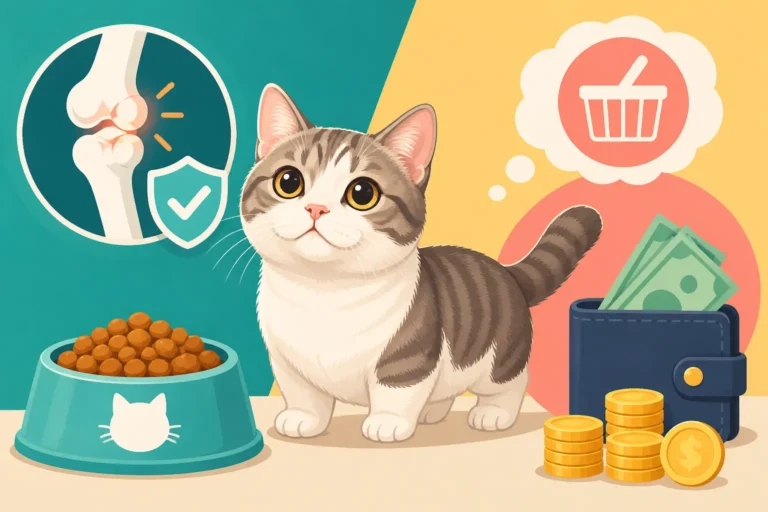
One of the most significant considerations for annual budgeting, especially with a Munchkin, is how to manage unexpected medical costs. Given their unique anatomy, there's always the potential for specific health concerns to arise, even with the best preventative care. This is where pet insurance can offer immense peace of mind. Companies like Healthy Paws offer policies that can help cover a significant portion of unexpected veterinary bills, from accidents to illnesses, including diagnostic tests, surgeries, and medications. It's wise to investigate what such plans cover, particularly regarding hereditary or congenital conditions that might be more prevalent in a breed. Whether Pet Insurance Covers a Munchkin's Spine
While insurance involves a recurring monthly premium, it can save you from a massive, unexpected bill that might otherwise be financially devastating. Alternatively, some owners prefer to self-insure by maintaining a dedicated emergency savings fund specifically for their cat's health needs. The choice between insurance and a robust emergency fund depends on your personal financial situation and risk tolerance, but having something in place is non-negotiable for a Munchkin. It ensures that if a sudden illness or injury strikes, you can provide the best possible care without compromising your financial stability.
Fueling Your Munchkin: Food, Supplements, and Treats
Beyond vet visits, the daily ritual of feeding your Munchkin cat is another key area of ongoing expense, and it's one that holds particular significance for their health and longevity. It's not just about filling a bowl; it's about providing optimal nutrition tailored to their unique needs.
Tailoring Diet for a Munchkin's Metabolism
One common misconception is that because Munchkins are small, they burn fewer calories. While they might appear less active due to their inability to jump as high or move as freely vertically, they are often incredibly playful and zippy on the flat. However, their physical structure means they simply don't exert themselves in the same ways a long-legged cat might, leading to a generally lower caloric need overall. How Few Calories a Munchkin Actually Burns Overfeeding, even by a small amount, can quickly lead to excess weight, which is particularly detrimental to a Munchkin's short legs and spine. Why Every Extra Pound Matters More on a Munchkin
This makes portion control absolutely critical. You can't just free-feed or eyeball their meals. Investing in a digital kitchen scale to accurately weigh each portion of kibble or wet food is a non-negotiable expense. Why a Munchkin's Portion Should Be Weighed High-quality, protein-rich cat food is essential to maintain lean muscle mass without adding unnecessary calories. Looking for brands that prioritize real meat as the first ingredient can make a difference in their overall health and satiety. This careful approach to diet ensures they stay at an ideal weight, minimizing strain on their joints and back throughout their lives.
Joint-Supportive Nutrition
Given the increased strain on a Munchkin's joints and spine, incorporating joint-supportive elements into their diet is a wise preventative measure, even from a young age. This can come in a few forms. Many premium cat foods now offer formulas specifically designed for joint health, often fortified with omega-3 fatty acids, glucosamine, and chondroitin. These ingredients are known to help reduce inflammation and support cartilage integrity. Whether Joint Supplements Belong in a Munchkin's Food
Alternatively, you might choose to supplement their regular diet with these nutrients. These supplements come in various forms, from chewable treats to powders that can be sprinkled over their food. Discussing the best options with your vet is always a good idea to ensure you're providing the right dosages. Tailored fresh food options may include ingredients beneficial for joint health, though this typically comes at a higher price point. While these additions might seem like an extra cost, they are often a proactive investment that can potentially delay or lessen the severity of age-related joint issues, saving on more extensive veterinary treatments later.
Smart Snacking and Hydration
Treats are a wonderful way to bond with your Munchkin, but they need to be carefully managed within their overall calorie budget. High-calorie treats can quickly derail a carefully maintained weight plan. Opt for low-calorie, healthy options, or use a small portion of their daily kibble as treats. You can find a wide variety of suitable options from online retailers like Chewy, which often stock specific low-calorie or dental treats. Always remember that every treat counts.
Hydration is also a vital, though often overlooked, aspect of a Munchkin's health. Ensure they always have access to fresh, clean water in bowls that are easy for them to reach without straining their neck or back. Raised bowls can make a big difference, especially for eating, by reducing the strain on their shoulders and spine as they eat and drink. Why a Raised Bowl Eases a Munchkin's Shoulders Some Munchkins enjoy drinking from pet fountains, which can encourage more water intake, though ensure the spout is low enough or the basin wide enough for them to comfortably drink. Adequate hydration supports kidney health and overall bodily function, contributing to their long-term well-being and reducing the risk of urinary tract issues.
The Unique Demands of Munchkin Grooming and Hygiene
One area where Munchkins really distinguish themselves from their long-legged cousins is grooming. Because of their uniquely short legs and low-slung bodies, there are parts of themselves they simply cannot reach, making owner-assisted grooming not just a nicety, but a necessity. This means recurring costs for supplies and potentially professional services.
Daily Brushing and Coat Care
No matter if your Munchkin has a sleek short coat or luxurious long fur, they'll need your help keeping themselves pristine. The primary issue is their inability to reach their hindquarters and often much of their back. What a Munchkin Cannot Reach to Groom For long-haired Munchkins, this is especially critical, as matting can quickly become a serious problem in these neglected areas. Mats are not just unsightly; they can pull on the skin, cause discomfort, hide skin infections, and even restrict movement. Daily brushing with appropriate tools – a soft slicker brush for short hair, or a detangling comb and de-shedding tool for long hair – becomes part of your routine. How Often a Longhaired Munchkin's Back Half Needs Brushing
Beyond the back and hindquarters, you’ll also need to regularly check their belly fur. Because they sit so low to the ground, their underside is constantly exposed to dust, dirt, and litter, which can cling to their fur and potentially cause skin irritation or even infections if not cleaned. Why a Munchkin's Belly Fur Needs Checking Regular, gentle brushing sessions not only keep their coat healthy but also serve as a wonderful bonding opportunity and a chance for you to check for any lumps, bumps, or skin issues that might otherwise go unnoticed.
Sanitary Trims and Baths
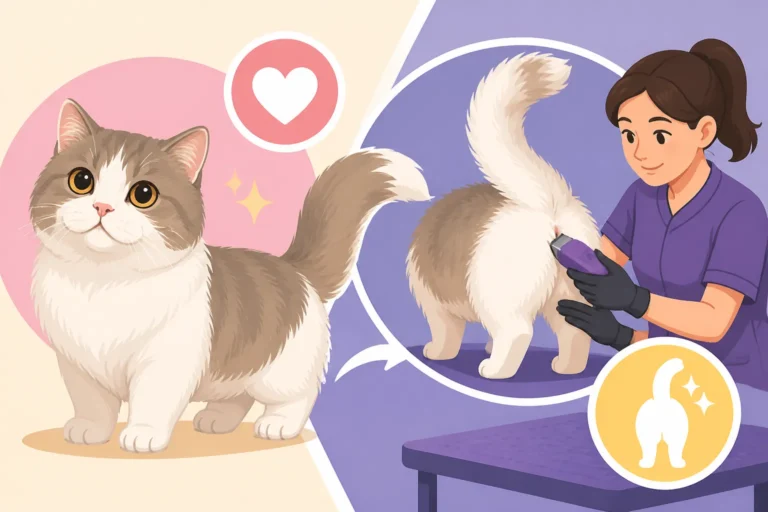
Even with diligent daily brushing, many Munchkins, particularly those with longer coats, will eventually need professional help with their "sanitary" areas. A hygiene trim around their rear end can prevent fecal matter from clinging to their fur, which is a common problem for cats that can't easily reach to clean themselves after using the litter box. Whether a Munchkin Needs a Sanitary Clip These trims can often be done by a professional groomer, or you can learn to do a careful trim at home with appropriate clippers. Grooming fees for this service are a recurring expense, perhaps every few months, depending on your cat's coat and how well you manage it at home. How Much a Groomer Charges to Clip a Munchkin's Rear
Occasional baths might also become necessary, especially if your Munchkin manages to get particularly messy. Their low stature means they're more prone to dragging their belly or hindquarters through puddles, spilled food, or even their own litter if not careful. Bathing a Munchkin requires careful technique to avoid straining their back, so learning the right way to support them is crucial. How to Bathe a Munchkin Without Straining Its Back Investing in a good quality, gentle cat shampoo and a non-slip mat for the tub will be part of these infrequent but necessary tasks.
Litter Box Maintenance
While the initial purchase of low-entry litter boxes is a one-time cost, the ongoing maintenance and supplies are a continuous annual expense. Because Munchkins can sometimes drag their bellies through litter, or have difficulty completely cleaning themselves, you might find yourself needing to scoop more frequently or even change the litter more often than with a standard cat. This isn't just about smell; it's about hygiene. Why a Munchkin Carries Litter on Its Underside
Using high-quality, dust-free litter that is less likely to cling to fur and is easy on their paws is recommended. You might go through more litter than anticipated to maintain impeccable cleanliness, further adding to the yearly budget. Ensuring the litter boxes are always spotless and easily accessible encourages good litter habits and prevents your Munchkin from seeking out alternative, less desirable places to relieve themselves if their box becomes too dirty or difficult to enter. Which Litter Box a Munchkin Can Actually Enter
Upkeep of Adapted Living Spaces
You've done the hard work of Munchkin-proofing your home, adding ramps, steps, and other accessibility features. But these aren't "install it and forget it" solutions. Like any household items, they wear down, break, or simply need an upgrade. Factoring in the ongoing maintenance and potential replacement costs for your Munchkin's adapted environment is crucial for their long-term comfort and safety.
Ramp and Step Upkeep
The ramps and steps you installed to help your Munchkin reach their favorite sofa, bed, or window perch will see a lot of traffic. Over time, the carpet or grip surface can wear thin, the wooden frame might loosen, or the plastic might crack. These items aren't just for convenience; they are essential mobility aids that protect your Munchkin's joints and spine by preventing strenuous jumps. Whether a Munchkin Should Be Discouraged From Jumping Therefore, inspecting them regularly for signs of wear and tear is vital.
You might need to replace the carpeting on a ramp, tighten screws, or even replace an entire ramp if it becomes wobbly or unsafe. What Ramps for a Munchkin Cost to Buy The cost here can vary. Sometimes, it's a simple DIY fix with some new carpet remnants and a staple gun. Other times, you might need to purchase entirely new ramps or steps, especially if your Munchkin's mobility changes with age, requiring different heights or slopes. Ensuring the surface provides good traction is also critical; a slippery ramp is worse than no ramp at all for a Munchkin. Which Surface a Munchkin's Ramp Should Have
Replacements and Upgrades
Beyond ramps, other adapted items in your home also have a lifespan. Low-entry litter boxes, for example, can become scratched, stained, or simply less appealing over time, prompting a need for replacement. Elevated food and water bowls might chip or break, requiring new ones. Even specially selected scratching posts – the horizontal or low-vertical types that a Munchkin can actually use – will eventually get shredded and need to be replaced to continue offering an appropriate scratching outlet. Which Scratching Post Suits a Munchkin
As your Munchkin ages, or if their health needs change, you might also find yourself needing to upgrade certain items. Perhaps an aging Munchkin can no longer manage the slight incline of a ramp and now needs gentler, closer-set steps. Or maybe you want to introduce new floor-level puzzle toys and enrichment items to keep their minds active without requiring vertical movement. How to Set Up Floor Level Enrichment for a Munchkin These incremental costs for replacements and small upgrades contribute to the annual budget but are essential for maintaining a high quality of life for your short-legged companion. It's about ensuring their environment evolves with their needs.
Summary of Annual Munchkin Costs
To give you a clearer picture, here's a general overview of the types of annual costs you can expect once your Munchkin's house is already adapted. Remember, these are estimates, and actual costs will vary greatly based on your location, your vet's fees, the brands of food and supplies you choose, and your cat's individual health needs.
| Category | Description | Estimated Annual Cost (Shape) |
|---|---|---|
| Veterinary Care | Annual check-ups, vaccines, parasite prevention, dental care, senior bloodwork | Moderate to High |
| Food & Nutrition | High-quality cat food, joint supplements, healthy treats | Moderate |
| Grooming & Hygiene | Brushes, combs, shampoo, sanitary trims (DIY or professional), litter | Moderate |
| Home Maintenance | Ramp/step repair/replacement, litter box replacement, scratcher replacement | Low to Moderate |
| Pet Insurance/Fund | Monthly premiums or contributions to an emergency fund | Moderate |
| Miscellaneous | Toys, beds, routine replacements | Low |
While these costs might seem significant when laid out, they represent a commitment to providing your Munchkin with the best possible care throughout their unique journey. Understanding these recurring expenses helps you budget effectively and ensures your adorable, low-riding companion continues to thrive for many happy years. How Many Years a Well Bred Munchkin Lives
Disclaimer
This article is for general informational purposes only and does not constitute professional advice. Laws, prices and regulations vary by location and change over time. Consult a qualified professional for guidance on your specific situation.