Which Surfaces a Munchkin Gives Up On
It's a common misconception that Munchkin cats are just "miniature" versions of regular cats, easily navigating the world like their long-legged counterparts, just closer to the ground. The reality, however, is far more nuanced, and many owners find themselves scratching their heads when their little furball seems to "give up" on certain surfaces or attempts, leading to frustration for both cat and human. This guide is here to shed light on precisely which surfaces and situations can pose unique challenges for your Munchkin, helping you understand their physical limitations and adapt your home to keep them happy, safe, and fully engaged.
Understanding the Munchkin's Physical Limitations on Surfaces
Before we dive into specific surfaces, it’s crucial to grasp the fundamental biomechanical differences that influence a Munchkin’s interaction with its environment. Their distinctive short legs, a characteristic of their pseudoachondroplasia, mean their bodies are designed differently, impacting everything from their center of gravity to the leverage they can achieve for jumping and climbing. It's not just about height; it's about the entire physics of their movement.
The Mechanics of Short Legs: How They Impact Movement
Imagine trying to navigate a world built for someone much taller than you, where every step requires a greater effort and every small incline feels like a mountain. That's a bit like life for a Munchkin. Their short femurs (thigh bones) and tibias (shin bones) mean their stride is shorter, and they have less leverage to propel themselves upwards or forwards forcefully. While a regular cat can coil its long hind legs and spring with incredible power, a Munchkin's short levers limit this explosive capability. What Pseudoachondroplasia Does to a Munchkin's Legs delves deeper into these specific bone changes.
This doesn't mean they're slow or immobile; far from it! On flat, level ground, many Munchkins are surprisingly quick and agile, often described as having a ferret-like gait, capable of darting around corners with remarkable speed. However, when faced with an obstacle that requires significant vertical thrust or sustained upward motion, those short legs become a clear disadvantage. They simply can't generate the same lift or maintain the same climbing momentum as a cat with standard leg length.
Center of Gravity and Stability: How It Affects Their Balance
One area where Munchkins actually have an advantage is their lower center of gravity. This gives them exceptional stability on the ground, making them incredibly stable when running on the flat or making sharp turns. How a Munchkin Turns a Corner Better Than a Long Legged Cat explains how this works. However, this same low center of gravity can become a hindrance when attempting to navigate uneven surfaces or delicate balancing acts. A conventional cat can often use its long legs to "feel" for stable footing, extending and retracting with precision. A Munchkin, with its closer-to-the-ground stance, has a smaller window for error and less reach to correct a wobble or regain balance.
Imagine a situation where a regular cat might elegantly step over a slight ridge or balance on a narrow ledge. A Munchkin might find that same ridge a significant hurdle, potentially getting snagged or losing its footing more easily. When they attempt to reach something higher, their lower center of gravity, coupled with shorter limbs, can make them less stable as they stretch, increasing the risk of a fall. It’s a delicate balance (pun intended!) between their inherent stability and their reduced reach.
The Cost of a Jump: What Happens When They Try to Overcome Height
Jumping is perhaps the most obvious area where a Munchkin's limitations become apparent. While they can jump, their vertical leap is significantly curtailed compared to other cats. A normal cat might effortlessly clear a kitchen counter; a Munchkin will often struggle to even reach the seat of a dining chair. Every jump, even a small one, puts more strain on their joints, particularly their shoulders and elbows, which absorb the impact. Why a Munchkin's Elbows Take the Landing highlights the stress these joints endure.
Repeated attempts at jumps they can't quite make can lead to frustration, and in the long term, potentially exacerbate joint wear. They learn pretty quickly what they can and cannot achieve. If a surface is too high, even if it's just a few inches, they'll often give up after a few attempts, understanding that the energy expenditure isn't worth the inevitable failure or the potential discomfort. This isn't laziness; it's an intelligent assessment of their physical capabilities and a natural instinct to avoid injury.
The Perilous Climb: Vertical Surfaces and Heights
When it comes to anything that requires significant verticality, Munchkins face an uphill battle, often quite literally. Their physical design simply isn't optimized for scaling heights in the same way a standard cat's is. This means many common household surfaces that are second nature to other felines become insurmountable obstacles for a Munchkin, leading them to simply give up.
The Impossible Leap: High Furniture and Windowsills
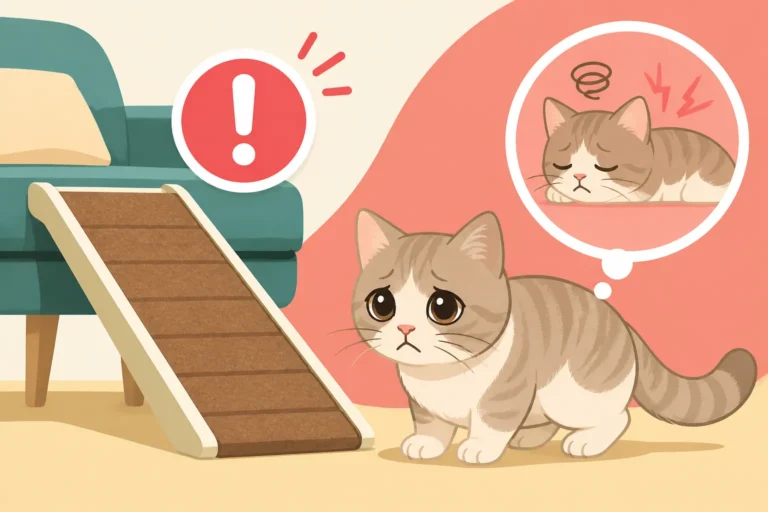
Think about your sofa, your bed, or that lovely sun-drenched windowsill. For most cats, these are prime spots for napping, people-watching, or simply surveying their domain. For a Munchkin, they can be unreachable fortresses. How High a Munchkin Can Actually Jump is a good read on their actual vertical capabilities, which are often far less than owners initially assume. After a few valiant but ultimately unsuccessful attempts to spring onto a high sofa cushion or reach a favorite perch, a Munchkin will often stop trying altogether. They learn quickly that certain heights are beyond their reach.
This isn't to say they don't want to be there. They might sit at the base of the sofa, looking longingly, perhaps vocalizing their desire for assistance. You might even see them attempt to "strategize," looking for alternate, lower access points, or trying to use the armrest as an intermediate step. But if no such path exists, and a human isn't around to act as a personal elevator, they will eventually abandon the ascent. This can be heartbreaking for owners who want their cats to enjoy all parts of the home.
The Vertical Challenge: Tall Scratching Posts and Cat Trees
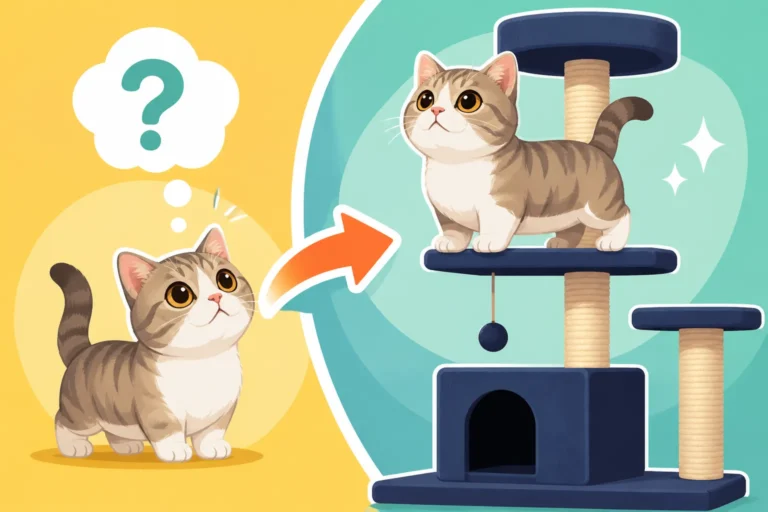
Most cat trees and traditional scratching posts are designed with the vertical capabilities of a long-legged cat in mind. They feature platforms spaced too far apart, or posts that are simply too tall for a Munchkin to comfortably stretch and claw. A tall, sisal-wrapped scratching post might seem like a great idea for any cat, but a Munchkin often won't be able to reach high enough to get a satisfying stretch or scale it to reach the top platform. After a few attempts where they struggle to maintain their grip or can't quite make the leap between levels, they'll likely ignore it.
Instead, they'll gravitate towards horizontal scratchers or posts that are shorter and offer better grip at their height. This is why when setting up enrichment, considering Which Scratching Post a Munchkin Can Use is vital. Many owners find their Munchkins prefer simple, flat cardboard scratchers or shorter, sturdy posts that allow them to get a full stretch without needing to climb. The vertical challenge of a standard cat tree often leads to a Munchkin giving up on it entirely, deeming it an unusable piece of furniture.
The Struggle with Shelves and Countertops: Everyday Obstacles
Kitchen counters, bathroom vanities, bookshelves, and high ledges are typically safe zones for humans, assuming a cat can’t get up there. And for a Munchkin, these areas are generally quite safe from feline exploration. Their short stature makes jumping onto most counters or shelves a near impossibility without some intermediate steps or a human boost. A standard kitchen counter, often around 36 inches high, is well beyond the typical Munchkin's vertical jump capability, which is usually only about half that height.
While a regular cat might effortlessly leap onto the dining table or scale a bookshelf, a Munchkin will often gaze up wistfully, knowing these heights are simply not for them. You might see them try to use a nearby chair as a launching pad, but even then, the gap is often too wide or the final jump too high. The result is often that they simply give up on trying to access these elevated areas, choosing instead to explore the fascinating world at floor level.
Slippery Situations: Horizontal Surfaces and Traction Challenges
It's not just vertical height that can pose a problem for Munchkins; certain horizontal surfaces can be just as challenging, leading them to move hesitantly, uncomfortably, or even avoid them altogether. The lack of proper grip can turn a simple walk across the room into a precarious balancing act, and these experiences can make a Munchkin "give up" on using those surfaces.
The Laminate Labyrinth: Hardwood, Tile, and Linoleum
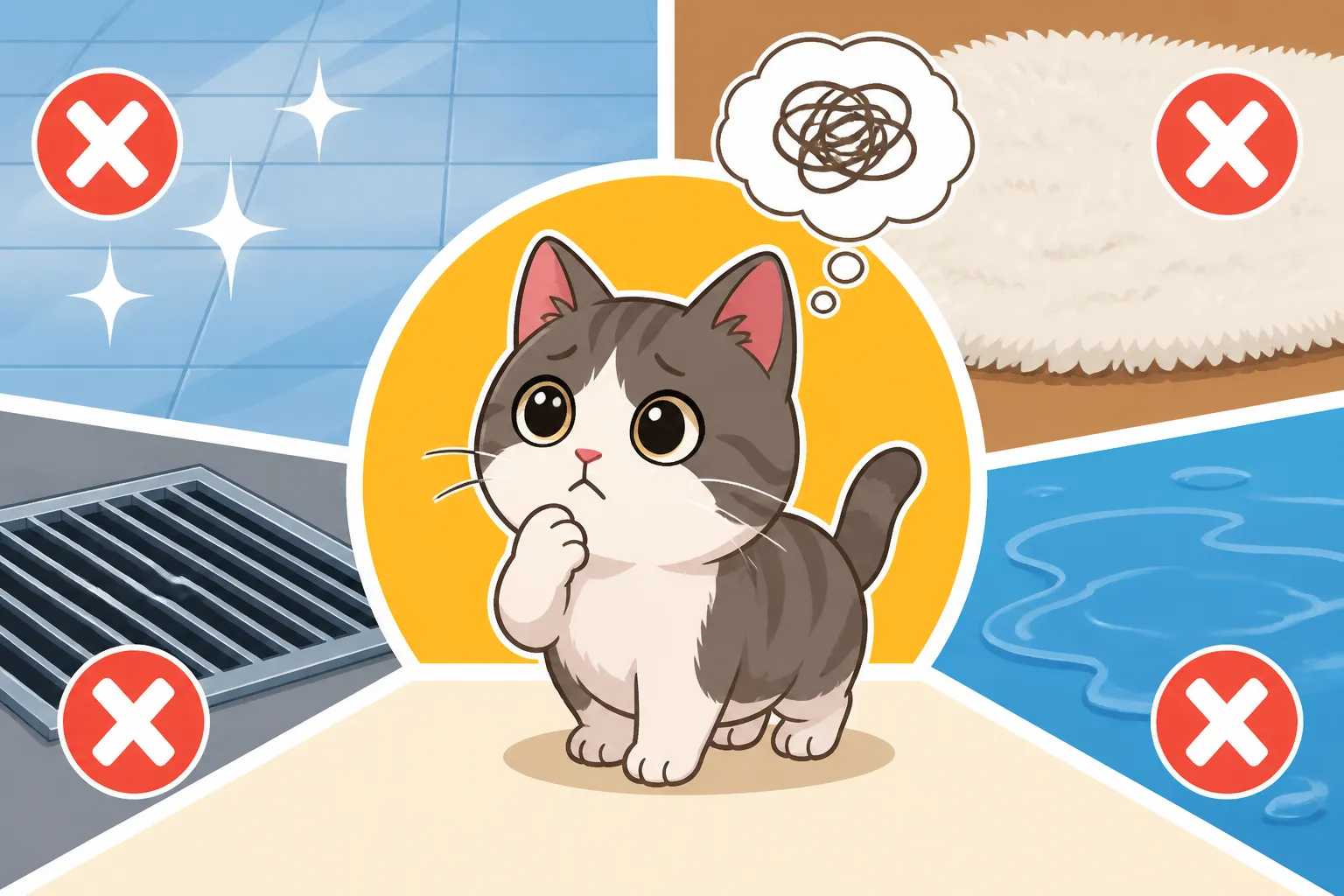
While beautiful and easy to clean, smooth, hard flooring like polished hardwood, laminate, tile, and linoleum can be a genuine nightmare for a Munchkin. Their short legs mean they have less paw surface area making contact with the ground at any given moment during their gait, and less leverage to push off effectively. When combined with a slippery surface, this can lead to comical, yet concerning, skittering and sliding. Why a Munchkin Slips on Laminate details the physics behind this struggle.
Imagine trying to run on ice with very short legs; every step requires immense concentration to avoid losing your footing. A Munchkin on a slippery floor experiences something similar. They might move with a hesitant, almost tip-toeing gait, or lower their bodies even further to the ground to maximize traction. Fast movements, like chasing a toy or darting away from a perceived threat, become risky endeavors. Over time, many Munchkins will simply avoid running or even walking on these surfaces if they can, sticking to rugs or carpeted areas, or moving at a snail's pace. This can limit their exploration and play within their own home.
Ice Skating on Rugs: When Even a Rug Isn't Enough
You might think a rug would solve the slippery floor problem, and often it does. However, not all rugs are created equal in the eyes (or paws) of a Munchkin. Thin, lightweight rugs, or those without a non-slip backing, can still pose a challenge. As a Munchkin attempts to gain purchase and push off, the rug itself might slide along the hard floor underneath. This creates a sensation of instability and can be quite startling for a cat.
Even a rug that stays put might not offer enough traction if its pile is too short or too smooth. Sisal or certain tightly woven synthetics, while better than bare floor, might still not provide the secure grip a Munchkin needs for confident movement. When a rug slides or doesn't offer adequate purchase, a Munchkin can become wary. They might test it cautiously, and if it moves or doesn't feel secure, they'll either bypass it for a more stable surface or limit their activity on it to slow, deliberate steps. Whether Rugs Help a Munchkin Move Around offers more insights into choosing appropriate floor coverings.
Wet Woes: Water Spills and Bathroom Floors
Any cat generally dislikes getting its paws wet, but for a Munchkin, wet floors can be particularly disorienting and uncomfortable. A small water spill or a freshly mopped kitchen floor becomes an absolute no-go zone. The combination of short legs and a slick, wet surface means even less traction than on a dry, slippery floor. The risk of sliding, falling, or getting their low-slung belly wet is significantly increased.
Bathroom floors, especially tiled ones, can be a specific problem. If the floor is damp after a shower, a Munchkin might hesitate to enter, even if their litter box is inside. This can sometimes lead to inappropriate urination outside the box if they perceive the bathroom floor as too hazardous to cross. Owners need to be mindful of keeping floors consistently dry, especially in areas where their Munchkin frequires access, to prevent discomfort and behavioral issues.
Beyond the Jump: How Texture and Softness Affect Movement
It’s not just about height or slipperiness; the very texture and give of a surface can impact a Munchkin’s mobility and willingness to engage with it. Their unique body structure means that surfaces that might be comfortable or easy for a long-legged cat can be surprisingly difficult or even frustrating for a Munchkin, leading them to avoid or "give up" on them.
Deep Pile Carpet: The Unexpected Drag
You might assume that soft, plush, deep-pile carpeting would be a haven for a Munchkin, offering excellent traction and a cushioned landing. And while it does offer better grip than hard floors, very deep or shaggy carpets can present an unexpected challenge: drag. A Munchkin's short legs and low-slung body mean their underside is much closer to the ground, and their belly fur can actually brush, or even get slightly tangled in, long carpet fibers.
This creates resistance, making every step require more effort, almost like walking through tall grass. While a normal cat's longer legs would lift its body clear of the pile, a Munchkin might feel like it's trudging through something thicker. This added resistance, especially over longer distances or during play, can be tiring. Owners might notice their Munchkin preferring shorter-pile rugs or laminate to deep carpet for sustained running and playing. It's a subtle but real energy drain that can cause a Munchkin to give up on prolonged activity on such surfaces.
Uneven Terrain: Outdoor Adventures and Rough Surfaces
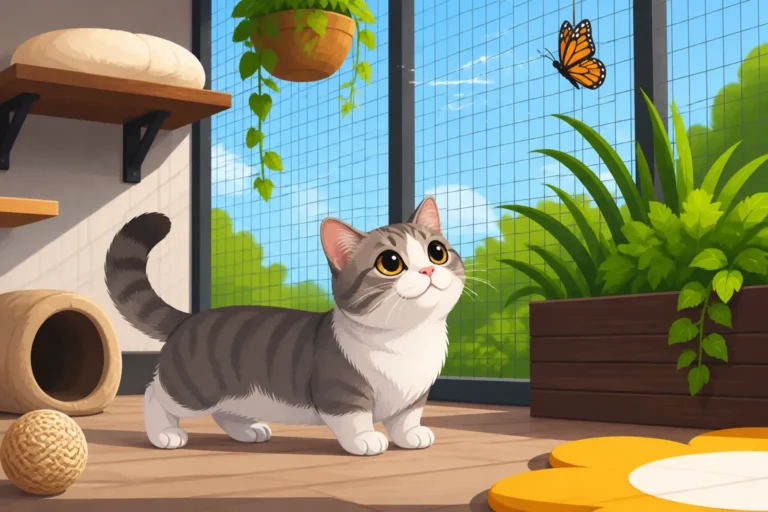
While most Munchkins are strictly indoor cats for their safety, some owners might consider a supervised outdoor experience in a secure catio or on a leash. However, natural, uneven terrain can be surprisingly difficult for them to navigate. Grass, especially if long or wet, can again create that frustrating drag against their short legs and low belly. Small bumps, divots, or slight inclines that a regular cat would stride over effortlessly can become minor obstacles for a Munchkin.
Rocks, gravel, or even paving stones with irregular gaps can challenge their balance and short stride. They have less reach to correct a stumble and less ability to quickly regain their footing if they encounter an unexpected dip or rise. This isn't to say they can't enjoy a well-maintained, flat patch of lawn, but anything resembling rough or wild terrain is likely to be quickly abandoned. Even a well-loved catio needs to consider its flooring for a Munchkin.
Soft Furnishings: Sinking into Cushions and Blankets
We all love a cozy cat, nestled deep in a soft blanket or sinking into a plush cushion. For a Munchkin, however, excessively soft furnishings can sometimes present a mobility challenge. While they'll likely enjoy the comfort of a soft bed or a squishy blanket for napping, trying to walk or gain purchase on these unstable surfaces can be difficult.
If a cushion is too soft and unsupportive, a Munchkin might sink into it, making it hard to get enough leverage to push off for movement. Imagine trying to walk through deep sand; it requires much more effort than walking on firm ground. Similarly, a thick, fluffy blanket that shifts and gathers as they try to move can be frustrating. They might avoid crossing such unstable softscapes, preferring to stick to firmer parts of the sofa or bed, or seeking a more solid path to their desired spot. This is less about giving up on the surface itself for resting, but rather for moving across it.
Adapting the Environment: Creating a Munchkin-Friendly Home
Recognizing the challenges Munchkins face with certain surfaces is the first step; the next is proactively adapting their environment. It’s not about changing the cat, but changing the world around them to support their natural inclinations and physical build. A thoughtfully designed home means your Munchkin can explore, play, and rest without unnecessary frustration or risk of injury. With a Munchkin the House Changes, Not the Cat is a core philosophy that applies here.
Ramps and Steps: The Essential Mobility Aids
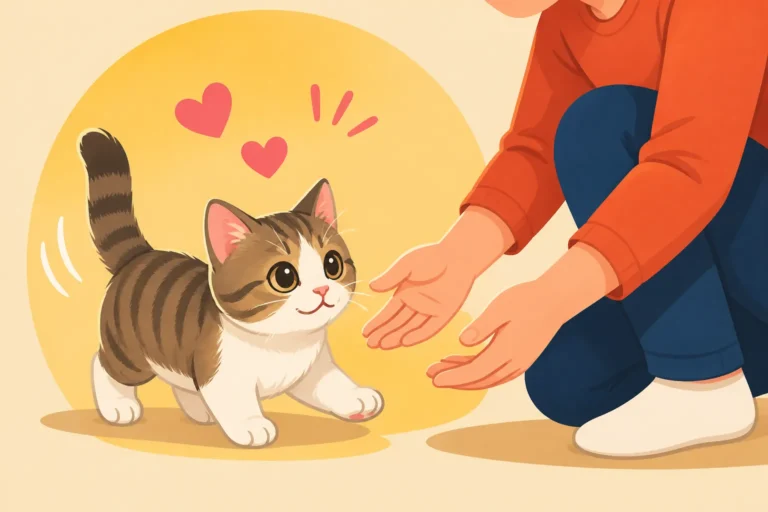
This is perhaps the single most important adaptation for a Munchkin home. Ramps and steps are not luxuries; they are essential pieces of equipment that bridge the vertical gaps that Munchkins cannot manage on their own. Instead of repeatedly trying and failing to jump onto the sofa or bed, a well-placed ramp or set of pet steps provides a safe, accessible pathway. Ramps and Steps Are Munchkin Equipment, Not Luxuries emphasizes this point.
When selecting or building ramps and steps, consider the following:
- Gradual Slope: Ramps should not be too steep. A gentle incline is easier on their short legs and spine. How Steep a Munchkin's Ramp Can Be is a key consideration.
- Secure Placement: Ramps and steps must be stable and not wobble or slide. A Munchkin will quickly lose trust in an unstable surface.
- Appropriate Tread: The surface of the ramp or steps should offer good traction, ideally carpeted or with a non-slip material. Smooth, slick surfaces will defeat the purpose.
- Strategic Placement: Place them wherever your Munchkin wants to access elevated areas: sofas, beds, window perches, or even certain cat trees. How to Set Up Ramps Around a Munchkin's House offers practical layout advice.
Teaching them to use these aids might take a little patience and positive reinforcement, but it’s incredibly rewarding to see them confidently navigate their favorite spots. How to Teach a Munchkin to Use Steps can help you get started.
Strategic Rug Placement: Creating Traction Pathways
Addressing slippery horizontal surfaces is crucial for a Munchkin's comfort and confidence. While you might not want to carpet your entire home, strategic rug placement can make a world of difference. Think of these rugs as "traction pathways" connecting important areas like food bowls, litter boxes, and play zones.
Choose rugs with:
- Non-Slip Backing: This prevents the rug itself from sliding, giving your Munchkin a stable surface to push off from.
- Medium-to-Short Pile: Avoid overly deep, shaggy carpets that create drag. A medium pile offers comfort and grip without hindering movement.
- Adequate Coverage: Don't just place small mats. Consider runners in hallways or larger area rugs in living spaces to create continuous safe zones.
Placing a non-slip mat directly in front of their food and water bowls, and especially near their litter box, can also prevent anxiety and discomfort during essential activities. This small change can prevent them from giving up on vital resources simply because the approach is too treacherous.
Low-Level Enrichment: Bringing the Fun to Their Height
Since vertical climbing is often out of reach, focus on providing enrichment that's exciting and accessible at ground level. This means rethinking traditional cat toys and play spaces. Your Munchkin might not scale a tall cat tree, but they can certainly enjoy a complex tunnel system or a floor-level puzzle feeder.
Consider:
- Horizontal Scratchers: Cardboard scratch pads or sisal mats on the floor are often preferred over tall posts.
- Tunnels and Crinkle Toys: These are perfect for ground-level exploration and play, tapping into their ferret-like agility.
- Low-Level Cat Trees/Condos: Look for cat trees specifically designed for kittens or senior cats, with closely spaced platforms and sturdy construction. Which Cat Tree Layout Suits a Munchkin provides excellent guidance here.
- Interactive Floor Toys: Laser pointers, feather wands (held low), and rolling balls are fantastic for engaging them without requiring jumps.
- Window Perches with Access: If you have a favorite window, consider building a ramp up to a window seat or placing a sturdy chest of drawers that functions as steps.
Adapting their play environment ensures that your Munchkin never "gives up" on fun simply because they can't reach it.
Recognizing When a Munchkin is Struggling or Giving Up
It’s important for owners to be observant and learn to read their Munchkin’s cues. Cats are often masters at hiding discomfort or frustration, but with a keen eye, you can spot the signs that a particular surface or activity is proving too challenging for your short-legged friend. Ignoring these signals can lead to stress, avoidance behaviors, or even potential injury over time.
Hesitation and Retreat: Signs They're Assessing an Impossible Task
One of the most common indicators that a Munchkin is struggling is hesitation. You might notice them approaching a piece of furniture they want to get onto, pausing, perhaps taking a few tentative steps, and then stopping. Their eyes might track the height, their tail might twitch, and they might even perform a couple of small, aborted jumps, barely lifting off the ground.
If, after this assessment, they turn away, wander off, or choose a different, lower route, it's a clear sign they've calculated the risk/reward and decided against the attempt. This isn't just "giving up"; it's a rational decision based on their physical limitations. Repeatedly witnessing this hesitation and retreat on the same surface or for the same jump should prompt you to introduce a ramp or steps to that area. They are effectively telling you, "I can't do this safely on my own."
Vocalization and Frustration: When They Ask for Help
While cats aren't always as overtly communicative as dogs, a frustrated Munchkin can certainly make its feelings known. If they are desperate to reach an elevated spot, like your lap or a favorite sunny perch, but are unable to, they might start vocalizing. This could be anything from a soft, questioning meow directed at you to a more insistent chirp or even a plaintive cry.
Beyond vocalizations, you might observe other signs of frustration:
- Persistent Pacing: Walking back and forth at the base of the obstacle.
- Paw Swipes: Gently patting your leg or the edge of the furniture, as if asking for a lift.
- Looking Back at You: Making eye contact and then looking at the desired spot, clearly trying to communicate their need.
This type of behavior is their way of saying, "I need help!" It’s crucial to respond to these requests, not just to alleviate their immediate frustration, but to reinforce that you are a reliable source of assistance. If they constantly feel ignored, they might eventually stop asking, leading to withdrawal or apathy towards certain interactions.
Changes in Play and Exploration: A Decline in Activity
A healthy, happy Munchkin is a playful and curious cat, eager to explore its environment. If you start noticing a decline in their usual activity levels, it could be a subtle sign that they are encountering too many physical barriers in their home. Perhaps they used to play vigorously in the living room, but now they stick to one small, carpeted area. Or maybe they've stopped engaging with certain toys that require chasing across slippery floors.
Look for changes like:
- Reduced Enthusiasm for Games: Especially those involving running or jumping.
- Avoiding Certain Rooms: If a room has predominantly challenging surfaces.
- Spending More Time Alone: Retreating to a safe, easily accessible spot rather than participating in household activity.
- How a Munchkin's Play Changes After Eight years old can also introduce new limitations, but changes in a younger cat's activity are usually environmental.
Such changes, especially if they appear gradually, can indicate that the environment is becoming too challenging, forcing them to "give up" on activities they once enjoyed. Addressing these environmental barriers can often rekindle their natural playful spirit. Additionally, any significant changes in gait or activity could also signal underlying joint discomfort, so Whether a Munchkin Gets Arthritis Earlier is a good question to explore with your vet.
| Surface Type | Munchkin Challenge | Why They Might Give Up | Solution/Adaptation |
|---|---|---|---|
| High Furniture | Too tall to jump onto (sofa, bed, windowsill) | Inability to generate sufficient vertical thrust; risk of fall | Ramps, pet steps, strategically placed lower furniture |
| Tall Cat Trees | Platforms too far apart; unable to climb high enough | Lack of vertical reach and grip; inefficient stretching | Low-level cat trees/condos; horizontal scratchers |
| Hard, Smooth Floors | Lack of traction (hardwood, tile, laminate) | Slipping, sliding, instability; increased risk of injury; exhausting to move | Non-slip rugs, runners, carpet tiles |
| Slippery Rugs | Lightweight or unbacked rugs slide beneath them | Instability, unpredictable movement | Rugs with non-slip backing, heavier rugs |
| Deep Pile Carpet | Fur drags, creates resistance during movement | Increased effort required for locomotion; physically tiring | Shorter pile rugs in high-traffic/play areas |
| Uneven Terrain | Bumps, dips, long grass (outdoors) | Difficulty balancing; snagging belly fur; increased effort | Supervised play on flat, mown lawn; level catio surfaces |
| Soft Cushions/Blankets | Unstable surface, difficult to gain leverage to move | Sinking into material; requires more effort to walk/push off | Provide firmer beds/cushions for movement areas; stable ramps |
Disclaimer
This article is for general informational purposes only and does not constitute professional advice. Laws, prices and regulations vary by location and change over time. Consult a qualified professional for guidance on your specific situation.