Why Every Munchkin Litter Is a Carrier Cross
It can be incredibly confusing to dive into the world of cat breeding, especially when you encounter terms like "carrier cross" and genetic conditions that sound alarming. For many prospective Munchkin cat owners, the initial excitement of those adorable short legs can quickly turn to anxiety when they start researching the breed's unique genetic inheritance. You might hear whispers about ethical concerns or complicated breeding practices, leaving you wondering if a Munchkin is truly a healthy choice. This guide is here to unravel the mystery of why every Munchkin litter is, by necessity, a carrier cross, and what that truly means for the cats, their health, and you as a future owner. We’ll explore the fascinating genetics behind their distinctive appearance and shed light on the responsible breeding practices that ensure their well-being.
Understanding the Munchkin Gene: A Unique Genetic Blueprint
The hallmark short legs of the Munchkin cat are undoubtedly what draws most people to the breed. They're undeniably charming, giving these felines a truly distinct look. But these short legs aren't just a quirky trait; they're the result of a specific genetic mutation, and understanding this mutation is the key to grasping why Munchkin breeding is so unique and, frankly, vital to the breed's future. It's not a simple case of 'what you see is what you get' in the genetic lottery.
The Autosomal Dominant Nature of Munchkin Dwarfism
When we talk about the Munchkin cat's legs, we're talking about a condition called pseudoachondroplasia, which is a form of dwarfism. What's crucial to understand here is that the gene responsible for these short legs is autosomal dominant. Now, don't let those scientific words scare you off! "Autosomal" simply means the gene isn't linked to sex, so it affects both male and female cats equally. "Dominant" is the really important part: it means that a cat only needs to inherit one copy of this gene from either parent to display the short-legged trait. If a cat gets one copy of the Munchkin gene (let's call it M) and one copy of the normal-legged gene (m), it will have short legs (Mm). A cat with two normal copies (mm) will have long legs. This is the fundamental principle that dictates every breeding decision for Munchkins, and it’s why understanding Munchkin Dwarfism Is Dominant and Lethal in Two Copies is so important for anyone interested in the breed.
This dominant inheritance pattern is precisely why you won't see Munchkin cats with intermediate leg lengths; they either have the characteristic short legs or they have normal-length legs. It's not a spectrum. This genetic reality has massive implications for how breeders must approach mating pairs. Unlike some other genetic traits where you might aim for a specific combination, with the Munchkin gene, breeders are always dealing with a precise and predictable outcome based on this dominant trait. It's a genetic roll of the dice with very clear odds, which we'll delve into more later.
Why Two Copies of the Gene Are Lethal
Here's where the "carrier cross" concept becomes not just important, but absolutely critical for the survival of Munchkin kittens. While one copy of the dominant Munchkin gene (Mm) results in those charming short legs, inheriting two copies of the Munchkin gene (MM) is lethal. This means that any embryo that receives a dominant Munchkin gene from both parents will not survive. It’s a tragic but undeniable fact of the breed’s genetics, and it underscores the ethical responsibility of breeders. This is why What Happens to a Homozygous Munchkin Embryo is a topic that responsible breeders are always transparent about.
Because two copies of the dominant gene are lethal, it means that every living short-legged Munchkin cat must carry only one copy of the short-leg gene (Mm). They are, by definition, heterozygous for the trait. This genetic reality dictates that breeders absolutely cannot breed two short-legged Munchkins together. To do so would significantly increase the chances of producing non-viable embryos, leading to smaller litters and heartbreaking losses. It's a stark reminder that while the short legs are adorable, they come with a significant genetic caveat that breeders must always respect.
The Ethical Imperative of Carrier Crosses
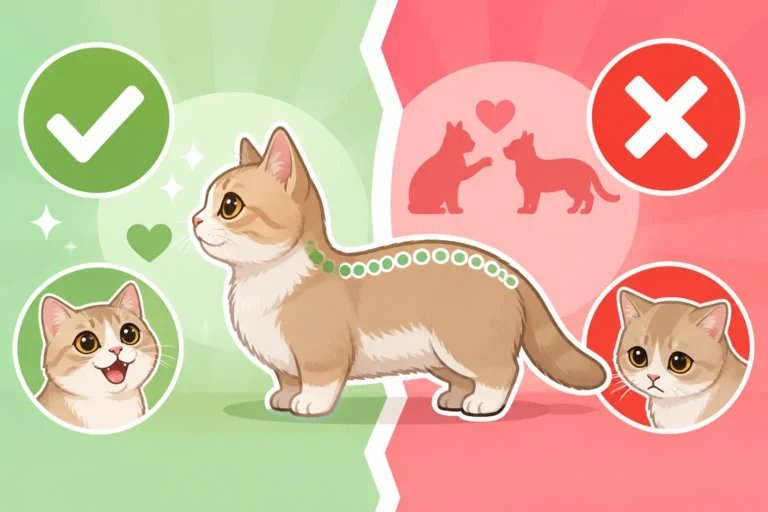
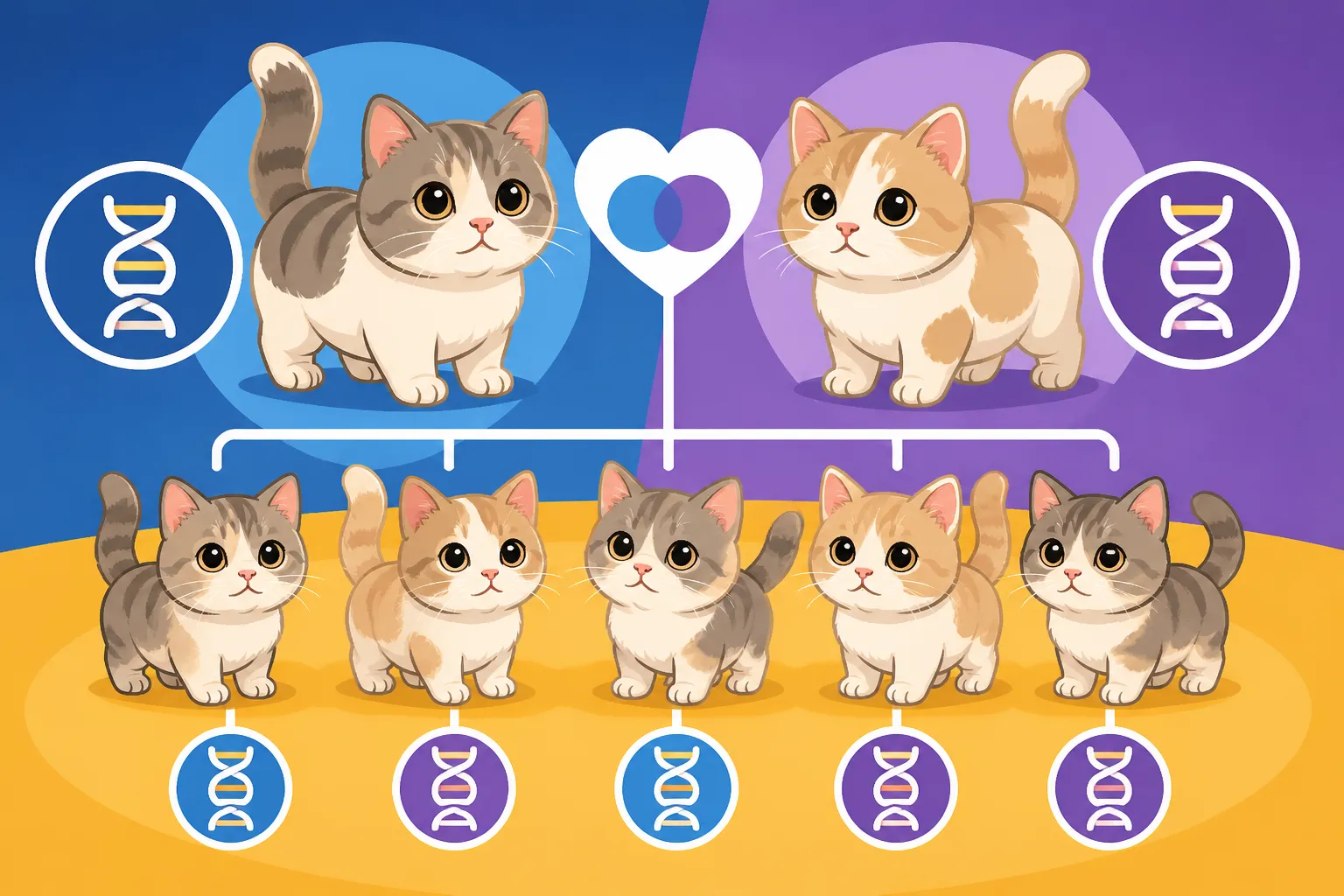
Given the lethal nature of two Munchkin genes, it becomes an ethical imperative that Munchkin cats are always bred using a "carrier cross." This means that a short-legged Munchkin (Mm) is always bred to a normal-legged cat (mm). The normal-legged cat, in this scenario, is called an "outcross" and serves as the non-carrier partner in the breeding. This practice is not just about producing viable kittens; it's about responsible breeding and ensuring the health and welfare of the breed.
The carrier cross is the only way to propagate the Munchkin breed while minimizing the loss of embryos and ensuring that all short-legged offspring receive only one copy of the dominant gene. It's a foundational principle that dictates Why Two Short Legged Munchkins Are Never Bred Together. Any breeder who suggests breeding two short-legged Munchkins together is either misinformed or operating unethically, and that's a huge red flag. Understanding this ethical framework is essential for anyone considering bringing a Munchkin into their home, as it speaks directly to the integrity of the breeder and the health philosophy behind their program.
The Genetics of a Munchkin Litter: Expected Outcomes
Once you understand the basic genetic principles, the outcome of a Munchkin litter from a carrier cross becomes quite predictable. It's not a guessing game for experienced breeders; it's a matter of probability, and those probabilities are always the same. This predictability is what allows responsible breeders to manage their lines and maintain the health of their cats.
The 50/50 Split: Short Legs vs. Normal Legs
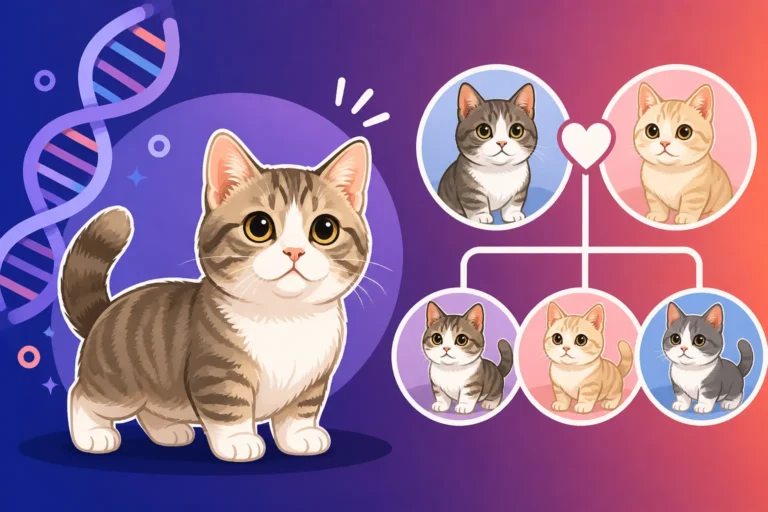
When a short-legged Munchkin (Mm) is bred to a normal-legged cat (mm), the genetic outcome for the kittens is a clear 50/50 split. On average, half of the kittens in the litter will inherit one copy of the Munchkin gene from the short-legged parent and one normal gene from the normal-legged parent, resulting in short legs (Mm). The other half of the kittens will inherit two normal genes (mm), one from each parent, and will have normal-length legs. This is the simple Mendelian inheritance at play.
This consistent 50/50 split is why Why Half a Munchkin Litter Has Normal Legs is a standard outcome, not an anomaly. It's a fundamental aspect of Munchkin breeding that every prospective owner should be aware of. You're never going to get a litter where all kittens have short legs if the breeding is done correctly. If a breeder claims otherwise, it's a sign they might not be adhering to established genetic principles or ethical practices. The short-legged kittens are obviously the ones that carry the visible trait of the breed, but the long-legged kittens are equally important genetically.
Here’s a simple Punnett Square to illustrate the possibilities:
| M (Munchkin Gene) | m (Normal Gene) | |
|---|---|---|
| m (Normal Gene) | Mm (Short-legged) | mm (Normal-legged) |
| m (Normal Gene) | Mm (Short-legged) | mm (Normal-legged) |
As you can see, statistically, 50% of the offspring will be Mm (short-legged Munchkins) and 50% will be mm (normal-legged, non-Munchkin cats).
Identifying Long-Legged Carriers
Now, a crucial point: the normal-legged kittens (mm) from a Munchkin carrier cross do not carry the Munchkin gene. They are genetically identical to any other domestic short or long-haired cat in terms of leg length. This is an important distinction, as some people mistakenly believe that even the long-legged offspring might be "silent carriers." This isn't the case for autosomal dominant traits where the presence of the gene always manifests visually (unless lethal in two copies).
These long-legged kittens are essential for expanding the gene pool of other breeds that are used as outcrosses, and they are typically sold as pets. While they share a parent with the short-legged Munchkins, they themselves are not Munchkins by genetic definition for their leg length. Understanding What a Long Legged Munchkin Kitten Is Worth often comes down to their value as a pet rather than a breeding prospect for Munchkin traits, although their pedigree is valuable for tracing lines. They are simply regular cats that happened to be born to a short-legged parent.
The Role of the Outcross Parent
The "outcross" parent in a Munchkin breeding program is a normal-legged domestic cat, often a domestic short-hair or long-hair, or sometimes a purebred cat from an approved outcross breed (like a Maine Coon, Sphynx, or Devon Rex, depending on the registry and breeder's goals). This parent contributes the crucial "m" (normal-legged) gene, ensuring that no kittens are born with two copies of the lethal Munchkin gene.
The choice of outcross parent is incredibly important for more than just leg length. These cats introduce genetic diversity, health, and conformation characteristics from their own lineage into the Munchkin lines. A responsible breeder will carefully select outcrosses not just for their temperament, but for their overall health, robust structure, and absence of known genetic issues that could be passed on. This careful selection helps to ensure the vitality of the entire Munchkin breed, preventing the accumulation of undesirable traits that can occur in closed gene pools. Without these outcrosses, the Munchkin breed simply wouldn't be sustainable or healthy.
Why a Munchkin Is Always Bred to a Normal-Legged Cat
The decision to always breed a Munchkin to a normal-legged cat isn't just about adhering to a tradition; it's rooted deeply in scientific understanding, ethical considerations, and the long-term health of the breed. This strict breeding protocol is what truly defines responsible Munchkin breeding and differentiates it from less scrupulous practices.
Preventing Homozygous Kittens and Embryonic Lethality
As we've discussed, the primary reason for the carrier cross is to prevent the creation of homozygous (MM) Munchkin kittens. These embryos are genetically programmed not to develop past an early stage, resulting in them being reabsorbed by the mother's body or stillborn. Breeding two short-legged Munchkins together would, statistically, result in 25% of the litter being homozygous (MM), 50% heterozygous (Mm, short-legged), and 25% normal-legged (mm). This means one-quarter of the potential litter would be lost, a significant and avoidable welfare concern.
Responsible breeders prioritize the health and viability of every litter. By consistently pairing a short-legged Munchkin with a normal-legged outcross, they eliminate the possibility of homozygous kittens entirely. This commitment is a cornerstone of ethical breeding, ensuring that every kitten born has the best possible start and that the queen doesn't undergo the strain of carrying non-viable fetuses. It's a proactive measure to safeguard both the mother's health and the welfare of the unborn kittens, reflecting a deep understanding of What Happens to a Homozygous Munchkin Embryo and its implications.
Maintaining Genetic Diversity
Another critical reason for consistently using outcrosses is to maintain and expand the genetic diversity of the Munchkin breed. In many purebred cat breeds, where breeding is restricted to only within the breed, gene pools can become quite narrow over time. This narrowness can lead to an increased prevalence of certain genetic health issues. By regularly introducing healthy, unrelated domestic cats (or approved outcross breeds) into the Munchkin lines, breeders are actively injecting fresh genetic material.
This continuous infusion of new genes helps to prevent genetic bottlenecks and strengthens the overall health and vigor of the breed. It reduces the likelihood of undesirable recessive traits becoming fixed within the population and helps maintain robust immune systems and overall vitality. Think of it like adding new blood to a family tree – it makes everyone stronger. This practice is a major factor in Why the Munchkin Gene Pool Stays Wide compared to some other more closed breeds.
Adhering to Ethical Breeding Standards
The practice of carrier crossing is not just a suggestion; it's a foundational ethical standard for the Munchkin breed, recognized by organizations like The International Cat Association (TICA), which is the primary registry for Munchkins. Any breeder who deviates from this standard is not operating within accepted ethical guidelines. This commitment to responsible breeding means that reputable breeders will be transparent about their breeding pairs and the genetic probabilities of their litters.
This adherence to ethical standards goes beyond just preventing lethal genes; it extends to ensuring the overall health and well-being of the breeding cats and their offspring. Breeders who follow these standards will also screen their outcross cats for common genetic diseases found in their respective breeds, further contributing to the health of the Munchkin lines. They understand that their choices impact not just one litter, but the entire future of the breed, emphasizing the importance of responsible stewardship.
The Importance of Outcrossing for Munchkin Health
Beyond the direct genetic necessity of preventing lethal genes, outcrossing plays a massive role in the overall health and longevity of the Munchkin breed. It’s not just a technicality; it’s a proactive strategy for creating healthier, more robust cats.
Expanding the Gene Pool and Reducing Inbreeding
One of the biggest concerns in closed-population breeding is inbreeding, which can lead to a phenomenon known as "inbreeding depression." This is where a lack of genetic diversity results in reduced fitness, fertility, and an increased susceptibility to genetic diseases. By consistently bringing in unrelated, normal-legged cats as outcrosses, Munchkin breeders actively combat inbreeding depression.
This constant introduction of new genes ensures that the Munchkin breed benefits from a broad genetic base, making it less likely for harmful recessive genes to express themselves. It means that while Munchkins have a unique visible trait, their underlying genetic health can be quite diverse and strong, helping to ensure that these cats can live full, healthy lives. This commitment to a wide gene pool is one of the reasons that Which Domestic Cats Are Used as Munchkin Outcrosses includes a variety of breeds, allowing for diverse genetic contributions.
Minimizing the Risk of Other Genetic Conditions
When you introduce new genetic material through outcrossing, you're not just preventing lethal Munchkin genes; you're also diluting the potential for other genetic health problems that might become concentrated in a smaller gene pool. For example, if a certain line of Munchkins developed a predisposition to a specific heart condition, an outcross from a healthy, unrelated line could help to reduce the incidence of that condition in future generations.
Responsible breeders don't just pick any normal-legged cat; they meticulously research and select outcrosses with excellent health histories and, ideally, those that have been screened for breed-specific genetic diseases common to their own lineage. This proactive approach to health means that the Munchkin breed, despite its unique mutation, can actually benefit from a broader genetic health profile than some breeds with very closed studbooks. This makes the overall health of the breed stronger, leading to a better quality of life for your future pet.
How Outcrosses Influence Traits Beyond Leg Length
The impact of outcrossing isn't limited to just maintaining genetic health and preventing lethal genes. The outcross parent also contributes significantly to many other traits that define the resulting Munchkin kittens. Everything from coat color and pattern to temperament, size, and even ear set can be influenced by the chosen outcross. For instance, if a breeder wants to introduce a specific coat type, like a longhaired Munchkin, they might use a longhaired domestic cat or a purebred longhair like a Persian or Maine Coon as an outcross.
This ability to shape the breed's characteristics while adhering to the core genetic principle of the short legs allows for a lot of diversity within the Munchkin breed itself. It means you can find Munchkins in a vast array of colors, patterns, and coat lengths, each carrying the unique traits of their outcross ancestors alongside the distinctive Munchkin leg length. It’s a carefully balanced act of selective breeding that continually refreshes the breed while preserving its defining characteristic. This process directly influences What a Munchkin Looks Like Against the TICA Standard and helps ensure a healthy, vibrant population.
What Happens to the Long-Legged Kittens from a Carrier Cross
In every Munchkin litter, roughly half the kittens will have normal-length legs. These "long-legged Munchkins" are a natural and expected part of the breeding process, and their fate is just as important as that of their short-legged siblings. They aren't "failed" Munchkins; they're valuable members of the feline community.
The "Pet Quality" Designation and Registration
Long-legged kittens born from a Munchkin carrier cross do not carry the Munchkin gene. Therefore, they are not considered Munchkins in terms of their physical characteristics or for breeding purposes related to the short leg trait. They are typically designated as "pet quality" and are sold to loving homes as cherished companions. While they won't have the short legs, they will inherit many of the lovely temperament traits and health benefits passed down from both their Munchkin and outcross parents.
These long-legged siblings often have the same sweet, playful personalities as their short-legged counterparts, just with the ability to jump higher! While they cannot be shown as Munchkins (as they don't meet the breed standard for leg length), their pedigrees are still recorded by registries like TICA, noting their parentage. This is important for tracking lines and ensuring transparency in breeding programs. They are, in essence, a bonus of responsible Munchkin breeding.
The Value and Purpose of Long-Legged Munchkin Offspring
While they don't possess the characteristic short legs, these long-legged kittens hold significant value. For one, they are perfectly healthy, normal cats ready for loving homes. For breeders, they can sometimes be used in future breeding programs as outcrosses themselves, providing a known healthy lineage for a new generation of Munchkins. This is a careful decision, as the breeder would need to confirm the genetic health and temperament of the long-legged cat, ensuring it meets the high standards for an outcross.
The sale of these long-legged kittens helps support the overall breeding program, allowing breeders to continue their work of producing healthy Munchkins. More importantly, they offer families the chance to own a wonderfully affectionate and playful cat with a fascinating pedigree, often at a lower cost than their short-legged siblings. Understanding What a Long Legged Munchkin Kitten Is Worth helps prospective owners appreciate that these are still highly desirable and valuable pets.
Ensuring Their Health and Welfare
Just like their short-legged siblings, the long-legged kittens receive the same high standard of care from responsible breeders. They undergo initial veterinary checks, vaccinations, and are socialized from a young age. Breeders ensure they are healthy, well-adjusted, and ready for their new homes. Because they do not carry the Munchkin gene, they do not face any unique health considerations related to the short legs, such as potential spinal or joint issues that can affect some short-legged Munchkins.
Their welfare is paramount, and a good breeder will screen potential adopters thoroughly, just as they would for a short-legged Munchkin. They want to ensure these cats go to homes where they will be loved, cared for, and live long, happy lives. This commitment to the well-being of all kittens in a litter highlights the ethical backbone of a reputable Munchkin breeding program.
The Breeder's Responsibility: Education, Transparency, and Care
Being a responsible Munchkin breeder is a significant undertaking that goes far beyond simply pairing two cats. It involves deep genetic knowledge, a commitment to health, unwavering transparency, and thorough education for prospective owners. This is where the rubber meets the road in ensuring the ethical propagation of the breed.
Screening for Potential Health Issues Beyond Dwarfism
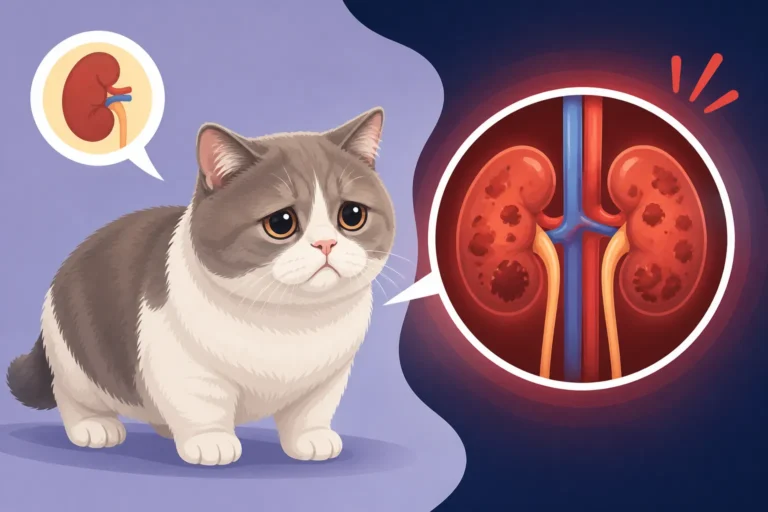
A good Munchkin breeder understands that while the short legs are the defining trait, the cat is still a cat, susceptible to general feline health issues and potentially those inherited from the outcross lines. Therefore, comprehensive health screening is paramount for both the short-legged Munchkin parent and the normal-legged outcross. This includes screening for common feline diseases like hypertrophic cardiomyopathy (HCM), polycystic kidney disease (PKD), and other conditions known to affect the breeds used in outcrossing (e.g., if a Persian is an outcross, screening for PKD is crucial).
Breeders should be able to provide clear documentation of these health screenings for both parents. They should also be monitoring the overall health, temperament, and conformation of their breeding cats to ensure they are passing on the best possible genetics. This meticulous approach means that when you consider a Munchkin, you're not just looking at cute legs, but at a cat from a lineage that has been carefully managed for overall health. This commitment is part of What a Munchkin Breeder Should Be Able to Show You when you inquire about a kitten. Investing in comprehensive pet insurance like Healthy Paws for your Munchkin from a young age can also provide peace of mind, knowing that you're prepared for any unexpected health challenges that might arise, regardless of breed.
Educating Prospective Owners About Lifelong Care
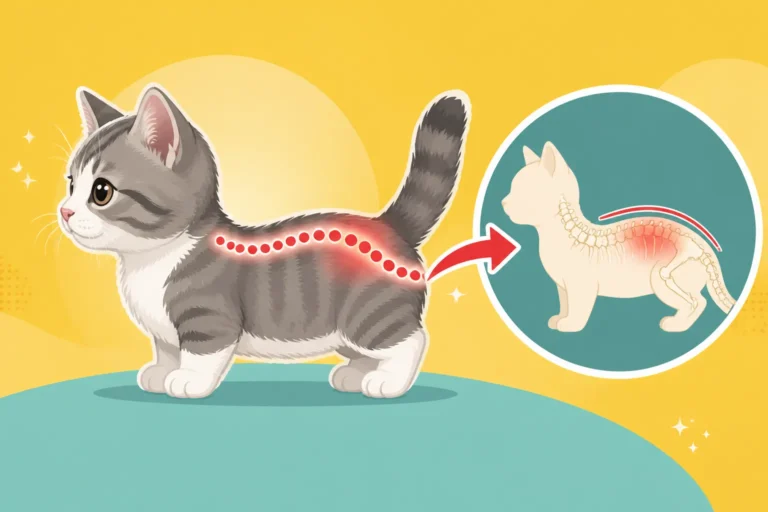
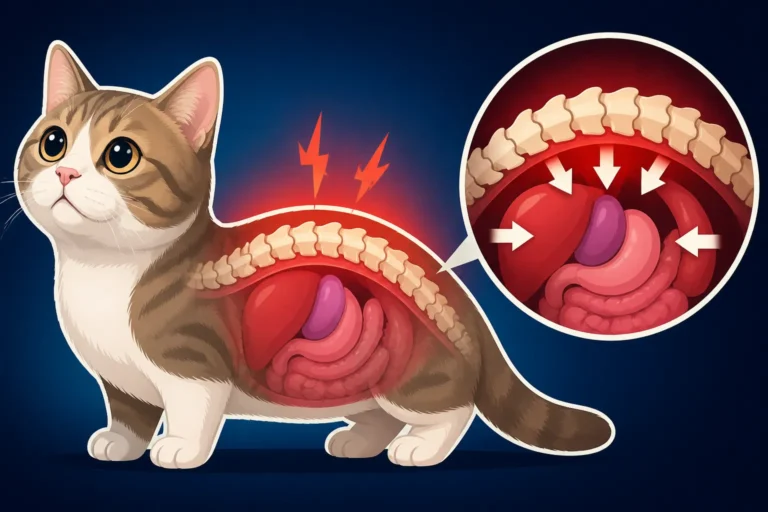
Perhaps one of the most vital responsibilities of a Munchkin breeder is to thoroughly educate prospective owners about the unique needs and care requirements of the breed. This isn't just about sharing adorable photos; it's about setting realistic expectations and ensuring that new owners are prepared for the specific adaptations a Munchkin might require. This includes discussing potential issues like Why a Munchkin's Spine Carries a Load a Normal Cat's Does Not, the importance of weight management, and home modifications.
A good breeder will take the time to explain how a Munchkin's short legs impact its mobility, jump height, and grooming abilities. They'll discuss the need for ramps or steps to help access furniture, appropriate litter box choices, and the increased importance of regular grooming for the hard-to-reach areas. They should also emphasize Why Weight Is More Dangerous on a Munchkin due to the added strain on their joints and spine. This education is not to scare you, but to empower you to provide the best possible environment for your Munchkin.
Ethical Considerations in Breeding Decisions
Beyond the science, ethical considerations permeate every breeding decision for a Munchkin breeder. This involves carefully evaluating each cat for overall health, temperament, and genetic fitness before breeding. It means being willing to retire a cat from a breeding program if any concerns arise, rather than prioritizing profit. It also means ensuring that breeding cats are not overbred and have appropriate breaks between litters.
Furthermore, ethical breeders will have a clear philosophy on placement, ensuring that every kitten, whether short-legged or long-legged, goes to a suitable, loving home. They should have comprehensive contracts that outline health guarantees, spay/neuter requirements for pet-quality kittens, and a commitment to taking back a cat if an owner's circumstances change. This holistic approach to breeding reflects a deep commitment to the welfare of the animals above all else, which is something you truly want to see in any breeder you consider working with.
Living with a Munchkin from a Carrier Cross: What to Expect
Bringing a Munchkin into your home means embracing a cat with a unique physiology. While these cats are generally very active and playful, their short legs do necessitate some thoughtful considerations to ensure they live their happiest, healthiest lives.
Understanding Their Unique Physical Abilities and Limitations
Despite their short legs, Munchkins are famously agile and quick. They can run, play, and navigate their environment with surprising speed on flat surfaces. They are known for their "ferret-like" gait and can corner with impressive dexterity. However, their limitations become apparent when it comes to vertical challenges. They can't jump as high as normal-legged cats, making access to high shelves, countertops, or tall cat trees difficult or impossible.
This means you need to reframe your understanding of a cat's typical mobility. While they might attempt to jump onto a sofa, they often need a boost or a ramp. They also famously exhibit the "prairie dog" sit, where they sit up on their hind legs to get a better view, a charming behavior unique to the breed. Understanding these physical nuances is key to providing them with a safe and stimulating environment, recognizing that A Munchkin Is a Normal Cat That Cannot Reach some places.
Adapting Your Home for a Munchkin's Needs
Adapting your home for a Munchkin isn't about making drastic changes, but rather thoughtful adjustments to accommodate their unique vertical limitations. This primarily involves providing easy access to their favorite spots. Ramps or pet steps can be placed leading up to sofas, beds, and windowsills. Low-entry litter boxes are a must to prevent strain on their spine when entering and exiting. Cat trees should have platforms that are closely spaced and easily accessible.
Consider their grooming needs as well; due to their limited reach, some Munchkins, especially long-haired varieties, may struggle to groom their hindquarters. Regular brushing and occasional "sanitary clips" might be necessary. Think about food and water bowls too; raised bowls can be more comfortable for their neck and spine, preventing them from stooping too low. These simple modifications ensure your Munchkin can navigate their world comfortably and independently, making your home a true haven for them. It’s also why Why a Munchkin's House Costs More Than the Cat is a true statement for a truly adapted home.
Prioritizing Preventative Health and Longevity
Like all cats, Munchkins benefit immensely from regular veterinary care, a balanced diet, and an active lifestyle. However, given their unique build, preventative health takes on an even greater importance. Maintaining a healthy weight is absolutely critical to minimize strain on their short legs and spine. Regular monitoring of their gait and any signs of stiffness or discomfort, especially as they age, is also key. Many owners find that starting a joint supplement early in life can be beneficial, with vet guidance, of course.
Annual vet check-ups should include a thorough examination of their spine and joints. Discussing any mobility changes with your vet is vital, particularly as they enter their senior years, when conditions like arthritis might become more prevalent. Ensuring your Munchkin has access to high-quality pet insurance, like a plan from Healthy Paws, can help cover the costs of these preventative measures and any potential treatments down the line. A proactive approach to their health will greatly contribute to The Twelve to Fifteen Years a Munchkin Usually Gets, ensuring they enjoy a long and comfortable life by your side, and making care into their senior years, as covered in Caring for a Munchkin Past Ten, as smooth as possible.
Disclaimer
This article is for general informational purposes only and does not constitute professional advice. Laws, prices and regulations vary by location and change over time. Consult a qualified professional for guidance on your specific situation.