What a Munchkin Breeder Should Be Able to Show You
Navigating the world of Munchkin cats can feel like a minefield. You're probably looking for that adorable, short-legged companion, but also worried about their health and whether you're supporting ethical breeding practices. It's tough to discern who the truly responsible breeders are from those who might cut corners, leaving you with heartache and hefty vet bills down the line. This comprehensive guide is here to cut through the confusion, clearly outlining exactly what a reputable Munchkin breeder should be able to show you, ensuring you find a healthy, well-adjusted kitten from a breeder who genuinely cares.
Understanding the Importance of a Reputable Munchkin Breeder
Bringing a new pet into your home is a huge decision, and with a unique breed like the Munchkin, that decision carries an extra layer of responsibility. These aren't just any cats; their defining characteristic is a genetic mutation, and how that mutation is managed by a breeder makes all the difference in a kitten's future well-being.
Why Breeder Diligence Matters So Much for Munchkins
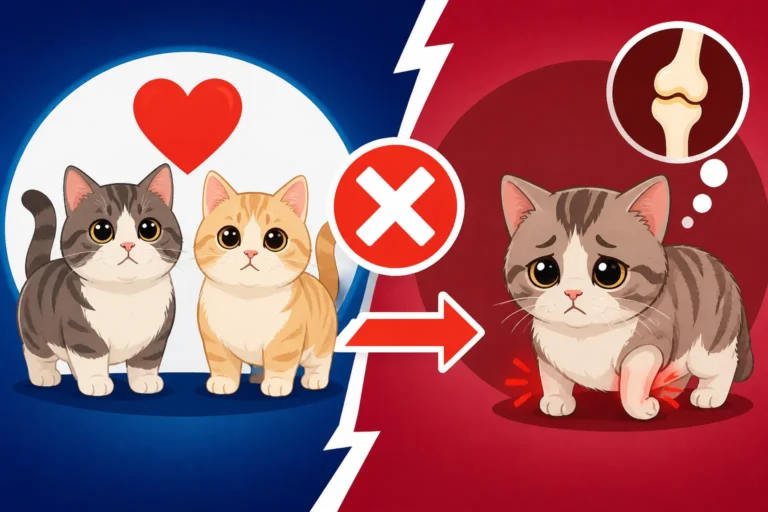
The very trait that makes Munchkins so endearing – their short legs – is a form of dwarfism called pseudoachondroplasia. While many Munchkins lead full, active lives, this genetic difference does mean they carry certain potential health considerations that are less common in other cat breeds. A responsible breeder understands these nuances deeply and actively works to mitigate risks through careful breeding practices and health screening. For instance, you absolutely need to understand that Munchkin Dwarfism Is Dominant and Lethal in Two Copies, meaning ethical breeders always breed a short-legged Munchkin with a normal-legged cat to avoid homozygous kittens, which never survive. This critical understanding informs every decision a good breeder makes. Without this diligence, you could unknowingly purchase a kitten predisposed to significant skeletal issues or other health complications, which is a heartbreaking situation for any pet owner.
The Ethical Dilemma: How to Find Breeders Who Prioritize Health
The Munchkin breed itself is a subject of debate within the broader cat fancy, with some organizations refusing to recognize them due to welfare concerns. This makes finding an ethical breeder even more crucial. A truly reputable breeder won't shy away from these discussions. Instead, they'll be transparent about the breed's origins, its genetic implications, and the specific steps they take to ensure the health and quality of life for their cats. They are not just selling a pet; they are guardians of a lineage, committed to producing healthy, well-socialized kittens. They'll readily discuss issues like Lordosis Is the Spinal Curve the Munchkin Argument Is About or Pectus Excavatum and the Munchkin's Sunken Chest, explaining how they screen for these conditions and what their breeding program does to minimize their occurrence. This commitment to transparency and ethical practices is your first and most important indicator of a good breeder.
Essential Documents and Records Every Breeder Should Provide
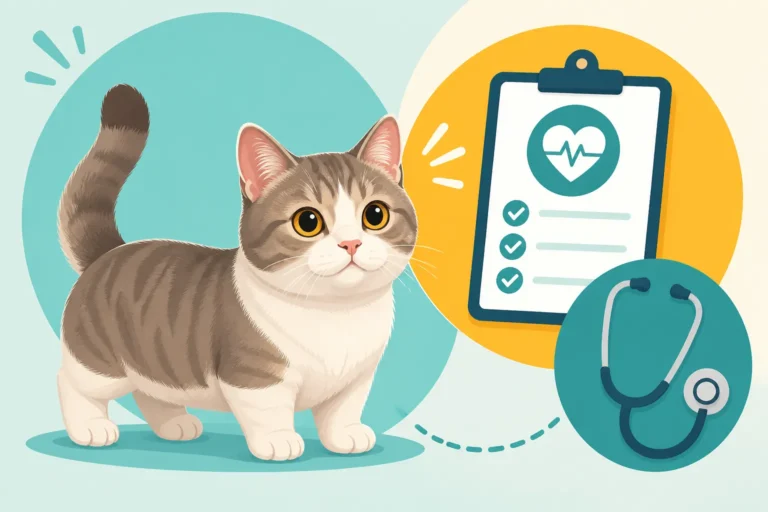
When you're considering a Munchkin kitten, a reputable breeder will have a stack of paperwork ready for you. This isn't just bureaucratic fluff; these documents are concrete proof of their ethical practices and the health lineage of your potential new family member. Think of it as their resume, complete with references and certifications.
Pedigree and Registration Papers
For any purebred cat, including Munchkins, official registration papers are non-negotiable. The International Cat Association (TICA) is the primary registry that fully recognizes the Munchkin breed for championship status. Therefore, your breeder should be able to provide TICA registration for both the parent cats and the litter. These papers confirm that the cat is, in fact, a Munchkin from a recognized lineage. Beyond simple registration, you should ask to see the full pedigree for at least three to five generations. This pedigree isn't just a family tree; it's a vital tool. It shows the outcrosses used in the breeding program, which is incredibly important for Munchkins because they must always be bred to a non-Munchkin cat. This ensures genetic diversity and prevents lethal homozygous genes. A detailed pedigree allows you to see if the breeder is carefully selecting healthy outcrosses, like domestic shorthairs or longhairs, to maintain a robust gene pool, as outlined in Why the Munchkin Gene Pool Stays Wide. If a breeder cannot provide verifiable TICA registration or a transparent pedigree, it's a significant red flag.
Health Screening Records for Parents and Kittens
This is perhaps the most critical set of documents a breeder should offer. Given the breed's unique skeletal structure, certain health screenings are paramount. You should expect to see proof of health screenings for the parent cats, and ideally, for the kittens as well. This typically includes:
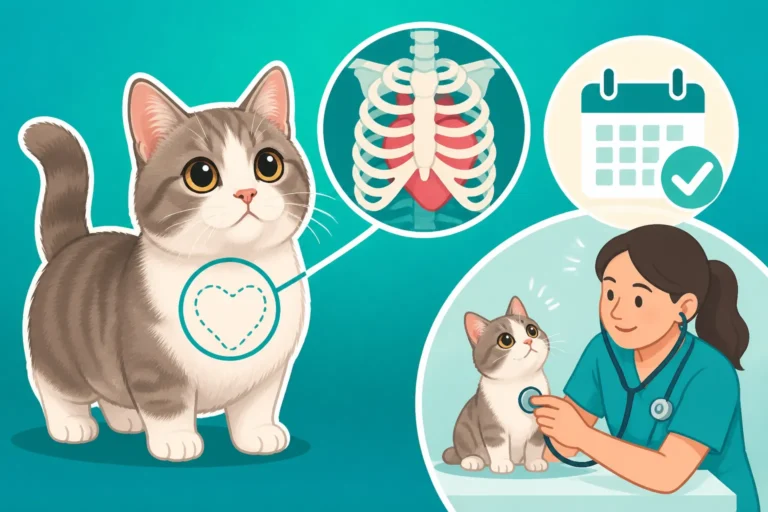
- Cardiac Screening: Hypertrophic cardiomyopathy (HCM) is a common heart disease in cats, and while not breed-specific to Munchkins, it's prevalent in many purebred lines. Reputable breeders will have echocardiogram results for their breeding cats, showing they are clear of HCM.
- Polycystic Kidney Disease (PKD) Screening: If Persian or other longhaired breeds known for PKD are in the Munchkin's outcross lineage, then PKD testing (often via ultrasound) is crucial. A good breeder will proactively test for such conditions if they are present in their outcross lines, especially if they have bred a Munchkin From a Persian Cross Needs a PKD Test.
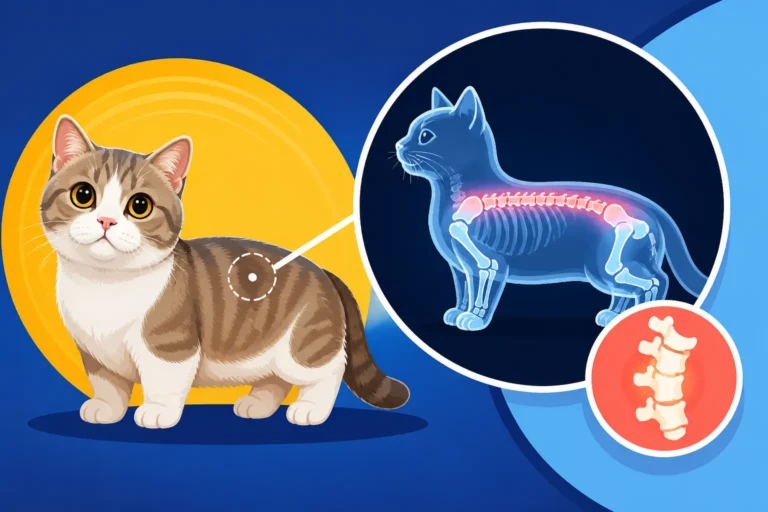
- Spinal Conformation Records: This is specific to Munchkins. While a definitive "spinal health certificate" might not exist in a standardized format across all vets, a responsible breeder should have veterinary reports or even radiographs showing that their breeding cats have good spinal conformation and are free from severe lordosis or pectus excavatum. Lordosis, a spinal curvature, can compress organs and significantly impact a cat's quality of life. Understanding How Severe Munchkin Lordosis Can Get is essential, and a breeder should be able to discuss how they monitor for this. They should be able to explain what a mild case might look like versus a severe one and how they make breeding decisions based on these assessments.
- General Genetic Panel: Many cat breeds have specific genetic tests available for certain diseases. While the Munchkin gene itself hasn't been fully identified, responsible breeders will still screen for any known genetic issues within their outcross breeds.
These records provide tangible evidence that the breeder is actively working to produce healthy kittens and is not just hoping for the best.
Veterinary Examination Reports
Before any kitten leaves for its new home, it should have a thorough veterinary examination. Your breeder should provide you with a copy of this exam report, typically performed between 8 and 12 weeks of age. This report should confirm:
- Overall Health: The kitten is free from parasites (internal and external), has clear eyes and ears, healthy gums, and a good coat.
- Vaccination Status: Details of their first vaccinations (usually FVRCP – Feline Viral Rhinotracheitis, Calicivirus, Panleukopenia) and deworming schedule. You should know Which Vaccines an Indoor Munchkin Needs.
- Physical Conformation: The vet's assessment of the kitten's general physical structure, including their legs and spine. While the vet might not give a specific "Munchkin leg length grade," they should note any concerns about gait, spinal curvature, or chest conformation. It’s important that A Munchkin Kitten's First Year of Learning Its Limits starts with a clean bill of health.
- Microchip Information: Confirmation that the kitten has been microchipped, along with the registration details.
This vet report is your assurance that a qualified professional has assessed the kitten's health prior to sale. A breeder who won't share this vital document or claims the kitten hasn't seen a vet is immediately suspect.
Observing the Kitten and Its Environment Firsthand
No amount of paperwork can replace seeing the kittens and their living situation with your own eyes. This is your chance to verify the claims on paper and to see if the breeder's environment aligns with ethical and humane practices.
Assessing Kitten Health and Temperament
When you visit, pay close attention to the kittens themselves. Are they active, curious, and playful? Healthy kittens should have bright eyes, clean noses, and soft, clean coats. They should interact positively with you and their littermates. Observe their movement – do they run, play, and navigate their environment with ease? While Munchkins have unique mobility, they should still be agile and unhindered in their immediate surroundings. A reputable breeder will encourage you to watch the kittens play, noting how A Munchkin Is Faster on the Flat Than You Expect and how they compensate for their short legs. Look for signs of good socialization:
- Do they seem comfortable being handled?
- Are they shy and withdrawn, or confident and curious?
- Do they show any signs of pain or discomfort when moving or being touched?
- Can you see them performing their signature "prairie dog sit" comfortably? The Prairie Dog Sit Only a Munchkin Does is a unique posture, and observing it can tell you about their spinal flexibility.
A well-socialized kitten is far more likely to integrate successfully into your home, and a healthy kitten is less likely to present immediate medical concerns. If a kitten appears lethargic, has discharge from its eyes or nose, or shows any signs of fear or aggression, it's a cause for concern.
Inspecting the Cattery Environment
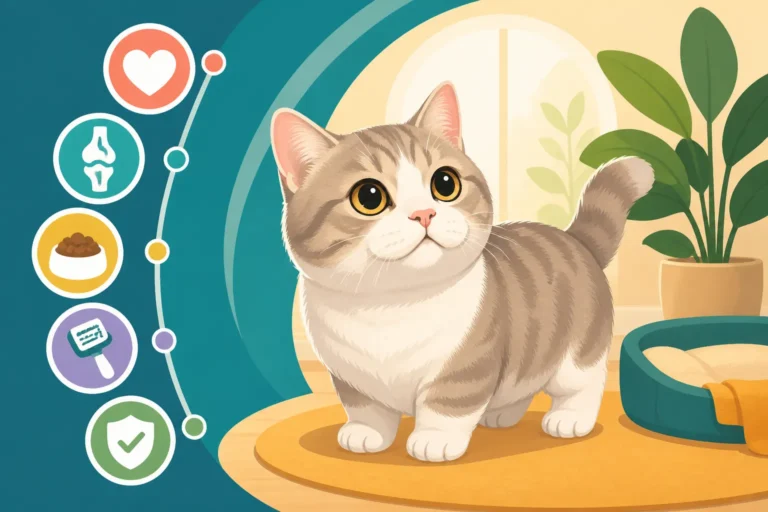
The environment where the kittens are raised speaks volumes about the breeder's commitment to their animals. The cattery should be clean, well-ventilated, and free from strong odors. It should be a stimulating and safe place for kittens to grow. For Munchkins specifically, the environment needs to be adapted to their unique physical needs. Look for:
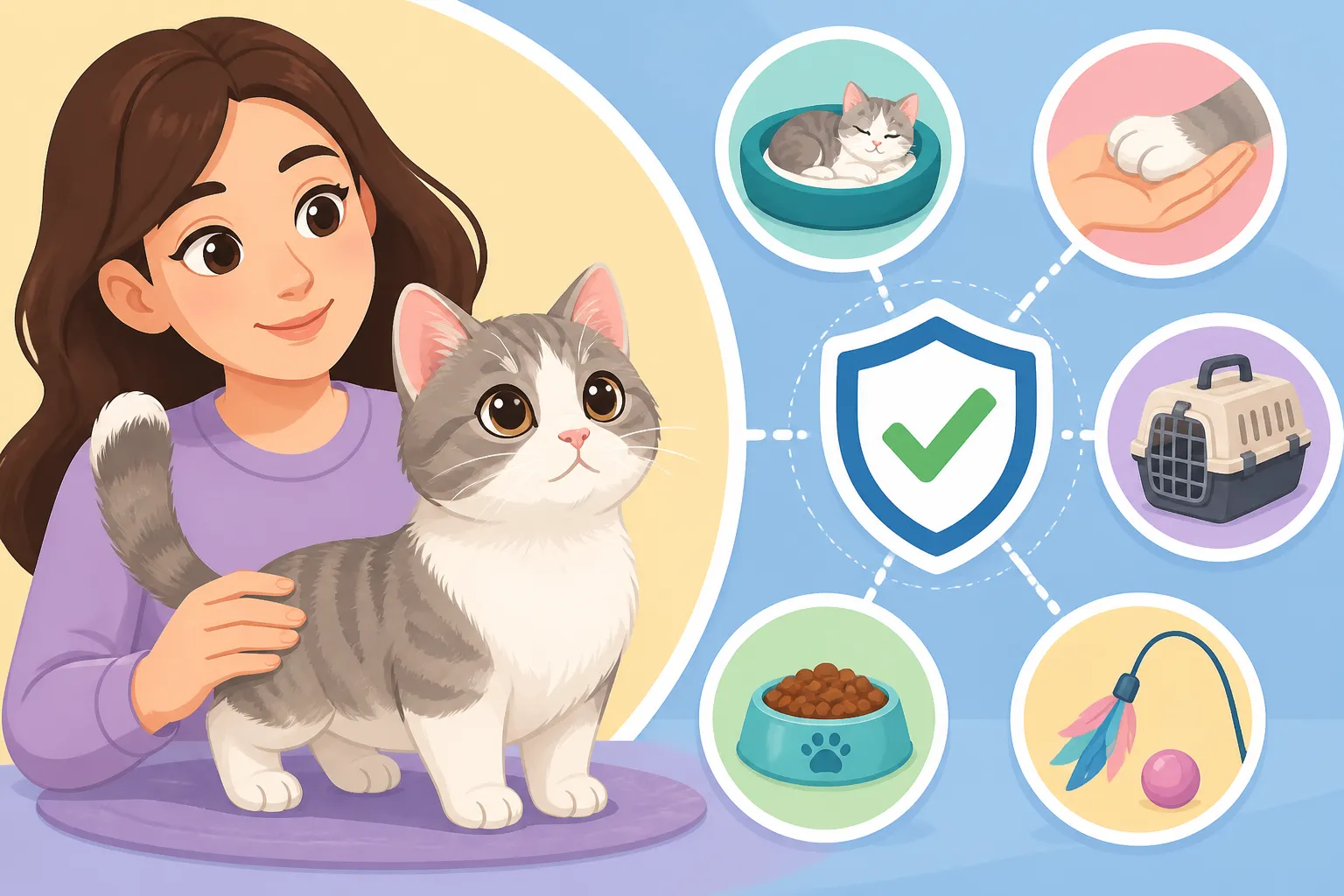
- Low-entry litter boxes: Kittens and adult Munchkins need boxes they can easily step into without straining their backs or hips. Why a Munchkin Needs a Litter Box It Can Walk Into is a fundamental care principle.
- Ramps or steps: Are there ramps or sturdy steps leading to sofas, beds, or cat trees? Ramps and Steps Are Munchkin Equipment, Not Luxuries, and their presence indicates a breeder who understands and accommodates the breed's needs.
- Safe play areas: Are there toys and enrichment at floor level, accessible to short-legged cats?
- Clean bedding and food/water stations: Everything should be spotless and well-maintained.
A breeder who invites you into their home or dedicated cattery space, showing you where the cats live and are raised, demonstrates transparency. Be wary of breeders who insist on meeting in public places, deliver kittens, or only show you photos or videos, as this could be a way to hide substandard living conditions. You should also observe if A Munchkin Cattery Should Have Ramps in Every Pen, as this is a good sign of proactive care.
Meeting the Parents
Meeting the mother cat (the queen) is essential. She should be healthy, well-groomed, and have a good temperament. Her interaction with her kittens will tell you a lot about her personality and, by extension, the likely temperament of her offspring. Observe how she moves, if she seems comfortable and pain-free. A good breeder will also provide information, and ideally, health records or pictures, of the father (the stud). This is especially important for Munchkins because of their breeding requirements: Why a Munchkin Is Always Bred to a Normal Legged Cat. You'll want to see that the stud is a healthy, normal-legged cat, and that his temperament is also sound. The breeder should be able to explain the genetic background of both parents and how their pairing contributes to the desired traits and health of the litter. If the breeder is reluctant to let you see the queen, or cannot provide details about the stud, it's a significant cause for concern. Watching the parents move can give you an insight into how Why a Munchkin's Spine Carries a Load a Normal Cat's Does Not and how well they cope with their unique anatomy.
Contractual Agreements and Guarantees
A responsible breeder doesn't just hand over a kitten; they provide a comprehensive contract that protects you, the kitten, and themselves. This document should clarify expectations, responsibilities, and assurances. Never purchase a kitten without a written contract.
Understanding the Health Guarantee
A robust health guarantee is non-negotiable. This guarantee typically covers genetic health conditions for a certain period, often one to two years. For Munchkins, specifically, this should ideally include explicit mention of congenital spinal conditions like lordosis and chest deformities like pectus excavatum. While no breeder can guarantee a cat will never develop any health issue, they should guarantee against serious, debilitating congenital or hereditary diseases that impact quality of life. The guarantee should outline what steps to take if a covered condition arises – for example, requiring a second vet opinion and detailing what compensation (e.g., a replacement kitten or partial refund) might be offered. It's important to clarify Whether a Munchkin Guarantee Covers Lordosis and other specific Munchkin health concerns before you sign. A good breeder will stand by the health of their kittens and be transparent about their policies. This is also where you might consider pet insurance from providers like Healthy Paws, to help cover unexpected vet costs that might not fall under a breeder's guarantee.
Spay/Neuter Clauses and Breeding Restrictions
Most reputable breeders sell kittens as pets, not for breeding, and their contracts will reflect this. Pet contracts almost always include a spay/neuter clause, requiring you to have your kitten sterilized by a certain age (e.g., 6-12 months). Proof of sterilization (a vet certificate) must then be sent back to the breeder. This is a critical ethical component of breeding, preventing indiscriminate breeding and ensuring that only carefully selected, healthy cats contribute to the gene pool. For Munchkins, this is especially important because of the strict breeding requirements of mating a short-legged cat only with a normal-legged cat to avoid severe health problems. The contract might also specify that the kitten cannot be declawed. If you're interested in breeding, you'd need a separate "breeding rights" contract, which comes with its own set of stringent conditions and a significantly higher price. Be very wary of breeders who sell kittens with breeding rights without extensive vetting and a detailed discussion about ethical breeding practices.
Return/Rehoming Policy
Life happens, and sometimes, despite best intentions, an owner might find themselves unable to care for their cat. A responsible breeder will include a clause in their contract stating that if, at any point, you can no longer keep the cat, you must return it to them. This ensures their cats never end up in shelters or unknown homes. This commitment demonstrates their lifelong responsibility for the animals they bring into the world. They have invested time, effort, and care into these kittens, and they want to ensure their welfare for their entire lives. This policy also often acts as a safety net for new owners, knowing they have support if unforeseen circumstances arise. This shows a deep ethical commitment, understanding that Why a Munchkin in an Unadapted House Ends Up Rehomed is often due to unforeseen circumstances or lack of proper planning.
Transparency and Ongoing Support from the Breeder
A true mark of an excellent breeder isn't just the quality of the kitten they provide, but the relationship and support they offer after you've taken your new feline friend home. They become a resource, a mentor, and a friend.
Open Communication and Answering Your Questions
Before, during, and after the purchase, a reputable breeder should be eager to communicate and answer any questions you have. This isn't just about sales; it's about ensuring you are fully prepared to care for a Munchkin. They should be knowledgeable about the breed's specific needs, potential health issues, and temperament. Don't be afraid to ask about:
- Their breeding philosophy and goals.
- Their experience with the breed and years in operation.
- The specifics of their health screening protocols.
- The socialization process for their kittens.
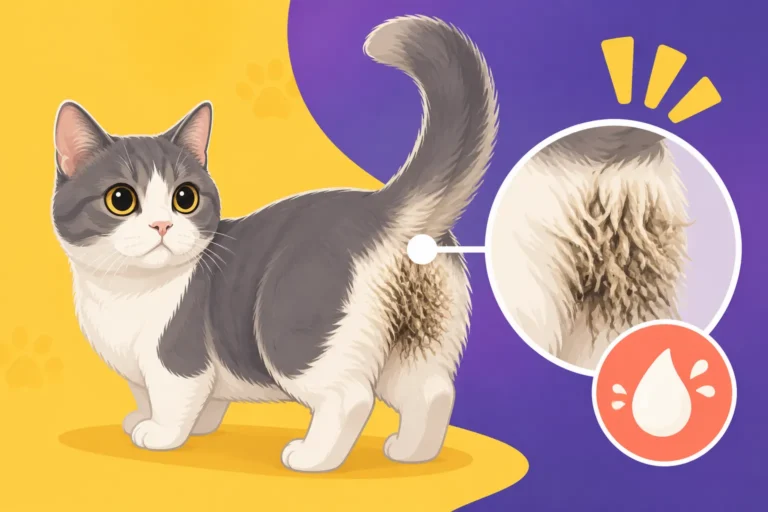
- Daily care routines for Munchkins, including grooming the parts they can't reach themselves, as detailed in Grooming the Half of a Munchkin It Cannot Reach.
- Dietary recommendations and how to maintain a healthy weight, which is critical given Why Weight Is More Dangerous on a Munchkin.
A breeder who gives evasive answers, gets defensive, or seems annoyed by your questions is not someone you want to work with. They should be a lifelong resource, happy to share their expertise.
Post-Purchase Support and Resources
The relationship with a good breeder doesn't end when you take your kitten home. Many excellent breeders offer ongoing support, acting as a resource for questions or concerns that arise as your kitten grows. This might include:
- Availability for advice: Being reachable by phone or email for questions about behavior, health, or adjustments.
- Connecting with other owners: Some breeders foster a community among their kitten buyers, creating a network for support and sharing experiences.
- Guidance on specific challenges: Helping you navigate common kitten issues or providing advice on adapting your home as your Munchkin grows. This could involve recommending specific types of ramps, low cat trees, or appropriate toys that work at a Munchkin's height. They understand that With a Munchkin the House Changes, Not the Cat.
This level of continued engagement shows a genuine commitment to the welfare of their cats beyond the point of sale. It's a sign that they truly care about the long-term success of the placement. When considering pet insurance, a reputable breeder can often offer insights into plans that cater to breed-specific concerns, like those from Healthy Paws, which can be invaluable for peace of mind.
Educational Resources and Guidance
Beyond simply answering questions, a responsible breeder will often provide a "kitten packet" filled with helpful information. This might include:
- Care guides: Detailed instructions on diet, grooming, litter box habits, and general care specific to the Munchkin breed.
- Vaccination and deworming schedule: A clear timeline for future vet visits and necessary boosters.
- Transition tips: Advice on helping your new kitten adjust to its new home, introducing it to existing pets, and starting litter box training.
- Dietary recommendations: Specific food brands they use, feeding schedules, and advice on healthy treat options. This is especially important for Munchkins who need careful weight management due to How Few Calories a Munchkin Actually Burns.
- Local vet recommendations: Sometimes, they can recommend veterinarians who are familiar with the breed or who they trust.
This proactive approach to education empowers you as a new owner, equipping you with the knowledge needed to provide the best possible home for your Munchkin. They recognize that owning a Munchkin requires a bit more foresight than a typical cat, particularly when it comes to adapting their environment, as seen in the need for Why a Munchkin's Food and Water Belong at Floor Level.
Red Flags to Watch Out For
Just as there are signs of a good breeder, there are equally clear indicators of a breeder you should avoid. Recognizing these red flags can save you from immense heartache, ethical dilemmas, and significant financial strain in the future.
Unwillingness to Provide Documentation or Access
This is perhaps the biggest red flag. If a breeder is evasive about showing you registration papers, health screening results, or veterinary records, walk away immediately. Any excuse – "the papers are pending," "my vet doesn't do those tests," or "I'll send them later" – is unacceptable. Likewise, if a breeder refuses to let you visit their cattery or meet the kitten's parents, this is a huge warning sign. They might offer to meet you in a parking lot or bring the kitten to you, which prevents you from seeing the environment in which the kitten was raised. This lack of transparency often indicates poor conditions, unverified lineage, or undisclosed health issues. A truly responsible breeder has nothing to hide and wants you to feel confident in your choice. They should be eager to show you What a Munchkin Breeder Should Be Able to Show You without hesitation.
Poor Living Conditions or Unhealthy Animals
When you do visit, trust your instincts. If the cattery appears dirty, smells strongly of urine, is overcrowded, or seems unsafe, it's a breeding operation to avoid. Unsanitary conditions are breeding grounds for illness and stress. Similarly, observe the health of all the cats, not just the kittens. Are the adult cats healthy, well-fed, and calm? Do any cats appear timid, aggressive, or show signs of neglect? Lethargic, sneezing, or constantly itching kittens or adults are signs of systemic health issues within the cattery. Poorly socialized cats, those that shy away from human contact or seem overly fearful, indicate a lack of proper care and attention during their crucial developmental stages. These are signs of a backyard breeder or even a puppy/kitten mill, not a reputable source.
Breeders Promoting "Teacup" or "Dwarf" Munchkins
Be extremely wary of any breeder using marketing terms like "teacup Munchkin," "mini Munchkin," or "dwarf cat." These are often buzzwords designed to attract buyers looking for something exceptionally small or unique, and they usually come with inflated prices and potential health risks. True Munchkins are already a dwarf breed due to their pseudoachondroplasia; there isn't a "teacup" version that is smaller than the standard Munchkin, which already holds records for shortest cat. These terms are often used by unethical breeders to justify breeding cats with other forms of dwarfism or simply exploiting the desire for smaller animals, sometimes leading to cats with compounded health problems. It's important to know that Teacup and Dwarf Are Marketing Words, Not Munchkin Words and often signal a breeder who prioritizes profit over welfare. Such breeders might also be crossing Munchkins with other dwarf breeds, potentially stacking genetic mutations, as highlighted in warnings like What Two Skeletal Mutations Do to One Munchkin. A responsible breeder will use proper terminology and educate you on the breed's actual size and characteristics.
Breeder Must-Haves vs. Red Flags
To make your search easier, here's a quick summary of what a reputable Munchkin breeder should offer versus the warning signs to avoid.
| Breeder Must-Haves | Red Flags to Watch Out For |
|---|---|
| TICA Registration & Multi-Generation Pedigree | No papers, or "papers pending" |
| Health Screening Records (HCM, PKD, spinal review) | No health records for parents/kittens |
| Detailed Vet Exam Report for Kitten | Kitten hasn't seen a vet, or no report provided |
| Open Invitation to Visit Cattery & Meet Parents | Refuses visits, insists on public meeting, or delivers kittens |
| Kittens & Parents are Healthy, Clean & Well-Socialized | Lethargic, sick, timid, or aggressive cats |
| Adapted Cattery Environment (ramps, low litter boxes) | Cattery is dirty, overcrowded, or unadapted for short legs |
| Comprehensive Health Guarantee | No health guarantee, or vague terms |
| Spay/Neuter Clause in Contract | Sells breeding rights easily, or no spay/neuter requirement |
| Clear Return/Rehoming Policy | No policy for returning cat if needed |
| Open Communication & Post-Purchase Support | Evasive answers, avoids questions, disappears after sale |
| Educational Resources & Care Guides | Offers no advice, only talks about money |
| Transparency about breed challenges | Downplays or denies potential Munchkin health issues |
| Uses proper breed terminology | Markets "Teacup" or "Dwarf" Munchkins, or unknown hybrids |
Finding a reputable Munchkin breeder might take time and effort, but it's an investment that pays dividends in the health, happiness, and longevity of your new feline companion. Don't rush the process, and always prioritize transparency, ethical practices, and the well-being of the animals.
Disclaimer
This article is for general informational purposes only and does not constitute professional advice. Laws, prices and regulations vary by location and change over time. Consult a qualified professional for guidance on your specific situation.