How Popular the Munchkin Is Worldwide
For many prospective cat parents, figuring out just how popular a particular breed truly is can be a confusing endeavor. There's often a stark difference between official breed recognition and the everyday visibility of a cat breed, especially one as distinct and debated as the Munchkin. This guide will delve into the various layers of Munchkin cat popularity across the globe, examining the factors that contribute to their appeal and the challenges that temper their widespread acceptance.
Understanding the Nuances of "Popularity" for a Controversial Breed
When we talk about the popularity of a cat breed, it's rarely a straightforward metric. For a breed like the Munchkin, whose defining characteristic — those adorable short legs — is also the source of significant ethical debate, popularity is a multifaceted concept. It's not just about how many kittens are sold or how many cats are registered; it's also about public perception, social media presence, and even the stance of veterinary and animal welfare organizations.
The Divide Between Public Affection and Official Recognition
On one hand, you have the undeniable public affection for Munchkin cats. Their unique appearance, often described as charmingly dapper with their short stature, captures hearts worldwide. Videos and photos of Munchkins on social media platforms often go viral, showcasing their playful personalities and distinctive "prairie dog" sit. This visual appeal translates into a strong, grassroots popularity among pet enthusiasts who are drawn to their cute factor. Many families fall in love with a Munchkin cat purely based on its looks and personality, often without fully understanding the breed's background or the ongoing discussions surrounding its health and welfare. This kind of popularity is driven by emotion and aesthetic appeal, and it's a powerful force in the pet world, regardless of what official bodies might say.
On the other hand, official recognition within the cat fancy tells a very different story. While the International Cat Association (TICA) recognizes the Munchkin as a championship breed, allowing them to compete in shows and be part of official pedigrees, many other major cat registries worldwide do not. Organizations like the Cat Fanciers' Association (CFA) in the United States and the Governing Council of the Cat Fancy (GCCF) in the United Kingdom explicitly refuse to register Munchkins. Their reasons often stem from concerns about the breed's welfare, specifically the genetic mutation that causes their short legs and its potential implications for spinal health and mobility. This lack of broad official recognition means that while many people adore Munchkins as pets, their popularity within traditional cat breeding and showing circles is severely curtailed, creating a distinct split in how "popular" they truly are.
The Role of Advocacy and Awareness Campaigns
The discussions surrounding Munchkin cats are not quiet whispers; they are often vocal debates amplified by animal welfare advocates and veterinary communities. These groups frequently launch awareness campaigns highlighting potential health concerns associated with the breed's short legs, such as Lordosis Is the Spinal Curve the Munchkin Argument Is About or What Pectus Excavatum Does to a Munchkin's Chest. Such campaigns, while aimed at educating potential owners and discouraging unethical breeding, inevitably impact the breed's public perception. They can temper the "cute factor" with serious considerations, leading some prospective owners to reconsider.
Conversely, dedicated Munchkin breeders and enthusiasts also engage in advocacy, striving to educate the public on responsible breeding practices and to counter what they perceive as misinformation. They often emphasize that a well-bred Munchkin, from reputable lines, can live a long and healthy life, similar to other cats. They aim to show that The Twelve to Fifteen Years a Munchkin Usually Gets is a realistic expectation. These efforts attempt to paint a balanced picture, highlighting the breed's unique traits and loving nature while addressing the concerns. The push and pull between these different advocacy efforts continuously shapes the global popularity of the Munchkin, creating pockets of strong support alongside regions of outright opposition.
Regional Differences in Munchkin Cat Acceptance and Demand
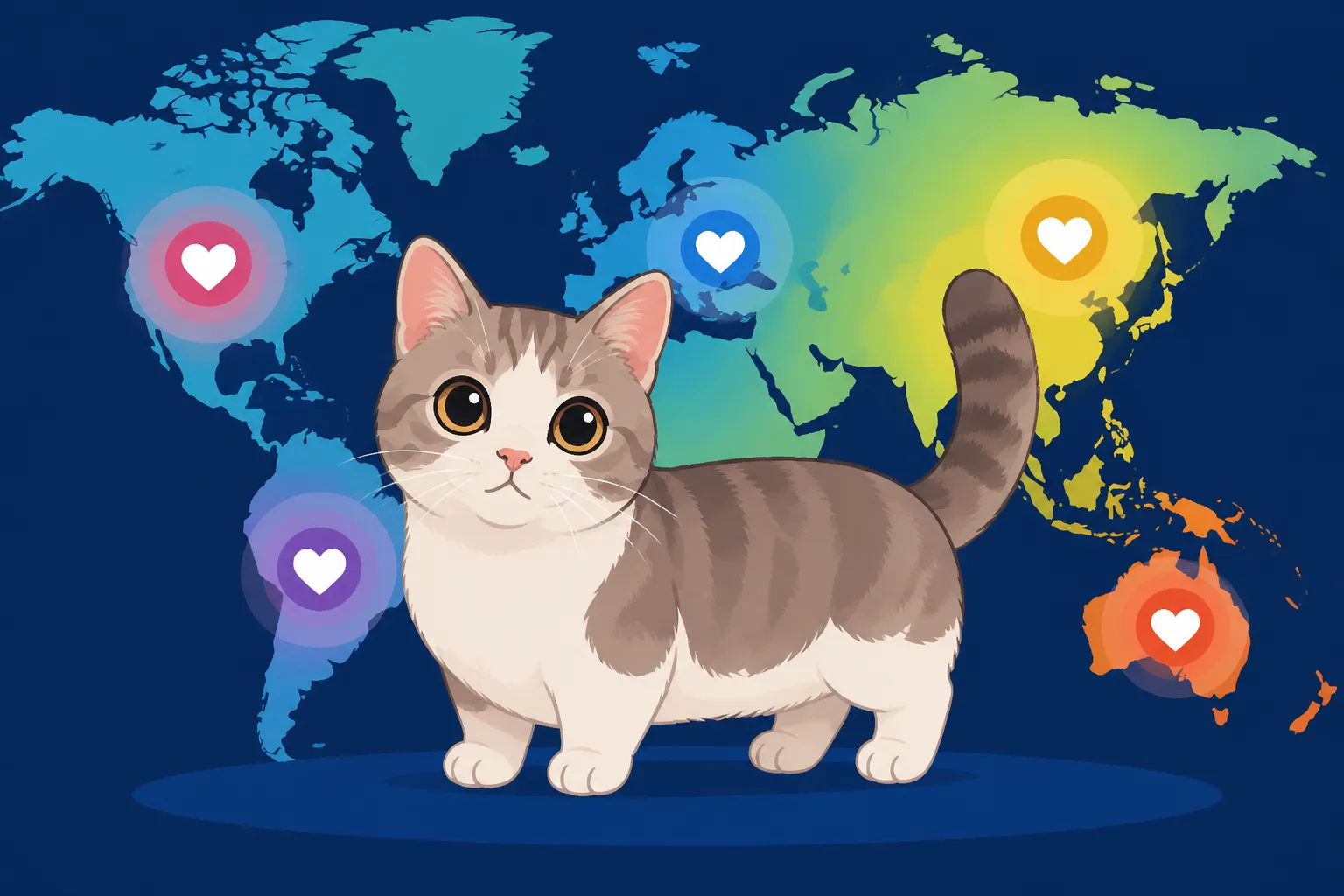
The global landscape for Munchkin cats is far from uniform. Their acceptance and demand fluctuate wildly from one country or continent to another, often influenced by cultural attitudes towards animal welfare, the strength of local cat fancy organizations, and prevailing legal frameworks. This regional variation is a key aspect of understanding their overall worldwide popularity.
North America: A Mixed Bag of Enthusiasm and Debate
In North America, particularly the United States, the Munchkin cat enjoys a significant level of popularity among the general public. They are readily available from breeders, and many people are drawn to their distinctive appearance. TICA, an international registry based in the US, has been instrumental in the breed's development and recognition. This recognition has provided a platform for breeders and enthusiasts to showcase Munchkins, contributing to their visibility and desirability. You'll find a thriving community of Munchkin owners, and discussion forums and social media groups dedicated to the breed are quite active.
However, even within North America, the breed is not without its controversies. While TICA supports the breed, the Cat Fanciers' Association (CFA), another major US-based registry, does not recognize the Munchkin. This division within the cat fancy reflects broader ethical debates among vets and welfare groups, who express concerns about the breed's health. Many veterinarians in the US will openly discuss the potential health issues with prospective owners, leading to a situation where the breed is popular, yet often purchased with an understanding of these caveats or despite them. The popularity here is high, but it's often an informed or at least widely debated popularity.
Europe: Strong Opposition and Legal Restrictions
Across many parts of Europe, the situation for Munchkin cats is dramatically different. Here, animal welfare laws and ethical considerations often take precedence over breed aesthetics, leading to widespread opposition and, in some cases, outright bans on breeding. Countries like Germany, the Netherlands, and Belgium have implemented legislation or strong guidelines that effectively prohibit the breeding of Munchkin cats due to concerns about "torture breeding" or "disabling features." The argument is that deliberately breeding for a genetic mutation that can cause physical limitations is unethical.
For example, Where in Europe a Munchkin Cannot Be Shown at All and cannot even be legally bred, means their popularity is non-existent in an official sense. While some individuals might still illegally import or breed them, this practice is heavily discouraged and often carries severe penalties. Public awareness campaigns in Europe tend to be strongly critical of the breed, emphasizing the welfare implications rather than the "cute" factor. As a result, Munchkin cats are far less common in European households, and general awareness of them is often linked to negative perceptions of animal breeding ethics.
Asia: A Hub of High Demand and Acceptance
In stark contrast to Europe, countries in Asia, particularly Japan, have shown an immense enthusiasm for Munchkin cats. Japan, in particular, has become a major hub for the breed's popularity, often driving up demand and prices. How Popular the Munchkin Is in Japan is quite remarkable, with these cats frequently featuring in pet cafes, media, and private homes. The cultural appreciation for unique or "kawaii" (cute) aesthetics often extends to pets, making the Munchkin's short stature highly desirable.
This high demand in Asian markets translates into a booming breeding industry and, consequently, higher prices for Munchkin kittens. The ethical debates that are so prevalent in the West often hold less sway, or are simply less publicized, allowing for more widespread acceptance and breeding. Other Asian countries also show a strong demand, though perhaps not to the same fever pitch as Japan. The popularity here is largely unburdened by the same level of public ethical scrutiny, making it a very different landscape for Munchkin cat enthusiasts.
The Role of Breed Registries in Reflecting Popularity
Breed registries are like the official record keepers of the cat world. They set standards, maintain pedigrees, and grant recognition that allows breeds to participate in shows. For a breed like the Munchkin, the stance of these registries plays a crucial role in shaping, or at least reflecting, its institutional popularity and acceptance.
TICA's Acceptance: A Foundation for Formal Recognition
The International Cat Association (TICA) stands out as the primary global registry that fully recognizes the Munchkin cat breed. Their acceptance was a landmark moment, giving the breed a legitimate platform within the organized cat fancy. TICA's standard describes the ideal Munchkin, focusing on its unique short legs while also emphasizing overall health and conformation. This recognition allows Munchkin breeders to register their cats, maintain pedigrees, and show their animals in TICA-sanctioned events. For many breeders, TICA's support is critical, as it provides a framework for responsible breeding and competition.
This means that within the TICA community, Munchkins are indeed popular and well-integrated. Breeders strive to meet the TICA standard, and wins in the show ring can increase the desirability and value of their breeding lines. TICA Judges the Munchkin and CFA Will Not Register It highlights this distinction, showcasing TICA's role as a key proponent for the breed. If you're looking for an officially recognized Munchkin with a verifiable pedigree, you'll almost certainly be looking within the TICA framework. This formal acceptance provides a measure of legitimacy and structure that helps to foster a dedicated community around the breed.
CFA and GCCF's Refusal: A Barrier to Mainstream Acceptance
On the flip side, the refusal of other prominent registries, such as the Cat Fanciers' Association (CFA) in the United States and the Governing Council of the Cat Fancy (GCCF) in the United Kingdom, significantly impacts the Munchkin's mainstream popularity and acceptance. These organizations are often much older and more traditional than TICA, and their decisions carry considerable weight within the cat fancy and among the general public. Their primary concern is animal welfare, and they view the Munchkin's defining short-legged trait as a potentially disabling genetic mutation.
Why CFA Has Never Accepted the Munchkin stems from their commitment to promoting healthy, naturally occurring breeds. They, along with the GCCF, argue that deliberately breeding for a condition that might predispose cats to spinal or joint problems is unethical. This refusal means that Munchkins cannot be shown in CFA or GCCF events, nor can their kittens be registered within these systems. For many cat enthusiasts and professional breeders, non-recognition by these major bodies is a significant deterrent, limiting the breed's exposure and acceptance within broader cat communities. It also reinforces the ethical concerns in the public's mind, making it harder for the breed to shake off its controversial label.
The Impact on Breeder Practices and Transparency
The varying stances of registries directly influence breeding practices and transparency. Breeders who align with TICA are generally more open about their practices, often providing pedigrees and health clearances, as they operate within a recognized framework. They have a standard to adhere to and a community to be accountable to. A reputable breeder should be able to show you a kitten's parents and discuss their health history, along with detailing What a Munchkin Breeder Should Be Able to Show You regarding testing for genetic conditions.
However, where registries refuse the breed, a black market or less regulated breeding environment can emerge. Without official oversight, it becomes harder for prospective owners to verify the health and lineage of a Munchkin kitten. This lack of regulation can lead to irresponsible breeding practices, exacerbating existing health concerns and making it difficult for owners to find reliable information or support. This disparate treatment by global registries creates a complex picture of popularity, where official acceptance in some quarters coexists with outright rejection in others, directly affecting the breed's image and the well-being of the cats.
Social Media and the Unofficial Popularity Contest
In today's digital age, the concept of "popularity" isn't solely confined to official registrations or breed show wins. Social media platforms have become powerful arbiters of public interest, catapulting certain breeds into viral stardom. For the Munchkin cat, with its undeniably unique and visually appealing characteristics, social media plays a monumental role in its unofficial, yet incredibly widespread, popularity.
Viral Content and Aesthetic Appeal
Munchkin cats are, without a doubt, social media darlings. Their short legs, often paired with expressive faces and playful antics, make for incredibly shareable content. Videos of Munchkins "prairie dogging" (standing up on their hind legs to get a better view), waddling adorably, or chasing toys across the floor quickly go viral across platforms like Instagram, TikTok, and YouTube. This constant stream of cute, engaging content introduces the breed to millions of people who might never encounter a Munchkin in real life or through traditional cat fancy channels. The sheer aesthetic appeal of these cats, often perceived as perpetually kitten-like due to their stature, resonates deeply with online audiences.
This viral content creates a significant demand among individuals who see a Munchkin online and immediately fall in love with its charm. They might not be aware of the breed's history, the genetic mutation behind its short legs, or the ethical debates surrounding it. Their desire to own a Munchkin is sparked purely by its online presence, driving interest and inquiries to breeders. This makes social media an incredibly powerful, albeit often superficial, engine of Munchkin popularity, creating a disconnect between perceived cuteness and the deeper considerations of responsible pet ownership.
Influencer Culture and Celebrity Pet Status
Beyond general viral videos, Munchkin cats have also carved out a niche within the pet influencer world. There are numerous Munchkin cats with dedicated social media accounts boasting hundreds of thousands, if not millions, of followers. These cats become "celebrity pets," often collaborating with pet product brands – from specialized cat food to unique toys available at retailers like Chewy – and appearing in promotional content. Their owners carefully curate their online personas, further cementing their cute and quirky image in the public eye.
This influencer culture amplifies the breed's popularity by associating it with aspirational pet ownership and a certain lifestyle. When a popular cat influencer happens to be a Munchkin, it normalizes the breed and makes it seem even more desirable. This phenomenon creates a strong sense of demand, particularly among younger generations who are heavily influenced by online trends. The consistent exposure to these beloved online Munchkin personalities undeniably contributes to their high public profile and perceived desirability, making them a significant part of the internet's unofficial popular cat breeds.
Online Communities and Breeder Accessibility
Social media also fosters a vibrant ecosystem of online Munchkin communities. Facebook groups, forums, and subreddits are filled with current and prospective owners sharing photos, asking for advice, and discussing everything from Caring for a Munchkin Past Ten to finding the right low-entry litter box. These communities provide a sense of belonging and support, especially for owners who might feel isolated due to the breed's controversial status in some areas. They also act as informal marketplaces, connecting potential buyers with breeders, sometimes even across international borders.
While these online communities can be a great resource for owners, they can also perpetuate a skewed view of the breed's overall health and ethical standing. Information shared might not always be vetted by veterinary professionals, and the focus tends to be on the positive aspects of ownership. This digital accessibility, bypassing traditional channels like official registries or local pet stores, makes it easier for people to find and acquire Munchkin cats, further fueling their unofficial popularity, even in regions where they face formal opposition.
The Impact of Ethical Debates on Public Perception and Breeding
No discussion of Munchkin cat popularity would be complete without acknowledging the persistent and often passionate ethical debates that surround the breed. These conversations, which touch on animal welfare, responsible breeding, and genetic health, significantly shape public perception and, consequently, influence the demand and availability of Munchkin cats worldwide.
Welfare Concerns and Veterinary Stances
At the heart of the ethical debate is the concern that the Munchkin's defining short legs are not merely a cosmetic trait but a potential welfare compromise. Critics argue that the breeding of Munchkins deliberately perpetuates a genetic mutation (pseudoachondroplasia) that can lead to physical limitations and predispose them to certain health issues. Concerns often center around conditions like Lordosis Is the Spinal Curve the Munchkin Argument Is About and Pectus Excavatum and the Munchkin's Sunken Chest, although breeders argue that these are not necessarily more prevalent than in other cat breeds. Why Vets Disagree About the Munchkin is a complex issue, but a significant portion of the veterinary community worldwide remains cautious or outright opposed to the breed.
This strong stance from many veterinary professionals and animal welfare organizations directly impacts public perception. When potential pet owners consult their vet about acquiring a Munchkin, they are often met with warnings or advice to consider other breeds. This can deter some individuals, leading to a decrease in demand among those who prioritize veterinary guidance. Furthermore, the media often highlights these welfare concerns, presenting the breed in a less favorable light and contributing to a polarized public opinion. The perception of Munchkins as "designer breeds" with inherent health risks is a powerful counter-narrative to their online cuteness.
Breeder Responsibility and Ethical Sourcing
For responsible Munchkin breeders, navigating these ethical debates is a constant challenge. They often feel compelled to defend their practices and demonstrate their commitment to the health and well-being of their cats. A reputable breeder will go to great lengths to screen their breeding cats for potential health issues and will be transparent about the genetics involved. They understand that Munchkin Dwarfism Is Dominant and Lethal in Two Copies and therefore, two short-legged Munchkins should never be bred together. They will always breed a short-legged Munchkin with a normal-legged domestic cat to ensure healthy litters.
However, the existence of unregulated or "backyard" breeders who prioritize profit over health can exacerbate the ethical concerns. These breeders might not conduct proper health screening, leading to kittens with a higher risk of health problems. This makes it crucial for prospective owners to research thoroughly and choose a breeder who can provide evidence of health checks, good living conditions, and responsible breeding practices. The presence of irresponsible breeding negatively impacts the perception of the entire breed, contributing to the overall controversy and influencing the ethical considerations of potential buyers. What a Munchkin Breeder Does With an Affected Kitten can be a difficult conversation, but a responsible breeder will address it transparently.
Legal and Regulatory Responses to Ethical Concerns
The ethical debates have led to tangible legal and regulatory responses in various countries. As mentioned earlier, several European nations have effectively banned the breeding and sale of Munchkin cats due to animal welfare concerns. These legal restrictions reflect a societal judgment that certain breed traits are deemed detrimental to an animal's welfare and should therefore not be perpetuated. Whether Any Country Has Banned Munchkin Breeding is a critical piece of information for anyone considering the breed, as it shows how serious these welfare concerns are taken in some parts of the world.
These legal restrictions don't just reduce the Munchkin's popularity in those regions; they also send a strong message globally. They highlight the fact that what might be considered "cute" by some can be viewed as "cruel" by others, depending on the cultural and ethical framework. While these bans are not universal, they represent a significant challenge to the breed's broader acceptance and popularity, forcing breeders and enthusiasts to continuously engage with the ethical arguments and adapt their practices to demonstrate a commitment to animal welfare.
Market Demand and Availability Across Regions
The interplay of public perception, official recognition, and ethical debates ultimately dictates the market demand and availability of Munchkin cats across different global regions. This directly impacts pricing, the number of breeders, and how easily a prospective owner can acquire a Munchkin kitten.
High Demand, Higher Prices in Accepting Regions
In regions where Munchkins are widely accepted and celebrated, such as North America and parts of Asia (especially Japan), market demand tends to be high. This high demand, coupled with the specialized breeding required (always breeding a short-legged Munchkin to a normal-legged cat), often translates into higher prices for kittens. Breeders in these areas are more numerous and visible, operating within established frameworks like TICA. They often have waiting lists for kittens, particularly for those with desirable coat patterns or specific leg lengths.
The availability of Munchkins in these regions is relatively good, but still requires due diligence to find a reputable breeder. Owners might find general cat supplies easily at stores like Chewy, but finding a Munchkin-specific item like a low-entry litter box might require a bit more searching or custom ordering. The thriving market in these areas means that many people have access to Munchkin cats, contributing to their visible popularity. However, prospective owners still need to be wary of irresponsible breeders who might be trying to capitalize on the demand without adhering to ethical standards or health screening protocols. Why a Cheap Munchkin Is a Warning is a point often made by responsible breeders.
Limited Availability and Grey Markets in Restrictive Regions
Conversely, in regions with strong opposition or outright bans on Munchkin breeding, the market demand, in an official sense, is extremely low or non-existent. Breeders are scarce, if not illegal, and finding a Munchkin kitten from a legitimate source is nearly impossible. This leads to a situation where potential owners in these areas might resort to "grey markets" or illegal imports if they are determined to acquire one. These unofficial channels come with significant risks, including fraudulent sales, unknown health histories, and potentially contributing to unethical breeding practices.
The lack of regulated breeding means there's no official data on how many Munchkins exist in these areas, making it hard to gauge any "underground" popularity. The associated stigma also means that owners might be reluctant to openly discuss owning a Munchkin, further pushing the breed into the shadows. For example, Whether Any Country Has Banned Munchkin Breeding means that in those nations, any Munchkin cat present is likely from an illegal source, or was brought in before the ban, creating a challenging environment for both the cats and their owners. This stark difference in availability clearly demonstrates how local regulations and ethical stances directly impact the breed's presence.
The Influence of Breed Hybrids and Outcrosses
The popularity and market dynamics of Munchkins are also influenced by the development of "hybrid" or "designer" breeds that use the Munchkin as a foundation. Breeds like the Minuet (Munchkin x Persian), Bambino (Munchkin x Sphynx), and Kinkalow (Munchkin x American Curl) combine the Munchkin's short legs with other distinctive traits. These hybrids can sometimes attract a different segment of the market, or those looking for a combination of unique characteristics.
The demand for these hybrids often mirrors the demand for the purebred Munchkin, with similar regional variations in acceptance and price. However, Why Munchkin Hybrids Stack Two Mutations is a serious concern for animal welfare advocates, as combining the short-leg gene with other potentially health-impacting mutations (like the folded ears of a Scottish Fold or the hairlessness of a Sphynx) can compound welfare issues. While these hybrids might temporarily boost a certain kind of "popularity" by offering more variety, they also intensify the ethical debates surrounding responsible breeding and further complicate the overall picture of the Munchkin's market presence.
| Aspect of Popularity | North America (USA/Canada) | Europe (e.g., Germany, Netherlands) | Asia (e.g., Japan) |
|---|---|---|---|
| Official Recognition | TICA recognized; CFA not recognized | Generally not recognized/banned | Generally recognized by local groups |
| Public Perception | High; often seen as cute/unique | Low; often seen as unethical | Very high; highly desirable |
| Ethical Debates | Prominent and ongoing | Strong, often leading to bans | Less emphasis publicly |
| Breeding & Availability | Fairly common; many reputable breeders | Very limited/illegal | Abundant; high number of breeders |
| Market Demand | Moderate to high | Very low (official); underground possible | Very high; significant demand |
| Average Price | Higher | N/A (due to restrictions) | Very high; premium pricing |
Navigating the Future of Munchkin Cat Popularity
The Munchkin cat's journey through popularity has been a rollercoaster, marked by adoration, controversy, and varying degrees of acceptance across the globe. Looking ahead, the future of their popularity will likely continue to be shaped by a dynamic interplay of ongoing ethical discussions, evolving consumer attitudes towards pet welfare, and the persistent power of social media.
Balancing Aesthetics with Health and Welfare
The central challenge for the Munchkin breed will remain the ongoing effort to balance its unique, beloved aesthetic with robust health and welfare considerations. As more research emerges and public awareness about responsible pet ownership grows, there will be increasing pressure on breeders to demonstrate an unwavering commitment to genetic health. This includes thorough health screening of breeding cats, transparency with potential buyers, and adhering to ethical breeding practices that prioritize the well-being of the animals above all else. For instance, reputable breeders will openly discuss Which Health Problems the Munchkin Actually Has and provide documentation.
The conversation around Munchkin cats will inevitably shift further towards informed decision-making. Consumers, increasingly educated by online resources and veterinary advice, are likely to demand more assurances about a kitten's health and lineage. This could lead to a polarization of the market, with highly sought-after kittens from ethical, health-focused breeders commanding premium prices, while those from less scrupulous sources face greater scrutiny or outright rejection. The long-term popularity of the breed will depend heavily on its ability to shed the "controversial" label and be recognized as a breed that, when responsibly bred, enjoys a good quality of life.
The Enduring Influence of Social Media and Changing Trends
Social media will continue to be a double-edged sword for the Munchkin. Its ability to create viral sensations and foster passionate online communities will keep the breed visible and desirable to a broad audience. However, social media also amplifies critical voices and highlights welfare concerns, shaping public opinion rapidly. Future trends in pet ownership, such as a growing preference for rescued animals or a stronger emphasis on breeds without known genetic predispositions, could also influence the Munchkin's popularity. The breed may need to adapt its narrative to emphasize its personality, adaptability, and the joy it brings to homes, rather than solely relying on its physical novelty.
Furthermore, how the breed's advocates and critics engage with each other online will play a crucial role. Constructive dialogue and transparent information sharing can help bridge divides, while antagonistic approaches can entrench opposing views. As a pet parent, whether you're shopping for a Munchkin or just everyday supplies from retailers like Chewy, the online world is where you'll encounter the full spectrum of opinions and resources surrounding this fascinating feline. The ultimate trajectory of the Munchkin's popularity will be a testament to how well the cat fancy, breeders, and the public navigate these complex considerations.
Disclaimer
This article is for general informational purposes only and does not constitute professional advice. Laws, prices and regulations vary by location and change over time. Consult a qualified professional for guidance on your specific situation.