Whether a Munchkin With Lordosis Can Live Normally
Bringing a new Munchkin into your home is an exciting time, filled with anticipation for their unique charm and playful spirit. However, the discovery that your beloved short-legged companion has lordosis can be incredibly worrying, often leaving owners wondering if their cat will ever lead a full, happy life. This comprehensive guide will delve deep into what lordosis means for a Munchkin cat, exploring the nuances of living with this condition and providing realistic insights into managing their health and ensuring they can thrive as normally as possible.
Understanding Lordosis in Munchkin Cats
When we talk about a Munchkin cat and lordosis, it's natural to feel a knot of anxiety. This isn't just a quirky posture; it's a genuine medical condition that can affect their comfort and overall health. Understanding precisely what lordosis entails and why Munchkins are particularly susceptible is the first step toward effective management and ensuring your cat's well-being.
What Lordosis Actually Is
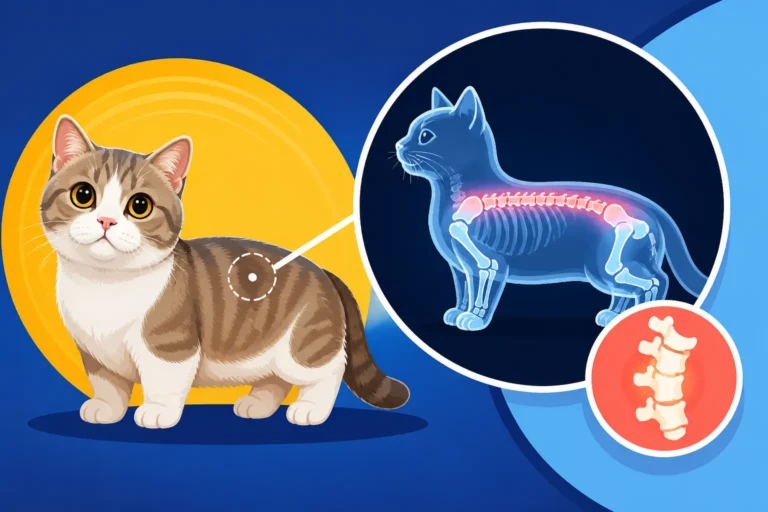
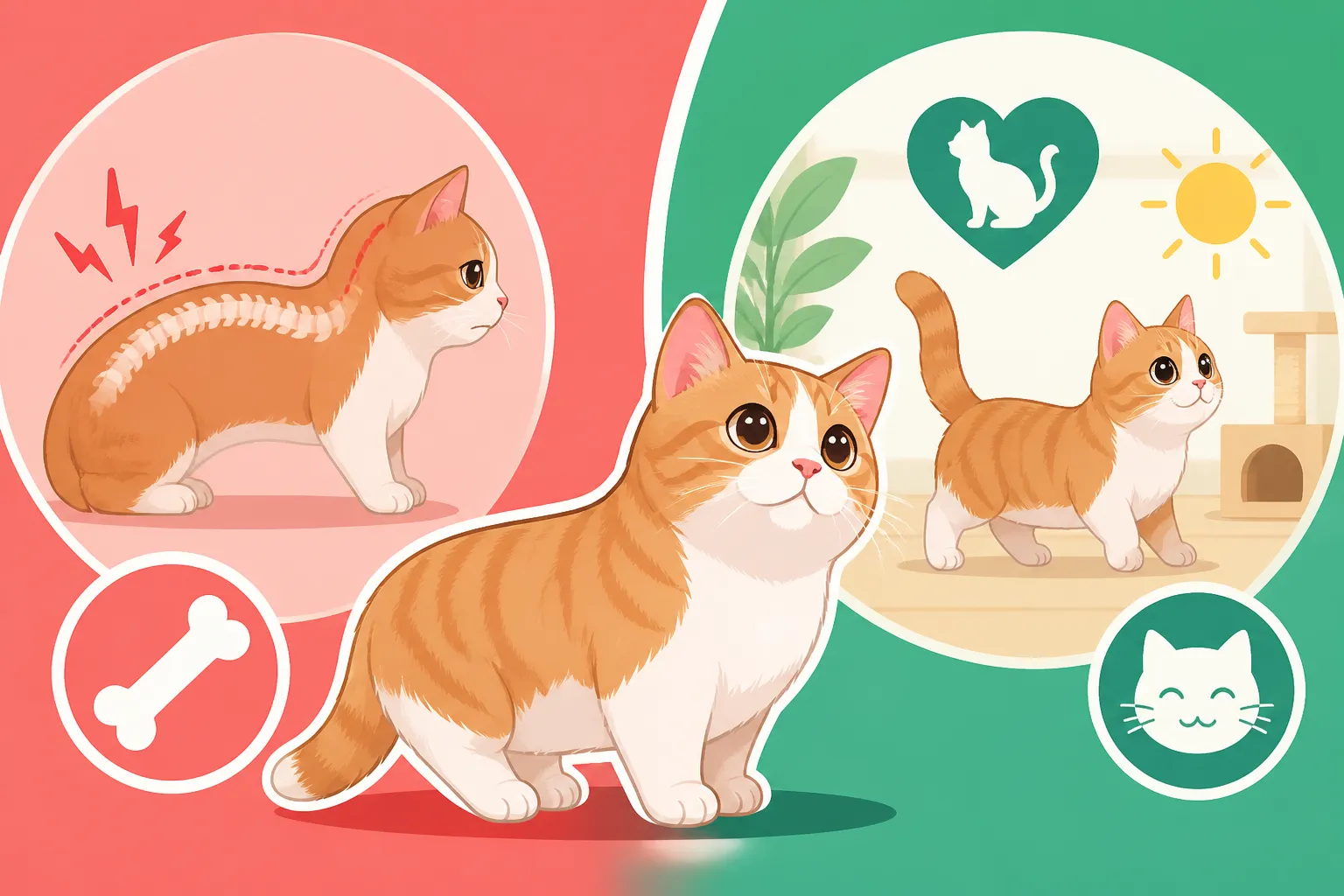
At its core, lordosis is an abnormal inward curvature of the spine, specifically in the lumbar region, which is the lower back. Imagine a healthy cat's spine as a relatively straight, flexible rod. In a cat with lordosis, this rod curves inward excessively, creating a pronounced dip or swayback appearance. This isn't just about aesthetics; it fundamentally alters the biomechanics of their entire body. The spinal column is designed to protect delicate nerves and provide structural support, and any deviation can compromise these crucial functions.
This condition can range from very subtle, almost imperceptible dips to severe, dramatic indentations that are obvious even to the untrained eye. It’s important to remember that Lordosis Is the Spinal Curve the Munchkin Argument Is About, highlighting why this particular issue draws so much attention in discussions about the breed's welfare. While many cats can have minor spinal quirks, lordosis in Munchkins is often directly linked to their unique genetic mutation for short legs, which can predispose them to skeletal anomalies.
The spinal cord runs through this curved tunnel, and when the curvature is severe, it can lead to compression of the spinal cord itself or the nerves branching off it. This compression is where the real problems begin, potentially causing pain, weakness, and neurological deficits. It's a complex issue, far more than just a bad back, and it requires careful attention and understanding.
Why Munchkins Are Prone to This Condition
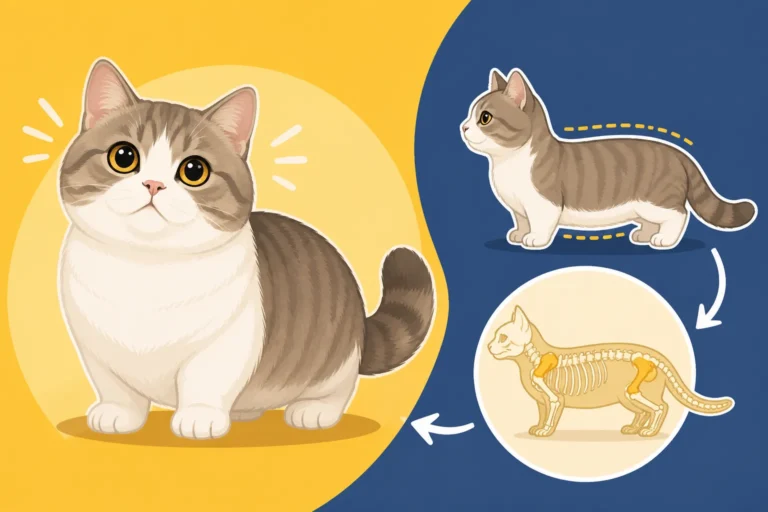
The very thing that makes Munchkin cats so endearing – their short legs – is also intrinsically linked to their predisposition to lordosis. The genetic mutation responsible for their chondrodystrophic dwarfism primarily affects the long bones of the limbs, making them short. However, this same genetic influence can sometimes extend to other skeletal structures, including the spine. While a Munchkin's spine is generally considered normal length, the overall skeletal structure can be under different stresses.
Because their legs are short, a Munchkin's body sits much closer to the ground, and their spine is subjected to different gravitational forces and mechanical stresses compared to a long-legged cat. Why a Munchkin's Spine Carries a Load a Normal Cat's Does Not is a crucial point to grasp. Their short stature means their abdominal organs might hang lower, pulling on the lumbar spine and potentially exacerbating any existing weakness or predisposition to curvature. This isn't to say every Munchkin will develop lordosis, but the risk is certainly elevated.
Breeders committed to ethical practices try to mitigate this risk through careful selection, but the underlying genetic predisposition remains a concern. It’s not just a random occurrence; it's a structural challenge that some Munchkins face due to their unique conformation. Understanding this inherent susceptibility helps owners be vigilant and provides context for the specific care a Munchkin might need throughout its life.
Grading the Severity of Lordosis
Lordosis isn't a one-size-fits-all condition; its severity can vary significantly, which directly impacts a Munchkin's quality of life. Vets typically grade the condition, from mild to severe, based on physical examination and often confirmed with X-rays. A mild case might present as a subtle dip in the back, perhaps only noticeable upon close inspection or palpation, and might not cause significant symptoms initially.
A moderate case might involve a more obvious spinal curve, potentially accompanied by some stiffness or reluctance to engage in certain movements like jumping. In these cases, owners might start to notice changes in their cat's gait or activity levels. The most concerning are severe cases, where the spinal curvature is pronounced, leading to clear physical limitations and often visible discomfort.
Here's a simplified way to think about how severity is typically graded:
| Grade | Description | Observable Signs | Potential Impact |
|---|---|---|---|
| Mild | Subtle inward curve, often hard to detect. | Slight dip in the lower back, normal gait, no obvious pain. | Minimal to no immediate impact on daily activity. |
| Moderate | Noticeable inward curve, some stiffness. | Clear swayback, hesitant jumping, possible altered posture. | May cause discomfort, limit activity, potential organ shift. |
| Severe | Pronounced, deep inward curve, significant rigidity. | Major swayback, waddling gait, difficulty moving, signs of pain, labored breathing. | Organ compression, chronic pain, neurological issues, reduced lifespan. |
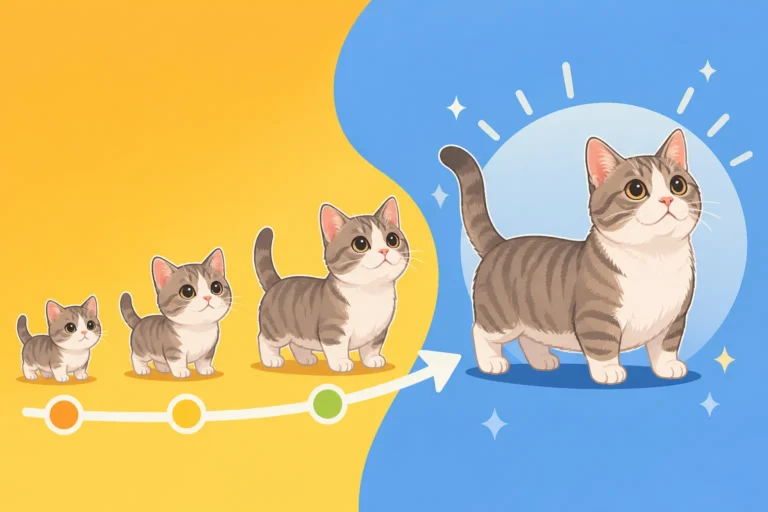
It's vital for owners to recognize that How Early Lordosis Shows in a Munchkin Kitten is often crucial. Early diagnosis allows for proactive management, potentially slowing progression and improving the long-term outlook. Regular vet checks, especially during kittenhood, are invaluable for catching even mild forms of the condition before they become more problematic.
The Impact of Lordosis on a Munchkin's Daily Life
When a Munchkin cat is diagnosed with lordosis, the first thing many owners worry about is how it will affect their furry friend's everyday life. Will they still be able to play? Will they be in pain? These are valid concerns, and the answers often depend on the severity of the condition and how proactively it's managed.
Mobility and Movement Challenges
The most immediate and visible impact of lordosis on a Munchkin is often on their mobility. A healthy spine allows for fluid, flexible movement – running, jumping, stretching, and twisting. When the spine has an abnormal curve, these natural movements can become compromised. In mild cases, a cat might simply have a slightly less efficient gait or be a little less agile. They might still enjoy playing but perhaps won't jump as high or run as fast as their unaffected peers.
However, as What Lordosis Does to a Munchkin progresses or if the condition is moderate to severe, the physical limitations become more pronounced. The spinal curvature can cause stiffness, making it painful or difficult for the cat to bend, stretch, or even lie down comfortably. You might notice them struggling to get onto a low sofa or a favorite bed, whereas before it was no problem. Their characteristic "ferret-like" run might appear more labored or wobbly. They might avoid jumps they once made, or struggle with simple tasks like using a standard litter box if the entry is too high.
In severe cases, the spinal rigidity can lead to a markedly altered gait, sometimes described as a "waddle" or a stiff-legged walk. They may have trouble rising from a lying position, and simple actions like grooming their hindquarters can become almost impossible. This isn't just an inconvenience; it can significantly reduce their ability to engage in normal cat behaviors and lead to frustration and reduced quality of life.
Internal Organ Compression
Beyond mobility issues, a lesser-known but equally serious concern with severe lordosis is the potential for internal organ compression. When the lumbar spine curves excessively inward and downward, it effectively reduces the space within the abdominal and chest cavities. This is particularly problematic because the spine acts as a protective shield for many vital organs.
In instances of profound lordosis, the constricted space can put pressure on internal organs such as the lungs, heart, and digestive tract. This compression can manifest in various ways:
- Breathing Difficulties: Pressure on the lungs can reduce their capacity, leading to shallow breathing, panting, or even respiratory distress, especially during exertion.
- Cardiac Issues: While less common, severe compression could theoretically impact heart function, though this is usually secondary to respiratory challenges.
- Digestive Problems: The intestines and other digestive organs can be pushed together, potentially leading to issues like constipation, discomfort after eating, or reduced appetite. A cat might appear to have a perpetually full or bloated belly, even when they're not overweight.
- Urinary Issues: The bladder and kidneys, while less directly affected by the immediate curvature, can also be indirectly impacted by changes in abdominal pressure or discomfort that discourages proper urination.
Why Severe Lordosis Compresses a Munchkin's Organs underscores the severity of this aspect of the condition. It moves beyond just skeletal pain to fundamental physiological function, demanding vigilant monitoring and often, specialized veterinary intervention. This level of impact is usually only seen in severe cases, highlighting why early detection and management are so critical.
Pain and Discomfort Indicators
Perhaps the most heartbreaking aspect of lordosis for any pet owner is the potential for their Munchkin to experience chronic pain and discomfort. While cats are notoriously good at hiding pain, a cat with lordosis, especially as it progresses, will inevitably show signs if you know what to look for. The spinal curvature itself can cause direct pain from nerve compression, muscle strain, and inflammation of the vertebrae.
Subtle indicators of pain might include:
- Changes in Behavior: A previously playful cat might become withdrawn, less interactive, or more irritable. They might seek solitude or hiss when approached or touched, particularly around their back.
- Reluctance to Move: Avoiding jumps, hesitating before using the litter box, or struggling to get comfortable when resting are all red flags. They might also stop "prairie dog" sitting, a common Munchkin behavior, if it puts strain on their back.
- Altered Posture: Beyond the obvious swayback, they might stand or sit in unusual ways to try and alleviate pressure. Their back might appear hunched or stiff.
- Vocalization: While rare for chronic pain, some cats might meow excessively, purr loudly (which can sometimes be a coping mechanism for pain), or even cry out when touched in a sensitive area.
- Changes in Appetite or Grooming: Pain can suppress appetite. Furthermore, a cat in discomfort may neglect grooming, especially in hard-to-reach areas of their back and hindquarters, leading to a dull coat or matting.
It's important to differentiate between a cat being "lazy" and a cat being in pain. If your Munchkin is showing any of these signs, particularly if they are new or worsening, it's crucial to consult your veterinarian immediately. What Pain Relief a Stiff Munchkin Can Take is an important conversation to have with your vet, as managing discomfort is paramount to maintaining their quality of life.
Living with Mild vs. Severe Lordosis
The journey of caring for a Munchkin with lordosis varies dramatically depending on the severity of the condition. While both require attention, the daily realities and long-term outlook for a cat with mild lordosis are often quite different from those with a severe presentation.
Managing Mild Lordosis for a Normal Life
For a Munchkin diagnosed with mild lordosis, the good news is that they can often live a relatively normal, comfortable life with proper care and attention. Mild lordosis may not even present with obvious symptoms, or perhaps just a slight reduction in their agility compared to unaffected cats. The key here is proactive management and preventing the condition from worsening.
This often involves a multi-pronged approach:
- Weight Control: Maintaining an ideal body weight is paramount. Why Weight Is More Dangerous on a Munchkin cannot be stressed enough, as every extra gram puts undue stress on their already compromised spine. A lean body condition lessens the load on their delicate spinal structures, reducing the risk of pain and progression.
- Environmental Adaptations: Even with mild lordosis, making your home Munchkin-friendly is crucial. This means providing ramps or steps for access to favorite sleeping spots like sofas or beds, and ensuring their litter boxes have low entry points. Minimizing repetitive jumping or hard landings can significantly protect their spine over time.
- Regular Veterinary Check-ups: Consistent vet visits allow your veterinarian to monitor the spine's condition, assess for any signs of progression, and address minor discomforts before they become major problems. Early intervention is always better.
- Supportive Supplements: Your vet might recommend joint supplements containing ingredients like glucosamine, chondroitin, or omega-3 fatty acids. While these primarily target joints, they can offer general anti-inflammatory benefits that may support spinal health.
- Gentle Exercise: Encouraging regular, gentle play at floor level helps maintain muscle tone around the spine without excessive strain. Short play sessions with wand toys or puzzle feeders are ideal.
With diligent care, a Munchkin with mild lordosis can often enjoy a fulfilling life, full of playful antics and cuddles, without significant impairment. The focus is on prevention and thoughtful environmental adjustments.
Navigating the Realities of Severe Lordosis
When a Munchkin cat is diagnosed with severe lordosis, the reality can be much more challenging, both for the cat and their dedicated owner. In these cases, the spinal curvature is pronounced, often leading to chronic pain, significant mobility impairment, and potential organ compression. The goal shifts from merely preventing progression to actively managing pain, supporting vital functions, and maintaining the best possible quality of life.
Living with a severely affected Munchkin often requires a higher level of commitment and ongoing care:
- Intensive Pain Management: This typically involves prescription medications, which might include NSAIDs (non-steroidal anti-inflammatory drugs), gabapentin, or other pain relievers, tailored by your vet. These medications help reduce inflammation and alleviate discomfort, allowing the cat to move more freely.
- Extensive Home Modifications: Ramps and steps become absolutely essential for every elevated surface. Low-entry litter boxes are a must, and often, strategically placed, easily accessible beds are needed throughout the house. Even food and water bowls might need to be raised slightly to prevent neck strain, or placed on the floor for easy access without bending down.
- Physical Therapy/Hydrotherapy: In some cases, your vet might recommend physical therapy exercises or even hydrotherapy, like swimming in a shallow, warm pool, to strengthen core muscles and improve flexibility without putting excessive weight on the spine. Whether Hydrotherapy Helps a Munchkin can be a valuable discussion point with your vet.
- Addressing Secondary Issues: If organ compression is present, specific treatments for respiratory or digestive issues will also be necessary. This might involve dietary changes, medications, or specialized care to support organ function.
- Close Monitoring: Regular, frequent veterinary check-ups become even more critical to monitor the cat's pain levels, assess medication effectiveness, and adjust the care plan as needed. A Munchkin Budget Needs a Mobility Line and proper insurance like Healthy Paws can truly help manage these ongoing costs.
While a "normal" life as an unaffected cat might not be possible, with dedicated care, a Munchkin with severe lordosis can still experience moments of joy and comfort. It's about maximizing their well-being within their limitations and ensuring their daily comfort.
The Importance of Early Diagnosis
Regardless of the eventual severity, early diagnosis of lordosis in a Munchkin kitten is incredibly important. At What Age Munchkin Lordosis Appears can vary, but reputable breeders and observant owners can often spot signs in kittens. The earlier the condition is identified, the more options you have for intervention and management.
Here's why early diagnosis makes such a difference:
- Preventative Measures: If mild lordosis is detected early, proactive steps like strict weight management, early environmental adaptations (introducing ramps and low access points), and supportive nutrition can be implemented. These measures might slow the progression of the curve and reduce the likelihood of it developing into a severe, symptomatic condition.
- Baseline for Monitoring: An early diagnosis provides a baseline. Your vet can take initial X-rays and use them to compare against future images, accurately tracking whether the curvature is stable, progressing, or (rarely) improving. This informed monitoring allows for timely adjustments to the care plan.
- Informed Decisions: Knowing about lordosis early allows you to make informed decisions about your cat's lifestyle, activity levels, and potential future needs. It helps you prepare mentally and financially for the care they might require.
- Ethical Breeding Considerations: For breeders, early detection is crucial. Whether a Munchkin With Mild Lordosis Should Be Bred is a serious ethical question. Identifying lordosis in breeding lines helps responsible breeders make difficult but necessary decisions about future pairings to reduce the prevalence of the condition.
Many concerned owners wonder if Whether a Munchkin Can Be Screened Before Purchase, and while not a universal standard, asking breeders about spinal health in their lines and requesting health clearances or vet checks for kittens is always advisable. Early detection transforms potential crises into manageable long-term care scenarios.
Veterinary Care and Treatment Options
When facing a lordosis diagnosis, partnering closely with your veterinarian is key. They will be your primary guide in understanding the specific challenges your Munchkin faces and developing a tailored treatment plan.
Diagnostic Procedures and Regular Monitoring
The journey begins with an accurate diagnosis. Your vet will conduct a thorough physical examination, palpating your Munchkin's spine to feel for any unusual curvature or stiffness. They'll also observe your cat's gait and movement patterns, looking for any signs of discomfort or mobility impairment. However, a definitive diagnosis, and especially an assessment of severity, usually requires imaging.
- Radiographs (X-rays): These are the gold standard for visualizing the spine. X-rays allow the vet to see the exact degree of curvature, identify any vertebral abnormalities, and check for signs of arthritis or other spinal issues. They can also provide clues about potential organ compression if the curve is severe. Your vet might take views from different angles to get a comprehensive picture.
- Advanced Imaging (MRI/CT Scans): In more complex or severe cases, or if neurological symptoms are present, your vet might recommend an MRI or CT scan. These advanced imaging techniques provide much more detailed images of the soft tissues, including the spinal cord and nerves, allowing for precise identification of nerve compression or other subtle lesions that X-rays might miss.
Regular monitoring is just as important as the initial diagnosis. This typically involves annual or semi-annual check-ups, where your vet will reassess your Munchkin's spinal health, discuss any changes in their mobility or behavior, and potentially recommend follow-up X-rays to monitor the progression of the curvature. Keeping a detailed record of your cat's symptoms, activity levels, and any changes you observe at home can be invaluable for your vet.
Conservative Management Strategies
For many Munchkins with mild to moderate lordosis, conservative management is the cornerstone of their care. The goal here isn't to "cure" the lordosis, as it's a structural abnormality, but to minimize pain, prevent progression, and maximize comfort and mobility.
These strategies often include:
- Weight Control: As mentioned, maintaining a lean body condition is paramount. Your vet can help you determine How to Score a Munchkin's Body Condition and advise on appropriate diet and portion control.
- Pain Management: Depending on the severity of discomfort, your vet may prescribe medications. These can include NSAIDs to reduce inflammation and pain, nerve pain medications like gabapentin, or other analgesics. It’s a delicate balance to find the right medication and dosage that provides relief without side effects, and this will be tailored to your cat's individual needs.
- Nutritional Support: Beyond just calorie control, certain diets or supplements can support joint and spinal health. Look for foods rich in omega-3 fatty acids, glucosamine, and chondroitin. Your vet might recommend specific veterinary therapeutic diets designed for joint support.
- Environmental Modification: Adapting your home is a vital part of conservative management. This means providing ramps, steps, and low-entry litter boxes. Minimizing jumping and providing soft, supportive bedding can also make a huge difference.
- Physical Therapy: Gentle exercises at home, guided by your vet or a certified animal physical therapist, can help strengthen the core muscles supporting the spine and improve flexibility. This might include gentle stretches or specific movements that don't put strain on the back.
The beauty of conservative management is that it often allows Munchkins to lead very comfortable and active lives, even with lordosis. It’s about creating an optimal environment for their unique needs.
Surgical Interventions and Their Feasibility
While conservative management is the first line of defense, some severe cases of lordosis, particularly those causing significant pain, neurological deficits, or severe organ compression, might prompt a discussion about surgical intervention. It's important to understand that spinal surgery in cats, especially for a condition like lordosis, is complex and carries significant risks and costs.
Surgical options for lordosis are not as straightforward as for some other spinal conditions, mainly because it's a deformation of the entire spinal column rather than a single disc issue. The goal of surgery would typically be to stabilize the spine, decompress any pinched nerves, or, in very rare cases, attempt to correct a portion of the curvature. However, directly "straightening" a severely curved spine is incredibly challenging and often not feasible in cats due to the delicate nature of their vertebral column and spinal cord.
Potential surgical procedures might include:
- Vertebral Stabilization: Using implants to stabilize specific segments of the spine, reducing movement and preventing further compression.
- Decompressive Surgery: Removing small pieces of bone or tissue that are pressing on the spinal cord or nerves.
The decision to pursue surgery is a serious one, weighing the potential benefits against the significant risks of anesthesia, potential complications (like infection or further neurological damage), and the intensive post-operative recovery period. Furthermore, the cost of such specialized surgery can be substantial. For these reasons, surgery is usually considered only as a last resort when conservative treatments have failed to manage severe pain or neurological dysfunction, and when the prognosis for improvement is considered reasonable. Always discuss all options, risks, and potential outcomes thoroughly with a veterinary surgeon before making such a decision.
Creating an Adapted Home Environment
Ensuring a Munchkin with lordosis can live normally starts at home. Their environment needs to be thoughtfully adapted to their physical limitations, minimizing strain on their spine and maximizing their independence and comfort.
Ergonomics for Spinal Support
Think of your home from your Munchkin's perspective – everything is designed for a taller, longer-legged cat! For a Munchkin with lordosis, every jump, stretch, or awkward movement can exacerbate their condition or cause discomfort. Ergonomics for spinal support means reshaping their world to meet their physical needs.
- Ramps and Steps: These are non-negotiable. Every elevated surface your cat wants to access – the sofa, a favorite chair, your bed, a sunny windowsill – needs a ramp or a set of pet stairs. How to Teach a Munchkin to Use Steps is a crucial skill, and consistency is key. Ensure ramps have a gentle incline and a non-slip surface. For stairs, make sure the risers are shallow and the treads are wide enough for comfortable footing. Multiple ramps or steps around the house mean they don't have to risk jumping or getting stuck.
- Low-Entry Litter Boxes: A standard litter box with high sides can be a painful barrier for a cat with lordosis. They may struggle to climb in, straining their back, or even resort to eliminating outside the box to avoid discomfort. Opt for litter boxes with a very low entry point, similar to those designed for senior cats. Which Litter Box a Munchkin Can Actually Enter is a critical factor in preventing accidents and ensuring hygiene.
- Supportive Bedding: Provide soft, orthopedic beds that support their spine without creating pressure points. Multiple sleeping spots at floor level or easily accessible via ramps ensure they always have a comfortable place to rest without needing to jump up or down.
- Strategic Furniture Placement: Consider how your furniture is arranged. Can your Munchkin use existing furniture (like low ottomans or sturdy boxes) as intermediate steps to reach higher places? This can create a "staircase" effect, reducing the need for single, high jumps.
By making these simple yet effective changes, you significantly reduce the physical stress on your Munchkin's spine, allowing them to navigate their home with greater ease and less pain.
Weight Management and Nutrition
For any cat with a skeletal condition like lordosis, weight management isn't just about health; it's about comfort and preventing further damage. Every extra pound your Munchkin carries puts additional strain on their already compromised spine and joints.
- Strict Calorie Control: Work with your vet to determine the ideal weight for your Munchkin and the appropriate daily calorie intake to achieve or maintain it. It's often less than you think! Munchkins, with their shorter legs, naturally burn fewer calories than long-legged cats because their mobility is somewhat restricted. Free-feeding is generally discouraged, as it can easily lead to overconsumption.
- High-Quality, Joint-Supportive Diet: Choose a cat food that is high in protein to support lean muscle mass and moderate in fat. Consider formulas that are specifically designed for joint health, often fortified with omega-3 fatty acids, glucosamine, and chondroitin. These supplements can help reduce inflammation and support cartilage health, offering indirect benefits to the spine.
- Measured Meals: Precision is key. Use a kitchen scale to accurately weigh out your Munchkin's food portions rather than relying on imprecise scoops. This ensures they are getting exactly the right amount of calories.
- Accessible Food and Water Bowls: Ensure food and water bowls are placed at a comfortable height that doesn't require your Munchkin to strain their neck or bend excessively. For some, this might mean raised bowls, while for others, floor-level might be better if they struggle to stand for long. Monitor how they eat and drink to find the most comfortable setup.
Why an Overweight Munchkin Is in Real Trouble really highlights how critical this aspect of care is. A healthy weight can make a profound difference in a Munchkin's comfort levels, pain management, and overall mobility, directly contributing to whether they can live a normal life with lordosis.
Gentle Exercise and Play
Just because a Munchkin has lordosis doesn't mean they can't enjoy play and exercise! In fact, appropriate, gentle activity is crucial for maintaining muscle tone, supporting spinal stability, and preventing obesity. The key is to adapt play to their capabilities and avoid activities that put undue stress on their back.
- Floor-Level Play: Embrace toys and games that encourage movement at ground level. Wand toys are fantastic, as they allow you to engage your cat without requiring them to jump or stretch excessively. Drag toys along the floor, encouraging them to chase and pounce from a low height. Laser pointers can also be fun, but ensure you always end with a tangible toy they can "catch" to avoid frustration.
- Puzzle Feeders: These are a great way to provide mental stimulation and encourage gentle physical activity. Look for puzzle feeders that are easy to access and don't require significant climbing or reaching. This makes mealtime an enriching activity that promotes movement.
- Short, Frequent Play Sessions: Instead of one long, intense play session, opt for several shorter, gentle sessions throughout the day. This keeps their muscles engaged without overtaxing their spine. Watch for any signs of fatigue or discomfort and stop immediately if you notice them.
- Avoid High Jumps and Strenuous Activity: Discourage any activity that involves high jumps, rapid twisting, or hard landings. If your Munchkin is still attempting these, use ramps or redirect their play to safer, lower activities. Whether a Munchkin Should Be Discouraged From Jumping is generally yes, especially if they have lordosis.
- Supervised Outdoor Time (Catios): If you wish to provide outdoor enrichment, a secure, ground-level catio can be a wonderful option. Ensure it's designed with plenty of low platforms and ramps, allowing them to explore safely without climbing hazards. Never let a Munchkin with lordosis roam freely outdoors, as their limited mobility makes them highly vulnerable.
By thoughtfully adapting play and exercise, you can keep your Munchkin engaged, stimulated, and physically healthy, which is a huge part of them living a fulfilling life despite their lordosis.
Quality of Life and Long-Term Outlook
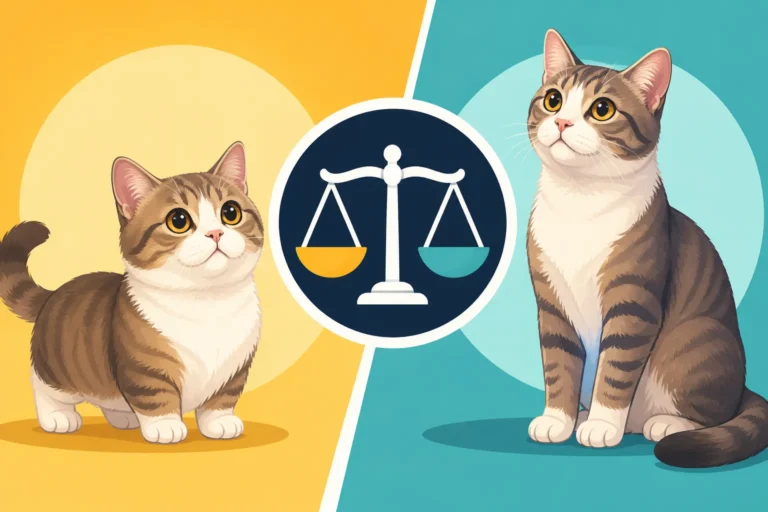
Ultimately, the question "Can a Munchkin with lordosis live normally?" boils down to their quality of life. This isn't just about survival; it's about whether they can experience joy, comfort, and engagement in their world.
Assessing Your Munchkin's Well-being
Evaluating a cat's quality of life, especially one with a chronic condition, requires careful observation and an honest assessment. It's not about comparing them to a perfectly healthy cat, but rather ensuring their current reality allows for contentment and minimizes suffering.
Here are key areas to consider when assessing your Munchkin's well-being:
- Pain Levels: Are they comfortable most of the time? Are they effectively managed with medication if needed? Are there clear signs of chronic pain, like reluctance to move, altered posture, or changes in interaction? This is paramount.
- Mobility: Can they move around their adapted environment with relative ease? Can they access food, water, and litter boxes independently? Do they still enjoy gentle play?
- Appetite and Hydration: Are they eating and drinking normally? A good appetite and consistent hydration are basic indicators of overall health.
- Grooming: Are they able to groom themselves, particularly their back half, which can be challenging for cats with lordosis? If not, are you providing regular assistance to prevent matting and skin issues? What a Munchkin Cannot Reach to Groom can quickly lead to painful mats.
- Interaction and Engagement: Do they still seek out companionship, purr, or show interest in their surroundings? A withdrawn or constantly hiding cat might be a sign of discomfort or distress.
- Breathing and Elimination: Are there any signs of labored breathing or difficulty with urination or defecation? These can indicate severe organ compression or other secondary issues.
It's a balance. There will be good days and perhaps more challenging ones. The goal is to maximize the good days and ensure that their comfort and happiness outweigh any ongoing struggles. This assessment should be an ongoing conversation with your veterinarian.
Building a Supportive Care Team
You are not alone in caring for a Munchkin with lordosis. Building a supportive care team is essential for navigating the complexities of this condition and ensuring your cat receives the best possible care.
Your core team will primarily consist of:
- Your Primary Veterinarian: This is your most important resource. They will diagnose the condition, prescribe medications, recommend treatments, and monitor your Munchkin's overall health. Choose a vet who is empathetic, knowledgeable about Munchkin-specific challenges, and willing to work with you on a long-term care plan.
- Veterinary Specialists: Depending on the severity and specific issues, your primary vet might refer you to specialists:
- Veterinary Orthopedist/Neurologist: For advanced diagnostics, complex pain management, or discussions about surgical options.
- Veterinary Physical Therapist: For guided exercises, hydrotherapy, or other rehabilitative therapies.
- Veterinary Nutritionist: If your cat has complex dietary needs related to weight management or other health issues.
- Groomer: A professional groomer experienced with special needs cats can be invaluable for maintaining hygiene, especially around your Munchkin's hindquarters if they struggle to groom themselves. Whether a Munchkin Needs a Sanitary Clip is often yes.
- Support Network (Family/Friends): Caring for a cat with special needs can be emotionally and physically demanding. Lean on understanding family members or friends who can help with care, provide emotional support, or simply give you a break when needed.
- Online Communities: Reputable online forums or social media groups for Munchkin owners or owners of cats with spinal conditions can offer practical tips, shared experiences, and a sense of community. Always cross-reference advice with your vet, but these groups can be a great source of everyday solutions.
A collaborative approach, where everyone is working towards your Munchkin's well-being, ensures comprehensive and compassionate care throughout their life.
Financial Considerations and Insurance
Let's be realistic: caring for a cat with a chronic condition like lordosis can incur significant financial costs over their lifetime. From diagnostic imaging and medications to specialized food and home adaptations, these expenses can add up quickly. It's crucial to be prepared for this reality.
- Anticipating Costs: Think about the potential expenses: regular vet visits, periodic X-rays or other imaging, ongoing pain medications, joint supplements, specialized litter boxes, ramps, and potentially even physiotherapy or specialist consultations. A Munchkin Budget Should Include X Rays and ongoing mobility aids.
- Pet Insurance: This is where pet insurance can be a lifesaver. Look for comprehensive pet insurance plans that cover chronic conditions, diagnostics, specialist visits, and medications. Brands like Healthy Paws are often recommended for their broad coverage. It's absolutely critical to enroll your Munchkin in pet insurance before any signs of lordosis appear, as pre-existing conditions are typically excluded from coverage. This means if you wait until after a diagnosis, the lordosis itself likely won't be covered.
- Emergency Fund: Even with insurance, having a dedicated emergency fund for unexpected veterinary costs is always a good idea. There might be deductibles, co-pays, or treatments that aren't fully covered.
- Negotiating with Your Vet: Don't be afraid to discuss payment options or inquire about less expensive alternatives for certain medications or treatments with your vet. Many clinics are willing to work with owners facing long-term care costs.
While the financial aspect can be daunting, understanding and planning for it allows you to focus on providing the best possible care for your Munchkin, knowing you have a strategy in place. Peace of mind from knowing a significant portion of unexpected vet bills can be covered by pet insurance like Healthy Paws allows you to make decisions based on your cat's health, not just your wallet.
Disclaimer
The information provided in this article is for general informational purposes only and is not a substitute for professional veterinary advice. Always consult with a qualified veterinarian for any health concerns or before making any decisions related to your pet's care.