What the Published Munchkin Health Data Actually Shows
The world of Munchkin cats can feel like a minefield of conflicting information, especially when it comes to their health. Owners and potential owners are constantly navigating a sea of anecdotes, strong opinions, and sometimes, outright misinformation. It's truly frustrating when you just want clear, reliable answers about the well-being of these adorable, short-legged felines. This guide aims to cut through the noise, digging into what the published health data actually shows about Munchkins, helping you understand the real picture beyond the debate.
Understanding the Genetic Basis of Munchkin Short Legs
Before we dive into specific health concerns, it's crucial to understand the very foundation of the Munchkin breed: its unique genetics. Without this understanding, it's easy to misunderstand why certain health discussions arise and why breeders approach mating in specific ways.
The Autosomal Dominant Mutation
The defining characteristic of the Munchkin cat—its short legs—stems from a naturally occurring genetic mutation. This isn't something man-made or engineered; it's a spontaneous mutation that affects bone growth. Specifically, it's an autosomal dominant gene, meaning only one copy of the gene is needed for a cat to express the short-legged trait. This is a critical piece of information when discussing their health, as it dictates inheritance patterns and potential issues.
This particular form of dwarfism is known as pseudoachondroplasia. Unlike some other forms of dwarfism that affect overall body size or head shape, pseudoachondroplasia primarily impacts the long bones of the legs, leaving the rest of the cat's body — including its spine and head — proportioned like a typical domestic cat. This distinction is vital because it means that while their legs are shorter, their other skeletal structures are generally not compressed or deformed in the same way as some other dwarf breeds or conditions. It's also why understanding Munchkin Dwarfism Is Dominant and Lethal in Two Copies is so important for breeders and prospective owners alike.
The Outcrossing Process and Genetic Diversity
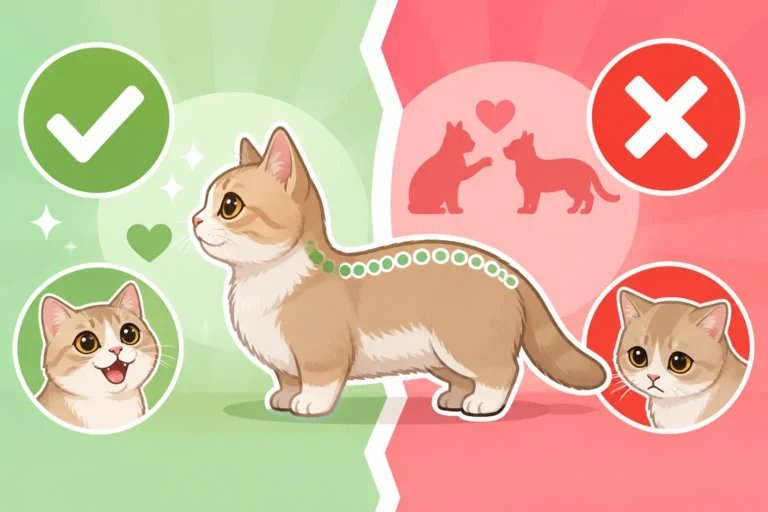
Given the dominant nature of the Munchkin gene, responsible breeding practices are paramount. A key aspect of this is the mandated outcrossing program. Munchkins are never bred to another short-legged Munchkin. Instead, a short-legged Munchkin is always bred to a normal-legged domestic cat, which is why Why Every Munchkin Litter Is a Carrier Cross is a foundational principle of the breed. This breeding strategy serves two crucial purposes: first, it prevents the inheritance of two copies of the dominant gene, which would be lethal to the embryo, resulting in no viable kittens. Secondly, it constantly introduces new genetic material from the broader domestic cat population.
This continuous outcrossing is one of the Munchkin breed's greatest strengths in terms of genetic health. It ensures a wide and diverse gene pool, actively working against the inbreeding depression and accumulation of recessive genetic diseases that can plague many other purebred cat breeds with closed stud books. As a result, you'll find that roughly Why Half a Munchkin Litter Has Normal Legs in every litter, offering a diverse selection and demonstrating the ongoing integration of new genetics. This practice helps to dilute any predisposition to common feline ailments, focusing on overall robustness rather than isolated traits.
Common Health Concerns Attributed to Munchkins
The unique appearance of Munchkin cats often leads to speculation about potential health problems. While some concerns are valid and require diligent monitoring, others are frequently exaggerated or misunderstood. It's essential to differentiate between genuine risks and unfounded fears.
Spinal Issues: Lordosis and Pectus Excavatum
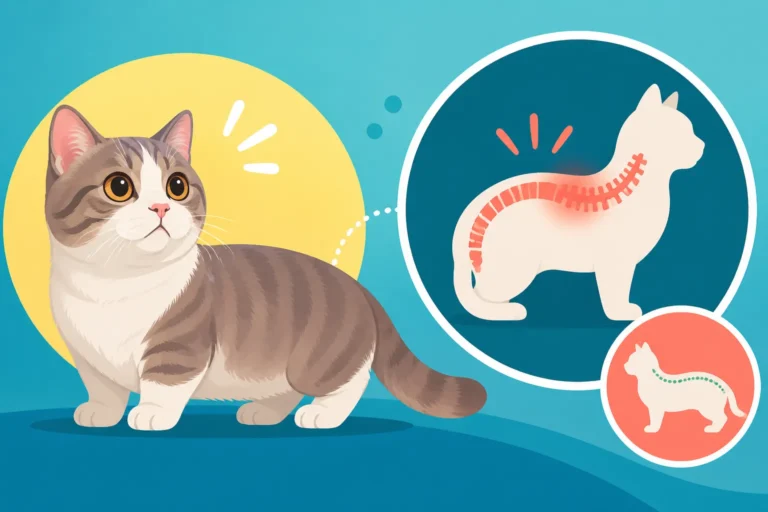
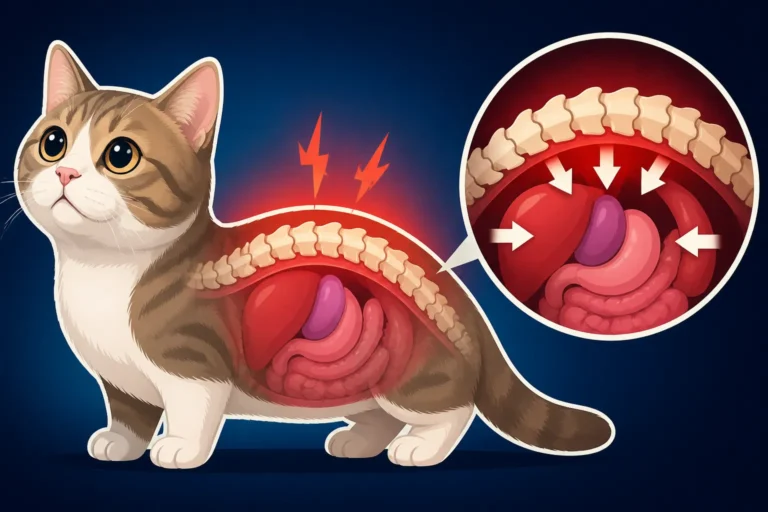
Among the most frequently cited health concerns for Munchkins are spinal issues, particularly lordosis and pectus excavatum. Lordosis refers to an excessive inward curvature of the spine, where the spine dips down, potentially compressing internal organs. For Munchkins, Lordosis Is the Spinal Curve the Munchkin Argument Is About, as critics argue that the breed's short legs somehow predispose them to this condition due to altered spinal mechanics. However, it’s important to note that lordosis is not unique to Munchkins; it can occur in any cat breed, and even in humans. When it does affect a Munchkin, What Lordosis Does to a Munchkin can range from mild to severe, impacting mobility and internal organ function in the most serious cases.
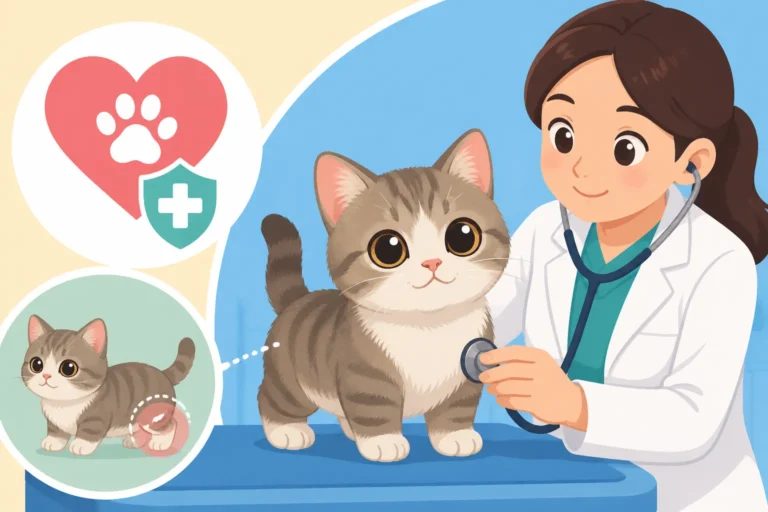
Pectus excavatum, or "sunken chest," is another condition sometimes associated with Munchkins. This congenital deformity involves the breastbone and ribs developing abnormally, causing the sternum to collapse inward. Pectus Excavatum and the Munchkin's Sunken Chest can range from a very mild indentation that causes no problems to a severe compression of the heart and lungs, leading to breathing difficulties and reduced exercise tolerance. A vet can assess the severity, with How a Vet Grades a Munchkin's Sunken Chest typically involving palpation and sometimes X-rays for a definitive diagnosis. While these conditions can be serious, the core debate often revolves around Why the Frequency of Munchkin Spinal Problems Is Disputed, with some studies suggesting no higher incidence than in the general cat population, and others raising concerns.
Joint and Mobility Challenges
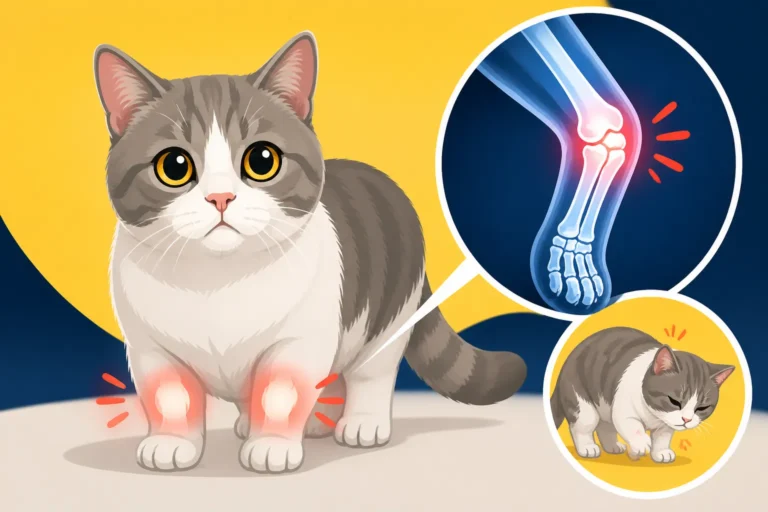
Another area of concern for Munchkins involves their joints and overall mobility. With shorter legs, some people worry about increased strain on their joints, potentially leading to earlier onset of arthritis or other mobility issues. It's a natural assumption: if the legs are shorter, they must be working harder, right? This often leads to questions like Whether a Munchkin Gets Arthritis Earlier. While logically it seems plausible, documented evidence supporting a significantly higher rate of early-onset, debilitating arthritis directly attributable to their short legs is not as clear-cut as some might assume.
However, certain areas do experience more stress due to their unique conformation. For instance, Why a Munchkin's Shoulders Wear First is a point of discussion, as their front legs bear a significant portion of their weight and absorb impact during movement and play. Similarly, Why a Munchkin's Elbows Take the Landing when they jump down, which they still do, albeit from lower heights. If osteoarthritis does develop, How Osteoarthritis Shows in a Munchkin's Shoulders can manifest as stiffness, reluctance to jump, or changes in gait. Responsible owners should be vigilant for these signs and work with their vet to manage any joint discomfort, regardless of whether it's directly linked to their unique leg structure or simply part of aging.
What Peer-Reviewed Studies and Veterinary Literature Indicate
When seeking definitive answers about Munchkin health, turning to peer-reviewed scientific studies and comprehensive veterinary literature is paramount. It's here that we find the most objective evidence, though even this realm presents its own set of challenges and nuances for the breed.
Scarcity of Dedicated Research
One of the most frustrating realities for anyone looking for hard data on Munchkin health is the relative scarcity of dedicated, long-term, peer-reviewed studies. Unlike some long-established breeds with extensive health registries and decades of research, the Munchkin is a relatively newer breed, and its controversial status in some parts of the world has made comprehensive research more challenging to fund and conduct. This leads to the fundamental question of Why There Is So Little Munchkin Research, often stemming from a lack of consensus within the veterinary community and limited funding opportunities compared to conditions affecting a wider cat population.
Despite this, some valuable work has been done. What Which Studies Exist on Munchkin Health generally includes radiographic studies comparing Munchkin spinal and limb morphology to that of normal domestic cats, as well as surveys of Munchkin owners and veterinary practitioners regarding observed health issues. These studies often aim to identify any statistically significant predispositions rather than relying on anecdotal reports. The conclusions, however, are often part of a broader discussion rather than definitive, singular findings.
Findings from Existing Data and General Veterinary Observations
Despite the limited volume of Munchkin-specific research, the existing data, combined with general veterinary observations, does paint a picture. Many veterinary practitioners, including those at Healthy Paws who process claims for a wide variety of breeds, often report that Munchkins, when responsibly bred, generally present with similar health profiles to standard domestic shorthair or longhair cats. This includes typical feline ailments such as dental disease, kidney issues in older age, and common infectious diseases. The consensus, based on broader data sets, often points to a lifespan of The Twelve to Fifteen Years a Munchkin Usually Gets, which is comparable to an average domestic cat.
When it comes to the specific conditions frequently associated with the breed, such as lordosis and pectus excavatum, the existing literature suggests that while these can occur in Munchkins, their incidence may not be significantly higher than in the general cat population. In other words, these aren't exclusive Munchkin problems, nor are they definitively proven to be more common solely because of their short legs, according to some published reviews. This is crucial for understanding What the Published Munchkin Health Data Actually Shows – it often highlights the need for continued vigilance for general feline health problems, rather than an overwhelming focus on a breed-specific crisis. Of course, a diligent owner should always be aware of the possibility of these conditions and have their cat regularly checked by a veterinarian.
The Debate Among Veterinary and Welfare Organizations
Few cat breeds stir up as much passionate debate as the Munchkin. This division is particularly pronounced within the veterinary community and among animal welfare organizations, making it challenging for prospective owners to get an unbiased opinion.
Why Vets Disagree and Welfare Body Statements
It's a fact that Why Vets Disagree About the Munchkin is a complex issue, often rooted in differing interpretations of ethics, welfare science, and the purpose of breeding. Some veterinarians express strong concerns that breeding for an exaggerated physical trait, such as extremely short legs, inherently compromises the animal's welfare, even if the cat appears to cope well. They may argue that conditions like pseudoachondroplasia, while not always overtly debilitating, could lead to subtle discomfort or predispose cats to problems later in life, such as early arthritis. These vets often advocate for precautionary principles, suggesting that if there's any potential for harm, the breeding of such traits should be discouraged or outright banned.
This ethical stance often aligns with the views of various animal welfare bodies. What Welfare Bodies Say About the Munchkin typically involves statements expressing concerns about selective breeding for genetic mutations that might negatively impact an animal's natural movement, play, or overall quality of life. Some argue that such breeding is irresponsible and can lead to suffering. As a result of these concerns, Whether Any Country Has Banned Munchkin Breeding is a question with real-world implications; indeed, some countries and specific veterinary associations in Europe have restricted or banned the breeding of Munchkins, considering it a 'welfare-impacting' breed.
Breeder Perspectives and Counterarguments
On the flip side, Munchkin breeders and many owners strongly defend the breed, arguing that the cats live full, active, and pain-free lives. Their perspective often centers on observation: Munchkins run, play, jump (albeit to lower heights), and behave just like any other cat, exhibiting no signs of distress or limitation. They highlight the breed's agility on the flat, its ability to navigate its environment, and its generally outgoing and affectionate temperament. Breeders often point to the rigorous outcrossing program as a testament to their commitment to genetic health, ensuring that the breed maintains robustness and avoids the accumulation of deleterious genes.
What Munchkin Breeders Say in Reply to welfare objections often emphasizes that the short-legged trait does not equate to disability. They frequently encourage potential owners to observe Munchkin kittens and adults in person, watching them move and play to see for themselves that their activity levels are normal. They also stress the importance of finding a reputable breeder who prioritizes health screening and provides documentation of parental health. They advocate that with proper care and an adapted environment, Munchkins thrive, dismissing claims of inherent suffering as misinformed or based on a lack of direct experience with the breed.
Practical Implications for Munchkin Owners
Regardless of where one stands on the ethical debate, if you own a Munchkin, or are considering bringing one into your home, proactive and informed care is absolutely essential. Practical decisions about their environment, diet, and veterinary care can significantly impact their long-term well-being.
Proactive Health Management
Caring for a Munchkin means thinking a little differently about their world. Because their legs are shorter, adapting their environment is key to minimizing strain and ensuring they can access everything they need without unnecessary jumping or stretching. This means Ramps and Steps Are Munchkin Equipment, Not Luxuries for beds, sofas, and window perches. These simple modifications can drastically reduce the impact on their joints and spine over their lifetime. Regular veterinary check-ups are also crucial, ideally twice a year, to monitor their overall health, including their gait, spinal alignment, and joint condition. Early detection of any potential issues, such as stiffness or changes in mobility, allows for timely intervention.
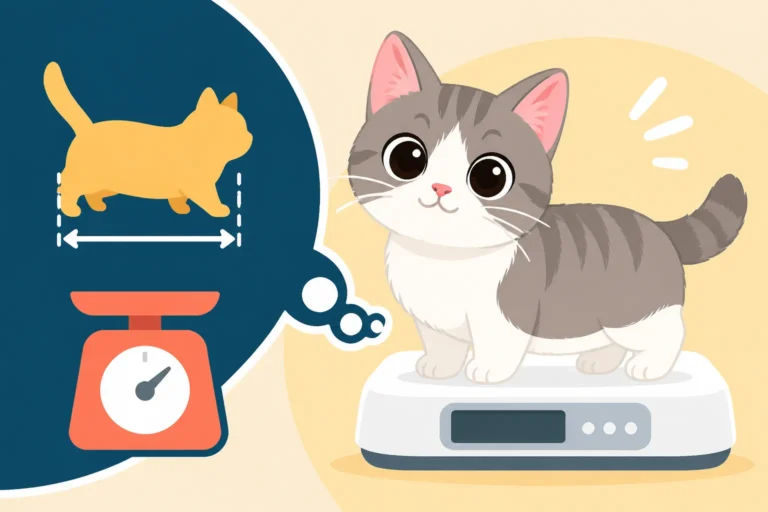
Perhaps the most critical aspect of proactive health management for a Munchkin is weight control. Why Weight Is More Dangerous on a Munchkin cannot be overstated. Every extra pound places disproportionate stress on their already unique skeletal structure, especially their spine and leg joints. An overweight Munchkin is far more prone to developing joint pain, arthritis, and exacerbating any latent spinal issues like lordosis. Feeding a precisely measured diet, avoiding free-feeding, and encouraging regular, floor-level play are vital. Working with your vet to maintain an ideal body condition score is a non-negotiable part of Munchkin ownership.
Insurance and Long-Term Care Considerations
Investing in pet insurance is a wise decision for any cat owner, but it takes on particular importance for Munchkins, especially given the ongoing discussions around their health. Having comprehensive coverage can provide immense peace of mind should any health issues arise, whether they are typical feline ailments or those specifically associated with their breed. Questions like Whether Pet Insurance Covers a Munchkin's Spine are important to ask potential providers, as some policies might have exclusions for pre-existing conditions or breed-specific concerns if not purchased early. Companies like Healthy Paws offer flexible plans that can cover accidents, illnesses, and even hereditary conditions, which could be invaluable for managing a Munchkin’s health throughout their life.
Beyond insurance, prospective owners must consider the financial and time commitment involved in What a Munchkin Costs Over Thirteen Years. This isn't just the initial purchase price, but the ongoing expenses for quality food, regular vet visits, potential joint supplements as they age, environmental adaptations like ramps, and potentially grooming if they're long-haired and can't reach all parts of their back. Being prepared for these long-term care needs ensures that your Munchkin receives the best possible support, allowing them to enjoy a comfortable and fulfilling life.
Distinguishing Real Health Concerns from Exaggerated Claims
Navigating the landscape of Munchkin health information requires a discerning eye. It's easy to get swept up in sensational claims or overly critical viewpoints. A balanced perspective, grounded in observation and responsible data interpretation, is key.
Separating Fact from Fiction
One of the most persistent myths is that all Munchkins are constantly in pain from their legs or spine. This is a significant concern for many prospective owners, leading them to ask Whether a Munchkin Is in Pain From Its Legs. Based on observation of well-bred Munchkins in loving homes, the vast majority do not exhibit signs of chronic pain. They run, play, and interact normally. While their gait is different, often described as a ferret-like movement, it typically doesn't appear painful. However, this doesn't mean owners should ignore any changes in behavior or mobility. Any cat can experience pain, and a Munchkin's shorter stature might make certain types of pain more impactful.
Ultimately, How to Judge a Munchkin's Quality of Life comes down to observing their daily behaviors: are they active and engaged? Are they eating and grooming normally? Do they use their litter box without difficulty? Are they affectionate and responsive? If a Munchkin is thriving in these areas, it’s a strong indicator of good quality of life. It’s important not to project human discomfort or limitations onto them, but rather to observe their feline-specific cues.
The Role of Responsible Breeding and Owner Vigilance
The foundation of a healthy Munchkin begins with responsible breeding. A reputable breeder will prioritize health, genetics, and temperament above all else. They should be transparent about the health history of their breeding lines and readily provide documentation. What a Munchkin Breeder Should Be Able to Show You includes health clearances for the parents, information about their outcrosses, and the willingness to discuss potential health concerns and how they manage them. They will also educate you on the specific care needs of the breed, helping you understand how to support your cat's unique physical attributes. This commitment to health ensures that kittens have the best possible start in life.
Once a Munchkin is in your home, owner vigilance becomes paramount. This means more than just providing food and shelter; it's about being attuned to your cat's specific needs and subtle changes. Regular, hands-on checks of their body, observing their movement, and being proactive with veterinary care, including discussing concerns about joints or spine, are crucial. By combining the efforts of responsible breeders with informed, vigilant owners, Munchkins can indeed live long, happy, and healthy lives, dispelling many of the exaggerated claims that often cloud the discussion around this distinctive breed. Even with the best breeding, a pet insurance plan like those from Healthy Paws can give you financial confidence for unexpected twists in your cat's health journey.
Comparative Overview of Munchkin Health Considerations
To offer a clearer perspective, here's a table comparing common beliefs about Munchkin health with what published data and veterinary consensus generally indicate.
| Health Concern | Common Belief / Concern | What Published Data & Veterinary Consensus Often Indicates |
|---|---|---|
| Lordosis (Spinal Curve) | Munchkins are highly prone due to short legs, leading to organ compression. | While lordosis can occur, studies have not definitively shown a statistically higher incidence in Munchkins compared to the general cat population. Severe cases are rare, and it can affect any breed. |
| Pectus Excavatum | Munchkins frequently suffer from sunken chests, impacting breathing and heart function. | Similar to lordosis, while observed in Munchkins, it's a congenital condition that can occur in any cat. No strong evidence suggests a significantly elevated prevalence directly linked to the Munchkin gene. Severity varies greatly. |
| Arthritis/Joint Issues | Short legs lead to excessive joint strain and early, debilitating arthritis. | While logical concern exists for increased joint stress, current data doesn't strongly support significantly earlier or more severe arthritis than in other cat breeds, provided the cat maintains a healthy weight and an adapted environment. Owners should still monitor for signs of How Osteoarthritis Shows in a Munchkin's Shoulders. |
| Overall Lifespan | Their unique genetics might shorten their lives compared to other cats. | The Twelve to Fifteen Years a Munchkin Usually Gets, which is comparable to the average lifespan of a domestic cat. Overall longevity is largely determined by general feline health, diet, and care. |
| General Cat Diseases | Munchkins are more susceptible to common feline diseases (e.g., kidney disease, dental issues). | Munchkins are generally as susceptible or resistant to common feline diseases as any other domestic cat. Their extensive outcrossing helps maintain a broad gene pool, potentially reducing breed-specific predispositions. Regular veterinary care is key, just like for any cat. |
| Mobility/Activity | They are limited in movement, cannot jump, or play normally. | While they cannot jump as high as long-legged cats, Munchkins are generally agile on the ground, run quickly, and find creative ways to access elevated spaces (using ramps, steps, or furniture). Their play drive and activity levels are typically normal. Owners need to ensure an adapted environment to support their natural behaviors without causing strain. |
Disclaimer
This article is for general informational purposes only and does not constitute professional advice. Laws, prices and regulations vary by location and change over time. Consult a qualified professional for guidance on your specific situation.