How to Rearrange a Room So a Munchkin Can Climb
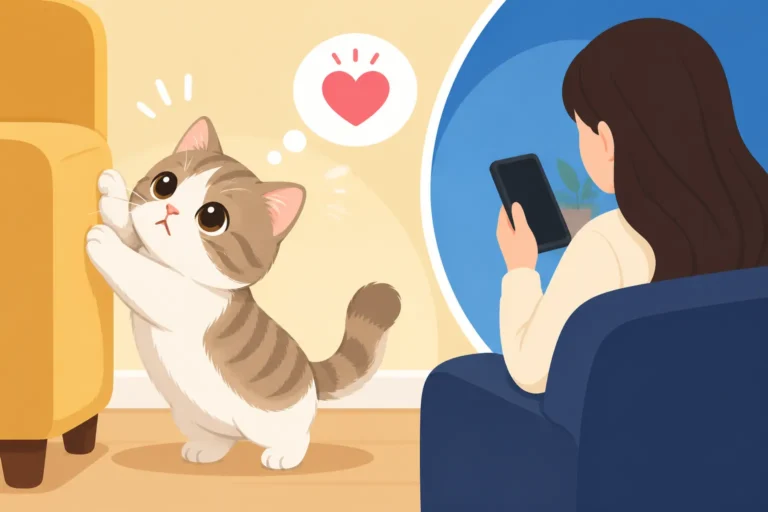
A common frustration for Munchkin owners is watching their sweet, short-legged companions struggle to reach favorite sunny spots or high perches. It's heartbreaking when they try repeatedly to jump onto the sofa or windowsill, only to fall short. You want them to feel safe and included in all areas of their home, not limited by their unique physique. This guide will walk you through practical, empathetic ways to rearrange and adapt a room, transforming it into a vertical playground your Munchkin can confidently navigate.
Understanding Your Munchkin's Unique Mobility Needs
It's easy to look at a Munchkin and assume they're just like any other cat, only shorter. And in many ways, they are! They have the same inquisitive minds, the same love for a good nap in a sunbeam, and the same desire to survey their domain from a prime vantage point. But their unique physical structure, particularly those adorable short legs, means their approach to moving through the world is fundamentally different. This isn't just about making things "easier" for them; it's about making their environment truly accessible and enriching.
The Reality of Short Legs and Limited Jump Height
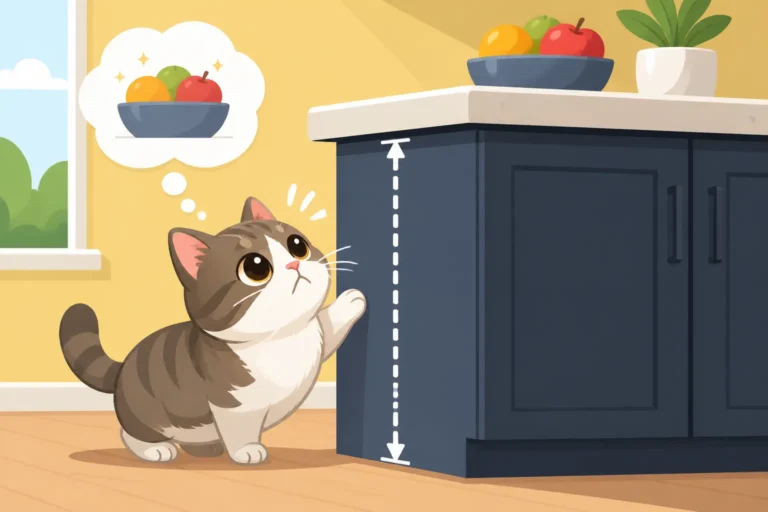
Let's be real: a Munchkin's legs are short. This isn't a secret, and it's what makes them so distinct. Because of this, their jumping ability is significantly impacted. While a normal-legged cat might effortlessly leap from the floor to a countertop, a Munchkin simply can't achieve that kind of vertical clearance. They might try, oh they certainly will try! You'll see them gather themselves, crouch low, and spring, often managing only a fraction of the height their longer-legged feline friends can reach. This can lead to frustration for them and worry for us. They can hop onto a low chair, perhaps a footstool, or even a very low sofa, especially if it has a cushion they can grip. But anything higher than that is usually beyond their physical capabilities without assistance.
It’s crucial to understand that even small jumps can put extra strain on their joints over time. Imagine landing repeatedly on short, compact limbs from a height. While they are resilient and full of energy, we need to be mindful of protecting their long-term joint health. This is why discouraging them from attempting high jumps without assistance is important. Think about What Repeated Landing Does to a Munchkin's Elbows – every little bit of careful planning helps. They might be How Fast a Munchkin Runs on Level Ground, but vertical ascent is a different ball game entirely. Their low center of gravity helps them Why a Munchkin Corners Faster Than It Should, but it doesn't translate to vertical prowess.
Why Ground-Level Isn't Always Enough
While some might assume a short-legged cat would be perfectly content with everything at floor level, that's not quite the full picture. Cats are, by nature, creatures that crave height. It’s instinctual for them to want to climb, to observe their surroundings from above, and to have safe retreats away from the hustle and bustle of floor-level activity. From a higher vantage point, they feel safer, can spot potential "prey" (like that dust bunny under the sofa), and simply enjoy a different perspective of their world. This desire doesn't disappear just because their legs are short.
Denying a Munchkin the opportunity for vertical exploration isn't just limiting their fun; it can affect their overall well-being. A cat that can't access height might become bored, frustrated, or even anxious. They might feel vulnerable if they can't escape the attention of a playful dog or an overzealous child. Why a Munchkin Cannot Climb Out of a Child's Reach highlights this perfectly. They still have that innate feline drive to perch, even if their body isn't designed for effortless climbing. Our goal isn't to make them not climb, but to enable them to do so safely and comfortably. They are A Munchkin Is a Normal Cat That Cannot Reach, and that "cannot reach" part is what we're addressing here.
Strategic Furniture Placement for Vertical Access
The good news is you don't always need to buy a house full of brand-new, specialized cat furniture. Often, you can work with what you already have, simply by thinking strategically about placement. It's all about creating a "cat highway" or a series of accessible steps that your Munchkin can use to navigate upwards. Think like a feline architect, but with a focus on miniature scale.
Creating "Staircases" from Existing Pieces
One of the most effective and often overlooked methods is to use your existing furniture to create a tiered ascent. Imagine your sofa isn't just a sofa, but the first step of a staircase. Here’s how you can make it work:
- Sofa as a Launchpad: Place a sturdy ottoman, a low bench, or even a stack of robust, stable decorative boxes directly in front of your sofa. This creates a manageable first step for your Munchkin. They can hop onto the ottoman, and then easily onto the sofa. Ensure whatever you use is heavy enough not to tip when your cat jumps on it. This is a classic example of How a Munchkin Uses Furniture as a Staircase.
- Bookcases and Shelves as Pathways: If you have a sturdy, wide bookcase, consider using its lower shelves as part of the ascent. Place a small, stable step stool next to the lowest shelf, allowing your Munchkin to hop up. From there, they can move horizontally along the shelf to another piece of furniture, or perhaps to a higher shelf if it's within a safe jump height. Make sure any items on these shelves are securely anchored or unbreakable.
- Coffee Tables and End Tables: These can be excellent intermediaries. A coffee table can be placed close enough to a sofa or a low armchair to serve as a stepping stone. An end table might lead to a window sill, provided the gap isn't too wide. Always ensure the surfaces are non-slip or add a small rug for better grip.
- Dressers and Chests of Drawers: In a bedroom, a sturdy dresser can become a vertical pathway if paired with a low bench or a stack of stable blocks next to it. Once on the dresser, they might be able to access a nearby window perch or even a low bed.
The key here is proximity and stability. There should be minimal gaps between furniture pieces, and each piece must be stable enough to support your cat's weight without wobbling. Also, think about the texture; some cats prefer carpeted or fabric surfaces over slick wood or laminate for better traction. You want to make the journey as easy and inviting as possible for your cat, making it clear How a Munchkin Gets Where It Wants Without Jumping.
Utilizing Wall-Mounted Shelves and Cat Ladders
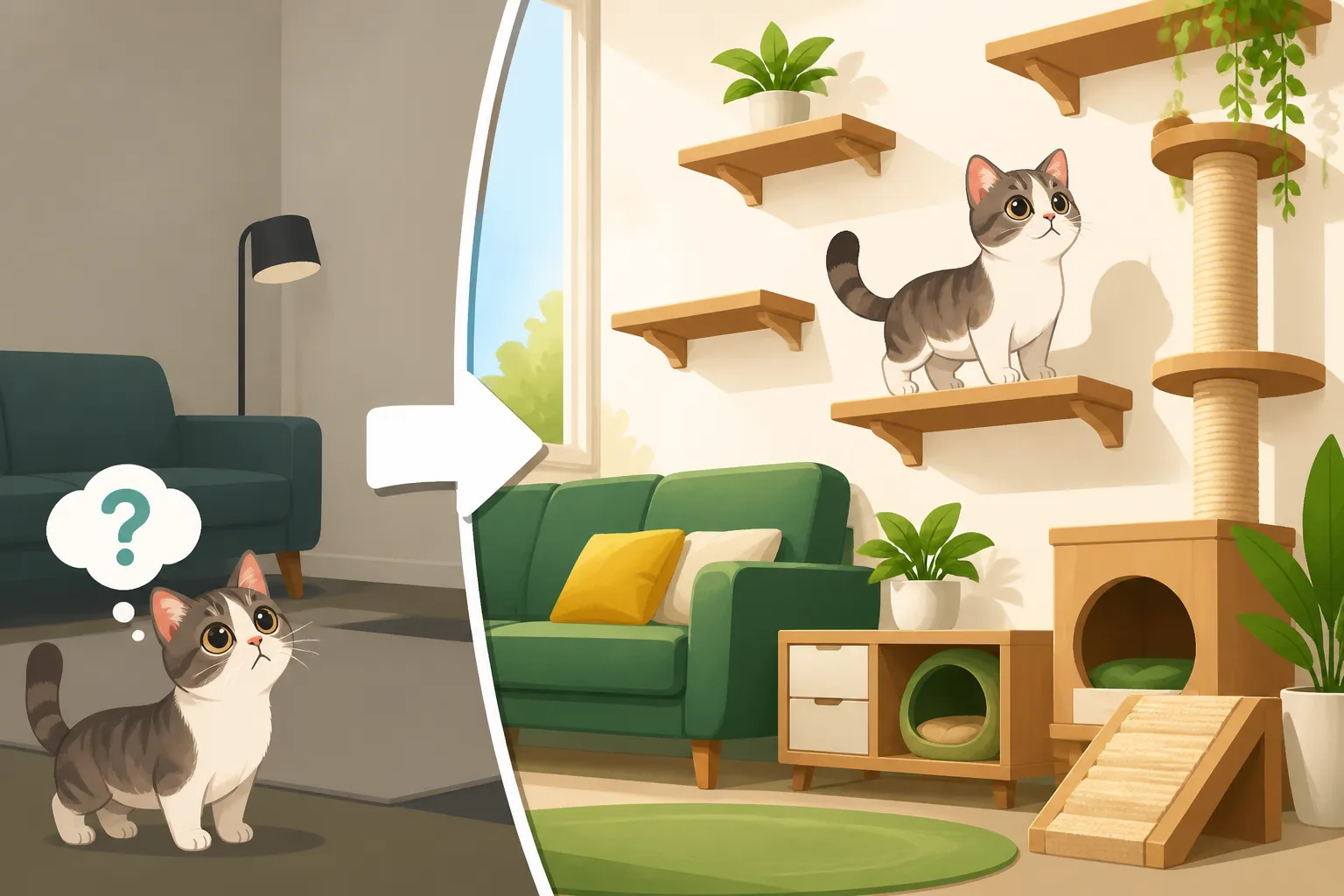
When floor-based furniture isn't enough, or if you want to maximize vertical space without cluttering the floor, wall-mounted solutions are fantastic. These options truly create an aerial playground for your Munchkin, allowing them to scale walls safely and enjoy the high life.
- Sturdy Wall Shelves: Install a series of sturdy shelves at staggered heights, creating a natural upward progression. The distance between shelves should be appropriate for a Munchkin's limited jump height – think shorter gaps than you would for a normal-legged cat. Carpet or sisal covering on these shelves will provide excellent grip and prevent slips. You can find many suitable options on Amazon, ranging from simple floating shelves to elaborate multi-tiered systems designed specifically for cats. Remember, the goal is to make it a gradual climb, not a leap of faith.
- Cat Ladders and Staircases: These are essentially smaller, purpose-built ramps or steps that can be mounted to a wall or connected between pieces of furniture. They often have shallow risers and good traction. Look for those with wide steps to give your Munchkin ample landing room. Some designs resemble miniature staircases, which are perfect for gradual ascents.
- Window Perches: Every cat loves a window perch, and Munchkins are no exception. If your windowsills are too high, consider installing a window-mounted perch that your Munchkin can access via a ramp or a series of strategically placed shelves. Again, look for secure, stable options on Amazon that can support your cat's weight without tilting. Make sure the path to the perch is clear and easy to navigate.
- Bridge Elements: For the truly adventurous, you can even install short "bridges" between higher shelves or cat trees, creating a continuous, elevated path around the room. These should be very sturdy and have side rails for safety.
When installing anything wall-mounted, always use appropriate anchors for your wall type (studs are best!). A wobbly shelf or a collapsing ladder is not only terrifying for your cat but incredibly dangerous. The goal is to provide safe, secure access to elevated spaces, giving your Munchkin the confidence to explore their vertical world. This transformation is about more than just furniture; it's about changing your mindset to match With a Munchkin the House Changes, Not the Cat.
Essential Accessibility Aids and Safe Modifications
Sometimes, furniture arrangement alone isn't quite enough, or you want to provide access to specific items like your bed or a favorite armchair without straining your cat. This is where dedicated accessibility aids come into play. These tools are designed with your cat's unique needs in mind, offering comfortable and safe ways to reach higher ground.
Ramps and Steps: The Lifelines for High Places
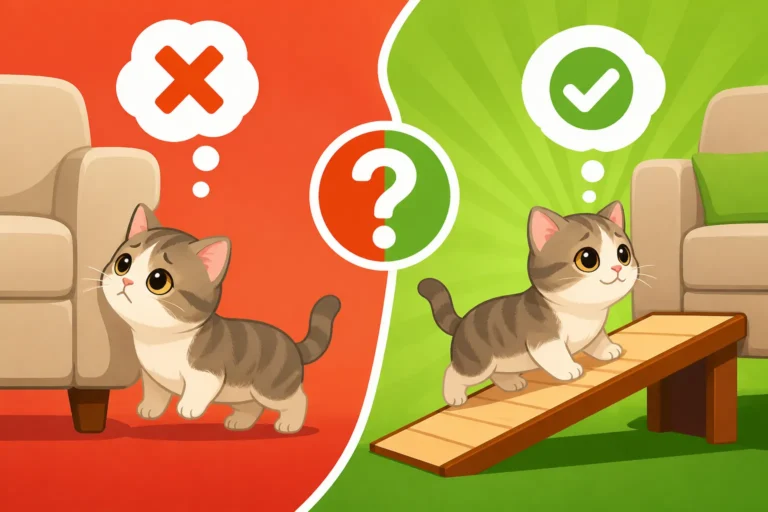
Ramps and steps are probably the most direct and effective way to help your Munchkin get where they want to go. They eliminate the need for jumping, reducing strain on joints and preventing potential injuries. For a Munchkin, Ramps and Steps Are Munchkin Equipment, Not Luxuries – they are truly essential for a happy, healthy cat.
-
Choosing the Right Ramp: Not all ramps are created equal for a Munchkin. You need to consider several factors:
- Angle: A gentle incline is paramount. Steep ramps can be difficult, even dangerous, for a short-legged cat. Think about the angle they'd comfortably walk up, not climb. A general rule of thumb is that the ramp should be much longer than it is high. Why a Munchkin Refuses a Steep Ramp really drives this home.
- Surface: Grip is everything. Look for ramps with carpet, sisal, or a textured, non-slip surface. Smooth plastic or wood can be treacherous.
- Width: A wider ramp is more stable and inviting. Your Munchkin should feel secure walking up and down without feeling like they might fall off the side.
- Stability: The ramp must be solid and not wobble. If it moves even slightly, your cat will likely avoid it. Many ramps available on Amazon are designed with this in mind, often featuring anti-slip feet or ways to secure them to furniture.
-
Pet Steps/Stairs: For certain situations, pet steps can be a better fit than a ramp, especially if space is a concern.
- Low Risers: The height of each step is critical. Each step should be low enough for your Munchkin to easily step up without having to jump or strain. Imagine miniature human stairs, not giant blocks.
- Deep Treads: The depth of each step (the part they walk on) should be generous. This gives them a secure landing and stepping off point.
- Non-Slip: Just like ramps, steps need a non-slip surface, ideally carpeted.
- Stability: Again, rock-solid stability is non-negotiable.
-
Placement is Key: Don't just place a ramp or steps anywhere. Observe where your Munchkin wants to go. Is it the sofa? The bed? A specific window? Place the aid directly in line with their desired destination. It should be an obvious, easy path. You might need to experiment with different placements to find what works best for your individual cat. Remember that How to Teach a Munchkin to Use a Ramp often involves positive reinforcement and patience!
Here’s a quick comparison of ramps versus steps for your Munchkin:
| Aid Type | Best For | Key Features to Look For | Ideal Placement |
|---|---|---|---|
| Ramp | Gradual ascent, less impact on joints, longer spans | Gentle incline, non-slip surface, sturdy, wide | Leading directly to sofas, beds, window sills |
| Steps | Shorter vertical access, space-saving | Low risers, deep treads, non-slip, stable, compact | Next to chairs, low tables, or as intermediate steps |
Choosing the Right Cat Trees and Perches
Standard cat trees, with their widely spaced platforms, are often completely impractical for a Munchkin. Those large gaps between levels are essentially unclimbable hurdles for their short legs. It's a waste of money and a source of frustration for your cat. Instead, you need to look for specific features:
- Closely Spaced Platforms: This is the absolute most important feature. The platforms need to be close enough together that your Munchkin can step, not jump, from one to the next. Ideally, the vertical distance between platforms should be no more than 6-8 inches, depending on your cat's agility. Think of it as a ladder, not a series of high diving boards. Which Cat Tree Layout Suits a Munchkin is very specific.
- Large Platforms: Once they get up there, they need room to move, turn around, and stretch out comfortably. Small, cramped platforms will discourage use.
- Ramps and Ladders Built-in: Some cat trees are designed with integrated ramps or small staircases between levels. These are perfect for Munchkins, as they provide a continuous, easy path upwards.
- Stability: As always, a heavy, stable base is crucial. A tall, wobbly cat tree is dangerous for any cat, but especially one with limited jumping ability. Bolt-on shelves and secure attachments are preferable.
- Textured Surfaces: Carpeted or sisal-wrapped posts and platforms offer excellent grip and double as scratching surfaces, fulfilling another natural feline need. Which Scratching Post a Munchkin Can Use is often a horizontal one or one with a base, rather than a tall, vertical pole.
When introducing a new cat tree, place treats on each level to encourage exploration. You want them to associate the new structure with positive experiences. You might find some excellent options for accessible cat trees on Amazon designed for senior cats or those with mobility issues, which often work perfectly for Munchkins too.
Ensuring Safe Descents and Landing Zones
Getting up is only half the battle; coming down can often be trickier for a Munchkin. Just as they can't jump very high, they also need safe ways to descend without impacting their joints. This is a critical aspect of their long-term health and mobility.
- Ramps and Steps for Descent: The same ramps and steps you use for ascent should also be available for descent. Ensure they are wide and have good traction. Coming down, especially if they are enthusiastic, can sometimes lead to slips if the surface is too smooth. How a Munchkin Comes Down From Height is often more of a controlled scramble than a graceful leap, and we want to make that as safe as possible.
- Padded Landing Zones: For any areas where your Munchkin might still jump down from a low height (like the edge of a bed or a low sofa), place a soft rug, a thick pet mat, or even a dog bed on the floor directly beneath the landing spot. This provides cushioning and reduces impact on their joints, especially their elbows and shoulders, which bear the brunt of landings. Think about How Arthritis Shows in a Munchkin's Front Legs – protecting these areas from repeated stress is vital for their long-term comfort.
- Clear Pathways: Ensure that the routes up and down are always clear of clutter. A pile of laundry or a forgotten toy can become a tripping hazard, especially for a cat with short legs trying to navigate carefully.
- Supervision and Training: Initially, you might need to supervise your Munchkin to ensure they are using the ramps and steps safely. Positive reinforcement (treats, praise) when they use the aids correctly can help solidify good habits. Some owners even teach their cats commands to use their ramps or steps, making their lives easier and safer.
By focusing on both ascent and descent, you create a truly safe and accessible environment, giving your Munchkin the freedom to explore their world vertically without unnecessary risk or strain. This proactive approach supports their physical well-being throughout their life.
Considerations Beyond Climbing: A Holistic Approach
While providing vertical access is key, true enrichment for a Munchkin goes beyond just getting them to the top shelf. It’s about creating an entire environment that caters to their unique needs, promotes their physical health, and stimulates their curious minds. A holistic approach ensures your short-legged friend thrives, not just survives.
Floor-Level Enrichment and Play Zones
Even with all the ramps and steps, your Munchkin will still spend a significant amount of time on the floor. It’s their primary domain. Therefore, it’s crucial to ensure this ground-level space is just as stimulating and safe as the elevated areas.
- Interactive Toys at Their Level: Many standard cat toys are designed for cats who can jump and swat high. For a Munchkin, focus on toys that are accessible on the floor. Wand toys with long wands are perfect because you can drag them across the floor, mimicking prey movement, without needing your cat to jump. Small, rolling balls, crinkle toys, and puzzle feeders that lay flat on the ground are also excellent choices. Think about Which Toys Work at a Munchkin's Height.
- Tunnels and Mazes: Munchkins love to dart and chase! Tunnels, crinkle tubes, and even elaborate cat mazes (easily found on Amazon or DIY-ed with cardboard boxes) provide fantastic opportunities for play, hiding, and exercise at ground level. Their low center of gravity and agility allow them to navigate these quickly, making them feel like the speed demons they are.
- Scratching Surfaces: While a tall scratching post might be a challenge, horizontal scratching pads, cardboard scratchers, and low-angle scratching ramps are perfect. Place these in prominent areas where your Munchkin likes to stretch or where they might otherwise scratch furniture.
- Safe Exploration Areas: Ensure there are safe, low places for them to explore. Cardboard boxes, paper bags (with handles removed), or even designated "hidey-holes" under low furniture provide stimulating environments. Remember, a Munchkin can get into smaller spaces due to their short stature, so make sure any nooks they can access are safe and free from hazards.
- Secure Access to Necessities: Water bowls, food bowls, and litter boxes must always be easily accessible at ground level. For food and water, ensure the bowls are not too tall, which might cause neck strain. Raised food bowls can actually help Why a Raised Bowl Eases a Munchkin's Shoulders by allowing them to eat without stooping excessively. For litter boxes, opt for low-entry designs. Which Litter Box a Munchkin Can Actually Enter is a critical piece of equipment to prevent accidents and promote hygiene.
Maintaining Health with Adapted Environments
An adapted environment isn't just about fun; it's a vital component of your Munchkin's long-term health and well-being. Their unique physique means they have specific health considerations that can be mitigated through thoughtful home design.
- Weight Management: Because Munchkins burn fewer calories due to their restricted movement and shorter legs, weight management is paramount. Why Weight Is More Dangerous on a Munchkin cannot be overstated. An overweight Munchkin puts immense strain on their spine and joints, exacerbating potential issues like lordosis or early arthritis. An adapted environment that encourages safe movement and play, combined with carefully controlled portions, is essential. Regular weigh-ins and monitoring their How to Score a Munchkin's Body Condition are crucial for maintaining their ideal body weight.
- Joint Health: Repetitive jumping, even from low heights, can contribute to wear and tear on their joints. By providing ramps and steps, you significantly reduce this stress. Consider incorporating joint-supporting supplements into their diet, especially as they age. Your vet can recommend suitable options. An older Munchkin might struggle even with familiar routes, so you may need to reassess Why an Old Munchkin Stops Using Its Ramp and adjust the environment accordingly.
- Grooming Access: Due to their short legs and long bodies, many Munchkins struggle to groom their hindquarters properly. This can lead to matting, skin irritation, and hygiene issues, especially around the litter box. Ensure you're regularly brushing your Munchkin, particularly their back half. Whether Matting Becomes a Health Problem in a Munchkin is a real concern that can lead to discomfort and veterinary issues if not addressed. Providing grooming tools at floor level, or gently lifting them for grooming, becomes a regular part of their care plan.
- Overall Well-being and Mental Stimulation: A cat that feels safe, can access its preferred spots, and is physically and mentally stimulated is a happy cat. An adapted environment reduces stress, boredom, and frustration, contributing to a longer, healthier, and more fulfilling life for your Munchkin. The ability to choose between lounging at ground level or surveying their domain from a comfortable perch gives them autonomy and improves their quality of life. Think about How to Judge a Munchkin's Quality of Life – their ability to express natural behaviors plays a huge part in it.
By meticulously planning and adapting your home, you're not just making it Munchkin-friendly; you're creating a sanctuary where your beloved companion can thrive, explore, and live its best short-legged life. It takes a little extra thought, but the joy and comfort it brings your Munchkin are immeasurable.
Disclaimer
This article is for general informational purposes only and does not constitute professional advice. Laws, prices and regulations vary by location and change over time. Consult a qualified professional for guidance on your specific situation.