How Much a Lambkin Costs Against a Munchkin
Deciding between a Munchkin and a Lambkin cat often starts with admiring their unique appearances, but it quickly shifts to wondering about the practicalities, especially the financial commitment. Many prospective owners are surprised by the price variations, not just between breeds, but within litters, and the unexpected costs that can arise down the line. This guide will walk you through the factors that influence the initial purchase price and the ongoing ownership expenses for both a Munchkin and a Lambkin, helping you understand the true cost of bringing one of these special felines into your home.
Decoding the Lambkin and Munchkin: What Makes Them Unique?
Before we dive into the numbers, it's crucial to understand what distinguishes a Munchkin from a Lambkin. Both are absolutely adorable, but their genetic blueprints and, consequently, their care requirements and price points, are quite different. It's not just about short legs; it's about the combination of traits that breeders strive for, and the inherent complexities that come with them.
The Foundational Munchkin: Short Legs and a Controversial History
The Munchkin cat is essentially a domestic cat that carries a spontaneous genetic mutation for short legs. Think of it as the original "dachshund of the cat world." This gene is autosomal dominant, meaning only one copy is needed for the cat to have short legs. However, carrying two copies of the gene is lethal to the embryo, which is why Munchkin Dwarfism Is Dominant and Lethal in Two Copies and Why Two Short Legged Munchkins Are Never Bred Together. They are recognized by The International Cat Association (TICA) and can come in any color or pattern, with either short or long hair.
A Munchkin's defining characteristic is its proportionally short legs, while its body length and spine remain normal. This unique conformation means they navigate the world a little differently than their long-legged cousins. While many people believe Munchkins live a perfectly normal life, it's true their physiology can predispose them to certain considerations, particularly regarding mobility and weight management. Their purchase price typically reflects the leg length (shorter legs often command higher prices) and the breeder's reputation for health screening.
The Lambkin: Combining Dwarfism with Curls
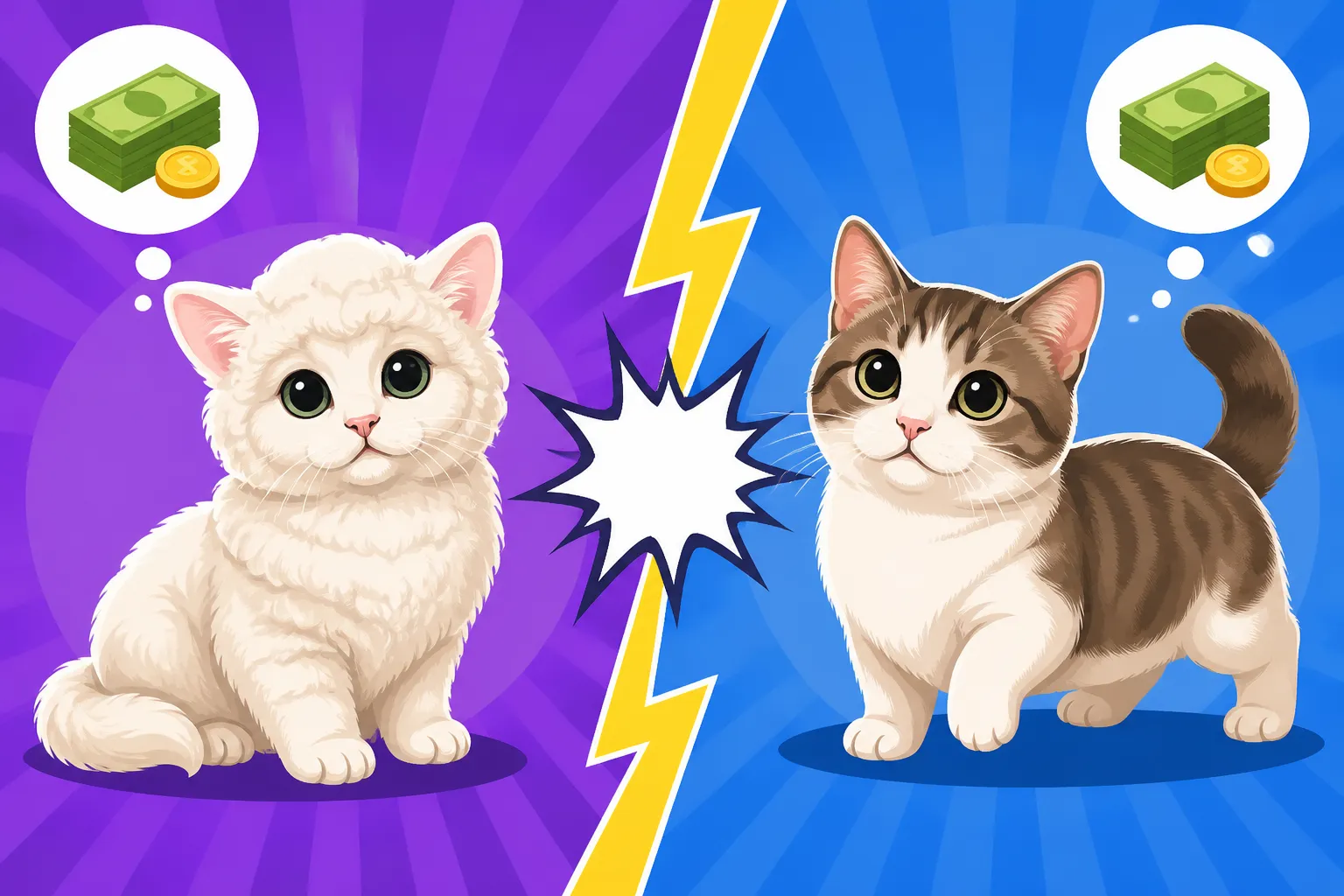
Now, a Lambkin is where things get a bit more complex, and often, more expensive. A Lambkin isn't just a Munchkin with curly hair; it's a deliberate hybrid breed resulting from crossing a Munchkin with a Selkirk Rex. The Selkirk Rex is known for its plush, curly coat, which also comes from a dominant genetic mutation. So, a Lambkin is a cat that ideally possesses both the short legs of a Munchkin and the curly coat of a Selkirk Rex. This means you're looking for a kitten that has inherited two distinct dominant genes.
This combination of traits is what makes the Lambkin relatively rare and highly sought after. Achieving the desired combination of short legs and curly fur in a litter requires careful breeding and an understanding of two separate genetic mutations. It's a true hybrid, and as we'll see, the effort and lower probability of achieving those specific traits translate directly into a higher price tag. This "stacking" of mutations can also lead to more complex health considerations that potential owners must be aware of. Why Munchkin Hybrids Stack Two Mutations is a crucial topic to research when considering a Lambkin.
The Financial Dive: Comparing Initial Purchase Prices
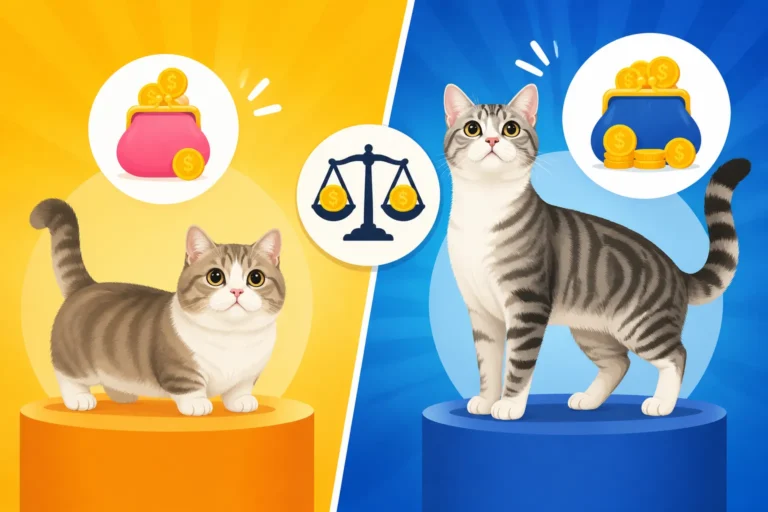
When you're comparing the cost of a Munchkin versus a Lambkin, the initial purchase price is often the most significant difference you'll encounter. This isn't just about market demand; it's deeply rooted in the genetics, breeding complexity, and rarity of each type of cat.
Why Lambkins Typically Command a Higher Price Tag
The core reason Lambkin kittens are generally more expensive than Munchkin kittens is the intricate dance of genetics required to produce them. As mentioned, a Lambkin needs to inherit two distinct dominant mutations: one for short legs from the Munchkin parent and one for curly hair from the Selkirk Rex parent.
Consider a breeder trying to produce Lambkins. They would typically breed a short-legged Munchkin to a curly-coated Selkirk Rex (or vice-versa, or even a Lambkin to another Lambkin or a Munchkin/Selkirk Rex if the genetics are right, but that gets even more complicated and risky). The resulting litter will have a mix of traits: some kittens might have short legs but straight fur, some might have long legs but curly fur, some might have long legs and straight fur, and only a select few will have the coveted combination of short legs and curly fur – the true Lambkins. The chances of getting a kitten with both desired traits are significantly lower than just getting a short-legged Munchkin.
This means that an ethical Lambkin breeder invests more time, more selective breeding, and often has smaller litters with the "ideal" traits. The rarer the combination, the higher the price. Furthermore, the specialized knowledge and effort required to manage two distinct genetic lines, along with the health screenings for both Munchkin-related and Selkirk Rex-related conditions, add to the breeder's overhead, which is naturally passed on to the buyer. This complexity translates directly into a higher market value for a genuine Lambkin kitten compared to a standard Munchkin kitten.
Factors Influencing a Munchkin's Initial Cost
While generally less expensive than Lambkins, Munchkin kittens still come with a significant price tag, often ranging considerably depending on several factors. One of the primary drivers is the kitten's leg length. Breeders often categorize Munchkins into "standard" (moderately short legs) and "rug hugger" (very short legs). Rug huggers, being rarer and fulfilling the breed's most distinctive trait to an extreme, typically command the highest prices.
Beyond leg length, the kitten's coat type and color can also play a role, though usually less significant than leg length. A longhaired Munchkin or one with a particularly striking coat pattern might be priced slightly higher. The breeder's reputation and the lineage of the parents are also critical. A breeder who consistently produces healthy, well-socialized kittens from lines free of common health issues (like lordosis or pectus excavatum) will naturally charge more. They invest in veterinary care, proper nutrition, early socialization, and often genetic testing for conditions relevant to their outcrosses. You should always ask What a Munchkin Breeder Should Be Able to Show You regarding their cats' health.
Finally, whether the kitten is being sold as a "pet quality" (spay/neuter contract) or "breeding quality" (with breeding rights) will massively impact the price. Breeding rights for a Munchkin are significantly more expensive, reflecting the value of its genetics to a breeding program.
Beyond the Purchase: Long-Term Ownership Costs to Consider
The initial sticker price is just the beginning of your financial journey with any cat, and especially so with specialized breeds like the Munchkin and Lambkin. When comparing these two, it's important to look at ongoing expenses, as some will be similar, while others diverge significantly due to their unique traits.
Shared Expenses: Everyday Needs for Both Breeds
Many of the day-to-day costs for a Munchkin and a Lambkin will be quite similar, aligning with what you'd expect for any domestic cat. This includes:
- Food: Both breeds require high-quality cat food appropriate for their life stage and activity level. Since Munchkins, and by extension Lambkins, aren't as agile climbers as long-legged cats, they might have slightly lower caloric needs if not adequately exercised, making weight control paramount. Quality food formulated to support overall health, including joint health, is a consideration for short-legged cats.
- Litter and Litter Boxes: Due to their short legs, both breeds benefit greatly from low-entry litter boxes. A senior cat litter box is often ideal. You'll need to budget for regular litter purchases, and perhaps specific types that don't cling as much to their low-slung bellies. Which Litter Box a Munchkin Can Actually Enter is a practical consideration for both.
- Routine Veterinary Care: Annual check-ups, vaccinations (even for indoor cats, Which Vaccines an Indoor Munchkin Needs), parasite prevention, and dental care are standard for all cats. Both breeds will benefit from regular vet visits to monitor their general health and specific conformation-related concerns.
- Toys and Enrichment: Both breeds are playful and require mental and physical stimulation. While Munchkins are often described as having a "ferret-like" gait and love floor-level play, Lambkins will share this preference. Toys should be accessible and encourage healthy movement without excessive jumping.
- Environmental Adaptations: This is a big one for any short-legged cat. Ramps and steps are not luxuries but necessities for Munchkins and Lambkins to safely access furniture, beds, and windowsills without straining their backs or risking injury. Expect to budget for sturdy, carpeted ramps or pet stairs. Ramps and Steps Are Munchkin Equipment, Not Luxuries is a mantra to live by with these breeds. This might also include low cat trees with close-set platforms.
Unique Lambkin Expenses: The Cost of Curls
Here's where the Lambkin's unique Selkirk Rex heritage truly impacts your budget. That adorable curly coat, while beautiful, is not maintenance-free.
- Grooming Tools: You'll need specialized brushes and combs designed for curly coats. Regular domestic cat brushes simply won't do the trick for maintaining the curl and preventing mats. Expect to invest in a good quality wide-toothed comb and perhaps a slicker brush designed for delicate coats.
- Grooming Products: Shampoos and conditioners specifically formulated for curly or textured cat coats can help maintain the integrity of the curls and prevent dryness, which can exacerbate matting.
- Professional Grooming: While some short-haired Munchkins might need occasional owner grooming, a Lambkin's coat often necessitates professional attention. Matting can become a serious health issue if not addressed, especially in areas the cat can't reach due to its short legs. Regular appointments with a professional groomer who is experienced with curly-coated breeds might be a recurring cost. This can involve anything from de-shedding to full clips, particularly around the hindquarters where hygiene mats are common. Whether a Longhaired Munchkin Needs Clipping is a relevant consideration, but for a Lambkin, it's almost a given.
- Increased Matting Risk: The combination of a short stature (meaning their belly and hindquarters are closer to the ground, potentially picking up more debris or having difficulty grooming) and a curly coat inherently increases the risk of matting. Severe matting can be painful, restrict movement, and lead to skin infections, necessitating costly veterinary intervention.
Health and Longevity: Potential Discrepancies in Veterinary Care
Both Munchkins and Lambkins share the potential for certain health considerations due to their short legs, but the Lambkin's dual genetic traits introduce another layer of complexity.
- Shared Conformation Issues: Both breeds can be predisposed to conditions related to their unique skeletal structure. Lordosis (a curvature of the spine) and pectus excavatum (a sunken chest) are sometimes seen in Munchkins and thus can appear in Lambkins. While not every short-legged cat develops these, monitoring for them is crucial. What Lordosis Actually Is in a Munchkin and What Pectus Excavatum Does to a Munchkin's Chest are important topics to understand.
- Joint Health: The impact of their short legs on joints over a lifetime is a key consideration. While Munchkins are known for their playful energy, the way they move and jump can put different stresses on their joints compared to long-legged cats. Owners should be vigilant for signs of early arthritis. Whether a Munchkin Gets Arthritis Earlier is a common question. This means potential costs for joint supplements, anti-inflammatory medications, or even physical therapy as they age.
- Selkirk Rex Health Considerations: Adding the Selkirk Rex genetics to the mix means potential for conditions associated with that breed. While the Selkirk Rex is generally robust, specific health screenings might be recommended by an ethical breeder for both parent lines.
- Compounded Risks: The biggest concern with hybrid breeds like the Lambkin is the potential for "stacking" genetic mutations that could lead to compounded health problems. While well-bred Lambkins can be healthy, the combination of two significant genetic changes (dwarfism and curly fur) theoretically increases the complexity of their biological systems. It's vital to research What Two Skeletal Mutations Do to One Munchkin if considering a combined mutation breed.
- Pet Insurance: Given these potential health considerations, pet insurance becomes an even more important budgeting tool. Companies like Healthy Paws can offer peace of mind, but it's crucial to understand their policies regarding pre-existing conditions and breed-specific exclusions. It's always best to insure a kitten before any potential health issues are diagnosed. Premiums might be slightly higher for breeds with known predispositions.
Making a Smart Investment in Your Feline Friend
Bringing a cat into your life is a long-term commitment, and for a specialized breed like the Munchkin or Lambkin, it requires an even more thoughtful approach to both initial cost and ongoing care. It's about making a responsible investment in a family member's health and happiness.
Prioritizing Health and Ethical Breeding
The most crucial step in managing costs and ensuring a healthy, happy cat is to choose an ethical and reputable breeder. This is true for any breed, but it's especially vital for breeds with unique genetic traits like the Munchkin and the Lambkin. A good breeder will prioritize health, conduct appropriate genetic testing, and be transparent about their cats' lineage and any health issues in their lines.
For a Munchkin, an ethical breeder will be able to discuss the health of the parents, particularly regarding conditions like lordosis or pectus excavatum, and should be able to provide veterinary records. They will also emphasize the importance of outcrossing to maintain genetic diversity. What a Munchkin Breeder Should Be Able to Show You goes into detail about the information you should expect.
For a Lambkin, this due diligence is even more critical because you're dealing with two distinct genetic mutations. An ethical Lambkin breeder will understand the genetics of both the Munchkin and the Selkirk Rex lines they are working with. They should be able to explain how they screen for health issues pertinent to both parent breeds, and how they manage the genetic stacking to minimize potential health risks. Never be afraid to ask detailed questions about their breeding practices, health guarantees, and the health history of the kitten's parents. A cheap kitten, particularly a hybrid, can often indicate corners have been cut in health testing or breeding practices, leading to much higher vet bills down the line.
Budgeting for a Lifetime of Care
Once you've made the initial purchase, the ongoing costs of cat ownership, particularly for a Munchkin or Lambkin, need careful budgeting. Think of it not just as a pet, but as a member of your family who might have specific needs.
- Emergency Fund: Always have an emergency fund for unexpected veterinary costs. Even with insurance from providers like Healthy Paws, there might be deductibles, co-pays, or uncovered treatments.
- Specialized Supplies: Factor in the recurring cost of specialized grooming tools for a Lambkin, or replacement ramps and steps as needed. Buying in bulk from places like Chewy can sometimes offer savings on food and litter.
- Dietary Needs: Consider the quality of food. While it might seem more expensive upfront, a high-quality diet, perhaps specifically formulated for joint health in later years, can contribute to overall well-being and potentially reduce future vet bills.
- Annual Health Checks with a Focus on Mobility: For both breeds, annual vet checks should include a thorough assessment of their spine and joints. Why a Munchkin's Vet Year Includes Its Joints is a key point to remember. As they age, costs for supportive care like joint supplements or pain management medications might increase. What Pain Relief a Stiff Munchkin Can Take is something you might need to know as your cat reaches its senior years.
By understanding these cost differences and preparing for the financial commitment, you can ensure a happy, healthy life for your Munchkin or Lambkin, enjoying their unique personalities without the stress of unexpected expenses.
Cost Comparison: Munchkin vs. Lambkin
To summarize the key cost differences and similarities, here's a handy comparison table:
| Feature | Munchkin Cat | Lambkin Cat (Munchkin x Selkirk Rex) |
|---|---|---|
| Defining Traits | Short legs (dwarfism mutation) | Short legs + curly coat (dwarfism + Selkirk Rex mutations) |
| Initial Purchase Price | Moderate to High | High to Very High |
| Primary Cost Drivers | Leg length (rug hugger vs. standard), breeder reputation, lineage, health screening | Rarity, dual genetic mutations, breeder effort, health screening for two breeds |
| Grooming Needs | Generally low (if shorthair); moderate (if longhair, especially hindquarters) | High (specialized tools, products, potential professional grooming for curly coat) |
| Environmental Adaptation Costs | Yes, significant (ramps, low litter boxes, accessible furniture) | Yes, significant (ramps, low litter boxes, accessible furniture) |
| Joint & Spinal Health Risks | Present (lordosis, pectus excavatum, arthritis) | Present (lordosis, pectus excavatum, arthritis), potentially compounded by dual mutations |
| Other Health Risks | Linked to outcross lines' predispositions | Linked to both Munchkin and Selkirk Rex predispositions |
| Pet Insurance Premiums | Generally higher than domestic shorthairs | Potentially higher than Munchkins due to hybrid status and dual mutations |
How Much a Lambkin Costs Against a Munchkin is a question that reveals the deeper complexities of hybrid breeding. Why Munchkin Dwarfism Is Called Autosomal Dominant explains the underlying genetics for one part of the equation, but for Lambkins, you're looking at a fascinating combination. What a Munchkin Costs Over Thirteen Years might give you a general idea of long-term costs, but a Lambkin's might trend even higher due to grooming needs. Understanding Why a Munchkin From a Scottish Fold Cross Is a Warning can provide perspective on the risks of combining skeletal mutations, even if different from the Selkirk Rex cross. Remember that How a Breeder Plans a Munchkin Mating is meticulous, and for a Lambkin, it's doubly so. Finally, Why a Munchkin Will Go Outside a Box It Cannot Enter is an example of a common frustration that can be easily avoided with proper planning.
Disclaimer
This article is for general informational purposes only and does not constitute professional advice. Laws, prices and regulations vary by location and change over time. Consult a qualified professional for guidance on your specific situation.