Whether a Munchkin Is the Right Cat for You
So, you're enchanted by the adorable, short-legged Munchkin cat and wondering if one would be the perfect addition to your home. It's easy to fall in love with their unique look and playful reputation, but bringing any pet into your life is a big decision, and Munchkins come with their own very specific set of needs and considerations that are crucial to understand beforehand. This guide will walk you through everything you need to know to truly assess if your lifestyle and home are a good match for these charming little felines.
Understanding the Unique Munchkin Physique
The most striking feature of a Munchkin cat is, of course, their short legs. It's what sets them apart and often what draws people to them, but it's also the source of their unique physical challenges and care requirements. It's not just a cute quirk; it's a fundamental difference that impacts their entire existence.
The Short Legs, Not a Short Body
When you first see a Munchkin, you might think they're simply a small cat. However, that's not quite right. While their legs are significantly shorter due to a naturally occurring genetic mutation, their body length and overall build are generally comparable to a regular domestic cat. Imagine a standard-sized house cat, but instead of long, elegant legs, they have compact, stout ones. This means they carry the same amount of body mass on much shorter limbs. This distinct proportion is what gives them their unique low-slung appearance, but it also dictates how they move through the world and the potential strain on their skeletal system. Understanding this difference is key to appreciating their needs.
Their forelegs often appear slightly bowed, which is a common characteristic of their pseudoachondroplasia, the form of dwarfism they exhibit. This isn't necessarily a fault in the show ring, as long as it doesn't impede their movement or suggest discomfort, but it's another visual cue that distinguishes them. Because their bodies are of normal length, they have a full, long spine, which is important when considering how they interact with their environment and how any excess weight might affect them. Unlike some other forms of dwarfism, their spinal column itself isn't typically shortened or deformed, which is often a point of relief for potential owners, but it still has to cope with the mechanics of short limbs. Why a Munchkin's Spine Is Normal Length
Spinal Considerations and Their Impact
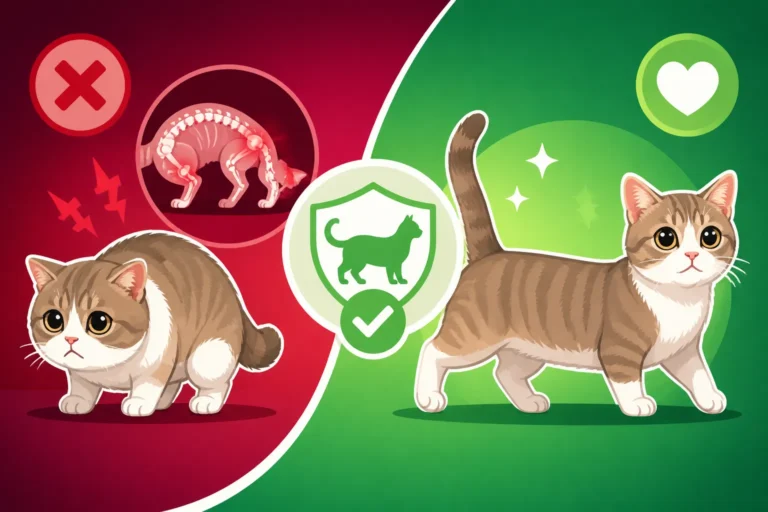
While the Munchkin's spine itself is generally of normal length and structure, the way it connects to and is supported by their short legs creates a different set of biomechanical forces than in a long-legged cat. Think of it like a bridge: a longer bridge with shorter supports has to distribute its load differently. For a Munchkin, their relatively long spine, combined with their close-to-the-ground posture, means that impact from jumping or even just running can be transmitted differently through their body. This is why issues like lordosis and pectus excavatum are sometimes observed in the breed, though the frequency and direct correlation are often debated within the veterinary community and among breeders. Lordosis Is the Spinal Curve the Munchkin Argument Is About
Lordosis, for instance, is a condition where the spine curves downwards, creating a swayback appearance. In severe cases, this can compress internal organs and cause significant discomfort or health problems. Pectus excavatum, or a sunken chest, is another condition that can affect a Munchkin's respiratory and cardiac function. While these conditions can occur in any cat breed, the concern is often amplified in Munchkins due to their unique conformation. It's crucial for any potential owner to inquire about these specific health concerns with a breeder and to understand that a Munchkin's spine carries a load that a normal cat's does not, simply due to the physics of its build. Why a Munchkin's Spine Carries a Load a Normal Cat's Does Not
The Prairie Dog Sit and Its Meaning
One of the most endearing and recognizable behaviors of a Munchkin cat is their "prairie dog sit." You'll often see them sitting upright on their hind legs, paws dangling, much like a meerkat or a prairie dog scanning its surroundings. It's incredibly cute, and it's a behavior almost exclusive to the Munchkin breed. They do this to get a better view of their surroundings, to investigate a sound, or to simply survey their domain from a slightly elevated position. Because their legs are so short, this upright posture gives them a few precious inches of extra height, allowing them to see over obstacles or get a clearer perspective on something that piques their curiosity.
While this posture is undeniably charming and makes for fantastic photo opportunities, it's also a direct consequence of their physical limitations. It highlights their natural drive to interact with the world around them, even if they have to adapt their body to do so. For an owner, observing the prairie dog sit can be a delightful moment, but it also serves as a subtle reminder of their need for a modified environment. If they constantly need to sit up to see what's happening on a low coffee table, it underscores that many aspects of a human home are simply not at their eye level. The Prairie Dog Sit Only a Munchkin Does
It's natural to wonder if this frequent upright posture puts additional strain on their spine. While it's a topic that breeders and vets have discussed, there isn't definitive evidence that the prairie dog sit itself directly causes spinal problems. However, it is a marker of their unique physiology and their coping mechanisms for navigating a world built for taller creatures. Any cat that struggles with spinal health might find such a posture uncomfortable, so it's always something to mention to your vet during routine check-ups.
Munchkin Mobility and Movement
Despite their short stature, Munchkins are far from immobile or sluggish. In fact, many owners are surprised by their speed and agility on the ground. However, their limitations become evident when verticality is involved. Understanding these movement patterns is crucial for providing a safe and enriching environment.
Navigating the Home: Jumps, Ramps, and Steps
This is where the reality of Munchkin ownership truly hits home for many. While they might be able to manage small jumps, like onto a low ottoman or a sturdy cat tree with very closely spaced platforms, anything higher becomes a real challenge. They simply don't have the leverage or the leg length to propel themselves upwards like a standard cat. Imagine trying to jump onto a kitchen counter without using your hands – that's roughly the equivalent for a Munchkin trying to reach a sofa. This isn't to say they won't try; their determination and curiosity often lead them to attempt jumps that are beyond their physical capabilities.
This constant effort to reach higher surfaces can put repetitive strain on their joints, especially their shoulders and elbows, which take the brunt of landings and failed attempts. This is why ramps and steps aren't just a luxury for a Munchkin; they are an absolute necessity for their long-term health and quality of life. Owners often have to rethink their entire home layout, adding ramps to sofas, beds, windowsills, and even creating step-up access to their favorite sunbathing spots. Without these aids, your Munchkin might become frustrated, or worse, injure themselves trying to navigate your home. How a Munchkin Uses Furniture as a Staircase
Their Surprising Speed and Agility on the Flat
Don't let their short legs fool you into thinking a Munchkin is slow. On the contrary, many owners describe them as surprisingly quick and incredibly agile on level ground. They have a distinctive, almost ferret-like gait, and their low center of gravity actually gives them an advantage when turning corners at speed. This means they can zip around furniture, dart through hallways, and chase toys with remarkable velocity. If you've ever seen a Munchkin play, you'll witness bursts of speed and quick changes in direction that can leave you breathless.
This ground-level prowess means they are often excellent hunters of dust bunnies and toy mice, and they can certainly keep up with interactive play sessions. Their energy levels are typically high, and they love to play, often engaging in long, enthusiastic games that involve a lot of running and pouncing. This combination of speed and low stature also gives them a unique ability to weave through obstacles that might trip up a taller cat. So, while they might not scale your bookshelf, they can certainly dominate the floor space with their playful antics. How Fast a Munchkin Runs on Level Ground
Limitations in Verticality
The flip side of their ground-level agility is their significant limitation in vertical movement. Unlike most cats, who see a tall bookshelf or a kitchen counter as an invitation to climb, a Munchkin sees a wall. They simply cannot reach these higher perches without assistance. This has several implications for their daily life and your home environment. Firstly, it means they are inherently safer from common household hazards that might be on counters or shelves, as they can't get to them. But it also means they miss out on the typical feline joy of surveying their territory from on high.
Cats naturally feel secure and observant from elevated positions. For a Munchkin, this instinct is still there, but their physical capacity to fulfill it is severely hampered. This is why providing safe, accessible vertical spaces (via ramps and steps) is so important. Without them, your Munchkin might feel vulnerable or frustrated, lacking the ability to escape perceived threats (like a boisterous dog or an overzeenthusiastic child) by climbing to safety. It also impacts where they can find solace or quiet. A typical cat might retreat to the top of a cat tree for a nap; a Munchkin needs that cat tree to have easy, ramped access to even its lowest platforms. Why a Munchkin Cannot Make the Kitchen Counter
Essential Home Adaptations
Living with a Munchkin cat truly means transforming your home to meet their needs. It's not about them adapting to your space; it's about you adapting your space to them. This involves rethinking everything from furniture to basic necessities.
Creating an Accessible Environment
Preparing your home for a Munchkin is less about kitten-proofing and more about "Munchkin-proofing" for life. Every piece of furniture, every window, every elevated surface needs to be re-evaluated through the lens of short legs. Your plush sofa, once a cozy jumping spot for a regular cat, becomes an unreachable fortress. Your bed, a haven, is now a high mountain. This isn't just about convenience; it's about preventing injury and fostering independence. A Munchkin who constantly struggles to reach places will inevitably put strain on their joints, and repeated hard landings from even small jumps can lead to long-term issues.
This is where ramps and steps become your best friends. They need to be sturdy, have good traction, and be placed strategically. Think about where your Munchkin will want to go: the sofa, your bed, a favorite window perch, perhaps even a specific chair. Instead of one long, steep ramp, sometimes multiple smaller steps or a series of interconnected ramps are better. The incline should be gentle – if it's too steep, they'll avoid it. You can find pre-made pet ramps online (Chewy offers a decent selection) or get creative with DIY solutions using sturdy wood and carpet. The goal is to eliminate any significant vertical barrier, allowing them to access all the comforts of home without undue stress on their body. Ramps and Steps Are Munchkin Equipment, Not Luxuries
Choosing the Right Litter Boxes
This might seem like a small detail, but the litter box is incredibly important for a Munchkin's comfort and hygiene. Standard litter boxes often have sides that are too high for a Munchkin to comfortably step over. Imagine having to climb over a wall every time you needed to use the restroom – it would be difficult and potentially painful over time. If a litter box is too challenging to enter, your Munchkin might start looking for alternative, less desirable places to relieve themselves, leading to behavioral issues and messes.
The ideal Munchkin litter box will have a very low entry point, perhaps only 2-3 inches high, allowing them to simply walk in without having to lift their short legs too high. Senior cat litter boxes are often perfect for Munchkins for this very reason. You can also find litter boxes designed with ramps or purchase DIY kits to modify existing boxes. Which Litter Box a Munchkin Can Actually Enter It’s also crucial to consider the type of litter. Fine, dusty litter can cling to their low-slung bellies and hindquarters, requiring more frequent cleaning and potentially causing skin irritation. A low-dust, larger granule litter might be a better choice. Placement is also key: ensure boxes are on the ground floor, easily accessible, and never require them to jump or climb to reach.
Food, Water, and Scratching Posts at Their Level
Just like litter boxes, food and water bowls need to be adapted. While it might seem intuitive to place them directly on the floor, consider the strain this puts on a Munchkin's neck and shoulders as they bend down to eat. A raised feeder, one that brings the bowl up a few inches closer to their mouth, can make a significant difference in their comfort during meal times. This reduces the need for them to hunch over excessively, which can be beneficial for their spine and joints, especially as they age.
When selecting a raised feeder, ensure it's stable and the bowls are shallow enough to prevent whisker fatigue. Stainless steel or ceramic bowls are typically best for hygiene. For water, a low-profile fountain or a simple bowl that they can easily access without stretching or bending awkwardly is ideal. Many cats enjoy fountains, and a Munchkin can certainly use one, just ensure the water spout isn't too high for them to reach comfortably.
Scratching posts are another often-overlooked item. Most traditional vertical scratching posts are designed for cats to stretch up and scratch, which is something a Munchkin simply cannot do to the same extent. Providing horizontal scratchers, or vertical posts that are much shorter and have scratching material closer to the ground, is essential. Sisal mats laid flat, cardboard scratchers, or even small, angled scratching ramps will be much more utilized and beneficial for their claw health and muscle stretching than a tall, standard post. Which Scratching Post Suits a Munchkin
Grooming and Hygiene Considerations
One of the less obvious but extremely important aspects of Munchkin care revolves around grooming. Due to their unique build, they often struggle to groom certain parts of their body effectively, making owner assistance not just helpful, but necessary.
Reaching the Unreachable: The Importance of Owner Assistance
Imagine trying to wash your own back if your arms were only half their length. That's essentially the challenge a Munchkin faces. Their short legs mean they have a harder time reaching their hindquarters, the base of their tail, and sometimes even their lower belly and armpits. These are the areas that are most prone to becoming dirty, matted, or developing skin issues if neglected. It's a common frustration for owners to realize their otherwise meticulous cat simply cannot keep themselves pristine.
This means you, as their human, become their personal groomer for those hard-to-reach spots. This isn't a once-in-a-while task; it needs to be a regular part of your routine, especially if you have a longhaired Munchkin. Building a positive association with grooming from a young age is crucial. Gentle brushing, wiping, and checking these areas daily or every few days will be essential to prevent problems before they start. This commitment to their hygiene is non-negotiable for a Munchkin owner. Grooming the Half of a Munchkin It Cannot Reach
Preventing Mats and Skin Issues
When a Munchkin can't properly groom their hindquarters, a cascade of problems can arise. The fur in these areas can quickly become matted, especially if they are longhaired. Mats aren't just unsightly; they can be incredibly painful, pulling on the skin, causing irritation, and creating a breeding ground for bacteria, leading to skin infections. Beyond matting, a dirty hindquarters area can lead to "poopy butt" syndrome, where fecal matter adheres to the fur, causing discomfort, smell, and hygiene issues.
Regular brushing is your primary defense against mats. For shorthaired Munchkins, a quick daily brush of their back half might suffice. For longhaired varieties, you'll need a more thorough daily session, using a comb that can get through their dense undercoat without pulling. Pay particular attention around the anus, under the tail, and on the backs of their thighs. If mats do form, they need to be carefully removed, either by gentle teasing with a comb and detangling spray or, in severe cases, by a professional groomer who can safely shave them out. Ignoring mats will only lead to greater discomfort for your cat and more complex, costly interventions later. Whether Matting Becomes a Health Problem in a Munchkin
Dental Care and Nail Trims
While not directly related to their short legs, dental care is vital for all cats, and Munchkins are no exception. Regular tooth brushing can prevent periodontal disease, which can lead to pain, tooth loss, and even systemic health problems. Introducing a toothbrush and cat-specific toothpaste early in kittenhood can make this a much easier task. Just be mindful of their stature when positioning them for brushing; you don't want to bend them into an uncomfortable position.
Nail trims are also essential. Because Munchkins have limited ability to climb high or scratch vigorously on tall posts, their claws might not wear down as naturally as a taller cat's. Overgrown claws can get snagged, cause pain, or grow into their paw pads, leading to infections. Regular trimming, typically every 2-4 weeks, will keep their claws at a healthy length. Again, gentle handling and positive reinforcement are key. If you're unsure how to trim them yourself, your vet or a professional groomer can show you the ropes or perform the service. It’s important to make these routine care tasks part of their life from an early age so they become accustomed to the handling.
Health Management and Longevity
Every cat owner hopes for a long, healthy life for their feline companion, and Munchkins are no different. While often reported to have a normal lifespan, specific health considerations tied to their unique genetics require proactive management.
Weight Control: A Critical Factor
For a Munchkin cat, maintaining a healthy weight isn't just a recommendation; it's absolutely paramount to their long-term well-being. Their short legs and unique spinal structure mean that every extra ounce of weight places disproportionate strain on their joints and spine. Imagine carrying a heavy backpack all day, but with significantly shorter, less robust legs – that's what being overweight feels like for a Munchkin. This added stress can accelerate the onset of conditions like arthritis, particularly in their shoulders and elbows, and exacerbate any existing spinal issues like lordosis.
Overweight Munchkins may also struggle even more with mobility, making it harder to use ramps, get into low litter boxes, or even groom themselves, creating a vicious cycle. Their activity levels are generally robust, but because they can't burn calories through extensive climbing or high jumps, their caloric intake needs to be carefully managed. This often means precise portion control and a diet formulated for indoor, moderately active cats. Regularly weighing your Munchkin and consulting with your vet about their ideal body condition score will be essential throughout their life. It's often said that for a Munchkin, weight control is the care plan. Why Weight Is More Dangerous on a Munchkin
Recognizing Signs of Discomfort or Stiffness
Because Munchkins carry their body differently, they may show signs of discomfort or stiffness in ways that are less obvious than in a long-legged cat. They are often stoic, and subtle changes in behavior can be the first indicator of a problem. Watch for reluctance to play, a decreased interest in using their ramps, or a change in their gait. Perhaps they used to dart around, but now they walk with a more hesitant, deliberate step. Maybe their prairie dog sit is less frequent or less sustained.
Stiffness, particularly in their front legs and shoulders, can be an early sign of osteoarthritis. They might start avoiding even small jumps, or seem less eager to stretch. Pay attention during grooming sessions: do they flinch when you touch a certain area? Do they resist being lifted or held in a particular way? Any vocalization (growling, hissing) during movement or handling is a definite red flag. Early detection of pain or discomfort is crucial for managing these conditions and maintaining their quality of life. Regular veterinary check-ups should always include a thorough assessment of their mobility and joint health. Whether a Munchkin Is in Pain From Its Legs
Veterinary Care and Proactive Screening
Regular veterinary care is, of course, vital for any pet, but for Munchkins, it should be approached with a breed-specific awareness. Beyond routine vaccinations and parasite control, your vet should be knowledgeable about the Munchkin's unique anatomy and potential predispositions. During kittenhood, early vet checks should specifically include palpation of the spine to check for signs of lordosis or other abnormalities, and their chest should be checked for pectus excavatum. Why a Munchkin Kitten Needs an Early Vet Check
As they age, proactive screening can be incredibly beneficial. This might include periodic X-rays to monitor their spine and joints, particularly their shoulders and elbows, for signs of arthritis. A baseline X-ray around a year of age can provide valuable comparison for future changes. Discuss joint supplements with your vet, especially as your Munchkin approaches their senior years, which for cats is typically around 7-10 years old. Be prepared for your vet to ask detailed questions about their mobility, how they navigate your home, and their grooming habits. Finding a vet who is experienced with or willing to learn about the specific needs of dwarf cat breeds can make a huge difference in their care.
| Aspect of Care | Standard Cat | Munchkin Cat |
|---|---|---|
| Mobility | Excellent jumping & climbing, agile vertically | Excellent flat-ground speed & agility, limited vertical reach |
| Home Environment | Cat trees often tall & vertical, furniture accessible by jumping | Ramps & steps crucial, cat trees with close, accessible platforms |
| Litter Box | Standard height usually fine | Low-entry or senior-style boxes essential |
| Grooming | Self-sufficient for most areas | Needs owner assistance for hindquarters/belly, prone to matting there |
| Weight Management | Important for general health | Critical for joint & spinal health, every ounce matters more |
| Joint Health | Can develop arthritis with age/injury | Higher risk of early-onset arthritis, especially shoulders/elbows |
| Spine Health | Generally robust, prone to disc issues in some breeds | Risk of lordosis/pectus excavatum; mechanics of short legs affect spine |
| Lifespan | 12-15+ years typical | 12-15+ years reported as typical |
Social Dynamics and Temperament
Beyond their physical traits, a Munchkin's personality and how they interact with their environment and companions are important factors in determining if they're the right fit for your home. Thankfully, they are generally known for being delightful, affectionate companions.
Their Playful and Curious Nature
Munchkins are renowned for their playful and outgoing personalities. They retain a kitten-like playfulness well into adulthood, often described as mischievous and full of energy. Their curiosity is boundless, and despite their physical limitations, they are determined explorers of their world, even if that world is primarily at floor level. They love interactive toys, chasing laser pointers, and engaging in games of fetch. Their distinctive "ferret-like" movement when running adds to their charm during playtime.
They thrive on interaction with their human families and often enjoy being involved in whatever you're doing. Many Munchkin owners report that their cats are very vocal, communicating their desires and opinions with an array of chirps, purrs, and meows. This playful and engaging temperament means they integrate well into active households where they receive plenty of attention and enrichment. They're not typically shy or aloof; rather, they enjoy being at the center of attention and can be quite the entertainers.
Interactions with Children and Other Pets
When it comes to children and other pets, a Munchkin's unique physical makeup introduces specific considerations. Their inability to easily jump to escape makes them more vulnerable in interactions. A normal cat can swiftly jump onto a high shelf or climb a cat tree to get away from an overly boisterous child or a curious dog. A Munchkin cannot. This means they rely entirely on the floor-level environment for safety, which can be easily breached by others.
For homes with young children, this means constant supervision and teaching children how to interact gently and safely with a Munchkin. Children need to understand that the cat cannot run away and hide easily, so they must be extra careful not to corner or overwhelm them. Similarly, with dogs, especially larger breeds, the risk of accidental injury is higher. A playful nip or a clumsy paw from a dog that means no harm can be devastating to a Munchkin who cannot quickly escape. If you have dogs, they must be gentle and thoroughly cat-friendly, and a Munchkin must always have clear, ramped escape routes to higher ground (even if that's just the sofa) that dogs cannot access. Why a Munchkin Cannot Get Away From a Dog
The Need for Safe Spaces
Given their vulnerabilities, providing multiple safe, accessible spaces where your Munchkin can retreat is crucial. These aren't just hiding spots; they are places where they can feel secure and undisturbed. This might mean small cubbies under tables (with easy entry), cozy beds on low-level shelves with ramp access, or even specially adapted cat tunnels. These spaces should be out of the main thoroughfares of the house and unreachable by children or other pets, offering them a true sanctuary.
Because they can't climb to the top of a tall cat tree or onto a high perch, their safe spaces need to be designed at their level, but still offer a sense of enclosure and protection. Consider a cat bed with high sides placed under a sturdy coffee table, or a low, cozy box in a quiet corner. Having these retreats reduces stress and allows them to decompress, which is vital for any cat, but especially for one that cannot easily escape potentially overwhelming situations.
Making an Informed Decision
Deciding to bring a Munchkin into your life is a significant commitment. It goes beyond the initial appeal of their unique looks and involves a deep understanding of their long-term needs and the responsibilities you'll undertake.
Financial and Time Commitments
Owning a Munchkin cat often entails a higher financial commitment than a standard domestic cat. The initial purchase price can be considerable, reflecting the specialized breeding practices required. Beyond that, the cost of adapting your home with ramps, specialized litter boxes, and other accessories can add up. It's not just a one-time expense; these items may need replacing or upgrading over time. For example, a quality set of pet ramps or steps can be an investment, especially if you need several for different parts of your home. What Keeping a Munchkin's House Adapted Costs Yearly
Routine veterinary care, as discussed, may involve more detailed examinations or proactive screenings, potentially increasing annual vet bills. Then there's the ongoing cost of joint supplements, specialized food for weight management, and potentially professional grooming services for those hard-to-reach areas. Pet insurance is highly recommended, but be sure to understand what it covers, especially concerning breed-specific conditions or pre-existing issues.
The time commitment is equally substantial. You'll dedicate more time to grooming, monitoring their weight, adapting their environment, and ensuring they have safe, engaging playtime that suits their mobility. This isn't a cat you can leave to their own devices in a multi-story home and expect them to thrive. They require consistent, thoughtful care and a family willing to put in the effort to meet their unique needs.
Ethical Considerations and Breeder Selection
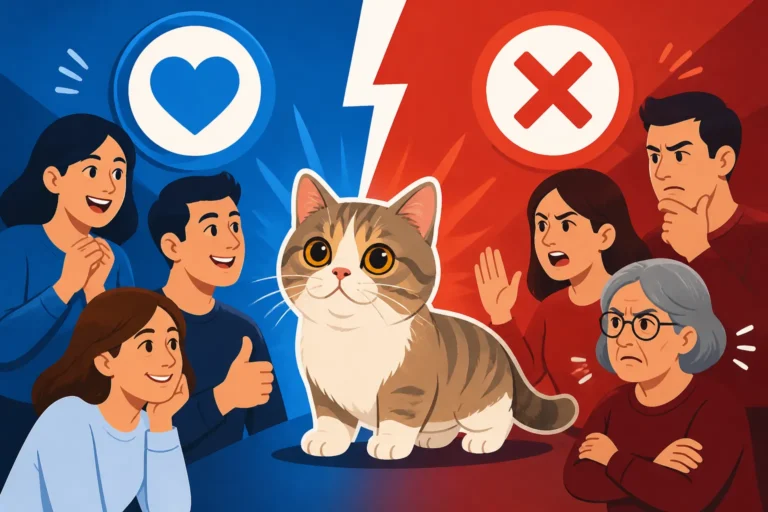
The breeding of Munchkin cats is a topic that generates considerable debate within the veterinary community and cat fancy. Critics often argue that intentionally breeding for a genetic mutation that causes dwarfism and may predispose animals to certain health issues (like lordosis and pectus excavatum) is unethical. They question the quality of life for cats who cannot perform natural feline behaviors like jumping and climbing with ease. Proponents argue that responsible breeding practices minimize health risks, and that Munchkins, when properly cared for, live happy, pain-free lives with normal lifespans.
If you choose to proceed with getting a Munchkin, selecting a responsible, ethical breeder is paramount. A good breeder will be transparent about the health history of their breeding lines, genetic testing (if available for specific conditions), and will provide health guarantees. They should be willing to discuss potential health issues like lordosis and pectus excavatum and explain what steps they take to screen for them. They should be able to show you the parents (or at least detailed photos/videos) and demonstrate that their kittens are raised in an adapted, clean, and stimulating environment. Look for a breeder who is registered with a reputable organization like TICA (The International Cat Association), which recognizes the Munchkin breed.
A reputable breeder will ask you many questions about your home environment and lifestyle to ensure their kittens are going to a suitable home. They will never breed two short-legged Munchkins together, as this results in homozygous kittens who do not survive. Why Two Short Legged Munchkins Are Never Bred Together They should also provide full veterinary records for the kitten and offer lifetime support. Avoid any breeder who advertises "teacup" or "dwarf" Munchkins, as these are marketing terms often associated with irresponsible breeding practices. What a Munchkin Breeder Should Be Able to Show You
Long-Term Dedication to a Unique Companion
Ultimately, bringing a Munchkin into your life means making a long-term commitment to a cat with distinct needs. They aren't just a novelty; they are living beings who depend on you for their comfort, safety, and health for their entire lives, which can be The Twelve to Fifteen Years a Munchkin Usually Gets. This dedication extends beyond kittenhood and into their senior years, when mobility might become even more challenging, and conditions like arthritis might require more intensive management. Caring for a Munchkin Past Ten
Are you prepared to adapt your home for their entire life? Are you willing to provide the extra grooming and vigilant weight management? Can you ensure they are safe from potential harm from children or other pets who might not understand their limitations? If you can genuinely answer yes to these questions, and you are ready to embrace the unique joys and responsibilities that come with them, then a Munchkin cat could indeed be the right companion for you. Their loving, playful nature, combined with your thoughtful care, can lead to a deeply rewarding bond.
Disclaimer
This article is for general informational purposes only and does not constitute professional advice. Laws, prices and regulations vary by location and change over time. Consult a qualified professional for guidance on your specific situation.